Customer service scenarios examples you’ll love for easy learning


Looking for real customer service scenarios examples to boost your skills? You have great choices online. Check out these helpful resources:
- Best Customer Engagement Examples That Will Inspire You
- 7 best user engagement examples (and what you can learn from them
- 12 Smart Customer Engagement Examples from Famous Brands
You can also try Sobot AI, which powers Sobot Live Chat and Sobot call center. Sobot brings you practical, easy-to-use tools that help you learn quickly and handle real-world situations with confidence.
Best Customer Service Scenarios Examples Online
Top Picks Overview
You want to learn from the best, right? Let’s look at some top customer service scenarios examples that get rave reviews online. These real-life scenarios show how companies handle tough situations and create happy customers.
- Zappos: You see free shipping on returns and a 365-day return policy. Zappos agents often use humor and empathy in their conversations.
- Ritz-Carlton: Employees use a special database to remember guest preferences. They solve problems on the spot and make guests feel special.
- UPS: Agents keep a personal touch in every customer interaction.
- Apple: You notice strong employee training and lots of self-service options for customer support.
- Farfetch: The company uses smart tools to save time and money while helping customers.
- Justworks: They switched to better systems for smoother customer service.
These customer service scenarios examples help you see what works in real life. You can use these role-playing scenarios in your own training. Try acting out a Zappos return call or a Ritz-Carlton guest request. You’ll learn how to respond with empathy and quick thinking.
Tip: When you practice role-playing scenarios, focus on listening and solving problems. You’ll build confidence and improve your skills fast.
Why These Examples Work
You might wonder why these customer service scenarios stand out. The answer is simple. They cover key skills you need every day.
Here’s a quick look at what makes a scenario effective:
| Criteria | Description |
|---|---|
| Key Competencies | Shows the skills you need for customer service scenarios. |
| Achievements | Highlights real wins and success stories. |
| Effective Communication | Helps you learn how to talk clearly and help customers. |
| Technical Knowledge | Teaches you about the tools and systems used in customer support. |
| Problem-Solving Skills | Shows you how to fix issues quickly and keep customers happy. |
| Language Skills | Bilingual skills make you even more valuable in role-playing scenarios. |
You get the most out of customer service scenarios examples when you see real achievements and practice the skills. These scenarios help you prepare for anything, from a simple question to a tough complaint.
Value of Customer Service Role Play
Benefits for Training
You want your customer service team to feel ready for anything. Role-playing makes this possible. When you use role-playing scenarios, you give agents a safe place to practice real customer interactions. They can try out different ways to handle a customer is angry or upset, or when a customer demands a refund. You see agents build confidence and learn how to listen better.
Here are some ways role-playing helps with customer service training:
- You practice handling tough scenarios, like when a customer experiences long wait time or a customer experiences a billing issue.
- Agents learn to communicate clearly and solve problems fast.
- Role-playing exercises let you rehearse de-escalation techniques without real-world pressure.
- You get to see instant feedback from trainers or teammates, which helps you improve quickly.
- Role-playing scenarios encourage you to see things from the customer’s point of view, building empathy.
Recent studies show that role-playing leads to faster skill development and better performance. Take a look at these benefits:
| Benefit | Description |
|---|---|
| Accelerated skill development | You learn faster by practicing real scenarios instead of just reading about them. |
| Actionable, real-time feedback | Trainers give you tips right away, so you know what to fix. |
| Safe, judgment-free practice | You can make mistakes and learn without upsetting customers. |
| Scalable and consistent training | Everyone on your team gets the same experience, no matter where they work. |
| Increased engagement and retention | You remember more because you’re actively involved in the training exercises. |
Real-World Applications
Role-playing scenarios prepare you for real customer service situations. You might face a customer claims they were given incorrect information or a customer experiences a late delivery. Practicing these scenarios helps you respond with confidence and find a quick resolution.
Support agents use role-playing to:
- Practice skills for handling complex scenarios.
- Develop new communication strategies for customer support.
- Get ready for challenging interactions, like when a customer is upset or frustrated.
Role-playing scenarios immerse you in real-life challenges. You learn how to build customer trust and keep customers happy. Tailored scenarios make training relevant, so you can handle anything from a billing issue to a late delivery. Your agents become experts at solving problems and making every customer interaction positive.
Tip: Try role-playing with your team at least once a week. You’ll see better performance and happier customers.
Choosing Scenario Resources
When you pick customer service scenarios examples for your customer service training, you want resources that help your customer service team learn fast and perform well. Let’s break down what matters most.
Realism and Relevance
You need scenarios that feel real. If you practice role-playing with situations like a customer is angry or upset or a customer demands a refund, you get ready for actual customer interactions. Realistic scenarios prepare agents for tough moments, like when a customer experiences long wait time or a customer experiences a billing issue. You want scenarios that match your company’s policies and what customers expect. When you use feedback from real customers, your training exercises stay up-to-date and useful.
Tip: Mix easy and hard scenarios. This keeps training fresh and helps agents build skills for any situation, from a customer claims they were given incorrect information to a customer experiences a late delivery.
Interactivity and Engagement
Interactive scenarios make learning fun and memorable. Role-playing lets support agents practice skills in a safe space. You can make mistakes, get feedback, and try again. Engaging scenarios encourage you to repeat training, which helps you remember what you learn. Story-based scenarios also make training relatable, so you connect with the material and build customer trust.
| Criteria | Why It Matters |
|---|---|
| Interactivity | You practice and learn from mistakes. |
| Engagement | You stay interested and want to keep learning. |
| Feedback | You get instant tips to improve your performance. |
Omnichannel Support (Sobot Live Chat)
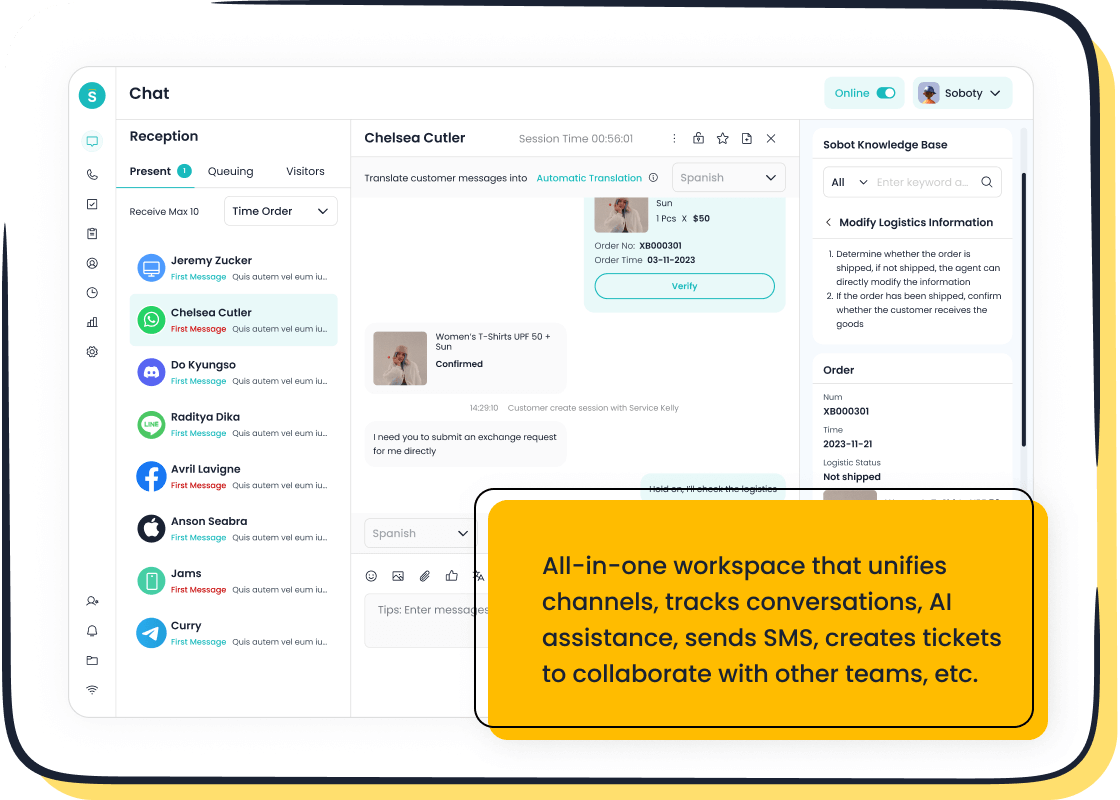
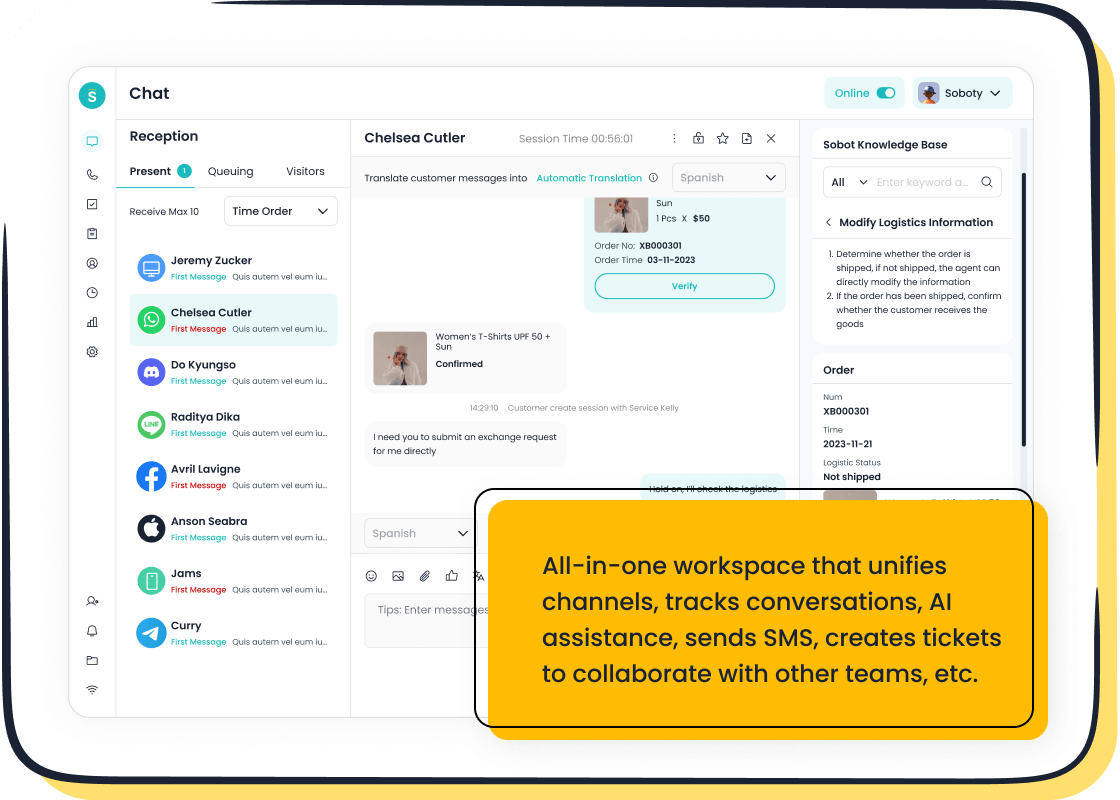
Modern customer service teams need scenario resources that work across all channels. Sobot Live Chat gives you omnichannel support, so you can role-play scenarios on websites, apps, WhatsApp, Facebook, and more. You never miss an interaction, and agents can handle customer support from one workspace. Sobot Live Chat uses AI tools to boost agent efficiency and helps you track every customer interaction. You get a unified view, which means agents can respond quickly and keep customers happy.
Analytics and Integration
Analytics help you see how your customer service team is doing. With Sobot Live Chat, you get built-in analytics that track over 150 indicators. You can spot common issues, improve resolution rates, and make smart decisions. Integration with other systems lets agents access customer data fast, so they solve problems on the first try. Airlines and telecom companies use analytics to staff properly and keep customers satisfied. When you reduce customer churn, your profits go up—sometimes by as much as 95% (source).
Note: Choose scenario resources that offer analytics and easy integration. This helps you measure performance and improve your customer service training over time.
Top Scenario Resources Review
You want to find the best resources for customer service scenarios and role-playing. Let’s dive into four top picks that make training easy and effective. Each resource brings something unique to the table, helping you and your support agents master customer interactions.
Sobot Live Chat
Sobot Live Chat stands out as a powerful tool for customer service scenario training. You get a platform that supports role-playing across websites, apps, and social media channels like WhatsApp, Facebook, Instagram, Telegram, and Discord. This means you can practice scenarios anywhere your customers reach out.
Sobot’s AI-powered chatbots handle routine inquiries instantly. You see faster response times and higher resolution rates. The platform also lets you customize workflows without coding, so you can create role-playing scenarios that match your business needs. Multilingual support helps you train agents for global customer interactions.
Here’s a quick look at Sobot Live Chat’s key features and scenario types:
| Feature | Description |
|---|---|
| Autonomous Response Capabilities | Sobot can handle inquiries without human intervention, providing instant answers to common questions. |
| Proactive Engagement | The chatbot can proactively assist customers based on their behavior, enhancing the customer journey. |
| Omnichannel Integration | Works across various platforms, ensuring consistent support regardless of the customer's contact method. |
| Multilingual Support | Automatically detects and responds in the customer's language, facilitating global communication. |
| No-Code Customization | Allows businesses to customize workflows and integrate multimedia tools for training scenarios. |
You get analytics that track over 150 indicators. This helps you measure agent performance and improve training. Sobot Live Chat also integrates with other systems, so agents can access customer data quickly and resolve issues on the first contact.
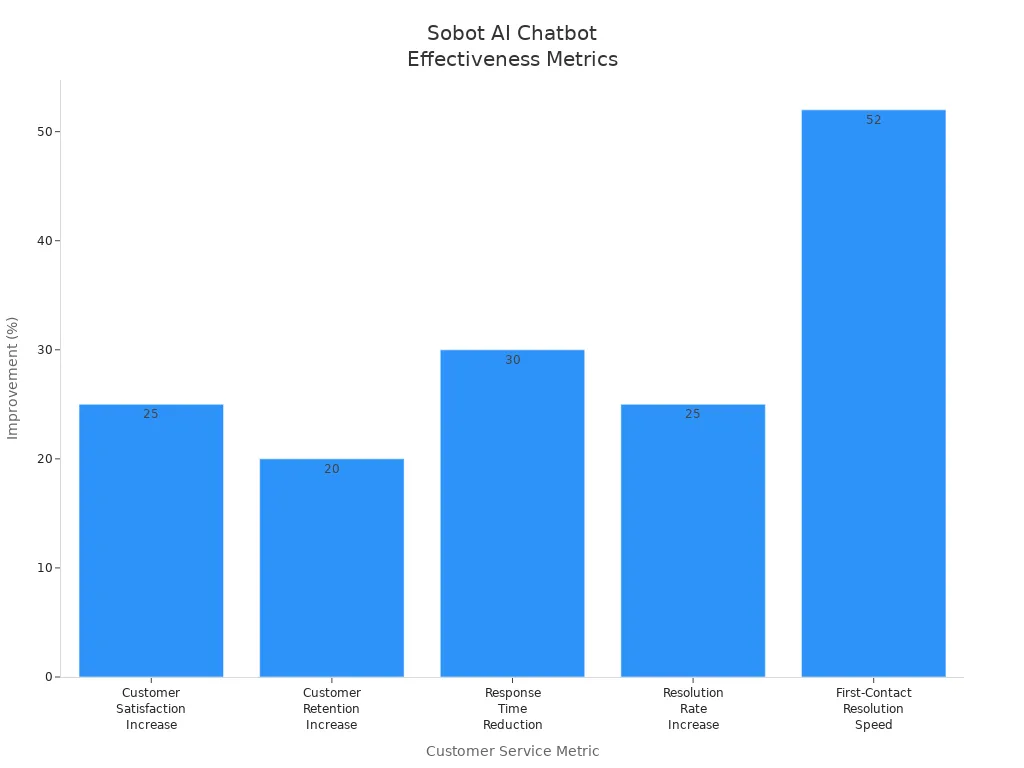
User reviews and case studies show impressive results. Sobot’s AI chatbots increase customer satisfaction by 25% and retention by 20%. Response times drop by 30%, and resolution rates go up by 25%. You see tickets resolved 52% faster with AI, freeing agents to focus on complex or emotional issues. Millennials and Gen Z prefer AI for simple scenarios, while older generations want human empathy for sensitive cases. A hybrid approach works best for overall satisfaction.
Tip: Use Sobot Live Chat to create role-playing scenarios for both simple and complex customer interactions. You’ll see better performance and happier customers.
Best Use Cases:
- Training agents for omnichannel support
- Practicing multilingual scenarios
- Measuring performance with analytics
- Handling routine inquiries with AI
- Creating custom role-playing scenarios for your business
HubSpot Customer Service Scenarios
HubSpot offers a library of customer service scenarios that help you train support agents for real-world situations. You get role-playing exercises that cover common challenges, making it easy to practice and improve.
Some unique scenario examples from HubSpot include:
- Angry customers: Handling frustrated customers who may threaten your business’s reputation.
- Unresponsive customers: Engaging with customers who do not respond to inquiries.
- Product return requests: Managing situations where customers want to return a product.
These scenarios help you build skills for tough moments. You can use role-playing to rehearse responses and get instant feedback from trainers or teammates.
Here’s a table showing the main advantages of HubSpot’s scenario resources:
| Advantage | Description |
|---|---|
| Improved Customer Satisfaction | A well-trained team can enhance customer experiences, leading to higher satisfaction levels. |
| Increased First Contact Resolution | Effective training helps representatives resolve issues on the first interaction with customers. |
| Ongoing Support | Continuous training ensures that staff adapt to changing customer needs and maintain skills. |
Best Use Cases:
- Practicing role-playing scenarios for angry or unresponsive customers
- Training agents to handle product returns
- Building a culture of ongoing learning and feedback
Note: HubSpot’s scenarios work well for teams that want structured role-playing and regular feedback.
Zendesk Role Play Examples
Zendesk provides role-playing scenarios designed to help agents handle a wide range of customer interactions. You get examples that focus on empathy, problem-solving, and clear communication.
Zendesk’s role-playing scenarios often include:
- Handling billing issues
- Responding to late delivery complaints
- Resolving technical problems
You can use these scenarios to train support agents in de-escalation techniques and active listening. Zendesk encourages feedback during training, so you can improve quickly.
Key Features:
- Scenario templates for common customer service issues
- Role-playing guides for trainers and agents
- Feedback forms for instant performance review
Best Use Cases:
- Practicing billing and delivery scenarios
- Training agents in empathy and problem-solving
- Using feedback to boost agent performance
Tip: Try Zendesk’s role-playing scenarios for weekly team training. You’ll see agents gain confidence and improve their skills.
Freshdesk Scenario Library
Freshdesk offers a scenario library that helps you automate and streamline customer service training. You get role-playing scenarios that focus on ticket management and workflow efficiency.
Freshdesk’s scenario automation lets agents perform multiple tasks with one click. For example, when handling refund tickets, agents can tag, assign, and change the status automatically. This saves time and helps you focus on customer interactions.
Here are some features you’ll find in Freshdesk’s scenario resources:
- Scenario Automation: Perform multiple tasks with a single click, streamlining ticket management.
- Example Use Case: For refund tickets, agents can tag, assign, and change the status of tickets automatically, enhancing efficiency.
Freshdesk’s scenario resources support different training needs. You learn how to foster a customer-centric culture, apply best practices, and resolve issues effectively. Automation helps you deliver consistent customer experiences and improve operational efficiency.
| Key Skills Gained | Key Learning Outcomes | Key Benefits |
|---|---|---|
| Customer-centric Culture | Foster a customer-centric culture within the organization | Targeted improvements based on data insights |
| Freshdesk Platform Features | Apply customer service best practices | Improved operational efficiency and productivity |
| Support Ticket Management | Utilize Freshdesk platform features to manage support tickets and workflows efficiently | Positive brand perception and increased customer loyalty |
| Customer Issue Resolution | Analyze and resolve customer issues effectively | Competitive advantage in the market through optimized support operations |
| Automation Implementation | Implement automation and advanced features of Freshdesk | Consistent customer experiences based on customer service best practices |
| Advanced Freshdesk Features | N/A | Faster response times, higher ticket resolution rates, and improved customer satisfaction |
Best Use Cases:
- Automating role-playing scenarios for ticket management
- Training agents in workflow efficiency
- Building a customer-centric culture
Tip: Use Freshdesk’s scenario automation to make role-playing faster and more effective. You’ll see agents spend less time on repetitive tasks and more time helping customers.
Customer Service Scenarios Examples Comparison
Feature Comparison Table
You want to know how the top resources stack up, right? Let’s look at a table that compares the main features of each platform. This helps you pick the best tool for your team’s role-playing and training.
| Resource | Omnichannel Support | AI Capabilities | Custom Role-Playing | Analytics & KPIs | Multilingual | Automation | User Satisfaction |
|---|---|---|---|---|---|---|---|
| Sobot Live Chat | ✅ | ✅ | ✅ | ✅ | ✅ | ✅ | ⭐⭐⭐⭐⭐ |
| HubSpot | ❌ | ❌ | ✅ | ✅ | ❌ | ❌ | ⭐⭐⭐⭐ |
| Zendesk | ✅ | ❌ | ✅ | ✅ | ✅ | ✅ | ⭐⭐⭐⭐ |
| Freshdesk | ✅ | ❌ | ✅ | ✅ | ✅ | ✅ | ⭐⭐⭐⭐ |
You see Sobot Live Chat leads with full omnichannel support, AI tools, and custom role-playing scenarios. It also gives you strong analytics and automation. Zendesk and Freshdesk offer good automation and multilingual support. HubSpot focuses on structured role-playing scenarios and feedback.
Tip: When you choose a resource, think about your team’s needs. Do you want more automation, or do you need better analytics for tracking performance?
Summary of Benefits
You get more from your training when you use resources that match your goals. Here’s what makes each platform stand out for role-playing scenarios and customer interactions:
- You align training with the customer journey. This means your agents learn skills that help real customers every day.
- You balance immediate needs with long-term development. Your team gets ready for today’s challenges and builds skills for the future.
- You measure what matters. Use KPIs like Customer Satisfaction (CSAT) and Resolution Rate to see how well your support agents perform.
Here’s a quick table showing the benefits you get from these scenario resources:
| Benefit | Description |
|---|---|
| Customer Understanding | You learn what customers want and expect, so you can tailor scenarios. |
| Customer Satisfaction | You use feedback to improve retention and keep customers happy. |
| Team Performance | Your agents see feedback and learn how to improve service quality. |
| Product Improvement | You spot areas for improvement and make changes that help everyone. |
| Customer Acquisition | Positive feedback attracts new customers and grows your business. |
Support agents love seeing feedback after role-playing. Katie Cort says, “If the company does not have a way of knowing whether or not their customers are happy — things like retention will not improve!” Caleb King adds, “Customer feedback is a very important tool for managers to get anecdotal feedback directly from the customer as one of the many pieces for measuring team members’ performance.” Rachel Ang shares, “Reps get to see the feedback, and that’s really helpful for training and learning what could be improved and what we can continue doing.”
You get the best results when you use scenarios that connect training to real customer interactions. Role-playing helps agents learn fast, improve performance, and make every customer feel valued.
Tips for Using Scenario Resources
Maximizing Learning
You want your customer service team to get the most out of role-playing. Try these strategies to boost learning and make every interaction count:
- Listen closely during role-playing scenarios. Repeat what the customer says and show you understand.
- Ask focused questions. Keep customer history handy so you can resolve cases quickly.
- Stay professional. Help the customer, even if the customer is angry or upset.
- Make the other person feel good. A positive attitude improves satisfaction.
- Tell a complete story. Solve the issue in one go so customers leave happy.
- Encourage collaboration. Invite other departments to join training and role-playing.
- Show agents how to use technology. Make sure they know how to access customer information.
- Teach stress-reduction techniques. Give agents wellness tips to handle tough scenarios.
- Make customer service everyone’s responsibility. Get all staff involved in training.
- Offer continuous learning. Use online resources for ongoing role-playing and skills practice.
Tip: Challenge your team with complex problems. Let agents learn from each other and share feedback.
Integrating with Training
You can make role-playing a natural part of your training program. Here are some easy ways to do it:
- Keep a positive attitude. This helps agents resolve issues faster.
- Use customer service software to track every interaction and improve response times.
- Give agents effective training so they build strong skills for all scenarios.
- Ask for feedback after each session. Show you care about customer satisfaction.
- Offer onboarding for new customers. Help them understand your services and avoid frustration.
- Make sure agents know company policies. This helps them give accurate answers.
Note: Establish camaraderie within your customer service team. Appreciation and communication make training more fun.
Common Mistakes
Sometimes, organizations miss out on the benefits of role-playing scenarios. Here’s a table showing common mistakes and how you can avoid them:
| Common Mistakes | Solutions |
|---|---|
| Delays in response | Provide comprehensive training |
| Lack of training | Employ standardized processes |
| Poor communication | Use robust systems and tools |
| Not utilizing the right tools | Provide adequate resources |
| Not storing and reviewing customer data | Review and store customer data regularly |
| Understaffing or inadequate resources | Ensure enough agents and support |
| Inconsistent processes | Standardize your role-playing scenarios |
| System or technology failures | Maintain and update your systems |
| Poor communication skills | Practice role-playing to improve skills |
📝 Remember: Avoid these mistakes to keep your customer service team strong and your customers satisfied.
You have great tools to help your team deliver exceptional customer service. Sobot Live Chat stands out with its easy setup, smart analytics, and omnichannel support. When you use scenario-based training, you help your team grow and boost customer satisfaction. Here’s why role play works:
- You practice real skills in a safe space.
- You build empathy by seeing things from the customer’s view.
- You learn from feedback and improve fast.
Try Sobot and other resources to make learning fun and effective. Share your favorite training tips or stories below!
FAQ
What are customer service scenarios examples?
Customer service scenarios examples show real or role-played situations you might face with customers. You use these to practice skills like problem-solving, empathy, and communication. These examples help you get ready for anything that comes your way.
How do I use customer service scenarios for training?
You can act out scenarios with your team. Try role-playing a customer complaint or a refund request. Give feedback after each session. This hands-on practice helps you learn fast and remember what to do in real situations.
Why should I choose Sobot Live Chat for scenario training?
Sobot Live Chat lets you practice customer service scenarios examples across websites, apps, and social media. You get AI tools, analytics, and a unified workspace. This makes your training more realistic and helps you track your progress.
Can scenario-based training improve customer satisfaction?
Yes! When you practice with real customer service scenarios examples, you learn to solve problems quickly and keep customers happy. Studies show that well-trained teams boost satisfaction and loyalty. Happy customers come back and tell others about your service.
What channels does Sobot Live Chat support for customer service scenarios?
Sobot Live Chat supports websites, mobile apps, WhatsApp, Facebook, Instagram, Telegram, and Discord. You can practice scenarios on any channel your customers use. This helps you deliver great service everywhere.
See Also
Transforming Customer Support With AI Service Agents
Effective Strategies For Quality Management In Call Centers
A Comprehensive Guide To Omnichannel Contact Center Setup

