How Hard Skills and Soft Skills Work Together

Hard skills refer to technical abilities that you can measure and apply to specific tasks. In customer service, these skills include problem-solving, using software tools, and managing customer inquiries efficiently. For example, customer service representatives with strong technical abilities often resolve issues faster, reducing operational costs. According to recent data, organizations with smaller technical skill gaps save up to 80% on workforce costs and improve efficiency.
Soft skills, on the other hand, involve emotional intelligence and interpersonal abilities. These skills, such as empathy and active listening, help you connect with customers and build trust. When hard and soft skills combine, they create a powerful synergy. For instance, mastering customer service hard skills enables you to address problems effectively, while soft skills ensure the interaction feels personalized and engaging.
Sobot provides tools to help you balance these skill sets. Its solutions enhance your technical expertise while supporting soft skill application, ensuring exceptional customer experiences.
Understanding Customer Service Hard Skills
What Are Hard Skills
Hard skills are technical abilities that you can measure and learn through training or practice. These skills are essential for performing specific tasks in customer service. For example, knowing how to use customer relationship management (CRM) software or handling data entry are considered hard skills. Unlike soft skills, which focus on interpersonal abilities, hard skills rely on technical knowledge and expertise.
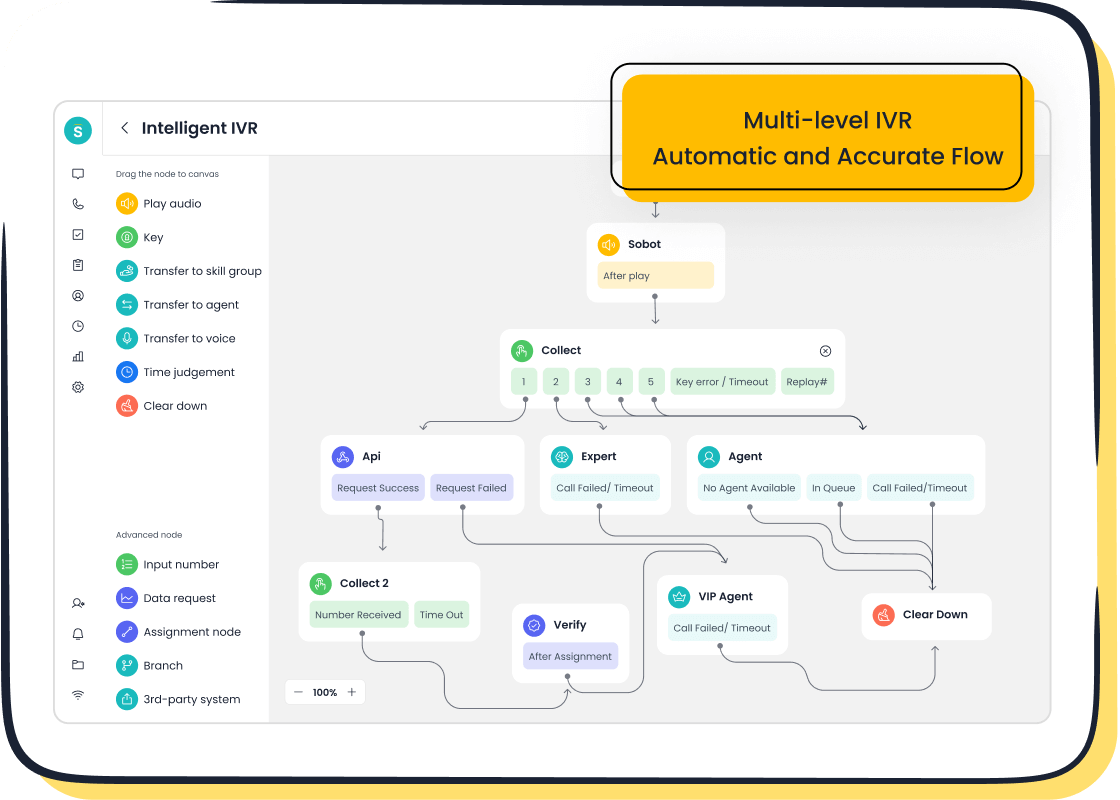
In customer service, hard skills form the foundation of your ability to resolve issues effectively. They allow you to navigate tools, manage workflows, and provide accurate solutions. For instance, understanding how to operate a call center system ensures you can handle customer inquiries efficiently. Tools like Sobot's Voice/Call Center simplify this process by offering features such as intelligent IVR and smart call routing, which enhance your technical capabilities.
Examples of Hard Skills for Customer Service
Customer service hard skills cover a wide range of technical abilities. Here are some examples:
- Proficiency in CRM Software: Managing customer data and tracking interactions.
- Data Analysis: Interpreting customer feedback to improve service quality.
- Technical Troubleshooting: Solving product-related issues quickly.
- Multichannel Communication: Handling inquiries via email, chat, and phone.
- Knowledge Base Management: Updating and maintaining accurate information for customers.
Sobot's solutions, such as its AI-powered Voicebot, help you develop these hard skills for customer service. The platform provides tools for managing customer interactions across multiple channels, ensuring you can deliver seamless support.
The Role of Hard Skills in Customer Service Success
Hard skills play a critical role in achieving customer service success. They enable you to handle tasks efficiently, reducing response times and improving customer satisfaction. For example, a representative skilled in data analysis can identify trends in customer complaints and suggest improvements. Similarly, proficiency in multichannel communication ensures you can assist customers on their preferred platforms.
According to a study by McKinsey, companies that invest in technical training for their teams see a 20% increase in customer satisfaction. Sobot's Cloud Call Center supports this by offering features like real-time monitoring and analytics, which help you refine your technical expertise. By mastering customer service hard skills, you not only enhance your performance but also contribute to your organization's overall success.
Exploring Soft Skills in Customer Service
What Are Soft Skills
Soft skills refer to interpersonal abilities that help you connect with others effectively. These skills include empathy, active listening, and adaptability. Unlike hard skills, which focus on technical expertise, soft skills emphasize emotional intelligence and communication. In customer service, they enable you to build trust and create meaningful interactions with customers.
Experts highlight the importance of interpersonal abilities in customer service settings. For example, studies show that verbal mimicry by service providers leads to higher customer satisfaction. Mimicry, such as matching a customer's tone or phrasing, enhances service quality and strengthens relationships.
| Study | Findings | Implications |
|---|---|---|
| Kulesza et al. (2023) | Verbal mimicry improved customer satisfaction. | Mimicry boosts service quality and reputation. |
| Kavanagh & Winkielman (2016) | Emotional states influence mimicry interpretation. | Understanding mimicry aids in customer interactions. |
Examples of Soft Skills in Customer Service
Customer service representatives rely on various soft skills to deliver exceptional experiences. Here are some examples:
- Empathy: Understanding and addressing customer concerns with care.
- Active Listening: Paying attention to customer needs without interruptions.
- Adaptability: Adjusting your approach based on customer preferences.
- Effective Communication: Ensuring clarity and responsiveness across channels.
- Collaboration: Treating customers as partners to solve problems together.
Zappos exemplifies the impact of soft skills. The company trained its team to prioritize empathy and active listening, empowering them to make decisions that enhance customer satisfaction. This approach resulted in high customer loyalty, with one representative spending over 10 hours on a single call to ensure a positive experience.
Why Soft Skills Are Crucial for Customer Interactions
Soft skills play a vital role in creating authentic connections with customers. When you prioritize emotional aspects like empathy and rapport, customers feel understood and valued. This leads to higher satisfaction and loyalty.
Customer feedback surveys emphasize the importance of soft skills:
- Authentic connections lead to satisfying interactions.
- Emotional aspects enhance customer experiences.
- Feeling understood increases satisfaction and repeat business.
Companies that invest in soft skills training see measurable results. Johnson & Johnson improved customer satisfaction scores by 30% within a year. Addressing concerns empathetically also boosted repeat business by 15%. These examples show how soft skills transform customer interactions into lasting relationships.
How Hard and Soft Skills Complement Each Other

The Synergy Between Hard and Soft Skills
Hard and soft skills work together to create a seamless customer service experience. While hard skills equip you with the technical expertise to solve problems, soft skills ensure that your interactions feel human and empathetic. For example, knowing how to use a CRM system allows you to access customer data quickly. Pairing this with active listening helps you understand the customer's concerns and offer a solution that feels personalized.
Studies show that integrating soft skills into customer service processes enhances interactions. For instance:
- Assessing where soft skills can improve processes, such as adding personal follow-ups, strengthens customer relationships.
- Practicing soft skills in safe environments builds confidence for real-world scenarios.
- Mentorship programs encourage employees with strong interpersonal abilities to guide others, fostering a balanced skill culture.
Sobot's Voice/Call Center exemplifies this synergy. Its intelligent IVR system streamlines call routing, a hard skill, while its AI-powered Voicebot supports empathetic communication, a soft skill. Together, these features help you deliver efficient and meaningful customer interactions.
Real-Life Scenarios Where Both Skills Are Essential
Customer service representatives often face situations where both hard and soft skills are crucial. Imagine a customer calling to resolve a billing issue. You need technical troubleshooting skills to navigate the billing system and identify the error. At the same time, empathy and effective communication help you reassure the customer and maintain their trust.
Real-time data highlights the impact of combining these skills:
| Skill Type | Impact on Customer Service |
|---|---|
| Professional Skills | Enhance communication and problem-solving abilities, leading to better customer understanding and satisfaction. |
Leveraging customer data also plays a vital role. By analyzing demographics and purchase history, you can anticipate needs and offer tailored solutions. This approach not only resolves issues but also builds loyalty. Sobot's Omnichannel Solution supports this by unifying customer data across platforms, enabling you to provide personalized experiences effortlessly.
Enhancing Customer Experience Through Balanced Skill Sets
Balancing hard and soft skills transforms customer service into a powerful tool for business growth. Emotional intelligence, when paired with technical expertise, creates interactions that feel both efficient and genuine. For example, AI tools that interpret emotional cues and respond with empathy lead to higher retention rates. Customers feel understood, which fosters brand loyalty and encourages positive word-of-mouth.
Companies investing in AI training see a 20% boost in employee productivity. This improvement directly enhances customer experiences. Developing leadership and teamwork skills also empowers you to lead initiatives that elevate service quality. Sobot's solutions, like its AI-powered chatbot, combine technical precision with empathetic responses, ensuring every interaction leaves a lasting impression.
By mastering both skill sets, you not only meet customer expectations but exceed them. This balance drives satisfaction, loyalty, and long-term success.
Developing Hard Skills for Customer Service
Tips for Building Technical Expertise
Building technical expertise in customer service requires consistent practice and access to effective resources. You can start by participating in training sessions that focus on specific tools and processes. Role-playing exercises are another excellent way to gain hands-on experience. These activities simulate real customer scenarios, helping you develop confidence and problem-solving abilities.
Maintaining a detailed knowledge base also supports your growth. It provides quick access to answers, ensuring you can resolve customer inquiries efficiently. Workshops and peer-to-peer learning further enhance your skills. Collaborating with colleagues allows you to share tips and learn from their experiences. Mentorship programs pair you with seasoned agents who can guide you through complex systems and tools.
Tracking metrics like average handling time, resolution rates, and customer feedback helps measure your progress. These indicators show how your hard skills improve over time, leading to better customer satisfaction and operational efficiency.
Leveraging Tools Like Sobot's Voice/Call Center

Sobot's Voice/Call Center offers powerful features to help you refine your hard skills. Its intelligent IVR system simplifies call routing, allowing you to manage customer inquiries with precision. The unified workspace consolidates customer data, enabling you to access information quickly and provide accurate solutions.
Performance data demonstrates the impact of these tools:
| Metric | Result |
|---|---|
| Reduction in inbound discussion | 20% |
| Positive feedback | 96% + |
| Correct answers | 80% |
| Customer satisfaction | 95% |
| Self-service question resolution | 22.2% |
| Customer satisfaction score (CSAT) | 97% |
| Problem resolution rate | 85% |
| Customer happiness | 99% |
| Sign-off rate | 35% increase |
| COD collection rate | 40% increase |
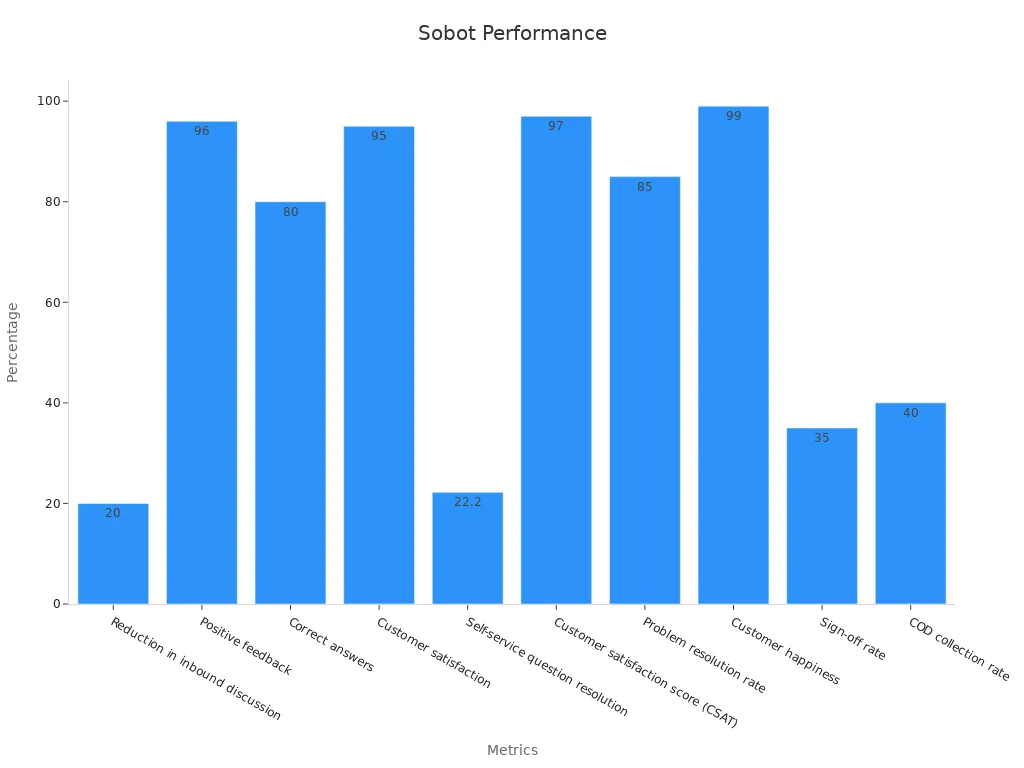
These tools not only enhance your technical capabilities but also improve customer satisfaction scores. By leveraging Sobot's solutions, you can master hard skills that drive success in customer service.
The Importance of Continuous Learning and Certification
Continuous learning keeps your hard skills sharp and relevant. Customer service technologies evolve rapidly, and staying updated ensures you can adapt to new tools and processes. Online courses and certifications provide structured learning paths. They validate your expertise and make you more competitive in the job market.
Regular performance reviews also play a key role. They highlight areas for improvement and track your progress. Hands-on experience, combined with feedback from mentors or supervisors, helps you refine your skills further.
Sobot supports your learning journey by offering tools that integrate seamlessly with training programs. For example, its AI-powered Voicebot provides real-time coaching, helping you apply learned skills in practical situations. By committing to continuous learning, you can build a strong foundation of hard skills that enhance both your performance and customer satisfaction.
Enhancing Soft Skills for Customer Service
Strategies for Improving Communication and Empathy
Improving communication and empathy requires deliberate strategies that focus on understanding and connecting with customers. You can start by being attentive during interactions. Listen actively to what customers say and acknowledge their concerns. Putting yourself in their shoes helps you understand their emotions and respond appropriately. Offering personalized solutions also demonstrates that you value their unique needs.
Training programs that focus on emotional intelligence can significantly enhance your ability to empathize. For example, predictive empathy, powered by AI analysis, identifies customer emotions and suggests appropriate responses. Integrating data analytics with empathetic practices creates a customer experience that is both informed and emotionally sensitive. For instance, AI tools like sentiment analysis can detect frustration in a customer's tone, prompting you to respond with care and understanding.
Companies that prioritize these strategies see measurable results. A multinational retail chain improved customer satisfaction from 65% to 88% after implementing empathy-focused training, which also led to a 15% increase in sales. Similarly, LinkedIn research shows that 92% of talent professionals believe soft skills are as important as hard skills, if not more so.
Role-Playing and Feedback for Skill Development
Role-playing is a powerful tool for enhancing interpersonal skills. By simulating real-life customer scenarios, you can practice responding to various situations in a controlled environment. This method allows you to experiment with different approaches and refine your communication style. For example, role-playing activities can immerse you in scenarios that require empathy and adaptability, helping you build confidence.
Feedback further accelerates skill development. Recording interactions and reviewing them with mentors or peers provides valuable insights. A systematic review found that video consultations significantly improved communication skills among health professionals. Similarly, consistent role-play engagement can increase social interaction skills by up to 40% and improve communication in 70% of participants.
| Evidence Type | Description |
|---|---|
| Role-Playing Effectiveness | Enhances empathy and communication by immersing participants in scenarios. |
| Improvement Statistics | Boosts social interaction skills by 40% and improves communication in 70%. |
How Sobot's Omnichannel Solution Supports Soft Skill Application
Sobot's Omnichannel Solution empowers you to apply soft skills effectively across multiple customer service channels. Its unified workspace consolidates customer data, enabling you to personalize interactions and respond empathetically. For example, the platform's AI-driven analytics can identify customer emotions, helping you tailor your responses to their needs.
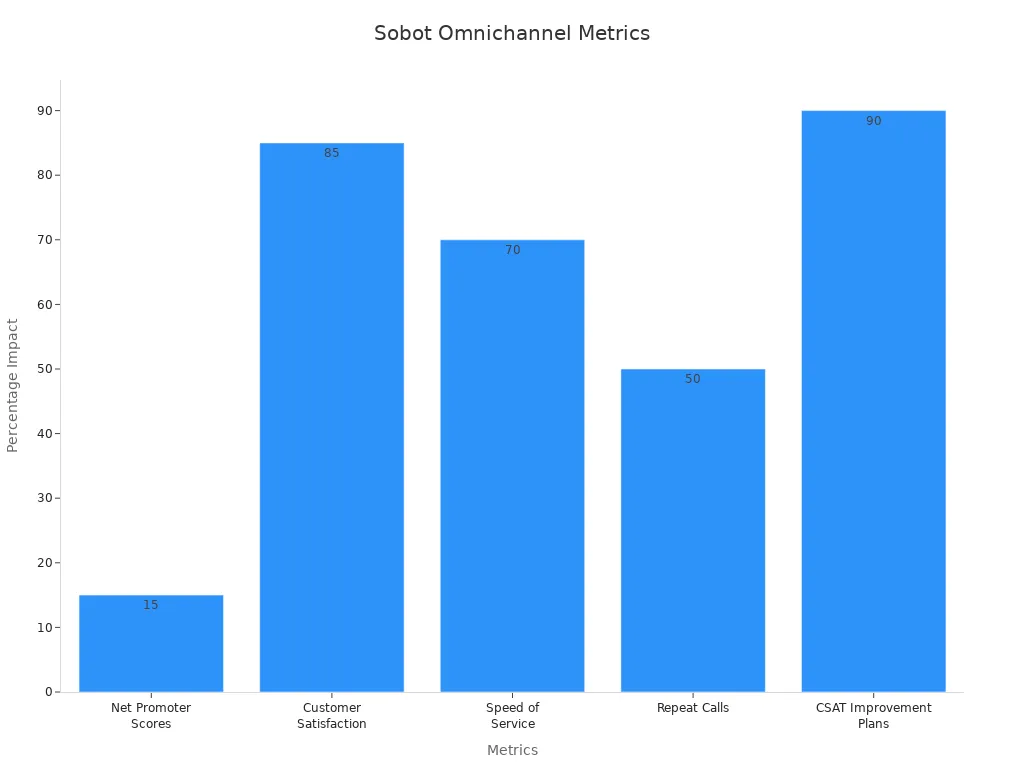
The solution also enhances efficiency. By automating repetitive tasks, it frees up time for you to focus on building meaningful connections with customers. Metrics demonstrate its impact:
| Metric Description | Impact |
|---|---|
| Net Promoter Scores (NPS) | 15% higher for AI tool users. |
| Customer Satisfaction | 85% of customers report higher satisfaction. |
| Repeat Calls | 50% decrease due to AI-powered issue detection. |
By leveraging Sobot's tools, you can seamlessly integrate soft skills into your daily interactions, ensuring every customer feels valued and understood.
The Future of Hard and Soft Skills in Customer Service

Adapting to Evolving Customer Expectations
Customer expectations are changing rapidly. Today’s customers demand more than just solutions; they want experiences that feel human-centered and empathetic. Emotional intelligence, active listening, and conflict resolution have become essential in customer-facing roles. These skills help you connect with customers on a deeper level, ensuring they feel valued and understood.
Businesses that prioritize empathy and customer experience often outperform their competitors. Research shows companies focusing on these areas achieve up to 85% higher revenue growth. For example, integrating soft skills like active listening into your interactions can transform a routine inquiry into a memorable experience.
At the same time, technical proficiency remains critical. Customers expect fast and accurate resolutions, which require strong hard skills. Tools like Sobot’s Omnichannel Solution unify customer data across platforms, enabling you to deliver personalized service efficiently. By combining hard and soft skills, you can meet evolving expectations and foster lasting customer loyalty.
The Role of AI and Automation in Skill Integration
AI and automation are reshaping customer service. These technologies handle repetitive tasks, freeing you to focus on empathy and personalized interactions. For instance, AI can categorize emails or respond to basic queries, allowing human agents to address complex issues. This integration enhances both technical and interpersonal capabilities, creating a balanced approach to customer service.
However, AI cannot replicate emotional intelligence. Genuine attention and care from human agents remain essential for high-quality service experiences. Empathy and interpersonal skills help you understand customer needs and elevate service quality.
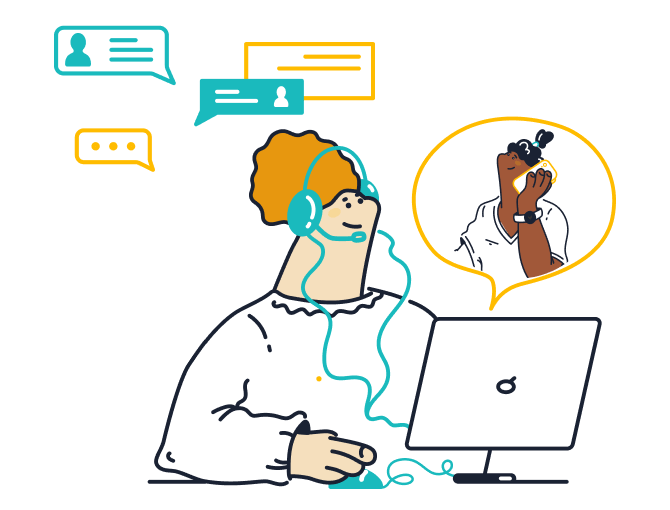
Sobot’s AI-powered Voicebot exemplifies this synergy. It automates routine tasks while supporting empathetic communication. By leveraging AI alongside your interpersonal abilities, you can achieve higher customer retention and satisfaction. Studies show this combination leads to improved service interactions and stronger customer relationships.
How Sobot Helps Businesses Stay Ahead in Customer Service
Sobot equips businesses with tools to excel in customer service. Its solutions integrate hard and soft skills seamlessly, ensuring you can adapt to changing demands. For example, the Voice/Call Center offers intelligent IVR and smart call routing, enhancing your technical proficiency. At the same time, its AI-powered Voicebot supports empathetic communication, helping you connect with customers effectively.
The Omnichannel Solution further strengthens your capabilities. It consolidates customer data, enabling you to personalize interactions and respond with empathy. By automating repetitive tasks, it frees up time for you to focus on building meaningful connections. Metrics show businesses using Sobot’s tools achieve higher customer satisfaction and loyalty.
As customer expectations evolve, Sobot’s innovative solutions ensure you stay ahead. By mastering hard and soft skills with the help of these tools, you can deliver exceptional experiences that drive growth and success.
Balancing hard and soft skills transforms customer service into a powerful tool for building loyalty. Hard skills like technical troubleshooting ensure efficiency, while soft skills such as empathy create meaningful connections. Together, they elevate customer satisfaction and foster trust.
| Company | Evidence of Impact | Customer Satisfaction Increase | Training Focus |
|---|---|---|---|
| IBM | 60% increase in employee satisfaction scores post-training | 60% | Storytelling and personal experiences |
| Starbucks | Barista resolved a complaint, leading to a 20% improvement in customer satisfaction | 20% | Effective communication |
| Booking.com | 20% increase in customer satisfaction scores after soft skills training | 20% | Active listening and conflict resolution |
Assess your skills regularly to identify areas for growth. Tools like Sobot’s Voice/Call Center and Omnichannel Solution help you refine technical abilities while enhancing interpersonal interactions. By mastering both skill sets, you can deliver exceptional experiences that drive lasting success.
FAQ
1. What are the key differences between hard and soft skills?
Hard skills are technical abilities you learn through training, like using software or analyzing data. Soft skills focus on interpersonal abilities, such as empathy and communication. Hard skills solve problems efficiently, while soft skills build trust and create meaningful customer interactions.
2. How can you improve your hard skills in customer service?
You can improve hard skills by attending workshops, practicing with tools like Sobot's Voice/Call Center, and tracking metrics like resolution rates. Continuous learning and certifications also help you stay updated with evolving technologies and processes.
3. Why are soft skills essential for customer service?
Soft skills create authentic connections with customers. Empathy and active listening make customers feel valued, increasing satisfaction and loyalty. These skills transform routine interactions into memorable experiences, fostering long-term relationships.
4. How does Sobot support skill development?
Sobot provides tools like the Omnichannel Solution and Voice/Call Center. These platforms enhance technical expertise and support empathetic communication. By automating tasks and unifying customer data, Sobot helps you focus on delivering exceptional service.
5. Can AI replace soft skills in customer service?
AI enhances efficiency by automating repetitive tasks, but it cannot replicate emotional intelligence. Soft skills like empathy and adaptability remain essential for creating meaningful customer experiences. Combining AI with interpersonal abilities leads to better service quality and customer retention.
See Also
Excelling in Live Chat Within Retail Environments
Strategies for Efficiently Overseeing Live Chat Representatives
Comprehending the Responsibilities of IT Call Center Agents
Perfecting Live Chat Techniques for Customer Assistance
Enhancing SaaS Customer Service Through Live Chat Approaches

