How to Create a Customer Service Crisis Management Plan


Customer service crisis management involves preparing for and addressing unexpected disruptions that impact your customer interactions. Without a proper plan, businesses risk losing credibility, customer loyalty, and even financial stability. For instance, poorly managed crises can lead to lawsuits, penalties, and a loss of up to 30% of customers. Additionally, over 40% of small businesses fail to reopen after major crises, emphasizing the need for effective strategies.
Proactive planning safeguards your brand reputation and ensures smooth communication during challenging times. It also helps maintain customer trust and minimizes operational risks. Tools like Sobot’s solutions can enhance your crisis response by streamlining communication and improving efficiency. By preparing in advance, you can turn potential setbacks into opportunities to strengthen customer relationships.
What Is Customer Service Crisis Management?
Definition and Purpose of a Crisis Management Plan
Customer service crisis management involves preparing for unexpected events that disrupt your ability to serve customers effectively. A crisis management plan ensures you can respond quickly and minimize damage to your brand. This plan outlines strategies to address various crises, from technological failures to public relations issues. Its primary purpose is to protect your reputation, maintain customer trust, and ensure smooth communication during challenging times.
For example, Johnson & Johnson's response to the 1982 Tylenol poisoning crisis demonstrates the importance of a well-prepared plan. The company immediately recalled 31 million bottles, prioritizing consumer safety and restoring trust. This proactive approach turned a potential disaster into a case study in effective crisis management.
Common Scenarios Requiring a Crisis Management Action Plan
Crises can arise from various situations, and being prepared for them is essential. Some common scenarios include:
- Financial issues like bankruptcy announcements or store closures.
- Technological failures causing service outages or data breaches.
- Natural disasters requiring safety precautions or operational changes.
- Workplace violence or misconduct affecting employee and customer safety.
- Confrontations from dissatisfied customers or stakeholders.
- Organizational wrongdoing leading to public backlash.
For instance, Equifax faced a major data breach in 2017 but delayed its public announcement. This lack of transparency eroded customer trust and highlighted the need for timely communication during crises.
How It Differs From Routine Customer Service Strategies
Routine customer service strategies focus on day-to-day interactions, aiming to resolve individual issues and enhance customer satisfaction. Crisis management, on the other hand, addresses large-scale disruptions that threaten your business's stability. It requires a structured approach, including risk assessment, clear communication protocols, and a dedicated crisis management team.
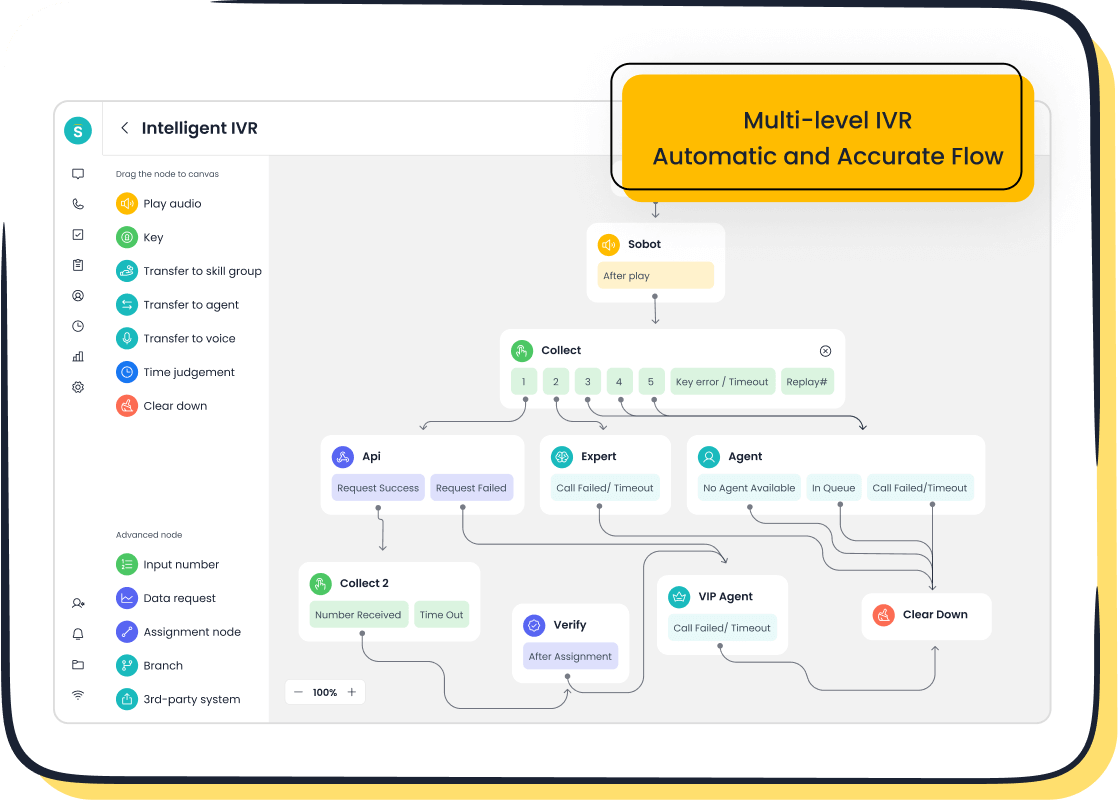
Unlike routine strategies, crisis management emphasizes speed, transparency, and empathy. Tools like Sobot's Voice/Call Center can play a crucial role here. With features like intelligent IVR and real-time monitoring, Sobot helps you streamline communication and respond effectively during crises. This ensures you maintain customer trust and minimize operational risks.
Why Is a Crisis Management Plan Essential for Customer Service?
Safeguarding Brand Reputation During Crises
A well-structured crisis management plan protects your brand from reputational damage during challenging times. When a crisis occurs, your ability to respond quickly and effectively determines how customers perceive your business. Start by identifying the root cause of the issue and assessing its potential impact. This helps you create a strategic response to stabilize your reputation.
For example, companies like Johnson & Johnson have demonstrated the importance of swift action. During the 1982 Tylenol poisoning crisis, the company recalled 31 million bottles and communicated transparently with the public. This approach prioritized consumer safety and restored trust. To safeguard your brand, ensure consistent messaging across all communication channels and monitor public sentiment to adjust your strategy as needed.
Building and Maintaining Customer Trust
Customer trust is fragile during a crisis. Your actions can either strengthen or weaken it. Transparency and empathy play a crucial role in maintaining trust. A great example is KFC's response to a chicken shortage in the UK. The company issued a humorous apology, taking responsibility for the situation. This approach resonated with customers and helped rebuild trust.

Your crisis management plan should include clear communication protocols to keep customers informed. Tools like Sobot's Voice/Call Center can streamline this process. Features such as real-time monitoring and intelligent IVR ensure you deliver timely and accurate updates, reinforcing customer confidence in your brand.
Reducing Financial and Operational Risks
Poor crisis management can lead to significant financial and operational risks. Legal issues, compensation claims, and declining sales are common consequences. For instance, a poorly handled crisis can result in lawsuits or fines, draining your resources. Additionally, loss of customer trust often translates into reduced revenue and market share.
A proactive crisis management plan minimizes these risks. By addressing issues promptly and maintaining transparent communication, you can prevent long-term damage. Sobot's solutions, such as its AI-powered Voicebot, enhance your ability to manage crises efficiently. These tools help you reduce average handle time and improve first-contact resolution rates, ensuring smoother operations during challenging periods.
Key Components of a Customer Service Crisis Management Plan
Risk Assessment and Analysis
Identifying Potential Customer Service Crises
You must identify potential crisis scenarios to prepare effectively. Start by analyzing past incidents within your industry. For example, data breaches, service outages, or public relations issues often disrupt customer service. Use tools like customer feedback surveys and social media monitoring to detect early warning signs. Regularly updating your risk assessment ensures you stay ahead of emerging threats.
Evaluating Risks and Their Business Impact
Understanding the impact of each crisis on your business is crucial. Evaluate risks based on their likelihood and potential damage to your reputation, finances, and operations. For instance, a data breach could lead to reputational damage and legal penalties. The table below outlines essential elements of risk assessment:
| Element | Description |
|---|---|
| Preparation | Identifying potential risks and developing strategies to mitigate them. Regular risk assessments are crucial. |
| Response | Establishing a crisis response team with cross-functional representatives to make quick decisions. |
| Recovery | Conducting post-crisis evaluations to identify lessons learned and gather customer feedback. |
Communication Strategies for Crisis Management
Internal Communication Protocols
Effective internal communication ensures your team stays aligned during a crisis. Establish clear protocols for sharing updates and assigning tasks. For example, designate a point of contact to coordinate between departments. Tools like Sobot’s Voice/Call Center can streamline internal communication by providing a unified workspace for managing calls and customer information.
External Communication Guidelines
Your external communication strategy should prioritize transparency and empathy. In 2018, Tide faced a crisis when teenagers began eating Tide Pods. Proctor & Gamble responded with a social media campaign highlighting the dangers, effectively managing the crisis. Follow these steps for external communication:
- Prioritize transparent customer communication.
- Address the crisis promptly and openly.
- Utilize all appropriate communication channels, including email and social media.
As Terry Neal, president of Neal Communications Strategies, said,
"A company or organization cannot be transparent when there is internal dissent on what caused the crisis in the first place."
Response Protocols and Action Plans
Step-by-Step Crisis Management Action Plan
A detailed crisis management action plan ensures a swift and organized response. Include these steps:
- Define 'crisis' for your organization.
- Set up your core crisis management team.
- List key points of contact.
- Create a detailed crisis management document.
- Reach out to all stakeholders across your main channels.
Escalation Procedures for Complex Issues
Some crises require escalation to higher management or specialized teams. Define clear procedures for escalating complex issues. For example, if a data breach occurs, involve your IT and legal teams immediately. Sobot’s AI-powered Voicebot can assist by routing calls to the appropriate team, ensuring quick and efficient resolution.
Crisis Management Team Structure
Roles and Responsibilities of Team Members
A well-defined crisis management team ensures your business can respond effectively to any crisis. Each member plays a critical role in managing the situation and minimizing its impact. Here are the key roles and their responsibilities:
- Security Manager: Evaluates security measures and oversees site safety during a crisis.
- Spokesperson/Public Affairs Advisor: Handles media briefings and external communications.
- Human Resources Manager: Tracks employee information and manages benefits.
- Health, Safety, and Environment Lead: Addresses risks to employee health and safety.
- Legal Specialist: Advises on legal liabilities and ensures confidentiality.
- Command Center Manager: Maintains the crisis command center and ensures it is fully equipped.
- Operations and Business Recovery Manager: Coordinates efforts to restore business operations.
- Administrative Support Staff: Provides documentation and organizational support.
- Information Technology Manager: Leads IT-related crisis responses, such as data breaches.
- Finance Officer: Manages financial resources and budgets during the crisis.
- Business Unit Representative: Represents their department and activates additional staff if needed.
- Subject Matter Experts: Offers specialized knowledge to address specific challenges.

For example, during a data breach, the IT Manager and Legal Specialist work together to secure systems and address compliance issues. Tools like Sobot's Voice/Call Center can assist the Spokesperson by streamlining communication with stakeholders, ensuring accurate and timely updates.
Training and Preparedness for Crisis Scenarios
Training your crisis management team is essential for effective response. Regular drills and simulations prepare team members for real-world scenarios. For instance, conducting a mock data breach can help your IT Manager and Legal Specialist practice their response strategies.
Equip your team with tools that enhance their efficiency. Sobot's solutions, such as its AI-powered Voicebot, can simulate customer interactions during training. This prepares your team to handle high call volumes and complex inquiries during a crisis.
Additionally, ensure all team members understand their roles and responsibilities. Provide them with access to a detailed crisis management plan and conduct periodic reviews to keep the plan up-to-date. A well-trained team reduces response time and builds customer confidence in your ability to manage crises effectively.
Tip: Use real-life examples during training to make scenarios relatable and actionable. This approach improves team readiness and ensures a smoother response when a crisis occurs.
Step-by-Step Guide to Creating a Customer Service Crisis Management Plan
Assemble a Crisis Management Team
Building an effective crisis management team is the foundation of your crisis preparedness. This team ensures your business can respond swiftly and efficiently during a crisis. Follow these steps to assemble a strong team:
- Appoint a crisis team manager and an alternate to lead the team.
- Identify essential roles, such as spokesperson, safety chief, and liaison officer, and provide detailed job descriptions.
- Assign leaders for intelligence, planning, operations, logistics, and finance, along with alternates for each role.
- Include managers for communication, IT, legal, HR, and health and safety to cover all critical areas.
- Establish a reliable contact system with backup options and practice your crisis response plan regularly.
- Provide team members with wallet-sized cards containing key contact information.
- Schedule semi-annual drills to ensure the team remains prepared.
Your team should consist of individuals who can think quickly, collaborate effectively, and handle pressure well. For example, during a data breach, your IT manager and legal specialist must work together to secure systems and address compliance issues. Tools like Sobot’s Voice/Call Center can streamline communication within the team, ensuring everyone stays aligned.
Conduct a Comprehensive Risk Assessment
A thorough risk assessment helps you identify potential crises and their impact on your business. Use the following tools and methods to evaluate risks effectively:
| Tool/Method | Description |
|---|---|
| Risk Assessment | Identify and evaluate potential crises that could disrupt customer service. |
| SWOT Analysis | Analyze strengths, weaknesses, opportunities, and threats to prepare for crises. |
| PESTLE Analysis | Examine external factors (Political, Economic, Social, Technological, Legal, Environmental). |
| Scenario Planning | Develop strategies for various crisis scenarios to minimize their impact. |
For instance, a SWOT analysis might reveal that your reliance on a single communication channel is a weakness. Addressing this could involve adopting omnichannel solutions like Sobot’s Voice/Call Center, which integrates multiple communication platforms into one workspace. Regularly updating your risk assessment ensures you stay ahead of emerging threats.
Develop Clear Communication Strategies
Effective communication is critical during a crisis. A well-defined communication strategy ensures your message reaches the right audience and builds trust. Consider these key components:
- Determine your goals for immediate and long-term outcomes.
- Establish a clear internal communication process to keep your team aligned.
- Identify your target audience and craft simple, truthful messaging.
- Choose appropriate communication channels, such as email, social media, or phone calls.
- Provide regular updates to prevent speculation and maintain transparency.
For example, during a product recall, you might use Sobot’s AI-powered Voicebot to deliver automated updates to customers, ensuring consistent and timely communication. Transparency and responsiveness demonstrate your commitment to resolving the issue, which strengthens customer trust.
Tip: Regularly review and refine your communication strategy to adapt to changing customer expectations and technological advancements.
Create Detailed Response Protocols
A well-structured response protocol ensures your crisis management team can act swiftly and effectively. Start by defining clear steps for addressing different types of crises. For instance, if a data breach occurs, your protocol should outline immediate actions like securing systems, notifying affected customers, and involving legal advisors. Each step should focus on minimizing damage and restoring normal operations.

To enhance your response, use tools that streamline communication and task management. Sobot’s Voice/Call Center offers features like smart call routing and real-time monitoring, which help you manage high call volumes during a crisis. These tools ensure your team can prioritize urgent issues and maintain transparency with customers.
Additionally, document your protocols in a centralized location accessible to all team members. Include contact information for key personnel, escalation procedures, and guidelines for external communication. Regularly review these protocols to ensure they remain relevant and effective.
Train Your Team and Simulate Crisis Scenarios
Training your team prepares them to handle crises with confidence and efficiency. Simulations play a crucial role in this process by mimicking real-life scenarios. For example, you can create a mock situation where your team must respond to a sudden service outage. This exercise helps them practice decision-making, communication, and collaboration under pressure.
Simulations offer several benefits:
- Emulate real-life scenarios to prepare for actual challenges.
- Integrate time jumps to create urgency and test adaptability.
- Evaluate teamwork by assigning specific crisis roles.
These exercises also build confidence, clarify roles, and improve communication. Sobot’s AI-powered Voicebot can simulate customer interactions during training, helping your team practice handling high call volumes and complex inquiries. Regular drills ensure your team stays ready for any crisis.
Tip: Use feedback from simulations to refine your protocols and address any gaps in your team’s preparedness.
Regularly Review and Update the Crisis Management Plan
Your crisis management plan must evolve with your business. Experts recommend reviewing it at least once a year to incorporate changes in operations, technology, or customer expectations. For example, if you adopt new communication tools like Sobot’s Live Chat, update your plan to include these resources.
During the review, assess the effectiveness of your protocols and identify areas for improvement. Engage your crisis management team in this process to ensure all perspectives are considered. Regular updates keep your plan relevant and enhance your ability to respond to emerging threats.
Note: A proactive approach to updating your plan demonstrates your commitment to customer satisfaction and operational excellence.
Tips for Effective Customer Service Crisis Management
Leverage Tools Like Sobot's Voice/Call Center for Crisis Communication
Using the right tools can significantly enhance your ability to manage a crisis effectively. Platforms like Sobot's Voice/Call Center streamline communication and improve your team's efficiency. These tools offer several advantages:
- Improve crisis management efficiency by 45% and reduce coordination errors by 30%.
- Decrease response times by 60% with crisis-ready chatbots.
- Reduce call center volume by 20%, allowing agents to focus on complex issues.
- Enhance communication efficiency by 50% and improve data security by 30% through cloud-based platforms.

For example, Sobot's Voice/Call Center provides features like intelligent IVR and real-time monitoring. These capabilities ensure that your team can handle high call volumes while maintaining clear and consistent communication with customers. By leveraging such tools, you can respond to crises more effectively and maintain customer trust.
Act Quickly While Maintaining Calmness
Swift action is critical during a crisis, but staying calm ensures your response is measured and effective. Companies that act quickly and calmly often mitigate damage and rebuild trust faster.
| Company | Action Taken | Key Takeaway |
|---|---|---|
| KFC | Ran an apology advertisement acknowledging the issue. | Importance of understanding the audience and aligning responses with brand values. |
| Johnson & Johnson | Recalled products, issued safety warnings, and implemented tamper-proof packaging. | Emphasizes transparency, quick action, and commitment to affected parties. |
| Southwest Airlines | Used social media to apologize and provide updates. | Highlights effective use of social media for prompt customer engagement. |
These examples highlight the importance of acting decisively while maintaining composure. A well-prepared crisis management plan ensures your team knows exactly what steps to take, reducing panic and confusion.
Prioritize Transparent and Empathetic Communication
Transparent and empathetic communication builds trust and reduces customer anxiety during a crisis. Openly sharing information helps manage expectations and prevents misinformation. Empathy, on the other hand, creates a supportive environment that reassures customers.
Trust is critical in a crisis; the more customers trust your communication, the less fear they experience.
Research shows that 70% of customers appreciate frequent updates during crises. Companies that provide regular updates see a 25% increase in customer satisfaction and a 20% reduction in misinformation. For example, Sobot's AI-powered Voicebot can deliver automated updates, ensuring consistent and timely communication. This approach demonstrates your commitment to resolving the issue and strengthens customer loyalty.
Learn From Past Crises to Improve Future Responses
Learning from past crises strengthens your ability to handle future challenges. Each crisis offers valuable lessons that can refine your approach and improve your preparedness. By analyzing what worked and what didn’t, you can create a more effective plan for future responses.
Start by reviewing how your team managed previous crises. Identify areas where delays or missteps occurred. For example, Al Ain Zoo implemented a crisis management training program after identifying gaps in their emergency response. This initiative reduced their response time by 40%. Similarly, Dubai Airports introduced a feedback system during the pandemic, which boosted traveler confidence by 20% through enhanced health and safety measures. These examples highlight the importance of adapting based on past experiences.
Encourage collaboration and knowledge sharing within your organization. Emirates Group established a platform for sharing insights, which improved their crisis response effectiveness by 15%. You can adopt a similar approach by documenting lessons learned and making them accessible to your team. This ensures everyone benefits from shared experiences and avoids repeating mistakes.
Using tools like Sobot’s Voice/Call Center can also enhance your crisis management efforts. Features such as real-time monitoring and intelligent IVR help you analyze customer interactions during a crisis. This data provides insights into customer concerns, enabling you to refine your communication strategies and improve future responses.
Finally, conduct regular post-crisis evaluations. Gather feedback from your team and customers to identify areas for improvement. Use this information to update your crisis management plan and train your team accordingly. Continuous learning ensures you stay prepared for any challenge that comes your way.
Tip: Treat every crisis as an opportunity to grow. The more you learn, the better equipped you’ll be to handle future disruptions.
A customer service crisis management plan is essential for protecting your brand and maintaining customer trust during challenging times. By defining what constitutes a crisis, assembling a dedicated team, and creating detailed communication plans, you can respond effectively and minimize disruptions. Continuous improvement through feedback and training ensures your plan stays relevant and robust.
Proactive strategies, such as transparent communication and empathy, strengthen customer loyalty and satisfaction. Companies that adopt these measures often see a 15% increase in customer satisfaction and a 25% boost when feedback loops are utilized. Tools like Sobot’s Voice/Call Center enhance your crisis response by streamlining communication and improving efficiency.
By preparing in advance, you can turn potential setbacks into opportunities to build trust and foster stronger relationships with your customers. Take the first step today and equip your business with the tools and strategies needed to navigate any crisis confidently.
FAQ
What is the first step in creating a customer service crisis management plan?
The first step involves assembling a crisis management team. Assign roles like spokesperson, IT manager, and legal advisor. Ensure each member understands their responsibilities. For example, your IT manager handles data breaches, while your spokesperson manages public communication. Tools like Sobot’s Voice/Call Center can streamline team coordination.
How often should you update your crisis management plan?
You should review and update your plan at least once a year. Regular updates ensure it aligns with changes in your business operations, technology, or customer expectations. For instance, if you adopt Sobot’s AI-powered Voicebot, include it in your communication protocols for enhanced efficiency.
Why is transparent communication important during a crisis?
Transparent communication builds trust and reduces misinformation. Customers appreciate honesty and frequent updates. Research shows 70% of customers prefer regular updates during crises. Using tools like Sobot’s Voice/Call Center ensures timely and consistent communication, helping you maintain customer confidence.
How can Sobot’s solutions improve your crisis management efforts?
Sobot’s Voice/Call Center enhances communication efficiency by 50%. Features like intelligent IVR and real-time monitoring help you manage high call volumes. These tools reduce response times by 60%, ensuring your team can focus on resolving complex issues and maintaining customer trust.
What are the benefits of simulating crisis scenarios?
Simulations prepare your team for real-life challenges. They improve decision-making, teamwork, and adaptability. For example, using Sobot’s AI-powered Voicebot during training helps your team practice handling high call volumes. This builds confidence and ensures a smoother response during actual crises.
See Also
Essential Principles for Quality Management in Call Centers
Top Strategies for Effective Call Center Quality Management
Ten Essential Steps for Omnichannel Contact Center Implementation
Ten Helpful Tips for Selecting Social Media Support Tools
Enhancing Call Center Efficiency Through Effective Monitoring