Common Customer Self-Service Strategy Issues and Solutions


You often face challenges when implementing a customer self service strategy, such as lack of awareness, poor portal design, outdated information, over-automation, insufficient monitoring, and integration issues. Many customers abandon tasks because instructions are unclear or guidance is missing. Poor guidance and repeated data entry frustrate users. Sobot delivers solutions with real-world examples, helping you tackle self-service challenges effectively. Reflect on your current customer self service strategy and identify which issues impact your portal. With sobot, you will find practical advice to improve customer experience and operational efficiency.
Awareness Challenges in Customer Self-Service
Identifying Awareness Gaps
You may notice that many customers do not use your self-service portal, even though it offers helpful features. This is a common customer service challenge. Customers often prefer self-service, but they may not know about the options you provide. Research shows that over two-thirds of people want to solve problems themselves instead of talking to a company representative. In fact, 81% of people want businesses to offer more self-service solutions. In the banking and financial industry, more customers now use self-service software to manage accounts and get help at any time. This trend shows that customer expectations are changing, and you need to keep up with modern challenges.
Some industries have seen a big jump in self-service usage. For example, in October 2023, 24% of people used virtual assistants from credit card companies, compared to only 4% in 2019. This growth means more people know about self-service, but there are still gaps. If your customers do not know about your portal, they cannot use it. You need to find out where these gaps exist and address them.
Boosting Portal Engagement
To close awareness gaps, you should use omnichannel promotion and proactive messaging. These strategies help you reach customers on the channels they use most. Sobot’s omnichannel solution lets you connect with customers through social media, email, and chat, making it easier to share information about your self-service portal. When you use personalized messages and real-time data analytics, you improve engagement and make sure customers see the value of your portal.
| Key Aspect | Description |
|---|---|
| Personalized Interactions | Tailor messages to each customer using their data. |
| Real-time Data Analytics | Use up-to-date information to send relevant content and improve engagement. |
| Seamless Integration | Give customers a consistent experience across all channels, building satisfaction and loyalty. |
You can also run targeted campaigns to increase portal usage. For example, one clinic ran a "Portal 101" campaign with short videos and emails. As a result, portal usage went up by over 60%. When you make it easy for customers to find and use your self-service portal, you meet their needs and improve their experience. This approach helps you build a strong knowledge base and keeps your self-service strategy effective.
Usability Issues in Self-Service Portals
Common Design Pitfalls
You may face customer service challenges when your self-service portal has poor design. Many users stop using a portal if they find it confusing or hard to navigate. Slow response times and frequent outages can make users lose trust. If you do not provide feedback channels, users may feel ignored. Limited features push customers back to traditional support. Difficult navigation frustrates users and leads to abandonment.
| Design Pitfall | Description |
|---|---|
| User-friendly interface | Confusing layouts reduce return visits and satisfaction. |
| Reliability | Outages and slow speeds make users avoid the portal. |
| Non-existent feedback channels | Users feel their opinions do not matter. |
| Limited capabilities | Missing features force users to seek help elsewhere. |
| Difficult navigation | Complex menus make it hard to find answers. |
Usability testing helps you find these flaws. You can recruit users from your target audience and observe their actions. Task-based testing lets you see how users complete steps. A/B testing compares two portal versions to see which works better. These methods show where users get confused or frustrated.
Enhancing User Experience with Sobot
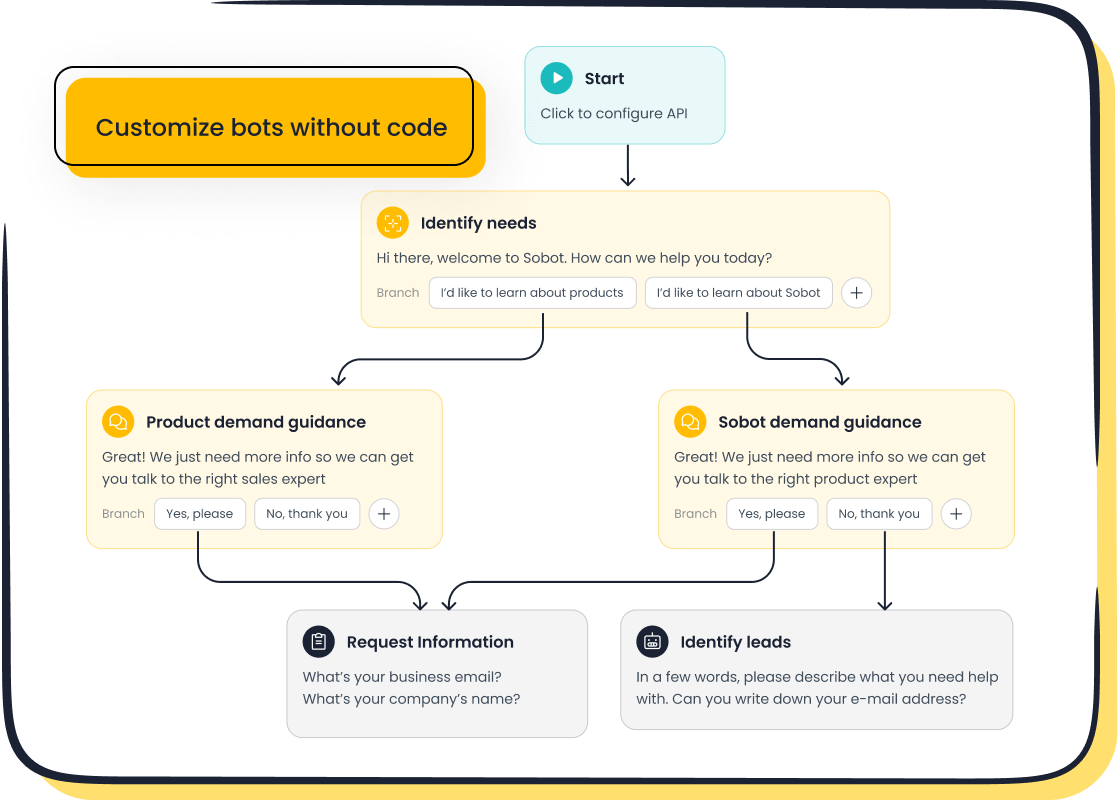
You can improve user experience by following best practices. Sobot offers self-service solutions that make your portal easy to use. The Sobot Chatbot uses a no-code setup. You can build workflows without technical skills. This feature lets you design a user-friendly interface quickly. Omnichannel support gives customers many ways to reach you, such as WhatsApp, SMS, and live chat. Customers can solve problems on their favorite platforms.
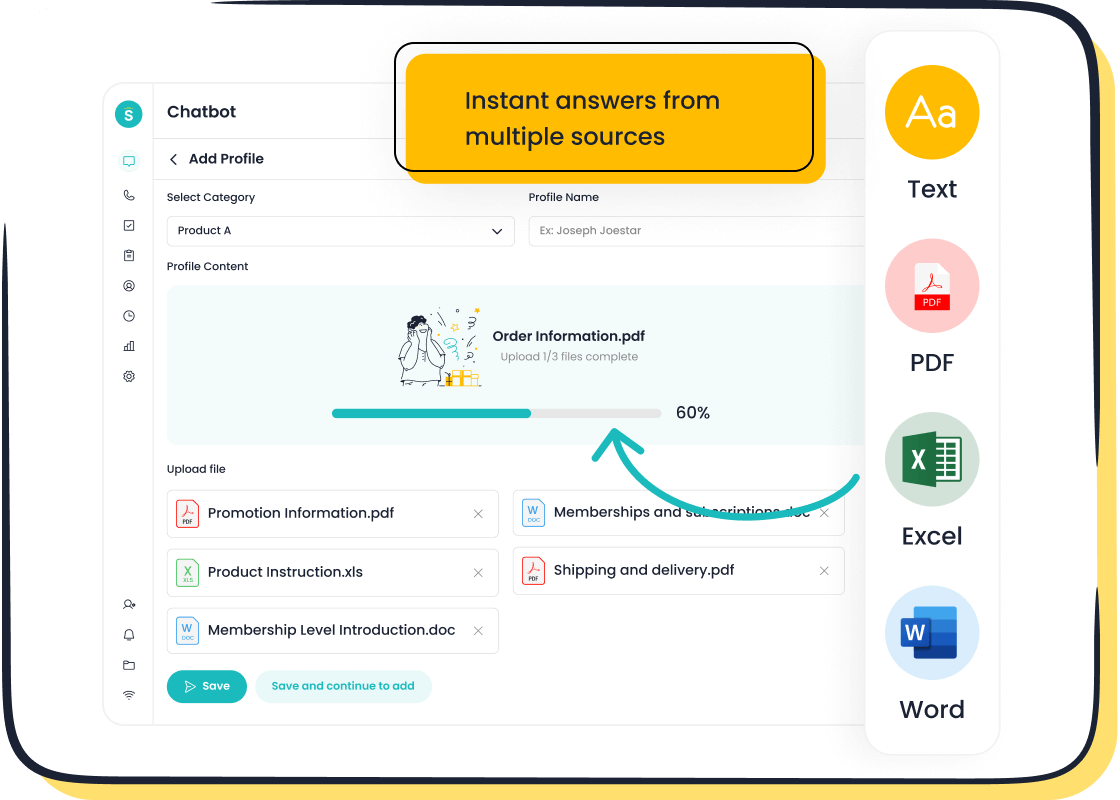
A strong knowledge base helps customers find answers on their own. Sobot’s AI-powered chatbot uses information from articles, PDFs, and text snippets. This approach meets modern challenges and customer expectations. You can use Sobot’s solutions to create a reliable, easy-to-navigate portal. Sobot also provides feedback channels and analytics to track user behavior. These tools help you improve the experience and meet your customer self service strategy goals.
Tip: Regular usability testing and feedback collection keep your portal effective and user-friendly.
Learn more about Sobot’s chatbot and omnichannel solutions at Sobot Chatbot and Sobot Omnichannel.
Outdated Knowledge Base and Self-Service Challenges
Impact of Inaccurate Information
You face serious customer service challenges when your knowledge base contains outdated or incomplete information. Customers rely on your self-service portal to find answers quickly. If they encounter wrong or old instructions, they may feel confused or frustrated. This can lead to unhappy customers and lost trust.
The main issue with self-service customer service systems is outdated data. Self-service systems require preparation and pre-programming. Unlike live information from agents, this information can get outdated. When you have many self-service resources, mistakes can easily get lost. This may lead to confusion and, as a result, unhappy customers. The worst-case scenario is that your customer breaks a piece of their setup because of such outdated info. Then there’s little you can do to keep the customer from churning.
You must keep your knowledge base accurate to meet customer expectations and avoid these risks. Modern challenges demand that you update information regularly. Customers expect reliable answers every time they use your self-service solutions.
Keeping Content Updated with AI
AI-powered content updates help you solve these challenges. You can use machine learning to analyze usage patterns and identify areas for improvement. Predictive analytics anticipate user needs and potential issues. Natural language processing improves search accuracy and relevance. Intelligent data mapping automates integration configuration.
- AI-powered content updates provide 24/7 availability, ensuring customers receive accurate answers at any time.
- They enable faster resolutions by using intelligent search that eliminates guesswork and frustration.
- Consistency is maintained as every user receives the same verified, brand-aligned information.
- User feedback loops generate insights that continuously improve the knowledge base.
Sobot’s self-service solutions use AI to optimize your knowledge base. For example, OPPO improved its customer self service strategy by partnering with Sobot. OPPO reduced maintenance efforts by 90% and achieved an 83% chatbot resolution rate. Sobot’s AI-driven content management keeps your self-service portal current and aligned with customer expectations. You gain a reliable experience for your customers and meet modern challenges with confidence.
Over-Automation in Customer Self-Service Strategy

Balancing Automation and Human Touch
You may think that automating every step in your customer self service strategy will solve all customer service challenges. However, over-automation can create new problems. Customers expect quick answers, but they also want empathy and understanding. If your self-service portal relies only on automation, you risk losing trust and missing customer expectations.
| Risk Category | Description |
|---|---|
| Efficiency Trap | Not enough staff for complex cases can hurt resolution rates. |
| Dangers of Limitless Automation | Costs rise and human judgment disappears from customer interactions. |
| Experience Trap | Fast service does not always mean the issue is solved, leading to dissatisfaction. |
| Trust and Privacy Risks | Customers may hesitate to share personal information with automated systems. |
| Employee Experience Fallout | Over-automation increases stress and lowers job quality for agents. |
| Process Rigidity and Over-Reliance | Outages or demand spikes can disrupt service when automation is overused. |
Human-machine cooperation improves customer satisfaction. Automation handles routine tasks, freeing agents to focus on complex issues. AI-powered chatbots, like Sobot’s, respond to common questions and process simple requests. This approach lets you meet customer expectations for speed and accuracy while keeping the human touch for more sensitive cases. Sobot’s live chat, voice call center, and ticketing system support seamless transitions between automation and human agents. You can use sentiment analysis and escalation paths to ensure customers get personal support when needed.
Sobot Chatbot for Smart Self-Service
Sobot Chatbot uses smart triage and escalation features to enhance your self-service portal. AI analyzes incoming tickets and routes them to the right agent. This automation reduces manual sorting and allows experts to solve complex problems. AI suggests solutions from the knowledge base and flags urgent tickets, improving response speed and accuracy. Self-service options empower customers to resolve common issues independently. Sobot’s solutions include interactive guides and searchable content, making it easy for customers to find answers. You can rely on Sobot’s customer contact center to balance automation and human support, meeting modern challenges and improving experience.
Tip: Use automation for speed, but keep humans for empathy. Let AI assist agents, not replace them.
Learn more about Sobot’s self-service solutions at Sobot Chatbot and Sobot Omnichannel.
Monitoring and Feedback in Self-Service Portals
Tracking Performance
You need to track how your self-service portal performs to solve customer service challenges and improve the user experience. Ongoing monitoring and feedback loops help you adapt to changing needs. They let you spot pain points and keep your portal relevant over time. When you collect feedback regularly, you make sure your self-service solutions meet customer expectations.
Key performance indicators (KPIs) give you a clear picture of how well your portal works. You can use the following table to understand which KPIs matter most:
| KPI | Description |
|---|---|
| Deflection Rate | Percentage of inquiries resolved without agent help. |
| Self-Service Score (SSS) | Measures portal effectiveness based on user feedback and usage. |
| Percentage of Contacts via Portal | Shows how many interactions happen through the portal. |
| Page Views | Tracks how often users view portal pages, showing engagement. |
| Bounce Rates | Percentage of visitors who leave after one page, showing content effectiveness. |
Customer Satisfaction Score (CSAT) also helps you see if your portal meets customer needs. A high CSAT means customers are happy and likely to return.
Using Analytics for Improvement
Analytics and reporting features drive continuous improvement. With Sobot, you get easy-to-use dashboards and dynamic data visualizations. These tools help you turn complex data into clear charts and graphs. You can spot trends, find issues, and make quick decisions. Self-service reporting lets your team explore data without waiting for IT support. This reduces time-to-insight and helps you act fast.
Automation features in Sobot schedule regular reports, so your team always has up-to-date information. You can filter and drill into data to see what works and what needs fixing. For example, a retail manager can check delivery rates without opening a ticket. This autonomy reduces IT backlogs and improves efficiency.
Ongoing monitoring and feedback loops offer several benefits:
- You make more informed decisions with data-driven insights.
- You refine processes faster based on user feedback.
- Your team feels empowered to contribute to improvements.
By tracking performance and using analytics, you keep your self-service portal effective. You solve challenges, improve customer service, and build a strong knowledge base for future growth.
Integration Challenges to Customer Self-Service
System Compatibility Issues
You may face customer service challenges when trying to connect your self-service portal with other business systems. Many companies use different tools for sales, marketing, and support. These tools often do not work together smoothly. When systems do not share data, you get information gaps and slow service. Customers want instant access to resources and control over their services. If your systems do not connect, customers may need to contact support for help, which slows down problem resolution.
Modern consumers prefer to solve issues on their own. In fact, 79% expect organizations to give them tools to find answers without contacting support. When your self-service portal does not integrate well, it can lead to frustration and lower satisfaction. You need to overcome these challenges to provide a seamless experience.
| Best Practice | Description |
|---|---|
| Phased Rollouts | Launch self-service solutions in stages to manage integration risks. |
| Comprehensive Training | Teach users how to use new systems to boost adoption. |
| Continuous Feedback | Collect feedback to improve the self-service experience and fix issues quickly. |
Tip: Integrate your self-service support with channels like phone and email to give customers help whenever they need it.
Seamless Integration with Sobot
Sobot offers solutions that help you overcome integration challenges. You can connect your self-service portal with platforms like Salesforce and Shopify. This integration lets you sync important information and see a unified view of your customer base. For example, you can automatically convert Shopify customers into Salesforce contacts, making data management easier. Salesforce’s CRM features let you oversee multiple Shopify stores and provide tailored support.
| Integration Benefit | Source |
|---|---|
| Unified customer view by syncing key information | Salesforce - Shopify Integration |
| Automatic conversion of Shopify customers into Salesforce contacts | Salesforce - Shopify Integration |
| Streamlined return process and improved satisfaction | Salesforce ECommerce Integration |
| Personalized product offers using AI capabilities | Salesforce ECommerce Integration |
Sobot’s chatbot, live chat, voice call center, and ticketing system all work together in one platform. You can manage customer interactions across channels and keep data consistent. This seamless integration speeds up service and makes your self-service portal more reliable. Customers get quick answers and do not need to wait for support tickets. By using Sobot’s solutions, you meet customer expectations and solve customer service challenges with ease.
You improve customer satisfaction when you address customer service challenges with the right solutions. Companies that use personalized self-service see higher satisfaction because customers get quick help any time. Regularly review your customer service strategy to match what customers need. Many businesses find that ongoing updates and monitoring keep satisfaction high. Sobot helps you link every challenge to a practical solution, making your self-service approach stronger and more effective.
FAQ
What are the most common customer service challenges in self-service portals?
You often see customers struggle with finding information, using confusing layouts, or facing slow response times. These issues can lower satisfaction and make people avoid your portal.
How can you solve integration challenges in customer service systems?
You can use solutions like Sobot to connect your self-service portal with other business tools. This helps you keep data in one place and makes service faster for everyone.
Why is it important to keep your self-service knowledge base updated?
You need to update your knowledge base often. Outdated answers can confuse users and cause frustration. Accurate information helps you build trust and improve customer service.
How does Sobot help you overcome self-service challenges?
Sobot gives you tools like chatbots, live chat, and analytics. These features help you solve problems quickly and make your self-service portal easy to use.
What makes a good self-service experience for customers?
You should give clear instructions, fast answers, and easy navigation. When you meet these needs, you help customers solve problems on their own and improve their overall experience.
See Also
Enhance SaaS Customer Support Using Live Chat Techniques
10 Strategies to Improve Customer Satisfaction via Live Chat
Top Practices for Effective Call Center Quality Management

