How Customer Self-Service Drives Better Experiences in 2026

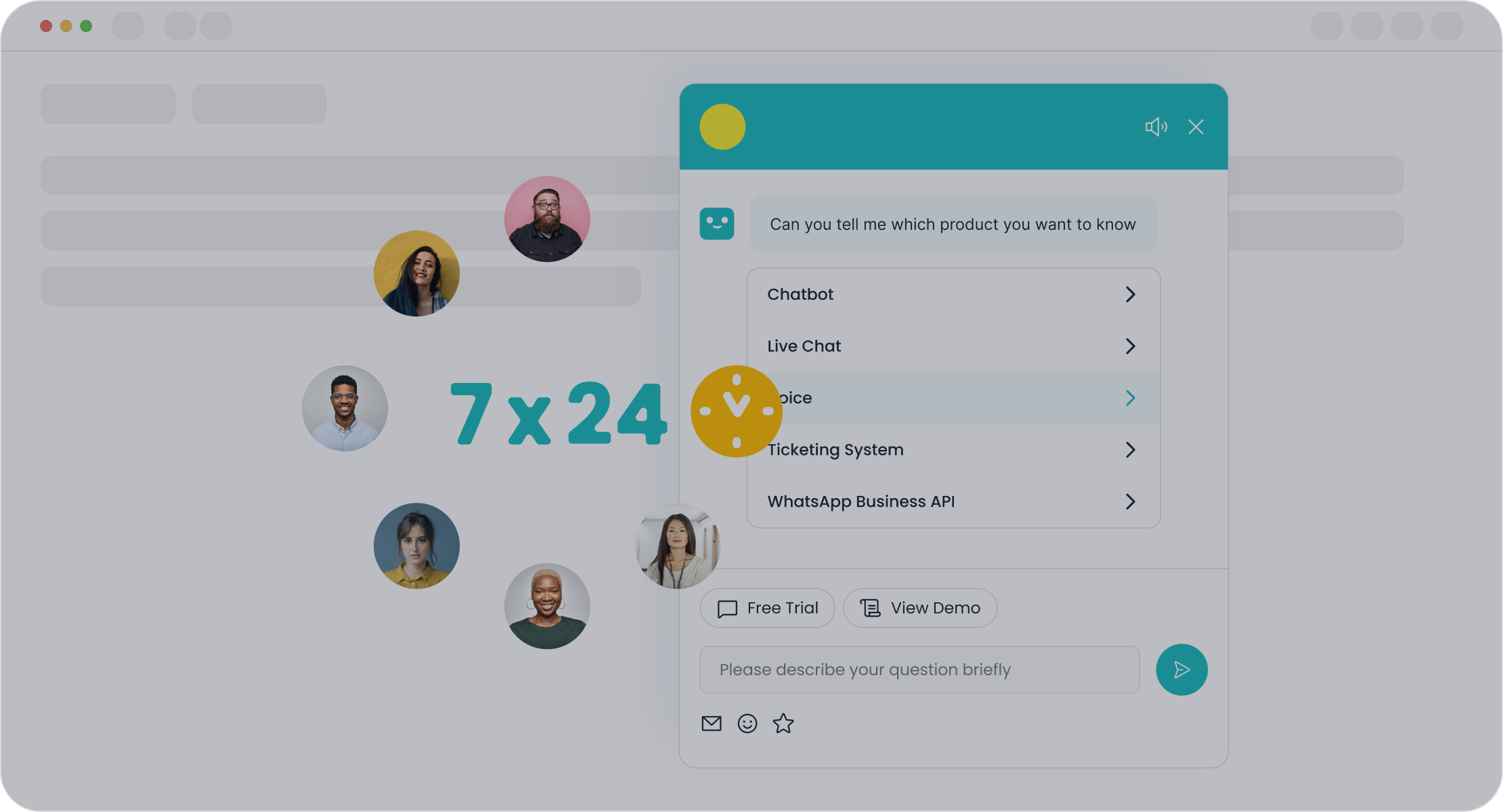
You see customer self-service changing the way you interact with brands in 2026. The majority of customers now prefer solving simple issues through self-service, with 61% choosing these options for order tracking and management. Digital self-service solutions offer speed, convenience, and empowerment, driving better customer engagement and experience. The market for self-service technologies continues to grow due to rising demand. Sobot leads in intelligent, omnichannel self-service, helping you unlock customer self service benefits for every interaction.
Customer Self-Service in 2026
Defining Customer Self-Service
You use customer self-service portals every day to solve problems and find answers. These digital self-service portals give you control over your experience. You can get help quickly, often without waiting for a live agent. Today, customer self-service means you can:
- Access information and support at any time.
- Solve issues at your own pace.
- Choose digital self-service portals over traditional support for speed and convenience.
Self-service portals have become the first stop for many customers. You expect quick solutions and easy access to information. Digital self-service portals make this possible.
Evolution and Relevance in 2026
Over the past decade, self-service portals have changed a lot. AI and automation now power most digital self-service portals. In 2026, you see customer self-service as a key part of support. You want empowerment, speed, and a personal touch. Digital self-service portals let you get help 24/7. They also build trust because you know you can solve problems anytime. AI predicts your needs, so self-service portals often give you answers before you even ask.
Most people now prefer self-service portals. Research shows that 69% of customers try to solve issues on their own before reaching out to support. Digital self-service portals save you time and give you more control.
Sobot’s Approach to Self-Service
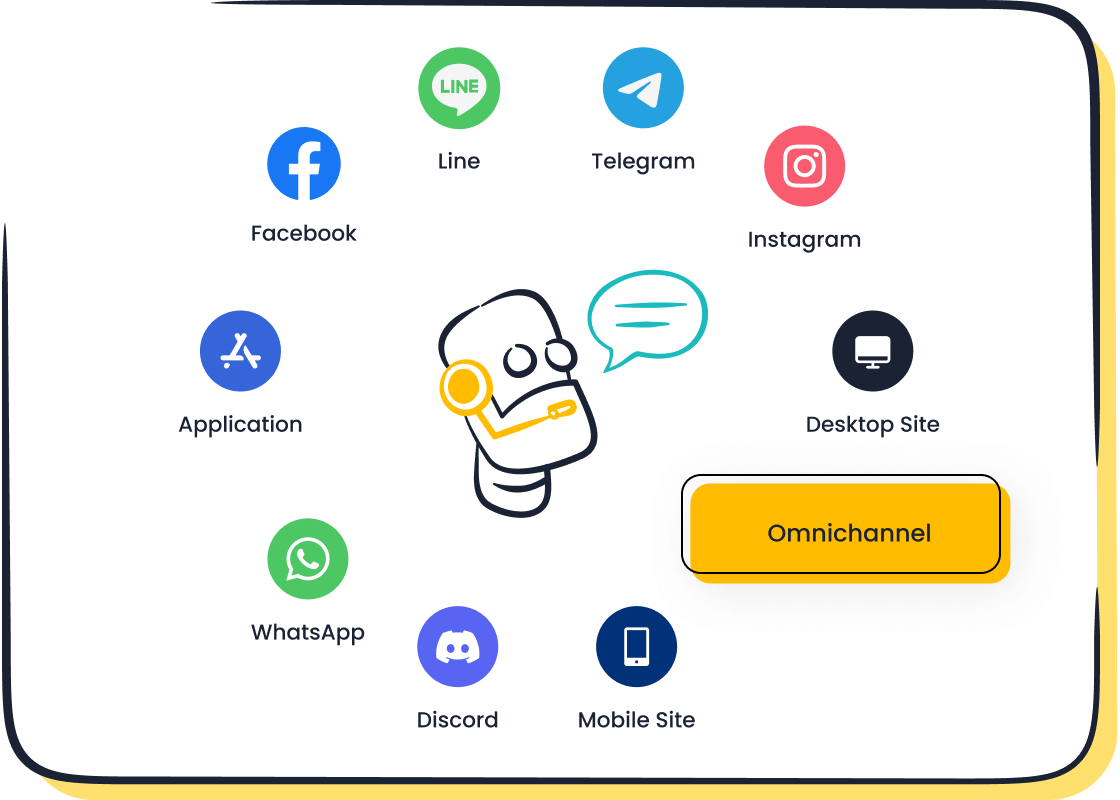
Sobot leads the way in digital self-service portals. You can use Sobot’s chatbot, live chat, AI Agent, voice call center, voicebot, and ticketing system—all in one place. Sobot’s customer contact center brings all your channels together. You get a seamless experience across self-service portals like WhatsApp, SMS, and web chat. Sobot’s AI chatbot works 24/7, answers questions in many languages, and helps you solve problems fast. The live chat and voice solutions connect you to agents when you need extra help. Sobot’s self-service portals use smart automation to cut costs and boost efficiency. You get quick answers, and businesses save money—digital self-service portals can reduce costs by up to 75%. Sobot’s self-service portals make customer support simple, fast, and always available.
Customer Self Service Benefits for Businesses and Customers
Enhanced Customer Satisfaction
You want fast answers and easy solutions. Self-service portals give you control over your support journey. You can find information, track orders, or solve problems without waiting for an agent. This freedom leads to higher customer satisfaction. When you use self-service portals, you get instant help. You do not have to explain your issue many times. You can choose the best self-service options for your needs.
Self-service portals also help you feel empowered. You can solve problems at your own pace. You do not have to follow business hours. This flexibility means you get a better experience every time you need support. Companies that use self-service portals see higher customer satisfaction scores. Customers like you enjoy the speed, convenience, and control that self-service solutions provide. According to Gartner, 70% of customers use self-service portals at some point in their support journey. This trend shows that self-service is now a key part of enhanced customer experience.
Efficiency and Cost Savings
Businesses see big changes when they use self-service portals. You help companies save money and work smarter. Self-service portals handle many routine questions. This means agents can focus on complex issues. Companies do not need as many agents for simple tasks. This leads to lower costs and better use of resources.
Self-service portals can reduce support costs by up to 75%. You help companies cut expenses and boost efficiency.
Here are some ways self-service portals drive efficiency and savings:
- Businesses achieve significant cost savings by using customer self-service platforms.
- Self-service portals enhance operational efficiency and reduce the need for human help with routine tasks.
- Over time, these portals help companies keep more customers and grow revenue.
- Service directors at global tech companies report a 40-50% drop in routine support volume within six months.
- This drop lets support teams focus on complex problems, which improves customer relationships.
- Effective self-service solutions lead to faster project timelines and allow companies to grow without hiring more support staff.
You can see the impact of self-service portals in the table below:
| Evidence Type | Description |
|---|---|
| Cost Savings | Self-service portals reduce support costs by automating high-volume tasks. |
| Scalability | They handle thousands of interactions daily at almost no extra cost. |
| Improved Customer Experience | Customers get faster answers, which boosts satisfaction. |
| 24/7 Availability | Self-service portals give support at any time, reducing wait times. |
| Reduced Ticket Volume | Self-service options lower the number of support tickets created. |
These customer self service benefits help businesses stay competitive and deliver better service to you.
Empowerment and 24/7 Access
You want help when you need it, not just during business hours. Self-service portals give you 24/7 accessibility. You can get support at any time, day or night. This constant access means you never have to wait for help. You can use chatbots, FAQs, and help articles whenever you want.
Self-service portals remove the limits of business hours. You can solve problems on your schedule. This makes you feel empowered and valued. You know that support is always there for you. This leads to higher satisfaction and trust in the brand.
- Self-service support offers 24/7 accessibility, so you can seek help at any time. This boosts convenience and user experience.
- You do not have to wait for business hours. Self-service portals give you seamless access to information and support, which lowers frustration.
- You can use help articles, chatbots, and FAQs at any time. This is great for global customers and improves satisfaction.
When you use self-service portals, you feel in control. You can solve problems quickly and easily. This is one of the most important customer self service benefits for you.
Sobot Chatbot Case: OPPO Success Story
You can see the power of self-service portals in real-world results. OPPO, a leading smart device company, used Sobot’s chatbot to improve its customer service. OPPO faced many customer questions during busy shopping times. The company needed a way to handle more requests without hiring more agents.
Sobot’s chatbot helped OPPO answer common questions fast. The chatbot worked with human agents to solve complex issues. OPPO also used Sobot to organize its knowledge base, making it easier to keep information up to date. This made self-service portals even more helpful for customers.
Here is what OPPO achieved with Sobot’s self-service solutions:
| Metric | Before Deployment | After Deployment | Change |
|---|---|---|---|
| Chatbot Resolution Rate | N/A | 83% | Significant Improvement |
| Repurchase Rates | N/A | 57% | Significant Improvement |
OPPO saw an 83% chatbot resolution rate. This means most customers got answers from the self-service portals without needing an agent. The company also saw a 57% increase in repurchase rates. Customers trusted the brand more and came back to buy again. These results show the real customer self service benefits for both customers and businesses.
You can learn from OPPO’s success. When you use self-service portals powered by smart chatbots, you get faster answers and better support. Businesses like OPPO save money, improve efficiency, and make customers happier. Sobot’s self-service solutions help companies deliver the best customer experience.
Technology Trends Shaping Customer Self-Service
AI and Automation in Self-Service
You see artificial intelligence changing digital self-service every day. AI powers chatbots that answer questions fast and help you solve problems without waiting. Automation lets you get support at any time. You notice that 68% of consumers expect chatbots to match the skills of human agents. AI copilots help agents work smarter, with 79% saying these tools boost their abilities. Digital self-service tools use predictive analytics to anticipate your needs and trigger timely help. You get secure and personalized support because AI detects fraud and manages complex conversations. Training simulations that mirror real jobs improve outcomes for both you and agents.
AI makes digital self-service faster, smarter, and more reliable. You get answers quickly and feel confident in the support you receive.
Personalization and Omnichannel Integration
Personalization shapes your experience with digital self-service. You receive content and product recommendations tailored to your preferences. Data and analytics help companies customize every interaction. You feel valued when you get personalized support across channels like chat, email, and social media. Omnichannel integration connects all your touchpoints, so you never repeat your issue. Live chat delivers an 87% satisfaction rate, much higher than phone support. Personalization boosts loyalty and satisfaction, making you more likely to return.
- Personalization uses data to create unique experiences for each customer.
- Omnichannel integration ensures seamless digital self-service across platforms.
- You enjoy consistent and efficient support wherever you reach out.
Sobot’s Chatbot and Omnichannel Solution
Sobot’s digital self-service solutions lead the way in technology trends. You interact with omnichannel AI that covers every touchpoint. Scenario-based AI adapts to industries like retail and e-commerce. Multi-faceted AI includes agents, copilots, and insights for smarter support. Generative AI uses advanced models for better responses. Secure AI protects your data and follows regulations. Sobot focuses on user experience, making digital self-service easy and efficient. You benefit from cost-effective solutions that deliver quick answers.
| Feature | Description |
|---|---|
| Omnichannel AI | Seamless customer interaction across all touchpoints |
| Scenario-based AI | Tailored for industries like retail and e-commerce |
| Multi-faceted AI | Includes AI Agent, Copilot, and Insight functionalities |
| Generative AI | Uses advanced models for enhanced responses |
| Secure AI | Ensures privacy and compliance |
| Experience-Led | Easy to use and efficient |
| Cost-effective | Quicker responses at lower cost |
You see how digital self-service, powered by AI and personalization, drives satisfaction and efficiency. Sobot’s solutions help you get the best support experience every time.
Overcoming Challenges and Best Practices
Addressing Adoption Barriers
You may face several barriers when adopting self-service platforms. Some common challenges include keeping the human touch, managing change, addressing data privacy concerns, and the cost of AI implementation. You can see these barriers in the table below:
| Barrier | Description |
|---|---|
| Keeping the human touch | Ensuring a personal connection with customers. |
| Managing change and overcoming resistance | Addressing employee reluctance to adopt new systems. |
| Addressing data and privacy concerns | Ensuring customer data is handled securely. |
| Cost of AI implementation | Financial investment required for technology. |
You can overcome resistance by involving stakeholders early, sharing success stories, and providing tailored training. You build confidence by running old and new systems in parallel and offering ongoing support. You create champions among employees and recognize their efforts. You use multi-modal learning and just-in-time resources to help everyone adapt.
Ensuring Accessibility and Usability
You want self-service platforms to be accessible and easy to use. You create a comprehensive knowledge base that covers many topics and includes a simple search function. You enforce accessibility support so users with disabilities can succeed. You follow a user-centered design approach to make interfaces user-friendly and reduce friction. You update knowledge bases and faqs regularly to keep information accurate and current.
- Create a comprehensive knowledge base.
- Enforce accessibility support for all browsers and assistive technologies.
- Follow a user-centered design approach for user-friendly interfaces.
You measure accessibility by using audits, user testing, and regular reporting. You integrate accessibility guidance into team workflows and set policies with clear KPIs.
Measuring Satisfaction and Efficiency
You track key performance indicators to measure improvements in customer satisfaction and efficiency. You use metrics like CSAT, Net Promoter Score, Customer Effort Score, and First Contact Resolution. You aim for a CSAT score of 85% or higher and keep repeat contact rates under 10%. You monitor average resolution time and knowledge base usage to see how proactive self-service impacts operational efficiency and service industry efficiency.
| KPI | Description | Benchmark/Goal |
|---|---|---|
| Customer Satisfaction (CSAT) | Measures customer happiness with support experience on a scale. | Aim for 85-90% |
| Net Promoter Score (NPS) | Measures likelihood to recommend on a 0-10 scale. | 50+ is considered excellent |
| Customer Effort Score (CES) | Rates the perceived effort in issue resolution on a scale. | Aim for over 4 |
| Repeat Contact Rate | Percentage of customers needing to contact again about unresolved issues. | Aim for under 10% |
| First Contact Resolution (FCR) | Percentage of queries resolved in one interaction. | Higher is better |
| Knowledge Base Usage | Frequency of customers self-serving answers. | Target over 20% |
You use dashboards and reports to track progress. You improve customer satisfaction and efficiency by acting on feedback and optimizing self-service channels.
You see customer self-service as the key to better customer support in 2026. Solutions like Sobot help you get quick answers, improve experience, and boost customer support efficiency. AI and omnichannel tools let you access customer support anytime. You help agents focus on complex issues while self-service handles routine tasks. The table below shows how customer support benefits from these solutions:
| Benefit | Description |
|---|---|
| Employee Productivity | Agents focus on complex customer support needs. |
| Operational Efficiency | Customer support runs smoothly with fewer delays. |
| Accessibility | Customer support is always available for you. |
You should review your customer support strategy and use new tools to keep improving your experience.
FAQ
What is customer self service?
Customer self service lets you solve problems or find answers without waiting for an agent. You use tools like chatbots, FAQs, and online portals. Customer self service gives you control and saves you time.
How does customer self service improve satisfaction?
You get fast answers and help any time you need it. Customer self service means you do not wait in line or repeat your issue. This quick support boosts your satisfaction and trust in the brand.
Can customer self service save businesses money?
Yes! Customer self service handles routine questions, so companies need fewer agents for simple tasks. Businesses can cut support costs by up to 75%. This means more resources for complex issues and better service for you.
Is customer self service available 24/7?
Absolutely. Customer self service works all day, every day. You can get help at night, on weekends, or during holidays. This constant access means you always have support when you need it.
What makes Sobot’s customer self service different?
Sobot’s customer self service uses AI chatbots, live chat, and omnichannel support. You get answers in many languages and on your favorite apps. Sobot’s solutions help you solve problems fast and make customer self service easy for everyone.
See Also
Transformative AI Agents Redefining Customer Support Experience
2024's Leading Customer Service Software Solutions Ranked
Enhancing Efficiency With AI-Driven Customer Service Tools

