Don’t wait to use customer relationship management metrics


Waiting to use customer relationship management metrics puts your business at risk. You miss chances to improve customer experience and lose valuable insights into what customers want. When you use crm tools right away, you see real results and make smarter decisions. Sobot leads the way with innovation and customer-focused solutions. Now is the best time to transform how you connect with every customer and create lasting success.
What Are Customer Relationship Management Metrics?
Defining CRM Metrics
You need to understand crm metrics if you want to build strong customer relationships. These metrics measure how your business interacts with each customer and track the quality of every touchpoint. Customer relationship management metrics help you evaluate business performance by showing how well your crm strategies work. You can see how your team responds to customer needs and how quickly you solve problems.
CRM metrics give you a clear picture of what customers experience every day. You can use these numbers to spot trends, fix issues, and improve your service.
Some of the most commonly used crm metrics include:
- Customer Satisfaction Score (CSAT)
- Net Promoter Score (NPS)
- First Response Time (FRT)
- Average Resolution Time (ART)
- Customer Effort Score (CES)
- First Contact Resolution Rate (FCR)
These metrics help you measure satisfaction, loyalty, speed, and ease of service. You can track how customers feel and how your team performs.
Why Metrics Matter for Business
Crm metrics matter because they drive growth and help you make smart decisions. When you track metrics, you learn what customers want and how they interact with your business. You can optimize your strategies and boost customer relationships. Metrics show you where your strengths and weaknesses are. You can use this information to improve business performance and stay ahead of competitors.
- Business performance metrics assess how crm strategies impact your financial results and efficiency.
- User adoption metrics show how well your team uses the crm system.
- Customer perception metrics reveal satisfaction and loyalty.
Tracking crm metrics lets you identify areas for improvement. You can make changes that lead to happier customers and stronger customer relationships. If you want to grow your business, you must use crm metrics to guide your actions.
CRM Metrics and Business Strategy
Aligning Metrics with Goals
You want your business to grow and succeed. To achieve business success, you must align crm metrics with your company goals. Customer relationship management metrics help you see if your strategy matches what your customers need. When you track metrics, you get clear data that guides your sales strategy and customer experience plans.
Metrics are not just numbers. They are the foundation for your business strategy. You use them to forecast growth, improve retention, and unify your team’s efforts.
Many businesses rely on crm metrics to make decisions based on facts, not guesses. Accurate forecasting helps you plan for strategic growth. You can set targets for your sales strategy and measure progress. Metrics also show how well you retain customers, which is key for long-term business success. When you use crm metrics, you make sure every department works toward the same objectives.
Here are some ways crm metrics align with business goals:
- They help you forecast sales and revenue with real data.
- They improve customer retention, supporting your goal of building loyalty.
- They boost productivity and unify decision-making across teams.
To get the most from crm metrics, you need best practices that keep your strategy on track. Follow these steps to align metrics with your business objectives:
- Define clear objectives. Decide what you want to achieve with your crm system.
- Select the right crm software. Make sure it tracks and reports on your chosen metrics.
- Train your team. Help everyone understand how to use crm tools and data.
- Regularly monitor and analyze data. Watch your metrics to spot trends and areas for improvement.
- Set targets and benchmarks. Motivate your team and measure success.
- Act on insights. Use data to guide your decisions and sales strategy.
- Iterate and improve. Adapt your crm strategy as your business and customer needs change.
Sobot makes this process simple. You can use Sobot’s omnichannel solution to unify customer contact across chat, voice, email, and social media. The platform tracks key crm metrics like customer satisfaction, response times, and retention rates. Sobot’s Voice/Call Center lets you monitor call data in real time, set benchmarks, and analyze agent performance. You get a unified workspace that connects all your customer interactions, making it easy to align metrics with your business goals.
Real-Time Insights for Decisions
You need to make fast decisions to stay ahead. Real-time crm metrics give you instant insights into customer behavior and sales strategy performance. When you see data as it happens, you can respond quickly to customer needs and market changes.
Real-time metrics reduce the time lag between data collection and action. You prevent lost revenue and build customer trust.
Most large enterprises now use AI in their crm systems. In fact, 87% of businesses prioritize AI to analyze customer data and gain valuable insights. This technology helps you spot trends, predict customer needs, and adjust your sales strategy on the fly.
Let’s look at some key crm metrics you can track in real time:
| Metric | Description |
|---|---|
| Total Sales | Shows your overall sales performance. |
| Percentage of Quota Achieved | Measures how much of your sales target you have met. |
| Average Deal Size | Reflects the value of deals closed, showing sales effectiveness. |
| Lead-Conversion Rates | Indicates how many leads become customers, revealing sales efficiency. |
You can use Sobot’s Voice/Call Center to monitor these metrics live. The platform offers real-time dashboards and analytics, so you see how your sales strategy performs every minute. Sobot’s AI-powered voicebot analyzes customer calls and identifies patterns. You can adjust your approach based on what customers say and how they respond.
Sobot’s omnichannel solution also provides real-time insights across chat, email, and social media. You see customer satisfaction scores, response times, and agent productivity as they happen. This helps you make quick decisions that improve customer experience and drive business success.
Here are some benefits of real-time crm metrics:
- You act fast to fix issues and seize opportunities.
- You prevent revenue loss by spotting problems early.
- You build trust by responding to customer needs right away.
- You use data to guide your sales strategy and improve outcomes.
Strategic Shifts from CRM Data
You want your business to adapt and grow. Strategic shifts happen when you use crm metrics to guide your decisions. Successful companies rely on crm data to change direction, improve customer relationships, and boost business success.
CRM metrics help you see what works and what needs improvement. You use this data to make strategic changes that drive growth.
Many top brands have transformed their business using crm metrics. For example:
- Salesforce integrated AI and automation in their crm, leading to 30% faster deal cycles and 40% better forecast accuracy.
- HubSpot grew to over 194,000 customers by focusing on unified customer data.
- Nike shifted to a digital-first model, with crm driving over 40% of total revenue through direct-to-consumer relationships.
- Airbnb achieved over 95% booking success rates by using crm to build trust and optimize matches.
- Peloton maintained over 92% retention rates by tracking engagement and personalizing experiences.
- Zoom grew revenue from $622 million to over $4 billion by leveraging crm for product-led growth and user engagement tracking.
- Shopify focused on merchant success through crm, ensuring long-term growth.
Sobot’s customer story with Samsung shows how crm metrics drive strategic growth. Samsung faced challenges managing customer inquiries across multiple channels. By using Sobot’s all-in-one contact center, Samsung unified communication, improved data connectivity, and provided intelligent service. The result was a 97% customer satisfaction rate and a 30% increase in agent efficiency (source). Samsung used crm metrics to identify gaps, streamline operations, and deliver a better customer experience.
You can do the same. Sobot’s platform lets you track customer satisfaction, retention rates, and agent performance. You see where your sales strategy needs improvement and make changes that support business success. The unified workspace connects chat, voice, email, and social media, so you get a complete view of every customer interaction.
Here’s how crm metrics drive strategic shifts:
- You identify trends and adjust your sales strategy to match customer needs.
- You improve retention by personalizing customer experiences.
- You optimize resource allocation based on real data.
- You adapt quickly to market changes and stay ahead of competitors.
Sobot’s solutions make it easy to integrate crm metrics into your business strategy. The platform supports chatbots, AI agents, live chat, call center/voice, voicebot, ticketing system, and customer contact center. You get real-time analytics, unified data, and actionable insights. This empowers you to make strategic decisions that drive business success.
Don’t wait to use crm metrics. Start now and transform your business strategy for lasting growth.
Key Metrics That Drive Results
You need to focus on the crm metrics that truly drive business growth. These metrics help you understand customer behavior, improve retention, and boost revenue. When you track the right crm metrics, you make smarter decisions and see real results.
Customer Lifetime Value
Customer lifetime value shows you how much revenue you can expect from each customer over time. You use this metric to identify high-value customers and plan your marketing and sales strategies. If you see a drop in customer lifetime value, you know it’s time to improve onboarding or launch upselling campaigns. For subscription businesses, encouraging annual billing can extend customer lifespans and increase revenue.
| Benefit of Customer Lifetime Value | Explanation |
|---|---|
| Identifies high-value customers | Focus on customers who bring the most revenue. |
| Guides retention strategies | Keep customers and grow their spending. |
| Highlights accounts for investment | Invest more resources into valuable customers. |
| Supports revenue planning | Forecast future revenue based on relationships. |
Sobot’s analytics help you track customer lifetime value and spot trends. You can use these insights to target retention and acquisition efforts where they matter most.
Churn and Retention Rates
Customer churn rate tells you how many customers leave your business. Customer retention rate measures how well you keep customers over time. SaaS companies aim for monthly churn rates below 5% and annual retention rates of 90% or higher. If you reduce churn from 3% to 2%, you can increase customer lifetime value by 50%. A 5% increase in retention can boost profit by up to 95%. Retaining customers costs much less than acquiring new ones.
"Customer experience is our North Star, and we focus on reducing friction and making it easy for our customers."
Sobot’s omnichannel solution helps you improve retention by making every customer interaction seamless. Samsung saw a 30% increase in agent efficiency after adopting Sobot, which led to higher retention and satisfaction (source).
Conversion and Acquisition Metrics
Conversion and acquisition metrics show how well you turn leads into customers and manage customer acquisition cost. You calculate conversion rates by dividing conversions by total visitors. Comparing your rates to industry benchmarks helps you set goals. Lower customer acquisition cost means you spend less to gain new customers, which increases revenue.
| Metric | Description |
|---|---|
| Conversion Rate | Measures how many leads become customers. |
| Customer Acquisition Cost | Shows how much you spend to acquire each customer. |
| Retention Rate | Tracks how many customers stay with your business. |
Sobot’s crm lets you monitor these metrics in real time. You can adjust your acquisition strategies to improve results and reduce costs.
Customer Satisfaction (CSAT) and NPS
Customer satisfaction score and Net Promoter Score measure how happy your customers are and how likely they are to recommend your business. High CSAT and NPS scores mean strong retention and loyalty. Studies show that 96% of consumers say customer service determines their loyalty. If you keep satisfaction high, you keep customers and grow revenue.
Sobot’s analytics give you instant feedback on CSAT and NPS. Samsung achieved a 97% customer satisfaction rate using Sobot’s crm metrics and unified contact center.
You can use crm metrics to transform your business. Start tracking these metrics now and see the impact on retention, acquisition, and revenue.
Risks of Delaying CRM Metrics Adoption
You cannot afford to wait when it comes to customer relationship management metrics. Delaying the use of crm metrics puts your business at risk. You lose valuable insights and let problems grow unnoticed. When you ignore these metrics, you miss out on growth, frustrate your customers, and fall behind in your industry.
Missed Growth Opportunities
You want your business to grow. Without crm metrics, you cannot see where you lose revenue or how to improve. You miss chances to optimize your processes and make smart decisions. You cannot track conversion rates, churn, or customer lifetime value. This means you do not know which customers are at risk or where you can increase profits.
- You cannot identify areas for improvement.
- You miss early warnings about at-risk customers.
- You lose the chance to boost revenue and satisfaction.
Tracking metrics helps you spot problems before they hurt your business. You can act fast and stay ahead.
Poor Customer Experience
Your customers expect smooth service. If you delay crm, you create confusion and frustration. Customers repeat their information to different agents. They get messages that do not fit their needs. Your team spends more time fixing complaints instead of building relationships.
Here is what happens when you do not use crm metrics:
| Consequences of Poor Customer Service | Description |
|---|---|
| Lost customers and missed referrals | You fail to keep customers and lose new ones. |
| Lower satisfaction scores | Customers feel unhappy and do not return. |
| More time spent handling complaints | Your team works harder to solve problems. |
You want happy customers who stay loyal. Metrics make that possible.
Falling Behind Competitors
You need to keep up with change. Companies that use crm move faster and get better results. If you wait, you give your competitors a head start. They use metrics to improve, while you fall behind.
| Evidence Type | Details |
|---|---|
| Delayed Digital Transformation | Waiting on crm can set you back by 12–24 months. |
| Competitive Disadvantage | Companies with strong crm see an average ROI of 245%. Each month you wait, the gap grows. |
Do not let your business get left behind. Start using crm metrics now to stay competitive and deliver the best customer experience.
Start with Sobot: Effective CRM Metrics Integration
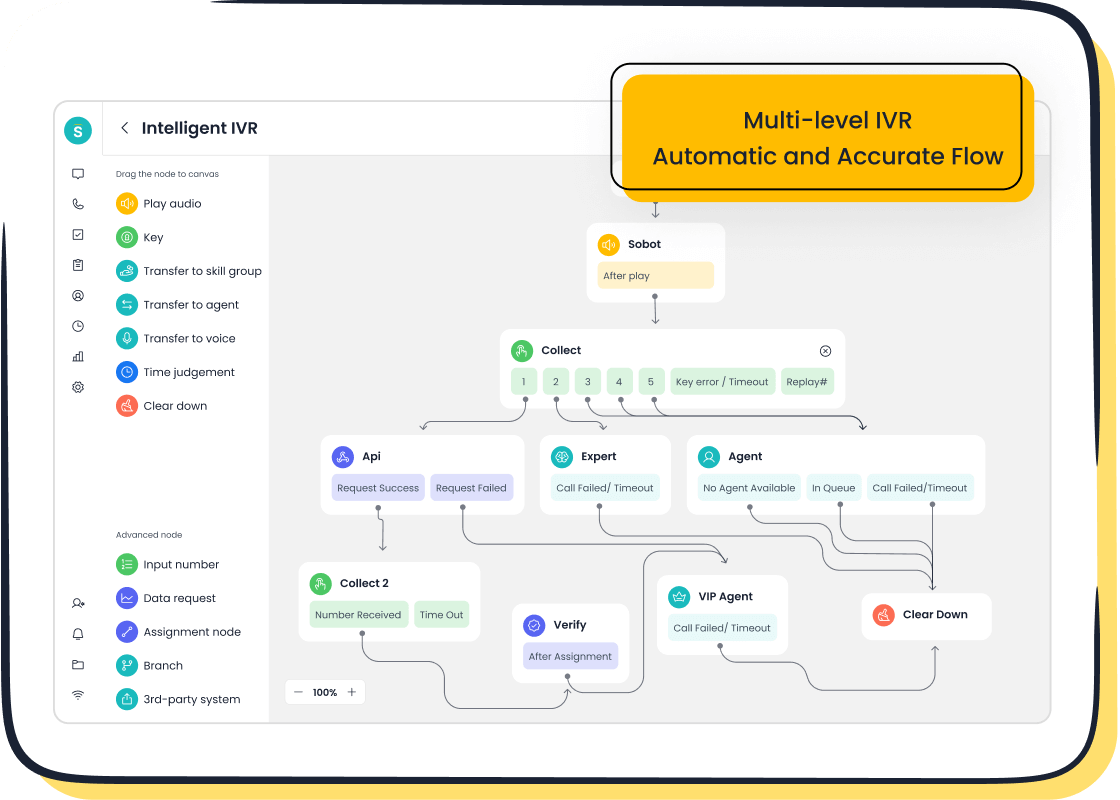
Setting Objectives and Choosing Metrics
You want to see results from customer relationship management metrics right away. Start by setting clear objectives for your crm strategy. Choose metrics that match your business goals and team needs. Focus on what matters most—growth, retention, or customer satisfaction. Begin with a few key metrics, then expand as your team gains confidence.
| Criteria | Details |
|---|---|
| Align Metrics with Your Goals | Track metrics like CAC, CLV, and conversion rates for growth. Use turnover rate, NPS, and retention metrics for loyalty. |
| Consider Team Objectives | Sales teams need lead response time. Customer success teams rely on FCR and CSAT. |
| Start Small and Scale | Begin with 3-5 key metrics. Expand as your team gets comfortable. |
Sobot’s platform supports over 300 indicators. You can monitor resolution rates, customer satisfaction scores, conversion rates, and self-service success. Aim for a resolution rate above 60%. Chatbots often reach 70%+ for FAQs. Target CSAT scores above 80% for optimal performance.
Integrating Sobot Voice/Call Center
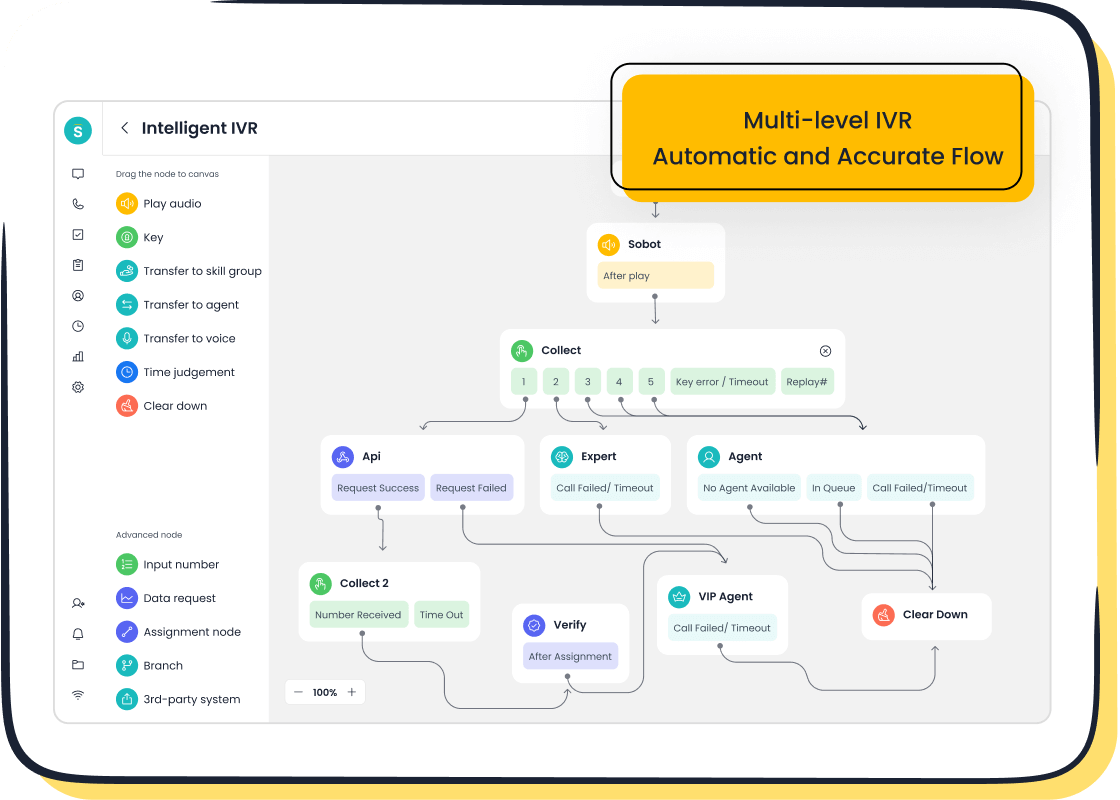
You need seamless integration to track crm metrics and improve customer experience. Sobot Voice/Call Center automates call data analysis and enhances metric tracking. Real-time analytics link technology performance to business goals. Dashboards monitor handoff success rates and resolution times. Consistent responses build customer trust and satisfaction.
| Evidence Type | Description |
|---|---|
| Automation of Call Data | Automates analysis, improving crm metric tracking. |
| Improvement of KPIs | Measures business performance more accurately. |
| Real-time Analytics | Provides instant insights for data-driven decisions. |
| Consistency in Responses | Ensures 100% consistent responses for customers. |
| Dashboard Monitoring | Tracks key metrics like resolution times and handoff success rates. |
Sobot integrates multiple customer channels, including Amazon, Facebook, and Instagram. APIs allow flexible integration with crm systems, making data management easy.
Building a Data-Driven Culture
You want your team to make data-driven decisions. Sobot’s crm platform collects feedback through surveys, reviews, and behavior analytics. Every customer interaction becomes learning data. Streamline algorithms, scale resources, and cache common data to improve response times. Continuous feedback loops help you adjust strategies and optimize customer service.
Sobot empowers you to build a data-driven culture. You get actionable insights, improve customer satisfaction, and drive business growth.
Start using crm metrics with Sobot today. Transform your customer contact strategy and see real results.
You need to act now. Adopting crm metrics gives your business a clear advantage. Sobot helps you track every customer interaction and improve customer satisfaction. You see faster onboarding, shorter sales cycles, and better financial decisions. The table below shows how crm metrics drive immediate impact:
| Metric | Impact on Revenue |
|---|---|
| Time-to-Rep-Productivity | Reps ramp 27% faster, boosting revenue. |
| Pipeline Velocity | Deals close quicker, increasing cash flow. |
| CAC Payback Period | Acquisition costs turn into revenue faster. |
Start using Sobot’s solutions today. You transform your customer experience and unlock growth.
FAQ
How can crm metrics improve my customer service?
You gain instant feedback on every interaction. Metrics show where your team excels and where you need improvement. You spot trends and fix issues fast. Sobot’s platform helps you track satisfaction and response times, so you deliver better service every day.
What makes Sobot’s Voice/Call Center unique?
You get real-time analytics, global number access, and AI-powered voicebots. The system offers 99.99% uptime. You can integrate with your existing tools easily. Sobot lets you monitor calls, automate tasks, and boost agent productivity.
Can I track performance across multiple channels with Sobot?
You manage chat, email, voice, and social media in one workspace. Sobot’s omnichannel solution unifies all customer data. You see every interaction and measure key metrics. This helps you optimize your strategy and improve customer satisfaction.
How quickly can I start using Sobot’s crm solutions?
You set up fast. Sobot offers seamless integration and mobile compatibility. You access dashboards and analytics right away. You start tracking metrics and improving customer experience within days.
What results have Sobot customers achieved?
Samsung improved agent efficiency by 30% and reached a 97% satisfaction rate. Sobot’s unified platform helped reduce repetitive tasks and streamline communication. You can expect higher retention, faster response times, and happier customers.
See Also
Enhancing Call Center Efficiency Through Effective Monitoring
Ten Essential Tips for Selecting Social Media Support Tools
Key Features to Look for in CRM Call Center Solutions

