Customer Experience Management vs CRM Key Differences


Understanding the difference between Customer Experience Management (CEM) and CRM is crucial for building a customer-centric strategy. While CRM focuses on managing customer data and relationships, CEM enhances every touchpoint of the customer journey. Businesses like Airbnb demonstrate the power of combining both approaches. By using CRM to analyze user data and CEM to deliver personalized experiences, Airbnb creates memorable stays for its customers. Tools like Sobot's solutions can help you integrate these strategies seamlessly, ensuring your business delivers satisfaction at every step.
What is Customer Experience Management (CEM)?
Definition of Customer Experience Management (CEM)
Customer experience management (CEM) involves designing and improving every interaction a customer has with your business. It focuses on understanding customer expectations, mapping their journey, and ensuring their experiences meet or exceed those expectations. By adopting CEM, you can create a strategy that aligns your operations with customer needs, fostering loyalty and satisfaction. This approach integrates feedback collection, journey mapping, and continuous improvement to deliver exceptional experiences.
Key Objectives of CEM
CEM aims to achieve measurable goals that directly impact your business. These objectives include:
| Objective | Measurable KPI |
|---|---|
| Enhance the end-to-end customer journey | Net Promoter Score (NPS) |
| Customer satisfaction (CSAT) | |
| Customer effort score | |
| Improve customer loyalty | Customer lifetime value (CLV) |
| Customer churn rate |
By focusing on these metrics, you can track the effectiveness of your CEM strategies and make data-driven decisions to improve customer satisfaction.
How CEM Enhances Customer Satisfaction
CEM transforms how you interact with customers by addressing pain points and streamlining processes. For example, businesses have used CEM to reduce the time required for activating services, cutting delays from 56 days to just a few hours. This improvement not only enhances customer satisfaction but also reduces complaints by 33% per 1,000 customers. Additionally, smoother experiences often lead to higher customer effort scores, which reflect how easy it is for customers to engage with your brand.
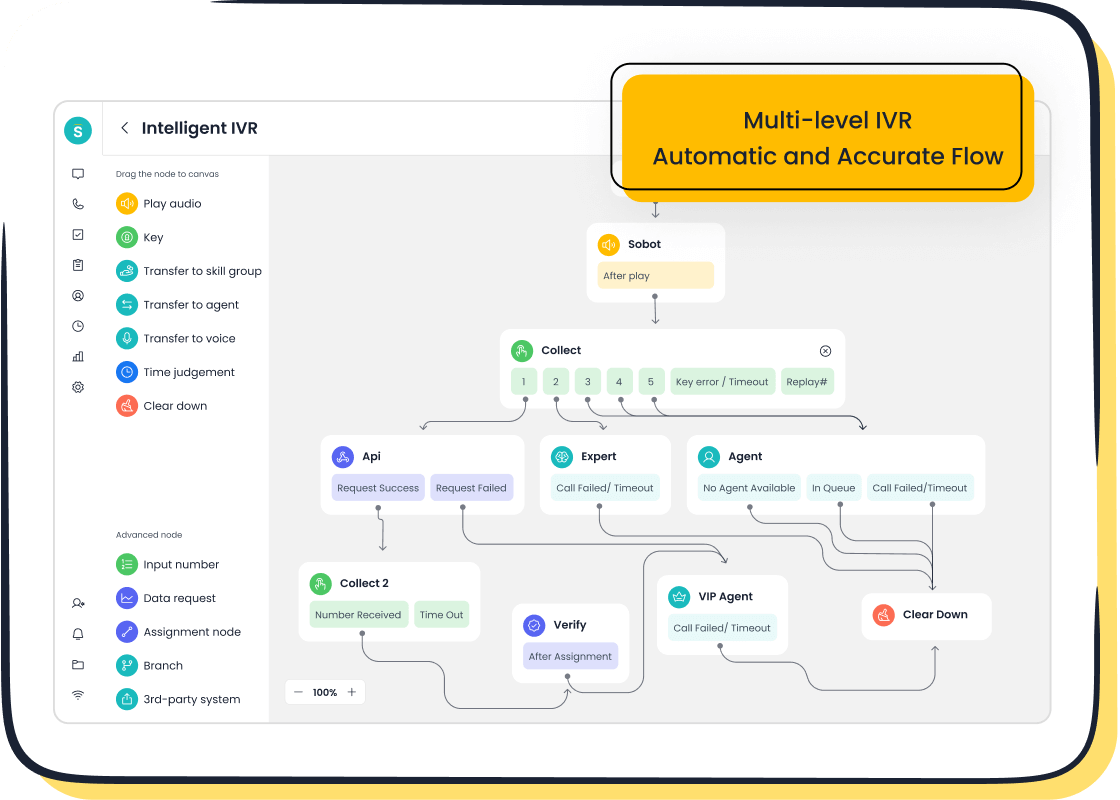
Sobot’s solutions, such as its AI-powered Voice/Call Center, can play a pivotal role in your CEM strategy. By integrating intelligent IVR and real-time call tracking, Sobot helps you manage customer interactions effectively. These tools allow you to gather insights, address issues promptly, and deliver personalized experiences, ensuring your customers feel valued at every touchpoint.
Tools and Technologies for CEM, Including Sobot Solutions
To implement Customer Experience Management (CEM) effectively, you need the right tools and technologies. These solutions help you gather insights, analyze feedback, and enhance customer interactions. By leveraging advanced systems, you can create a seamless and satisfying experience for your customers.
Some of the most commonly used tools for CEM include:
- Customer relationship management (CRM) systems: These systems store and organize customer data, providing valuable insights for improving experiences.
- Feedback management software: Collect and analyze customer feedback to identify areas for improvement.
- Journey mapping tools: Visualize the customer journey to pinpoint pain points and optimize touchpoints.
- Artificial intelligence (AI) applications: Use AI for sentiment analysis, predictive analytics, and personalized recommendations.
💡 Pro Tip: Choose tools that integrate data from multiple sources. This approach provides a holistic view of customer experiences and breaks down silos within your organization.

Sobot offers a range of solutions that align perfectly with CEM strategies. For instance, the Sobot Voice/Call Center enhances customer interactions with features like intelligent IVR, real-time call tracking, and AI-powered voicebots. These tools allow you to address customer concerns promptly and deliver personalized experiences. Additionally, Sobot's unified workspace ensures your team can manage calls and customer information efficiently, improving satisfaction and loyalty.
By adopting technologies like Sobot's, you can streamline your CEM efforts. These tools not only improve operational efficiency but also help you build stronger relationships with your customers. For more details on Sobot's offerings, visit Sobot Voice/Call Center.
What is CRM?
Definition of CRM
Customer Relationship Management (CRM) refers to the strategies, processes, and technologies businesses use to manage and analyze customer interactions throughout the customer lifecycle. It focuses on building and maintaining strong relationships by organizing customer data, streamlining communication, and improving service delivery. A CRM system acts as a centralized hub where you can store customer information, track interactions, and manage leads effectively. This approach helps you understand your customers better and tailor your services to meet their needs.

For example, Sobot’s CRM-integrated Voice/Call Center allows you to track customer interactions in real time. By combining call data with customer profiles, you can deliver personalized support and strengthen relationships.
Key Objectives of CRM
CRM systems aim to achieve several critical goals that drive business success. These include:
- Improve business efficiency
- Improve customer satisfaction
- Expand customer base
- Enhance sales and support teams
- Build long-term relationships
By focusing on these objectives, you can create a more streamlined and customer-focused operation. For instance, using CRM to automate routine tasks like follow-ups or lead assignments can free up your team to focus on higher-value activities.
How CRM Improves Customer Retention
CRM plays a vital role in retaining customers by fostering trust and loyalty. It enables you to provide consistent and personalized experiences, which are key to keeping customers engaged. Businesses across industries have successfully used CRM to improve retention rates.
| Strategy | Description |
|---|---|
| Regular order updates and product launches | Automating notifications about order status or new product launches keeps customers informed and engaged. |
| Manage customer support follow-ups | CRM systems track inquiries and ensure timely follow-ups, improving satisfaction. |
| Purchase history | Storing purchase histories allows businesses to reward loyal customers, increasing repeat purchases. |
Additionally, studies show that 96% of customers are more likely to stay with a company that apologizes and resolves mistakes effectively. CRM systems make this possible by tracking issues and ensuring timely resolutions.
Sobot’s Voice/Call Center enhances these efforts by integrating CRM capabilities, such as call tracking and intelligent routing. These features help you manage customer interactions efficiently, ensuring no inquiry goes unanswered. By leveraging tools like Sobot’s, you can build trust and loyalty, ultimately boosting retention rates.
Tools and Technologies for CRM, Including Sobot Voice/Call Center
To implement CRM effectively, you need tools and technologies that streamline customer relationship management and enhance operational efficiency. These tools help you organize customer data, track interactions, and improve communication, ensuring a seamless experience for your customers.
Widely Adopted CRM Tools and Features
Many businesses rely on specific tools to manage their CRM strategies. These tools offer features that simplify processes and improve customer engagement. Some of the most widely adopted CRM tools include:
- monday.com: A versatile platform for managing customer data and team workflows.
- Salesforce: Known for its robust CRM capabilities and extensive integrations.
- HubSpot: Offers tools for marketing, sales, and customer service.
- Google Workspace: Provides collaborative tools that integrate with CRM systems.
- Freshdesk: Focuses on customer support and ticketing.
In addition to these platforms, certain features are essential for effective CRM implementation:
- Omnichannel experiences: Keep you connected to customers across multiple platforms.
- Product integrations: Ensure your CRM system works seamlessly with existing tools.
- Low/no-code options: Allow faster deployment and customization.
- Social CRM: Maintains direct communication with customers through social media.
Sobot Voice/Call Center: A Comprehensive CRM Solution

Sobot’s Voice/Call Center stands out as a powerful tool for CRM. It integrates advanced features like intelligent IVR, real-time call tracking, and AI-powered voicebots. These capabilities help you manage customer interactions efficiently while providing personalized support. For example, the system’s smart call routing ensures that customers reach the right agent quickly, reducing wait times and improving satisfaction.
The platform also supports global telephony contacts and offers a unified workspace for agents. This setup allows your team to access customer data and call histories in one place, streamlining workflows. With a 99.99% uptime and encrypted data transfer, Sobot ensures reliability and security for your CRM operations.
By adopting tools like Sobot Voice/Call Center, you can enhance your CRM strategy. These technologies not only improve customer retention but also drive better business outcomes. Learn more about Sobot’s offerings at Sobot Voice/Call Center.
💡 Pro Tip: Choose CRM tools that integrate seamlessly with your existing systems. This approach minimizes disruptions and maximizes efficiency.
Key Differences Between CEM and CRM
Objectives
CEM: Focus on customer journey and experience
CEM prioritizes the entire customer journey, aiming to create a seamless and positive experience at every touchpoint. It focuses on understanding customer behavior, emotions, and expectations to foster loyalty and satisfaction. For example, a business using CEM might analyze feedback from multiple channels to identify pain points and improve the overall experience. The goal is to enhance customer loyalty by delivering exceptional interactions across all stages of their journey.
CRM: Focus on managing customer data and relationships
CRM revolves around managing and analyzing customer data to improve service and drive sales. It helps you organize customer information, track interactions, and streamline communication. For instance, CRM systems allow you to monitor purchase histories and automate follow-ups, ensuring personalized service. The primary objective is to strengthen relationships and boost revenue by addressing customer needs effectively.
Focus and Scope
CEM: Holistic view of customer interactions across all touchpoints
CEM takes a broad approach, covering every aspect of the customer journey. It goes beyond satisfaction to exceed expectations, fostering brand loyalty. For example, a company might use journey mapping tools to visualize interactions and optimize touchpoints. This holistic perspective ensures that customers have a consistent and enjoyable experience, whether they are browsing a website or contacting support.
CRM: Specific focus on sales, marketing, and customer service interactions
CRM has a narrower scope, concentrating on specific interactions related to sales, marketing, and customer service. It aims to optimize these areas by managing customer data and automating processes. For instance, CRM tools can track leads, schedule follow-ups, and analyze sales performance. This targeted focus helps businesses improve efficiency and achieve short-term goals like increasing sales.
Timeframes
CEM: Real-time and forward-looking
CEM emphasizes real-time engagement and long-term relationships. It considers the entire lifecycle, from pre-purchase to post-purchase stages. For example, a company might use sentiment analysis to address customer concerns immediately while also planning strategies to enhance future experiences. This forward-looking approach ensures that customers feel valued throughout their journey.
CRM: Historical and transactional data
CRM relies on historical and transactional data to manage current interactions and drive immediate results. It focuses on short-term objectives like resolving issues or closing sales. For instance, a CRM system might analyze past purchases to recommend products or services. This transactional approach helps businesses meet immediate needs while maintaining efficiency.
Customer Data
CEM: Emphasizes qualitative data like emotions and feedback
CEM focuses on understanding how customers feel about their experiences. It prioritizes qualitative data such as emotions, feedback, and sentiment analysis. For example, tools like journey mapping software and feedback platforms help you identify pain points and improve customer satisfaction. By analyzing this data, you can create strategies that resonate emotionally with your audience.
| Aspect | CEM | CRM |
|---|---|---|
| Primary Focus | Overall customer experience and satisfaction | Managing and analyzing customer interactions |
| Key Data Types | Emotions, feedback, and customer sentiment | Purchase history, contact details, and sales |
| Objective | Enhance the customer journey | Improve efficiency in sales and service |
Sobot’s Voice/Call Center supports this by enabling real-time feedback collection during calls. This feature allows you to address concerns immediately, ensuring a positive emotional connection with your customers.
CRM: Emphasizes quantitative data like purchase history and contact details
CRM systems excel at managing structured data. They store information such as purchase history, contact details, and communication logs. This data helps you track customer behavior and tailor your services. For instance, knowing a customer’s purchase history allows you to recommend relevant products, increasing the likelihood of repeat business.
Tip: Use CRM tools like Sobot’s unified workspace to access customer data instantly. This approach ensures your team can provide personalized support efficiently.
Perspectives
CEM: Customer-centric perspective
CEM adopts a customer-first approach. It focuses on meeting customer needs and exceeding expectations. This perspective ensures that every interaction feels meaningful and personalized. For example, a company using CEM might analyze customer feedback to refine its services, creating a more enjoyable experience.
| Aspect | CEM | CRM |
|---|---|---|
| Focus | Enhancing overall customer experience | Managing customer data for business goals |
| Perspective | Customer-centric | Business-centric |
Sobot’s AI-powered tools, like intelligent IVR, help you prioritize customer needs by routing calls to the right agents quickly. This feature enhances satisfaction and builds trust.
CRM: Business-centric perspective
CRM focuses on achieving organizational objectives. It helps you streamline operations, boost sales, and improve efficiency. For instance, CRM systems automate tasks like follow-ups, allowing your team to focus on closing deals. This business-centric approach ensures that your processes align with revenue goals.
Tools and Technology
CEM: Journey mapping tools, sentiment analysis, and feedback platforms
CEM tools aim to enhance the overall customer experience. They include journey mapping software, sentiment analysis tools, and feedback platforms. These technologies help you understand customer emotions and improve touchpoints. For example, sentiment analysis can reveal how customers feel about your brand, enabling you to make data-driven improvements.
Pro Tip: Combine CEM tools with CRM systems for a holistic view of your customers. This integration ensures you can address both emotional and transactional needs effectively.
CRM: Contact management systems, sales automation, and analytics
CRM tools focus on managing customer data and automating processes. They include contact management systems, sales automation tools, and analytics platforms. These technologies help you track interactions, manage leads, and measure performance. For instance, Sobot’s Voice/Call Center integrates CRM features like call tracking and data analytics, allowing you to optimize customer interactions.
| Aspect | CEM Tools | CRM Tools |
|---|---|---|
| Purpose | Improve customer experience | Manage user data and automate sales |
| Examples | Feedback platforms, journey mapping software | CRM software, sales automation tools |
By leveraging tools like Sobot’s solutions, you can seamlessly integrate CEM and CRM strategies, ensuring a comprehensive approach to customer management.
How CEM and CRM Work Together
Data Integration
Combining CRM data with CEM insights for a complete customer view
Integrating CRM data with CEM insights creates a unified view of your customers. This combination allows you to analyze both transactional and emotional data, giving you a deeper understanding of customer needs. For example, merging CRM data like purchase history with CEM feedback helps you anticipate customer preferences and customize communication. Businesses that integrate these systems often see improved relevance in interactions, higher satisfaction, and stronger loyalty.
Data integration also enables you to predict future behaviors and trends. By analyzing vast amounts of customer data, you can identify customers at risk of churn and take timely action. This proactive approach ensures that your customers feel valued, enhancing their overall engagement with your brand.
Journey Mapping
Using CRM data to inform and enhance CEM journey maps
CRM data provides valuable insights into customer interactions, preferences, and behaviors. When you incorporate this data into CEM journey mapping, you can identify specific touchpoints where customers engage with your business. For instance, CRM data highlights successful interactions and areas needing improvement, allowing you to refine the customer journey.
This integration results in more personalized and contextually relevant experiences. By understanding how customers interact with your brand, you can optimize each stage of their journey. Tools like Sobot’s Voice/Call Center make this process seamless by combining CRM capabilities with real-time feedback collection. These features help you create journey maps that truly reflect customer needs.
Personalization
Leveraging CRM data to deliver personalized experiences through CEM
Personalization becomes more effective when you use CRM data to enhance your CEM strategy. For example, Airbnb uses its CRM system to analyze user preferences and booking history. This data enables the company to offer personalized recommendations and targeted marketing campaigns, creating a tailored experience for each customer.
By combining CRM data with CEM insights, you can deliver experiences that resonate emotionally with your audience. This approach not only improves satisfaction but also fosters loyalty. Sobot’s solutions, such as its AI-powered Voice/Call Center, support this by providing tools for real-time data analysis and intelligent call routing. These features ensure that every interaction feels personal and meaningful, strengthening your customer relationships.
Customer Feedback
Using CEM tools to gather feedback and update CRM records
Customer feedback is essential for improving your business strategies. CEM tools make it easier to collect, analyze, and act on this feedback. These tools allow you to understand customer needs and address their concerns effectively. For example:
- CEM tools gather feedback through surveys, enabling you to capture customer opinions.
- They analyze feedback to identify trends and measure satisfaction levels.
- These tools help you resolve customer issues quickly, improving their overall experience.
By integrating CEM tools with your CRM system, you can create a unified database. This integration ensures that feedback updates customer records automatically. For instance, when a customer completes a survey, the system links their responses to their profile. This process allows your team to personalize future interactions based on the feedback received.
💡 Pro Tip: Use tools like Sobot’s Voice/Call Center to collect real-time feedback during calls. This feature helps you address concerns immediately and update CRM records seamlessly.
Sobot's Role in Integrating CEM and CRM

Sobot plays a vital role in bridging the gap between CEM and CRM. Its solutions combine advanced features to enhance customer interactions and streamline data management. For example, Sobot’s Voice/Call Center integrates intelligent IVR and AI-powered voicebots. These tools collect feedback during calls and update CRM records automatically.
Sobot also offers a unified workspace for agents. This feature allows your team to access customer data and feedback in one place. By integrating CEM insights with CRM data, Sobot helps you create a complete view of your customers. This approach improves personalization and ensures consistent experiences across all touchpoints.
With Sobot’s solutions, you can enhance both customer satisfaction and operational efficiency. Learn more about how Sobot supports CEM and CRM integration by visiting Sobot Voice/Call Center.
Actionable Steps to Implement CEM and CRM
Assess Your Business Needs
Identify gaps in customer experience and relationship management
Start by evaluating your current processes to identify areas for improvement. Gather customer feedback from multiple sources, such as service interactions, product reviews, and social media. Analyze this data to uncover pain points and opportunities for enhancing customer satisfaction. For example, if customers frequently complain about long response times, prioritize streamlining your support system.
Next, ensure your CRM system aligns with your business needs. Verify its compatibility with existing hardware and software, and check if it integrates with essential tools like email and calendars. Customizing the CRM to fit your sales process and team roles is also crucial. Finally, involve all departments in addressing gaps to create a unified approach that fosters customer loyalty.
💡 Tip: Follow up with dissatisfied customers to improve retention and build stronger relationships.
Choose the Right Tools
Select platforms like Sobot Voice/Call Center that integrate CEM and CRM functionalities
Choosing the right tools is critical for successful implementation. Look for solutions that align with your business goals and offer scalability to grow with your needs. Integration capabilities are essential; the tools should seamlessly connect with existing systems like marketing platforms and CRM software. User-friendliness and customization options also play a significant role in ensuring smooth adoption.
Sobot’s Voice/Call Center is an excellent example of a tool that integrates CEM and CRM functionalities. It offers features like intelligent IVR, real-time call tracking, and AI-powered voicebots. These capabilities help you manage customer interactions efficiently while collecting valuable insights. With robust analytics and automation features, Sobot enables you to enhance customer experiences and drive customer loyalty.
💡 Pro Tip: Evaluate the total cost of ownership and expected ROI when selecting tools.
Train Your Team
Educate employees on the importance of both CEM and CRM
Your team plays a vital role in implementing CEM and CRM effectively. Begin by providing training on the functionalities and benefits of these systems. Highlight how they can improve customer interactions and foster loyalty. For instance, teach employees how to use CRM data to personalize customer experiences or leverage CEM tools to gather actionable feedback.
Encourage collaboration between teams responsible for CEM and CRM. This approach ensures consistent data management and unified strategies. Additionally, emphasize the importance of maintaining data accuracy across both systems. By fostering a culture of continuous learning, you empower your team to deliver exceptional customer experiences.
💡 Note: Use Sobot’s unified workspace to simplify workflows and enhance team productivity.
Monitor and Optimize
Regularly review performance metrics and adjust strategies
To ensure your CEM and CRM strategies remain effective, you must regularly monitor performance metrics. These metrics provide valuable insights into how well your business meets customer expectations and where improvements are needed. By analyzing this data, you can identify trends, address weaknesses, and refine your approach to enhance customer satisfaction.
Key performance metrics to track include:
| Metric | Description |
|---|---|
| Net Promoter Score® (NPS) | Measures customer loyalty and likelihood to recommend your brand. |
| Customer Satisfaction Score (CSAT) | Gauges overall satisfaction with a product or service. |
| Customer Effort Score (CES) | Assesses how easy it is for customers to interact with your brand. |
| Customer Churn Rate | Tracks the percentage of customers who stop using your service over a specific period. |
For example, a low NPS may indicate dissatisfaction with a specific touchpoint in the customer journey. Addressing this issue could improve loyalty and retention. Similarly, a high CES suggests that customers find it easy to engage with your brand, which often leads to repeat business.
Sobot’s Voice/Call Center can help you monitor these metrics effectively. Its real-time analytics and call tracking features allow you to gather actionable insights from customer interactions. For instance, you can analyze call data to identify recurring issues and adjust your strategies accordingly. This proactive approach ensures your business stays aligned with customer needs, improving both satisfaction and loyalty.
💡 Pro Tip: Schedule regular reviews of your performance metrics. Use tools like Sobot’s unified workspace to centralize data and streamline analysis. This practice helps you stay agile and responsive in a competitive market.
By consistently reviewing and optimizing your strategies, you can create a seamless customer experience that drives long-term success.
Customer Experience Management (CEM) and Customer Relationship Management (CRM) serve distinct purposes but work best when combined. CEM focuses on creating memorable experiences throughout the customer journey, while CRM emphasizes managing customer data and optimizing sales and service interactions. Together, they provide a comprehensive approach to understanding and meeting customer needs.
By integrating CEM and CRM, you can leverage insights to personalize interactions, improve service quality, and drive customer loyalty. For example, businesses using Sobot's solutions have achieved a 95% satisfaction rate by resolving 85% of customer issues efficiently. Sobot's tools also enhance customer experience management, enabling self-service for 22.2% of inquiries and boosting satisfaction scores to 97%.
Adopting both strategies ensures your business delivers exceptional experiences while maintaining strong relationships. With Sobot's advanced technologies, you can streamline operations and achieve measurable results. Explore how Sobot can transform your customer management strategies today.
FAQ
What is the main difference between CEM and CRM?
CEM focuses on improving the customer journey and overall experience, while CRM manages customer data and relationships. For example, CEM tools like journey mapping analyze emotions and feedback, whereas CRM systems like Sobot Voice/Call Center track purchase history and automate follow-ups.
Can CEM and CRM work together effectively?
Yes, integrating CEM and CRM creates a unified customer view. For instance, combining CRM data with CEM insights helps personalize experiences. Sobot’s Voice/Call Center integrates both, enabling real-time feedback collection and seamless data updates for better customer satisfaction.
How does Sobot support CEM and CRM integration?
Sobot offers tools like its Voice/Call Center, which combines CRM features (e.g., call tracking) with CEM capabilities (e.g., real-time feedback). This integration ensures a holistic approach to managing customer interactions and improving satisfaction. Learn more at Sobot Voice/Call Center.
Why is real-time data important for CEM?
Real-time data helps you address customer concerns immediately, enhancing satisfaction. For example, Sobot’s intelligent IVR routes calls efficiently, reducing wait times. This proactive approach ensures customers feel valued during every interaction.
What industries benefit most from CEM and CRM?
Industries like retail, finance, and gaming see significant benefits. For example, OPPO improved its chatbot resolution rate to 83% using Sobot’s solutions, enhancing customer satisfaction and loyalty. These strategies apply to any business aiming to improve customer experiences.
See Also
Essential Aspects of CRM Call Center Solutions Explored
Comparative Analysis of Leading Voice of Customer Tools
Effective Strategies for Quality Management in Call Centers