8 Best Practices for Customer Data Management Success


Effective customer data management is the backbone of modern business success. It empowers you to make informed decisions, improve customer experiences, and drive growth. However, managing data comes with challenges. Issues like poor data quality, integration difficulties, and security risks can hinder progress. Scalability concerns and weak governance further complicate the process. Adopting structured best practices for customer data management ensures data security, accuracy, and usability. Solutions like Sobot’s Voice/Call Center simplify data integration and enhance operational efficiency, helping you overcome these hurdles and achieve sustainable success.
Define and Centralize Customer Data
Understand the Scope of Customer Data
Types of customer data (e.g., demographic, behavioral, transactional)
Customer data encompasses various types, each offering unique insights into your audience. Demographic data includes age, gender, location, and income level, helping you understand who your customers are. Behavioral data tracks actions like website visits, clicks, and purchase history, revealing how customers interact with your brand. Transactional data focuses on purchase details, such as order value and payment methods, providing a clear picture of spending habits. By categorizing data into these types, you can better analyze and utilize it for effective customer data management.
Importance of identifying relevant data for your business
Not all data is equally valuable. Identifying the most relevant data for your business ensures you focus on information that drives results. For example, a retail business may prioritize transactional data to optimize inventory and pricing strategies. In contrast, a service-based company might rely on behavioral data to improve customer engagement. By narrowing your focus, you can streamline customer data integration and avoid overwhelming your systems with unnecessary information. This approach aligns with best practices for master data governance, ensuring data remains actionable and precise.
Centralize Data with Unified Systems
Benefits of a centralized customer data platform (CDP)
Centralizing customer data in a unified system offers numerous advantages. The table below highlights key benefits:
| Benefit | Description |
|---|---|
| Improved Data Quality and Accuracy | Ensures a single, accurate source of data truth, reducing discrepancies and enhancing compliance. |
| Enhanced Decision-Making | Facilitates informed decisions through better analytics and business intelligence. |
| Increased Efficiency and Productivity | Reduces time spent on data collection, streamlining workflows and processes. |
| Scalability and Future Growth | Supports adaptability to market changes and growth opportunities with a robust data foundation. |
A centralized system simplifies customer data management, enabling you to maintain a 360-degree customer view. This comprehensive perspective enhances your ability to meet customer needs effectively.
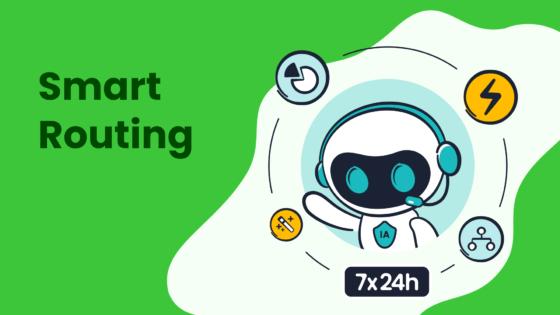
How Sobot's Voice/Call Center unifies customer data for seamless management
Sobot's Voice/Call Center exemplifies the power of centralized systems. It integrates customer data from multiple touchpoints, creating a unified workspace for agents. Features like smart call routing and real-time monitoring ensure seamless customer data integration. For example, its AI-powered Voicebot analyzes customer interactions to provide actionable insights. With a 99.99% SLA, Sobot guarantees system stability, making it a reliable choice for businesses aiming to enhance operational efficiency. By adopting such solutions, you can streamline workflows and improve customer satisfaction.
Ensure Data Accuracy and Consistency
Implement Data Cleaning Processes
Identify and remove duplicate or outdated records.
Duplicate or outdated records can distort insights and hinder effective customer data management. You should regularly review your database to identify and eliminate these inaccuracies. For instance, using tools to detect duplicate entries ensures that your customer profiles remain unique and actionable. Outdated records, such as old contact information, should also be removed to maintain relevance. Regular audits of your data governance policies can help you stay proactive in addressing these issues. By implementing these data quality measures, you enhance the reliability of your customer data and improve decision-making.
Use automation tools for data validation.
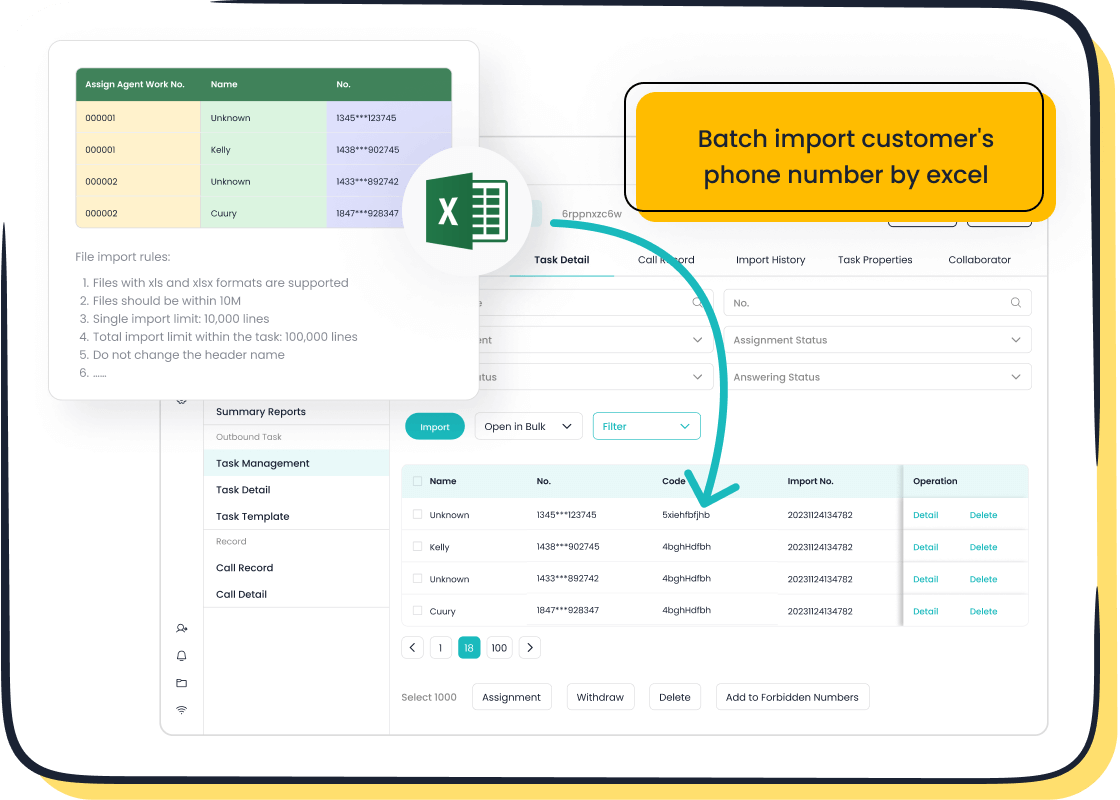
Automation tools play a vital role in maintaining data accuracy. These tools validate data by cross-checking it against predefined rules, ensuring consistency and compliance with master data governance standards. For example, they can standardize text formats, correct date inconsistencies, and flag errors in real time. Sobot's Voice/Call Center integrates seamlessly with existing systems, offering features like automated data validation and real-time monitoring. This ensures that your customer data remains accurate and actionable, reducing manual effort and improving operational efficiency.
Standardize Data Entry Practices
Create guidelines for consistent data input.
Establishing clear guidelines for data entry is one of the best practices for master data governance. These guidelines should define acceptable formats for text, numbers, and dates. For example, specify whether dates should follow the MM/DD/YYYY format or another standard. Consistency in data entry minimizes errors and ensures that your database remains structured and easy to analyze. You can also use data quality controls, such as mandatory fields, to enforce these standards. A well-documented set of guidelines simplifies the process for your team and enhances the overall quality of your customer data.
Train teams on proper data entry protocols.
Human error is a common cause of data inaccuracies. Training your team on proper data entry protocols reduces the likelihood of mistakes like transcription errors or inconsistent formatting. For instance, you can conduct workshops to educate employees on avoiding common errors, such as swapped numbers or typos. Additionally, fostering a supportive work environment helps reduce fatigue, which often leads to mistakes. Sobot's unified workspace simplifies data entry by providing agents with a centralized platform to manage customer interactions, further reducing errors. By investing in training, you ensure that your team contributes to effective customer data management.
Prioritize Data Security and Compliance
Protect Customer Data from Breaches
Use encryption and secure access controls.
Protecting sensitive customer information begins with robust encryption and secure access controls. Encryption ensures that data remains unreadable to unauthorized users, even if intercepted. Secure access controls, such as multi-factor authentication (MFA) and role-based permissions, limit access to only those who need it. For example, categorizing data resources based on sensitivity allows you to apply stricter controls to high-risk information. This approach aligns with best practices for master data governance by safeguarding critical customer data while maintaining usability.
A comprehensive data security strategy also includes lifecycle management, backup and recovery, and risk management. Lifecycle management ensures data is handled appropriately from creation to deletion. Backup and recovery systems protect against data loss, enabling quick restoration in case of breaches or system failures. By implementing these measures, you create a strong foundation for protecting customer data.
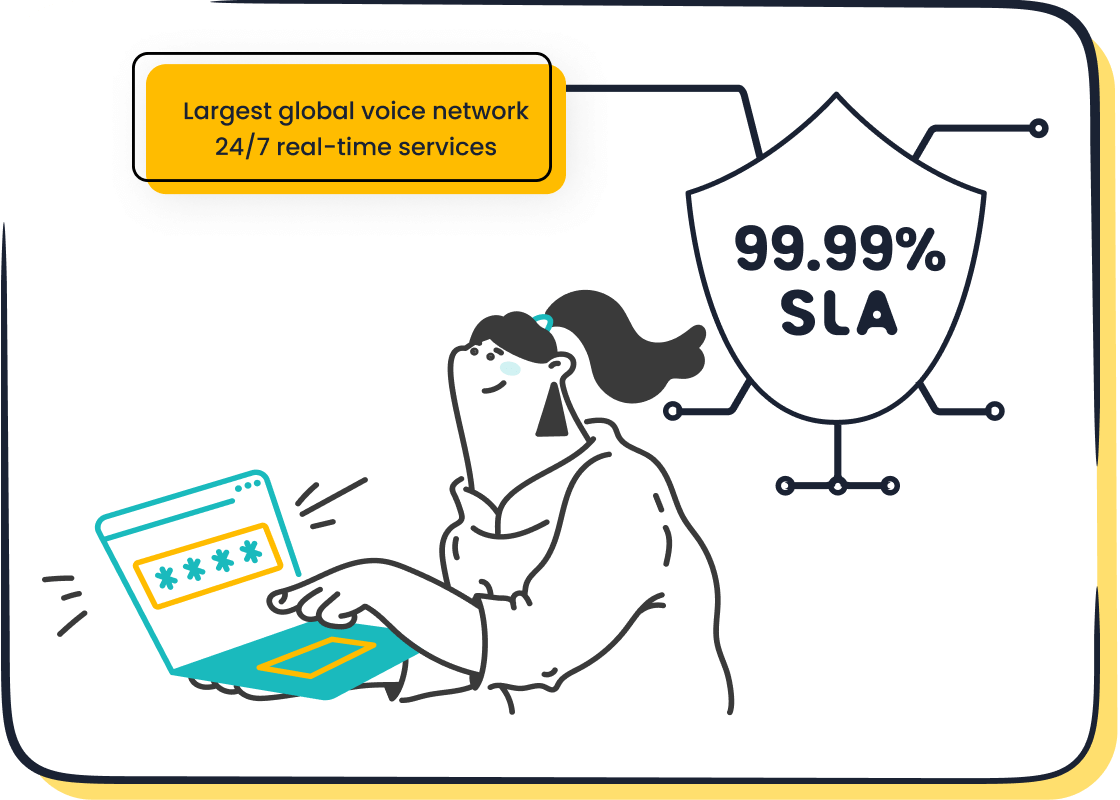
Sobot's 99.99% SLA and secure data transfer features.
Sobot's Voice/Call Center enhances data security with its 99.99% SLA, ensuring system stability and reliability. The platform employs encrypted data transfer protocols, safeguarding customer interactions across global networks. For instance, businesses using Sobot can confidently manage customer data without worrying about breaches or downtime. These features make Sobot a trusted partner in customer data management, helping you maintain operational efficiency while prioritizing security.
Ensure Compliance with Regulations
Overview of GDPR, CCPA, and other data privacy laws.
Compliance with data privacy rules like GDPR, CCPA, and LGPD is essential for avoiding financial and reputational risks. GDPR imposes fines of up to 4% of annual global revenue or €20 million, whichever is higher. Similarly, CCPA and LGPD enforce strict penalties for non-compliance, including fines of up to 2% of gross revenue. Beyond financial consequences, non-compliance can damage your reputation. Mishandling customer data signals negligence, eroding trust and deterring potential business partners.
Steps to maintain compliance and avoid penalties.
To comply with data privacy rules, you must establish clear data governance policies. Start by identifying the types of data your organization processes and categorizing them based on sensitivity. Implement data loss prevention strategies to enforce handling policies in real time. Regular audits of your data governance policies ensure ongoing compliance. For example, Sobot's Voice/Call Center integrates seamlessly with existing systems, simplifying compliance by centralizing customer data and providing real-time monitoring. These steps not only help you avoid penalties but also build trust with your customers.
Leverage Data Analytics for Insights
Use Analytics to Understand Customer Behavior
Identify trends and patterns in customer interactions.
Understanding customer behavior begins with identifying trends and patterns in their interactions. You can achieve this by analyzing various types of data, such as transactional, behavioral, and customer sentiment data. For example, transactional data reveals purchase history, while behavioral data highlights how customers navigate your website or app. Sentiment data, gathered from reviews or surveys, provides insights into customer satisfaction. By segmenting this data demographically, behaviorally, or by lifecycle stage, you can uncover actionable insights. Techniques like descriptive analytics help you summarize past behaviors, while predictive analytics forecasts future actions. These methods allow you to make informed decisions and improve customer engagement.
Tools for customer data analysis, including Sobot's Voice/Call Center analytics.
Using the right tools simplifies customer data analysis. Sobot's Voice/Call Center offers advanced analytics features that help you monitor and evaluate customer interactions in real time. For instance, its AI-powered Voicebot analyzes call data to identify recurring issues or preferences. This enables you to address customer needs proactively. Additionally, the platform integrates seamlessly with existing systems, ensuring a unified view of customer data. By leveraging such tools, you gain deep business insights that enhance decision-making and operational efficiency.
Personalize Customer Experiences
Tailor marketing campaigns based on customer preferences.
Personalization transforms how you engage with customers. By analyzing customer data, you can tailor marketing campaigns to match individual preferences. For instance, segmenting customers based on purchase history or browsing behavior allows you to send targeted promotions. A customer who frequently buys fitness gear might appreciate discounts on related products. Personalization not only boosts engagement but also fosters loyalty. Sobot's Voice/Call Center supports this by providing a centralized platform to manage customer interactions, ensuring accurate and actionable data for personalized strategies.
Examples of successful personalization strategies.
Many companies have successfully used data analytics to deliver personalized experiences. Netflix customizes user accounts by analyzing viewing habits, such as watch time and binge-watching patterns. Uber Eats predicts optimal delivery times by modeling preparation and pickup data. Starbucks uses rewards program data to recommend products and refine marketing efforts. These examples demonstrate how data-driven personalization enhances customer experiences and drives business success. By adopting similar strategies, you can create an enhanced customer experience that resonates with your audience.
Train Teams on Data Management Best Practices
Educate Employees on Data Security
Conduct regular training sessions on cybersecurity.
Cybersecurity training is essential for protecting customer data. Regular sessions help employees stay updated on the latest threats and prevention techniques. For example, phishing attacks remain one of the most common risks. Teaching employees how to identify suspicious emails or links can prevent breaches. Incorporating interactive elements like quizzes or simulations keeps participants engaged and ensures better retention of information. Monitoring progress during these sessions allows you to measure their effectiveness and address gaps. By prioritizing cybersecurity education, you strengthen your organization’s defenses and build trust with your customers.
Share best practices for handling sensitive data.
Sharing best practices for handling sensitive data ensures consistency and security across your team. For instance, establish strong file naming conventions and cataloging systems to make data retrieval easier. Encourage the use of encryption tools and secure storage methods, such as the 3-2-1 backup strategy. This approach involves keeping three copies of data, storing them on two different media, and maintaining one offsite. Additionally, emphasize the importance of metadata for discoverability and proper documentation. These measures not only protect customer data but also improve operational efficiency.
Foster a Data-Driven Culture
Encourage teams to use data in decision-making.
A data-driven culture begins with empowering your team to use data in their daily decisions. Leadership buy-in plays a critical role here. When leaders actively use data to guide strategies, it sets an example for the rest of the organization. Providing employees with access to accurate and well-governed data ensures they can make informed choices. For instance, Sobot’s Voice/Call Center offers real-time analytics, enabling teams to analyze customer interactions and identify trends. Encouraging experimentation with data also fosters innovation. Teams can learn from both successes and failures, driving continuous improvement.
Recognize and reward data-driven initiatives.
Celebrating data-driven achievements reinforces the value of data within your organization. For example, you can reward teams that successfully use data to improve customer satisfaction or reduce costs. Publicly acknowledging these efforts motivates others to adopt similar practices. According to PwC, recognizing such initiatives boosts employee engagement and strengthens a data-driven culture. Additionally, fostering data literacy through workshops or training ensures all employees can interpret and communicate insights effectively. By prioritizing these efforts, you create an environment where data becomes a cornerstone of decision-making.
Monitor and Audit Data Regularly
Conduct Routine Data Audits
Identify gaps or inconsistencies in data.
Routine audits are essential for identifying gaps or inconsistencies in your data. These audits help you uncover common issues that can disrupt your operations. For example, you might find duplicate records, NULL values, or outdated information that skews your analysis. Schema changes or volume issues can also arise, especially when data pipelines break or exceed expected ranges. Distribution errors, typing mistakes, and late data updates further complicate matters. Addressing these problems ensures your data remains accurate and actionable. Regular audits not only improve data quality but also enhance your ability to make informed decisions.
Use audit findings to improve processes.
Audit findings provide valuable insights into your data management processes. Use these insights to refine workflows and eliminate inefficiencies. For instance, if audits reveal frequent duplicate entries, you can implement stricter data entry protocols or automation tools to prevent them. Similarly, identifying late data updates might prompt you to optimize your data refresh schedules. Sobot’s Voice/Call Center can support these efforts by offering real-time monitoring and analytics, helping you track and resolve issues promptly. By acting on audit results, you create a more reliable and efficient data management system.
Track Key Data Metrics
Monitor data accuracy, completeness, and usage.
Tracking key metrics ensures your data remains reliable and useful. Focus on metrics like accuracy, completeness, and usage to evaluate the effectiveness of your data management practices. For example, monitoring the number of certified data assets helps you measure the quality of your data. Similarly, tracking the percentage of your workforce with self-service access shows how well employees can independently utilize data. Metrics like time-to-action and stakeholder satisfaction also highlight how effectively your data supports decision-making. These insights enable you to maintain high standards and build trust in your data.
Set benchmarks for continuous improvement.
Setting benchmarks allows you to measure progress and drive continuous improvement. Start by defining clear goals for your data management processes. For instance, aim to increase the number of activated data domains or reduce the time-to-action for decision-making. Use these benchmarks to evaluate your performance over time and identify areas for growth. Sobot’s Voice/Call Center can assist by providing detailed analytics and reporting tools, enabling you to track progress and refine your strategies. With consistent benchmarking, you ensure your data management evolves to meet changing business needs.
Integrate Customer Data Across Channels
Break Down Data Silos
Share data between departments for a unified view.
Data silos create barriers that prevent departments from accessing critical customer information. Breaking down these silos ensures every team has a unified view of customer data. For example, your sales team can access insights from marketing campaigns, while support teams can view purchase histories. This interconnected approach improves collaboration and decision-making. However, integrating customer data across multiple channels comes with challenges:
- Handling Large Volumes of Data: Managing extensive customer data becomes complex as platforms and devices grow.
- Lack of a Robust Integration Approach: Aggregating data from diverse sources with varying formats is a significant hurdle.
- Protecting Sensitive Customer Information: Ensuring data security is critical to maintaining customer trust.
Sobot's Voice/Call Center simplifies customer data integration by unifying data from various touchpoints into a centralized platform. Its seamless integration capabilities allow teams to access real-time customer insights, fostering collaboration and efficiency.
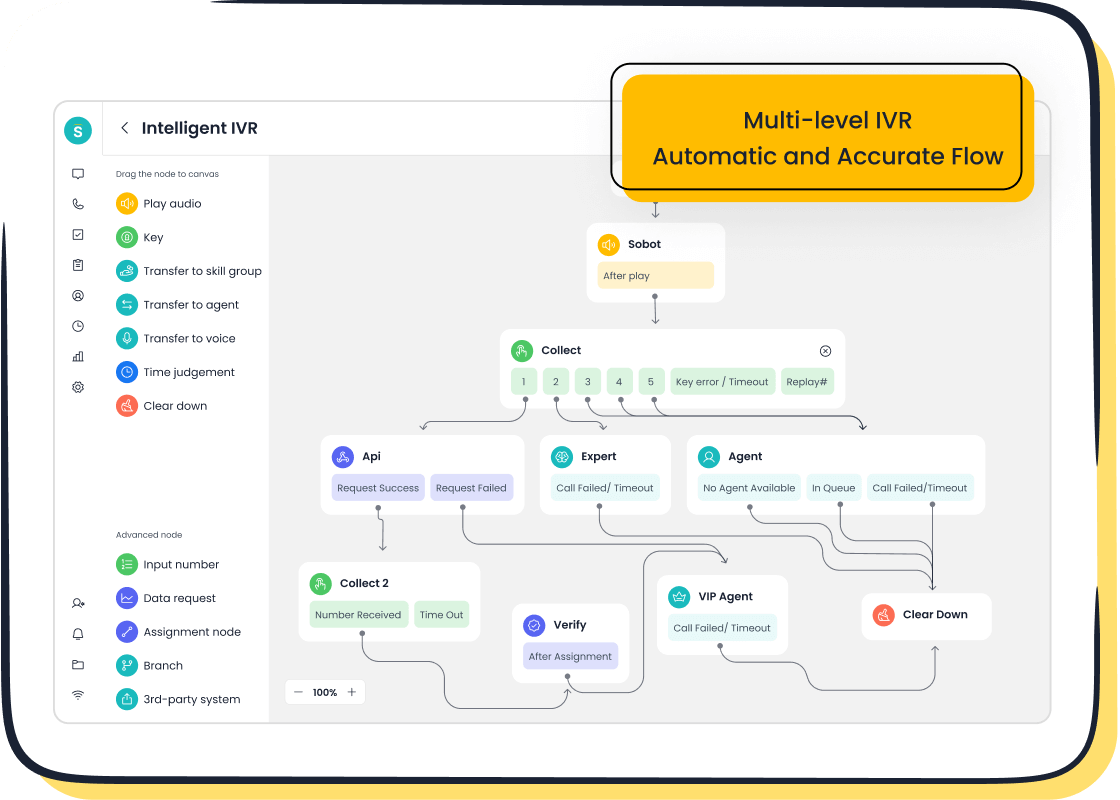
Use integration tools like Sobot's Voice/Call Center for seamless connectivity.
Integration tools play a vital role in connecting fragmented systems. Sobot's Voice/Call Center offers features like smart call routing and real-time monitoring, enabling seamless connectivity across departments. For instance, its unified workspace provides agents with a comprehensive view of customer interactions, ensuring consistent and informed responses. By leveraging such tools, you can eliminate data silos and enhance operational efficiency.
Enable Omnichannel Customer Engagement
Provide consistent experiences across touchpoints.
Consistency across all customer touchpoints builds trust and loyalty. Whether customers interact with your brand via email, phone, or social media, they expect a seamless experience. Consistent customer engagement enhances brand recall, fosters loyalty, and improves your reputation. It also reduces errors, leading to cost savings.
| Benefit | Description |
|---|---|
| Enhanced brand recall | Consistency fosters trust and familiarity, significantly impacting brand recall. |
| Customer loyalty and retention | Consistent experiences influence customer loyalty, leading to repeat business and advocacy. |
| Enhanced brand reputation | A reliable experience builds a positive reputation, attracting new customers through word-of-mouth. |
| Cost savings | Initial investments in consistency lead to long-term savings through reduced errors and improved retention. |
Sobot's Voice/Call Center ensures consistent customer experiences by centralizing data and providing tools for real-time monitoring and analysis. This allows you to deliver a unified experience across all channels.
Examples of successful omnichannel strategies.
Successful omnichannel strategies demonstrate the power of integration. For instance, Starbucks uses its mobile app to connect in-store and online experiences, allowing customers to order ahead and earn rewards. Similarly, Sobot's Voice/Call Center enables businesses to integrate phone, email, and chat interactions into one platform. This approach ensures customers receive consistent service, regardless of the channel they choose. By adopting such strategies, you can enhance customer satisfaction and drive long-term loyalty.
Continuously Improve Data Management Processes
Stay Updated on Industry Trends
Follow advancements in data management technology.
Staying informed about the latest trends in data management technology helps you maintain a competitive edge. Emerging advancements are transforming how businesses handle customer data integration. For instance:
- AI and Machine Learning automate repetitive tasks and uncover patterns in customer behavior, enabling smarter decision-making.
- Cloud-Based Data Management ensures real-time access to data, which is essential for remote teams.
- Low-Code/No-Code Platforms empower non-technical users to manage data independently, improving efficiency.
- Data Fabric Architecture integrates data from multiple sources into a unified view, streamlining customer data integration without disrupting existing systems.
By adopting these technologies, you can measure business value more effectively and improve operational efficiency. Tools like Sobot's Voice/Call Center already incorporate AI and cloud-based solutions, making it easier to adapt to these trends.
Attend webinars and conferences on data practices.
Webinars and conferences provide valuable opportunities to learn from industry leaders and peers. These events often showcase real-world applications of cutting-edge technologies, such as AI-driven analytics or cloud-based platforms. For example, attending a session on customer data integration could reveal strategies to optimize your processes. Additionally, networking with professionals allows you to exchange ideas and gain insights into common challenges. Staying engaged in these forums ensures you remain updated on best practices and emerging tools, helping you refine your data management strategies.
Solicit Feedback from Teams and Customers
Use feedback to refine data management strategies.
Feedback from your teams and customers offers actionable insights to improve your data management processes. For example, analyzing customer feedback can help you identify pain points, such as delays in service or data inaccuracies. Similarly, team feedback may highlight gaps in training or inefficiencies in workflows. Incorporating AI tools to analyze this feedback can uncover patterns and streamline operations. Regularly refining your strategies based on this input ensures your processes remain aligned with business goals and customer expectations.
Examples of iterative improvements in data processes.
Iterative improvements often lead to significant gains in efficiency and accuracy. For instance, a company might use customer feedback to enhance its data validation protocols, reducing errors in customer profiles. Another example could involve training teams on data privacy best practices, improving compliance with regulations like GDPR. Sobot's Voice/Call Center supports such initiatives by offering real-time analytics and seamless customer data integration. These tools enable you to track progress and make continuous adjustments, ensuring your data management evolves with your business needs.
Mastering customer data management ensures your business thrives in a competitive landscape. By defining and centralizing data, ensuring accuracy, prioritizing security, and leveraging analytics, you create a robust foundation for success. These practices enhance customer engagement, improve operational efficiency, and foster stronger relationships.
Implementing structured strategies offers measurable benefits:
- Increased customer acquisition
- Improved retention and loyalty
- Higher satisfaction and trust
- Enhanced personalized experiences
Sobot's Voice/Call Center simplifies customer data integration, enabling seamless workflows and consistent customer engagement. Its advanced tools help you unlock the full potential of your data, driving better decisions and long-term success. Explore Sobot's solutions to elevate your data management processes today.
FAQ
What is customer data management, and why is it important?
Customer data management involves collecting, organizing, and analyzing customer information to improve business decisions. It helps you understand customer behavior, personalize experiences, and enhance satisfaction. For example, using tools like Sobot's Voice/Call Center ensures seamless data integration and better customer insights, driving growth and efficiency.
How can I ensure my customer data remains secure?
You can protect customer data by using encryption, secure access controls, and regular audits. For instance, Sobot's Voice/Call Center employs encrypted data transfer and a 99.99% SLA for system stability. These measures safeguard sensitive information and build trust with your customers.
What are the benefits of integrating customer data across channels?
Integrating customer data across channels provides a unified view of customer interactions. This improves collaboration and decision-making. Sobot's Voice/Call Center simplifies this process by centralizing data from multiple touchpoints, enabling consistent customer engagement and operational efficiency.
How does Sobot's Voice/Call Center support data-driven decision-making?
Sobot's Voice/Call Center offers real-time analytics and AI-powered insights. These features help you identify trends, monitor performance, and make informed decisions. For example, its analytics tools can reveal customer preferences, enabling you to tailor marketing strategies effectively.
Why is data accuracy critical in customer data management?
Accurate data ensures reliable insights and better decision-making. Errors like duplicates or outdated records can distort analysis. Automation tools, such as those in Sobot's Voice/Call Center, validate data in real time, ensuring consistency and improving operational efficiency.
See Also
A Guide to Successfully Implementing Omnichannel Contact Centers
Effective Strategies for Managing Call Center Quality
Essential Advice for Selecting Social Media Support Tools

