How to Develop a Customer Care Strategy Example for 2025

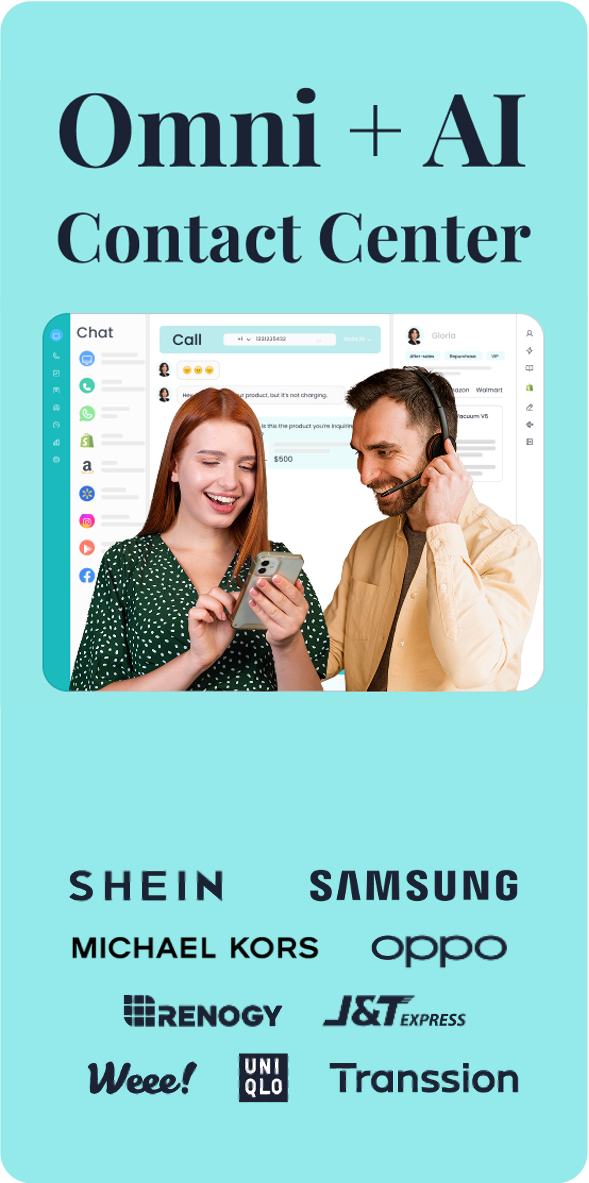
You can build a customer care strategy for 2025 by focusing on customer success at every stage. Align your leadership and set clear goals to drive effective customer service. Understand your customers through data and create journeys that foster loyalty. Companies using customer-centric strategies see up to 95% profit growth when retention rises just 5%. Sobot AI and Sobot call center help you deliver seamless support, while omnichannel solutions keep customers engaged. Use a customer care strategy example to guide your team and boost customer satisfaction, repeat purchase rates, and overall customer success.
Customer Care Strategy Overview
Definition and Importance
A customer care strategy is your plan for building strong relationships with customers and making sure they have a great experience at every step. Unlike old customer service strategies that only react when customers have problems, a modern customer service strategy uses technology and data to predict what customers need before they even ask. You can use tools like AI chatbots to offer help, send reminders, or give special offers when customers might leave their shopping carts. This proactive approach helps you solve problems early and makes customers feel valued.
| Aspect | Customer Service Strategy | Customer Support |
|---|---|---|
| Definition | All actions to improve customer experience and build long-term trust | Helping customers fix product or service issues |
| Focus | Building relationships and enhancing customer experience | Solving technical problems quickly |
| Approach | Proactive, empathetic, and customer-focused | Reactive and technical |
| Skills Needed | Empathy, communication, problem-solving | Technical knowledge, some soft skills |
A strong customer service strategy does more than fix problems. It helps you build trust by showing empathy and honesty. You can use customer data to understand what customers want and need. When you empower your team with the right tools, you improve the customer service experience and boost your business results. For example, companies that focus on customer experience see double the revenue growth compared to others. Over 80% of customers say they will pay more for better service. These facts show why a customer care strategy is so important for your business success.
2025 Trends
You will see big changes in customer service strategies by 2025. AI-powered chatbots and voice assistants will help you answer questions faster and more accurately. Hyper-personalization will let you use real-time data to give each customer a unique experience. Omnichannel support will become the standard, so customers can reach you on any channel—like WhatsApp, email, or live chat—and get the same great service.
Tip: Sobot’s omnichannel solutions let you manage all customer conversations in one place, making it easy to give fast, personal support across every channel.
Customers will expect more self-service options, like smart FAQs and chatbots, so they can solve problems on their own. Messaging apps will become even more popular for customer support. You will also need to focus on data privacy and security, since customers want to know their information is safe. Companies using AI and omnichannel strategies, like Sobot, save time and increase productivity. In fact, 97% of businesses plan to use AI in customer communications by 2025. These trends show that a modern customer service strategy must use the latest technology to meet customer needs and stay ahead.
Aligning Vision and Leadership
Company-Wide Commitment
You need everyone in your company to support your customer care strategy. When leaders and teams work together, you can deliver better service and build trust. Research from Perceptyx, Brooks Group, and Aberdeen shows that leadership alignment leads to higher customer satisfaction, stronger loyalty, and faster revenue growth. Companies with aligned strategies see a 55% greater increase in customer satisfaction and 7.6 times higher retention growth compared to those with siloed teams.
To build company-wide commitment, follow these best practices:
- Break down silos by encouraging teams to share information and work together.
- Use technology, like Sobot’s unified workspace, to organize customer service tasks and make responsibilities clear.
- Set up project management tools so everyone can see progress and help each other.
- Create direct communication channels for teams to connect easily.
- Build a shared knowledge base that supports both customers and employees.
Tip: When you use a unified platform like Sobot, you help your teams stay connected and focused on the same goals.
Embedding Customer-Centric Values
You need to make customer-centric values part of your company’s daily work. Companies like Amazon and Apple show that a customer-centric culture leads to loyal customers and strong financial results. Studies from PwC and Harvard Business Review link customer-centric culture to higher Net Promoter Scores (NPS) and business growth.
A customer-centric culture brings many benefits:
- Customers feel valued and stay loyal.
- Your company earns more through repeat business.
- Your brand reputation grows stronger.
- Employees feel more engaged and connected to your mission.
Leaders must show customer-first values and give teams the power to make decisions that help customers. You should measure success with metrics like NPS and customer satisfaction scores. Regular feedback and adaptation keep your strategy strong and help you meet changing needs. Sobot’s solutions support these strategies by giving you tools to track performance and improve service across every channel.
Setting Customer Service Strategy Goals
SMART Objectives
You need clear goals to guide your customer service strategy. The SMART framework helps you set goals that are Specific, Measurable, Achievable, Relevant, and Time-bound. When you use SMART objectives, you make your customer service strategy more focused and effective. For example, you might want to reduce your average response time from 1.5 business days to 0.8 days by tracking and improving your response process. You can also aim to improve turnaround times by lowering your Average Handle Time (AHT). These goals help you meet customer expectations for fast and effective customer service.
Here are some examples of SMART objectives for your customer service strategy in 2025:
| Objective Area | SMART Goal Example | Key Metrics / Targets | Deadline / Timeframe |
|---|---|---|---|
| Improve First Contact Resolution (FCR) | Raise FCR rates from 60% to 70% by Q4 2025 by refining AI responses and updating your knowledge base. | FCR rate | Q4 2025 |
| Proactive Customer Service | Lower support tickets by 20% within 6 months by using AI-driven issue detection. | Ticket volume reduction | 6 months |
| Omnichannel Support | Build new support systems for social media, reaching 85% consistency by Q4 2025. | Consistency across channels | Q4 2025 |
| Personalized Support | Increase personalization touchpoints from 3 to 7 per customer by Q3 2025. | Number of personalization touchpoints | Q3 2025 |
You can use Sobot’s omnichannel platform to track these goals and measure your progress. Sobot’s unified workspace makes it easy to monitor response times, agent productivity, and customer satisfaction. When you set SMART objectives, you give your team a clear path to deliver effective customer service and improve your overall customer service operation.
Tip: Set goals that match your business needs and review them often to keep your customer service strategy on track.
Key Metrics
You need to measure your customer service strategy with the right metrics. These metrics show how well your customer service operation works and where you can improve. Leading organizations use a mix of quantitative and qualitative metrics to track their customer service strategies.
| Metric Name | Description |
|---|---|
| Customer Churn Rate | Percentage of customers who stop using your product or service over a period |
| Monthly Recurring Revenue | Predictable monthly revenue, important for financial impact assessment |
| Customer Health Score | Composite score showing customer engagement and risk of churn |
| Customer Lifetime Value | Expected total revenue from a customer over the entire relationship |
| Customer Retention Cost | Total cost to retain existing customers |
| Qualitative Feedback | Open-ended customer feedback that gives context to numbers |
| First Contact Resolution | Rate at which customer issues are resolved on first contact, showing service efficiency |
You should also track Customer Satisfaction Score (CSAT), Net Promoter Score (NPS), and Customer Effort Score (CES). These scores help you understand how customers feel about your service. Operational metrics like First Reply Time, Resolution Time, and Tickets Solved show how efficient your team is. Sobot’s analytics dashboard lets you monitor these metrics in real time, so you can make quick decisions and keep your customer service strategy strong.
Note: Regularly review your metrics to spot trends and adjust your strategy for even more effective customer service.
Understanding Customers and Mapping Journeys
Customer Personas
You need to know who your customers are before you can improve their customer experience. Customer personas help you understand the people who use your products or services. These personas are detailed profiles that show what your customers want, what they like, and what problems they face. You can build accurate customer personas by following these steps:
- Start with research. Use surveys, interviews, and focus groups to collect information from real customers.
- Look at demographic data like age, gender, location, and job. Add psychographic data such as interests, values, and lifestyle.
- Study how customers behave. Check their buying habits, how they interact with your brand, and what media they use.
- Find out what goals, motivations, and challenges your customers have.
- Work with teams from marketing, sales, and product to make sure your personas are correct.
- Update your personas often as customer needs change.
- Use AI tools to help you gather and analyze data quickly. This saves time and keeps your personas accurate.
- Give each persona a name and a story. This makes it easier for your team to remember and use them.
- Map out the customer journey for each persona to see how they move from learning about your brand to becoming loyal customers.
- Share your personas with all teams so everyone understands your customers.
When you use customer personas, you can create a better customer experience. Sobot’s unified workspace helps you collect and organize customer data, making it easier to build and update personas.
Journey Mapping
Customer journey mapping lets you see every step your customers take, from the first time they hear about your brand to when they become loyal fans. This process helps you understand what your customers feel and do at each stage. You can use journey mapping to improve customer experience and satisfaction in many ways:
- Design journeys based on real customer needs, not guesses. This leads to smoother interactions.
- Spot and fix pain points early. You can reduce problems like abandoned carts and keep more customers.
- Align your teams. Marketing, sales, and support can work together to give customers a seamless experience.
- Personalize each touchpoint. When you know where customers are in their journey, you can send the right message at the right time.
- Use data to make smart decisions. Journey maps turn raw data into stories that help you improve customer experience.
- Measure and update your journey map often. Customer needs change, so your map should too.
Studies show that companies using customer journey mapping see a 20-30% increase in customer satisfaction and a 15% drop in customer drop-off rates (source). Sobot’s omnichannel solution gives you the tools to track every customer interaction, so you can build accurate journey maps and improve every part of the customer experience.
Tip: Regularly review your customer journey maps to keep up with changing customer behaviors and needs.
Optimizing Communication Channels with Sobot
Omnichannel Approach
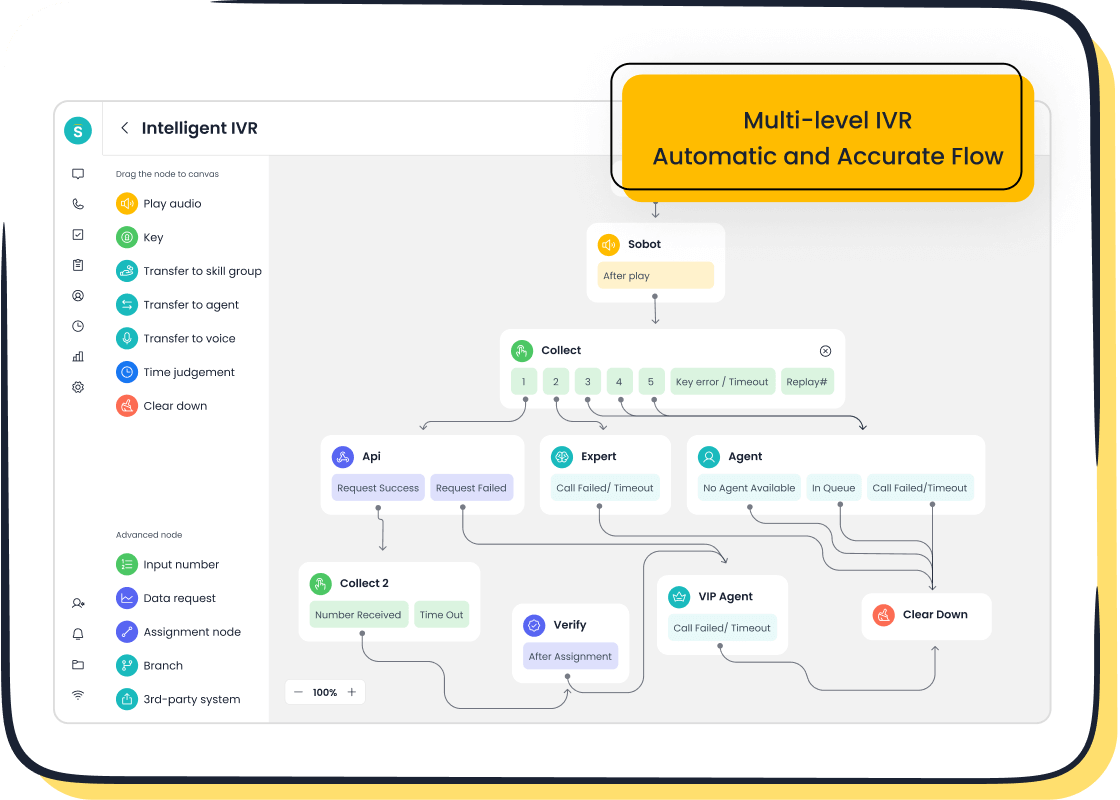
You want your customer care strategy to reach every customer, no matter where they are. Sobot’s Omnichannel Solution helps you connect with customers on web chat, mobile apps, social media, email, voice calls, and SMS—all in one place. This unified workspace lets you keep every conversation in context, so you never lose track of what matters to your customers.
- Sobot’s platform gives you seamless and consistent experiences across channels. Customers can switch from chat to email or phone without repeating themselves.
- Intelligent chatbots handle routine questions, freeing your team to focus on customer success.
- AI-powered tools personalize each interaction, making every customer feel valued.
- Real-time analytics and dashboards help you track performance and spot trends.
- Self-service portals and knowledge bases empower customers to solve problems on their own.
Sobot’s AI-first strategy means your customer care team can deliver fast, accurate, and personal support. You can improve customer success by making sure every customer gets the help they need, when they need it.

Voice/Call Center Integration
Voice support still plays a big role in customer success. Sobot’s Voice/Call Center brings smart features to your customer care strategy. You get 24/7 availability, so customers always have someone to talk to. AI voice assistants answer questions right away, reducing wait times and boosting satisfaction.
- Sobot’s system automates both inbound and outbound calls, handling high volumes with speed and accuracy.
- Integration with CRM systems means your agents see customer history and can give better answers.
- Real-time data insights help you adjust call strategies and improve resource use.
- Multilingual support lets you serve customers in their preferred language.
Companies using AI voice technology report a 27% increase in customer satisfaction scores and a 60% drop in costs (source). Sobot’s Voice/Call Center helps you reach customer success by making every customer interaction smooth, efficient, and personal.
Leveraging Technology for Customer Success
AI and Automation
You can use AI and automation to transform customer success in your business. These tools help you answer questions faster, solve problems before they grow, and give each customer a personal touch. AI-powered chatbots use natural language processing to talk with customers just like a real person. They work 24/7, so your customers always get help when they need it. Sobot’s AI chatbots and unified workspace let you handle many requests at once, making your team more productive and focused on customer success.
Here is a table showing how the latest AI advancements improve customer success:
| AI Advancement | Description | Impact on Efficiency |
|---|---|---|
| AI-powered chatbots | Use NLP for human-like conversations | Faster query resolution, 24/7 support |
| Enhanced self-service | AI-driven knowledge bases, predictive analytics | Customers solve issues on their own |
| Cost reduction | Automate routine tasks, optimize workflows | Lower costs, better ROI |
| Personalized experience | AI analyzes data for tailored interactions | Higher loyalty and retention |
| Emotional intelligence | Sentiment analysis for customer emotions | More empathetic responses |
| Human-AI collaboration | AI suggests answers to agents in real time | Agents focus on complex queries |
You can see the impact of these advancements in the chart below:
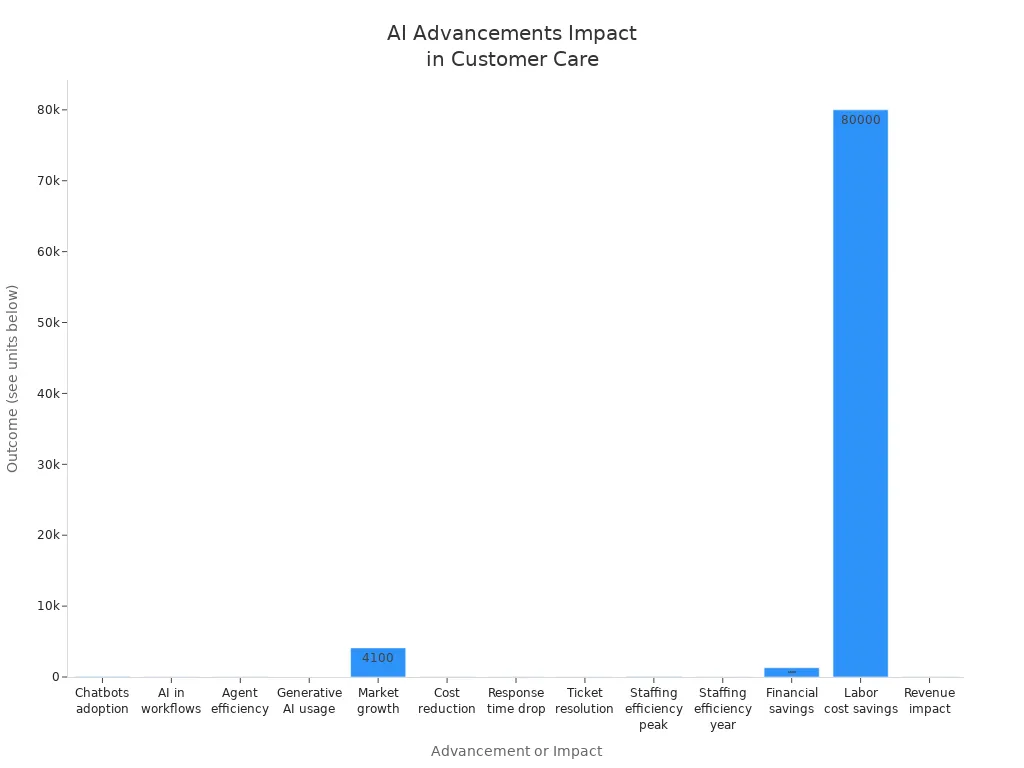
AI helps you reduce first response times by 37% and resolve tickets 52% faster. Many companies now use AI to improve customer success, with 80% planning to adopt chatbots by 2025. Sobot’s solutions use AI to help you automate new customer success processes, cut costs, and boost customer satisfaction. When you use AI, you make customer success easier and more effective for your team and your customers.
Data Security
You must protect customer data to keep trust and ensure customer success. Data security is more important than ever in 2025. Customers want to know their information is safe. If you lose their trust, you risk losing their business. Studies show that one-third of customers will leave a company after a data breach. You can avoid this by following strong data security practices.
Here are the most important steps for data security in customer success:
- Follow data privacy laws like GDPR, CCPA, and HIPAA.
- Protect all types of customer data, including personal and financial details.
- Use end-to-end encryption to keep data safe from hackers.
- Limit access to customer data with role-based permissions.
- Train your team to spot phishing and avoid password mistakes.
- Check that third-party vendors meet your security standards.
- Keep your software updated to fix security holes.
- Store data in a central place to avoid silos.
- Have a plan for handling data breaches.
- Audit your systems often to find and fix risks.
- Update your data protection policies as laws and threats change.
Sobot’s platform uses encrypted data transfer and secure cloud infrastructure to help you protect customer data. You can manage access, monitor activity, and keep your customer success operations safe. When you focus on data security, you support customer success and build long-term trust.
Tip: Make data security part of your daily customer success routine. This keeps your business strong and your customers happy.
Building and Training Your Team

Recruitment
You need the right people to make your customer care strategy work. When you hire new team members, look for both soft skills and hard skills. Soft skills help your team connect with customers and solve problems. Hard skills make sure your team can use the tools and systems needed for modern customer service strategy.
Here is a table showing what to look for when you recruit:
| Key Criteria Category | Specific Criteria | Explanation |
|---|---|---|
| Soft Skills | Emotional Intelligence | Manage customer emotions and solve problems with care. |
| Communication Skills | Listen well and explain things clearly. | |
| Conflict Resolution | Find creative solutions to keep customers happy. | |
| Adaptability | Adjust to new tools and changing customer needs. | |
| Empathy | Understand and share customer feelings. | |
| Time Management | Handle many tasks and respond quickly. | |
| Work Ethic | Stay dedicated and keep service standards high. | |
| Hard Skills | CRM Experience | Use systems like Salesforce to track customer data. |
| POS Experience | Handle transactions smoothly. | |
| Product Knowledge | Know your company’s products to give better support. | |
| Additional Criteria | Cultural Fit | Match your company’s values and team spirit. |
| Potential for Growth | Learn new skills and grow with the company. | |
| Cross-selling and Upselling | Suggest helpful products to increase satisfaction and revenue. |
You should also look for candidates with at least three years of customer service experience and a record of meeting customer needs. Strong time management and computer skills help your team use platforms like Sobot’s unified workspace efficiently.
Training and Empowerment
Once you have the right team, you need to train and empower them. Training should match real customer journeys. You can use AI-powered roleplay scenarios to let your team practice tough situations in a safe way. This helps both new hires and experienced agents improve their skills.
- Align training with your customer care strategy goals. Teach both daily skills and advanced problem-solving.
- Use gamification and feedback to keep your team motivated.
- Track training results with key metrics like customer satisfaction, first response time, and resolution rate.
- Offer cross-functional training so your team learns from other departments. This builds a stronger, more consistent customer service strategy.
- Provide hands-on workshops with tools like Sobot’s omnichannel solution. This boosts confidence and efficiency.
- Teach stress management and emotional intelligence to reduce burnout and improve service quality.
Tip: Personalized learning paths and regular refresher sessions help your team remember what they learn and stay sharp.
When you invest in training, you turn your service team into a driver of customer success. Well-trained teams can increase customer satisfaction and help your business grow. Sobot’s solutions support ongoing training by making it easy to track performance and identify skill gaps, so your customer care strategy stays strong year after year.
Feedback and Continuous Improvement
Collecting Feedback
You need to collect feedback from your customers to keep improving your service. The best way to do this is by asking clear and targeted questions. For example, you can use Net Promoter Score (NPS) or Customer Satisfaction (CSAT) surveys to get specific answers. Time your requests right after a purchase or a support interaction. This helps you get honest and useful feedback while the experience is still fresh.
You can use different methods to gather feedback:
- In-app surveys and feedback widgets let customers share their thoughts quickly.
- Direct interviews help you understand customer needs in detail.
- Community boards and forums allow users to suggest ideas and vote on changes.
- Email campaigns reach out to different groups for thoughtful responses.
- Social media and online reviews show what customers say in public.
Segment your customers by how long they have used your product or how often they interact with your brand. This helps you ask the right questions and get better feedback. Sobot’s omnichannel platform makes it easy to collect and organize feedback from all your channels in one place. You can use both numbers and stories to see what works and what needs to change. Always focus on feedback that gives you clear steps for improvement.
Tip: Close the loop by letting customers know how you used their feedback. This builds trust and shows you care about their opinions.
Iterative Process
Continuous improvement means you never stop making your customer care better. You do this by using an iterative process. Start by planning small changes based on customer feedback. Design and test these changes with clear goals in mind. After you launch a new feature or update, check if it meets your goals. Use feedback from customers and your team to see what worked and what did not.
Here is a simple cycle you can follow:
- Plan: Set a goal for your next improvement.
- Design: Create a solution or update.
- Implement: Put the change into action.
- Evaluate: Measure results and collect feedback.
- Improve: Use what you learned to plan the next step.
This process helps you spot problems early and fix them before they grow. It also lets you respond quickly to new needs or trends. Sobot’s analytics tools help you track each step and see the impact of your changes. By repeating this cycle, you keep your customer care strategy fresh and effective. Companies that use this approach stay ahead because they always listen and adapt to customer feedback. This builds loyalty and keeps your business strong.
Note: Continuous improvement is not a one-time task. It is a habit that helps you deliver better service every day.
Customer Care Strategy Example: OPPO & Sobot
Challenge and Solution
You can learn a lot from OPPO’s journey to improve customer care. OPPO, a global leader in smart devices, faced big challenges as its customer base grew. The company wanted to deliver excellent service across many countries and channels. Here are some of the main problems OPPO needed to solve:
- High operational costs for 24/7 customer service, including staff training and technology.
- Difficulty keeping customer experiences consistent and personal as expectations increased.
- Managing many communication channels, which led to slow and uneven responses.
- Lack of personalized service at scale, making interactions feel impersonal and hurting loyalty.
- Trouble using customer feedback and data to improve service.
- Challenges with technology integration and keeping systems user-friendly.
OPPO also struggled with disconnected support channels and fragmented customer data. This made it hard to see the full picture of each customer. Without a unified view, OPPO could not deliver seamless omnichannel experiences. Customers sometimes received different answers or had to repeat themselves. These problems are common when companies use siloed systems and have data spread across many sources.
To solve these issues, OPPO decided to build a new customer care strategy using Sobot’s solutions. Sobot provided an all-in-one platform that brought together chat, voice, email, and social media support. With Sobot’s omnichannel solution, OPPO unified all customer conversations in one place. This made it easy for agents to see customer history and respond quickly.
Sobot’s AI-powered chatbot handled routine questions, so human agents could focus on complex cases. The chatbot worked around the clock, giving customers instant answers at any time. Sobot also helped OPPO automate ticketing and optimize its knowledge base. By using AI to update Q&A pairs, OPPO reduced manual work by 90%. Sobot’s platform integrated with OPPO’s business systems, making it simple to access customer data and track every interaction.
When you use a customer care strategy example like OPPO’s, you see how technology and teamwork can fix common service problems. Sobot’s tools help you deliver fast, personal, and consistent support, no matter how many channels you use.
Results and Impact
After OPPO put its new customer care strategy into action with Sobot, the results were clear and impressive. You can see how a strong customer care strategy example leads to real business growth and higher customer satisfaction.
Here are some of the key outcomes OPPO achieved:
| Metric | Before Sobot | After Sobot Implementation |
|---|---|---|
| Chatbot Resolution Rate | Low | 83% |
| Repurchase Rate | Moderate | 57% increase |
| Knowledge Base Maintenance | High manual effort | 90% less manual work |
| Customer Feedback (Positive) | Not specified | 94% |
OPPO’s chatbot, powered by Sobot, resolved 83% of customer queries without human help. This freed up agents to handle more complex issues and improved response times. The company saw a 57% increase in repurchase rates, showing that better service leads to stronger customer retention. OPPO also reduced the time and effort needed to maintain its knowledge base by 90%. This let the team focus on improving service instead of doing repetitive tasks.
Customer satisfaction soared. OPPO received a 94% positive feedback rate after using Sobot’s solutions. Customers enjoyed faster answers, more personal service, and fewer repeated questions. The unified platform made it easy for agents to see the full customer journey and offer the right help at the right time.
You can apply lessons from this customer care strategy example to your own business. Here are some important takeaways:
- Start with markets that match your strengths. Build experience before expanding further.
- Grow step by step. Make sure your local operations are strong before moving to new areas.
- Adapt your service channels to local needs. Use local partners and tailor your approach.
- Localize your products and marketing. Match features and messages to what people want in each region.
- Invest in local resources. Build customer service centers and hire local staff to show commitment.
- Combine global technology with local relevance. Use tools like Sobot to deliver consistent service everywhere, but always listen to local feedback.
You should also focus on building communities and encouraging customer engagement. OPPO used digital platforms and local events to connect with users. The company tracked repurchase rates and used customer stories to inspire loyalty. By working closely across marketing, product, and sales teams, OPPO kept improving its customer care strategy.
Note: When you use a customer care strategy example like OPPO’s, you see the power of combining technology, local insight, and teamwork. Sobot’s solutions help you boost customer satisfaction, increase retention, and build a brand people trust.
If you want to improve your own customer care strategy, look at OPPO’s results. Use Sobot’s omnichannel platform, AI chatbots, and unified workspace to deliver better service. Track your progress with clear metrics like chatbot resolution rate, customer satisfaction, and repurchase rate. When you put the customer first and use the right tools, you can achieve the same success.
You can build a winning customer service strategy for 2025 by following a few key steps. Start with strong leadership and set clear goals. Hire and train teams who focus on empathy and problem-solving. Use data to understand your customers and map their journeys. Adopt technology like Sobot’s platform to boost customer satisfaction and agent satisfaction. Keep improving by collecting feedback and tracking customer satisfaction. Many companies, such as OPPO, have seen higher satisfaction and efficiency with Sobot. For more help, reach out to Sobot’s team or try a free demo on their website.
FAQ
What is a customer care strategy, and why do you need one in 2025?
A customer care strategy is your plan to help customers at every step. In 2025, you need it to meet higher expectations. Companies with a strong customer care strategy see up to 95% profit growth when retention rises just 5% (source).
How does Sobot help improve your customer service strategy?
Sobot gives you an all-in-one contact center. You can use its omnichannel solution to manage chats, calls, and emails in one place. Sobot’s AI chatbots answer questions fast, which boosts customer success and saves your team time.
Why is an omnichannel solution important for customer success?
An omnichannel solution lets you help customers on any channel—chat, phone, email, or social media. You keep every conversation in context. Sobot’s omnichannel solution increases productivity by 30% and helps you deliver a seamless customer experience.
Tip: Customers expect to switch channels without repeating themselves. An omnichannel solution makes this easy.
How do you measure the success of your customer care strategy?
You track key metrics like Net Promoter Score (NPS), Customer Satisfaction (CSAT), and chatbot resolution rate. Sobot’s analytics dashboard shows real-time data. For example, OPPO used Sobot and saw an 83% chatbot resolution rate and a 94% positive feedback rate.
See Also
Discover The Leading Cloud Contact Centers For 2025
A Ten Step Guide To Deploy Omnichannel Contact Centers
Effective Quality Management Techniques For Call Centers
Comprehensive Review Of Leading Contact Center Solutions 2024
Essential Guide To Quality Management Systems In Call Centers