3 key differences in customer care specialist job description


You will notice three main differences between a customer care specialist job description and a customer service representative role. These differences shape what you do, the skills you need, and how your team measures success. The table below shows how customer care specialists focus on building relationships, using technical skills, and driving customer satisfaction, while service representatives solve immediate problems. Sobot gives you advanced tools to support these goals. Understanding these distinctions helps you build stronger teams and hire the right people.
| Aspect | Customer Care Specialists | Customer Service Representatives |
|---|---|---|
| Role Focus | Proactive, relationship building | Reactive, issue resolution |
| Success Metrics | Customer satisfaction scores | Efficiency, ticket resolution |
| Skills Required | Technical expertise, empathy | Problem-solving, active listening |
Scope of customer care specialist job description

Relationship building focus
When you look at a customer care specialist job description, you see a strong focus on building long-term relationships. Your main goal is to keep customers satisfied and loyal. You do this by understanding their needs, solving complex problems, and making sure they feel valued. This approach goes beyond just answering questions. You often reach out to customers before they even ask for help. You collect feedback, analyze it, and use it to improve the service experience.
Here is a table that shows the unique responsibilities for each role:
| Role | Unique Responsibilities |
|---|---|
| Customer Care Specialist | Emphasis on maintaining customer satisfaction and loyalty, complex problem-solving, understanding company policies and procedures. |
| Customer Service Representative | Focus on short-term problem-solving, conflict resolution, responding to customer inquiries and concerns. |
Sobot’s Voice/Call Center features help you build these relationships. The unified workspace lets you see all customer information in one place. Smart call routing connects customers to the right agent quickly. The AI-powered Voicebot can handle simple questions, so you can focus on more complex needs. Real-time call monitoring and call recording help you keep service quality high. These tools make it easier for you to connect with customers and provide a personal touch.
Issue resolution in customer service roles
Customer service representatives focus on solving immediate problems. You answer questions about products or services, process orders, and handle complaints. Your main goal is to resolve issues quickly and move on to the next customer. This role is important for keeping operations smooth and making sure customers get fast answers.
Here are some common responsibilities:
- Answering questions about products or services
- Processing orders and transactions
- Resolving issues and troubleshooting technical problems
- Handling customer complaints
- Responding to customer reviews
While both roles are important, the customer care specialist job description covers a wider range of tasks. You not only solve problems but also work to build trust and loyalty over time. Sobot’s Voice/Call Center supports both roles by offering features like global number availability and AI-powered Voicebot, which help you connect with customers in over 50 countries and resolve issues faster.
Skills required for customer care specialist job description

Advanced communication and empathy
You need advanced communication and empathy skills to succeed as a customer care specialist. These skills help you connect with customers and build trust. You must listen actively, use empathetic language, and personalize every interaction. You analyze the complete picture of customer interactions and pay attention to tone. Patience is important. You also follow up with customers to show you care.
Here are some key communication and empathy skills:
- Active listening
- Empathetic language
- Personalization of interactions
- Ability to analyze the complete picture of customer interactions
- Importance of tone
- Patience
- Capacity to follow up with customers
Sobot’s training and analytics solutions help you improve these skills. You learn empathy and active listening. You practice clear and concise communication. You gain problem-solving abilities and product knowledge. You adapt to various customer needs. Companies that monitor customer satisfaction scores see better service quality. This focus helps you develop strong communication and empathy skills.
Problem-solving and consultative approach
You must use a consultative approach and strong problem-solving skills in a customer care specialist job description. You take a proactive approach, anticipating customer needs throughout their journey. This helps you build emotional connections. You listen to customer problems and provide real-time solutions. You follow up and consider feedback to build ongoing relationships.
Problem-solving skills are crucial. You handle conflicts and maintain positive interactions. You analyze customer feedback to make informed decisions. This helps you address pain points and improve customer loyalty.
Sobot’s omnichannel solutions make your job easier. The platform brings together all communication channels into one AI-driven workspace. You can address complex customer inquiries more effectively. AI workflows support you at scale, so you focus on more intricate problems. This improves service efficiency and helps you deliver great customer experiences.
Here is a table showing the most valued skills for customer care specialists:
| Category | Skills/Traits |
|---|---|
| Making customers happy | Poised, Approachable, Adaptable, Listening, Humour |
| Delivering Great Service | Rigorous, Tenacious, Decisive, Striving, Order |
| Bouncing Back | Calm, Resilient, Internal Control, Optimistic |
You see that the customer care specialist job description requires higher-level skills than a typical customer service role. Sobot’s solutions, including live chat, AI Agent, call center, voicebot, and ticketing system, help you develop and use these skills every day.
Proactivity and personalization in customer care specialist roles
Anticipating customer needs
You play a key role in anticipating what customers want before they ask. As a customer care specialist, you use proactive strategies to build long-term relationships. You look at customer journeys and preferences to understand what each person needs. You do not wait for problems to happen. You reach out first, often using proactive communication to inform customers about updates or solutions. This helps prevent issues and shows customers that you care about their experience.
Sobot’s AI and analytics make this process easier. The system uses predictive analytics to spot patterns in customer behavior. You can see when a customer might need help and send a message before they ask. For example, Sobot’s AI can trigger a chat when a customer looks like they might leave your website. This real-time personalization helps you engage customers at the right moment.
Tip: Proactive support means you help customers before they even know they need it. This builds trust and loyalty.
Personalized solutions vs procedural support
You provide personalized solutions that go beyond basic answers. You use data from Sobot’s unified workspace to see each customer’s history and preferences. This lets you tailor your support to fit each person. You can group customers by their needs and use empathy in every interaction. Sobot’s omnichannel platform helps you keep conversations smooth across chat, voice, and social media.
Here is a table that shows how personalized support compares to procedural support:
| KPI | Personalized Support (Care Specialist) | Procedural Support (Service Rep) |
|---|---|---|
| Customer Satisfaction | High | Moderate |
| First Response Rate | Fast | Average |
| Resolution Rate | High | Moderate |
| Customer Engagement | High | Low |
| Loyalty | High | Moderate |
You see the results in real life. OPPO, a global smart device brand, used Sobot’s AI-powered solutions to improve their customer care. After using Sobot, OPPO reached an 83% resolution rate and a 94% positive feedback score. These numbers show how proactive and personalized support can boost satisfaction and loyalty.
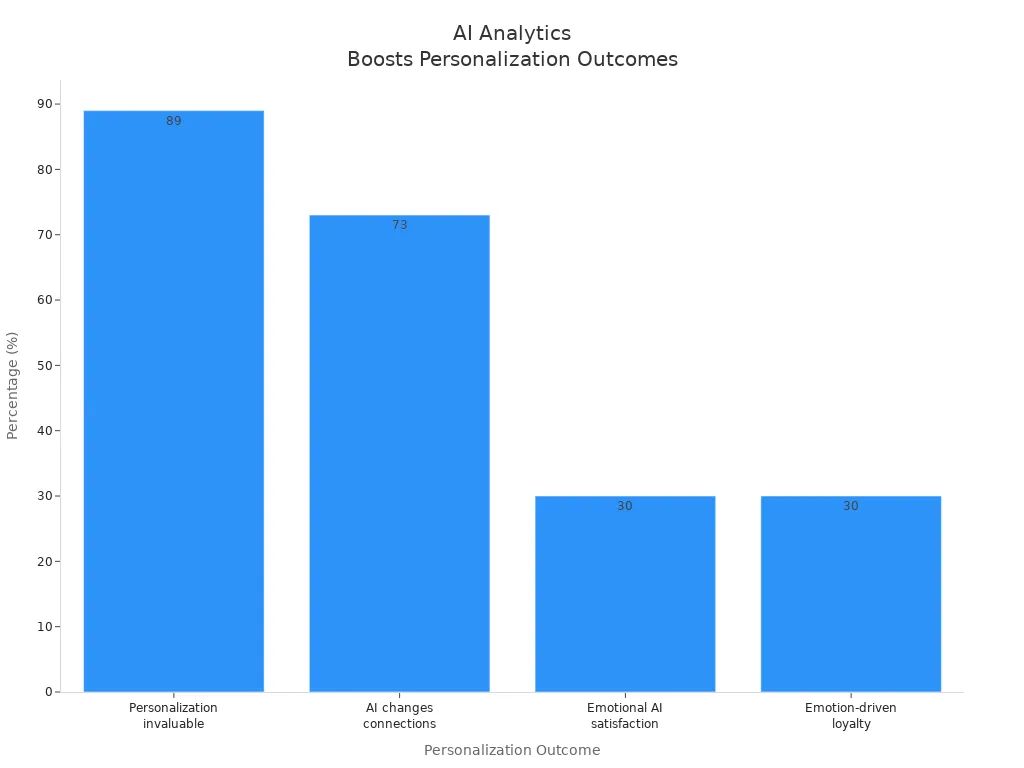
You can read more about OPPO’s story on Sobot’s website. When you follow the customer care specialist job description, you use tools like Sobot’s chatbot, AI Agent, live chat, and ticketing system to deliver the best experience possible.
Standards for customer contact and communication
Ongoing engagement expectations
You play a key role in keeping customers engaged over time. High-performing organizations expect you to do more than just answer questions. You reach out to customers, follow up on their experiences, and check if they need more help. You keep detailed records of every interaction. This helps you spot trends and improve your service. You also collect feedback and use it to make changes that benefit everyone.
Here are some common standards for ongoing engagement:
- Diagnose and solve customer problems quickly, aiming for first-call resolution.
- Keep accurate records of every customer interaction.
- Reach out to customers after their issues are resolved to ensure satisfaction.
- Collect and analyze feedback to find ways to improve.
- Monitor your performance using key metrics like customer satisfaction scores.
Companies that train their specialists well see a 20% higher first-call resolution rate. When you document calls and follow up, you can reduce customer churn by up to 25%. Using advanced systems like Sobot’s omnichannel solution and Voice/Call Center, you can manage all conversations in one place, respond faster, and keep customers happy. Sobot’s AI features help you handle complex questions and support customers at scale. Learn more about Sobot’s omnichannel solution.
Procedural support standards
Customer service representatives follow clear procedures to solve problems. You need strong communication skills and technical knowledge. You must multitask, keep organized records, and resolve tickets on time. You also need patience and empathy to help frustrated customers.
| Role/Responsibility | Description |
|---|---|
| Communication skills | Speak clearly and listen to understand customer needs. |
| Technical knowledge | Know your products and how to solve common issues. |
| Multitasking | Handle several tasks and tickets at once. |
| Attention to detail | Keep records organized and avoid mistakes. |
| Meeting deadlines | Resolve issues quickly and escalate when needed. |
| Proactive support | Check in with customers after resolving their problems. |
| Patience and empathy | Stay calm and understanding, even with upset customers. |
| Problem-solving mindset | Look for solutions, not just follow scripts. |
Sobot’s unified workspace and AI-powered tools help you meet these standards. You can track every conversation, automate routine tasks, and provide fast, accurate support. This keeps your team organized and ensures every customer gets the attention they deserve. See how Sobot’s Voice/Call Center supports high standards.
You have learned the three main differences between these roles. When you use Sobot’s contact center solutions, you see real results:
| Metric | Improvement |
|---|---|
| CSAT Scores | 25% increase |
| Customer Complaints | 20% reduction |
| Response Times | 25% reduction |
| Overall Customer Satisfaction | 30% improvement |
Clear role definitions help you boost satisfaction, build loyalty, and create upselling opportunities. You can also improve retention and team structure. When you plan your hiring and career paths with these insights, you set your team up for success.
FAQ
What makes a customer care specialist job description different from a customer service representative?
You see a customer care specialist job description focus on building long-term relationships. You use advanced skills and proactive support. Customer service representatives solve immediate problems. Sobot’s contact center tools help you deliver both types of service.
Which Sobot products help customer care specialists the most?
You benefit from Sobot’s chatbot, AI Agent, live chat, call center/voice, voicebot, and ticketing system. These tools let you manage customer needs, automate tasks, and personalize support. You improve satisfaction and efficiency with Sobot’s unified workspace.
How does Sobot support proactive customer care?
Sobot’s AI and analytics help you spot customer needs early. You reach out before issues arise. For example, Sobot’s AI Agent can trigger a chat when a customer seems confused. This proactive approach boosts loyalty and satisfaction.
Why do companies need a clear customer care specialist job description?
You help your team hire the right people and set clear goals. A detailed customer care specialist job description ensures you focus on relationship building, advanced skills, and ongoing engagement. Sobot’s solutions make these tasks easier and more effective.
Can Sobot’s solutions improve customer satisfaction scores?
Yes! You use Sobot’s omnichannel platform and voice/call center to track every interaction. You respond faster and personalize support. Companies using Sobot report up to a 30% improvement in customer satisfaction scores.
See Also
Exploring The Role Of IT Call Center Agents
Best Practices For Quality Management In Call Centers
Principles Of QMS In Call Centers Explained

