Mastering AI Chatbots for Effective Customer Care

AI is revolutionizing customer support by delivering faster, more efficient solutions. Studies show that 68% of users value the quick responses chatbots provide, while 61% prefer AI over waiting for human assistance. Businesses adopting AI chatbots experience a 35% reduction in service costs and a 32% revenue boost. These tools also handle up to 80% of routine inquiries, saving companies billions of hours annually.

Effective implementation is key to unlocking these benefits. Brands offering 24/7 conversational support often see a 40% rise in customer engagement. Sobot, a leader in customer care AI chatbot solutions, empowers businesses with multilingual, always-available chatbots. Its innovative approach enhances efficiency, reduces costs, and improves customer satisfaction.
Benefits of AI Chatbots in Customer Support

Enhancing Efficiency and Availability
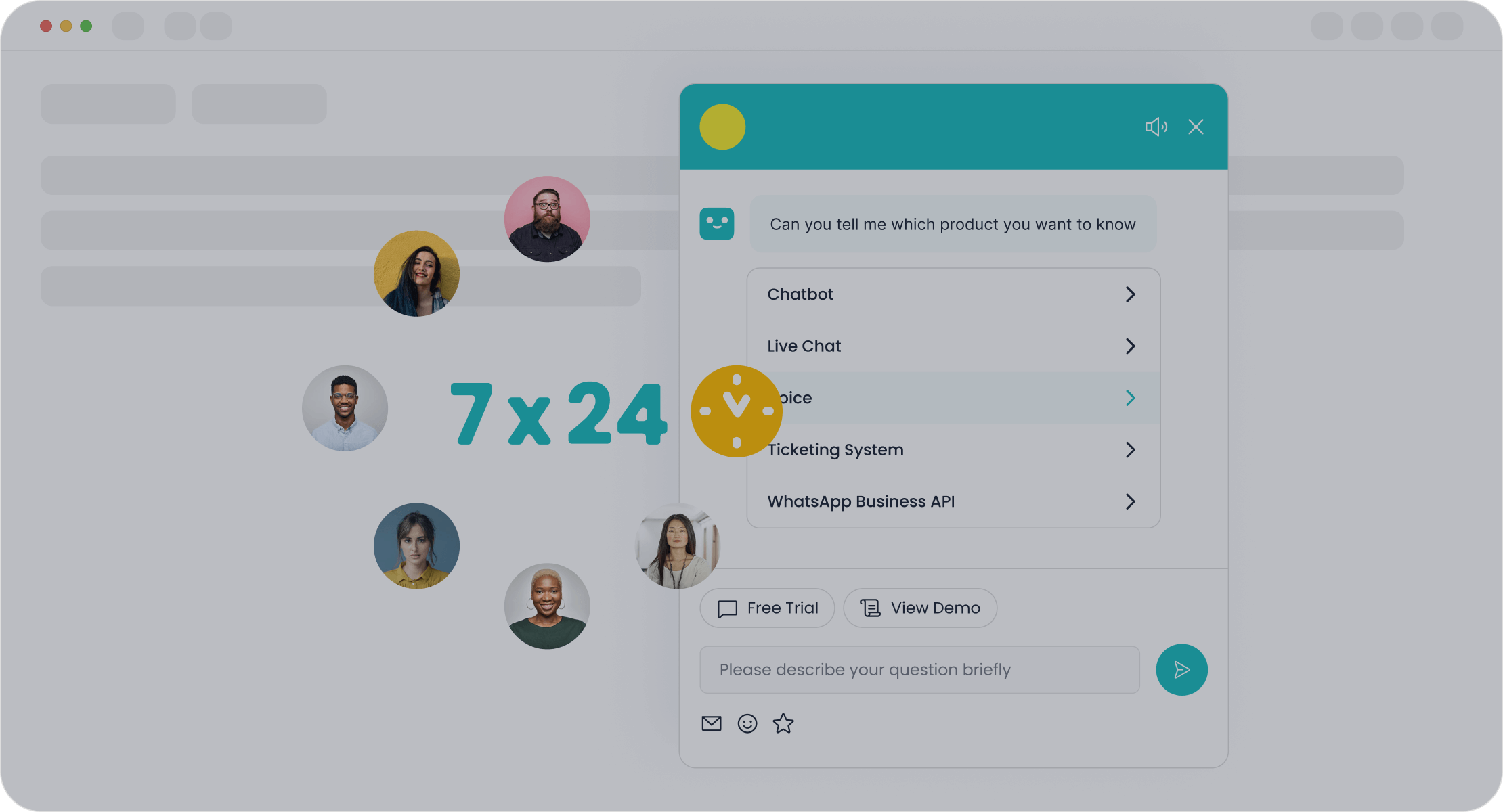
24/7 support for uninterrupted customer care.
AI chatbots provide round-the-clock support, ensuring your customers always have access to assistance. This is especially beneficial for businesses operating across multiple time zones. Studies show that chatbots improve first response times, leading to higher customer satisfaction scores. With 24/7 support, you can handle inquiries even during peak hours or holidays, reducing wait times and enhancing the overall customer experience.
Faster resolution of repetitive queries.
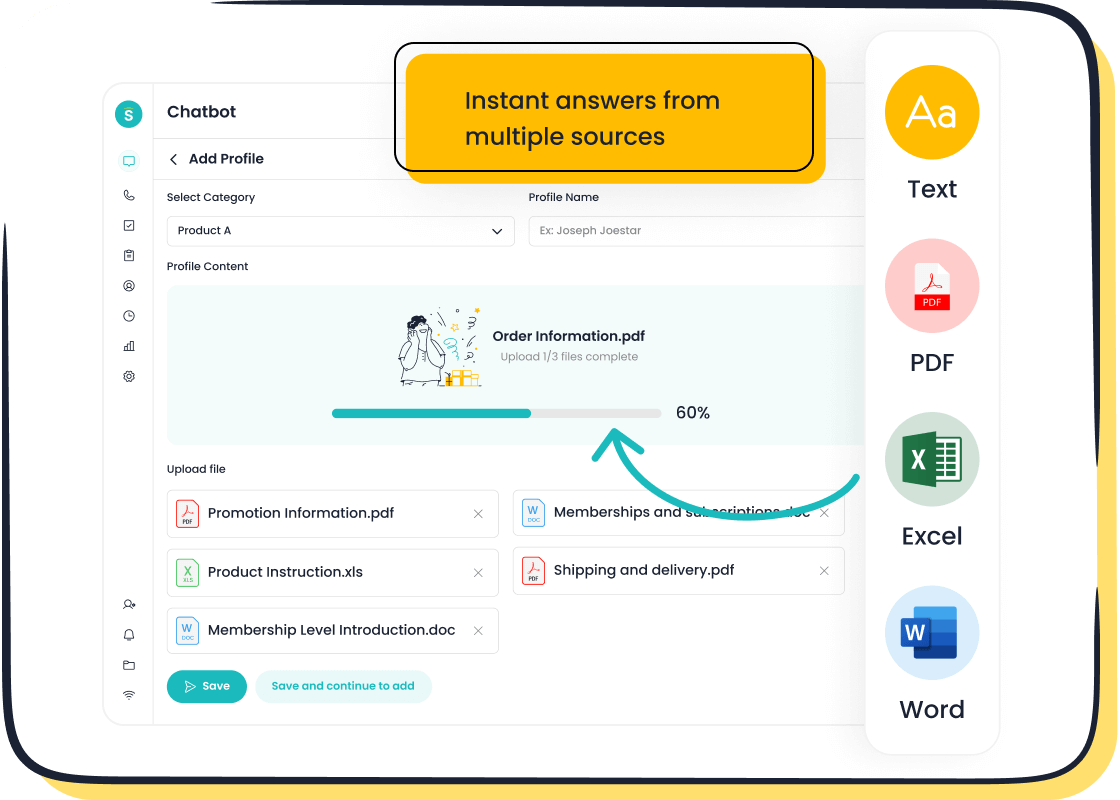
Chatbots excel at addressing repetitive questions, such as order tracking or FAQs. By automating these tasks, they free up human agents to focus on complex issues. For example, Sobot’s AI-powered chatbot uses a knowledge base to provide instant replies, improving average handling time (AHT). This efficiency not only boosts productivity but also ensures your customers receive quick and accurate responses.
Cost-Effectiveness for Businesses
Reducing operational costs with automation.
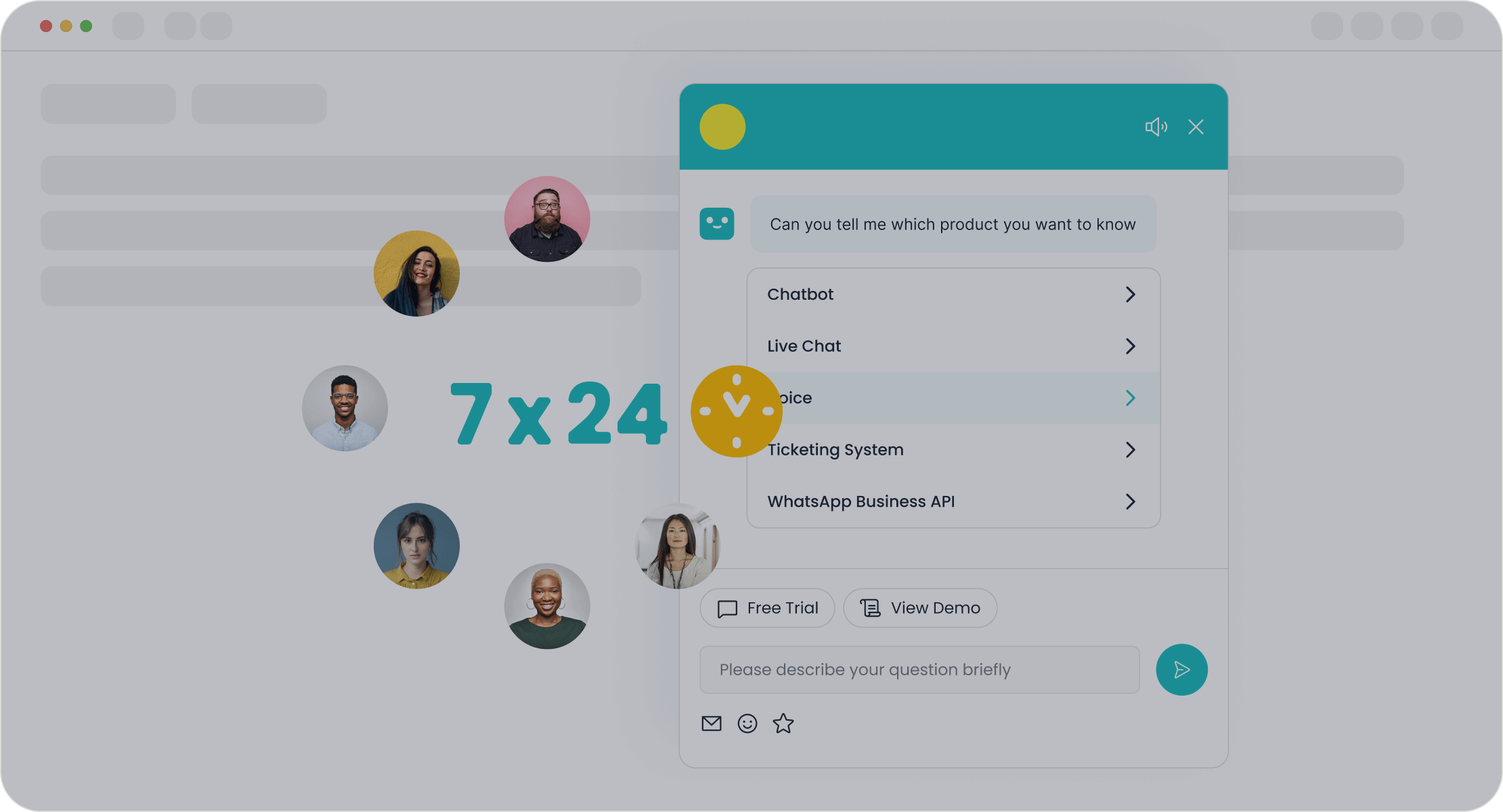
AI chatbots significantly lower operational expenses by automating routine tasks. They eliminate the need for additional agents, saving up to 50% on staffing costs. Rule-based chatbots are particularly cost-effective for small and mid-sized businesses, allowing you to allocate resources more efficiently. Sobot’s chatbot, for instance, operates 24/7, triaging queries and reducing service costs without compromising quality.
Scaling support without additional resources.
Scaling customer support can be challenging, especially during high-demand periods. AI chatbots make it easier by handling increased volumes of interactions without requiring extra staff. Between 2019 and 2021, chatbot interactions surged from 17 million to 400 million—a 2,350% increase. This scalability ensures your business can grow while maintaining excellent customer service.
Elevating Customer Experience
Personalized interactions through AI insights.

AI chatbots use data to tailor responses, creating a more personalized experience for your customers. For instance, they can analyze past interactions to recommend products or services that match individual preferences. Sobot’s chatbot leverages AI insights to deliver smart self-service options, boosting conversions by 20% and enhancing customer satisfaction.
Consistent and accurate responses.
Consistency is key to building trust in customer interactions. AI chatbots provide uniform responses, ensuring accuracy across all communication channels. This reliability improves the overall customer experience and reduces the likelihood of errors. With Sobot’s multilingual chatbot, you can offer consistent support in multiple languages, catering to a global audience.
Key Features of Modern Customer Care AI Chatbots
Advanced Natural Language Processing (NLP)
Multilingual capabilities for global reach.
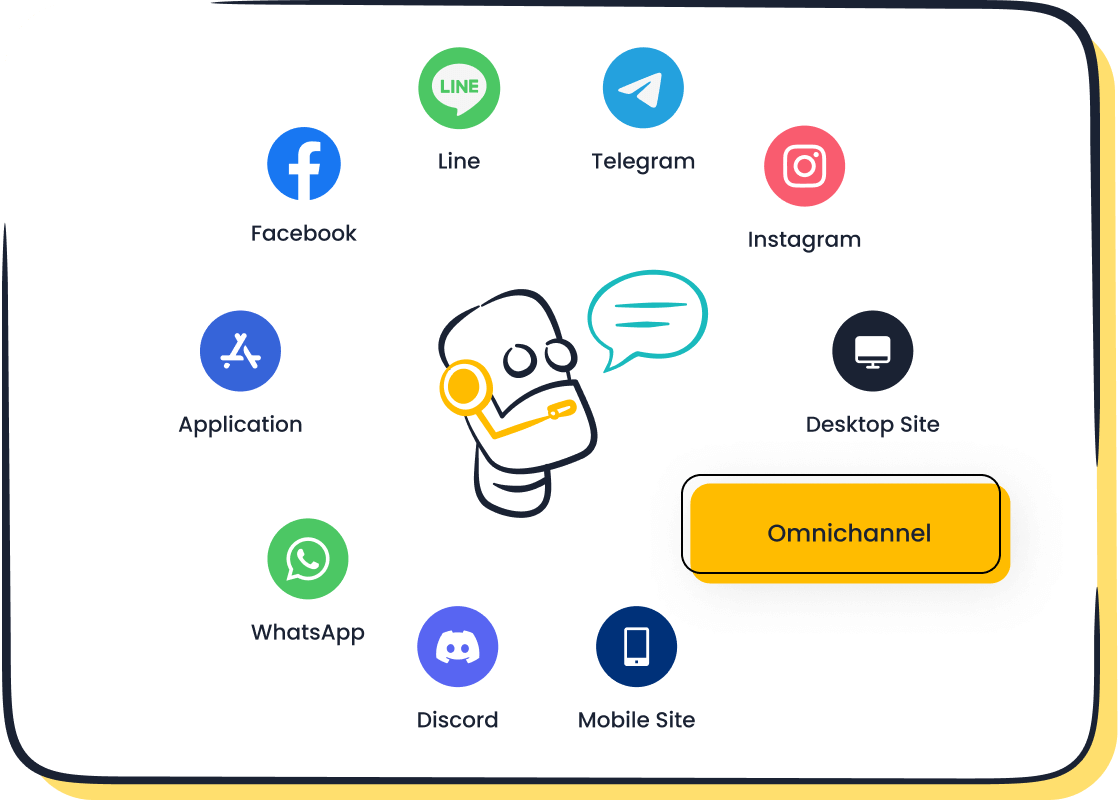
AI chatbots equipped with advanced NLP can communicate in multiple languages, making them ideal for businesses with a global customer base. This feature ensures that your customers receive support in their preferred language, enhancing accessibility and customer satisfaction. For example, Sobot’s AI chatbot supports multilingual interactions, enabling seamless communication across regions. Metrics like uptime and accuracy demonstrate the reliability of these systems.
| Metric | Description |
|---|---|
| Uptime | Measures the percentage of time the AI system is operational, ensuring user access. |
| Accuracy | Measures how often the chatbot provides correct responses, ensuring relevance and helpfulness. |
| Model Latency | Tracks the time taken for processing requests and generating responses, crucial for real-time interactions. |
Understanding and responding in natural language.
Modern AI chatbots excel at understanding and responding in natural language, making interactions feel more human-like. This capability allows you to provide personalized and meaningful customer interactions. Precision and recall metrics highlight how effectively these chatbots identify and address customer queries. Sobot’s chatbot uses NLP to deliver accurate responses, improving the overall customer experience.
Seamless Integration with Systems
CRM and ticketing system compatibility.
AI chatbots integrate seamlessly with CRM and ticketing systems, streamlining customer service operations. For instance, a commercial bank integrated its chatbot with IBM’s Watson system, enabling faster resolution of customer inquiries. Sobot’s chatbot also offers compatibility with CRM platforms, ensuring smooth data flow and efficient support management.
Escalation to human agents for complex issues.
When AI chatbots encounter complex queries, they can escalate the issue to human agents. This ensures that your customers always receive the best possible support. Sobot’s chatbot facilitates this transition effortlessly, maintaining a consistent customer experience.
Continuous Learning and Adaptability
Machine learning for ongoing improvement.
AI-driven customer service tools continuously learn from interactions, improving their responses over time. The chatbot industry is projected to grow at an annual rate of 23.9%, reflecting the increasing adoption of machine learning in customer support. Sobot’s chatbot leverages this technology to adapt and enhance its performance.
Predictive analytics for proactive support.
Predictive analytics enables AI chatbots to anticipate customer needs, offering proactive solutions. This feature not only improves customer satisfaction but also boosts operational efficiency. With Sobot’s chatbot, you can deliver AI-driven customer service that stays ahead of customer expectations.
Step-by-Step Guide to Implementing AI Chatbots Effectively
Setting Clear Goals and Objectives
Identifying customer support challenges.
Before implementing AI chatbots, you need to identify the specific challenges your customer service team faces. Are repetitive inquiries overwhelming your agents? Do customers experience long wait times during peak hours? Pinpointing these issues helps you understand where chatbots can make the most impact. For instance, businesses using AI in customer service often report a 64% increase in productivity. By addressing these challenges, you can create a roadmap for improving customer satisfaction and operational efficiency.
Defining KPIs for chatbot success.
Setting measurable KPIs ensures your chatbot implementation aligns with your goals. Focus on metrics like response time, accuracy, and self-service success rate. For example:
- Response Time: Quick replies keep users engaged.
- Accuracy: Lower misunderstanding rates build trust.
- Self-service Success Rate: High rates indicate effective query resolution.
| KPI | Description |
|---|---|
| User Engagement | Tracks session length and frequency of use. |
| Task Completion Rate | Measures how often users achieve their goals. |
| Sentiment Analysis | Analyzes user feedback to gauge satisfaction. |
These KPIs help you monitor performance and refine your chatbot for better customer interactions.
Selecting the Right AI Chatbot Platform
Evaluating platforms like Sobot Chatbot for features and scalability.
Choosing the right platform is crucial for success. Look for features like multilingual support, seamless integration, and scalability. Sobot’s AI-powered chatbot stands out with its ability to handle 24/7 customer interactions across multiple channels. Businesses implementing advanced AI agents, like Sobot’s, achieve an average ROI of 270% within 18 months. Additionally, platforms like Sobot save up to 30% on support costs while increasing customer satisfaction by 25%.
| Metric | Value |
|---|---|
| Expected annual savings | $8 billion by 2025 |
| Reduction in support costs | Up to 30% |
| Increase in customer satisfaction | 25% increase |
Considering industry-specific needs.
Different industries have unique requirements. Retail businesses may prioritize personalization, while financial services might focus on security. Sobot’s customizable chatbot adapts to various industries, offering tailored solutions. Industry-specialized AI agents achieve 82% higher task completion rates than general-purpose chatbots, making them ideal for complex service environments.
Designing and Training the Chatbot
Creating conversation flows for common scenarios.
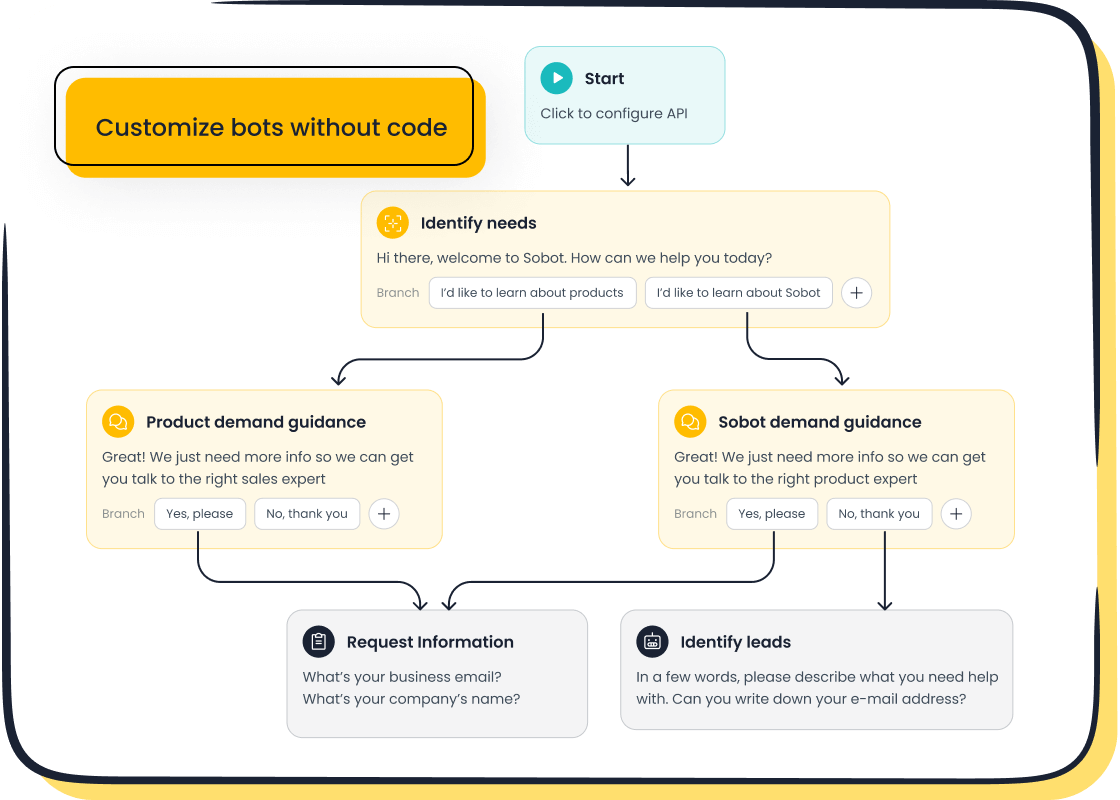
Designing effective conversation flows ensures your chatbot can handle frequent queries. Start by mapping out common customer interactions, such as order tracking or account inquiries. Use tools like Sobot’s point-and-click interface to create workflows without coding. This approach simplifies setup and ensures your chatbot delivers consistent and accurate responses.
Training with historical customer data.
Training your chatbot with historical data improves its ability to understand and respond to queries. Use supervised learning to teach the chatbot patterns from labeled datasets. For example, analyzing past customer interactions helps the chatbot predict user needs and offer proactive support. Continuous improvement, based on user feedback, further enhances its performance. Businesses using this method often see a 20% boost in customer satisfaction and a smoother customer experience.
| Training Method | Description |
|---|---|
| Supervised Learning | Uses labeled data to improve accuracy. |
| Continuous Improvement | Iterative testing and optimization based on user feedback. |
Testing and Optimizing Performance
Conducting beta tests with real users.
Beta testing is essential for ensuring your AI chatbot performs effectively in real-world scenarios. You can start by assigning random users to test groups, which eliminates bias and provides accurate insights. A sufficient sample size ensures the reliability of your results. For example, tracking metrics like user engagement and response accuracy helps you identify areas for improvement.
| Key Component | Description |
|---|---|
| Clear, Measurable Goals | Establish specific metrics to track, such as the rate of successful responses or user retention. |
| Random User Assignment | Ensure that users are randomly assigned to either the control or test group to eliminate bias. |
| Sufficient Sample Size | A larger sample size increases the reliability of the test results. |
| Statistical Significance | Analyze data to determine if observed differences are statistically significant. |
| Iterative Testing | A/B testing should be an ongoing process to refine chatbot performance. |
By analyzing these metrics, you can refine your chatbot’s performance. For instance, Sobot’s AI-powered chatbot uses iterative testing to improve response accuracy and enhance customer satisfaction. This process ensures your chatbot delivers a seamless customer experience.
Refining based on feedback.
Feedback from beta tests is invaluable for optimization. Collect user input through post-interaction surveys and sentiment analysis. These tools help you understand how customers perceive your chatbot. For example, if users report dissatisfaction with response times, you can adjust the chatbot’s algorithms to prioritize speed. Sobot’s chatbot incorporates user feedback to continuously improve, ensuring it meets evolving customer needs. Regular refinement based on feedback keeps your chatbot aligned with customer expectations.
Monitoring and Maintaining the Chatbot
Regular updates and feature enhancements.
AI in customer service requires ongoing updates to stay effective. Regular updates ensure your chatbot adapts to new customer trends and business needs. For example, Sobot’s chatbot receives frequent feature enhancements, such as improved personalization and multilingual capabilities. These updates not only improve functionality but also keep your chatbot competitive. By maintaining your chatbot, you ensure it continues to provide high-quality customer support.
Tracking performance metrics for improvement.
Monitoring key performance indicators (KPIs) helps you measure your chatbot’s success. Metrics like user engagement, resolution rate, and response accuracy provide valuable insights. For instance, a high self-service rate indicates your chatbot resolves most queries without human intervention.
| KPI | Description |
|---|---|
| User Engagement | Measures the number of interactions users have with the chatbot. |
| Response Accuracy | Evaluates how accurately the chatbot responds to user queries. |
| Resolution Rate | Tracks the percentage of inquiries resolved by the chatbot without human help. |
| Average Response Time | Monitors the time taken by the chatbot to respond to user queries. |
| User Retention Rate | Assesses how many users return to interact with the chatbot. |
You can also use tools like sentiment analysis to gauge customer satisfaction. Sobot’s chatbot leverages these metrics to optimize performance, ensuring it consistently enhances customer interactions. By tracking and analyzing these KPIs, you can maintain a high standard of customer service.
Best Practices for Balancing AI and Human Interaction
Knowing When to Escalate to Human Agents
Setting thresholds for human intervention.
AI chatbots excel at handling routine queries, but some situations demand human expertise. Setting clear thresholds for escalation ensures your customers receive the right level of support. For example, when a chatbot detects frustration in a customer's tone or encounters a query it cannot resolve, it should immediately transfer the case to a human agent. Studies reveal that identifying these "transition thresholds" improves customer satisfaction by addressing complex issues with empathy and precision. Sobot’s chatbot integrates seamlessly with human agents, ensuring smooth handoffs when intervention is necessary.
Ensuring smooth transitions between chatbots and agents.
A seamless transition between AI and human agents is critical for maintaining a positive customer experience. When escalating an issue, the chatbot should provide the agent with all relevant context, such as previous interactions and customer preferences. This reduces repetition and speeds up resolution. Sobot’s chatbot excels in this area by integrating with CRM systems, enabling agents to access detailed customer histories. This approach not only saves time but also enhances the overall quality of customer service.
Maintaining a Human Touch in AI Interactions
Using conversational language for natural engagement.
AI chatbots can mimic human-like interactions by using natural, conversational language. Research shows that customers respond positively to AI-generated messages that feel personal and engaging. For instance, a chatbot that uses friendly phrases like "How can I help you today?" fosters a sense of connection. Sobot’s chatbot employs advanced natural language processing to create meaningful interactions, making customers feel valued and understood.
Personalizing responses with customer data.
Personalization is key to maintaining a human touch in AI-driven customer service. By analyzing customer data, chatbots can tailor responses to individual needs. For example, a chatbot might recommend products based on a customer’s purchase history or preferences. Sobot’s AI chatbot leverages data insights to deliver personalized support, boosting customer satisfaction and loyalty. This approach not only enhances the customer experience but also drives business growth.
Training Agents to Collaborate with AI
Equipping agents with tools to work alongside chatbots.
To maximize the benefits of AI in customer service, agents need the right tools to collaborate effectively with chatbots. Providing agents with access to chatbot analytics and insights helps them understand customer needs better. For instance, Sobot’s platform offers detailed reporting, enabling agents to identify trends and improve their responses. This collaboration ensures a seamless blend of AI efficiency and human empathy.
Providing training on interpreting AI insights.
Training your team to interpret AI-generated insights is essential for effective collaboration. Agents should learn how to use data from chatbots to anticipate customer needs and resolve issues proactively. For example, predictive analytics can highlight potential problems before they escalate. Sobot supports businesses by offering training resources that empower agents to work alongside AI tools, ensuring a cohesive customer service strategy.
Overcoming Challenges in AI Chatbot Deployment
Addressing Technical Limitations
Ensuring compatibility with existing systems.
Integrating AI chatbots into your existing systems can be challenging. Compatibility issues often arise when connecting chatbots with platforms like CRM or ticketing systems. To overcome this, you should evaluate your current infrastructure and choose a chatbot solution that supports seamless integration. For example, Sobot’s AI chatbot integrates effortlessly with CRM systems, ensuring smooth data flow and efficient customer service. This compatibility reduces disruptions and enhances the overall performance of your customer support operations.
Improving chatbot understanding of complex queries.
AI chatbots sometimes struggle with complex or nuanced customer queries. To address this, you can train your chatbot using historical customer data and advanced natural language processing (NLP) techniques. For instance, Sobot’s chatbot leverages machine learning to continuously improve its understanding of customer interactions. This approach ensures your chatbot can handle a wider range of inquiries, providing accurate and meaningful responses even in challenging scenarios.
Managing Customer Expectations
Communicating chatbot capabilities clearly.
Setting clear expectations about what your chatbot can and cannot do is essential. Customers should know when they are interacting with AI and what types of support the chatbot can provide. Transparency builds trust and reduces frustration. For example, you can use welcome messages to outline the chatbot’s capabilities, such as answering FAQs or assisting with order tracking. Sobot’s chatbot excels at managing expectations by guiding users through its features in a user-friendly manner.
Offering easy access to human support.
While AI chatbots handle many tasks efficiently, some situations require human intervention. Providing an easy way for customers to escalate issues to a human agent ensures they receive the support they need. Sobot’s chatbot facilitates smooth transitions by sharing conversation history with agents, reducing repetition and speeding up resolution times. This balance between AI and human support enhances the overall customer experience.
Ensuring Data Privacy and Security
Implementing robust encryption measures.
Data security is a top priority when deploying AI in customer service. You must ensure that all customer interactions are encrypted to protect sensitive information. Sobot’s chatbot employs advanced encryption protocols, safeguarding customer data during every interaction. This commitment to security helps you comply with regulations and maintain customer trust.
Regularly auditing systems for vulnerabilities.
Regular audits are crucial for identifying and addressing potential security risks. You should conduct vulnerability assessments to ensure your chatbot remains secure against evolving threats. Sobot’s platform undergoes frequent audits, ensuring its systems meet the highest security standards. By prioritizing regular maintenance, you can protect your customers and maintain the integrity of your customer service operations.
Future Trends in AI in Customer Service
Generative AI for Enhanced Conversations
Creating human-like responses for better engagement.
Generative AI is transforming customer interactions by enabling chatbots to produce human-like responses. This technology uses advanced algorithms to understand context and generate meaningful replies. For example, when a customer asks about product recommendations, a generative AI-powered chatbot can provide tailored suggestions based on preferences. Sobot’s AI chatbot leverages this capability to create engaging conversations, ensuring customers feel valued. By mimicking natural language, generative AI enhances the overall experience, making interactions more personal and effective.
Solving complex issues with creative solutions.
Generative AI goes beyond simple queries by addressing complex customer issues creatively. It analyzes vast amounts of data to offer innovative solutions, such as troubleshooting technical problems or providing detailed product comparisons. Businesses using generative AI report higher resolution rates for intricate inquiries. Sobot’s chatbot integrates this technology to assist customers with challenging scenarios, reducing the need for human intervention and improving efficiency.
Hyper-Personalization Through AI
Leveraging customer data for tailored interactions.
AI enables hyper-personalization by analyzing customer data to deliver customized experiences. For instance, businesses can use AI to recommend products based on browsing history or past purchases. Companies like Motel Rocks have successfully implemented AI to automate communications and understand customer moods, allowing agents to focus on high-priority cases. Sobot’s chatbot uses similar strategies, offering personalized interactions that boost satisfaction and loyalty.
Predictive support based on behavior patterns.
AI in customer service can predict customer needs by analyzing behavior patterns. For example, if a customer frequently searches for a specific product, the chatbot can proactively offer discounts or related items. Predictive analytics not only enhances customer satisfaction but also drives sales. Sobot’s AI chatbot employs this feature to anticipate customer needs, ensuring timely and relevant support.
Integration with Emerging Technologies
Voice-enabled chatbots for hands-free support.
Voice-enabled AI chatbots are gaining popularity for their convenience and accessibility. These systems allow customers to interact using voice commands, making them ideal for hands-free environments. Research highlights the growing investment in voice AI technology, with businesses exploring intelligent web-based voice chatbots. Sobot’s chatbot supports voice integration, enabling seamless interactions that cater to diverse customer preferences.
AI chatbots in augmented and virtual reality environments.
The integration of AI chatbots with augmented and virtual reality (AR/VR) is an emerging trend. This technology combines visual overlays with AI-driven support, creating immersive customer experiences. For example, a customer shopping for furniture in a virtual showroom can interact with a chatbot for product details. Organizations are investing in AR/VR to enhance customer engagement. Sobot’s innovative approach positions it to leverage these advancements, offering cutting-edge solutions for modern businesses.
AI is transforming customer support by enhancing efficiency, reducing costs, and elevating the customer experience. With 64% of consumers valuing 24/7 availability and 68% appreciating quick responses, AI chatbots have become indispensable. They streamline operations, reduce wait times, and allow human agents to focus on complex issues. Businesses adopting AI in customer service report improved customer satisfaction and operational efficiency.
To maximize these benefits, follow best practices like setting clear goals, training with historical data, and monitoring performance. Sobot’s customer care AI chatbot offers multilingual support, seamless integration, and continuous learning, making it a reliable choice for businesses aiming to enhance customer interactions. As AI adoption grows, leveraging tools like Sobot’s chatbot will position your business for success in 2025 and beyond.
FAQ
What is the primary purpose of AI chatbots in customer service?
AI chatbots aim to automate repetitive tasks, provide 24/7 support, and enhance customer satisfaction. They handle routine queries, allowing human agents to focus on complex issues. For example, Sobot’s AI chatbot improves productivity by 70% while cutting costs by up to 50%.
Can AI chatbots handle multiple languages?
Yes, modern AI chatbots, like Sobot’s, support multilingual interactions. This feature ensures global accessibility and customer satisfaction. For instance, Sobot’s chatbot communicates in various languages, making it ideal for businesses with international customers.
How do AI chatbots improve customer experience?
AI chatbots personalize interactions using customer data. They recommend products, provide tailored responses, and ensure consistent communication. Sobot’s chatbot boosts conversions by 20% through smart self-service and proactive messaging, creating a seamless customer experience.
Are AI chatbots secure for handling customer data?
AI chatbots prioritize data security with encryption and regular audits. Sobot’s chatbot employs advanced encryption protocols, ensuring customer information remains safe. This commitment to security builds trust and complies with global data protection standards.
Do AI chatbots require coding knowledge to set up?
No, many AI chatbots, including Sobot’s, feature no-code interfaces. You can design workflows using point-and-click tools, making setup simple and accessible for non-technical users. This ease of use allows businesses to deploy chatbots quickly and efficiently.
See Also
Enhancing Customer Satisfaction Through Chatbot Technology
Effective Strategies for Live Chat Customer Assistance
Selecting The Ideal Chatbot Software For Your Needs

