What is Customer Acquisition Cost and Why It Matters

Every business spends money to gain new customers, but do you know how much it actually costs? That’s where customer acquisition cost (CAC) comes in. It’s the total amount you spend on marketing and sales to bring in a single customer. For example, in industries like SaaS, the average CAC is $702, while eCommerce businesses spend just $70. These numbers highlight how CAC varies widely depending on your industry.
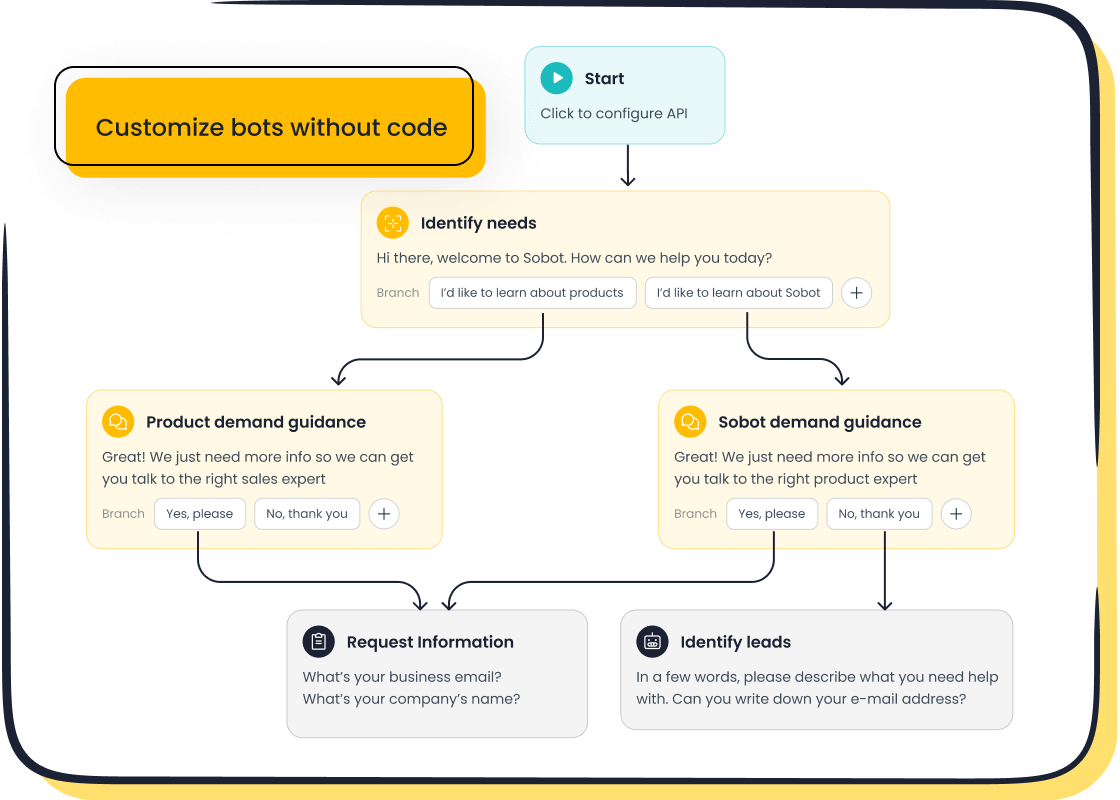
Understanding the importance of customer acquisition cost is crucial. It helps you measure profitability and plan for growth. If your cost per customer acquisition is too high, it can eat into your profits. Tools like Sobot’s AI Chatbot can help you reduce these costs by automating customer interactions and improving efficiency.
What is Customer Acquisition Cost (CAC)?
Definition and Components of CAC
Breaking down the concept of CAC
Customer acquisition cost, or CAC, is the total amount you spend to bring in a new customer. It’s a simple yet powerful metric that helps you understand how much your business invests in gaining customers. To calculate it, you add up all your marketing and sales expenses and divide that by the number of new customers acquired during a specific period. For example, if you spend $10,000 on marketing and sales in a month and gain 100 new customers, your CAC is $100.
This calculation includes everything from advertising costs to the salaries of your sales team. It’s not just about the money spent on ads; it’s about the entire process of turning a lead into a paying customer.
Examples of costs included in CAC
When calculating CAC, you need to consider several components:
- Marketing expenses: This includes digital ads, SEO, content creation, and even event sponsorships.
- Sales costs: Think of salaries, commissions, and tools like CRM software.
- Technology: Expenses for analytics tools, website maintenance, and marketing automation.
- Personnel: Salaries for your marketing team or fees for freelancers and agencies.
- Promotional costs: Discounts, free trials, or referral rewards offered to new customers.
- Customer support: Onboarding costs for new customers.
- Overhead: Office space, utilities, and equipment for your sales and marketing teams.
By understanding these components, you can get a clearer picture of your customer acquisition costs and identify areas to optimize.
Why CAC is a Key Metric for Businesses
Measuring marketing and sales efficiency
CAC is like a report card for your marketing and sales efforts. It tells you how much you’re spending to acquire each customer. If your CAC is high, it might mean your campaigns aren’t as effective as they could be. For instance, analyzing CAC can help you figure out which marketing channels bring in customers at the lowest cost. Maybe your social media ads perform better than email campaigns. By focusing on what works, you can allocate your budget more effectively.
How CAC impacts business strategy and growth
Your CAC doesn’t just measure efficiency; it shapes your business strategy. A high CAC can eat into your profits, making it harder to grow. On the flip side, a low CAC means you’re acquiring customers cost-effectively, leaving more room for profit. Businesses often aim for a customer lifetime value (CLV) to CAC ratio of 3:1. This balance ensures long-term profitability.
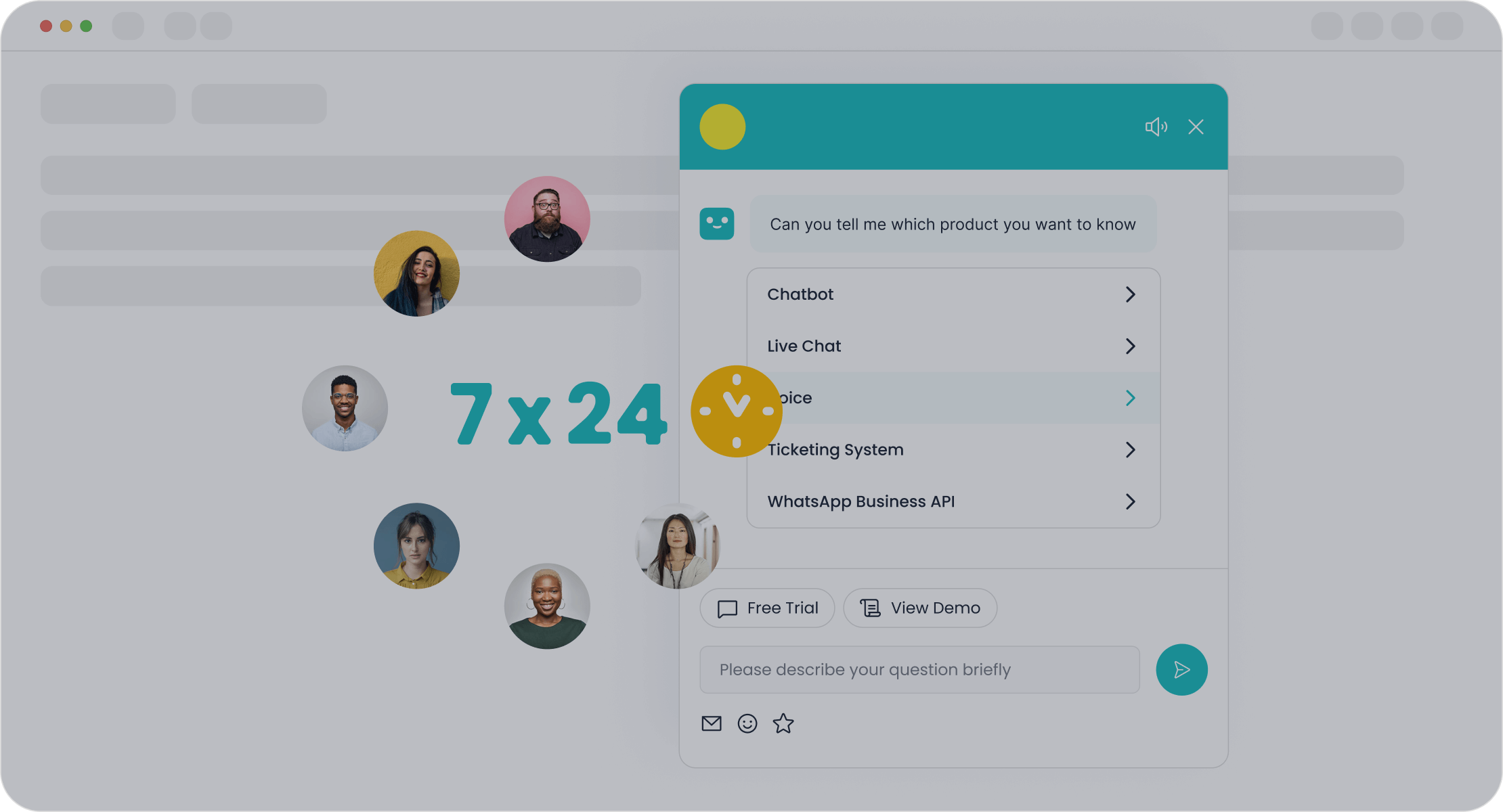
For example, tools like Sobot’s AI Chatbot can help reduce CAC by automating customer interactions. It handles queries 24/7, saving you money on additional agents while boosting efficiency. Companies like Opay have seen significant results by using Sobot’s solutions, including a 20% reduction in costs and a 17% increase in conversion rates.
Understanding CAC helps you plan for growth, secure funding, and make smarter decisions. It’s not just a number; it’s a roadmap for success.
The Importance of Customer Acquisition Cost for Businesses
Impact on Profitability and Growth
Balancing CAC with revenue per customer
Balancing your CAC with the revenue each customer brings is essential for profitability. If the cost of acquiring a new customer exceeds their revenue contribution, your business could face financial strain. For example, businesses often aim for a CLV-to-CAC ratio of 3:1. This means for every dollar spent on customer acquisition, you should earn three dollars in return. Monitoring this balance helps you evaluate whether your marketing and sales strategies are sustainable.
Avoiding overspending on customer acquisition
Overspending on customer acquisition can limit your ability to grow. High CAC often signals inefficiencies in your marketing or sales processes. To avoid this, focus on optimizing campaigns and targeting the right audience. Referral programs, for instance, can lower costs while boosting customer lifetime value. Additionally, tools like Sobot’s AI Chatbot can help streamline customer interactions, reducing expenses by up to 50%.
Role in Strategic Planning
Budgeting and resource allocation
CAC plays a critical role in how you allocate your budget. By understanding your customer acquisition costs, you can decide where to invest for maximum ROI. For instance, if social media ads generate more leads than email campaigns, you can shift resources accordingly. This ensures your spending aligns with your business goals.
Identifying high-performing acquisition channels
Knowing which channels deliver the best results is key to optimizing CAC. Platforms like Instagram might work well for brands targeting younger audiences, while referral programs can be effective across industries. Sobot’s omnichannel solutions make it easier to track and analyze these channels, helping you identify what works best for your business.
How Sobot Enhances CAC Tracking
Leveraging Sobot’s Chatbot for cost-effective customer engagement

Sobot’s AI Chatbot is a game-changer for reducing CAC. It operates 24/7, handling customer queries without the need for additional agents. This not only cuts costs but also improves efficiency by 70%. The chatbot’s smart self-service features boost conversions by 20%, making it a valuable tool for businesses looking to optimize their customer acquisition strategies.
Real-world example: Opay’s success with Sobot
Opay, a leading financial service platform, used Sobot’s solutions to tackle high customer acquisition costs. By integrating Sobot’s omnichannel platform, Opay streamlined customer interactions and reduced operational expenses by 20%. The result? A 17% increase in conversion rates and a jump in customer satisfaction from 60% to 90%. This demonstrates how Sobot can help businesses achieve measurable improvements in their CAC.
How to Calculate Customer Acquisition Cost
The Customer Acquisition Cost Formula
Total cost of sales and marketing / Number of new customers
The customer acquisition cost formula is straightforward. You divide your total sales and marketing expenses by the number of new customers acquired during a specific period. For example:
- If you spend $1,000 on marketing and gain 25 new customers, your CAC is $40.
- Another example: A company spends $36,000 on sales and marketing to acquire 1,000 customers. The CAC is $36.
This formula gives you a clear picture of how much it costs to bring in each customer.
Breaking down the components of the formula
To calculate CAC accurately, you need to include all relevant expenses. These might include:
- Advertising costs, like social media ads or Google Ads.
- Salaries for your sales and marketing teams.
- Software tools, such as CRM systems or analytics platforms.
- Onboarding costs for new customers.
By breaking down these components, you can identify areas where you might be overspending and optimize your strategy.
Practical Examples of CAC Calculation
Small business scenario
Imagine an eCommerce company spends $200,000 on advertising and acquires 20,000 new orders. The CAC in this case is $20 per customer. This low CAC indicates efficient marketing efforts.
Enterprise-level calculation
Now, consider a SaaS company that spends $1,020,000 on marketing and sales to acquire 1,020,000 new customers. The CAC here is just $2 per customer. This example shows how scaling up can significantly reduce customer acquisition costs.
Tools for Calculating and Tracking CAC
How Sobot’s Chatbot simplifies CAC tracking
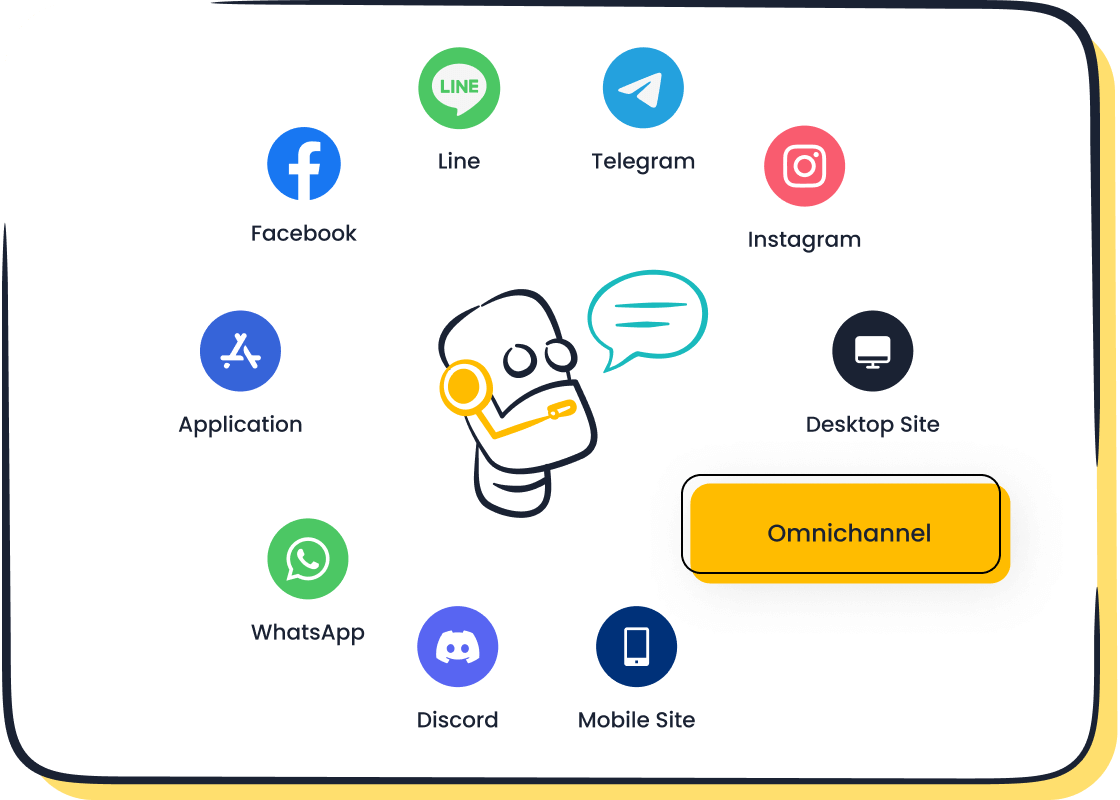
Sobot’s AI Chatbot makes tracking CAC easier by automating customer interactions. It operates 24/7, reducing the need for additional agents and cutting costs by up to 50%. Its omnichannel support ensures you can engage with customers across platforms like WhatsApp and SMS, helping you track which channels deliver the best results.
Benefits of automated CAC analysis with Sobot
Using Sobot’s chatbot for CAC analysis saves time and improves accuracy. It provides detailed reports, helping you identify high-performing acquisition channels. This data-driven approach ensures you allocate resources effectively, reducing your CAC while boosting conversions by 20%.
Factors That Influence Cost Per Customer Acquisition
Marketing and Advertising Spend
The impact of digital marketing campaigns
Your marketing and advertising efforts play a huge role in shaping your CAC. Digital campaigns, like social media ads or Google Ads, are often more cost-effective than traditional methods. They allow you to target specific audiences, track performance in real-time, and adjust strategies quickly. For example, if you notice that Instagram ads bring in more leads than email campaigns, you can shift your budget to maximize results. Optimizing your marketing spend this way not only reduces customer acquisition costs but also aligns your efforts with revenue goals.
Traditional vs. digital marketing costs
Traditional marketing, like TV or print ads, often comes with higher costs and less precise targeting. For instance, traditional banks typically have a CAC exceeding $500 due to broader marketing strategies and higher overhead. In contrast, digital banks average $290 in CAC, benefiting from lower operational costs and targeted campaigns. By focusing on digital channels, you can achieve more efficient customer acquisition and reduce your overall cost per customer acquisition.
Sales Processes and Team Efficiency
How sales team performance affects CAC
Your sales team’s efficiency directly impacts your CAC. High-performing teams close deals faster, reducing the time and resources needed to acquire new customers. For instance, if your team spends $100,000 on sales and marketing to gain 500 customers, your CAC is $200 per customer. Improving sales effectiveness ensures this cost remains sustainable relative to the revenue each customer generates.
Streamlining sales processes to reduce costs
Streamlining your sales workflow can significantly lower CAC. Automating repetitive tasks, like follow-up emails or lead qualification, frees up your team to focus on closing deals. Tools like Sobot’s CRM features help you analyze your sales funnel, identify bottlenecks, and optimize processes. This approach not only reduces costs but also improves lead handling and conversion rates.
Customer Segmentation and Targeting
The role of identifying the right audience
Targeting the right audience is key to lowering CAC. When you focus on specific market segments, your marketing efforts become more relevant, leading to higher engagement and lower costs. For example, defining your ideal customer profile helps you allocate resources more effectively, ensuring your campaigns resonate with the right people.
How Sobot’s customer insights improve targeting
Sobot’s omnichannel solutions provide valuable customer insights, helping you refine your targeting strategies. By analyzing data from various channels, you can identify high-potential segments and tailor your campaigns accordingly. This not only enhances engagement but also reduces customer acquisition costs by focusing on the most promising leads.
Strategies to Improve or Reduce Customer Acquisition Cost
Optimizing Marketing Efforts
Leveraging data-driven marketing strategies
Data-driven marketing is one of the most effective ways to lower your CAC. By analyzing customer behavior and preferences, you can refine your target audience and focus on campaigns that deliver the best results. For example, improving your conversion funnel can significantly reduce costs by increasing the number of leads that turn into paying customers. Strategic partnerships and affiliate marketing are also cost-effective ways to expand your reach without overspending. Tracking your CAC over time ensures your strategies remain effective, while maintaining a healthy CAC-to-CLV ratio guarantees long-term profitability.
Using Sobot’s Chatbot to improve ROI

Sobot’s AI Chatbot is a powerful tool for optimizing your marketing efforts. It operates 24/7, handling customer queries and providing instant support. This reduces the need for additional agents, cutting costs by up to 50%. The chatbot also boosts conversions by 20% through proactive messaging and real-time assistance. By integrating Sobot’s chatbot into your marketing strategy, you can improve ROI while keeping your cost per customer acquisition low.
Enhancing Customer Retention
The role of retention in reducing CAC
Customer retention plays a huge role in lowering acquisition costs. Retaining existing customers is far more cost-effective than acquiring new ones. Loyal customers are more likely to make repeat purchases and recommend your business to others, reducing your reliance on paid advertising. Positive word-of-mouth referrals from satisfied customers can further lower your CAC while increasing your revenue.
Implementing loyalty programs and personalized experiences
Loyalty programs are a proven way to enhance customer retention. Offering rewards like discounts or early access to new products encourages repeat business. Over 80% of consumers say loyalty programs influence their purchasing decisions, and members generate 12-18% more revenue annually. Personalized experiences, such as tailored recommendations or exclusive offers, also boost satisfaction and loyalty. Sobot’s omnichannel solutions help you deliver these personalized interactions seamlessly, ensuring your customers feel valued.
Encouraging Referrals and Word-of-Mouth
Benefits of referral programs
Referral programs are a cost-effective way to acquire new customers. Customers gained through referrals have a 37% higher retention rate and a 16% higher lifetime value. A study from the University of Pennsylvania found that referrals can save businesses an average of €20 per customer compared to traditional methods like ads. These programs leverage trust between existing and potential customers, making them highly effective for reducing CAC.
How Sobot supports referral tracking and management
Sobot’s platform simplifies referral tracking and management, helping you maximize the benefits of word-of-mouth marketing. By integrating referral programs into your customer engagement strategy, you can incentivize existing customers to bring in new ones. This not only lowers your cost per customer acquisition but also expands your customer base with high-value leads.
Streamlining Sales and Onboarding Processes
Reducing inefficiencies in the sales funnel
Improving your sales funnel can make a big difference in lowering your customer acquisition costs. Inefficiencies like slow follow-ups or unqualified leads waste time and money. By automating repetitive tasks, you can speed up the process and focus on closing deals. For example, automating follow-up emails ensures no lead gets forgotten. Tools that qualify leads automatically save your sales team hours of manual work.
Centralizing your customer data is another way to reduce inefficiencies. When your team has instant access to customer information, they can respond faster and more effectively. This not only improves the customer experience but also shortens the sales cycle. Businesses that streamline their sales efforts often see a noticeable drop in their cac.
Using Sobot’s CRM tools to improve sales efficiency
Sobot’s CRM tools are designed to help you optimize your sales and onboarding processes. They centralize all customer data into one platform, making it easier for your team to communicate and collaborate. With Sobot, you can automate tasks like lead qualification and follow-ups, freeing up your team to focus on high-value activities.
Integrating customer success into the onboarding process is another way Sobot helps. By ensuring new customers have a smooth start, you increase retention and reduce the need for costly reacquisition efforts. For instance, businesses using Sobot’s CRM tools have reported faster onboarding times and improved customer satisfaction. These improvements directly impact your customer acquisition costs, making them more manageable.
Streamlining your sales and onboarding processes isn’t just about saving time. It’s about creating a seamless experience for your customers while keeping your cac under control. With tools like Sobot’s CRM, you can achieve both.
The Relationship Between CAC and Customer Lifetime Value (CLV)
Understanding CLV and Its Importance
How CLV complements CAC as a metric
Customer lifetime value (CLV) is the total amount a customer is expected to spend during their relationship with your business. It works hand-in-hand with customer acquisition cost (CAC) to give you a complete picture of your profitability. While CAC tells you how much you’re spending to gain a customer, CLV shows how much revenue that customer will bring in over time. Together, these metrics help you evaluate whether your marketing and sales strategies are sustainable.
For example, if your CAC is $100 and your CLV is $300, you’re in a good spot. But if your CAC equals or exceeds your CLV, it’s a red flag. Understanding CLV helps you refine your marketing strategies and focus on retaining loyal customers, which is essential for long-term success.
Examples of balancing CAC and CLV
Balancing CAC and CLV is all about ensuring your spending aligns with the value customers bring. A healthy business often sees CAC decrease as marketing improves and CLV increase through customer retention. For instance, calculating the CLV-to-CAC ratio for different customer segments can help you prioritize high-value groups. This approach ensures you’re investing in the right areas for maximum growth.
Why Balancing CAC and CLV is Crucial
Ensuring long-term profitability
Balancing CAC and CLV is key to staying profitable. If acquiring a customer costs more than the revenue they generate, your business risks financial instability. A healthy CLV-to-CAC ratio, like 3:1, indicates sustainable growth. For startups, this balance is especially critical. Investors often look at this ratio to assess whether your business model can scale effectively.
By keeping your CAC low and your CLV high, you create a foundation for long-term success. Tools like Sobot’s AI Chatbot can help you achieve this balance. The chatbot reduces CAC by automating customer interactions and improving efficiency. At the same time, it boosts CLV by enhancing customer satisfaction and retention.
How Sobot helps businesses analyze CAC and CLV together
Sobot’s solutions make it easier to analyze CAC and CLV side by side. For example, the platform provides detailed reports that break down your customer acquisition costs and lifetime value by channel. This data helps you identify which strategies deliver the best ROI. Businesses using Sobot’s tools often see a drop in CAC and an increase in CLV, thanks to features like proactive messaging and personalized customer support.
By leveraging Sobot’s insights, you can make smarter decisions about where to allocate your resources. Whether it’s refining your marketing campaigns or improving customer retention, Sobot helps you optimize both CAC and CLV for sustainable growth.
Understanding and optimizing your Customer Acquisition Cost (CAC) is essential for business success. It’s not just about knowing how much you spend to gain a customer—it’s about using that knowledge to grow smarter. By balancing CAC with Customer Lifetime Value (CLV), you ensure long-term profitability.
Here are some key takeaways to help you optimize CAC:
- Define CAC to evaluate your marketing efficiency.
- Use targeted marketing to lower costs and boost engagement.
- Improve customer experience to increase retention and referrals.
- Regularly analyze strategies to find cost-effective channels.
Sobot’s tools make this process easier. For example, its AI Chatbot reduces costs by automating customer interactions, while its CRM centralizes data for better decision-making. Businesses like Opay have already seen results, cutting costs by 20% and boosting conversions by 17%. With Sobot, you can track, analyze, and improve CAC effectively.
FAQ
What is a good Customer Acquisition Cost (CAC)?
A good CAC depends on your industry and business model. For example, SaaS companies aim for a CLV-to-CAC ratio of 3:1. This means for every $1 spent on acquiring a customer, you should earn $3 in revenue. Tools like Sobot’s Chatbot can help you achieve this balance.
How can I reduce my CAC effectively?
You can lower your CAC by optimizing marketing campaigns, targeting the right audience, and automating customer interactions. Sobot’s AI Chatbot reduces costs by up to 50% by handling queries 24/7. It also boosts conversions by 20%, making it a cost-effective solution for customer acquisition.
Why is CAC important for small businesses?
CAC helps small businesses measure profitability and allocate resources wisely. If your CAC is too high, it can hurt your bottom line. Using tools like Sobot’s CRM centralizes customer data, streamlines processes, and ensures you’re spending efficiently to grow your business.
How does Sobot’s Chatbot improve CAC tracking?
Sobot’s Chatbot simplifies CAC tracking by providing detailed reports on customer interactions. It identifies high-performing channels and automates repetitive tasks, saving time and money. Businesses like Opay have seen a 20% cost reduction and a 17% increase in conversions using Sobot’s solutions.
Can CAC vary across different marketing channels?
Yes, CAC often varies by channel. For instance, social media ads may cost less per customer than email campaigns. Sobot’s omnichannel solutions help you analyze performance across platforms, so you can focus on the most cost-effective channels for your business.
See Also
Comparative Analysis of Leading Customer Voice Tools
Essential Strategies for Effective Call Center Quality Management
Guide to Comparing Costs of Live Chat Support

