Tips for Context Understanding in Data Usability

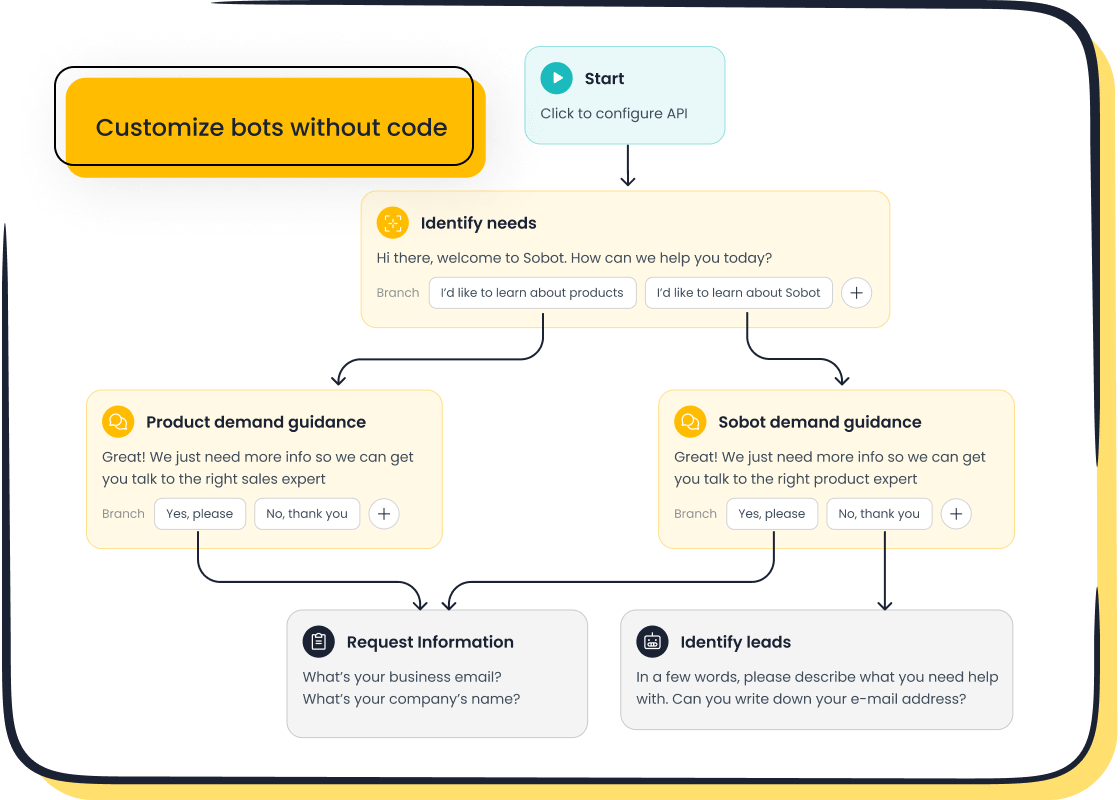
Understanding context is essential for improving data usability and unlocking its true potential. Without context, raw data remains isolated and lacks meaning. In customer service, context understanding transforms scattered data points into actionable insights that enhance decision-making and operational efficiency. For example:
- Contextual data analysis considers timing and environment, revealing deeper meanings behind customer interactions.
- It ensures data relevance, preventing misinterpretation and driving strategic initiatives.
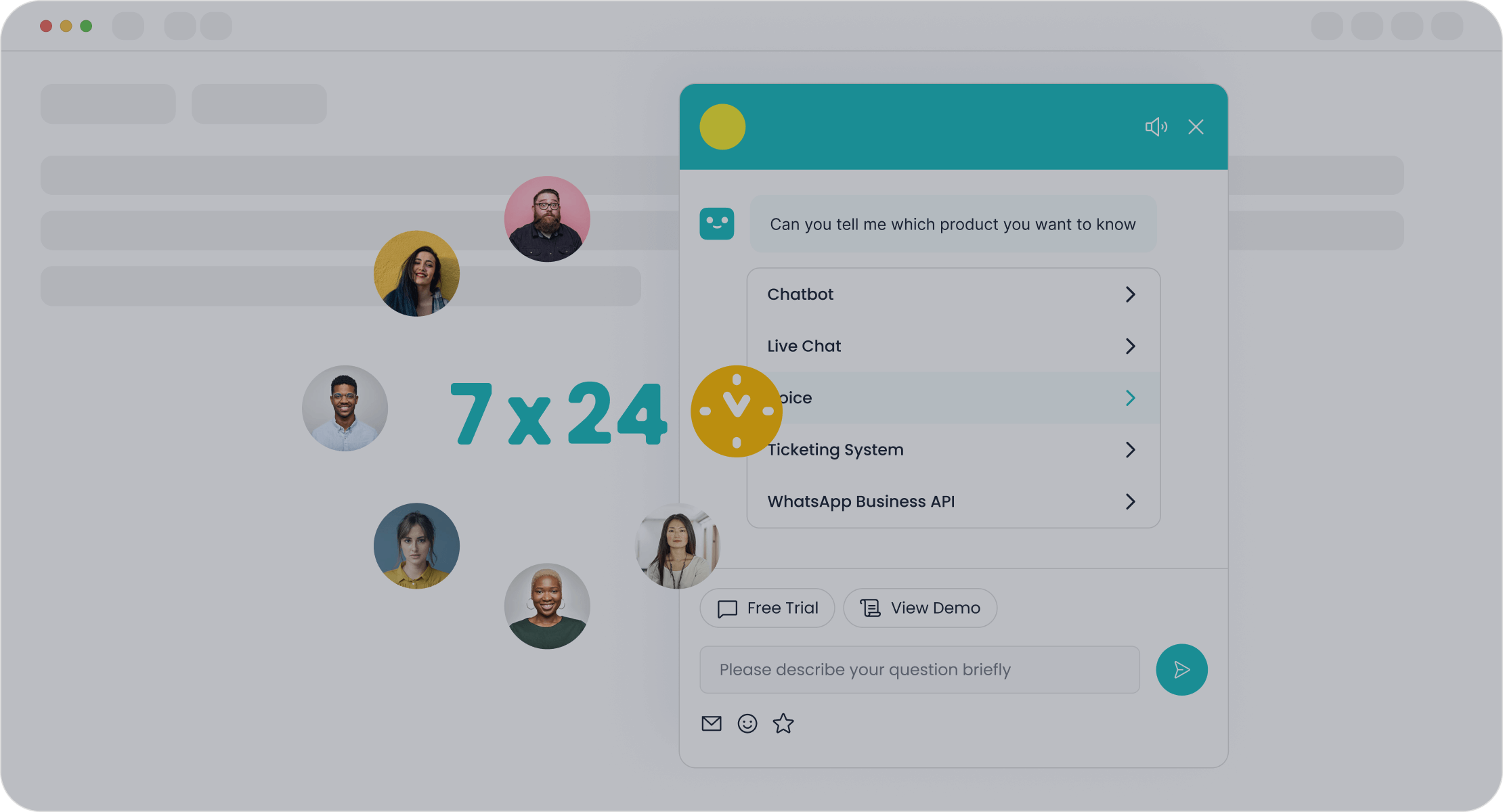
Tools like Sobot's Chatbot simplify this process. By integrating contextual data into customer interactions, it automates responses and improves service quality. This approach not only boosts efficiency but also enhances customer satisfaction, making it a vital asset for modern businesses.
Understanding Context in Data Usability
What Is Context in Data?
Defining context in customer service data
Context in customer service data refers to the surrounding details that give meaning to raw information. It includes factors like the source of the data, the conditions under which it was collected, and its intended purpose. For example, knowing whether a customer inquiry came from a chatbot interaction or a live agent session can influence how you interpret the data. Context also involves understanding relationships between data points, such as how a customer’s purchase history aligns with their recent feedback. These elements ensure that the data you analyze is accurate, reliable, and actionable.
Examples of context in real-world customer interactions
Imagine a scenario where a customer leaves a negative review. Without context, you might assume dissatisfaction with the product. However, additional data might reveal that the issue stemmed from delayed shipping. Similarly, survey results showing high satisfaction ratings might seem positive. Yet, without considering demographic variations, you could miss critical insights about specific customer groups. These examples highlight how context understanding transforms isolated data into actionable insights, enabling better decision-making.
Why Context Understanding Matters
Enhancing customer insights for better decision-making
Context understanding allows you to uncover deeper insights from customer data. It helps you identify patterns and relationships that might otherwise go unnoticed. For instance, analyzing customer feedback alongside purchase behavior can reveal trends that guide product improvements. This approach ensures your decisions are based on a comprehensive view of the data, leading to more effective strategies and improved customer satisfaction.
Avoiding misinterpretation of customer data
Ignoring context can lead to costly errors. For example, a tax agency might report that 90% of refunds are processed within three weeks. Without context, customers might expect their refunds within this timeframe, causing frustration when delays occur. Misinterpretation like this can damage trust and hinder your ability to meet customer expectations. By prioritizing context understanding, you minimize such risks and ensure your data-driven actions align with reality.
Actionable Tips for Leveraging Context in Customer Data
Understand Data Sources
Identifying and evaluating customer data origins
Understanding where your customer data comes from is the first step in leveraging it effectively. Start by defining clear criteria for evaluating data sources. Consider factors like accuracy, relevance, and availability. For example, is the data collected from direct customer interactions, such as chatbot conversations, or from third-party platforms? Use methods like metadata analysis and sampling to assess the structure and content of these sources. Finally, validate the data's usability by testing its quality and reliability. These steps ensure you work with data that supports actionable insights and drives better decision-making.
Ensuring data reliability and relevance
Reliable and relevant data forms the backbone of effective strategies. Standardize your data collection processes to minimize errors. Implement robust data governance policies to maintain accountability and quality. Regularly validate and clean your data to correct inaccuracies and enhance trustworthiness. For instance, Sobot's AI-powered Chatbot collects and organizes customer data seamlessly, ensuring it remains accurate and actionable. These practices help you build a strong foundation for data-driven decisions.
Align Data with Customer Goals
Mapping data to customer service objectives
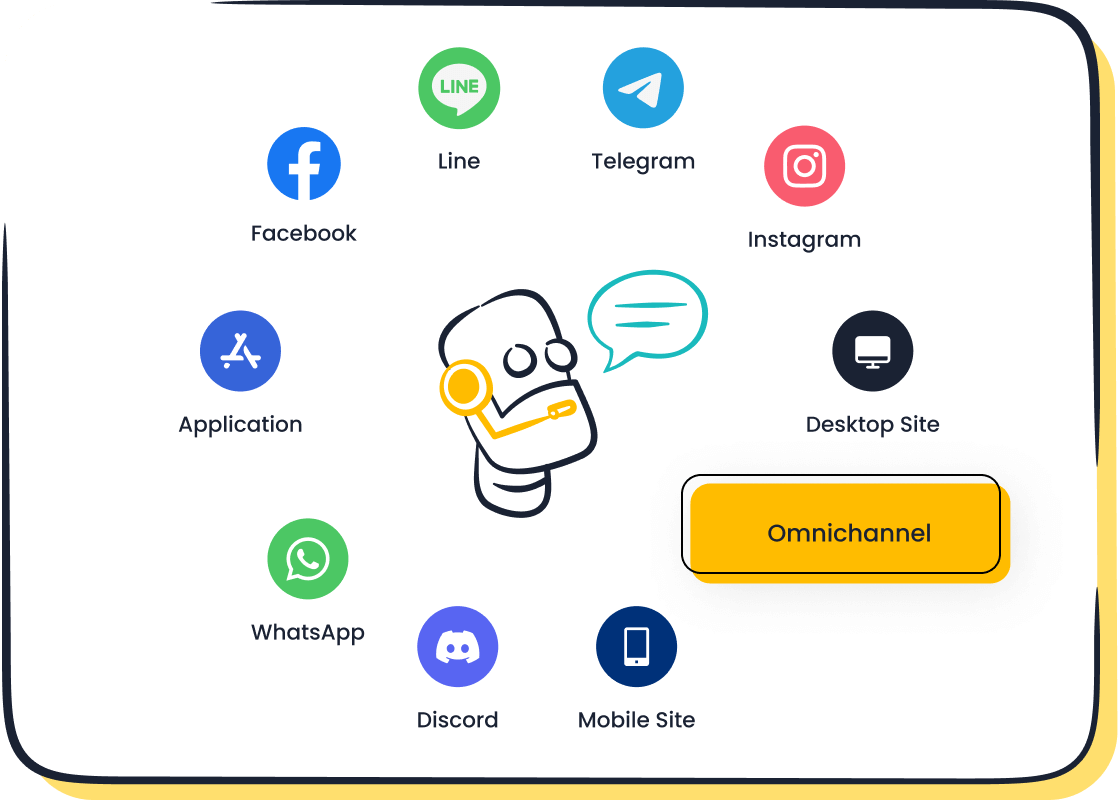
Aligning data with your customer service goals ensures every insight contributes to your objectives. Start by setting clear organizational goals, such as improving Net Promoter Scores or reducing response times. Facilitate collaboration between teams, like customer care and sales, to ensure data supports unified efforts. For example, Sobot's omnichannel solutions integrate customer interactions across platforms, helping you map data to specific service objectives. This alignment ensures your data serves its purpose effectively.
Prioritizing data that enhances customer satisfaction
Focusing on data that improves customer satisfaction leads to better outcomes. Use analytics to identify customer preferences and pain points. Tailor your services to address these needs proactively. For example, addressing common complaints before they escalate can boost loyalty and retention. Sobot's Chatbot, with its 24/7 availability and multilingual support, helps businesses prioritize customer satisfaction by resolving queries efficiently. This approach enhances the overall customer experience and builds long-term trust.
Use Contextual Metadata
Enriching customer data with tags and labels

Adding metadata, such as tags and labels, provides valuable context to your customer data. Metadata explains how, when, and why the data was collected, enhancing its usability. For instance, tagging customer feedback with categories like "delivery issues" or "product quality" helps you identify trends quickly. This practice improves operational efficiency and supports better decision-making. Tools like Sobot's Chatbot can automate metadata enrichment, making the process seamless and scalable.
Leveraging metadata for better categorization and retrieval
Metadata simplifies data organization and retrieval, making it easier to extract actionable insights. For example, metadata ensures data lineage, which is crucial for maintaining integrity and compliance. It also supports innovation by identifying new opportunities, such as emerging customer needs. By leveraging metadata effectively, you can streamline operations and focus on strategies that enhance customer satisfaction. Sobot's solutions, with their robust reporting features, enable businesses to categorize and retrieve data effortlessly, driving smarter decisions.
Foster Collaboration Across Teams
Sharing customer insights across departments
Sharing customer insights across departments ensures everyone works toward shared goals. When teams like marketing, sales, and customer service collaborate, they can maximize their strengths and deliver better outcomes. For example, customer service teams can share feedback trends with marketing to refine campaigns. Similarly, sales teams can use insights from support interactions to tailor their pitches.
However, challenges like communication barriers and differing priorities often hinder collaboration. Teams may also face resource allocation issues or resistance to change. To overcome these, you should establish clear communication channels and encourage joint planning sessions. Tools like Sobot's omnichannel solutions simplify this process by integrating customer data across platforms. This integration ensures all teams access the same insights, fostering alignment and improving decision-making.
By sharing insights effectively, you create a unified approach to customer service. This not only enhances operational efficiency but also strengthens customer relationships.
Breaking down silos for unified data interpretation
Silos in organizations often lead to fragmented data and missed opportunities. Breaking them down integrates data from various sources, creating a cohesive system. This allows you to gain a holistic view of customer interactions. For instance, combining chatbot data with live agent feedback can reveal patterns that improve personalization.
Unified data interpretation also enhances operational efficiency. Teams can make informed decisions based on a complete picture of customer needs. For example, Sobot's AI-powered Chatbot collects and organizes data seamlessly, enabling teams to access and analyze it without delays. This approach improves personalization and ensures consistent service delivery.
Breaking silos fosters collaboration and drives better business outcomes. It aligns departments, reduces redundancies, and ensures your organization remains customer-focused.
Tools and Techniques for Contextual Analysis
Data Analytics Tools
Using dashboards to visualize customer trends
Dashboards play a crucial role in contextual analysis by organizing and presenting customer data in a visually intuitive way. They allow you to monitor real-time metrics, such as customer satisfaction scores or response times, ensuring your team stays informed. For example, customer experience dashboards can reveal trends in customer behavior and preferences, helping you identify areas for improvement. Historical data can also be mined to predict future customer needs, enabling proactive strategies. Dashboards foster collaboration by providing a shared knowledge base, ensuring all teams work toward common goals. This approach enhances performance and drives success in customer service.
Examples of tools like Tableau and Power BI
Several data analytics tools excel at contextual analysis.
- Tableau: Creates interactive visualizations that uncover trends and patterns in complex datasets.
- Microsoft Power BI: Transforms raw data into insightful reports, helping you explore relationships within datasets.
- Insight7: Automates the analysis of customer conversations, enabling quick strategy adjustments.
- Looker: Offers personalized dashboards with real-time data integration for enriched context understanding.
- RapidMiner: Provides advanced analytics capabilities to enhance contextual insights.
These tools help you treat data as a product, delivering measurable value and improving KPIs.
AI-Powered Solutions
Extracting context from customer feedback using NLP
Natural Language Processing (NLP) enables AI to analyze customer feedback with remarkable speed and accuracy. It processes large volumes of data, uncovering hidden patterns and customer needs. For instance, AI can determine the sentiment behind feedback, identifying whether it is positive, negative, or neutral. This insight allows you to respond quickly to concerns and adapt strategies effectively. By automating feedback analysis, you save time and gain deeper insights, enhancing overall performance.
Applications in sentiment analysis and customer insights
Sentiment analysis offers several benefits for customer service. It helps you deliver personalized experiences by understanding customer emotions, which fosters loyalty. Monitoring sentiment also minimizes churn by identifying at-risk customers and addressing their concerns. Additionally, sentiment insights guide product development by highlighting areas for improvement. These applications ensure your data analytics efforts align with customer needs, driving success and measurable value.
Sobot's Chatbot for Context Understanding
Automating customer interactions with contextual data

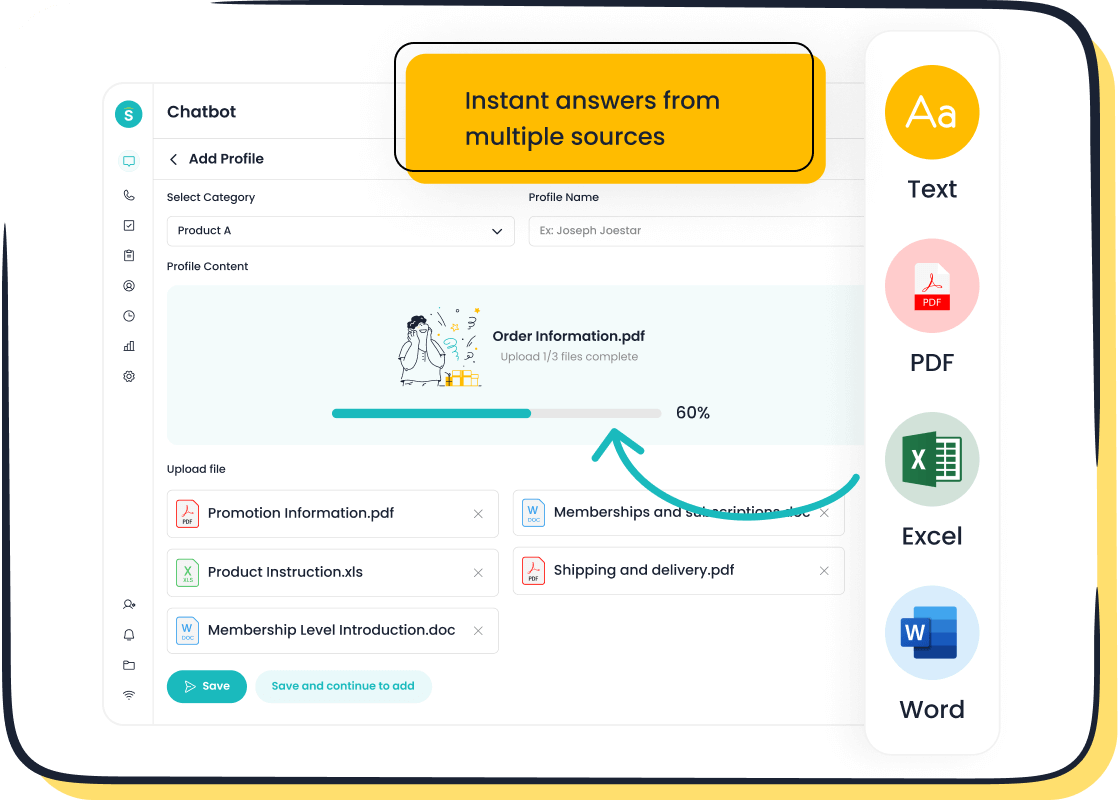
Sobot's AI-powered Chatbot leverages contextual data to automate customer interactions seamlessly. It uses a knowledge base built from various sources to provide accurate, real-time responses. For example, the chatbot can categorize queries based on metadata, ensuring efficient routing and resolution. This automation reduces agent workload and improves response times, enhancing overall performance.
Enhancing customer service with AI-driven insights
Sobot's Chatbot goes beyond automation by offering AI-driven insights that improve customer service. It analyzes customer interactions to identify trends and pain points, helping you refine your strategies. With features like multilingual support and 24/7 availability, the chatbot ensures consistent service delivery. These capabilities make it an invaluable tool for improving KPIs and achieving long-term success.
Challenges in Context Understanding
Incomplete or Inaccurate Data
Identifying gaps in customer data collection
Incomplete or inaccurate data often stems from gaps in your collection processes. For example, missing customer feedback or outdated purchase records can distort your analytics. To identify these gaps, start by auditing your data sources. Check for inconsistencies, such as missing fields or duplicate entries. Use tools like Sobot's omnichannel solutions to consolidate customer interactions across platforms. This integration ensures you capture comprehensive and accurate data, reducing the risk of flawed insights.
Strategies for improving data quality
Improving data quality requires a structured approach. You can follow these steps:
- Assess your data regularly to identify errors.
- Define clear standards for acceptable data quality.
- Correct inaccuracies immediately to prevent long-term issues.
- Eliminate silos by integrating data across departments.
- Promote a data-driven culture to encourage accountability.
- Appoint a data steward to oversee quality management.
These strategies ensure your data remains reliable and actionable, enhancing the efficiency of your analytics efforts.
Overwhelming Volume of Data
Prioritizing relevant customer data for analysis
The sheer volume of customer data can feel overwhelming. To manage this, focus on relevance. Assess data sources based on how well they align with your goals. For instance, prioritize real-time data from customer interactions over outdated records. Evaluate quality by choosing sources with high accuracy and timeliness. By narrowing your focus, you can extract meaningful insights without wasting resources.
Using automation to manage large datasets
Automation plays a critical role in handling large datasets. It streamlines data collection, processing, and analysis, reducing manual effort and errors. For example, automated tools can ingest data from multiple sources and cleanse it for analysis. Sobot's AI-powered Chatbot uses automation to categorize customer queries and generate actionable insights. This approach enhances operational efficiency and ensures your analytics remain focused on what matters most.
Lack of Standardization
Establishing consistent data formats for customer insights
Inconsistent data formats create challenges in deriving insights. For example, combining data from different systems often leads to errors. To address this, establish standardized formats for all customer data. Use metadata to tag and categorize information consistently. Tools like Sobot's reporting features simplify this process, ensuring your data remains organized and ready for analysis.
Encouraging organization-wide data governance
Data governance ensures consistency across your organization. Start by creating policies that define how data should be collected, stored, and analyzed. Encourage collaboration between teams to maintain uniform standards. For example, marketing and customer service teams can align their data practices to avoid discrepancies. This unified approach improves the quality of your analytics and fosters better decision-making.
Overcoming Challenges in Context Understanding
Invest in Training and Education
Building data literacy for customer service teams

Building data literacy equips your customer service teams with the skills to interpret and use data effectively. Start by introducing foundational concepts like data sources, metadata, and contextual analysis. For example, teach your team how to identify patterns in customer feedback and link them to service improvements. Regular training sessions can also help them understand tools like Sobot's Chatbot, which automates data collection and analysis. By enhancing their data literacy, you empower your team to make informed decisions that improve customer satisfaction.
Offering workshops on contextual analysis
Workshops provide hands-on opportunities to deepen your team's understanding of contextual analysis. Focus on practical exercises, such as analyzing customer interactions to uncover trends. For instance, you could simulate scenarios where teams interpret chatbot data to identify customer pain points. These workshops not only enhance analytical skills but also foster collaboration across departments. Tools like Sobot's omnichannel solutions can serve as case studies, demonstrating how integrated data improves service delivery. Workshops ensure your team stays updated on best practices, driving better outcomes.
Leverage AI and Machine Learning
Automating context extraction from customer interactions
AI and machine learning simplify context extraction by automating complex processes. These technologies analyze data from multiple sources, identifying patterns and relationships with speed and accuracy. For example:
- AI enables real-time decision-making, allowing you to respond quickly to customer needs.
- Techniques like natural language processing (NLP) uncover sentiment and intent in customer feedback.
- Deep learning algorithms enhance the precision of contextual insights.
Sobot's AI-powered Chatbot exemplifies this approach. It uses NLP to analyze customer queries, providing accurate responses instantly. This automation reduces manual effort, enabling your team to focus on strategic tasks.
Examples of AI tools like Sobot's Chatbot
AI tools like Sobot's Chatbot revolutionize customer service by integrating context into interactions. The chatbot operates 24/7, handling routine queries and assisting agents with complex issues. Its multilingual support ensures seamless communication across diverse customer bases. By leveraging AI, you can enhance efficiency, cut costs, and improve customer satisfaction. These tools demonstrate how technology transforms data into actionable insights, driving measurable success.
Develop a Context-First Culture
Encouraging teams to prioritize context in customer strategies
Creating a context-first culture starts with prioritizing customer empathy. Encourage your teams to understand and respect customer needs. Conduct research to gain in-depth knowledge about your audience and their industries. Regular in-person meetings with customers can also deepen relationships and uncover valuable insights. Collecting feedback further refines your strategies, ensuring they align with customer expectations. By fostering this mindset, you build a customer-centric organization that thrives on actionable data.
Celebrating success stories of context-driven customer insights
Highlighting success stories motivates your team to embrace context-driven strategies. For example:
- A Belgian hardware store chain improved its shopping experience by scaling its product catalog tenfold.
- A biotechnology company used AI to enhance patient care and accelerate product delivery.
- A staffing agency streamlined job placements by creating detailed profiles of job seekers.
These examples show how context understanding drives innovation and measurable results. Sharing such achievements inspires your team to prioritize context in their daily operations, ensuring long-term success.
Understanding context transforms raw data into actionable insights, making it a cornerstone of data usability. By focusing on elements like data sources, collection conditions, and relationships, you can improve data reliability and uncover hidden patterns. This approach empowers you to make informed decisions aligned with strategic goals. Strategies such as metadata management and data integration further enhance your ability to capture and utilize context effectively.
Tools like Sobot's Chatbot amplify these efforts. By incorporating context into customer interactions, the chatbot boosts operational efficiency and identifies new opportunities for growth. Its AI-driven insights turn data into meaningful information, driving strategic initiatives and improving customer satisfaction. Embracing context understanding not only enhances your data usability but also unlocks organizational value, ensuring long-term success.
FAQ
What is the role of context in improving data usability?
Context transforms raw data into actionable insights. It helps you understand the "why" behind customer behaviors. For instance, analyzing customer feedback alongside purchase history reveals trends that guide better decisions. Tools like Sobot's Chatbot use context to automate responses, improving efficiency and customer satisfaction.
How does Sobot's Chatbot enhance context understanding?
Sobot's Chatbot uses AI to analyze customer interactions in real time. It categorizes queries based on metadata and provides accurate responses. This automation reduces agent workload by 70% and ensures 24/7 availability. Its multilingual support also enhances communication, making it a valuable tool for global businesses.
Why is metadata important for contextual analysis?
Metadata enriches your data by adding tags and labels that explain its origin and purpose. For example, tagging feedback as "delivery issue" or "product quality" helps you identify trends faster. Sobot's solutions automate metadata enrichment, ensuring seamless categorization and retrieval for better decision-making.
How can you overcome challenges with incomplete data?
Start by auditing your data sources to identify gaps. Use tools like Sobot's omnichannel solutions to consolidate customer interactions across platforms. This integration ensures comprehensive data collection. Regularly validate and clean your data to maintain accuracy and reliability, reducing the risk of flawed insights.
What are the benefits of using AI for context understanding?
AI simplifies context extraction by analyzing large datasets quickly. It identifies patterns, relationships, and customer sentiment. For example, Sobot's Chatbot uses NLP to understand customer intent, providing instant, accurate responses. This approach improves efficiency, reduces costs, and enhances customer satisfaction.
See Also
Enhancing Customer Satisfaction Through Effective Live Chat Strategies
Excelling in Live Chat for Retail Business Success
Essential Strategies for Successful Depop Live Chat Engagement

