Community Insights on Ticket Priority Management

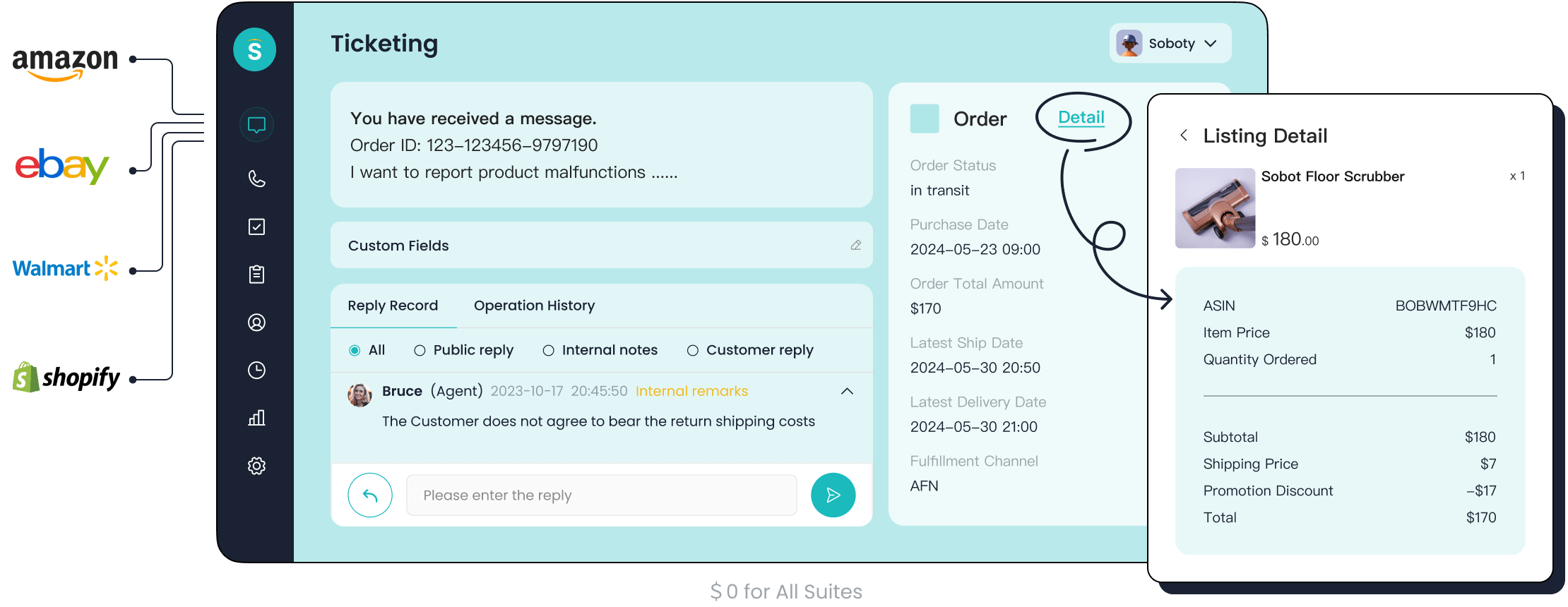
Managing ticket priority is crucial for delivering exceptional customer service. When you prioritize tickets effectively, you reduce frustration, improve satisfaction, and ensure timely resolutions. Did you know that 46% of customers expect responses within four hours or less? This highlights the need for a robust ticket management system. Community engagement also plays a vital role. By understanding customer expectations, you can refine how tickets are handled. Sobot’s ticketing solution simplifies this process with features like SLA management and automated workflows, ensuring your support team stays efficient and your customers stay happy.
Understanding Ticket Priority Management
What Is Ticket Priority Management?
Definition and its role in customer support.
Ticket priority management is the process of organizing and addressing support tickets based on their urgency and impact. It ensures that critical issues are resolved quickly while less urgent matters are handled in due time. For example, a customer unable to access their account would take precedence over a general inquiry about product features. This system helps you maintain efficiency and meet customer expectations.
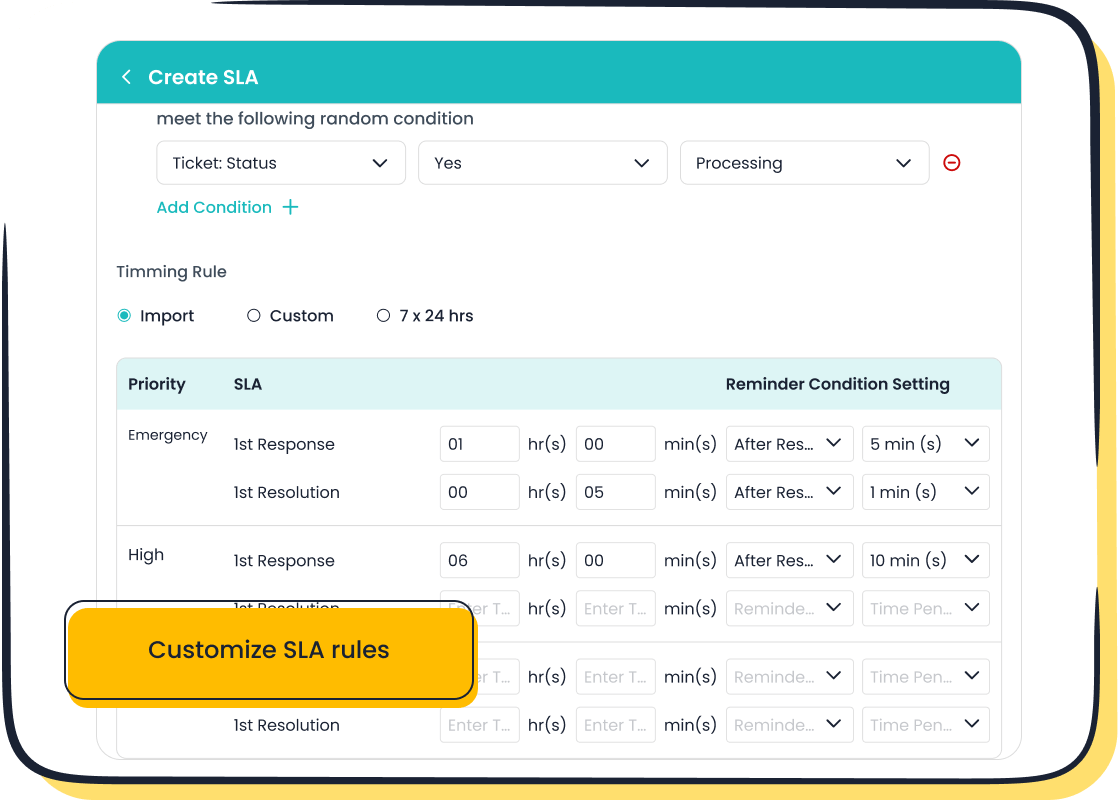
In customer support, prioritization plays a vital role in keeping your team focused on what matters most. It prevents delays, reduces frustration, and ensures that no ticket falls through the cracks. Tools like Sobot’s ticketing system simplify this process by automating workflows and setting clear priority levels, so your team can focus on delivering exceptional service.
Common standards for prioritizing tickets (e.g., urgency, impact, SLA).
Effective ticket prioritization relies on clear standards. Here are some key principles to guide you:
- Define priority levels: Categories like Critical, High, Medium, and Low help you classify tickets.
- Set up priority-based workflows: Ensure that high-priority tickets are routed to the right agents immediately.
- Incorporate SLAs: Service Level Agreements (SLAs) hold you accountable and prevent lower-priority tickets from being ignored.
- Use automation: Automate ticket tagging and routing to save time.
- Monitor and improve: Regularly review your system to identify areas for improvement.
By following these steps, you can create a structured approach to ticket priority management. Sobot’s ticketing system supports these practices with features like SLA reminders, custom triggers, and analytics, making it easier to stay on top of your support tickets.
Challenges in Ticket Prioritization
Balancing competing priorities in customer service.

Balancing priorities can feel like juggling. You might have multiple high-priority tickets at once, each demanding immediate attention. Without a clear system, this can lead to slower response times and unhappy customers. A well-structured prioritization framework, like the one supported by Sobot’s ticketing system, helps you manage these competing demands effectively.
Managing high ticket volumes with limited resources.
High ticket volumes can overwhelm your team, especially during peak periods. For instance, a shopping festival might flood your inbox with inquiries. Without proper prioritization, your team could struggle to keep up. Automation tools, such as those in Sobot’s ticketing system, streamline workflows and ensure that critical tickets are addressed first.
Addressing subjective decision-making in prioritization.
Subjective decisions often lead to inconsistencies. For example, one agent might prioritize a ticket differently than another, causing confusion. This issue becomes more pronounced in larger teams or companies. To mitigate this, you can establish clear guidelines and use automation to remove guesswork. Sobot’s system allows you to define custom rules, ensuring fairness and consistency in ticket handling.
The Role of Community Engagement in Ticket Prioritization
Knowledge Sharing and Best Practices
How customer communities exchange strategies for prioritization.
A customer community can be a goldmine for ideas on ticket prioritization. When customers share their experiences, they often uncover strategies that even your team might not have considered. For instance, a customer might suggest prioritizing tickets based on the time of day they’re submitted, which could help you manage peak hours more effectively. These shared insights can inspire new approaches to handling tickets and improve your overall system.
Customers often come up with unique insights and solutions based on their own experiences with a product. In a community, they can share these tips and tricks, making it easier for others to find answers quickly.
Platforms like forums or social media groups make it easy for customers to exchange these ideas. By fostering community engagement, you create a space where everyone benefits from collective knowledge.
Examples of successful community-driven solutions.
Take OPPO, for example. They leveraged Sobot’s ticketing system to integrate customer feedback into their workflows. By listening to their global customer community, they identified common issues and optimized their ticket prioritization process. This led to faster resolutions and a significant boost in customer satisfaction.
Another example is how some companies use community polls to decide which issues to prioritize. By directly involving customers, they ensure their support aligns with real-world needs. These solutions highlight the power of building an effective community to refine your ticket priority strategies.
Collaborative Problem-Solving
Leveraging diverse perspectives to address prioritization challenges.
When you involve a diverse customer community, you gain access to a wide range of perspectives. Different customers face unique challenges, and their input can help you identify gaps in your ticket prioritization system. For example, a customer from a different region might highlight timezone-related delays, prompting you to adjust your workflows.
Collaborating with your community also helps you tackle complex issues. By pooling ideas, you can develop creative solutions that might not emerge from internal discussions alone. Sobot’s ticketing system supports this by integrating feedback tools, making it easier to gather and act on customer insights.
Building a culture of shared learning and improvement.
Building an effective community starts with creating a culture of trust and collaboration. When customers see that their feedback leads to real changes, they’re more likely to stay engaged. You can encourage this by sharing success stories or recognizing contributors who’ve made a difference.
For example, you could highlight how a customer’s suggestion improved your ticket priority system. This not only boosts engagement but also fosters a sense of ownership within the community. Over time, this culture of shared learning helps you continuously refine your prioritization strategies and deliver better service.
Actionable Strategies for Integrating Community Feedback
Gathering and Analyzing Community Insights
Using forums, surveys, and feedback tools to collect input.
Your customer community is a treasure trove of insights. To tap into this, you can use forums, surveys, and feedback tools. Forums allow customers to share their experiences and challenges openly. Surveys, on the other hand, help you gather targeted feedback on specific aspects of your ticket prioritization process. Feedback tools integrated into your ticket management system can streamline this process further. For example, Sobot’s Ticketing System includes features that make it easy to collect and organize customer input across multiple channels. These tools ensure you don’t miss valuable suggestions that could improve your workflows.
Identifying patterns and actionable suggestions.
Once you’ve gathered feedback, the next step is to analyze it. By using methods like sentiment analysis and data analytics tools, you can identify patterns in customer concerns. For instance, if many customers report delays in resolving high-priority tickets, it’s a clear sign to revisit your workflows. Categorizing feedback into themes helps you focus on areas that need immediate attention. This structured approach ensures you turn raw feedback into actionable strategies for better ticket prioritization.
Incorporating Feedback into Ticketing Workflows
Adapting ticket categorization and prioritization rules.
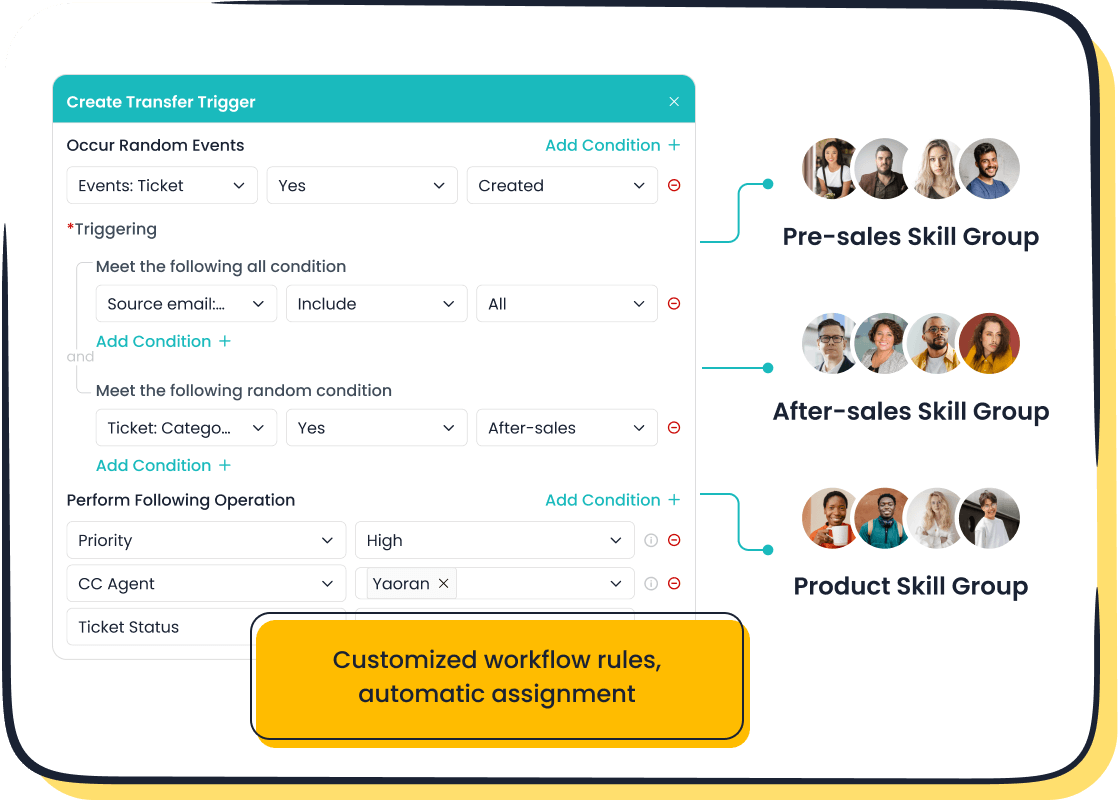
Feedback from your customer community can reveal gaps in your current ticketing workflows. For example, customers might suggest adding a new priority level for issues that impact multiple users. By adapting your ticket categorization and prioritization rules, you can address these gaps effectively. Sobot’s Ticketing System simplifies this process with its automation capabilities. You can set custom triggers to ensure tickets are routed and prioritized based on updated rules, saving time and improving accuracy.
Training teams to apply community-driven strategies.
Your team plays a crucial role in implementing these changes. Regular agent training sessions ensure everyone understands the updated workflows and prioritization rules. For instance, you can train agents to recognize patterns in customer issues that align with community feedback. Sobot’s system supports this by providing analytics and insights that can be used during training. This approach not only improves efficiency but also ensures your team delivers consistent, high-quality service.
Leveraging Tools for Community Engagement
How Sobot's Ticketing System facilitates community-driven feedback.

Sobot’s Ticketing System is designed to enhance community engagement. It integrates seamlessly with forums, social media, and other platforms, making it easy to collect feedback from your customer community. Features like multilingual support and smart notifications ensure you don’t miss critical insights, no matter where they come from. By leveraging these tools, you can create a feedback loop that continuously improves your ticket prioritization process.
Examples of tools that enhance community engagement.
Several tools can complement your ticketing workflows and boost community engagement:
- Social Media Platforms: These allow instant communication and foster a sense of connection within your customer community.
- Community Management Software: These tools help you organize and monitor engagement activities, ensuring conversations stay productive.
- Virtual Events: Hosting webinars or online meetings encourages broader participation and inclusiveness.
By combining these tools with Sobot’s automation capabilities, you can build a robust system for gathering and acting on community feedback.
Challenges and Solutions in Leveraging Community Insights
Maintaining Community Engagement
Encouraging active participation from community members.
Keeping your customer community engaged can be tricky, especially over time. People lose interest if there’s nothing new to keep them involved. To sustain engagement, you need to create a dynamic environment. Regular updates, interactive discussions, and fresh content are essential. For example, you could host Q&A sessions or share behind-the-scenes insights about your customer support processes.
Automation tools like Sobot’s ticketing system can help you balance routine tasks with personal interactions. While automation handles repetitive queries, you can focus on building meaningful connections with your community. This balance ensures that your engagement efforts feel genuine and not robotic.
Tip: Always ensure the information shared in your community is accurate. Incorrect details can frustrate customers and lead to more support tickets.
Recognizing and rewarding valuable contributions.
Acknowledging your community members’ efforts goes a long way in fostering loyalty. Simple gestures like celebrating achievements or highlighting contributions can make a big difference. Here are some strategies:
| Strategy | Description |
|---|---|
| Dedicated Events | Host special events to celebrate milestones. |
| Member of the Month | Highlight a member each month for notable contributions. |
| Achievement Announcements | Share major achievements in newsletters or forums. |
| Celebratory Posts | Create posts on social platforms to recognize successes. |
These actions show your community that their input matters, encouraging them to stay active and engaged.
Ensuring Feedback Quality and Relevance
Filtering noise and irrelevant suggestions.
Not all feedback is useful. Some suggestions might be irrelevant or lack actionable insights. To filter out the noise, categorize feedback by type and impact. For instance, you can prioritize high-impact issues that affect multiple customers. Tools like Sobot’s ticketing system can help you organize and analyze feedback efficiently.
Creating a customer feedback dashboard is another great way to monitor trends in real time. This approach ensures you focus on what truly matters, improving your ticket prioritization process.
Establishing clear guidelines for feedback submission.
Clear guidelines make it easier for your community to provide relevant feedback. Encourage members to categorize their suggestions and explain their impact. For example, you could ask them to specify whether their feedback relates to ticketing workflows or customer support policies. Closing the feedback loop by sharing updates based on their input builds trust and encourages ongoing participation.
Balancing Community Input with Business Goals
Aligning feedback with organizational priorities.
Community input is valuable, but it needs to align with your business goals. A balanced ticket prioritization system considers both the severity of issues and their impact on your operations. For example, if a suggestion improves response times for high-priority tickets, it aligns well with your goal of enhancing customer support efficiency. Sobot’s ticketing system helps you assess and implement such feedback effectively.
Avoiding over-reliance on external input.
While community feedback is important, relying on it too much can sidetrack your objectives. Use it as a guide, not a rulebook. Combine it with internal data and analytics to make informed decisions. This approach ensures you maintain control over your ticketing workflows while still valuing the impact of community on support tickets.
Measurable Outcomes of Community-Driven Ticket Management
Improved Resolution Times
Faster identification of high-priority issues.

When you involve your customer community in ticket prioritization, identifying high-priority issues becomes much easier. Customers often highlight recurring problems or urgent concerns, helping you focus on what matters most. For example, if multiple customers report the same issue, you can prioritize it immediately. This approach ensures faster issue resolution and reduces delays. Sobot’s Ticketing System enhances this process by automating ticket categorization and routing, so your team can address critical tickets without wasting time.
Streamlined workflows based on shared insights.
Shared insights from your customer community can transform your ticket handling process. When customers share their experiences, they often reveal patterns or bottlenecks you might have missed. For instance, feedback might show that certain types of tickets take longer to resolve. With this knowledge, you can adjust workflows to improve efficiency. Sobot’s analytics tools make it easy to analyze these insights and implement changes, ensuring your team works smarter, not harder.
Enhanced Customer Satisfaction
Meeting customer expectations more effectively.
Prioritizing tickets based on urgency and impact leads to quicker resolutions, which directly improves customer satisfaction. Customers appreciate it when their concerns are addressed promptly. This not only enhances their experience but also builds loyalty. For example, resolving a high-priority issue within hours can turn a frustrated customer into a loyal advocate. Sobot’s SLA management ensures your team meets these expectations consistently.
Building trust through transparent prioritization processes.
Transparency in your ticketing workflows fosters trust. When customers see that your prioritization process is fair and consistent, they feel valued. Sharing how you prioritize tickets—like addressing urgent issues first—creates a sense of reliability. Customers also appreciate openness about your processes and intentions, which strengthens their connection to your brand. Sobot’s system supports this by providing clear ticket statuses and updates, keeping customers informed every step of the way.
Operational Efficiency
Reducing bottlenecks in ticket handling.
Community-driven strategies streamline your ticket handling process, reducing bottlenecks. For example, a well-maintained knowledge base empowers customers to resolve simple issues themselves, freeing up your team for more complex tasks. Analytics tools, like those in Sobot’s Ticketing System, help you identify areas where delays occur, so you can address them proactively. This ensures smoother operations and faster resolutions.
Optimizing resource allocation with Sobot's Ticketing System.
Efficient resource allocation is key to handling tickets effectively. By prioritizing urgent tickets, your team can focus on critical issues without feeling overwhelmed. This prevents backlogs and ensures timely resolutions. Sobot’s Ticketing System excels in this area, offering features like automated ticket routing and custom triggers. These tools help your team work more efficiently, improving both customer satisfaction and overall service quality.
Leveraging community discussions transforms how you manage ticket priorities. It fosters collaboration, aligns your team with customer needs, and ensures your support system evolves with actionable insights. By prioritizing urgent tickets, you reduce frustration and improve service efficiency. Clear communication and transparency build trust, while streamlined workflows optimize resource allocation.
Sobot's Ticketing System empowers you to integrate community feedback seamlessly. Its automation tools, SLA management, and analytics ensure your support team stays ahead. With Sobot, you can enhance customer satisfaction, reduce backlogs, and gain valuable insights into recurring issues. Ready to elevate your service? Start engaging your community today and experience the long-term benefits of smarter ticket management.
FAQ
How does Sobot’s Ticketing System improve ticket prioritization?
Sobot’s Ticketing System automates ticket categorization and routing based on urgency and impact. Features like SLA reminders and custom triggers ensure high-priority tickets get immediate attention. For example, during peak shopping seasons, businesses like OPPO have used it to handle surges efficiently, achieving faster resolutions and happier customers.
Can I integrate Sobot’s Ticketing System with other platforms?
Yes! Sobot’s Ticketing System integrates seamlessly with email, voicemail, chat, and e-commerce platforms like Shopify. This unified approach ensures all your communication channels work together, making it easier to manage tickets and deliver consistent support across platforms.
What makes Sobot’s Ticketing System user-friendly?
The system’s intuitive interface simplifies ticket management. Features like canned responses, ticket merging, and multilingual support save time and reduce errors. Plus, trusted analytics provide clear insights, helping you monitor performance and make data-driven decisions effortlessly.
How does Sobot ensure fair ticket prioritization?
Sobot’s system eliminates guesswork by using automation and custom rules. For instance, you can set triggers to prioritize tickets based on urgency or customer type. This ensures consistency and fairness, even in high-volume scenarios, so no ticket gets overlooked.
Is Sobot’s Ticketing System suitable for global businesses?
Absolutely! With multilingual support and integration across global communication channels, Sobot’s Ticketing System is perfect for businesses serving diverse audiences. Companies like OPPO have used it to streamline operations in over 60 countries, improving both efficiency and customer satisfaction.
See Also
Essential Strategies for Effective Call Center Quality Control
Effective Techniques for Overseeing Live Chat Representatives
Navigating Depop's Live Chat for Rapid Customer Assistance

