Client Satisfaction Questionnaires and Their Impact on AI Agents


You use a client satisfaction questionnaire to collect direct feedback from customers. This tool helps you understand how people feel about their experience with AI agents in customer service. Sobot places strong value on customer-centricity and innovation. When you share your thoughts, you help improve AI-powered contact centers. Your input shapes better service for everyone.
Understanding Client Satisfaction Questionnaires

Definition and Purpose
A client satisfaction questionnaire is a structured tool you use to gather feedback from customers about their experiences with a company’s products and services. This tool usually contains a series of questions that help you measure satisfaction and find areas that need improvement. When you use a client satisfaction questionnaire, you can see how well your AI agents perform and where you can make changes. These questionnaires help you assess satisfaction, spot problems, and keep customers coming back. Sobot believes that listening to your feedback is the best way to improve. By focusing on your needs, Sobot continues to innovate and deliver better customer service.
Types and Formats
You can find different types and formats of client satisfaction questionnaires in AI-powered customer service. Each type helps you collect specific information. Here is a table that shows the most common types:
| Question Type | Description | Best Used For |
|---|---|---|
| Multiple-choice | Questions with predefined answers for quick data collection. | Gathering quantitative data, identifying trends, and comparing results across segments. |
| Open-ended | Questions allowing free-text responses for qualitative insights. | Collecting detailed feedback, understanding reasoning behind scores, and identifying improvement areas. |
| Customer Satisfaction (CSAT) | Basic measure of customer satisfaction using a rating scale. | Measuring overall satisfaction and predicting company growth. |
Tip: Most customers prefer short surveys. About 74% of people will only answer five questions or less. If you add more questions, the completion rate drops. Try to keep your surveys short and clear.
Role in Customer Experience
When you use a client satisfaction questionnaire, you get direct insights into what customers think. This feedback helps you make smart changes to your AI agents and services. You can find missed opportunities and fix problems before they grow. Surveys also help you build trust with your customers. When you listen and respond, you show that you care. Sobot uses your feedback to improve its solutions, making sure you always get the best experience. Companies that use regular feedback often see better results, like higher customer retention and improved AI performance.
Importance for AI Agents and Sobot Solutions
Enhancing AI Agent Performance
You use a client satisfaction questionnaire to measure how well AI agents handle customer interactions. This feedback helps you identify strengths and weaknesses in your AI-powered contact center. When you collect ratings and comments, you see which areas need improvement. Sobot’s AI Agent, chatbot, and live chat tools rely on this feedback to refine their responses and workflows. You can track performance using metrics like post-interaction surveys, Net Promoter Score (NPS), and Customer Satisfaction (CSAT) ratings. These metrics show you how customers feel after each conversation.
| Metric | Description |
|---|---|
| Post-interaction surveys | Simple thumbs up/down or star ratings |
| Net Promoter Score (NPS) | Measures likelihood of users recommending the agent |
| Customer Satisfaction (CSAT) | Direct ratings of user satisfaction |
| Qualitative feedback | Open-ended comments about user experience |
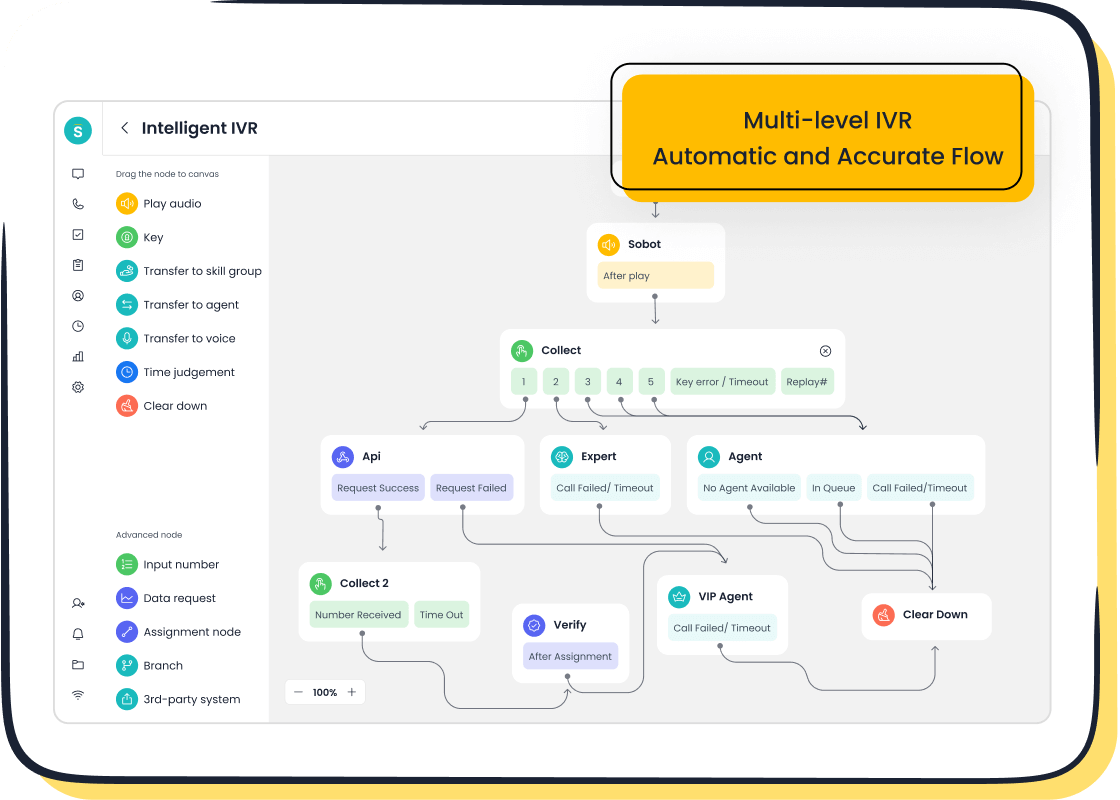
You use these metrics to guide AI agent development. When you notice low scores or negative comments, you adjust scripts, update training data, and improve automation. Sobot’s Voice/Call Center uses real-time monitoring and analysis to track these metrics. You can see which agents perform best and which need support. The unified workspace lets you review feedback quickly and make changes that boost efficiency. Sobot’s AI-powered Voicebot learns from customer responses, improving intent recognition and conversation flow. You get smarter agents and faster resolutions.
Improving Customer Experience with Sobot
You want your customers to feel heard and valued. A client satisfaction questionnaire gives you direct insights into their opinions. Sobot’s Omnichannel Solution collects feedback from every channel—voice, chat, email, and social media. You see patterns in customer needs and preferences. When you respond to feedback, you show customers that you care about their experience.
Sobot’s platform helps you personalize service. You use feedback to adjust workflows, automate repetitive tasks, and offer self-service options. The ticketing system lets you track issues and follow up with customers. You reduce wait times and improve first-contact resolution rates. Sobot’s live chat and chatbot tools use feedback to update FAQs and conversation scripts. You create a seamless experience across all touchpoints.
You see real results when you use feedback to drive improvements. Samsung, a global leader in technology, partnered with Sobot to unify its communication channels. By collecting and analyzing customer feedback, Samsung increased agent efficiency by 30% and achieved a 97% satisfaction rate. You can read more about Samsung’s success here. Companies that use predictive analytics in customer service see a 25% increase in customer retention rates, according to Gartner.
Tip: When you keep your surveys short and clear, you get more responses. You can use these responses to make quick changes that improve customer satisfaction.
Building Trust and Loyalty
You build trust when you ask customers for their opinions. A client satisfaction questionnaire shows customers that their feedback matters. You create a customer-centric culture by acting on feedback. Sobot’s solutions help you respond quickly to customer needs. You use feedback to fix problems, update processes, and reward top-performing agents.
- You gain direct insights into customer opinions and take immediate action.
- You foster a customer-centric culture, which enhances satisfaction and builds trust.
- You respond to feedback patterns, creating an environment of trust and loyalty.
- Asking for feedback shows clients that their opinions matter and strengthens relationships.
- Satisfied customers are more likely to remain loyal and recommend your service.
Sobot’s Voice/Call Center and Omnichannel Solution make it easy to collect and analyze feedback. You use data analytics to spot trends and address concerns. When you improve service based on feedback, you increase customer loyalty. Sobot’s platform supports global telephony contacts, encrypted data transfer, and seamless integration with CRM systems. You provide secure, reliable service that customers trust.
You see higher retention rates when you use feedback to improve your AI agents. Customers stay with companies that listen and respond to their needs. You build lasting relationships and grow your business.
Designing Effective Client Satisfaction Questionnaires
Key Elements for AI Interactions
You want your client satisfaction questionnaire to give you clear and useful feedback about AI-powered customer contact. Start by asking simple questions about the customer’s interaction. This helps set the context and makes people feel comfortable. Use a mix of question styles, such as rating scales and open-ended questions, to get both numbers and stories. Try to uncover the real reasons why customers chose your service. This gives you deeper insights into what matters most.
| Essential Element | Description |
|---|---|
| Start with context | Begin with simple questions about the customer’s interaction. |
| Mix question styles | Use both rating scales and open-ended questions for rich insights. |
| Uncover real motivations | Ask why customers chose your service. |
Sobot uses these elements to design surveys that help improve AI agent performance. You get feedback that guides updates to scripts, workflows, and training data.
Tailoring Questions for Sobot Voice/Call Center
When you create a questionnaire for Sobot’s Voice/Call Center, focus on the customer’s journey. Ask about call quality, ease of reaching an agent, and how well the AI Voicebot understood their needs. Keep questions direct and concise. For example, you can ask, “How easy was it to reach the right department?” or “Did the AI Voicebot resolve your issue?” Sobot integrates this feedback into product design, making sure every update reflects what you need.
Tip: Send surveys in proportion to your customer interactions. This helps you get a balanced view and prevents bias.
Avoiding Common Pitfalls
You want your client satisfaction questionnaire to be easy to complete. Avoid complicated questions or confusing layouts. Make sure customers can find what they need and finish the survey quickly. Here are some common pitfalls and how to avoid them:
- Bad buying experiences: Ask if customers found what they needed.
- Poor navigation: Check if users could find information easily.
- Complicated checkout process: Keep questions simple and clear.
- Poor customer service: Ask if support was helpful and fast.
Ask one question at a time and use consistent rating scales. Think about the order of your questions. When you design your survey well, you get better data and more responses. Sobot uses these best practices to ensure every survey leads to real improvements in AI-powered customer service.
Analyzing Feedback for Continuous Improvement
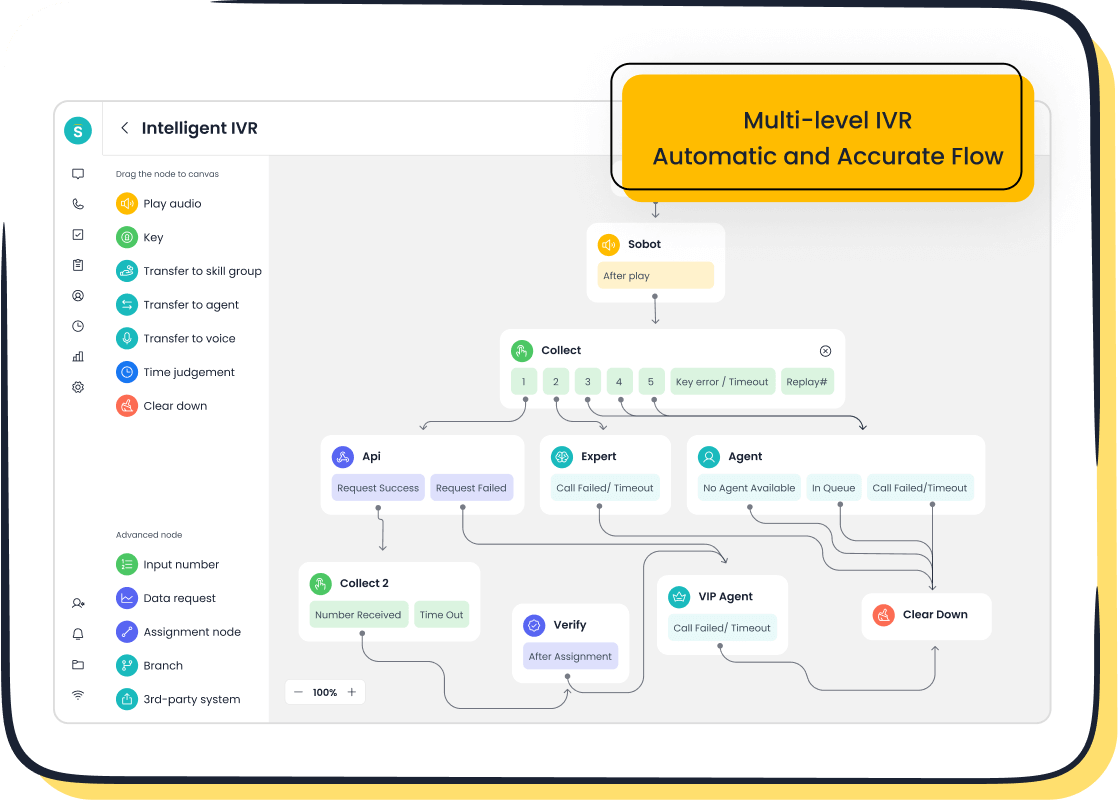
Data Collection and Analysis Methods
You collect feedback from a client satisfaction questionnaire to improve your AI agents. You use AI-driven analysis to turn unstructured responses into clear insights. Real-time customer experience management lets you act quickly when you see trends or issues. Sentiment analysis helps you understand how customers feel about their interactions. You can spot patterns and identify areas that need improvement.
- AI-driven analysis distills feedback into actionable insights.
- Real-time reporting gives you immediate access to customer opinions.
- Sentiment analysis transforms comments into meaningful data.
You gain the ability to assess client feelings quickly and make changes that enhance customer experience.
| Key Capabilities | Description |
|---|---|
| Contextualized, real-time insights | Links agent performance to user behavior and business outcomes. |
| Comprehensive AI Agent Analytics | Measures interaction and outcome metrics for business impact. |
| Identification of improvements | Highlights inefficiencies for targeted optimization. |
Turning Insights into Action
You use advanced analytics to transform feedback from your client satisfaction questionnaire into practical improvements. Predictive modeling helps you anticipate customer needs and adjust your offerings. Customizable dashboards let you visualize satisfaction data and make decisions faster.
| Best Practice | Description |
|---|---|
| Advanced Analytics | Reveals trends for strategic decisions. |
| Predictive Modeling | Enables proactive adjustments to services. |
| Customizable Dashboards | Enhances decision-making with intuitive visualizations. |
You act on these insights by updating scripts, refining workflows, and training AI agents. You see faster improvements in customer service and build trust with your clients.
Tip: Use real-time feedback to make immediate changes that boost satisfaction.
Sobot Case Study: Samsung’s Success
Samsung used Sobot’s feedback-driven solutions to improve its customer service. After collecting and analyzing responses, Samsung saw a 30% increase in customer satisfaction scores. The company gained immediate multi-channel response capabilities.
| Improvement Metric | Percentage Increase |
|---|---|
| Customer Satisfaction Scores | Over 30% |
| Response Capabilities | Immediate Multi-Channel |
You see how a client satisfaction questionnaire can drive real results. Samsung unified its communication channels and improved agent efficiency. You can achieve similar outcomes by using feedback to guide your AI agent development.
You see how a client satisfaction questionnaire shapes AI agent performance and improves customer experience. Sobot uses your feedback to drive continuous innovation. You can integrate questionnaires into your AI workflows by using real-time management and AI-driven analysis. Companies like Coca-Cola and Warby Parker show that prioritizing feedback leads to better outcomes.
| Evidence Type | Description |
|---|---|
| AI-Driven Analysis | Turns feedback into actionable insights, helping you anticipate client needs. |
| Real-Time Management | Lets you understand satisfaction quickly and make changes fast. |
| Competitive Advantage | Keeps your business aligned with customer expectations. |
Tip: Make client satisfaction questionnaires a core part of your contact strategy to stay ahead.
FAQ
What is a client satisfaction questionnaire?
A client satisfaction questionnaire is a survey you use to collect feedback from customers. You ask questions about their experience with your service or AI agents. This tool helps you measure satisfaction and find ways to improve your customer support.
How often should you send a client satisfaction questionnaire?
You should send a client satisfaction questionnaire after important interactions, such as support calls or chat sessions. Regular feedback helps you track changes over time and spot trends. Many companies send surveys after every major customer contact.
Why is a client satisfaction questionnaire important for AI agents?
A client satisfaction questionnaire gives you direct feedback on how well your AI agents perform. You use this information to improve scripts, update training data, and make your AI agents more helpful. This process leads to better customer experiences.
How can you improve response rates for your client satisfaction questionnaire?
Keep your client satisfaction questionnaire short and easy to understand. Use simple language and clear questions. Offer quick rating scales or yes/no options. You can also send surveys soon after the customer interaction for higher response rates.
Can you use a client satisfaction questionnaire with Sobot’s Voice/Call Center?
Yes, you can use a client satisfaction questionnaire with Sobot’s Voice/Call Center. The platform lets you collect feedback after calls. You can analyze results in real time and use insights to improve your AI agent performance and customer satisfaction.
See Also
Enhancing Efficiency With AI-Driven Customer Service Tools
Increasing Customer Satisfaction Through E-commerce Chatbots
Transforming Customer Support With AI Service Agents

