Choosing Your First Ecommerce AI Chatbot

Your ecommerce store likely loses sales after hours, where 40% of leads are generated. Your team also spends up to 70% of its time answering the same e-commerce questions. An ecommerce ai chatbot is your practical, 24/7 assistant that requires no technical skill. This guide provides a simple plan to choose and use your first chatbot. You can use a powerful ai chatbot from Sobot to support your e-commerce business. This chatbot transforms your ecommerce support.
Why Your Store Needs an Ecommerce AI Chatbot

A modern chatbot offers much more than a list of frequently asked questions. It acts as a smart sales and service agent for your ecommerce store. You can use this tool to create a better experience for every visitor and increase sales.
Go Beyond FAQs to Drive Sales
An effective e-commerce chatbot does more than answer questions. It creates a personalized shopping experience for each user. The chatbot uses AI to understand what a customer wants. It can then recommend the right products, just like a helpful store employee. This technology is a key reason the overall AI in e-commerce market is projected to grow at a compound annual growth rate of 25.5% through 2032. Platforms like Sobot use proactive messaging to increase sales, boosting conversion by up to 20%.
This proactive customer interaction turns your chatbot from a simple tool into a powerful sales assistant. It engages shoppers, guides them to purchase, and improves their overall experience.
This level of personalization helps you build a stronger connection with every customer. The chatbot learns from interactions to make your e-commerce business smarter and more profitable.
The Core Benefits: 24/7 Support and Fewer Abandoned Carts
You can improve customer service and cut costs significantly. An ecommerce ai chatbot provides instant service around the clock. This can save up to 50% on agent costs for your customer support team. Your customers get answers immediately, day or night, which builds trust and satisfaction. This excellent customer service helps your brand stand out.
This chatbot also helps you recover lost sales. Many customers leave items in their carts. An e-commerce chatbot can reduce cart abandonment by 20-30% by re-engaging the customer. It can offer help or a small discount to encourage them to complete their purchase. This simple step turns a lost opportunity into a completed sale, directly impacting your bottom line.
Choosing the Right Platform for Your Ecommerce Chatbot
Selecting the right chatbot platform is a critical step for your ecommerce business. The ideal choice will be easy to manage, connect with your existing tools, and improve your customer service. You should focus on three key areas to find a solution that drives sales and simplifies your workload.
Prioritize a No-Code, Point-and-Click Setup
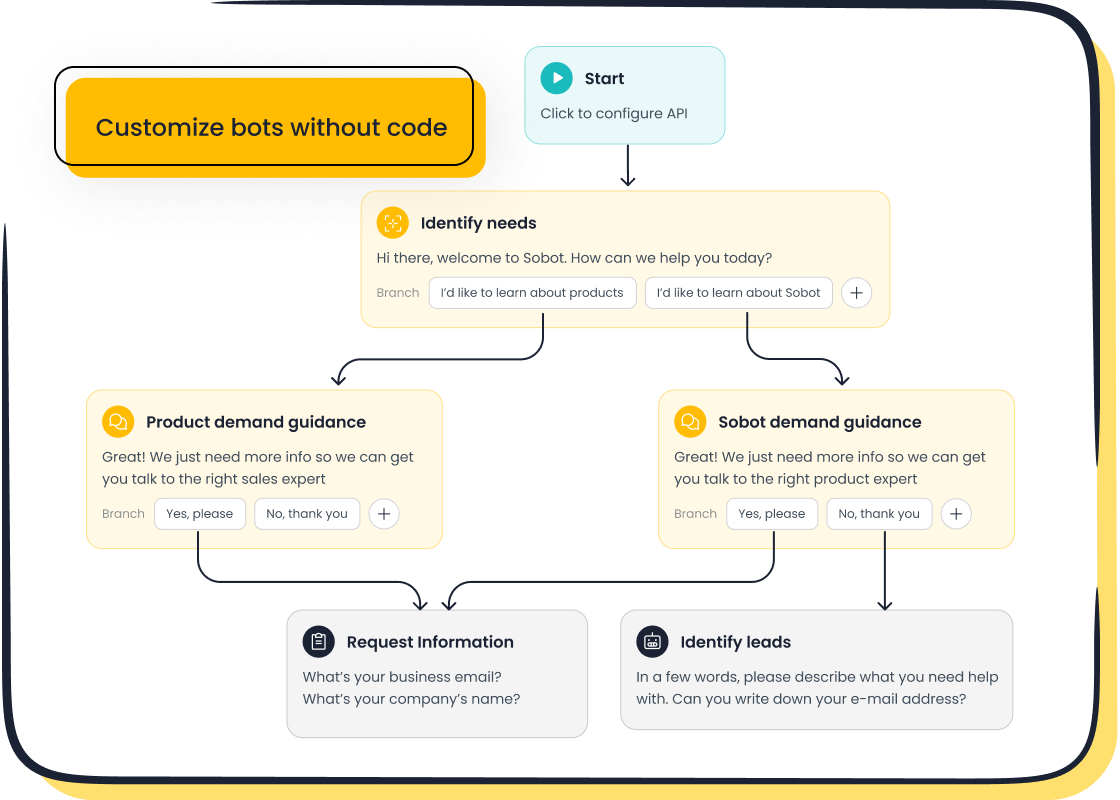
You do not need to be a programmer to build a powerful chatbot. Modern platforms empower you to design and launch a chatbot using simple visual tools. This accessibility is crucial for small business owners who wear many hats. You can create conversation flows, set up automated responses, and customize the chatbot's appearance without writing a single line of code.
Platforms like Sobot offer a no-code, point-and-click interface designed for beginners. This approach makes advanced automation accessible to everyone. You can build a sophisticated chatbot that handles customer queries from day one. Many chatbot builders provide similar user-friendly features.
| Chatbot Builder | User-Friendly Features |
|---|---|
| Chatfuel | Drag-and-drop visual editor, pre-built templates |
| Tidio | Simple visual chatbot builder, pre-made templates |
| Botpress | Drag-and-drop visual chatbot builder |
| ManyChat | No-code platform, easy-to-use visual chatbot builder |
| Chatbot | Intuitive interface, drag-and-drop visual bot builder |
Choosing a platform with these features ensures you can update and manage your e-commerce chatbot independently as your business grows.
Ensure Seamless Ecommerce Platform Integration
Your e-commerce chatbot must connect directly with your online store. This integration is essential for providing accurate, real-time information. Look for a chatbot platform that offers robust integrations with major ecommerce websites like Shopify and Amazon. This connection allows your chatbot to access order details, check inventory, and process returns automatically.
A deep integration creates a unified view of your customer. When all your tools communicate, you can deliver a truly personalized experience.
A unified customer view allows you to gain deeper insights into customer preferences, behaviors, and purchasing habits. This transforms fragmented interactions into a cohesive and personalized brand journey.
This seamless connection offers several benefits:
- Enhanced Personalization: You can provide targeted recommendations based on a customer's browsing history and past purchases.
- Improved Efficiency: Your agents get full context, leading to faster and more accurate resolutions.
- Seamless Transitions: Customers can switch between channels without repeating themselves, reducing frustration.
Platforms like Sobot offer strong integration capabilities, unifying data from your e-commerce store to create a single, comprehensive customer profile. This helps you make smarter, data-driven decisions that improve the entire shopping experience.
Look for a Hybrid Model: AI and Live Chat Handover
An ecommerce ai chatbot excels at handling common questions, but some situations require a human touch. The best systems combine the efficiency of AI with the empathy of a live agent. This hybrid model ensures that no customer query goes unresolved. The chatbot acts as the first line of support, answering routine questions 24/7.
When a conversation becomes too complex, the chatbot should seamlessly transfer the customer to a live agent. This handover must be smooth. The agent should receive the full chat history to understand the context immediately. This prevents the customer from having to repeat their issue. A quality hybrid system includes key features like:
- AI Workflow Management: Automatically routes queries to the right department or agent.
- AI-Based Agent Assist: Provides agents with real-time insights, customer history, and suggested responses.
- Human-Backed Support: Ensures trained representatives are available for complex issues that require critical thinking.
An all-in-one contact center solution like Sobot provides this complete ecosystem. It combines an intelligent chatbot with live chat, a ticketing system, and even a voice call center. This integration means your chatbot can answer a question, create a support ticket, or transfer to a live agent all within one platform. This creates a powerful and efficient customer service operation for your e-commerce business.
A Beginner's Guide to Implementing Your Chatbot
You have chosen a platform. Now you can begin the exciting part. This beginner's guide will walk you through setting up your chatbot for success. Implementation is not just about turning it on. You need to think about design, conversation, and the human element. A thoughtful setup turns your chatbot into a valuable asset for your ecommerce business.
Design and Placement for High Engagement
How your chatbot looks and where it appears greatly impacts customer engagement. You want the chatbot to be visible and inviting without disrupting the shopping experience. Strategic placement is your first step.
Most websites place the chat widget in the bottom-right corner. This location follows the natural reading pattern of users and avoids blocking important site content. You should also ensure the icon is "fixed," so it stays visible as customers scroll down the page. This is especially important on high-value pages like checkout or product pages where a customer might need immediate help.
Research shows that proactive chat invitations can increase engagement rates by 3-5 times compared to a passive chatbot. You meet customers at their exact moment of need instead of waiting for them to ask for help.
Once you decide on placement, you can focus on making the chatbot proactive. A proactive chatbot initiates conversations based on user behavior. You can set triggers for these interactions.
- Time on Page: Offer help after a visitor has been on a product page for 30 seconds.
- Scroll Depth: Trigger a message when a user scrolls 70% of the way down a long page.
- Exit Intent: Present a discount or offer assistance when a user's cursor moves to exit the browser window.
- Cart Actions: Engage a customer who has just added an item to their cart.
Your proactive messages should be clear and helpful. Use concise, action-oriented language that explains the value of interacting with your e-commerce chatbot.
| Message Strategy | Description |
|---|---|
| Be Relevant | Match your message to the page the user is on. Offer sizing help on a clothing page. |
| Keep It Short | Use clear, scannable language. Avoid jargon or overly promotional tones. |
| Provide Value | Explain how the chatbot can help, such as finding a product or tracking an order. |
By customizing the design and placement, you create an effective e-commerce chatbot that encourages interaction and helps guide customers.
Programming Your Ecommerce Chatbot for Conversions
You can develop an e-commerce chatbot that does more than answer questions; you can program it to increase sales. One of the most powerful ways to do this is by recovering abandoned carts. An abandoned cart recovery chatbot re-engages customers who leave items behind, turning a lost opportunity into a completed sale and boosting your conversion rate.
Your chatbot can use several strategies to bring these customers back:
- Send Personalized Reminders: The chatbot can send a timely message reminding the shopper about the items left in their cart.
- Offer Unique Discounts: You can program the bot to offer an exclusive discount code to incentivize the purchase.
- Answer Last-Minute Questions: The customer may have left because of a question about shipping or returns. The chatbot can provide instant answers to remove that friction.
- Create Urgency: Inform customers about low stock for an item in their cart to encourage immediate action.
Your chatbot's conversations are a goldmine of information. Reviewing chat transcripts helps you identify common points of friction on your ecommerce site. You can use these insights to fix underlying issues and improve the entire customer journey.
To make your recovery strategy even more effective, you can segment your customers. A chatbot can deliver different messages to new visitors versus loyal, returning customers. For example, you might offer a larger discount to a first-time buyer. This level of personalization makes the interaction feel more relevant and human. This approach helps you build a smarter e-commerce operation.
The Human Touch: When to Transfer to a Live Agent
Even the most advanced ecommerce ai chatbot cannot solve every problem. Knowing when to transfer a customer to a human agent is crucial for providing excellent service. A seamless handover prevents customer frustration and shows that you value their time. Your system should be programmed to recognize specific triggers for escalation.
A transfer to a live agent should happen automatically in several key situations:
- Explicit User Request: If a customer types "talk to an agent" or "I need a human," the chatbot should immediately offer a transfer.
- Signs of Frustration: Modern AI can detect angry or frustrated language. This is a clear signal to bring in a human agent.
- Complex Issues: When a query involves multiple issues, a sensitive topic like a billing dispute, or a technical problem outside the bot's knowledge base, it should escalate.
- Repeated Failure: If the chatbot fails to understand a query after two or three attempts, it should not keep trying. It should offer to connect the user with someone who can help.
This human-machine cooperation is a hallmark of a successful support strategy. The chatbot handles the high volume of routine questions, which frees up your human agents to focus on complex issues that require empathy and critical thinking.
The smart device innovator OPPO provides a powerful example. By implementing Sobot's chatbot for human-machine cooperation, OPPO achieved an 83% chatbot resolution rate and a 94% positive feedback rate. This strategy freed up their agents for complex problems and led to a 57% increase in their repurchase rate.
This hybrid model gives you the best of both worlds: the 24/7 efficiency of a chatbot and the expert touch of your human team. It ensures every customer gets the right level of support exactly when they need it.
Measuring Success and Optimizing Your AI Chatbot
Launching your chatbot is just the beginning. You must measure its performance to ensure it helps your business grow. Tracking the right data allows you to optimize your e-commerce chatbot and improve the customer experience.
Key Metrics for Your E-commerce Chatbot
You need to track a few key numbers to understand your chatbot's performance. These metrics show you what is working and where you can improve.
- Resolution Rate: This measures how many conversations your chatbot resolves without needing a human agent. A strong e-commerce chatbot should have a resolution rate between 70% and 90%.
- Customer Satisfaction (CSAT): You can measure this by asking for feedback after a chat. A simple 1-5 scale helps you calculate a CSAT score. This tells you how happy customers are with the service.
- Conversion Rate: This is the percentage of chatbot chats that lead to a sale. If your chatbot talks to 1,000 visitors and 150 make a purchase, your conversion rate is 15%. This metric directly links your chatbot to revenue.
Tracking these numbers helps you see the real value your chatbot brings to your ecommerce store.
Using Analytics to Understand Customer Needs
Your chatbot conversations are a source of valuable customer insights. You can analyze these chats to understand common problems and questions. Modern platforms use Natural Language Processing (NLP) tools to find patterns in what your customers say. This helps you identify their goals and any points of frustration.
By reviewing chat logs, you can discover what information is missing from your product pages or where your website is confusing. You can use these insights to make targeted improvements that benefit every visitor.
This data-driven approach helps you fix underlying issues on your ecommerce site. You can use what you learn to enhance your products, refine your marketing, and improve the overall shopping experience.
Leveraging Omnichannel Support for a Holistic View
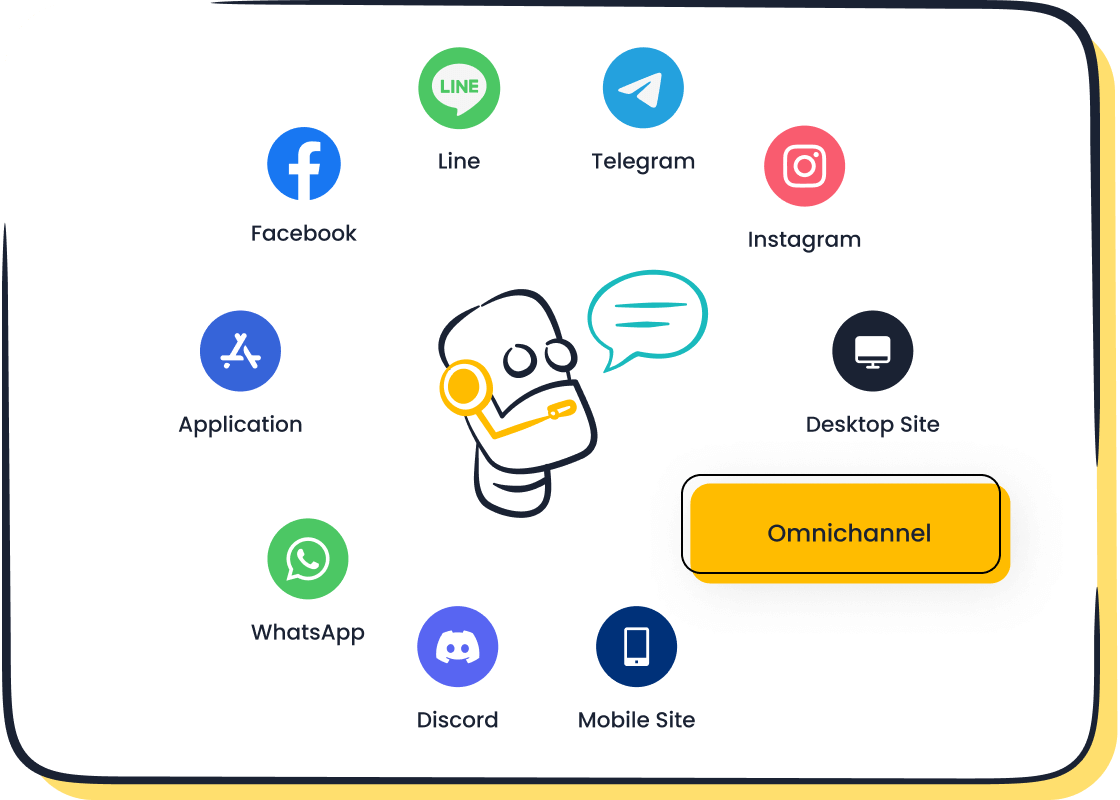
Your chatbot works best as part of a larger customer service strategy. Omnichannel support connects all your communication channels, like chat, email, and social media. This creates a single, unified view of every customer interaction. When a customer moves from your chatbot to a live agent, their conversation history moves with them. They never have to repeat themselves. This seamless experience reduces frustration and builds trust. Integrating your chatbot across all platforms ensures a consistent and high-quality service, no matter how a customer chooses to contact you.
You now have a clear path to launching your first ecommerce ai chatbot. This journey involves three simple steps.
- Select a user-friendly chatbot platform like Sobot that integrates with your store.
- Implement your e-commerce chatbot with a focus on driving sales through smart conversations.
- Always provide a smooth handover from the chatbot to a human agent for complex issues.
You have the knowledge to improve customer service and grow your business. An effective e-commerce chatbot is a powerful tool. You can use this ecommerce chatbot to see immediate performance improvements.
FAQ
How long does it take to set up an e-commerce chatbot?
You can launch a basic chatbot in just a few hours. Platforms like Sobot use a point-and-click interface, so you do not need coding skills. You can build conversation flows and connect the bot to your ecommerce store quickly.
Can a chatbot speak multiple languages?
Yes, many modern chatbots offer multilingual support. This feature is essential for reaching a global customer base. A chatbot can automatically detect a customer's language and provide service in their native tongue, creating a better user experience.
How can a chatbot improve customer service?
A chatbot provides instant, 24/7 support for your customers. It answers common questions immediately, which reduces wait times. This allows your human team to focus on complex problems. This level of responsive service helps you improve customer service and build loyalty.
See Also
Selecting the Ideal Chatbot Software: A Comprehensive Guide for Businesses
Effortlessly Deploying Website Chatbot Examples: A Simple Implementation Guide
Building Your Website Chatbot: Simple Steps for Easy Creation
Integrating a Chatbot onto Your Website: Quick and Simple Steps
Seamlessly Incorporating a Chatbot on Your Website with Ease

