Choosing Customer Communication Tools A Guide

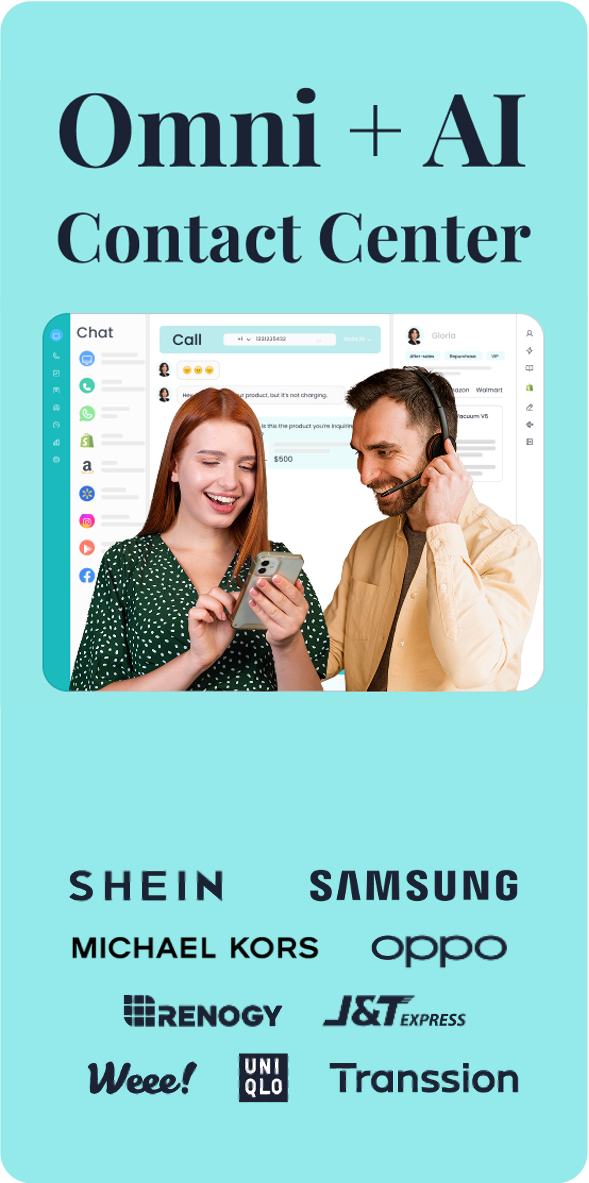
The market for customer communication software is growing fast, with projections showing an increase from $2.28 billion to $4.80 billion by 2030. This growth brings many choices. Are you struggling to manage communications and connect with your customers effectively? Improving the customer experience requires the right customer communication tools. This guide provides a clear framework. It helps you choose the perfect customer communication software for your business, whether you need a Sobot call center for voice communications or Sobot AI for automated communications. Sobot helps unify all your communications.
What Are Customer Communication Tools?

You need the right tools to build strong relationships with your customers. Customer communication tools are applications that help you manage all conversations with your audience. These tools centralize your customer interactions in one place. This makes your team more efficient and your customer experience seamless.
Defining Customer Communication Software
Customer communication software is a digital platform that businesses use to talk with customers. This software can manage emails, phone calls, live chat, and social media messages. Good customer communication software helps you organize these conversations. It ensures you respond quickly and effectively. Using the right customer communication software is a key part of your business strategy.
The Impact on Customer Experience
A positive customer experience is vital for growth. When you use effective customer communication software, you improve every interaction. A great customer service experience makes 91% of customers more likely to make another purchase. This shows how a better customer experience directly boosts your sales. Your goal is to create a smooth and helpful customer experience at every touchpoint. A strong customer experience builds loyalty. The right customer support software helps you deliver that consistently.
How the Right Tools Drive Business Growth
The right customer communication software does more than just manage messages; it fuels your growth. For example, Amazon uses proactive communications to update customers on shipping, which builds trust. This approach is part of a larger digital transformation. When you improve customer engagement, you increase loyalty and sales. Your customer support software is an investment in a better customer experience and a stronger business. This digital transformation helps you meet modern customer expectations.
Understanding Customer Communication Management (CCM)
Customer Communications Management (CCM) is a complete strategy. It is not just about the software you use. CCM focuses on improving all your outbound communications. Industry analysts define CCM as a way to enhance how you create and send messages.
CCM is the strategy to improve the creation, delivery,storage, and retrieval of outbound communications. This includes communications for marketing, new product introductions, and renewal notifications.
A solid CCM plan uses customer communication software to deliver personalized digital customer communications. Your CCM strategy should integrate with your cloud contact center. This creates a unified system for all digital communications. Effective CCM helps your cloud contact center manage all communications efficiently. Good CCM is essential for modern business communications. Your CCM plan should leverage cloud technology for better scalability. A cloud contact center powered by a strong CCM strategy transforms your communications.
Step 1: Assess Your Business Needs
Choosing the right tool begins with a deep look at your business. You must understand your unique needs before you can find the perfect solution. This first step sets the foundation for your entire customer communication strategy. A clear assessment of your communications needs will guide your digital transformation.
Identify Your Primary Channels
First, you need to know where your customers talk to you. Do they prefer phone calls, emails, social media, or live chat? Your customer communication strategy should meet them on their favorite channels. A modern approach uses omnichannel communications. This unifies all your digital communications into one system. For example, an omnichannel solution like Sobot's combines voice, email, and chat. This creates a seamless customer experience.
Different industries also have unique needs.
- Retail businesses may need strong social media and chat support for quick questions.
- Finance companies require secure email and voice communications for sensitive data.
- Gaming platforms often need fast, real-time chat to help players with in-game issues.
Understanding these channels is key to your Customer Communications Management (CCM) plan. Your CCM plan should support all these communications.
Consider Your Team Size and Goals
Your team's size directly impacts your software choice. A small team might use a shared inbox for a low volume of emails. However, this can cause problems as you grow. Agents might answer the same question, creating a poor customer experience.
A larger team needs a true help desk system. This type of customer support software assigns tickets to specific agents. It prevents confusion and ensures every customer gets help. Your choice of customer communication software depends on your team's size and goals. Your CCM plan must account for team growth and future communications needs. A good CCM strategy supports your team's workflow.
Evaluate Your Current Tech Stack
Your new tool must work with your existing software. Adding a new tool can create problems if it does not integrate well. One common issue is the "data silo trap." This happens when your teams and tools do not communicate. It creates isolated processes even if the software is connected. Your CCM plan should align your processes before you integrate new tools. A strong CCM strategy ensures your cloud contact center works with your other systems. This makes your digital communications more effective. A good cloud platform enhances your CCM. The goal is to choose customer communication software that fits smoothly into your current cloud setup. This improves your overall communications.
Define Your Security and Compliance Needs
Protecting customer data is not optional. Your customer communication tools must follow important security rules. You need to understand your obligations. Key regulations include:
- GDPR (General Data Protection Regulation): This EU law sets strict rules for handling the personal data of EU citizens.
- CCPA (California Consumer Privacy Act): This law gives California residents rights over their personal information.
Frameworks like ISO 27701 help you manage privacy risks and show you are committed to data protection. Your Customer Communications Management (CCM) must prioritize security. Your contact center handles sensitive communications, so your customer support software must be secure. A secure cloud contact center is essential for your CCM. Your CCM plan must address these security needs to build trust with customers. Your CCM ensures all communications are secure.
Step 2: Key Features of Customer Support Software
After assessing your business needs, the next step is to identify the specific capabilities that will empower your team. The right customer support software is more than just a messaging tool; it's a complete system designed to enhance every customer interaction. Understanding the key features available helps you make an informed decision that aligns with your Customer Communications Management (CCM) strategy.
Core Functionality: A Unified Workspace
Imagine a central command center for your support agents. A unified workspace provides this by bringing all your tools and customer information into a single interface. This eliminates the need for agents to constantly switch between different applications to find what they need. It simplifies their daily workflow and gives them a complete, real-time view of every customer interaction.
This integrated environment is one of the most important, must-have features for modern teams. It directly boosts agent productivity and improves the customer experience. When agents have all the context they need in one place, they can resolve issues much faster.
Key benefits of a unified workspace include:
- Reduced Average Handle Time (AHT): Agents spend less time searching for information and more time solving problems.
- Improved First-Contact Resolution (FCR): Access to a customer's full history and a centralized knowledge base empowers agents to provide accurate solutions on the first try.
- Empowered Agents: Giving your team the right tools increases their confidence and job satisfaction, leading to better performance.
A comprehensive solution like Sobot’s Live Chat provides a perfect example. It unifies your inbox, tickets, and messages from all digital channels into one AI-enhanced workspace. This approach to customer communications management ensures your team can handle all inquiries efficiently without toggling between screens, creating a seamless flow for all communications.
The Power of Omnichannel Support
Your customers expect to connect with you on their preferred channels, whether it's email, social media, or live chat. A common mistake is confusing a multichannel approach with an omnichannel one. While both involve using multiple channels, their impact on the customer experience is vastly different. Your CCM plan should aim for a true omnichannel experience.
| Feature | Multichannel Support | Omnichannel Support |
|---|---|---|
| Channel Integration | Channels operate separately in silos. | Channels are fully integrated and connected. |
| Customer Experience | The customer has to repeat information when switching channels. | The conversation is seamless, and context follows the customer from one channel to another. |
| Business Focus | The focus is on being available on many channels. | The focus is on creating a single, unified customer journey. |
An omnichannel contact center connects all your digital touchpoints. This means a customer can start a conversation on Twitter, continue it over email, and finish it on a phone call without your agent losing any context. This level of multi-channel integration is crucial for building a strong Customer Communications Management (CCM) framework.
To deliver this, your customer communication software must support key platforms. For example, Sobot is an official WhatsApp Business Solution Provider (BSP), allowing you to manage WhatsApp communications alongside other channels. True omnichannel communications create a consistent and personalized experience that builds customer loyalty. This is a cornerstone of a successful digital transformation.
Automation with AI-Powered Voicebots and Chatbots
As your business grows, so does the volume of customer inquiries. Manually handling every request is inefficient and costly. This is where automation becomes a game-changer. AI-powered chatbots and voicebots can manage a significant portion of customer interactions, freeing your human agents to focus on more complex issues. In fact, by 2025, AI is projected to manage 95% of all customer interactions.
AI-powered chatbots are already capable of resolving up to 86% of customer inquiries without requiring any human intervention. This makes them one of the key features for any modern contact center.
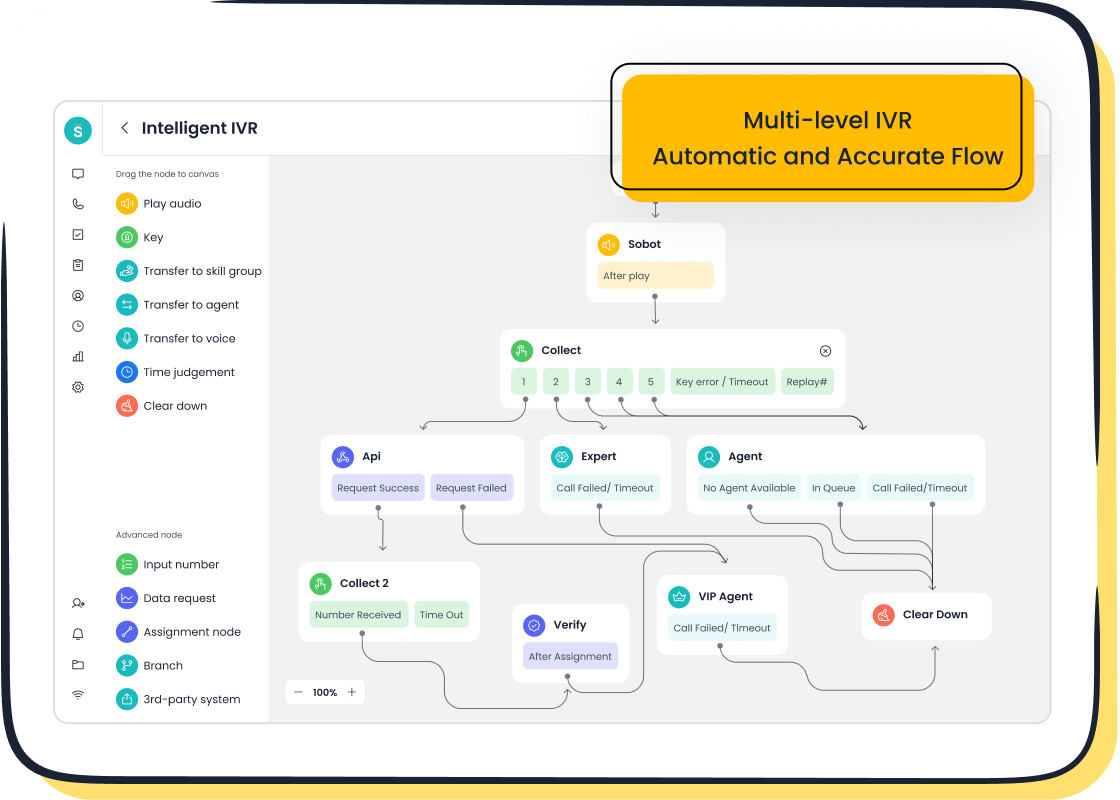
A robust customer support software solution will include intelligent automation tools. For instance, Sobot’s AI-powered Chatbot is ChatGPT-enabled and multilingual, offering 24/7 self-service options to your customers. For voice communications, an intelligent IVR can transform your contact center. Instead of frustrating phone menus, conversational AI uses Natural Language Processing (NLP) to understand a caller's needs and provide immediate answers or route them to the right agent.
Here’s how AI-powered tools improve your operations:
- Automate Responses: Handle common questions instantly, reducing call and chat volume.
- Scale Operations: Manage more inquiries without increasing your headcount, offering a flexible and cost-effective cloud solution.
- Boost Agent Efficiency: Provide agents with fast, accurate solutions and guide them through complex issues, improving key metrics.
By integrating these tools, your CCM strategy becomes more powerful. You can deliver faster support, reduce operational costs, and provide a better customer experience around the clock. This is what a modern, cloud-based contact center should deliver.
Advanced Analytics and Reporting
You cannot improve what you do not measure. Advanced analytics and reporting are essential features of any top-tier customer support software. These tools go beyond simply counting tickets; they provide deep insights into your team's performance, customer satisfaction, and emerging trends. A strong CCM plan relies on data to drive continuous improvement in all communications.
Your customer communication software should provide a dashboard that tracks key performance indicators (KPIs) in real-time. This allows you to monitor the health of your support operations at a glance.
Pro Tip: Look for a platform that lets you build custom reports. This will help you connect support data to broader business goals and prove the value of your customer service team.
Some of the most important KPIs to track include:
- Average Handle Time (AHT): The average time an agent spends on an interaction.
- SLA Compliance: Whether your team is meeting its service level agreements.
- Customer Effort Score (CES): How easy it is for customers to get their issues resolved.
- Agent Utilization: How effectively agents are using their time.
- Resolution Feedback: Direct feedback from customers on how well their issue was handled.
By analyzing this data over time, you can identify patterns. For example, a spike in tickets related to a specific product feature could signal a bug or a need for better documentation. This is a core function of Customer Communications Management (CCM). A cloud contact center with strong reporting helps you turn raw data into actionable insights, allowing you to proactively address problems and refine your communications strategy. This makes your digital communications and overall CCM more effective. Choosing a customer communication software with these key customer communication software features ensures your cloud-based solution supports long-term growth.
Step 3: Evaluating and Choosing Your Tool

You have assessed your needs and identified key features. Now it is time to make your final choice. This step involves comparing your top options to find the best fit for your business. A careful evaluation ensures your new tool supports your long-term goals. This process is a vital part of your Customer Communications Management (CCM) strategy. It guarantees your investment in digital communications pays off.
Comparing Pricing and Total Cost
The price tag on a software solution is just the beginning. You must look beyond the monthly fee to understand the total cost of ownership. A strong Customer Communications Management (CCM) plan requires a clear budget. This helps you avoid surprise expenses down the line.
First, you need to understand the common pricing models.
- Per-User Pricing: You pay based on the number of agents using the software. Some companies charge for every user account, while others only bill for active users each month.
- Per-Feature Pricing: This model ties cost to the features you unlock. You might start with a basic plan and upgrade to access more advanced tools as your business grows.
Note: The advertised price is rarely the final price. You must account for hidden costs to get a true picture of your investment. A complete financial assessment is a key part of your CCM.
Consider these additional expenses that contribute to the total cost:
- Setup and Implementation: This includes initial system configuration, data migration from old systems, and any fees for professional services.
- Training Costs: Your team needs time and resources to learn the new system. Budget for formal training sessions to ensure everyone can use the tool effectively.
- Integration Fees: Connecting the new software to your existing tech stack, like your CRM, might involve custom development or extra charges.
- Ongoing Maintenance: This covers version updates, security patches, and any support costs for troubleshooting issues.
A comprehensive CCM strategy involves planning for all these costs. This ensures your digital communications platform is sustainable. Your goal is to find a tool that provides maximum value for your budget.
Checking for Scalability and Reliability
Your business will not stand still, and your tools should not hold you back. Scalability is the ability of a platform to grow with you. It means you can add more users, handle more communications, and adopt new features without a major overhaul. A scalable cloud platform allows you to adapt quickly. This supports a 40% faster time-to-market for new projects. Your CCM plan must prioritize scalability to future-proof your operations.
Reliability is just as important. Your customers expect you to be available when they need help. System downtime can damage your reputation and lead to lost revenue. The industry standard for reliability is measured by a Service Level Agreement (SLA), which guarantees a certain percentage of uptime.
| Industry | Typical Uptime Target |
|---|---|
| SaaS Providers | 99.95% to 99.99% |
| Financial Services | 99.99% to 99.999% |
| Healthcare | 99.99%+ for critical systems |
A 99.9% uptime might sound good, but it equals over 43 minutes of downtime per month. In contrast, a 99.99% uptime means less than 5 minutes of downtime.
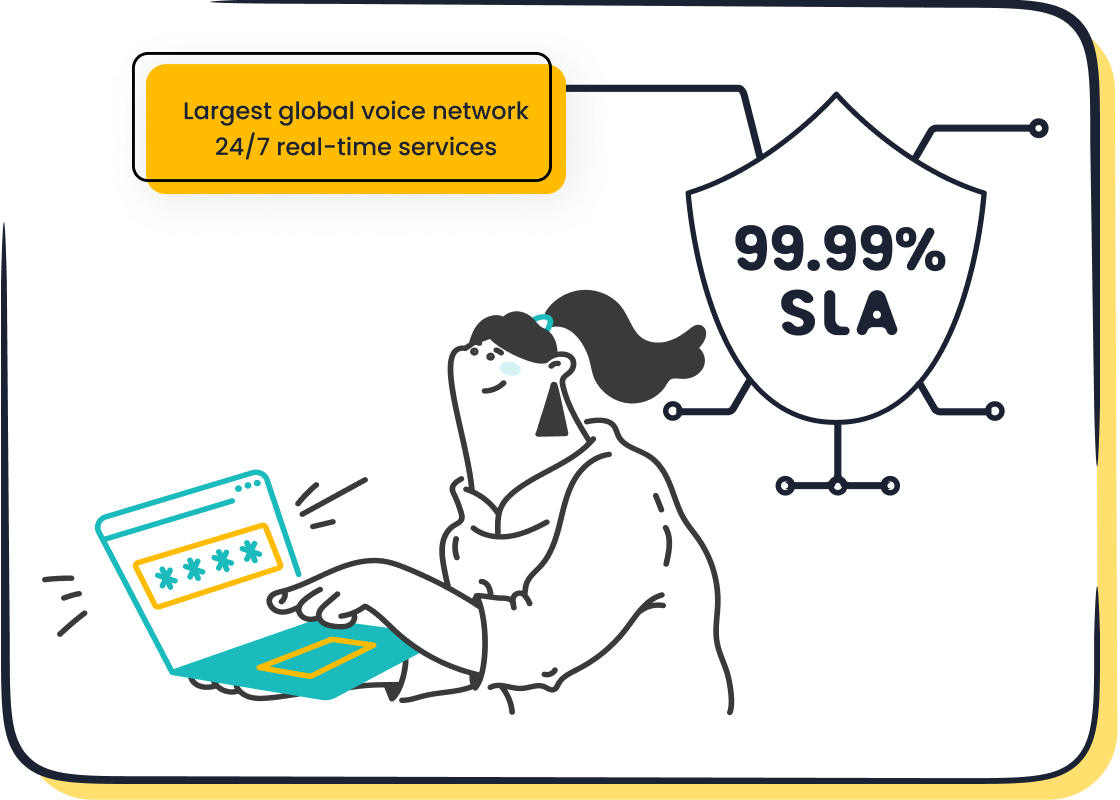
When evaluating a contact center solution, look for providers that offer a high uptime guarantee. For example, Sobot guarantees a 99.99% uptime SLA, supported by a global cloud network with a presence in 93 cities. This level of reliability ensures your communications channels are always open. A robust CCM strategy depends on a stable and scalable cloud contact center.
Verifying Key Integration Capabilities
Your customer communication software does not work in a vacuum. It must connect seamlessly with the other tools you use every day. This is where integrations become critical. A well-integrated tech stack eliminates data silos and creates a single source of truth for all customer information. This is a core principle of effective Customer Communications Management (CCM).
The most important integration for any contact center is with a Customer Relationship Management (CRM) system. CRM integration allows your agents to see a customer's full history—past purchases, previous support tickets, and contact details—all within their workspace. This context is essential for providing a personalized customer experience.
Other critical integrations include:
- E-commerce Platforms: Connect your support tool to platforms like Shopify to view order details and process returns or exchanges directly.
- Live Chat and Feedback Systems: These tools provide real-time support and help you gather valuable user reviews and insights.
- Email Marketing Tools: Sync customer data to send targeted and personalized marketing communications.
- Analytics Platforms: Combine support data with other business metrics for a holistic view of performance.
Furthermore, in today's global market, integration with popular messaging apps is non-negotiable. With over 3 billion users, WhatsApp is a primary channel for digital communications worldwide. Integrating it into your contact center allows you to meet customers on their preferred platform. This is a key part of a modern CCM. Sobot, as an official WhatsApp Business Solution Provider (BSP), enables you to manage these conversations alongside all other communications, ensuring a truly unified customer experience. Your CCM plan must account for these key digital integrations.
The Sobot Solution: A Case Study in Success
Theory is helpful, but results speak for themselves. Let's look at how a powerful, all-in-one solution can transform a business. Opay, a leading financial services platform, faced a major challenge. They needed to manage a high volume of customer inquiries across social media, email, and voice channels. Their fragmented approach was inefficient and hurt the customer experience.
Opay partnered with Sobot to implement an omnichannel customer support software solution. This single platform unified all their digital communications channels.
- The email ticketing system organized customer emails into manageable tickets.
- An intelligent IVR system helped customers find answers themselves, reducing the load on agents.
- WhatsApp Business integration allowed Opay to send targeted marketing messages with high engagement.
The results were transformative.
- 📈 Customer Satisfaction (CSAT) soared from 60% to 90%.
- 💰 Overall costs were reduced by over 20%.
- 🚀 Conversion rates increased by 17%.
This case study shows the power of a well-executed CCM strategy. By choosing a scalable and integrated cloud contact center, Opay dramatically improved its communications and business outcomes. They turned a confusing web of channels into a streamlined system that delighted their customers. This success story highlights what is possible when you choose the right customer communication software. It proves that a strong CCM framework, powered by the right cloud technology, is the key to unlocking exceptional growth and a better customer experience. You can find similar success by carefully evaluating your options and reading user reviews and other reviews to make an informed decision.
You now have a clear path to follow. You learned to Assess your needs, Identify key features, and Evaluate your options. The best customer communication software is not the one with the most features. It is the one that fits your unique business, team, and customers. This guide provides a solid customer communication strategy. You can now choose the right customer communication tools to improve your communications. Embark on your contact journey with confidence.
FAQ
What is the first step in choosing a tool?
You should first assess your business needs. A good Customer Communications Management (CCM) plan starts here. Understand your primary communications channels. Your CCM must support these communications. A solid CCM strategy uses a cloud platform. This CCM approach improves all your cloud communications. Your CCM guides your choice.
Why is a unified workspace important?
A unified workspace brings all your tools and customer data into one place. This single cloud view boosts agent productivity. It improves your communications. Your CCM should prioritize this feature. A good CCM makes your contact center more efficient. This cloud solution simplifies your team's communications.
How does a cloud contact center help my business grow?
A cloud contact center is scalable. It grows with your business. This cloud solution supports your CCM strategy. It handles more communications as you expand. Your CCM plan needs a flexible cloud platform. This cloud approach ensures your communications can scale. A good contact center supports your CCM.
What is the role of CCM in security?
Your CCM plan must prioritize data security. A strong CCM protects all customer communications. It ensures your cloud platform follows privacy laws like GDPR. Your CCM strategy must secure all cloud communications. This CCM focus builds trust. Your cloud communications need a secure CCM framework.
See Also
Selecting the Ideal Social Media Customer Service Software: 10 Essential Tips
Your Comprehensive Guide to Selecting the Optimal Chatbot Software Solutions
Discovering the Premier Chat Software for Your Business Needs in 2024
A Comparative Review of Leading Voice of Customer Software Platforms
Navigating the Best Omnichannel Call Center Software for Enhanced Service