Maximize Productivity in Small Business Call Centers


Call centers play a vital role in helping small businesses grow and keep customers happy. Did you know 77% of customers expect instant interaction when they call? Plus, 95% of satisfied customers are more likely to buy again. But managing a call center comes with challenges. Long wait times and rising expectations can hurt customer satisfaction. That’s where tools like Sobot’s Voice/Call Center come in handy. This call center solution for small business streamlines communication, boosts efficiency, and ensures every customer feels valued.
Understand Key Metrics for Call Center Optimization
Defining Key Performance Indicators (KPIs) for Small Businesses
When it comes to call center optimization, understanding key performance indicators (KPIs) is essential. These metrics help you measure how well your call center is performing and identify areas for improvement. For small businesses, focusing on the right KPIs can make all the difference in delivering excellent customer service.
Here’s a quick look at some of the most impactful KPIs for small business call centers:
| Metric | Description |
|---|---|
| First Call Resolution (FCR) | Measures the percentage of calls resolved on the first contact. |
| Net Promoter Score (NPS) | Gauges customer loyalty and satisfaction based on their likelihood to recommend. |
| Customer Satisfaction (CSAT) | Assesses customer satisfaction with the service received. |
| Service Levels | Indicates the percentage of calls answered within a specific time frame. |
| Occupancy | Reflects the amount of time agents spend handling calls versus being idle. |
| Call Handling Times | Measures the average duration of calls, impacting efficiency and customer experience. |
By tracking these KPIs, you can gain real-time analytics into your call center’s performance and make data-driven decisions to enhance customer satisfaction.
Importance of Metrics like First Call Resolution and Average Handle Time
Metrics like First Call Resolution (FCR) and Average Handle Time (AHT) are game-changers for customer service. FCR shows how often you resolve customer issues on the first call. A higher FCR means happier customers and lower costs. Did you know that a 1% improvement in FCR can reduce operating costs by 1% and increase customer satisfaction by the same percentage? It even boosts employee satisfaction by 2.5%.
On the other hand, AHT measures the average time your agents spend on calls, including talk time, hold time, and post-call tasks. Keeping AHT low without sacrificing quality ensures your team handles more calls efficiently, improving overall service levels.
High FCR is a leading predictor of customer satisfaction, retention, and referrals. It’s a metric you can’t afford to ignore.
Setting Achievable Goals to Improve Customer Service
Setting clear goals is the foundation of effective call center optimization. Start by identifying what matters most to your customers. For example, 77% of business leaders agree that personalized support increases customer retention. Use this insight to set realistic targets, like reducing hold times or improving FCR by a specific percentage.
Remember, goals should be measurable and aligned with your KPIs. For instance, aim to answer 90% of calls within 30 seconds or achieve an 85% FCR rate. These targets not only improve customer service but also motivate your team to perform better.
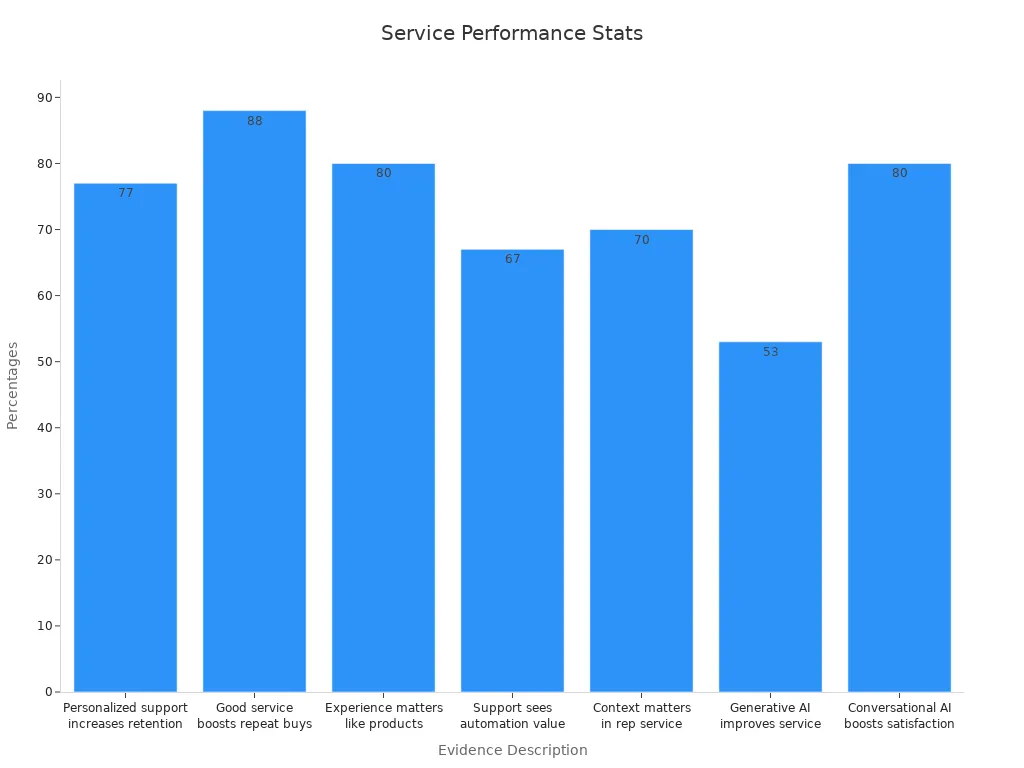
By focusing on these metrics and setting achievable goals, you’ll create a call center that delivers exceptional customer experiences every time.
Leverage Technology for Enhanced Efficiency

Benefits of Using Sobot's Voice/Call Center Solution for Small Businesses

Technology has revolutionized the way small businesses manage their call centers. Sobot's Voice/Call Center solution is a prime example of how the right tools can transform operations. This call center solution for small business offers features that streamline processes and improve customer experience.
Here’s how Sobot’s solution makes a difference:
- Enhanced Efficiency: With intelligent IVR and smart call routing, calls are directed to the right agents instantly. This reduces wait times and ensures faster resolutions.
- Unified Workspace: Agents can access all customer information in one place, making interactions smoother and more personalized.
- Real-Time Monitoring: Managers can track performance metrics like First Call Resolution and Average Handle Time, enabling quick adjustments to improve service quality.
- Global Reach: Sobot provides access to phone numbers worldwide, ensuring seamless support for international customers.
- AI-Powered Voicebot: This feature handles repetitive queries, allowing agents to focus on complex issues.
The numbers speak for themselves. Businesses using Sobot’s tools have seen a 20% reduction in inbound discussions, a 96% increase in positive feedback, and a 95% customer satisfaction rate. These results highlight how Sobot’s call center solution for small business drives efficiency and enhances the overall customer experience.
Role of AI and Automation in Call Center Optimization
Artificial intelligence (AI) and automation are game-changers for call centers. They simplify operations, reduce costs, and improve customer support. With AI, you can offer 24/7 assistance, meeting the growing demand for instant responses. In fact, 80% of customers expect immediate answers to their inquiries.
Here’s how AI and automation tools optimize call center performance:
- Smart Call Routing: AI ensures customers connect with the right agents, reducing wait times and increasing First Call Resolution rates by up to 20%.
- Predictive Analytics: AI analyzes historical data to forecast call volumes, helping you schedule agents effectively during peak times.
- Self-Service Options: Chatbots powered by AI resolve common questions, freeing up agents for more complex tasks. Did you know 69% of consumers prefer chatbots for quick answers?
- Improved Accuracy: Automation tools enhance response accuracy, boosting customer satisfaction and loyalty.
Sobot’s Voice/Call Center solution integrates AI seamlessly. Its AI-powered Voicebot not only recognizes customer intent but also provides accurate answers, improving the problem resolution rate to 85%. By leveraging automation, you can focus on delivering exceptional customer experiences while keeping operational costs low.
Advantages of Cloud-Based Call Center Solutions for Scalability
Scalability is crucial for small businesses aiming to grow. Cloud-based call center solutions, like Sobot’s, offer unmatched flexibility to adapt to changing demands. Whether you need to add agents during peak seasons or scale back during quieter periods, cloud technology makes it easy.
Here’s why cloud-based solutions are a smart choice:
- Quick Scaling: Add new agents or expand service hours with just a few clicks.
- Cost Efficiency: Pay only for what you use, reducing unnecessary expenses.
- Global Accessibility: Support teams can work from anywhere, ensuring uninterrupted service.
- Seamless Integration: Easily connect with existing systems like CRM platforms for a unified workflow.
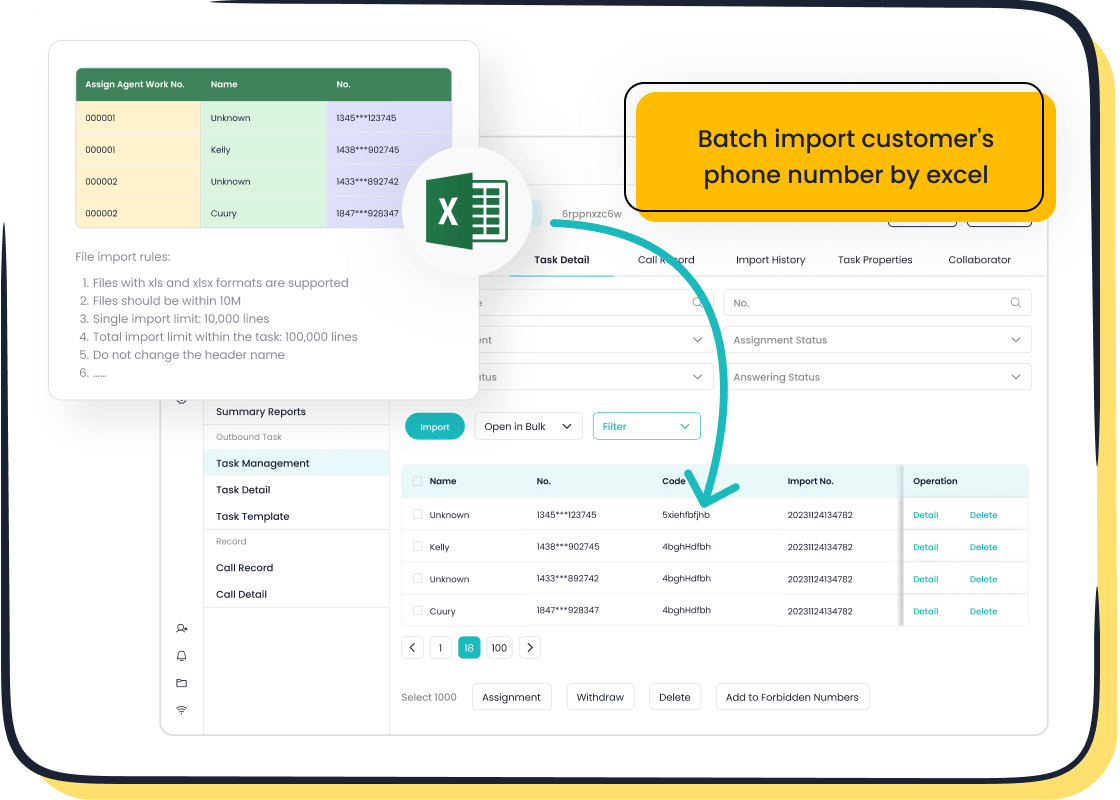
Sobot’s cloud-based call center solution takes scalability to the next level. With a 99.99% system uptime and global network support, you can confidently expand your operations without worrying about downtime. During peak times, you can quickly onboard additional agents to handle increased call volumes. Conversely, you can scale back during off-peak periods to save costs. This flexibility allows you to focus on growth while maintaining high levels of efficiency and customer satisfaction.
Cloud-based solutions empower small businesses to grow without limits. They provide the tools you need to adapt, thrive, and deliver exceptional customer experiences.
Focus on Employee Training and Engagement
Implementing Ongoing Training Programs for Skill Development
Training is the backbone of a successful call center. When you invest in ongoing training, your agents gain the skills they need to handle calls efficiently and deliver exceptional service. Did you know that 60% of failed first-call resolutions happen because agents lack the right tools or knowledge? This highlights why training in both technical and interpersonal skills is so important.
Focus on programs that improve key metrics like First Call Resolution (FCR) and Average Handle Time (AHT). For example, reducing AHT shows your agents are becoming more efficient, while higher FCR rates reflect better problem-solving skills. Here’s a quick look at how training impacts performance:
| Performance Metric | Description | Impact on Skill Development |
|---|---|---|
| Average Handle Time (AHT) | Measures the average duration of calls. | Lower AHT means agents handle calls faster. |
| First Call Resolution (FCR) | Percentage of calls resolved on the first try. | Higher FCR shows improved knowledge and skills. |
| Customer Satisfaction (CSAT) | Reflects customer satisfaction post-interaction. | Higher CSAT indicates better communication. |
By prioritizing ongoing training, you’ll see improvements in these areas, leading to happier customers and a more confident team.
Strategies to Reduce Burnout and Improve Retention
Burnout is a common challenge in call centers, but you can tackle it with the right strategies. Start by creating a positive work environment where your team feels supported. Offering competitive pay and career growth opportunities also makes a big difference. Employees who see a clear path for advancement are more likely to stay.
Work-life balance is another key factor. Flexible schedules and policies that respect personal time help reduce stress. Management support is equally important. When your team knows they can rely on you, they feel more valued and engaged. Here are some proven strategies:
- Offer salaries and benefits that meet industry standards.
- Provide training and development opportunities to boost job satisfaction.
- Foster a supportive workplace to improve morale.
- Implement policies that promote work-life balance.
These steps not only reduce burnout but also improve retention, saving you the cost of hiring and training new agents.
Encouraging Collaboration and Teamwork Among Agents
Teamwork is essential for a productive call center. When your agents collaborate effectively, they share knowledge, solve problems faster, and create a sense of community. In fact, 54% of employees say they feel more connected when teamwork is encouraged.
Collaboration also boosts productivity by streamlining workflows and eliminating redundant tasks. Encourage your team to work together by organizing regular brainstorming sessions or team-building activities. These initiatives foster innovation and help agents feel more engaged. Here’s how collaboration impacts performance:
| Metric | Impact on Performance |
|---|---|
| Improved productivity | Increases by 10% with better collaboration |
| Project completion rates | Faster task execution |
| Employee retention | Builds a stronger sense of community |
By promoting teamwork, you’ll create a supportive environment where agents thrive and customers benefit from better service.
Enhance Customer Experience with Strategic Approaches

Offering Self-Service Options for Faster Resolutions
Sometimes, customers just want quick answers without waiting on hold. That’s where self-service options come in. By offering tools like FAQs, chatbots, and knowledge bases, you empower your customers to solve problems on their own. This not only saves time but also improves their overall experience.
Imagine this: A customer needs to reset their password. Instead of calling your call center, they use a chatbot or a step-by-step guide on your website. Problem solved in minutes! Self-service options like these reduce the number of inbound calls, giving your agents more time to handle complex issues. In fact, 69% of consumers prefer chatbots for quick answers, and businesses that offer self-service options often see higher customer satisfaction rates.
Sobot’s AI-powered Voicebot is a great example of how technology can enhance self-service. It recognizes customer intent and provides accurate solutions instantly. Plus, it works 24/7, so your customers get help whenever they need it. By integrating self-service into your omnichannel support strategy, you’ll create a seamless experience that keeps customers coming back.
Personalizing Interactions to Build Customer Loyalty
Personalization is the secret sauce for building strong customer relationships. When you tailor your interactions to meet individual needs, customers feel valued and understood. This isn’t just a nice-to-have—it’s a must. Studies show that 80% of customers are more likely to do business with companies that offer personalized experiences. Even better, 62% are willing to spend more when their experience feels customized.
So, how can you make personalization work for your call center? Start by using tools that give agents access to customer data, like purchase history or past interactions. Sobot’s unified workspace is perfect for this. It consolidates all customer information in one place, making it easy for agents to provide personalized support. For example, if a customer calls about a recent order, your agent can quickly pull up their details and offer relevant solutions.
The benefits of personalization go beyond just happy customers. Companies that prioritize it can see up to 40% more revenue, according to McKinsey & Company. By making every interaction meaningful, you’ll not only boost customer retention but also turn one-time buyers into lifelong advocates.
Reducing Hold Times with Smart Call Routing
Nobody likes waiting on hold. Long wait times can frustrate customers and hurt your reputation. That’s why effective call routing is so important. With smart call routing, you can connect customers to the right agent or department quickly, reducing hold times and improving satisfaction.
AI-driven call routing systems are a game-changer. They analyze customer needs in real time and direct calls to the best-suited agent. For example, if a customer has a billing question, the system routes them to a billing specialist instead of a general agent. This not only speeds up resolutions but also ensures customers get the help they need without being transferred multiple times.
Sobot’s intelligent IVR and smart call routing features take this to the next level. They allow you to customize workflows and route calls based on factors like customer location or time zone. In the post-pandemic era, businesses using AI-driven call routing have seen significant improvements in customer experience. Callers reach the right department faster, and agents feel less overwhelmed, creating a win-win situation for everyone.
By implementing smart call routing, you’ll not only reduce wait times but also enhance the overall customer experience. It’s a simple yet powerful way to show your customers that their time matters.
Optimize Processes for Better Workflow
Streamlining Call Routing Systems with Sobot's Intelligent IVR
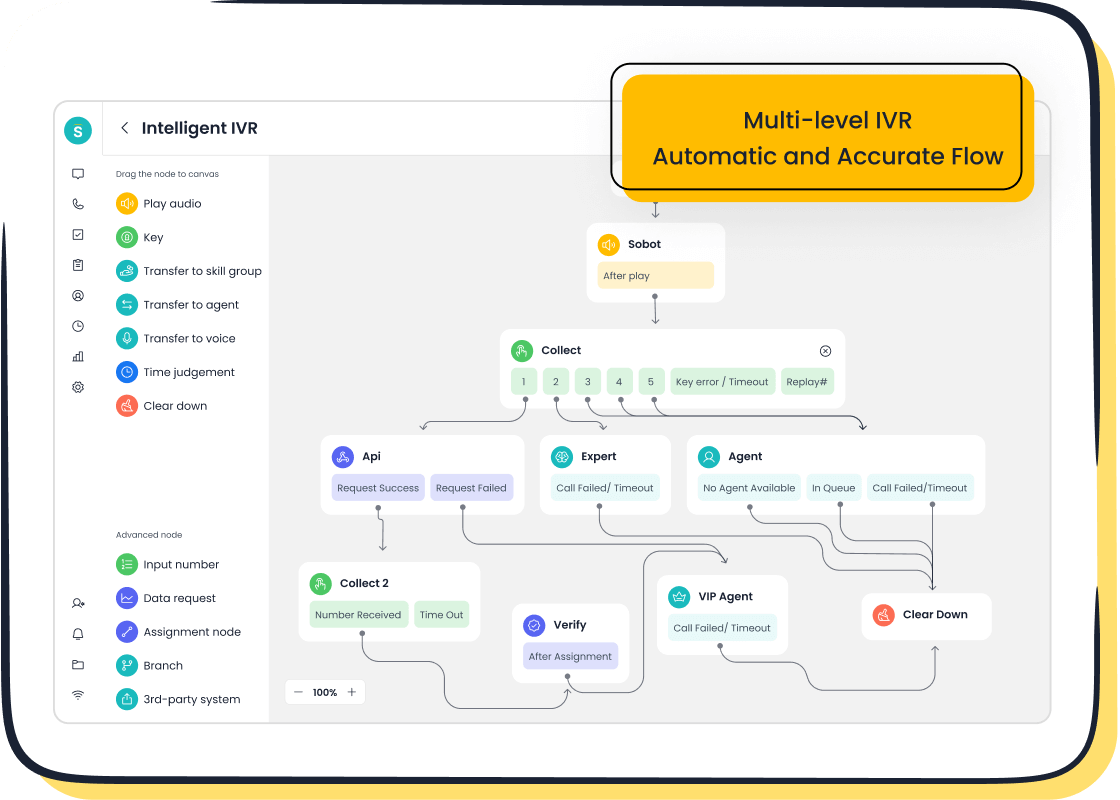
Efficient call routing is the backbone of a smooth call center workflow. When customers call, they expect to be connected to the right person quickly. Sobot’s Intelligent IVR (Interactive Voice Response) system makes this possible. It allows you to customize greetings, create menus, and route calls to the right agents or teams in real time. This reduces hold times and ensures customers get the help they need without frustration.
For example, if a customer calls about a billing issue, the IVR can direct them to a billing specialist instead of a general agent. This not only saves time but also improves First Call Resolution rates. Plus, Sobot’s drag-and-drop interface makes it easy to set up and adjust workflows as your business grows. By streamlining call routing, you’ll enhance both efficiency and customer satisfaction.
Automating Repetitive Tasks to Save Time
Repetitive tasks can drain your team’s time and energy. Automating these tasks frees up your agents to focus on more meaningful work. Sobot’s Voice/Call Center solution includes features like bulk outbound task automation and AI-powered Voicebots. These tools handle routine tasks like appointment reminders or follow-up calls, saving hours of manual effort.
Here’s how automation impacts call centers:
| Statistic | Description |
|---|---|
| 73% of IT leaders | Report that automation has reduced time spent on manual tasks by 50%. |
| 60% of workers | Estimate they could save six or more hours a week if repetitive tasks were automated. |
By embracing workflow automation, you’ll not only save time but also boost productivity. Your team can focus on solving complex customer issues, leading to better service and happier customers.
Conducting Regular Reviews to Identify and Address Bottlenecks
No process is perfect, which is why regular reviews are essential. By analyzing performance metrics, you can spot bottlenecks and fix them before they impact your customers. Focus on key metrics like Average Handle Time, Customer Satisfaction Scores, and Abandonment Rates. For instance, a high abandonment rate might indicate long wait times, signaling the need for better call routing.
Here’s a quick checklist for effective reviews:
- Track performance metrics to reveal pain points.
- Focus on Average Handle Time and customer feedback to identify issues.
- Use tools like Sobot’s real-time monitoring to make timely adjustments.
Sobot’s analytics features make it easy to gather insights and optimize your operations. By conducting regular reviews, you’ll keep your call center running smoothly and ensure your customers always receive top-notch service.
Use Data-Driven Strategies to Drive Success
Analyzing Call Center Performance Data for Insights
Data is your secret weapon for improving call center performance. By analyzing key metrics, you can uncover patterns and make smarter decisions. For example, predictive analytics uses historical data to forecast call volumes and customer behavior. This helps you prepare for busy periods and allocate resources effectively. Speech analytics, on the other hand, dives into call recordings to identify customer sentiment and agent performance.
Here’s a quick look at some powerful data analysis methods:
| Type of Analysis | Description |
|---|---|
| Predictive Analytics | Uses historical data to forecast future trends, call volumes, and customer behaviors. |
| Speech Analytics | Analyzes call recordings to extract insights from customer-agent interactions, identifying sentiment. |
| Customer Experience Analytics | Measures and improves customer experience through feedback and interaction analysis. |
| Interaction Analytics | Analyzes interactions across channels to understand customer behavior and evaluate agent performance. |
By leveraging these tools, you’ll gain actionable insights that drive efficiency and enhance customer satisfaction.
Leveraging Customer Feedback to Improve Service Quality
Your customers are your best critics. Their feedback offers a goldmine of opportunities to refine your service. Collecting and analyzing customer feedback helps you identify pain points and areas for improvement. For instance, businesses that adopt a Continuous Quality Assurance (CQA) approach see over 70% improvement in customer satisfaction and First Call Resolution rates, compared to just 19% with traditional methods.
| Metric | Traditional QA Improvement | CQA Approach Improvement |
|---|---|---|
| Customer Satisfaction | 19% | Over 70% |
| First Call Resolution | 19% | Over 70% |
Sobot’s Voice/Call Center solution makes gathering feedback seamless. Its real-time monitoring and analytics tools allow you to track customer sentiment and adjust strategies on the fly. By acting on feedback, you’ll not only improve service quality but also build stronger relationships with your customers.
Identifying Trends to Anticipate Customer Needs
Staying ahead of customer expectations requires a proactive approach. Trend analysis helps you anticipate needs and deliver tailored solutions. AI-driven tools, like those in Sobot’s platform, analyze historical data and real-time interactions to predict customer behavior. For example, monitoring conversational data can reveal common issues, enabling you to address them before they escalate.
Here’s how trend analysis can benefit your call center:
- Predict peak call times and ensure adequate staffing.
- Identify recurring customer pain points for better resolutions.
- Use AI tools to analyze agent performance and enhance compliance.
- Adapt service strategies based on customer sentiment and emerging trends.
By leveraging these insights, you’ll create a call center that evolves with your customers’ needs, ensuring they always receive top-notch service.

Optimizing your call center operations is key to delivering exceptional service and driving growth. It improves customer satisfaction, boosts loyalty, and enhances efficiency. Tools like Sobot's Voice/Call Center make this process seamless. They help you streamline workflows, reduce costs, and keep customers happy.
Take a look at these metrics that highlight the long-term benefits of optimization:
| Metric | Description | Importance |
|---|---|---|
| Customer Satisfaction Score (CSAT) | Measures customer perception through post-interaction surveys. | Directly reflects service quality and customer satisfaction. |
| Net Promoter Score (NPS) | Indicates customer loyalty and growth potential through a single-question survey. | Useful for benchmarking customer experience and loyalty. |
| Service Level | Monitors call accessibility and response times. | Essential for evaluating call-answer performance. |
| Abandon Rate | Tracks call drop-offs to identify staffing issues. | Quick indicator of potential customer frustration. |
By implementing these strategies and leveraging Sobot’s tools, you’ll create a call center that not only meets but exceeds customer expectations. Start today and set your business on the path to long-term success.
FAQ
What makes Sobot's Voice/Call Center ideal for small businesses?
Sobot offers features like smart call routing, AI-powered Voicebots, and a unified workspace. These tools simplify operations, reduce costs, and improve customer satisfaction.
Can Sobot's Voice/Call Center integrate with my existing systems?
Yes! Sobot integrates seamlessly with CRMs and other tools. This ensures a smooth workflow and helps your team work more efficiently.
How does Sobot ensure system reliability?
Sobot guarantees 99.99% uptime with global network support. You can rely on its stable and secure platform for uninterrupted operations.
💡 Tip: Visit Sobot's website to explore all the features and benefits tailored for your business needs!
See Also
Essential Strategies for Effective Call Center Quality Management
Enhancing Call Center Efficiency Through Effective Monitoring Techniques
Understanding the Efficiency of Call Center Automation Processes

