Mastering Call Center Setup for eCommerce Businesses


Imagine calling a business and getting your issue resolved in minutes. That’s the power of a well-structured call center for ecommerce. It’s not just about answering calls; it’s about creating experiences that keep customers coming back. Did you know 56% of consumers become repeat buyers after a personalized experience? With 71% of customers expecting businesses to understand their needs before they even speak, having the right tools and strategies in place is essential. Companies like Sobot help you build that connection, transforming how you interact with your customers.
The Role of a Call Center in eCommerce Success
What is a Call Center for eCommerce?
A call center for eCommerce is your business's communication hub. It’s where customers turn for help, whether they’re asking about a product, reporting an issue, or placing an order. Think of it as the bridge between your online store and your customers.
Call centers handle various tasks, from answering questions about products to processing payments. Here’s a quick breakdown:
| Service Type | Description |
|---|---|
| Product or tech support | Representatives answer questions regarding products or services and provide technical support. |
| Help desk services | Customers can submit complaints, report issues, or purchase products. |
| Payment and order processing | Agents process payments for inbound sales and assist with billing or product purchase issues. |
| Upgrades and renewals | Customer service agents handle calls related to contract renewals or upgrades of subscriptions. |
Whether it’s an inbound call center handling customer inquiries or an outbound call center reaching out for promotions, these services are essential for effective eCommerce customer service.
Key Benefits of a Call Center for Online Retailers
A call center isn’t just a place to answer calls—it’s a tool that drives growth and builds trust. Here’s how it helps your eCommerce business:
| Benefit | Description |
|---|---|
| Cost Savers | Call centers reduce the need for a large in-house team, significantly cutting costs. |
| Driving Growth | They enhance customer satisfaction and loyalty, which contributes to business growth. |
| Building Trust | Call centers provide reliable support, fostering trust in the online shopping experience. |
| Enhancing Customer Experience | They offer personalized solutions and improve customer retention through better communication. |
| Multi-Channel Support | Call centers provide support across various platforms, ensuring accessibility for all customers. |
| Handling Customer Feedback | They manage feedback effectively, which is crucial for service improvement and customer satisfaction. |
When you invest in a call center for eCommerce, you’re not just solving problems—you’re creating a better shopping experience that keeps customers coming back.
How Call Centers Enhance eCommerce Customer Service
Call centers are game-changers for eCommerce customer service. They make it easier for you to connect with customers, solve problems quickly, and improve satisfaction.
Here’s how they do it:
- First Call Resolution (FCR): Customers love when their issues are solved on the first call. It saves time and builds trust.
- Customer Satisfaction (CSAT): Happy customers are loyal customers. A call center helps you deliver the kind of service that keeps them smiling.
- Average Handle Time (AHT): Shorter calls mean faster resolutions. Call centers help you streamline processes to improve efficiency.
By focusing on these metrics, your call center becomes a powerhouse for effective eCommerce customer service. Whether it’s inbound or outbound, the right setup ensures every interaction adds value to your business.
Step-by-Step Guide to Setting Up a Call Center for eCommerce

Defining Your Business Goals and Customer Needs
Before you dive into setting up your call center, take a step back and ask yourself: What do you want to achieve? Your goals will shape everything—from the tools you choose to the way your team operates.
Here are some key benchmarks to consider:
- Conversion Rate: Aim for at least 3%. This shows how well your call center supports sales.
- Bounce Rate: Keep this low by ensuring your website and support are engaging.
- Customer Retention Rate: Focus on building loyalty. Returning customers are more profitable than new ones.
Understanding your customers is just as important. Did you know that 20-30% of calls are about unresolved issues? This means you need a system that tracks and resolves problems efficiently. Also, 71% of customers expect personalized interactions. Your call center should be equipped to meet these expectations.
By defining clear goals and understanding your audience, you’ll set the foundation for a call center that truly supports your eCommerce business.
Selecting the Right Call Center Tools and Software
The tools you choose can make or break your call center. You need software that’s reliable, easy to use, and packed with features that enhance efficiency.
Here’s a quick comparison of metrics to guide your decision:
| Metric | Importance for eCommerce |
|---|---|
| First Call Resolution (FCR) | Improves customer satisfaction and loyalty. |
| Agent Utilization Rate | Boosts operational efficiency. |
| Average Speed to Answer | Reduces customer wait times. |
| Abandon Rate | Indicates customer frustration levels. |
| Customer Satisfaction (CSAT) | Directly impacts customer retention. |
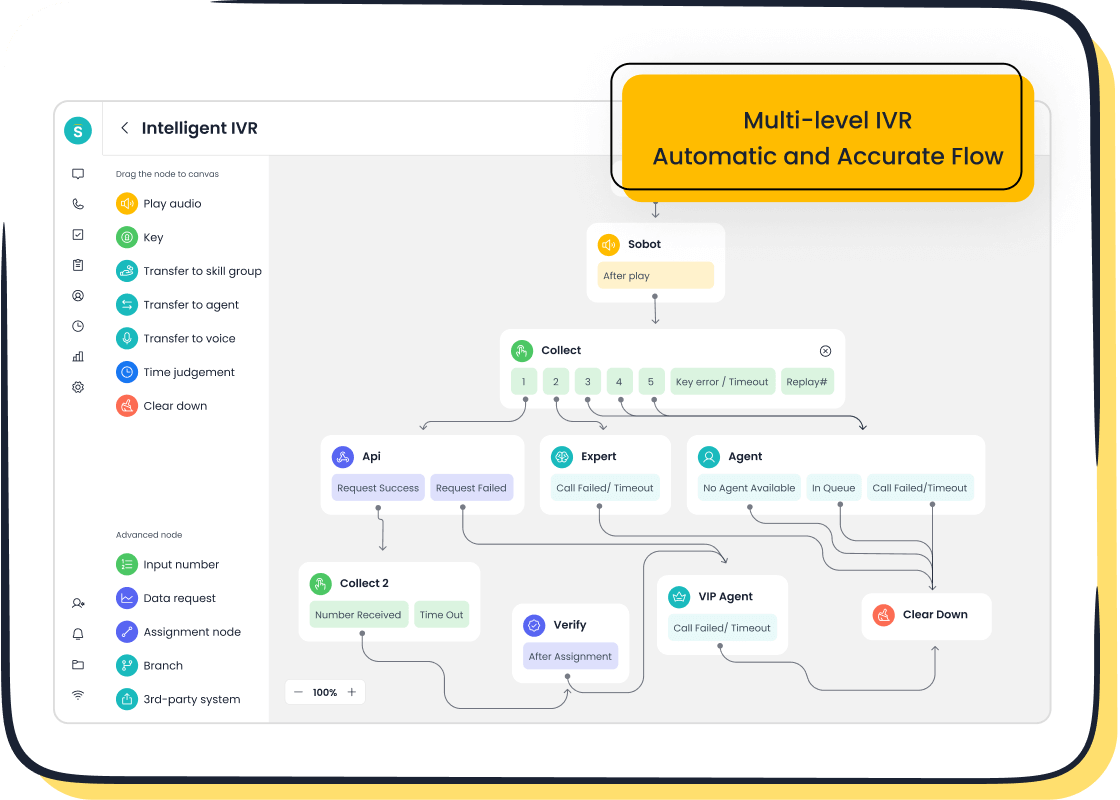
Sobot’s Voice/Call Center is an excellent choice for eCommerce businesses. It offers features like intelligent IVR, smart call routing, and real-time analytics. These tools help you reduce average handle time and improve first-call resolution rates. Plus, with a 99.99% uptime, you can count on it to keep your operations running smoothly.
When selecting software, look for solutions that integrate seamlessly with your eCommerce platform. This ensures your agents have access to customer data, making it easier to provide personalized service.
Building Your Team: Hiring and Training Staff
Your call center is only as good as the people running it. Hiring the right team and providing them with proper training is crucial.
Start by looking for candidates with strong communication skills and a customer-first mindset. Once you’ve built your team, invest in comprehensive training programs. Here’s why training matters:
| Statistic | Value |
|---|---|
| Income per employee with training vs. without training | 218% higher |
| Increase in productivity with adequate training | 17% more productive |
| Employees believing training improves performance | 59% |
| Likelihood of workers staying in their role with training | 45% more likely |
| Employees who think training positively impacts job engagement | 92% |
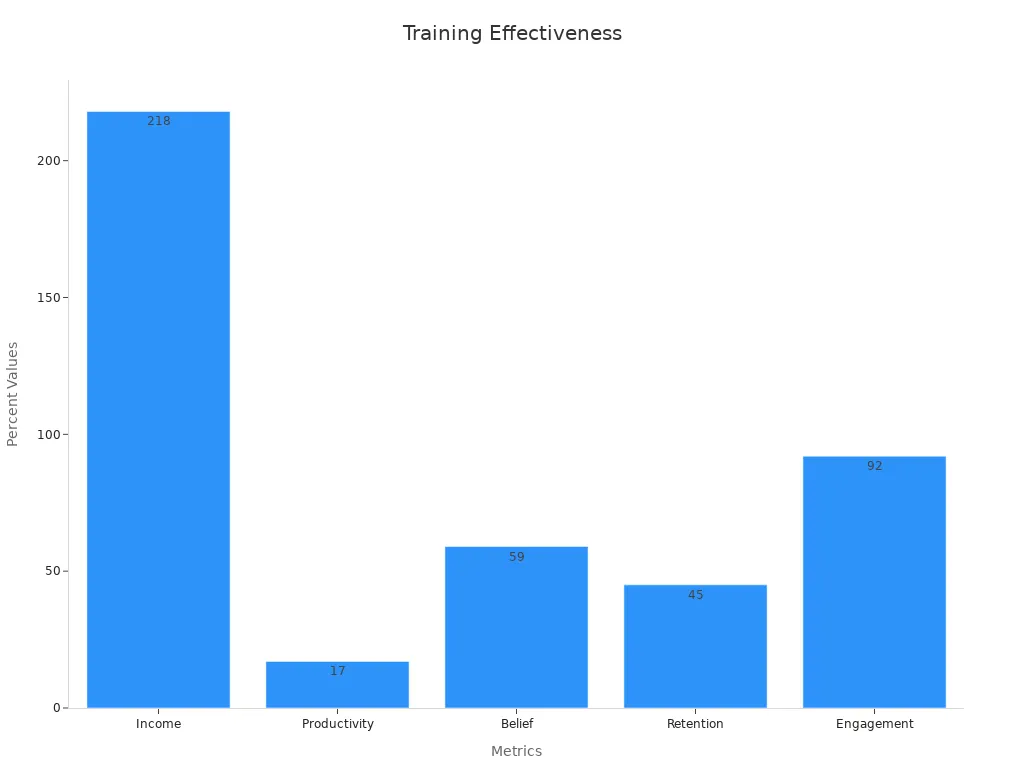
Training doesn’t just improve performance—it also boosts morale and reduces turnover. Equip your team with the knowledge they need to handle everything from order processing to complex customer inquiries. Tools like Sobot’s unified workspace can make their jobs easier by providing all the information they need in one place.
By hiring the right people and giving them the tools to succeed, you’ll create a customer support team that delivers exceptional eCommerce customer service.
Setting Up Infrastructure and Integrating with eCommerce Platforms
Your call center infrastructure is the backbone of your eCommerce customer service. Without the right setup, even the best team and tools can fall short. So, how do you build a system that works seamlessly? Start by focusing on two key areas: hardware and software integration.
Hardware Essentials
You don’t need a fancy setup to get started, but you do need reliable equipment. Here’s what to prioritize:
- Headsets and Phones: Invest in noise-canceling headsets and high-quality phones to ensure clear communication.
- Computers: Equip your agents with fast, reliable computers to handle multiple tasks efficiently.
- Server and Network: A stable internet connection and secure server are non-negotiable for uninterrupted operations.

Software Integration
The magic happens when your call center software connects with your eCommerce platform. This integration allows your agents to access customer data, order histories, and preferences in real-time. Tools like Sobot’s Voice/Call Center make this process simple. With features like intelligent IVR and smart call routing, you can streamline operations and improve customer satisfaction.
Here’s how integrated infrastructure impacts eCommerce sales:
| Evidence Description | Impact on eCommerce Sales |
|---|---|
| Faster response times | Enhances customer satisfaction and retention, leading to increased sales. |
| Improved customer experience | Encourages repeat purchases and positive word-of-mouth, boosting overall sales. |
| Leveraging data insights | Helps businesses tailor services to customer preferences, optimizing sales strategies. |
| Analyzing customer behavior and trends | Provides insights into purchasing patterns, allowing businesses to meet customer needs effectively. |
| Exceptional customer service through call center solutions | Drives revenue growth by ensuring customer queries are resolved efficiently and effectively. |
Efficiency Gains
Integrating your call center with your eCommerce platform doesn’t just improve customer experience—it boosts efficiency. Check out these stats:
| Efficiency Metric | Improvement Percentage |
|---|---|
| Reduction in unwanted inbound calls | 20% |
| Increase in call center efficiency | 66% |
| Reduction in cost per conversion | 50% |
| Overall increase in call center efficiency | 60% |
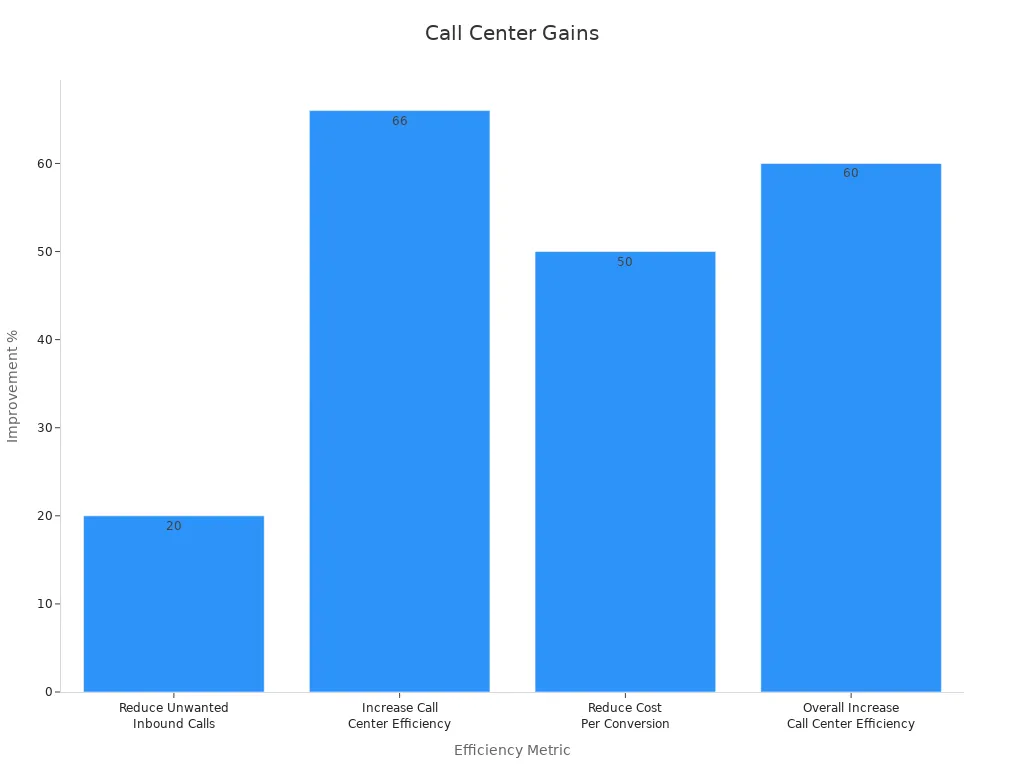
When your infrastructure is solid and your systems are integrated, your inbound call center becomes a powerhouse for driving eCommerce success.
Establishing KPIs to Measure Success
How do you know if your call center is performing well? You track the right metrics. Key Performance Indicators (KPIs) help you measure success and identify areas for improvement. Let’s break down the most important ones for eCommerce.
Essential Metrics
Here are the top KPIs to focus on:
- Average Speed of Answer (ASA): This measures how quickly your agents respond to calls. A fast ASA keeps customers happy and reduces frustration.
- Average Handle Time (AHT): Shorter calls mean quicker resolutions. Tracking AHT helps you optimize processes.
- First Contact Resolution (FCR): Customers love when their issues are solved on the first call. FCR is a critical metric for satisfaction.
- Customer Satisfaction (CSAT): Use surveys to gauge how happy customers are with your service.
- Customer Effort Score (CES): This measures how easy it is for customers to resolve their issues. Lower effort equals higher satisfaction.
Benchmarks for Success
To ensure your call center is hitting the mark, aim for these benchmarks:
| KPIs | eCommerce |
|---|---|
| Average Speed of Answer (ASA) | 20-30 seconds |
| Customer Satisfaction Score (CSAT) | 80-90% |
| Average Handle Time (AHT) | 5-7 minutes |
| First Call Resolution (FCR) | 70-80% |
| Service Level Agreement (SLA) Compliance | 80-90% |
| Call Abandonment Rate | 4-6% |
| Occupancy Rate | 75-85% |
Tracking these KPIs ensures your inbound call center delivers exceptional service while driving eCommerce growth. Regularly monitor these metrics and adjust your strategies to keep improving.
Optimizing Your Call Center Operations for Efficiency
Leveraging Sobot's Voice/Call Center for Smart Call Management

Managing calls efficiently is the backbone of any inbound call center. With Sobot’s Voice/Call Center, you can transform how your team handles customer interactions. This solution isn’t just about answering calls—it’s about creating seamless experiences that keep customers coming back.
Here’s what makes Sobot’s Voice/Call Center stand out:
- Intelligent IVR: Customize greetings and route calls to the right agents instantly. This reduces waiting times by 35%, ensuring customers get quick resolutions.
- Omnichannel Integration: Say goodbye to disjointed systems. Sobot unifies communication channels, making it easier for agents to access customer data and provide personalized service.
- Real-Time Monitoring: Supervisors can listen to live calls and offer instant feedback, improving service quality on the spot.
Did you know that 70% of Sobot’s contact center business comes from system upgrades? That’s because businesses trust its reliability and efficiency. With features like smart call routing and global number availability, Sobot helps you optimize operations while enhancing ecommerce customer service.
Automating Processes with AI and IVR Systems
Automation is a game-changer for inbound call centers. It frees up your agents to focus on complex issues while handling repetitive tasks with precision. AI and IVR systems are at the heart of this transformation.
Here’s how they work:
| Evidence Description | Key Benefits |
|---|---|
| AI tools automate repetitive tasks, reducing mistakes and freeing agents for complex issues. | Increases efficiency and allows human agents to focus on more challenging customer interactions. |
| Interactive voice response (IVR) manages simple queries effectively. | Streamlines customer service by handling basic inquiries without human intervention. |
| AI enhances call routing and predicts actions, reducing interaction time. | Improves customer experience by connecting them to the right agent quickly. |
AI-driven insights also optimize call handling and costs. For example, automated systems can process returns or track orders, saving time for both customers and agents. With Sobot’s AI-powered Voicebot, you can take automation to the next level. It recognizes customer intent and provides intelligent responses, ensuring smoother interactions.
By integrating AI and IVR systems, your inbound call center becomes more efficient, delivering faster resolutions and better customer experiences.
Monitoring Performance with Real-Time Analytics
Real-time analytics are your secret weapon for improving call center performance. They give you instant insights into what’s working and what needs adjustment. With tools like Sobot’s Voice/Call Center, you can monitor key metrics and make data-driven decisions.
Here are some analytics that matter:
| Metric | Description |
|---|---|
| Call Containment Rate | Measures the percentage of callers who resolve their issues without needing help from a live agent. A higher rate indicates better IVR performance. |
| Average Handling Time (AHT) | The average duration a caller spends in the IVR system. A lower AHT suggests easier navigation and quicker resolutions. |
| Customer Satisfaction (CSAT) | Reflects how satisfied callers are with their IVR interactions. A high score indicates effective IVR design and functionality. |
| First Call Resolution | Indicates the percentage of calls resolved on the first attempt without needing further assistance. Higher rates suggest effective IVR support. |
Supervisors can use real-time data to identify training opportunities for agents or adjust workflows to improve service. For example, Apex, a call center, used analytics to address overwhelming call-ins caused by promotional ads. By identifying the issue immediately, they pulled the ads and planned better overflow management strategies.
With Sobot’s real-time monitoring tools, you can reduce escalations, enhance customer satisfaction, and ensure your inbound call center operates at peak efficiency.
Regular Training and Process Updates for Continuous Improvement
Your call center is like a living organism—it needs constant care and attention to thrive. Regular training and process updates are the lifeblood of an efficient inbound call center. They ensure your team stays sharp, adaptable, and ready to tackle any challenge. Let’s explore how these practices can transform your operations.
Why Regular Training Matters
Imagine this: 60% of unresolved customer issues stem from a lack of agent training. That’s a staggering number, right? When your team isn’t equipped with the right skills, it directly impacts metrics like First Call Resolution (FCR) and Average Handle Time (AHT). Regular training bridges this gap, empowering your agents to deliver exceptional service.
Here’s how training improves efficiency:
| Metric | Evidence of Impact on Efficiency |
|---|---|
| First Call Resolution (FCR) | 60% of unsuccessful resolutions due to lack of training |
| Average Handle Time (AHT) | Decrease in handle times post-training indicates improved use of tools |
| Customer Satisfaction (CSAT) | Positive results from agents balancing problem-solving with care |
| Agent Retention Rate | Comprehensive training leads to higher job satisfaction and loyalty |
Training isn’t just about teaching new skills. It’s about keeping your team updated on product changes, customer service techniques, and even the latest tools. For example, Sobot’s unified workspace simplifies agent workflows, but proper training ensures your team uses it to its full potential.
Tip: Schedule monthly training sessions to keep your agents ahead of the curve. Even a 30-minute refresher can make a big difference.
The Power of Continuous Process Updates
Processes that worked last year might not work today. That’s why updating your workflows is crucial for maintaining a high-performing inbound call center. Continuous improvement helps you adapt to changing customer expectations and business goals.
Here’s what process updates can achieve:
- Faster response times and quicker call resolutions.
- More positive customer experiences.
- Better alignment with your ecommerce business objectives.
| Metric | Impact on Performance |
|---|---|
| Efficiency | Increased response times and faster call resolution |
| Customer Sentiment | More positive customer experiences |
| Business Success | Better alignment with major business goals |
For instance, if you notice a spike in abandoned calls, it might be time to tweak your IVR system or adjust agent schedules. Tools like Sobot’s real-time analytics can help you identify these bottlenecks and implement changes swiftly.
How to Implement Training and Updates Effectively
You don’t need to overhaul everything at once. Start small and build from there. Here’s a simple plan:
- Identify gaps in agent performance using metrics like FCR and CSAT.
- Develop targeted training programs to address these gaps.
- Use feedback from agents and customers to refine your processes.
- Monitor the impact of these changes with real-time analytics.
Continuous improvement isn’t just a buzzword—it’s a strategy that drives tangible results. Businesses that invest in regular training and updates see higher customer satisfaction rates and more efficient operations.
By focusing on these practices, your inbound call center can become a powerhouse for ecommerce success. And with tools like Sobot’s Voice/Call Center, you’ll have everything you need to support your team and delight your customers.
Exploring eCommerce Call Center Outsourcing
Benefits of Outsourcing for eCommerce Businesses
Outsourcing your call center can be a game-changer for your eCommerce business. It’s not just about saving money—it’s about unlocking new opportunities to grow and improve customer experiences. Here’s why outsourcing works so well:
- You gain access to skilled professionals who specialize in customer service. These experts know how to handle inquiries efficiently and keep customers happy.
- Outsourcing makes scaling your operations easy. Whether it’s a seasonal rush or a sudden spike in demand, you can adjust without breaking a sweat.
- It boosts customer satisfaction. High-quality service builds loyalty, which is crucial for long-term success.
| Benefit/Trend | Description |
|---|---|
| Cost Efficiency | Outsourcing call centers can lead to significant cost savings for eCommerce businesses. |
| Access to Skilled Labor | Companies can leverage the expertise of trained professionals in customer service. |
| Scalability | Outsourcing allows businesses to easily scale operations based on demand. |
| Enhanced Customer Satisfaction | High-quality customer service improves customer loyalty and satisfaction, crucial for eCommerce. |
By outsourcing, you’re not just cutting costs—you’re investing in better customer relationships and smoother operations.
When to Consider Outsourcing Your Call Center
Timing is everything when it comes to outsourcing. So, how do you know it’s the right move for your eCommerce business? Here are some signs:
- Your team struggles to handle high call volumes. If customers face long wait times, outsourcing can help you manage the load.
- You’re expanding into new markets. Outsourced call centers often have multilingual agents who can support global customers.
- You want to focus on your core business. Letting experts handle customer service frees up your time for growth strategies.
The COVID-19 pandemic also reshaped the outsourcing landscape. Today, 83% of outsourced call centers operate with work-from-home models. This flexibility ensures uninterrupted service, even during crises.
Outsourcing is a smart choice when your in-house team can’t keep up or when you’re ready to scale without adding overhead.
Choosing the Right Outsourcing Partner for Your Needs
Picking the right partner for call center outsourcing is crucial. You need someone who aligns with your goals and understands your customers. Here’s how to evaluate potential partners:
- Look for agents with strong communication and problem-solving skills. Their expertise will directly impact customer satisfaction.
- Check their technological capabilities. Can they integrate with your CRM? Do they offer omnichannel support?
- Review case studies and references. Past performance speaks volumes about their reliability.
Other factors to consider include cultural intelligence and data security. A good partner will ensure seamless communication with diverse customers while keeping their information safe.
By doing your homework, you’ll find a partner who enhances your eCommerce call center outsourcing strategy and delivers exceptional results.
Enhancing Customer Experience Through Your Call Center

Personalizing Interactions with Customer Data
Personalization is no longer optional in today’s eCommerce world. Customers expect you to know their preferences, anticipate their needs, and offer tailored solutions. In fact, 65% of consumers expect companies to deliver personalized experiences, and 79% believe personalized service is more important than marketing. By leveraging customer data, your call center can create meaningful interactions that leave a lasting impression.
Here’s how personalization enhances the customer experience:
- Tailored Recommendations: Use purchase history to suggest relevant products.
- Proactive Support: Address potential issues before customers even notice them.
- Efficient Resolutions: Access to customer data helps agents resolve issues faster.

Sobot’s Voice/Call Center makes personalization seamless. Its unified workspace provides agents with real-time access to customer information, enabling them to deliver customized solutions effortlessly. This approach not only improves customer satisfaction but also boosts loyalty and repeat purchases.
Offering Omnichannel Support for Seamless Communication
Customers interact with brands across multiple platforms—email, chat, social media, and phone. They expect consistent service no matter where they reach out. Did you know that 90% of customers desire an omnichannel experience with consistent service? Offering this level of support ensures smooth communication and enhances the overall customer experience.
Here’s why omnichannel support matters:
- Convenience: Customers can switch between channels without repeating themselves.
- Consistency: Unified messaging builds trust and reliability.
- Accessibility: Multiple options cater to diverse customer preferences.
Sobot’s omnichannel capabilities unify all communication channels into one platform. Whether it’s a phone call or a WhatsApp message, your agents can manage everything from a single dashboard. This integration reduces response times and ensures a seamless experience for your customers.
Handling Complaints and Escalations Effectively
No business is immune to complaints, but how you handle them can make or break your reputation. Research shows that 91% of dissatisfied customers leave without voicing their concerns. Effective complaint resolution not only retains customers but also turns negative experiences into positive ones.
Here’s how to handle complaints effectively:
- Listen Actively: Let customers explain their issues without interruption.
- Acknowledge the Problem: Show empathy and validate their concerns.
- Provide Quick Solutions: Resolve issues promptly to rebuild trust.
Sobot’s real-time monitoring tools help supervisors track escalations and intervene when necessary. With features like intelligent IVR and smart call routing, complaints reach the right agents quickly, ensuring faster resolutions. This proactive approach enhances customer satisfaction and strengthens loyalty.
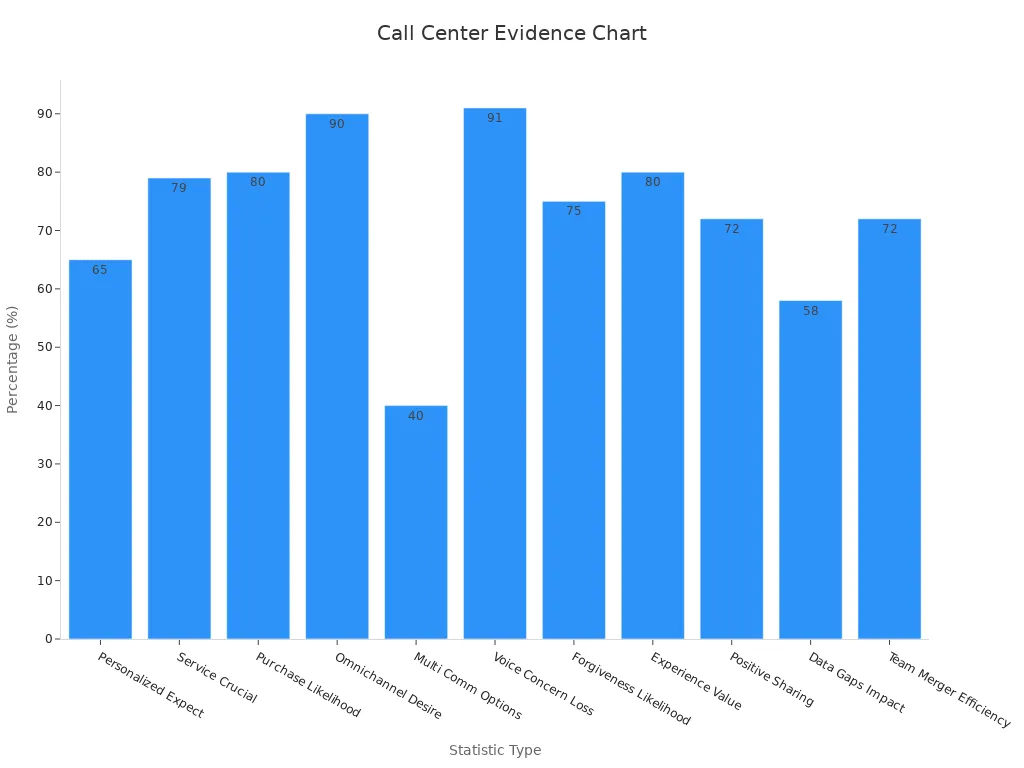
By personalizing interactions, offering omnichannel support, and handling complaints effectively, your call center becomes a powerful tool for enhancing customer experience.
Using Feedback to Continuously Improve Service Quality
Feedback is a goldmine for improving your call center’s service quality. Every comment, complaint, or suggestion from your customers is a chance to learn and grow. But how do you turn feedback into actionable improvements? Let’s break it down.
Collect Feedback Effectively
Start by making it easy for customers to share their thoughts. Use post-call surveys, email follow-ups, or even social media polls. Tools like Sobot’s Voice/Call Center can help you gather feedback seamlessly. For example, you can set up automated surveys right after a call to capture fresh insights.

Tip: Keep your surveys short and focused. Ask specific questions like, “How satisfied were you with the resolution?” or “What could we do better?”
Analyze and Act on Feedback
Collecting feedback is only half the battle. You need to analyze it to spot trends and identify areas for improvement. Look for recurring issues or common suggestions. For instance, if multiple customers mention long wait times, it’s a sign to optimize your call routing system.
Once you’ve identified the problem, act quickly. Implement changes and let your customers know you’ve listened. This builds trust and shows you value their input.
Close the Loop
Don’t stop at making changes. Follow up with customers to share how their feedback made a difference. A simple email saying, “Thanks to your suggestion, we’ve improved our response times,” can go a long way in building loyalty.
By using feedback wisely, you can continuously refine your call center operations. This not only enhances customer satisfaction but also strengthens your ecommerce business.
Setting up a call center for your eCommerce business doesn’t have to be overwhelming. Start by defining clear goals, choosing the right tools, and building a skilled team. Aligning your operations with customer expectations is key. It boosts satisfaction, builds loyalty, and helps you stand out. For example:
- Misaligned goals can lead to poor experiences and higher churn.
- A customer-focused approach creates value through personalized service.
Tools like Sobot’s Voice/Call Center make this process seamless. With features like intelligent IVR and real-time analytics, you can deliver exceptional service while staying efficient. Ready to transform your customer experience? Explore Sobot today!
FAQ
What is the most important feature to look for in call center software?
You should prioritize features like intelligent IVR, real-time analytics, and seamless integration with your eCommerce platform. These tools help streamline operations, reduce wait times, and improve customer satisfaction. Sobot’s Voice/Call Center offers all these features, making it a great choice for eCommerce businesses.
How can I train my call center agents effectively?
Focus on hands-on training and real-world scenarios. Use tools like Sobot’s unified workspace to familiarize agents with customer data and workflows. Regularly update their skills with short training sessions. This keeps your team sharp and ready to handle any situation.
How does automation improve call center efficiency?
Automation handles repetitive tasks like order tracking or FAQs, freeing agents to focus on complex issues. Tools like AI-powered Voicebots and IVR systems reduce average handle time and improve first-call resolution rates. This boosts efficiency and enhances the customer experience.
Should I outsource my eCommerce call center?
Outsourcing works well if you face high call volumes or want to scale quickly. It provides access to skilled agents and reduces operational costs. Look for a partner with strong communication skills, omnichannel support, and data security measures to ensure success.
How do I measure the success of my call center?
Track key metrics like First Call Resolution (FCR), Average Handle Time (AHT), and Customer Satisfaction (CSAT). Use tools like Sobot’s real-time analytics to monitor performance. Regularly review these metrics to identify areas for improvement and ensure your call center meets customer expectations.
See Also
Excelling at Live Chat Strategies for Retail Success
Comprehensive Overview of Omnichannel Call Center Solutions
Ten Essential Steps for Omnichannel Contact Center Setup

