Strategies for Call Center Performance Management


Boosting your agent performance is the primary goal for enhancing customer satisfaction and call center efficiency. Strong agent performance directly improves the customer experience. Modern strategies require a combination of supportive management, effective agent training, and powerful call center performance management software. Technology from Sobot, including Sobot AI, drives productivity and improves agent performance. These strategies, combined with ongoing training, will guide you in building a high-performance team. Use these strategies with the Sobot call center platform to improve call center efficiency, agent performance, and overall team performance for an exceptional customer experience and better customer satisfaction.
Foundational Agent Empowerment Strategies

Empowering your agents is the bedrock of exceptional call center performance. Effective strategies build confidence, enhance skills, and boost morale. You can create a high-performing team by defining clear goals, providing continuous training, and fostering a supportive culture. These foundational strategies directly improve agent productivity and the overall quality of customer interactions.
Define Clear and Measurable Goals
You must first define what success looks like. Vague targets lead to poor agent performance. Use the SMART framework to set goals that are Specific, Measurable, Attainable, Relevant, and Time-Bound. This approach provides clarity and direction.
For example, instead of saying "improve performance," set a specific goal like, "Increase First Call Resolution (FCR) to 75% within the next quarter." This gives your team a clear target. Focus on key metrics to measure agent performance:
- First Call Resolution (FCR)
- Average Handle Time (AHT)
- Customer Satisfaction (CSAT)
Setting achievable goals is one of the most important call center best practices for improving agent performance and productivity.
Implement Continuous Agent Training
A single onboarding session is not enough for sustained improvement. You need to implement continuous agent training to keep skills sharp and knowledge current. Effective training and development programs address both technical skills and soft skills like empathy and communication.
Consider different training strategies to maximize engagement and retention. Microlearning breaks down complex topics into short modules. Mentoring programs, like peer mentoring, pair new agents with veterans to accelerate learning. Consistent training and development boosts agent performance and helps reduce agent burnout. This investment in training and development leads to higher productivity and better service quality.
Foster a Culture of Coaching and Recognition
A positive culture is essential for retention and high performance. You can build this culture through consistent coaching and meaningful recognition. Regular coaching sessions provide agents with actionable feedback for improvement. This coaching should be supportive, not punitive. The goal of coaching is to guide agent performance, not just correct mistakes.
According to a Gallup poll, 75% of the reasons people quit are related to their managers. This highlights how crucial positive leadership and coaching are for creating a positive agent experience and reducing agent burnout. You can find more details on this study here.
Create a system to recognize agent success. Recognition reinforces positive behaviors and motivates the entire team. Your recognition strategies should be frequent and specific. Acknowledge strong agent performance with both public praise and private feedback. Consistent feedback and recognition are powerful tools for engagement. This focus on coaching and recognition makes agents feel valued, which drives better performance and long-term improvement. Your coaching and feedback loop is vital for training and development. Strong coaching and recognition build a resilient team.
Boost Call Center Efficiency with Technology

Technology provides powerful strategies to enhance call center efficiency and agent performance. You can automate routine tasks and empower your team with better tools. This leads to a direct improvement in productivity and the customer experience. Implementing the right software boosts performance across your entire operation. The right technology drives significant gains in customer satisfaction and call center efficiency.
Implement Intelligent Call Routing
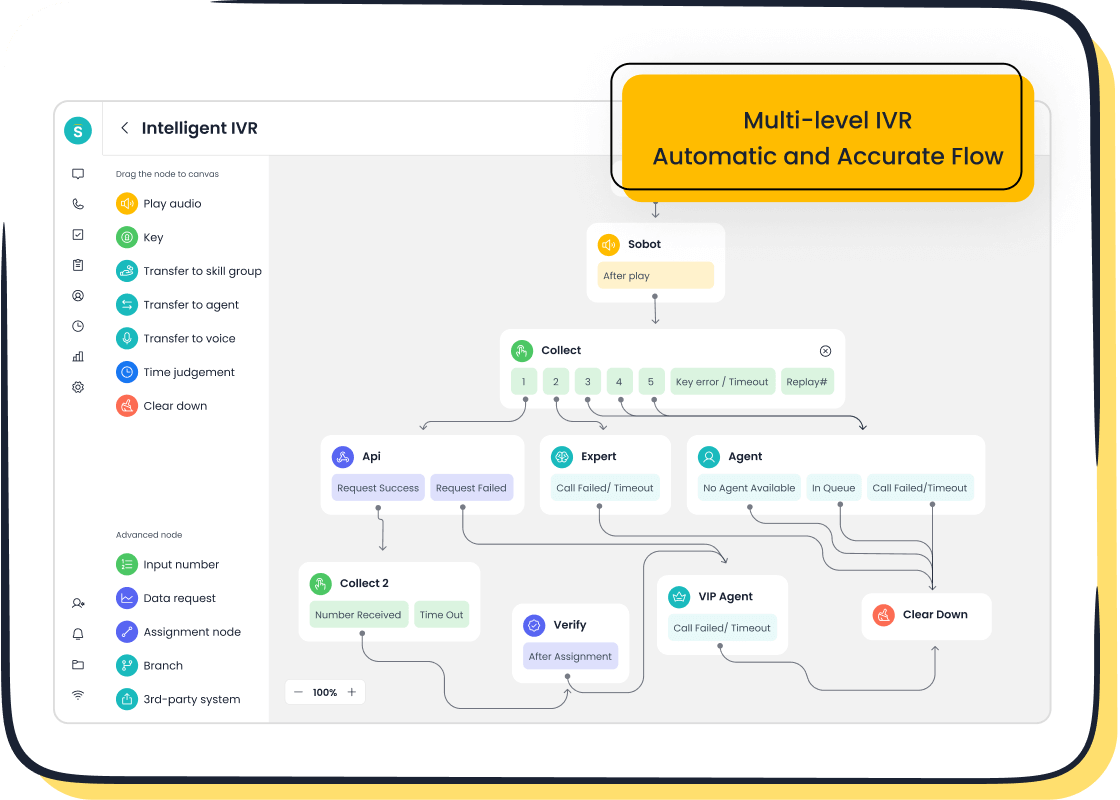
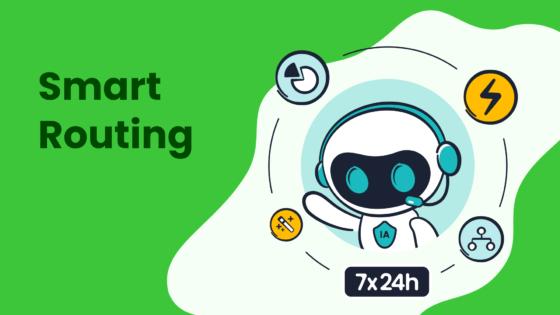
You can dramatically improve first call resolution by connecting customers to the right agent on the first try. Intelligent call routing strategies analyze customer intent to direct inquiries to the most qualified agent. This reduces transfers and customer frustration. A higher first call resolution rate is a clear sign of better call center efficiency and agent performance.
Tip: Tools like Sobot’s Smart Call Routing use automated workflows to make this process seamless. You can use a drag-n-drop IVR builder to create and deploy call flows in minutes without needing a developer. This quick setup boosts first call resolution and overall performance.

Increase Agent Productivity with a Unified Workspace
Agents need full context to deliver great service. A unified workspace consolidates customer data from all channels into a single view. This simple change helps you improve agent productivity. Your team gets the information they need to resolve issues without asking repetitive questions. This improves the customer experience and agent performance. Sobot’s omnichannel solution provides this unified view, which is crucial for call center efficiency.
For example, Samsung used Sobot’s integrated solution to boost its call center efficiency. The company achieved remarkable results:
- A 30% increase in agent productivity.
- A 97% customer satisfaction rate.
This shows the powerful impact of a unified platform on agent performance and productivity. You can read more about their success here.
Utilize an AI-Powered Voicebot
You can further improve agent productivity by automating common requests. An AI-powered voicebot handles routine tasks like order tracking or appointment scheduling. This frees your agents to focus on more complex customer issues. Voicebots improve call center efficiency by providing 24/7 support and reducing wait times. Studies show AI can successfully handle a large percentage of inbound calls, leading to a significant improvement in performance. Sobot’s AI-Powered Voicebot uses intelligent interaction to understand customer needs, which boosts first call resolution and your team's performance. This is one of the most effective strategies for increasing call center efficiency and agent performance.
Choosing the Right Call Center Performance Management Software
An exceptional call center relies on more than just skilled agents and smart strategies. It requires powerful technology to tie everything together. Selecting the right call center performance management software is a critical decision that directly impacts your team's success. The ideal platform should not only enhance agent performance but also streamline operations and boost overall call center efficiency.
A comprehensive solution, like the platform offered by Sobot, combines software, global number availability, and omnichannel capabilities into one package. This integration is key to maximizing your team's performance. When evaluating your options, focus on three core pillars: integration, analytics, and stability. Making the right choice here will elevate your call center's performance and drive better business outcomes.
Prioritize Seamless System Integration
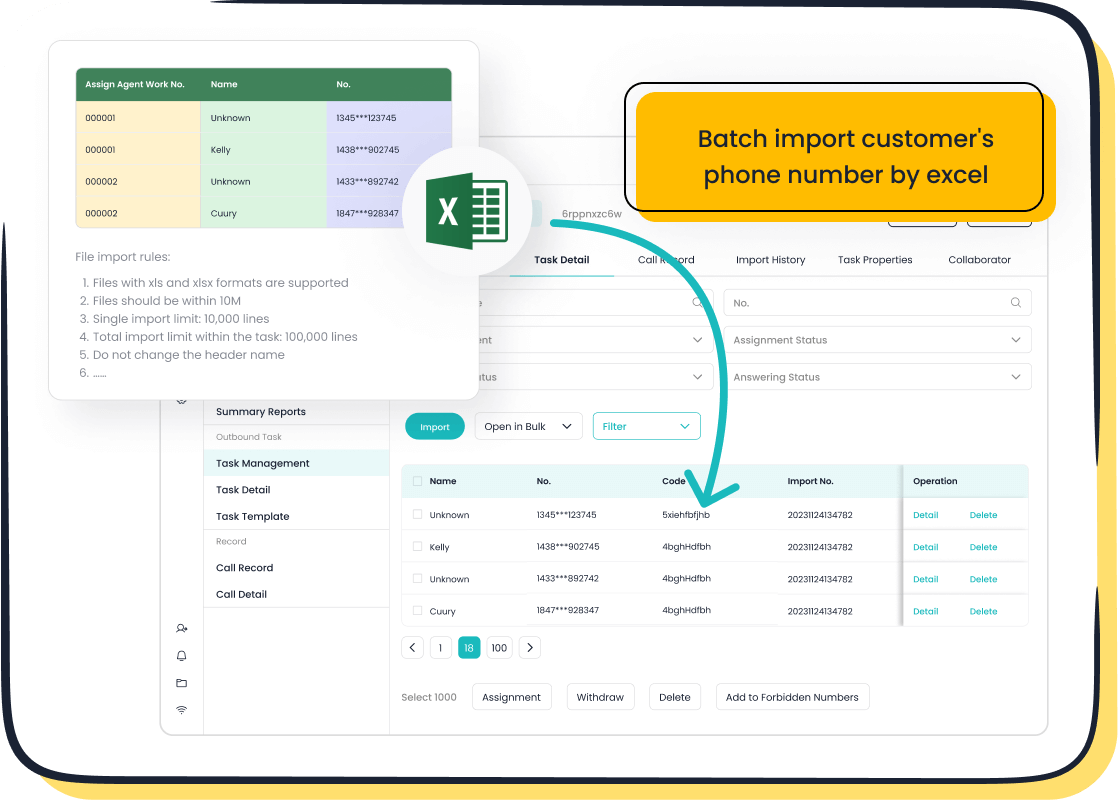
Your call center performance management software must connect effortlessly with your existing tools, especially your CRM. Fragmented systems create data silos, forcing agents to switch between applications and leading to inconsistent service. This complexity can hinder agent performance and reduce call center efficiency.
You need a solution that simplifies integration. Look for software with robust APIs and pre-built connectors that make linking systems straightforward. Sobot, for example, offers simple integration with popular CRMs, ensuring your agents have a unified view of customer data. This seamless connectivity is fundamental for improving agent performance and overall operational performance.
Look for Real-Time Monitoring and Analytics
To effectively manage performance, you need immediate insights into your operations. Real-time monitoring and analytics dashboards are essential tools that allow you to track key metrics as they happen. This capability helps you identify bottlenecks, address emerging issues, and monitor agent performance without delay.
A powerful dashboard should visualize critical data points to help you improve call center efficiency. Key metrics to track include:
- Agent Availability: See who is active, on a call, or available.
- Call Volume: Monitor incoming call traffic to manage staffing.
- Average Handle Time (AHT): Track the average duration of a call.
- First Call Resolution (FCR): Measure how many issues are solved on the first contact.
These real-time insights empower you to make informed decisions that enhance agent performance and overall team performance. By proactively managing your call center efficiency, you can significantly improve your service quality and team performance.
Ensure High System Stability and Security
Your call center is a lifeline for your customers, so system downtime is not an option. High stability and robust security are non-negotiable features for any top-tier call center performance management software. Unreliable systems disrupt operations, damage customer trust, and hurt your call center efficiency.
When choosing a provider, look for a guaranteed Service Level Agreement (SLA) for uptime. For instance, Sobot offers a 99.99% SLA, which translates to less than an hour of potential downtime per year. This level of reliability ensures your operations run smoothly.
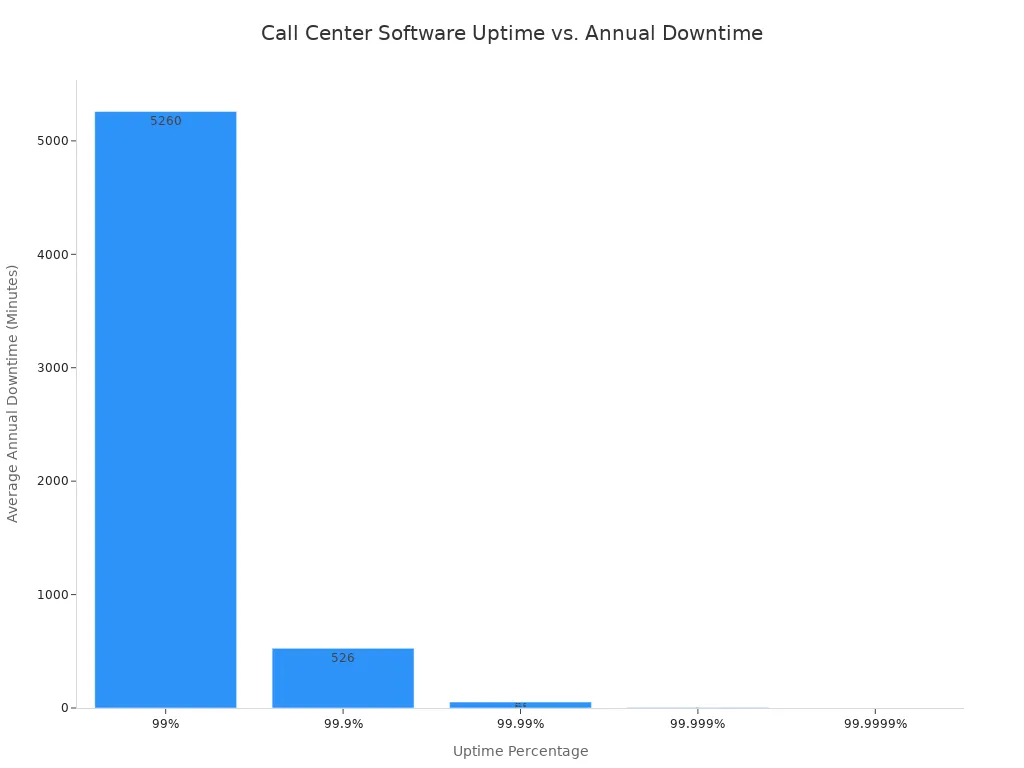
Equally important is data security. Your software must protect sensitive customer information with features like encrypted data transfer. Ensuring your platform is secure builds customer confidence and is crucial for maintaining compliance, which is vital for long-term performance and call center efficiency. This focus on stability and security underpins strong performance.
Measuring Success and Driving Improvement
Effective performance management requires a data-driven approach. You cannot improve what you do not measure. By tracking the right metrics and analyzing the data, you can uncover powerful insights. These insights guide your training strategies and drive continuous improvement. This process turns raw data into better agent performance, higher productivity, and superior call center efficiency.
Track Critical Performance Metrics
You must track key performance indicators (KPIs) to gauge your call center's health. These metrics provide a clear picture of your team's performance and highlight areas for improvement. Consistent tracking helps you manage call center efficiency effectively.
According to a study by Aberdeen Group, companies that use performance analytics see a 53% greater year-over-year improvement in customer satisfaction rates. You can explore more on this topic here.
Focus on these critical metrics to measure performance:
- First Call Resolution (FCR): The percentage of issues solved on the first contact.
- Average Handling Time (AHT): The average duration of a customer interaction.
- Customer Satisfaction (CSAT): A direct measure of customer happiness with your service.
- Service Level: The percentage of calls answered within a set time.
Monitoring these KPIs helps you maintain a high standard of performance and productivity.
Align Agent Goals with Business Objectives
Your agents perform best when they understand how their work contributes to the bigger picture. You should align individual agent goals with your company's broader business objectives. This connection provides purpose and boosts motivation, which helps to improve agent productivity.
Use a framework like SMART (Specific, Measurable, Achievable, Relevant, Time-bound) to set clear goals. For example, link an agent's goal for a higher FCR directly to the company's objective of improving the customer experience. This alignment ensures every agent's effort pushes the entire organization forward, enhancing overall performance and productivity. Better goal alignment also makes your training efforts more impactful.
Analyze Data for Actionable Insights
Collecting data is only the first step. The real value comes from analyzing that data to find actionable insights. You can use analytics to identify the root causes of poor performance, such as long average handling time or low customer satisfaction scores.
For instance, analyzing call recordings can reveal gaps in your training program. These insights allow you to refine your training and coaching strategies for targeted improvement. This data-driven approach helps you improve agent productivity and call center agent performance. By turning data into action, you create a cycle of continuous improvement that elevates your team's performance and productivity.
Effective performance management combines agent support, process efficiency, and data-driven measurement. These strategies improve agent performance and boost call center efficiency. Investing in these methods, supported by the right call center performance management software, delivers real results. You can achieve better team performance and an enhanced customer experience.
Adopt these strategies to build a high-performing team. Your focus on performance will improve call center efficiency and create a superior customer experience.
FAQ
How can I quickly improve my team's performance?
You can start by setting clear, measurable goals for your team. Use a unified workspace to give agents the context they need. This simple step boosts productivity and improves the customer experience. Consistent coaching and recognition will also motivate your agents for better results.
What is the most important metric to track?
While all metrics are useful, First Call Resolution (FCR) is critical. A high FCR shows your team is efficient and effective. It directly impacts customer satisfaction and demonstrates strong overall performance. Tracking FCR helps you identify and address service gaps quickly.
How does technology help with agent productivity?
Technology automates repetitive tasks and streamlines workflows. Tools like intelligent call routing connect customers to the right agent faster. An AI-powered voicebot can handle simple queries, freeing your agents to focus on complex issues and improving their overall productivity.
Why is system integration so important?
Seamless integration connects your call center software with your CRM and other tools. This eliminates data silos and provides agents with a complete customer view. A unified system prevents agents from switching between apps, which improves efficiency and ensures a consistent customer experience.
See Also
Implementing Top-Tier Quality Management Practices for Call Center Excellence
Elevating Call Center Performance Through Strategic Monitoring and Oversight
A Comprehensive Guide to Quality Management System Principles for Call Centers
Unlocking Efficiency: Understanding the Mechanics of Call Center Automation
Mastering Live Chat: An Effective Guide for Agent Management

