Call Center Pain Points and Stress Relief Tips for Agents


You know the life of a call center agent can feel overwhelming. Sometimes, you handle over 100 calls in a single shift. Many agents say the constant pressure leads to real stress and burnout. You’re not alone in facing these call center pain points. With tools like Sobot AI and the Sobot call center, you can make your workday smoother. Sobot gives you a unified workspace and smart automation, so you can focus on what matters most—helping people.
Call Center Pain Points

Working as a call center agent means you face many call center pain points every day. These problems can make your job tough and affect how you feel at work. Let’s break down the most common call center problems and see how they impact you and your team.
Did you know?
According to AIMultiple, a single agent can handle up to 200 calls per day in modern call centers. That’s a huge number and shows just how demanding this job can be.
Here’s a quick look at the top call center pain points, based on recent industry research:
| Pain Point | Description | Suggested Solutions |
|---|---|---|
| Long average waiting times | Customers wait too long during peak hours, making agents feel rushed and stressed. | Better staffing, smart IVR systems, and efficient call routing. |
| Lack of call personalization | Agents rely on scripts, which can feel robotic and frustrate customers. | Use platforms that show customer info instantly for more personal responses. |
| Low average handling time | Agents rush calls to meet targets, which can hurt service quality and customer satisfaction. | Keep caller history updated and use unified workspaces for faster, better service. |
| Inadequate agent training | Not enough training leads to mistakes and lower service quality. | Ongoing training and clear guidelines help agents feel confident. |
| High agent turnover rate | Many agents leave, which increases costs and hurts team morale. | Reward systems, team building, and career growth opportunities can help keep agents happy. |
| Managing bad customer reviews | Negative feedback can damage the brand and stress agents. | Quick complaint handling and good queue management reduce negative reviews. |
| Lack of social media channels | Customers want to reach you on more than just the phone. | Omnichannel solutions let you connect with customers on their favorite platforms. |
Let’s dive deeper into each pain point and see how they affect you.
High Call Volume
You probably know the feeling—your phone rings nonstop, and the queue never seems to shrink. High call volume is one of the biggest call center pain points. When you handle hundreds of calls a day, it’s easy to feel overwhelmed. Studies show that high call volumes can lead to:
- Lower productivity and more mistakes.
- Longer call durations and higher call abandonment rates.
- Increased stress and mental health challenges.
- Less empathy during customer interactions, which can hurt customer satisfaction.
- Higher turnover and more agent burnout.
When you feel rushed, you might not have time to give each customer the attention they deserve. This can lead to poor customer experiences and lower service quality. Over time, these call center problems can make you feel exhausted and less motivated to help.
Tip:
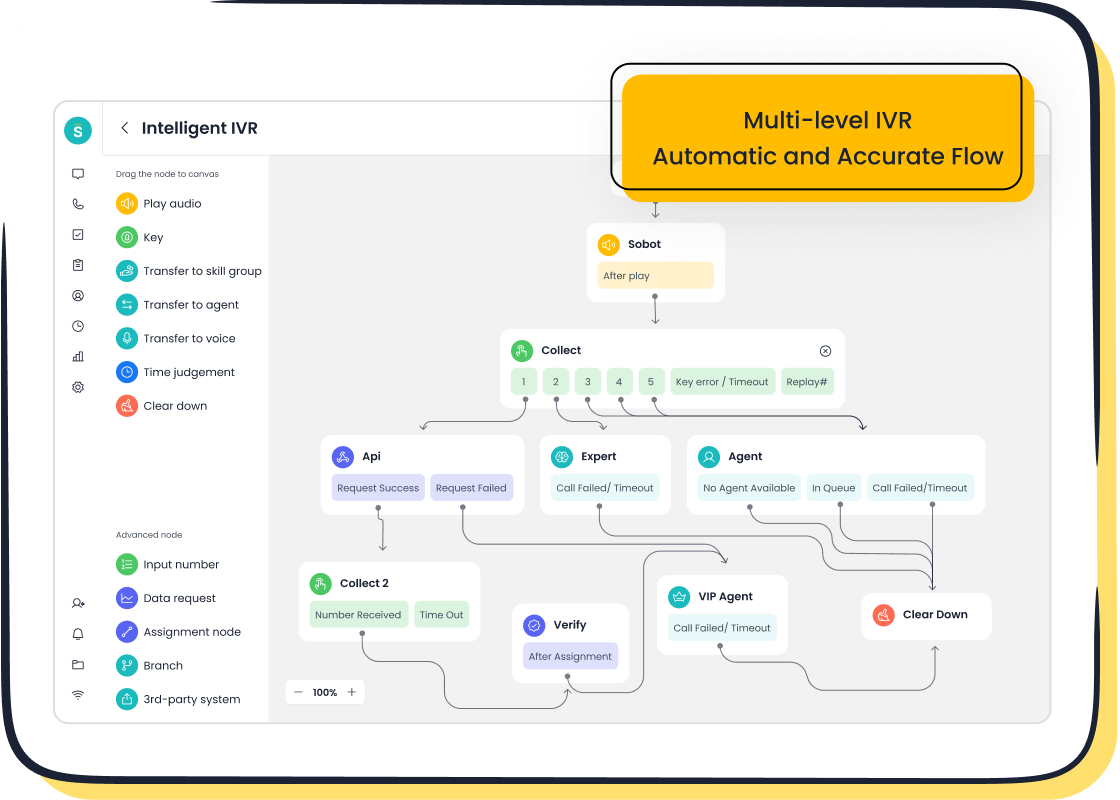
Using smart call routing and intelligent IVR systems, like those in Sobot’s Voice/Call Center, can help distribute calls more evenly and reduce your stress.
Difficult Customers
Every agent has stories about tough calls. Dealing with difficult customers is a daily challenge in call center operations. Angry or upset callers can test your patience and emotional strength. Here’s what makes this one of the top call center pain points:
- You face insults, disrespect, or anger from customers.
- You must stay calm and professional, even when customers vent their frustrations.
- You often have to follow strict scripts, which can make it hard to respond naturally.
- You may not have the authority to solve every problem, leading to more stress.
Experts suggest several strategies to handle these call center problems:
- Let customers vent before offering solutions.
- Practice active listening and repeat their concerns to show you understand.
- Break down complex issues into smaller steps.
- Avoid blaming the customer and keep the conversation positive.
- Escalate issues to a supervisor if needed.
- Follow up after the call to make sure the customer is satisfied.
These steps can help you turn a negative customer experience into a positive one. They also protect your own well-being and help maintain high service quality.
Burnout
Agent burnout is a serious issue in call centers. You might notice signs like feeling tired all the time, losing interest in your work, or calling in sick more often. Research shows that 63% of call center agents report high burnout rates each year. The main causes include:
- Stressful customer interactions and abuse.
- Too much monitoring and pressure to meet targets.
- Lack of freedom to handle calls your way.
- No clear path for career growth.
- Low pay and little recognition.
- Rigid schedules with little flexibility.
Burnout doesn’t just affect you. It leads to more absenteeism, lower service quality, and higher turnover. When you feel burned out, it’s hard to care about customer satisfaction or deliver great service. This is one of the most damaging call center problems for both agents and companies.
Note:
Flexible schedules and supportive managers can almost double agent satisfaction. If your workplace offers wellness programs or mental health resources, take advantage of them.
Repetitive Tasks
Many customer service agents say that repetitive tasks are one of the most draining call center pain points. Answering the same questions over and over can make your job feel boring and thankless. A Cornell University study found that 87% of agents feel stressed by repetitive work and strict performance targets.
Here’s how repetitive tasks create call center problems:
- You feel bored and disengaged, which lowers job satisfaction.
- You may start to care less about service quality.
- Younger agents, like Gen Z and millennials, get bored faster and are more likely to leave.
- High attrition rates mean more new hires and less experienced staff.
- Burnout and stress increase as the work feels less meaningful.
To fight these challenges, many call centers use technology like Sobot’s AI-powered Voicebot and unified workspace. These tools automate simple tasks, so you can focus on more interesting and rewarding customer interactions.
Shift Work
Shift work is another big challenge in call center operations. You might work nights, weekends, or rotating shifts. This can disrupt your sleep, social life, and health. Common problems with shift work include:
- Emotional labor from dealing with upset customers at odd hours.
- Monotonous tasks and lack of variety.
- Poor working conditions, like noisy environments and few rest areas.
- Trouble balancing work and personal life.
- Limited chances for career advancement.
Night shifts can especially hurt your well-being. You may feel isolated from friends and family, and your sleep schedule can suffer. These call center pain points lead to more stress, higher absenteeism, and lower service quality. In some centers, turnover rates can reach as high as 85%.
Tip:
Try to keep a regular sleep schedule and take short breaks during your shift. If your company offers wellness resources, use them to support your mental and physical health.
You face many call center problems every day, from high call volumes to difficult customers and repetitive work. These challenges affect your mood, your health, and the quality of customer service you provide. By understanding these call center pain points, you can start to find ways to manage stress and improve your workday. Tools like Sobot’s omnichannel solutions and AI-powered automation can help you handle these challenges and deliver better customer experiences.
Call Center Challenges
Working in a call center means you face more than just tough calls and high volumes. You also deal with bigger call center challenges that can make your job harder every day. These challenges go beyond the phone and affect how you learn, use technology, handle information, juggle tasks, and even work from home. Let’s break down these common call center challenges and see how you can tackle them.
Training Gaps
Training is the foundation of great customer service. But many agents like you face training gaps that make it tough to do your best work. Most call centers still rely on one-time training sessions. Research shows that agents forget up to 90% of what they learn in these sessions within just 30 days. That means you might feel lost or unsure when new problems pop up.
Some of the biggest training gaps include:
- No ongoing or personalized training for your needs
- Training that feels too long, too short, or not tied to real-life situations
- Little follow-up or feedback after training ends
- Not enough use of technology for remote or on-the-job learning
- One-way feedback that doesn’t let you share your thoughts
These gaps can hurt your job performance. You may forget important details, feel less engaged, or get stressed when you can’t find answers. This can lead to more mistakes, longer calls, and lower customer satisfaction. You might even feel like quitting if you don’t get the support you need.
Tip:
Try to ask for bite-sized, daily learning or gamified training if your center offers it. This helps you remember more and feel more confident on the job.
Technology Issues
Technology should make your job easier, but sometimes it creates more call center challenges. Many agents struggle with slow systems, tools that don’t work together, or having to enter the same data over and over. These inefficient processes waste your time and make you feel frustrated.
Common technology issues include:
- Systems that don’t “talk” to each other, like your phone and CRM
- Slow or outdated software that makes you wait
- Hard-to-find information or missing knowledge bases
- No easy way to reach experts or teammates for help
- Too many logins or screens to manage at once
These problems slow down your calls, increase hold times, and make customers wait. You might feel stressed when you can’t find answers fast. Poor technology can even lead to burnout and high turnover.
Sobot’s Voice/Call Center helps solve these technology challenges. With a unified workspace, you see all customer info in one place. The system integrates with your CRM, so you don’t have to enter data twice. AI-powered suggestions help you answer questions faster. You can also reach out to teammates easily, cutting down on delays. Sobot’s platform keeps everything organized, so you spend less time searching and more time helping customers. Learn more about Sobot’s Voice/Call Center.
Did you know?
Integrated technology like Sobot’s can boost productivity and reduce multitasking inefficiencies by streamlining your workflow.
Data Overload
You probably get bombarded with information every day—customer details, scripts, updates, and more. Data overload is one of the toughest call center challenges. Too much information can make it hard to focus, remember what matters, or make quick decisions.
Here’s how data overload affects you:
- You feel stuck or unsure because there’s too much to process.
- Your memory and focus drop, making it harder to help customers.
- You might rush decisions or miss important details.
- Decision fatigue sets in, so your choices get worse over time.
- Stress and anxiety rise, making your job feel overwhelming.
- Burnout and turnover go up as agents struggle to keep up.
- Important messages get lost in the noise, leading to mistakes.
- You might check messages too often, fearing you’ll miss something, which hurts your focus.
Signs of data overload include more errors, longer calls, and feeling frustrated. To fight this, look for tools that organize information simply. Sobot’s unified workspace and AI features help by showing you only what you need, when you need it. This cuts down on inefficient processes and helps you make better decisions with less stress.
Tip:
If you feel overwhelmed, try breaking tasks into smaller steps and ask your manager for support or better tools.
Multitasking
Many call center agents think multitasking is a must. But trying to do too many things at once is one of the most common call center challenges. Studies show that multitasking actually lowers your brain’s ability to focus and handle stress. You might make more mistakes, lose important skills, and feel less satisfied at work.
Some effects of multitasking include:
- More errors and slower call handling
- Loss of focus and memory
- Higher stress and risk of burnout
- Lower job satisfaction
A big study found that multitasking hurts agent performance, especially when tasks are complex. Your brain can only handle so much at once. When you switch between calls, chats, and searching for info, you lose time and make more mistakes.
Sobot’s platform helps you single-task by bringing all your tools and information into one place. You don’t have to jump between screens or apps. This reduces inefficient processes and helps you stay focused on each customer.
Note:
Take short breaks and focus on one task at a time when possible. This helps your brain recharge and keeps your performance high.
Remote Work
Remote work has become a big part of call center life. While it offers flexibility, it also brings new contact center challenges. You might feel isolated, have trouble communicating with your team, or struggle with distractions at home.
Some remote work challenges include:
- Harder to get quick help from teammates or supervisors
- More distractions from family, pets, or your environment
- Feeling disconnected from your team or company culture
- Technology issues like slow internet or missing equipment
- Harder to separate work from personal life
To overcome these call center challenges, try setting up a quiet workspace and keeping a regular schedule. Use chat tools or video calls to stay connected with your team. Sobot’s cloud-based solutions make it easy to access your workspace from anywhere, so you can stay productive and connected no matter where you work.
Tip:
Reach out to your manager if you need better tools or support for remote work. Staying connected helps you feel less alone and more engaged.
You face many call center challenges every day, from training gaps to technology issues, data overload, multitasking, and remote work. Each challenge can affect your mood, performance, and job satisfaction. By understanding these challenges and using the right tools, you can make your workday smoother and more rewarding. Sobot’s solutions are designed to help you tackle these challenges head-on, so you can focus on what matters most—helping your customers and enjoying your job.
Stress Relief Tips

Wellness Breaks
You need breaks to recharge during your shift. Short wellness breaks can lower stress and help you stay focused. Many call centers now encourage microbreaks—just five minutes every hour—to stretch, walk, or drink water. Some teams use on-screen reminders for posture and hydration. Others offer guided stretch or fitness videos. Mindfulness practices, like a quick breathing exercise before meetings, can help you reset after tough calls. A Florida-based insurance call center redesigned its break areas and saw a 37% jump in employee satisfaction in three months. When you have some control over your break schedule, you feel more trusted and less stressed. Try to use your breaks to move, breathe, or just relax. These small steps can make a big difference in your day.
Time Management
Managing your time well can reduce high levels of stress and boost your efficiency. Start by planning your tasks and using tools like the Eisenhower Matrix to sort what’s urgent and important. Set SMART goals—specific, measurable, achievable, realistic, and time-bound. This helps you avoid burnout and keeps your workload clear. Try to keep calls within set time limits, so you respect both your time and the customer’s. Sobot’s unified workspace helps you track your tasks and manage your time better. You can also use contact center software to monitor how long you spend on each task. These habits help you stay organized and lower stress, making it easier to deliver a great customer experience.
Peer Support
You don’t have to handle high levels of stress alone. Peer support in the workplace can make a huge difference. When you talk with coworkers, you share tips and learn new ways to solve problems. Many call centers use buddy systems or peer groups. These groups help you feel less isolated and more connected. Sharing your challenges with others can lighten your load and improve your mood. A strong team bond means you feel valued and supported. If your center offers peer support programs, join in. You’ll find that teamwork can turn a tough day around and help everyone focus on better customer engagement.
Self-Care
Self-care is not just a buzzword—it’s a must for call center agents. Start your day with a five-minute breathing exercise or a short meditation. Use microbreaks to step away from your screen, stretch, or hydrate. After your shift, set clear boundaries. Turn off work messages and create a routine to switch from work mode to personal time. Keep a journal of your wins or positive feedback from customers. This helps you focus on the good moments and reduces stress. If you feel burned out, talk to your manager and ask for support or a change in tasks. Celebrate your achievements, no matter how small. These habits help you stay healthy and happy at work.
Mental Health Resources
Taking care of your mental health is just as important as your physical health. Many call centers now offer Employee Assistance Programs (EAP), counseling, or wellness initiatives. Use these resources if you feel overwhelmed. Some centers provide quiet spaces for mental resets or regular team check-ins. Managers trained in mental health awareness can offer support and feedback. If you need help, don’t hesitate to ask. Sobot’s cloud-based solutions also support flexible work, which can help you balance your job and personal life. Remember, reaching out for help is a sign of strength, not weakness.
Tip:
Regular breaks, strong peer support, and self-care routines can help you manage stress and improve your overall well-being. When you feel good, you deliver better customer service and create a positive customer experience.
Sobot Solutions for Agents
When you work in a busy call center, you need tools that make your day easier. Sobot’s Voice/Call Center gives you everything you need for better contact center management. Let’s see how each feature helps you manage your workload, reduce stress, and deliver a personalized customer experience.
Unified Workspace
Sobot’s unified workspace brings all your tools and customer data together. You don’t have to switch between screens or search for information. Everything you need for contact center management is in one place.
- You see customer history, notes, and tickets on a single dashboard.
- AI helps you with tasks like call transcription and note-taking.
- The system updates records automatically, so you spend less time on paperwork.
- You get real-time access to company policies and customer info.
- New agents learn faster with built-in guidance and easy access to answers.
This setup means you can focus on helping customers, not fighting with technology. You feel less stressed because you know where to find everything. Many agents say this kind of contact center management boosts their confidence and job satisfaction.
AI Voicebot
Sobot’s AI Voicebot takes care of routine calls and questions. It answers FAQs, schedules appointments, and even processes payments. This automation is a game-changer for contact center management.
| Benefit | How It Helps You |
|---|---|
| 24/7 Support | Customers get help anytime, so you handle fewer calls |
| Less Repetitive Work | Voicebot handles simple tasks, freeing you for complex issues |
| Faster Response Times | No more long queues or backlogs |
| Lower Stress | You focus on interesting calls, not the same questions |
With AI Voicebot, you can spend more time on calls that need a human touch. This makes your job more rewarding and helps you deliver a personalized customer experience.
Smart Call Routing
Smart call routing sends each call to the right agent based on skills, availability, and customer needs. This feature is key for contact center management.
When calls go to the best agent, you solve problems faster and avoid unnecessary transfers. You feel more in control and less overwhelmed. Companies using smart routing have seen first call resolution rates jump by up to 98% (source). You get to use your strengths, which makes your workday smoother and more satisfying.
Real-Time Analytics
Sobot’s real-time analytics give you instant feedback on your performance. You see live data on call volume, customer mood, and your own results. This helps you improve your contact center management skills every day.
- Analytics predict busy times, so you can prepare and avoid overload.
- The system suggests when to take breaks, helping you avoid burnout.
- You get tips for better calls and see where you shine.
- Managers use analytics to reward top performers and offer support where needed.
With these insights, you can track your progress and feel proud of your growth. Real-time analytics make contact center management smarter and less stressful.
Sobot’s Voice/Call Center gives you the tools to handle contact center management with confidence. You get a unified workspace, AI Voicebot, smart call routing, and real-time analytics—all designed to help you work better, feel less stress, and deliver a personalized customer experience.
Supportive Culture
A supportive culture in your call center can make every day better. When you feel valued and connected, you do your best work. Let’s look at how open communication, recognition, and team collaboration help lower high agent turnover and boost agent retention.
Open Communication
Open communication builds trust and keeps everyone on the same page. You know what’s expected, and you feel safe sharing your ideas or concerns. Here’s how it helps:
- You stay informed about changes, updates, and goals, which reduces confusion.
- You feel comfortable giving feedback or asking questions, which increases psychological safety.
- Regular team huddles and open-door policies help prevent silos and keep everyone working together.
- You understand your role and how it connects to customer satisfaction and service quality.
When you have clear communication, you feel more engaged and less stressed. This kind of environment lowers attrition and helps prevent high agent turnover. Sobot’s unified workspace makes it easy to share updates and keep everyone connected, even if your team works remotely.
Recognition
Recognition programs can turn a tough day around. When you get a thank-you note or a shout-out in a meeting, you feel appreciated. Here are some ways recognition improves morale and agent retention:
- Peer recognition lets you celebrate your coworkers’ wins, which builds teamwork.
- Managers who give regular feedback or on-the-spot awards help you feel valued.
- Employee of the Month programs and team bonuses reward great performance and encourage everyone to aim higher.
- Incentive programs, like bonuses for meeting goals, motivate you to deliver top service quality.
These programs reduce high agent attrition rates and lower turnover. When you feel seen, you want to stay and grow in your role. This leads to better customer service and higher customer satisfaction.
Team Collaboration
Team collaboration makes problem-solving easier and lowers stress. When you work together, you find solutions faster and support each other. Activities like team meetings, brainstorming sessions, and peer feedback help everyone feel included. Leaders who listen and help resolve conflicts create a positive space for growth. Using tools like Sobot’s real-time analytics and unified workspace, you can share ideas and track progress as a team. This teamwork reduces attrition and employee turnover, while improving service quality and customer satisfaction. When you know your team has your back, you feel more confident and less likely to leave—helping your call center fight high agent turnover and boost agent retention.
You face real challenges as a call center agent, from high turnover to constant stress. Studies show that wellness programs, flexible schedules, and supportive leadership help reduce stress and improve job satisfaction. Using tools like Sobot’s AI-powered workspace can make your day easier and help you focus on what matters. Remember to take breaks, support your team, and ask for help when you need it. Small changes can make a big difference. Stay positive and keep building a healthy work environment for yourself and your team.
FAQ
What are the biggest call center pain points for agents?
You often face high call volumes, difficult customers, and repetitive tasks. These call center pain points can lead to stress and burnout. Studies show that 63% of agents report feeling burned out each year. Using tools like Sobot helps you manage these challenges and improve service quality.
How can I handle call center challenges like data overload?
Try breaking tasks into smaller steps. Use a unified workspace, like Sobot’s, to see only what you need. This helps you focus and reduces mistakes. Data overload is a common call center challenge, but smart tools make contact center management much easier.
What is the best way to deliver a personalized customer experience?
You can use platforms that show customer history and preferences right away. Sobot’s unified workspace lets you see all customer info in one place. This helps you respond faster and make every interaction feel personal. Customers notice when you remember their details.
How does Sobot help improve service quality in call centers?
Sobot offers AI-powered automation, smart call routing, and real-time analytics. These features help you handle call center pain points and contact center management tasks. You spend less time on repetitive work and more time helping customers. This leads to higher service quality and happier teams.
See Also
Effective Strategies For Managing Call Center Quality
Key CRM Software Features For Call Center Success
A Complete Guide To The IT Call Center Agent

