Call Center Monitoring Tools A Complete Guide

Call center monitoring is the process of tracking and analyzing customer interactions. This essential monitoring improves agent performance, service quality, and the overall customer experience. Modern call center monitoring tools provide the data-driven insights necessary to transform a support center into a strategic asset for every customer.
This guide explains what these monitoring tools are. It shows why the right call center monitoring tools are vital for your agents. The Sobot call center uses Sobot AI for advanced monitoring. Sobot offers powerful call center software, a type of call center monitoring tools that provides crucial monitoring for your customer service performance and quality, helping you understand each customer.
Why You Need Call Center Monitoring

Effective call center monitoring is no longer just an option; it is a core requirement for business success. Using call center monitoring software allows you to gather critical data from every customer interaction. This data empowers you to make informed decisions that drive growth, improve satisfaction, and streamline your operations. The right monitoring tools transform your call center from a cost center into a valuable strategic asset.
Improve Customer Experience
You can significantly improve the customer experience by understanding what your customers truly want. Call center monitoring allows you to analyze conversations and identify pain points in the customer journey. This process helps you refine your services to better meet customer expectations, leading to higher satisfaction and loyalty.
Many leading companies use customer interaction analysis to enhance their experience:
- Sephora integrated digital tools in stores after data showed customers wanted more personalization.
- Hilton Honors improved its loyalty program with new features based on member feedback and interviews.
- McDonald's added healthier options and digital kiosks after conducting extensive research into customer preferences.
Enhance Agent Performance
Call center monitoring software provides clear insights into agent performance. By tracking metrics like First Call Resolution (FCR) and Average Handle Time (AHT), you can identify where agents excel and where they need support. This monitoring helps you pinpoint specific knowledge gaps. You can then create targeted training programs to improve skills, boosting both individual performance and team morale. Better-trained agents deliver a higher quality of service to every customer.
Ensure Quality and Compliance
Maintaining high standards for call quality and adhering to legal regulations is crucial. Call center monitoring is essential for quality assurance. It helps you enforce rules like the GDPR for data protection and HIPAA for healthcare information. This systematic monitoring protects your business from legal risks and builds trust with your customer base by ensuring customer service quality and security. This is a key part of call center quality assurance.
Boost Operational Efficiency
You can make your call center more efficient by identifying and eliminating bottlenecks. Call center monitoring software helps you analyze workflows and agent activities. For example, real-time monitoring tools have been shown to reduce Average Handle Time (AHT) by as much as 56 seconds. This improvement frees up agents to handle more inquiries, reducing wait times and improving overall call center performance.
Gain a Competitive Edge
Your customer conversations are a goldmine of business intelligence. Modern call center monitoring software uses AI to analyze 100% of interactions, uncovering market trends, competitor mentions, and emerging customer needs. This deep insight allows you to adapt quickly to market changes, develop better products, and create a superior experience that sets you apart from the competition.
Types of Call Center Monitoring Software
Choosing the right call center monitoring software depends on your specific goals. Different tools focus on different aspects of your operation, from individual agent performance to overall call center efficiency. Understanding the main types of software helps you build a monitoring toolkit that fits your needs.
Call and Screen Recording
Call and screen recording software is a foundational component of any call center monitoring strategy. This software captures both the audio of a call and the agent's screen activity simultaneously. This gives you a complete picture of each customer interaction.
For example, an agent might struggle with a complex billing issue, causing customer frustration. Screen recording can capture this interaction. It reveals the agent's difficulty with the billing software. This provides a clear example for targeted coaching on both the system and de-escalation skills. This type of live monitoring is invaluable.
Using a call monitoring solution with screen recording offers several key benefits:
- Improve Agent Performance: You get a first-hand view of how your agents handle customer interactions. This visibility allows you to identify training opportunities and provide actionable feedback.
- Ensure Regulatory Compliance: This software helps you document all interactions thoroughly. This detailed record-keeping is essential during audits.
- Boost Overall Efficiency: You can streamline the quality assurance process. It becomes easier to review interactions and pinpoint areas where processes can be optimized.
- Enhance the Customer Experience: Well-trained and efficient agents deliver more positive interactions. This leads to better customer retention and loyalty.
AI-Powered Speech Analytics
AI-powered speech analytics software takes call monitoring to the next level. Instead of manually listening to a small sample of calls, this software automatically analyzes 100% of your recorded conversations. It transcribes the audio and uses artificial intelligence to identify keywords, topics, customer sentiment, and agent performance patterns.
This technology follows a clear process to deliver insights:
- Recording: The platform captures all customer conversations.
- Data Processing: It uses speech recognition to convert audio into text.
- Analysis: AI models process the text to tag intent, sentiment, and conversation quality.
- Insights: The software delivers detailed reports on call quality, customer emotion, and agent performance.
Tools like Sobot's AI-powered Voicebot use intelligent interaction and intent recognition to understand the true meaning behind a customer's words. This powerful call monitoring solution can detect frustration in a customer's tone or identify when an agent is not following a script. This level of monitoring helps you proactively address issues and uncover deep insights from every conversation.
Quality Management (QM) Platforms
Quality Management (QM) platforms are comprehensive tools that centralize your call quality assurance efforts. They integrate call recording, performance scorecards, and reporting into a single system. This makes the process of call quality monitoring systematic and efficient. You can create evaluation forms, score agent interactions against key metrics, and track quality trends over time.
Modern QM platforms offer powerful features to enhance both agent performance and the customer journey. They provide:
- Omnichannel Capabilities: Ensure a consistent customer experience across channels like chat, email, and phone.
- In-Depth Analytics: Offer tools to understand interaction trends, patterns, and outliers.
- Automated Scoring: Some platforms can automatically score calls based on predefined criteria, saving managers valuable time.
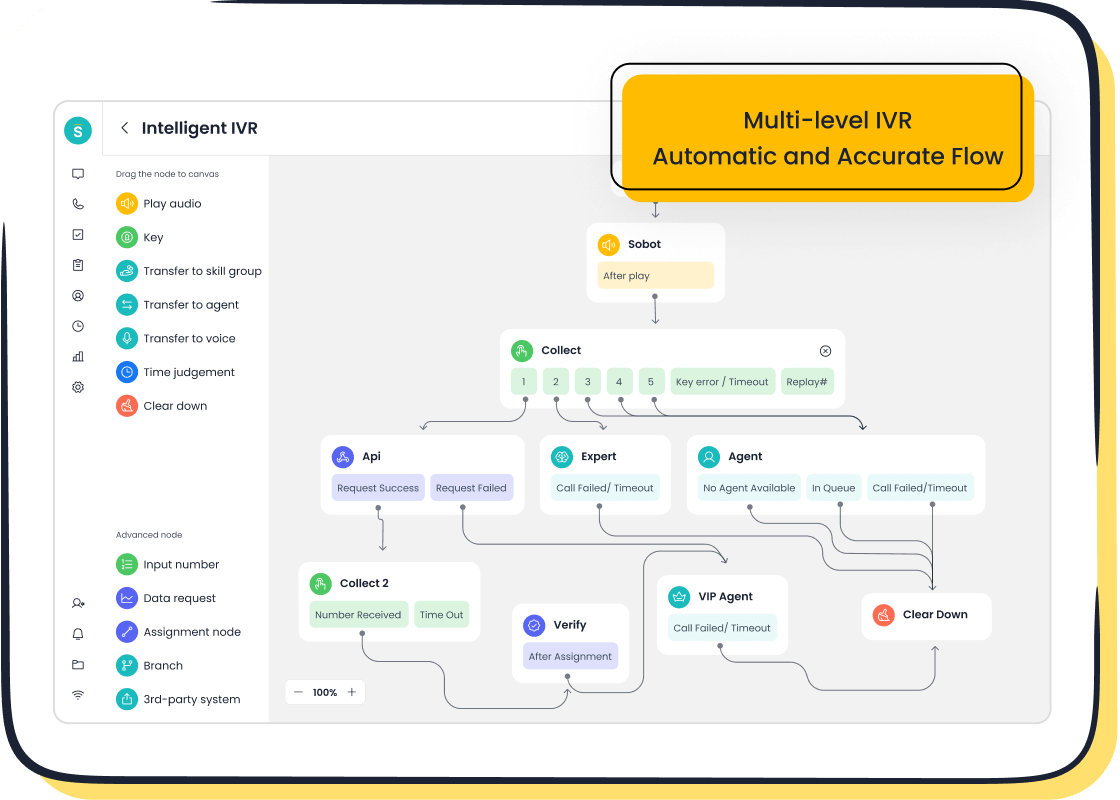
These platforms also improve the customer experience from the very first moment. For instance, a solution with a drag-and-drop IVR builder, similar to Sobot's Intelligent IVR, allows you to easily create and modify call flows. This ensures callers are routed correctly and efficiently, improving overall service quality.
Workforce Management (WFM)
Workforce Management (WFM) software focuses on optimizing your staffing and scheduling. This type of call center monitoring software uses historical data and forecasting algorithms to predict future call volumes. With this information, you can create schedules that ensure you have the right number of agents available to meet customer demand without being overstaffed.
WFM software helps you balance operational efficiency with agent satisfaction. It automates complex scheduling tasks, allowing you to generate schedules in minutes while adhering to labor laws and agent preferences.
This software is crucial for maintaining service levels and controlling labor costs. It helps you manage agent shifts, breaks, and time-off requests effectively. By accurately forecasting needs, you can avoid long wait times for your customer base and prevent agent burnout. This strategic monitoring directly impacts your call center's performance and budget.
Real-Time Dashboards
Real-time dashboards provide live monitoring of your call center's key performance indicators (KPIs). These visual displays give managers an at-a-glance view of what is happening at any given moment. This allows for immediate action when issues arise. A sudden spike in wait times, for example, can be spotted and addressed before it impacts a large number of customers.

A Unified Workspace, like the one offered by Sobot, is a great example of how to empower agents and managers with real-time data. This type of call center software brings together calls, customer data, and performance metrics in one place. This centralization offers significant advantages:
- Increased Productivity: Streamlined workflows save time and allow agents to resolve inquiries faster.
- Improved Agent Retention: A single, efficient interface reduces frustration and increases job satisfaction.
- Faster Training: New hires learn one system, reducing training time by up to 30%.
With live monitoring dashboards, you can track critical metrics to maintain operational health.
| KPI | Why It Matters in Real-Time |
|---|---|
| Average Wait Time | A high wait time directly impacts customer satisfaction. |
| Call Abandonment Rate | A rising rate indicates customer frustration and potential lost business. |
| Agents Available | Shows your immediate capacity to handle incoming calls. |
These monitoring tools are essential for any manager who needs to make quick, data-driven decisions to maintain service quality.
Choosing the Right Call Center Monitoring Tool
Selecting the right call center monitoring tool is a critical decision for your business. The best software aligns with your goals, integrates with your existing systems, and grows with you. This choice requires a careful evaluation of your needs and the features available. A thoughtful approach ensures you invest in a solution that delivers a real return.
Assess Your Business Goals
Before you look at any software, you must first define what you want to achieve. Your business goals will guide your selection process and help you measure success later. Good call center monitoring software can help you reach several key objectives.
Start by asking what you want to improve. Your goals might include:
- Enhanced Customer Satisfaction: You can use monitoring to understand customer sentiment and effort. This helps you pinpoint strategies to improve satisfaction scores (CSAT) and keep your customer base loyal.
- Improved Agent Experience: Call center monitoring provides insights for better training. It helps you identify friction points in workflows that hurt agent productivity and satisfaction, which reduces agent turnover.
- Better Key Performance Indicators (KPIs): You can use call recording and analysis to improve important metrics. This includes faster issue resolution, higher First Call Resolution (FCR) rates, and better overall customer satisfaction.
- Cost Control: Monitoring helps you manage business costs. You can achieve this through better staff scheduling and the use of automated self-service options for your customer base.
- Compliance with Regulations: Quality monitoring software is essential for data security. It helps you follow rules that protect customer data and privacy, safeguarding your business.
Evaluate Core Features
Once you know your goals, you can evaluate the core features of different call center monitoring software. Look for a solution that provides the tools you need to effectively manage quality and performance.
Essential features to look for include:
- Real-Time Call Monitoring and Dashboards: This allows you to see your operations live. You can view call status, wait times, and agent activity to manage your team proactively.
- Call Recording and Evaluation: Recording interactions is vital for quality assurance and training. It creates a library of examples for coaching agents on how to improve the customer experience.
- Silent Listening and Coaching: This feature lets managers listen to calls without the customer knowing. You can use a "whisper" function to give agents real-time advice during a difficult call.
- Performance Metrics and Analytics: The software should provide data on KPIs like average call duration and first-call resolution. This helps you spot trends and make data-driven decisions.
- Call Scoring and Evaluation Forms: You need a structured way to assess calls. This feature helps you score interactions based on set criteria, identifying agent strengths and areas for improvement.
Check Integration Capabilities
Your call center monitoring software should not exist in a silo. It must connect seamlessly with your other business systems, especially your Customer Relationship Management (CRM) software. This integration is key to unlocking operational efficiency and providing a superior customer experience.
CRM integration dramatically improves First Call Resolution (FCR). It gives agents instant access to a caller’s complete history. They can see past purchases, support tickets, and unresolved issues. This means the customer does not have to repeat information, leading to quicker solutions and higher satisfaction.
A call monitoring solution with strong integration capabilities offers many benefits:
- Click-to-Call Functionality: Agents can start calls directly from a CRM record, saving time and preventing dialing errors.
- Automatic Call Logging: The software automatically logs call details in the CRM. This ensures your data is accurate and frees agents from manual data entry.
- Screen Pops: When a call comes in, the customer's record automatically appears on the agent's screen. This provides immediate context for a more personalized conversation.
Without this integration, agents waste time switching between screens, and you miss out on a complete view of the customer journey. A unified solution prevents these issues.
Prioritize Scalability and Reliability
Your business is going to grow, and your call center software needs to grow with it. Scalability means the system can handle an increasing volume of calls and agents without a drop in performance. Just as important is reliability. Your call monitoring solution must be available when you need it. Downtime means lost sales, frustrated customers, and a damaged reputation.
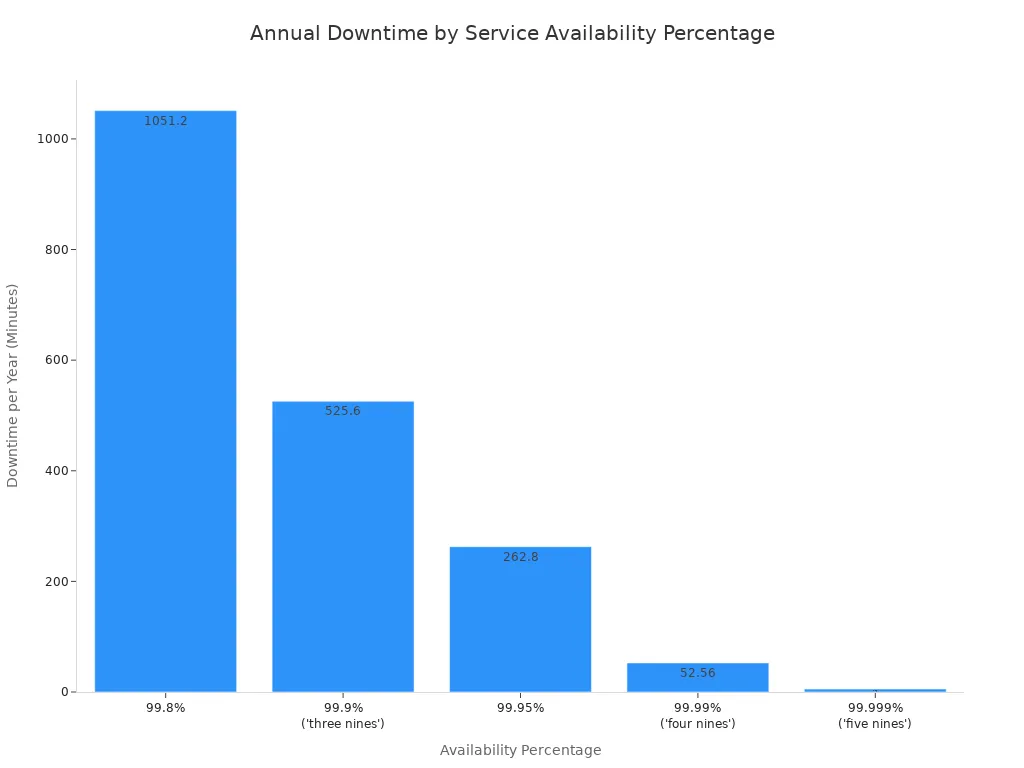
Look for a provider that offers a high Service Level Agreement (SLA) for uptime. A 99.99% SLA, for instance, means the system is designed to be down for no more than 53 minutes over an entire year.
| Availability % | Downtime per year |
|---|---|
| 99.8% | 17.52 hours |
| 99.9% | 8.76 hours |
| 99.95% | 4.38 hours |
| 99.99% | 52.56 minutes |
| 99.999% | 5.26 minutes |
Choosing a reliable and scalable solution ensures your call center monitoring can support your business today and in the future.
Compare Top Solutions
When you compare different call center monitoring tools, look for an all-in-one solution that combines powerful features with proven reliability. Sobot's Voice/Call Center is a leading example of a comprehensive platform designed to meet these needs.
A strong solution should offer key advantages that directly address the challenges of modern call centers. For example, Sobot provides:
- A 99.99% SLA Uptime: This high level of reliability ensures your team and your customer base can always connect.
- Simple Integration with CRMs: The software is designed for seamless integration, giving your agents a unified view of every customer.
- Global Number Availability: You can manage contacts and provide support to your customer base around the world from a single platform.
The true test of any software is its real-world results. Global technology leader Samsung implemented Sobot's all-in-one contact center solution to unify its communication channels and overcome data fragmentation. The results demonstrate the power of an effective call center monitoring platform.
Samsung's Success with Sobot:
- 97% Customer Satisfaction Rate: By providing agents with comprehensive customer data, Samsung delivered a highly personalized and effective service.
- 30% Increase in Agent Efficiency: A unified workspace and streamlined workflows allowed agents to handle inquiries faster, boosting overall productivity.
This success story shows how the right solution transforms call center monitoring from a simple task into a strategic driver of customer satisfaction and business growth.
Best Practices for Call Center Monitoring
Implementing call center monitoring software is just the first step. To truly improve performance, you need a strategy. Following best practices ensures your call center monitoring efforts are fair, effective, and drive positive results for your agents and your customer base. This approach turns monitoring from a task into a powerful tool for growth.
Set Clear Performance Metrics
You must define what success looks like. Clear agent performance metrics give your team a target to aim for. Your call center monitoring software should track key performance indicators (KPIs) that align with your business goals. This performance tracking helps everyone understand expectations.
Important performance metrics include:
- First Call Resolution (FCR): The percentage of customer issues solved on the first contact.
- Customer Satisfaction Score (CSAT): Direct feedback from a customer on their experience.
- Net Promoter Score (NPS): Measures customer loyalty.
- Abandonment Rate: The percentage of callers who hang up before speaking to an agent.
Maintain Team Transparency
Your agents should understand how and why their performance is being measured. Transparency in call center monitoring builds trust and reduces fear. When you use call center monitoring software, make sure agents can see their scores and understand the reasons behind them. AI-powered monitoring tools can make this process more equitable by scoring every interaction without bias. This live monitoring approach helps you create a fair environment for quality assurance.
Use Insights for Coaching
The data from your call center monitoring software is a goldmine for agent development. Use these insights to create personalized coaching sessions.
- Analyze Call Data: Use call quality monitoring tools to find patterns in agent performance.
- Customize Feedback: Focus sessions on specific key performance indicators where an agent needs help.
- Track Progress: Use the call center monitoring software for ongoing performance tracking to see if the coaching is working.
This data-driven approach makes your quality assurance efforts more effective and helps improve overall call center performance.
Balance Automation and Human Review
Call center monitoring tools offer powerful automation, but human oversight is still vital. A hybrid approach to call center quality assurance works best. Let the call center monitoring software handle routine tasks like transcription and sentiment analysis. This frees up your quality assurance team to focus on complex or sensitive calls that need a human touch. This balance ensures both efficiency and high-quality call quality monitoring. Live monitoring combined with thoughtful human review provides the best results.
Adapt Your Strategy Regularly
The needs of your customer base and your business will change over time. Your call center monitoring strategy must be flexible. Regularly review your performance metrics and coaching methods. Use feedback from your agents and the insights from your call center monitoring software to make adjustments. This continuous improvement cycle ensures your monitoring practices remain relevant and effective, supporting both agent performance and customer satisfaction.
Call center monitoring tools are essential for your customer-centric growth. The right call center monitoring software empowers your agents. This call center monitoring software provides a powerful call monitoring solution. This software solution allows agents to focus on complex customer issues, improving the customer experience. Effective call center monitoring software and a strong call monitoring solution are vital. This monitoring transforms every customer interaction. Your call center monitoring software is a key solution.
Embark on Your Contact Journey. Explore a powerful monitoring solution to unlock your call center's full potential and elevate every customer experience. This call center monitoring is your best solution.
FAQ
What is the main purpose of call center monitoring tools?
You use call center monitoring tools to track and analyze customer interactions. This process helps you improve agent performance, ensure service quality, and enhance the overall customer experience. These tools provide the data you need to make smart business decisions.
How do these tools improve agent performance?
These tools give you insights into agent strengths and weaknesses. You can use call recordings for targeted coaching and training. Effective call center monitoring tools help agents develop their skills, which boosts both their confidence and their performance.
Can small businesses benefit from call center monitoring tools?
Yes, absolutely. Modern call center monitoring tools are scalable and often cloud-based, making them affordable for businesses of all sizes. They help you improve efficiency and customer satisfaction, which is crucial for growth.
What should you look for in a reliable monitoring tool?
You should prioritize high uptime and reliability. A system with a 99.99% SLA, like Sobot's, ensures your service is always available. Good call center monitoring tools also offer easy integration with your existing CRM for a unified workflow.
Are call center monitoring tools difficult to implement?
No, many modern call center monitoring tools are designed for easy setup. All-in-one solutions provide a single platform for all your needs, from software to phone numbers. This simplifies implementation and allows you to get started quickly.
See Also
Elevate Call Center Performance: Strategies for Effective Monitoring and Improvement
Achieving Excellence: Top Quality Management Practices for Call Centers
Essential Guide: Selecting the Best Quality Assurance Software for Call Centers
Navigating Omnichannel: A Comprehensive Software Guide for Call Centers
Understanding QMS: Core Principles for Effective Call Center Management

