Call Center Communication Technology Solutions Worth Using


You need call center communication solutions that help you connect with every customer, on every channel. In 2025, leading technology includes Sobot, Sobot AI, and Sobot call center, which stand out for omnichannel communication, AI-driven automation, and reliable global support. Companies using omnichannel solutions see up to 25% higher close rates and 10% growth each year. Customers expect seamless support, fast responses, and unified communication at every touchpoint. The right technology ensures your customer journey feels connected, efficient, and personal.
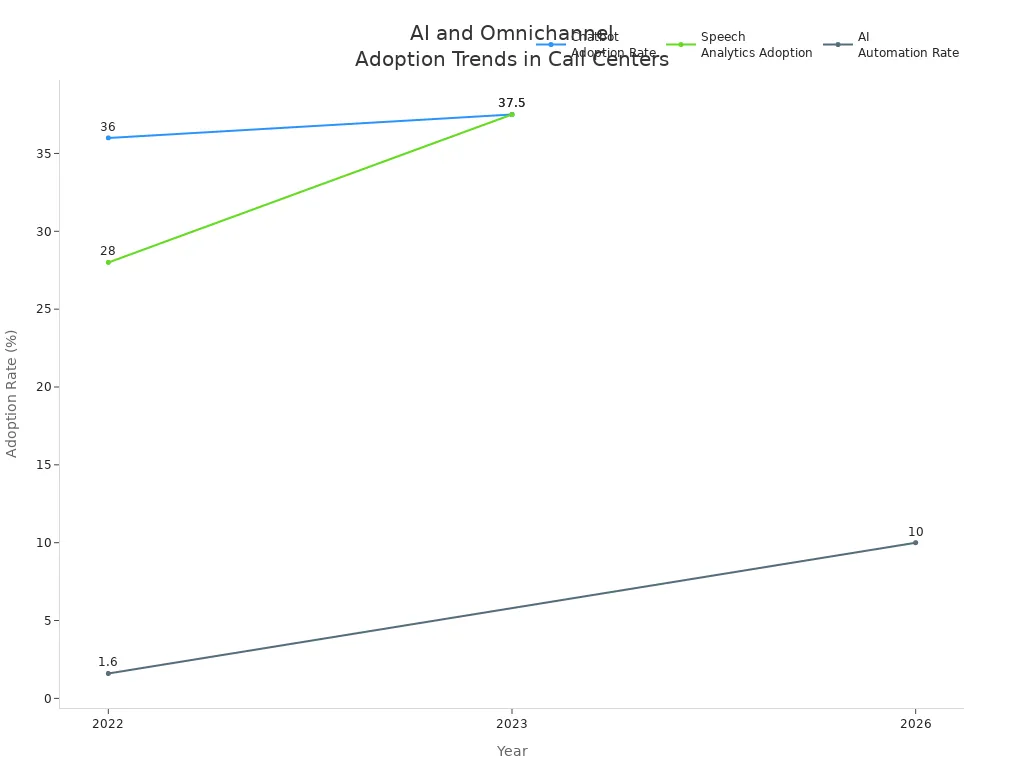
Call Center Communication Overview
What Is Call Center Communication?
You interact with customers every day through call center communication. This process connects your business to customers using voice, chat, email, and social media. Call center communication includes the technology, people, and processes that help you deliver customer service. You rely on infrastructure like telephony systems, computers, and software to manage customer interactions. Agents and supervisors work together to resolve issues and guide customers. Processes such as call routing and quality assurance keep call center operations running smoothly.
Here’s a quick look at the main components and their roles:
| Component | Description | Interaction and Role in Customer Service Operations |
|---|---|---|
| Infrastructure & Technology | Physical resources and systems such as call center facility, telephony (PBX/VoIP), computers, network, and software (CRM, ticketing, workforce management). | Provides the tools and platforms necessary for communication, data management, call handling, and performance tracking. |
| Personnel (Agents & Supervisors) | Agents handle calls, respond to inquiries, resolve issues; supervisors manage operations, provide training, and monitor performance. | Execute communication and service delivery, ensuring professional and efficient customer interactions. |
| Processes & Operations | Call routing, scripting, performance metrics, workforce management, quality assurance. | Ensure calls are directed properly, maintain consistency, monitor quality, optimize staffing, and improve service efficiency. |
| Customer Interaction | Inbound/outbound calls, multichannel communication (email, chat, social media), empathetic and personalized service. | Direct engagement with customers, fostering satisfaction, loyalty, and positive brand reputation through effective communication. |
Why It Matters for Customer Service
Call center communication shapes every customer experience. You create trust and loyalty when you resolve issues quickly and personalize each interaction. Customers expect real-time support and seamless service across all channels. If you deliver empathetic communication and listen to customer needs, you boost satisfaction and retention. When your call center operations use AI, automation, and data analytics, you meet rising expectations for 24/7 support and personalized experiences.
Tip: Focus on first contact resolution. Studies show that 61% of customers want their problems solved on the first try. If you achieve this, you increase customer retention and loyalty.
Call center communication drives business growth. Loyal customers spend more and refer others. You improve customer service by training agents in empathy and using technology to detect dissatisfaction early. Personalization strengthens relationships, and proactive engagement prevents churn. In 2025, 64% of customers expect real-time assistance, and 80% prefer personalized experiences. Your call center operations must adapt to these trends to deliver outstanding customer service.
Leading Call Center Software Solutions
Sobot Voice/Call Center
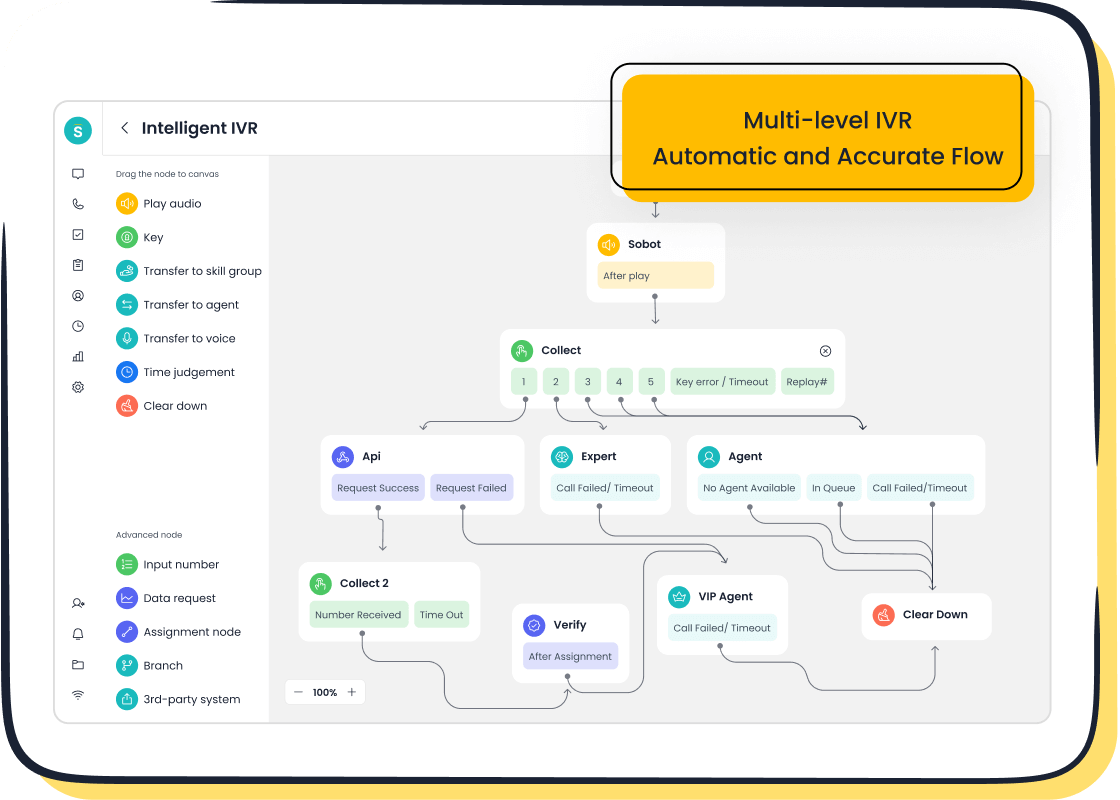
You need call center software that delivers reliable, intelligent, and scalable service. Sobot Voice/Call Center stands out with its advanced AI features and robust cloud infrastructure. You can manage both inbound and outbound calls with ease. The platform uses real-time speech recognition, natural language processing, and large language models to enable human-like voice interactions. Sobot’s voicebot independently resolves over half of customer interactions, guiding users to answers or actions without human intervention. This automation boosts your sales by more than 30% through batch outbound marketing and reduces the workload on your agents.
Sobot’s Five-AI system, launched in 2024, brings a complete AI ecosystem to your call center services. You get omnichannel AI that covers every customer touchpoint—chat, email, voice, and social media. Scenario-based AI adapts to industries like e-commerce and retail, while multi-faceted AI products such as AI Agent, AI Copilot, and AI Insight optimize your operations. Generative AI ensures accurate, professional responses, and secure AI keeps your data compliant with global regulations.
You benefit from a unified platform that integrates all communication channels. Sobot’s mature knowledge graph, built over a decade, combines with the latest LLM technology to deliver high resolution rates and improved customer service quality. Compared to other call center software, Sobot offers a more complete AI-driven solution, helping you achieve faster resolution times and higher customer satisfaction.
Note: Sobot supports over 10,000 brands worldwide, including leaders in retail, finance, logistics, and healthcare. Companies like AccioJob and GiftHealth have seen measurable improvements, such as a 70% reduction in false positives and a fourfold increase in operational efficiency.
Omnichannel Platforms
Modern call center services require seamless communication across multiple channels. Omnichannel platforms unify your customer interactions, ensuring you never lose context. With Sobot’s omnichannel solution, you connect voice, chat, email, and social media into one workspace. This integration eliminates manual data entry and allows agents to see caller information instantly, thanks to contextual routing and screen pops linked to CRM records.
You can use click-to-dial directly from CRM contacts, and every call is automatically logged with detailed summaries. Enhanced reporting and analytics combine CRM and contact center data, giving you deeper insights into your customer support performance. AI-powered automation and routing use keyword scanning, sentiment analysis, and workflow rules to assign inquiries efficiently. Real-time dashboards and CRM integration keep your customer records and agent activity up to date.
Self-service options, such as chatbots and IVR systems, empower your customers to find answers quickly. Performance tracking tools monitor SLAs and KPIs, helping you improve your call center services. Sobot’s omnichannel platform ensures your customers never need to repeat information, creating a unified and satisfying experience.
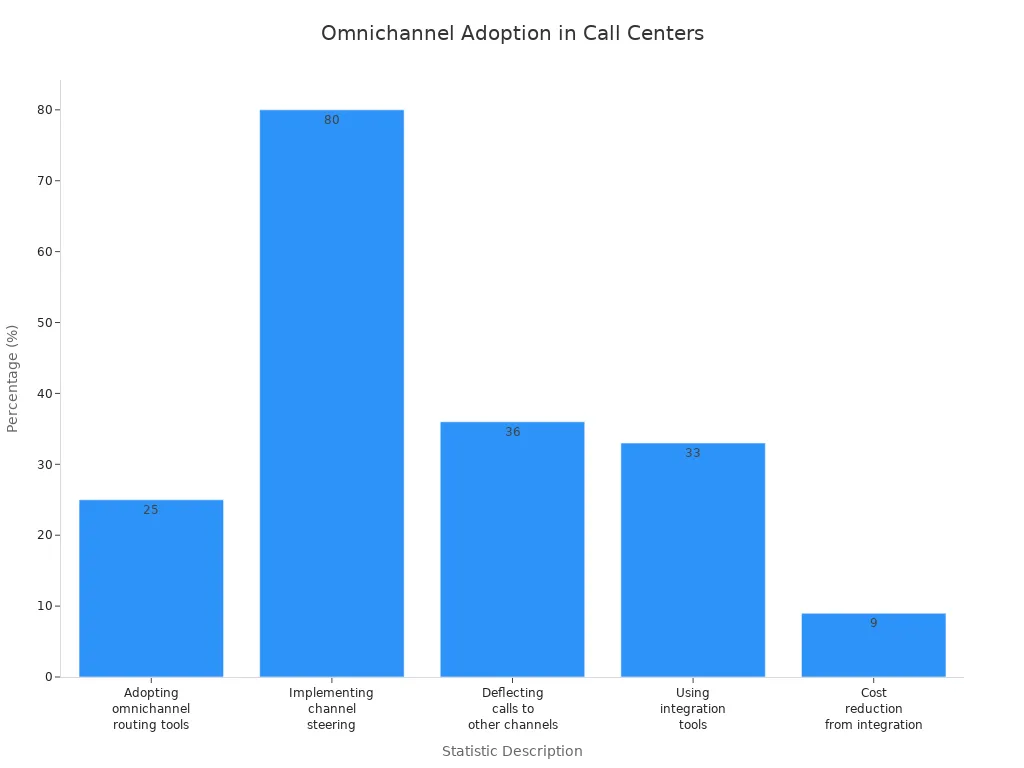
| Statistic Description | Percentage / Ratio |
|---|---|
| Contact centers adopting dedicated omnichannel routing tools | 25% |
| Companies implementing a channel steering strategy | 80% (4 in 5 companies) |
| Companies successfully deflecting calls to other channels | 36% |
| Companies using omnichannel integration tools | 33% (1 in 3 companies) |
| Reduction in cost per assisted contact due to integration | 9% |
AI and Automation Tools
AI and automation tools transform your call center software by increasing efficiency and reducing costs. You can automate repetitive tasks, such as answering common questions and checking customer data, which lowers your labor expenses. AI improves data accuracy by cross-checking information and following strict protocols, preventing costly mistakes. You spend less on training because AI tools require minimal setup compared to human agents.
AI enables faster problem resolution by quickly analyzing data, which boosts customer satisfaction and operational speed. Personalization becomes easier as AI reviews customer history and preferences, making each interaction more relevant. Continuous monitoring and instant feedback help your agents improve without expensive supervision. AI-powered chatbots offer 24/7 customer support, ensuring your customers always receive timely service.
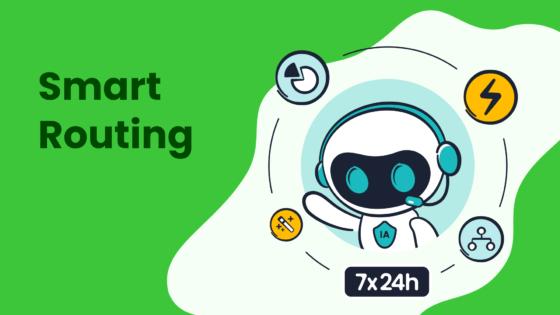
You also benefit from predictive analytics, which optimize staffing and prevent over- or under-staffing. AI enhances quality assurance by tracking and evaluating calls for compliance. Intelligent call routing directs calls to the most suitable agents, minimizing wait times and increasing first-call resolution rates. Automated ticketing uses natural language processing to sort and prioritize queries, allowing your agents to focus on complex issues.
| AI-Powered Feature | Description & Effectiveness Evidence |
|---|---|
| Advanced Call Analytics | Provides real-time insights into customer interactions, helping identify pain points and optimize service strategies. |
| Automated Appointment Scheduling | Reduces no-shows and streamlines scheduling with AI-driven confirmations and reminders, improving operational efficiency. |
| AI-Powered Lead Qualification | Prioritizes high-value leads for agents while automating routine inquiries, enhancing lead management and agent focus. |
| Conversational AI & IVRs | Uses NLP to understand natural speech, reducing call handling times and enabling seamless handoffs to human agents. |
| Sentiment Analysis | Detects caller emotions to help agents adjust approach or escalate issues, improving customer satisfaction and coaching. |
| Predictive Analytics | Forecasts call volumes and customer needs, aiding staffing and resource allocation to reduce wait times and churn. |
| Intelligent Call Routing | Matches customers to best agents based on skills and data, boosting first-call resolution and customer satisfaction. |
| Automated Ticketing | Uses NLP to sort and prioritize queries, speeding up service and allowing agents to focus on complex issues. |
Top Industry Providers
You have many choices when selecting call center software. Leading providers focus on cloud, AI, and omnichannel solutions to meet your evolving needs. The market includes established names like Genesys, NICE, Cisco, Avaya, Five9, Talkdesk, 8x8, Zendesk, Amazon Web Services, and Microsoft. These companies invest heavily in cloud-based business communication, analytics and ai, and automation to deliver scalable and secure call center services.
| Top Call Center Software Providers | Market Position and Strategic Focus | Regional Market Share (2025) |
|---|---|---|
| Genesys | Leader investing in AI Experience Platform for self-learning bots and sentiment analysis | North America: 38.7% (dominant market due to major players and innovation hubs) |
| NICE | Established player focusing on AI and cloud transformation | Asia Pacific: 23.8% (fastest growing region driven by India, China, Philippines) |
| Cisco | Expanded capabilities via acquisition of IMImobile; AI-powered Webex Contact Center | - |
| Avaya | Offers omnichannel contact center solutions for various deployment models | - |
| Five9 | Mid-sized player partnering with Google Cloud to provide virtual agents | - |
| Talkdesk | Focused on verticals like healthcare with specialized cloud solutions | - |
| 8x8 | Provides scalable cloud communication platforms with AI-driven features | - |
| Zendesk | Growing via acquisitions (e.g., Local Measure) to expand AI-powered service capabilities | - |
| Amazon Web Services (Amazon Connect) | Added generative AI capabilities powered by LLMs | - |
| Microsoft | Launched Dynamics 365 Contact Center with generative AI integration | - |
You should consider factors such as integration capabilities, cloud-hosted deployment, AI features, and omnichannel support when choosing your call center software. Providers like Sobot offer a unified platform with advanced routing, analytics, and AI, making it easier for you to deliver exceptional customer support. Sobot’s cloud-hosted solutions ensure high availability and security, supporting your business as it grows.
When you compare providers, look at ratings, integrations, and pricing. For example, LiveAgent receives high marks for its intuitive interface and extensive integrations, while Talkdesk is known for reliable support and call quality. However, Sobot’s unique combination of AI features, omnichannel communication, and cloud-based business communication sets it apart for businesses seeking a complete solution.
Tip: Choose call center software that aligns with your customer journey, supports your agents, and delivers actionable insights. The right technology will help you unify your customer support and drive satisfaction across every channel.
Key Features for Call Center Services
Intelligent IVR and Routing
You need call center software that uses intelligent IVR and routing to improve customer experiences. Modern call center services analyze caller intent in real time, using IVR menus and self-service options. The system directs calls to agents with the right skills, reducing transfers and repeat calls. Integration with CRM systems gives agents instant access to customer data, which helps resolve issues faster. Machine learning algorithms optimize routing decisions by studying past interactions and agent performance. You see shorter wait times and higher first-call resolution rates.
| Impact Area | Evidence Detail |
|---|---|
| First-Call Resolution (FCR) | Skill-based routing improves FCR by 15-25% compared to simple queue systems. |
| Call Handling Time | Calls handled 30-40 seconds faster with intelligent routing. |
| Wait Times | Wait times reduced by 25-35% after implementing intelligent routing. |
| Customer Satisfaction | Scores increase by 10-15 points due to faster resolution and personalized service. |
| Operational Efficiency | Companies cut operational costs by up to 30% with AI-powered routing systems. |
| Expertise Matching | Skill-based routing connects callers to agents with exact expertise, solving complex issues 37% faster. |
Tip: Intelligent routing in call center software helps you match customers with the best agents, leading to faster solutions and happier customers.
Unified Workspace
Unified workspace is a must-have feature in call center software. You manage all customer interactions from one platform, whether through phone, chat, email, or social media. This integration breaks down silos between departments and gives agents a complete view of each customer. You save time by avoiding switching between multiple systems. Agents see customer history, preferences, and open tickets in one place, which helps them personalize service and resolve issues quickly. Unified workspace supports true omnichannel communication, letting agents route inquiries based on urgency or skill, not just channel.
- You improve first contact resolution rates.
- You reduce cost to serve.
- Agents spend less time searching for information and more time helping customers.
Real-Time Analytics
Real-time analytics in call center software give you instant insights into customer interactions and agent performance. You monitor key metrics like average handling time, call volume, and call quality as they happen. Supervisors use these insights to coach agents and adjust staffing during busy periods. Predictive analytics forecast call volumes and customer needs, helping you allocate resources before problems arise. AI-powered analytics track sentiment and highlight areas for improvement. You make faster, smarter decisions that boost customer satisfaction and operational efficiency.
| Aspect | Evidence | Impact on Decision-Making and Management |
|---|---|---|
| Immediate Issue Resolution | Real-time data enables instant identification and resolution of performance issues. | Allows managers to swiftly address problems, improving operational flow. |
| Staffing Optimization | Adjusting staffing during peak times based on real-time call queue monitoring. | Reduces call abandonment by 25%, ensuring adequate agent availability. |
| Agent Performance Enhancement | Tracking metrics like average call length, call volume, and call quality in real-time. | Enables targeted coaching and performance improvements. |
| Customer Experience Improvement | Proactive management of customer interactions and personalized responses using real-time data. | Enhances satisfaction by resolving issues before escalation. |
| AI and Machine Learning | Use of predictive analytics and automation to forecast call volumes and customer needs. | Supports dynamic resource allocation and proactive decision-making. |
| Real-Time Alerts | Notifications on metrics like queue length and wait times for immediate corrective actions. | Helps maintain service quality and quick response to emerging issues. |
Integration and Security
You rely on call center software that integrates with your existing business tools and protects customer data. Integration features connect CRM systems, ticketing platforms, and unified communications, giving agents access to customer context and history. Security standards like GDPR, CCPA, and PCI-DSS ensure compliance and data protection. Role-based access control restricts sensitive information to authorized agents. Multi-factor authentication and regular audits strengthen your security posture. You safeguard customer data and maintain trust by following best practices in vendor management, encryption, and employee training.
- You benefit from seamless integration with APIs and SDKs.
- You monitor device connectivity and network performance.
- You enforce strict access controls and authentication methods.
Note: Strong integration and security in call center services help you deliver reliable service and protect customer information.
Enhancing the Customer Journey

Omnichannel Support
You want every customer to enjoy a seamless experience, no matter which channel they choose. Omnichannel support in call center software lets you meet customers where they are—phone, chat, email, or social media. With Sobot Omnichannel Solution, you give agents a unified view of all customer interactions. This approach removes silos and ensures agents never miss important details. Customers can switch channels without repeating information, making the customer journey smooth and frustration-free.
- Omnichannel strategies offer convenience by letting customers use their preferred channels.
- Channel continuity means customers never lose context, even when switching between chat and voice.
- Consistency in branding and messaging builds trust.
- Agents use data and analytics to personalize every interaction, improving customer satisfaction.
Sobot’s platform supports omnichannel needs by centralizing data and conversation history. This unified workspace boosts agent efficiency and reduces customer churn. Companies using omnichannel customer experience management see higher retention and engagement rates.
| Company / Industry | Omnichannel Solution Features | Customer Satisfaction Impact | Other Key Metrics / Outcomes |
|---|---|---|---|
| Retail Giant | AI-enhanced omnichannel strategy with real-time data analysis and personalization | 18% improvement in customer satisfaction scores | 25% increase in customer retention; 40% increase in customer engagement; 20% increase in conversion rates; 35% ROI within 6 months |
| Siemens Financial Services | Unified customer profiles, agentic AI, predictive analytics, GDPR-compliant data management | 15% increase in customer retention | 25% increase in customer engagement; 10% revenue growth |
AI-Powered Self-Service
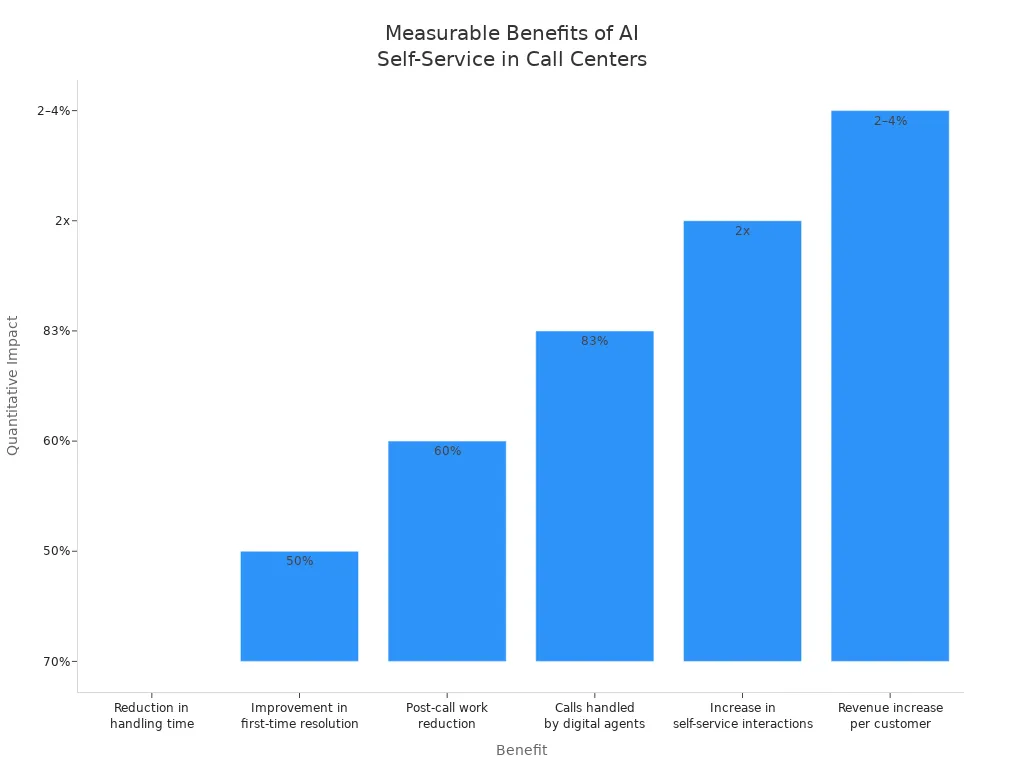
AI-powered self-service options in call center software transform the customer journey. You empower customers to solve problems on their own, any time of day. Sobot’s AI-driven chatbots and voicebots handle routine questions, freeing agents to focus on complex issues. This approach reduces average handling time by 70% and improves first-time resolution by 50%. Customers get fast, accurate answers, which increases satisfaction and loyalty.
IBM reports that AI-powered self-service can cut costs by up to 30% and boost customer satisfaction by 15%. Sobot’s solution provides 24/7 support, so your customers always have access to help. Agents benefit from automated workflows, which reduce post-call work by 60% and let them deliver better service.
Personalization and Efficiency
Personalization is key to customer experience management. With call center software like Sobot, you use AI and data integration to tailor support for each customer. Agents see detailed profiles and past interactions, so they can offer relevant solutions. This level of personalization increases customer loyalty and improves efficiency metrics.
You measure success through customer engagement strategies, satisfaction scores, and retention rates. Sobot’s unified workspace and predictive analytics help agents deliver proactive, hyper-personalized support. The OPPO customer story shows real-world impact: after adopting Sobot, OPPO achieved an 83% chatbot resolution rate and a 94% positive feedback rate. Their customer journey management improved, leading to a 57% increase in repurchase rate.
Note: Personalization and efficiency in omnichannel support drive better customer experience options and long-term loyalty.
Choosing the Right Call Center Communication Solution
Assessing Business Needs
You need to start by understanding your unique requirements before selecting call center software. Every business has different customer expectations and service goals. Begin by deciding if you want a cloud or on-premises system. Cloud options offer flexibility and support remote agents, while on-premises solutions give you more control. Make sure your call center services support all the channels your customers use, such as phone, chat, and social media. Look for software that integrates with your CRM and ticketing systems, so agents can access customer data quickly. Security and compliance are critical, especially if you handle sensitive information. AI and automation features, like chatbots and speech analytics, help you improve efficiency and customer experience. Always check for essential features such as call recording, monitoring, transcription, intelligent routing, and real-time reporting. Review the vendor’s product roadmap and support options to ensure long-term success.
Tip: Involve your agents and supervisors in the selection process. Their feedback helps you choose call center software that fits real-world workflows.
Scalability and Integration
Your call center services must grow with your business. Scalable systems handle more customer interactions without losing service quality. Integration with CRM and business tools streamlines workflows, making agents more efficient. Cloud-based call center software lets you add new agents, channels, and features as your needs change. Automated routing and queue management keep operations smooth during busy times. When your software integrates with third-party apps, agents can access customer information in real time. This flexibility supports better customer service and helps you adapt to new challenges. Self-service IVR options empower customers and free agents for complex tasks. Combining cloud technology, omnichannel capabilities, and real-time analytics gives you a flexible, scalable solution for long-term growth.
Pricing and Support
Pricing models for call center software vary. Subscription plans charge per agent each month and often include basic support. Perpetual licenses require a one-time fee but may add costs for updates and maintenance. Free or open-source options save on licensing but need in-house support. The number of agents, advanced features, and integrations all affect your total cost. Support options range from self-service resources to 24/7 live help. Always check for hidden costs, such as branding or workflow customization. Choose a vendor that offers reliable support and clear communication, so your call center services stay efficient and your agents stay productive.
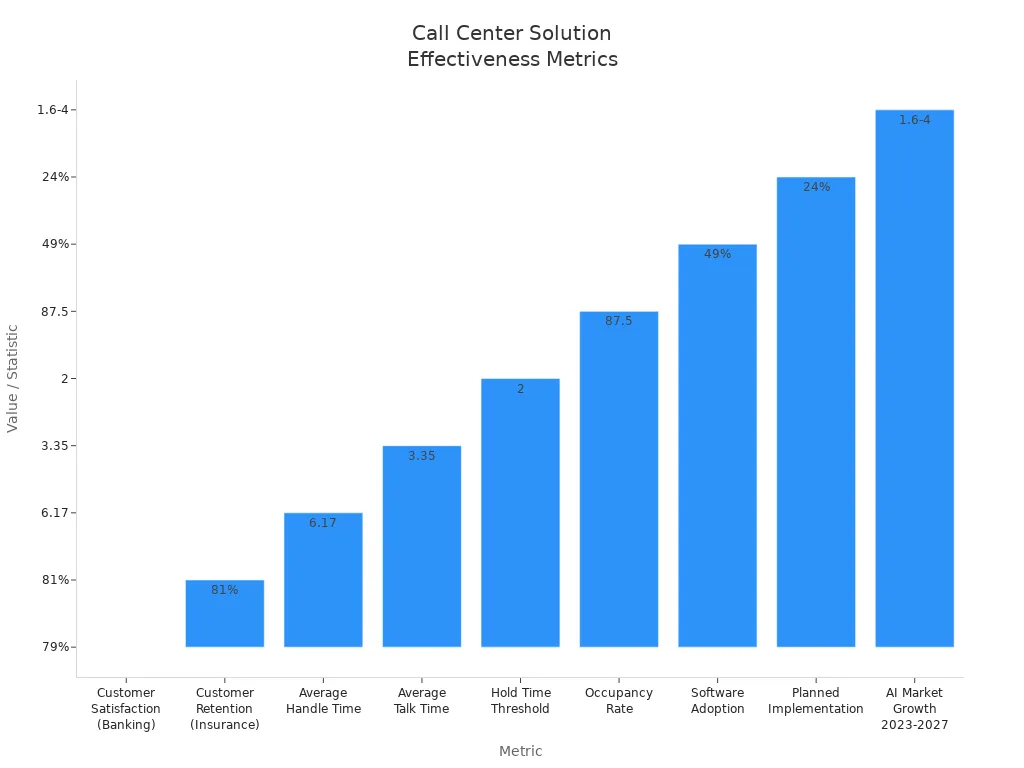
You want the best call center communication solutions to support every customer at each touchpoint. Sobot stands out for its unified platform, AI-driven automation, and reliable service. Top solutions help you improve customer satisfaction, retention, and efficiency. The table below highlights key metrics that show the impact of leading call center software:
| Metric | Value/Statistic | Explanation/Impact |
|---|---|---|
| Customer Satisfaction (Banking) | 79% | High satisfaction rate indicating effective communication in banking call centers. |
| Customer Retention (Insurance) | 81% | Improved retention due to quality call center service in insurance industry. |
| Average Handle Time (AHT) | 6 minutes 10 seconds | Average time to resolve a call, balancing efficiency and quality. |
| Average Talk Time | 3.35 minutes | Time agents spend actively talking to customers, reflecting engagement level. |
| Hold Time Threshold | < 2 minutes | Hold times longer than 2 minutes cause up to 60% call abandonment, emphasizing prompt service. |
| Occupancy Rate | 85% - 90% | Healthy agent workload balance to prevent burnout and maintain productivity. |
| Call Center Software Adoption | 49% | Nearly half of businesses use call center software, showing technology integration. |
| Planned Software Implementation | 24% | Additional organizations planning to adopt call center solutions soon. |
| AI Market Growth | $1.6B (2023) to >$4B (2027) | Rapid AI expansion highlights its role in improving efficiency and customer experience. |
You should match your technology to your customer journey and business goals. Unifying customer contact into one platform helps you understand customer needs, improve collaboration, and deliver consistent service. This approach lowers costs, increases employee satisfaction, and builds strong customer loyalty.
To get started:
- Set a budget for your customer service needs.
- Evaluate features that match your customer requirements.
- Check ease of use for your team.
- Review customer support options.
- Compare providers and read customer reviews.
- Test demos or free trials to see what fits best.
Choose solutions that unify customer contact and drive satisfaction. This will help you deliver a seamless customer experience and support your business growth.
FAQ
What is the main benefit of using cloud-hosted call center software?
You gain flexibility and scalability with cloud-hosted call center software. You can support remote agents, manage call center operations from anywhere, and access real-time analytics. This technology helps you improve customer satisfaction and streamline communication across all channels.
How does intelligent routing improve customer experience options?
Intelligent routing matches customers with the best agents for their needs. You reduce wait times and increase first-call resolution rates. This feature in call center communication ensures your customer journey feels smooth and efficient.
Can omnichannel solutions help with customer journey management?
Omnichannel solutions unify customer support across voice, chat, email, and social media. You provide consistent service and never lose context. This approach boosts customer engagement strategies and enhances customer experience management.
Why are analytics and AI features important in call center services?
Analytics and AI features give you actionable insights into customer interactions. You monitor agent performance, predict trends, and personalize service. These tools help you optimize call center operations and improve customer satisfaction.
What should you look for when choosing call center software?
You should check for cloud-based business communication, integration with existing systems, real-time analytics, and strong security. Make sure the software supports your omnichannel needs and offers advanced AI features for better customer support.
See Also
Best Contact Center Platforms Evaluated For The Year 2024
Effective Strategies For Managing Call Center Quality
Understanding The Efficient Operation Of Call Center Automation
Key Functionalities To Look For In CRM Call Software
Analyzing Artificial Intelligence Solutions For Enterprise Call Centers

