Build a Chatbot Solution for Ecommerce in 2026

Building a customer service chatbot solution for ecommerce in 2026 requires a new approach. You must move past simple Q&A. Your future chatbot will use generative AI for proactive, personal chat. Customers already expect this level of service.
Did You Know? 74% of consumers prefer using chat for simple, quick questions.
The market for ai-powered chatbots is set to exceed $10 billion by 2026. A modern customer service chatbot, like one built with Sobot, creates these personalized journeys. This advanced chatbot uses smart chat to turn every chat into a sales opportunity.
Why Your 2026 AI Chatbot is Essential
A modern chatbot is more than a simple tool. It is a core part of your sales and service strategy. Your 2026 chatbot will actively drive revenue and build customer loyalty. It moves your chat service from a cost center to a profit driver.
Drive Sales with Personalization
You can turn every chat into a sales opportunity. AI-powered chatbots analyze customer data in real time. They look at browsing history, past purchases, and even mouse movements. This allows the chatbot to offer hyper-personalized product recommendations during a chat. For example, if a customer asks for running shoes, the AI can suggest the perfect pair based on their stated needs and past behavior. This level of personal chat makes customers feel understood. Businesses that use this strategy see conversion rates increase by over 20%.
Recover Carts and Boost Conversions
Cart abandonment hurts your bottom line. AI-powered customer service bots can reduce abandonment by 15-40%. The chatbot detects when a user is about to leave the site. It then starts a proactive chat to help.
How a Chatbot Recovers a Sale:
- It asks a question: "Leaving so soon? Can I help with anything?"
- It finds the problem: The chatbot understands issues like a broken discount code.
- It offers a solution: It can provide a new code or confirm shipping costs.
- It guides the customer: It directs the user back to the checkout page to complete the purchase.
Automate Post-Purchase Support
Customers want fast answers after they buy something. A customer support chatbot provides instant responses to common questions. This support automation can handle over 60% of post-purchase inquiries like "Where is my order?" without human help. This instant chat improves your chat service. Fast responses make customers happier. Happy customers are more likely to buy from you again.
Elevate Your Chat Service Beyond 24/7 Support
Your customer service chatbot offers capabilities far beyond round-the-clock availability. It becomes a source of valuable business intelligence. Every chat provides data on customer pain points and popular products. This information helps you improve your store and marketing. This advanced chat service also offers multilingual support, helping you connect with a global audience. It creates a seamless experience that builds trust and drives growth.
Tech Powering Your Customer Service Chatbot Solution for Ecommerce
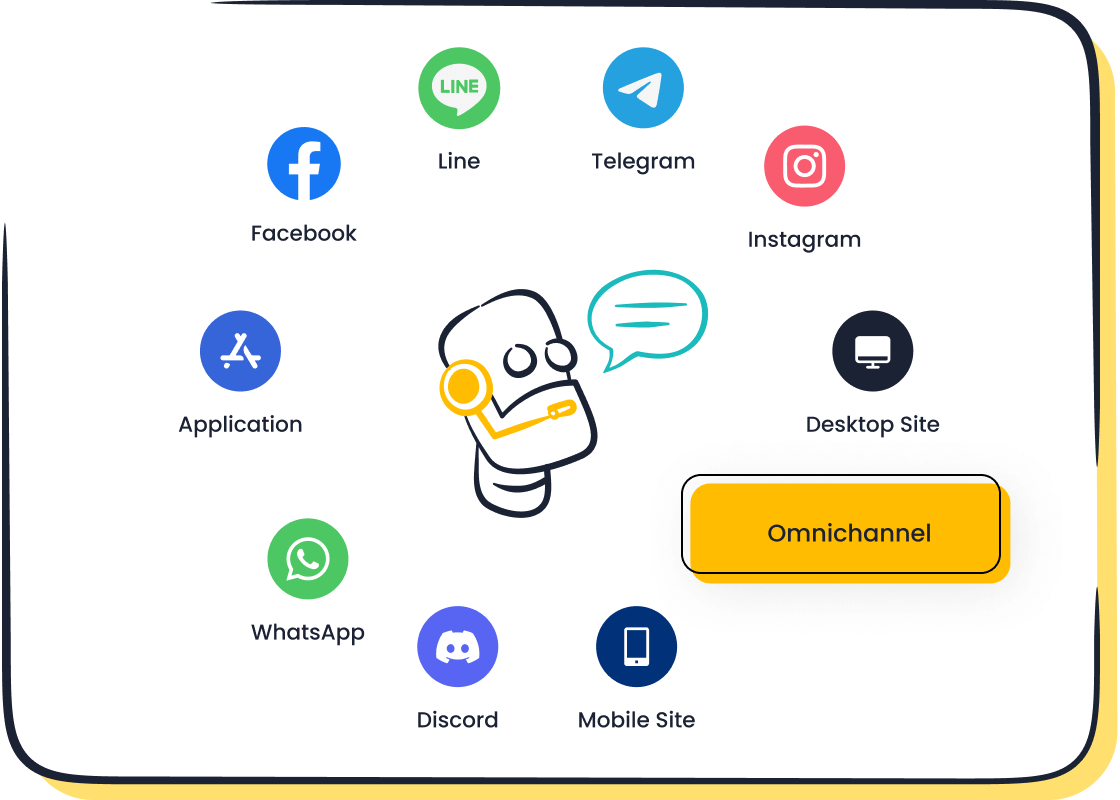
To build a powerful customer service chatbot solution for ecommerce, you need the right technology. The magic behind a 2026-ready chatbot is not one single tool but a combination of three core components. These technologies work together to create a smart, responsive, and deeply integrated chat service.
Generative AI and LLMs for Human-Like Conversation
Your 2026 chatbot needs to sound human. Generative AI makes this possible. It uses Large Language Models (LLMs), like OpenAI's ChatGPT, to understand and create natural chat dialogue. Unlike older bots that followed rigid scripts, generative AI produces new, relevant responses for every chat. This technology gives your chatbot a deep understanding of context and nuance. It can handle complex questions and adapt its chat style, moving beyond simple keyword matching to have a truly helpful chat.
Retrieval-Augmented Generation (RAG) for Product Data
A great chat is not enough. Your chatbot must provide accurate, up-to-date information. Retrieval-Augmented Generation (RAG) connects your AI to your store's private data. This includes your entire product catalog, specifications, and inventory levels. When a customer starts a chat asking a question, RAG retrieves the correct information from your database in real time. It then gives this data to the LLM to create a factual, trustworthy answer. This process grounds the chatbot's answers in facts, preventing it from making up information.
APIs for Deep Ecommerce Stack Integration
APIs (Application Programming Interfaces) are the bridges that connect your customer service chatbot to your other business systems. They allow your ai-powered chatbots to do more than just chat. Your ai-powered customer service bots use APIs to perform key tasks for your customers. This integration transforms your chat service.
Key API Functions for Ecommerce:
- Checking real-time product stock
- Tracking an order's current status
- Retrieving shipment tracking numbers
- Verifying a customer's identity for security
This deep integration makes your customer service chatbot solution for ecommerce a truly functional part of your store.
How to Create a Customer Service Chatbot Step-by-Step
Building a powerful customer service chatbot solution for ecommerce is a clear, manageable process. You can create a tool that drives sales and delights customers by following a structured plan. This guide will walk you through the six essential steps to create customer service chatbot success.
Step 1: Define Your Ecommerce Goals
Before you write a single line of chat dialogue, you must define what success looks like. Clear goals will guide your entire project and determine how you measure return on investment. Your objectives should focus on enhancing the customer journey, driving sales, and managing high inquiry volumes.
Tip: Your goals must be specific and measurable. Vague targets lead to unclear results. Instead of "improve support," aim for a concrete outcome.
Here are some powerful goals for your chatbot implementation:
- Reduce support tickets for "Where is my order?" inquiries by 50%.
- Increase upsells during chat interactions by 15%.
- Achieve a First Contact Resolution (FCR) rate of 70%, where the chatbot fully resolves the query.
- Lower the Escalation Rate to human agents to under 25%.
- Boost the Chatbot-Influenced Average Order Value (AOV) by 10%.
Setting these benchmarks from the start gives you a clear path to follow and a way to prove your chatbot's value.
Step 2: Choose Your Platform
You have two main paths to create customer service chatbot technology: building a custom solution or using a no-code platform. Your choice depends on your budget, timeline, and technical resources.
| Feature | No-Code AI Platforms | Custom Development |
|---|---|---|
| Development | Visual tools and templates for quick setup | Built from scratch with coding and testing |
| Cost | Lower, subscription-based | High upfront investment (> $10,000) |
| Time | Days or weeks to deploy | Several months |
| Skills Needed | No technical expertise required | Advanced coding and AI knowledge |
For most ecommerce businesses, a no-code AI platform like Sobot offers the perfect balance of power and simplicity. Sobot provides a point-and-click interface that lets you design, build, and launch a sophisticated chatbot without writing any code. This approach dramatically speeds up deployment and lowers costs.
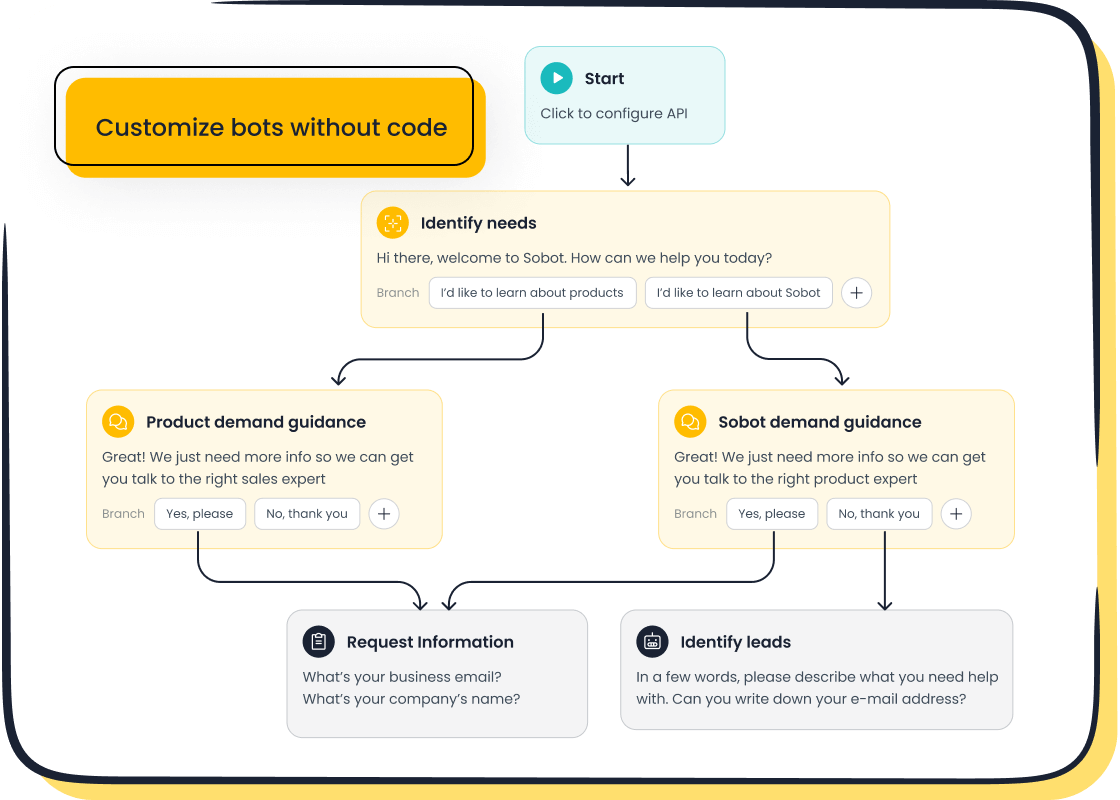
When choosing a platform, look for one that offers a complete chat service, including:
- Omnichannel Support: Connect with customers on your website, WhatsApp, and social media from one place.
- Deep Integrations: Seamlessly link to ecommerce platforms like Shopify and CRMs like Salesforce.
- AI-Powered Workflows: Automate tasks for both sales and support.
- Proactive Engagement: Start a chat with customers to reduce cart abandonment or offer help.
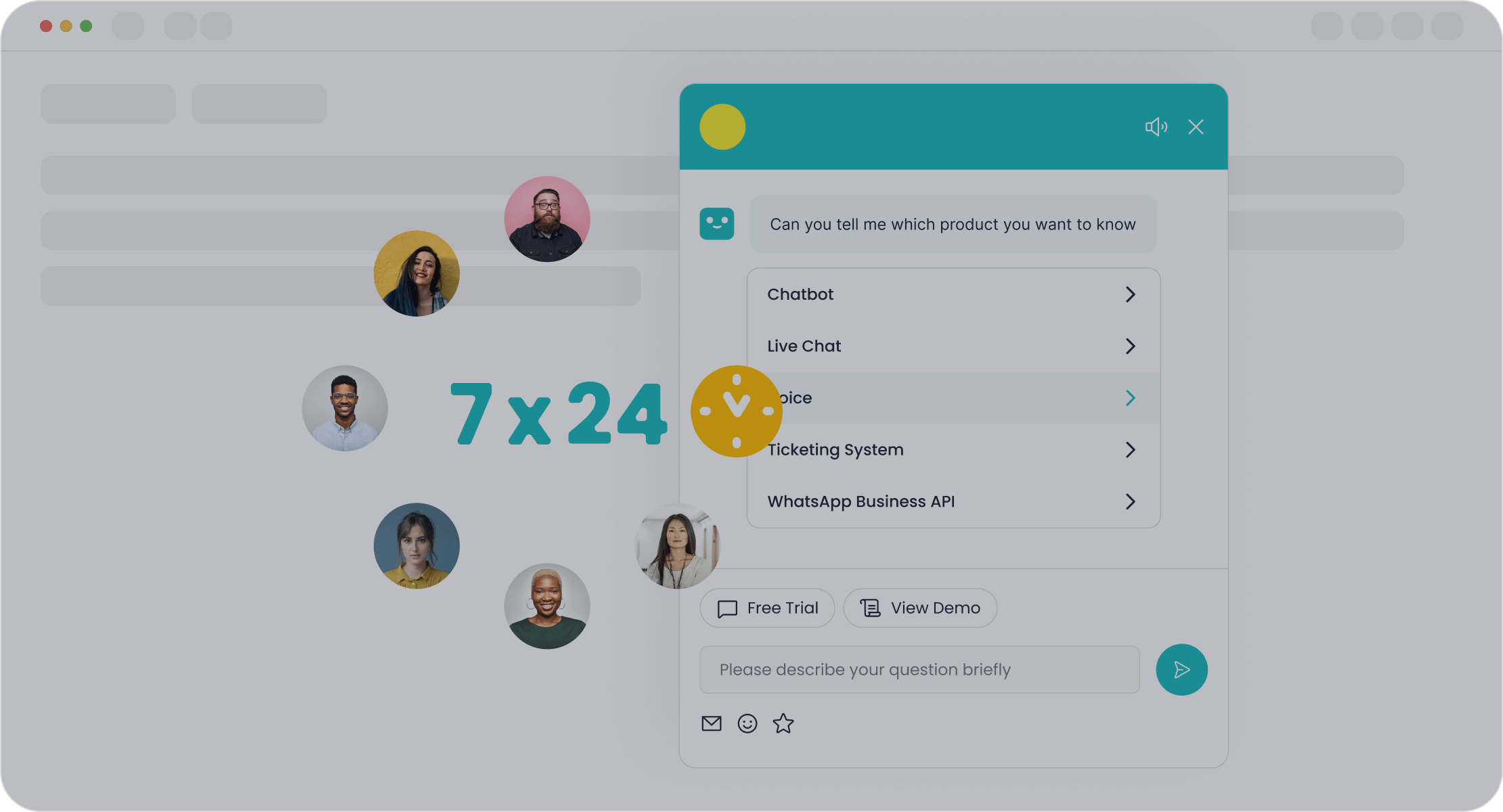
- A Full Contact Center Suite: Look for solutions that combine the chatbot with live chat, a ticketing system, and even a voice call center for a truly unified customer experience.
Step 3: Design the Customer Journey Flow
Now you will map out your conversations. A good chat flow guides users to their goals without confusion. You should design separate flows for your two primary use cases: customer support and sales.
For a customer support journey, your flow should:
- Greet the user and clearly state what the chatbot can do.
- Understand the problem by asking clarifying questions.
- Provide a direct answer or solution from its knowledge base.
- Offer to connect the user with a human agent if the issue is too complex.
For a sales-focused journey, keep the chat short and engaging. Use conversational markers to guide the user and personalize the interaction with their name and purchase history. Always provide a clear next step, whether it's a product recommendation, a link to checkout, or an option to go back. A well-designed chat flow never leaves the user at a dead end.
Step 4: Integrate with Your Ecommerce Stack
Integration is what elevates your chatbot from a simple Q&A tool to a functional assistant. By connecting your chatbot to your core business systems using APIs, you empower it to perform actions for your customers.
The most critical systems to integrate are:
- Order Management System (OMS): Allows the chatbot to provide real-time order status, tracking numbers, and return information.
- Customer Relationship Management (CRM): Gives your chatbot access to customer history for personalized recommendations and support.
- Inventory Management System: Enables the chatbot to check product availability and notify customers about stock levels.
With deep integration, your chatbot can access centralized customer data for every chat. If a complex query requires a human agent, the chatbot passes the entire chat history to the agent. This ensures a seamless handoff where the customer never has to repeat themselves.
Step 5: Train, Test, and Deploy
Your chatbot is only as smart as the data you give it. Training involves feeding your AI thousands of real-world customer inquiries. This helps it understand user intent and provide accurate answers. You can build its knowledge base from past support tickets, product manuals, and FAQ pages.
Once trained, you must test its performance rigorously. Run simulations for common ecommerce scenarios to find any gaps in its knowledge or conversational flow.
Test your chatbot with questions like:
- "Where is my order?"
- "What is your return policy?"
- "Do you have this shirt in blue?"
- "My discount code isn't working."
- "I want to speak to a person."
Pay close attention to the last scenario. Testing the human handover process is critical for a positive customer experience. After thorough testing, you are ready to deploy your customer service chatbot and let it start helping your customers.
Step 6: Monitor Analytics and Optimize
Launching your chatbot is the start, not the end. Continuous optimization is key to long-term success. Use your platform's analytics dashboard to monitor your chatbot's performance and identify areas for improvement.
Track these key metrics to measure success:
- Resolution Rate: The percentage of chats solved by the bot alone.
- Containment Rate: The percentage of conversations handled entirely by the bot.
- Customer Satisfaction (CSAT): Gathered via post-chat surveys asking users to rate their experience.
- Conversion Rate: The percentage of chat interactions that lead to a sale.
- Cart Recovery Rate: The number of abandoned carts recovered through proactive chat.
Analyzing this data helps you understand what's working and where users are getting stuck. Use these insights to refine your chat flows, update your knowledge base, and continuously improve your chat service.
Real-World Success: OPPO's Customer Service Chatbot
Theory is helpful, but seeing a solution in action provides real proof. You can look at the success of OPPO, a global leader in smart devices. Their story shows how a powerful customer service chatbot transforms a business.
The Challenge: Managing High Inquiry Volume
Imagine your store during a massive holiday sale. The number of customer questions explodes. OPPO faced this exact problem. During peak shopping times, their human agents were overwhelmed with a high volume of chat inquiries. Customers experienced long wait times for every chat. This led to frustration and lost sales. The company needed a way to manage the surge in chat requests and improve its chat service.
The Solution: Human-Machine Cooperation with Sobot
OPPO did not replace its human agents. Instead, you see they chose a smarter path: human-machine cooperation. They implemented Sobot's integrated solution, which combines an intelligent chatbot with a ticketing system.
This system works simply and effectively:
- The chatbot instantly handles the majority of repetitive chat questions. This includes order status, product details, and shipping policies.
- Complex issues requiring a human touch are automatically routed to the right agent. The agent receives the full chat history.
This approach freed up human agents to focus on high-value conversations. It made their entire chat service more efficient.
The Results: Higher Efficiency and Repurchase Rates
The results of this strategy were remarkable. By automating the initial chat and supporting agents, OPPO dramatically improved its performance. This powerful chatbot helped them achieve incredible metrics.
OPPO's Success with Sobot:
- 83% of chat inquiries were resolved by the chatbot alone.
- 94% of customers gave the new system a positive feedback rating.
- The company saw a 57% increase in its customer repurchase rate.
These numbers show the direct impact of a well-executed AI strategy. OPPO turned its support challenges into an opportunity to build loyalty and drive revenue.
Your 2026 customer service chatbot solution for ecommerce is a full AI sales assistant. It is not just a tool for support chat. You can build this powerful customer service chatbot by defining goals and choosing a platform like Sobot. This approach prepares you for a future where AI agents will handle most chat interactions. A great chat experience drives sales and builds loyalty. Your chatbot will handle every chat, and every chat will be a good chat. This makes your chat service better.
Don't wait for the future of retail to arrive. Start planning your 2026 chatbot strategy today to get ahead of the competition.
FAQ
How long does it take to set up a chatbot?
You can launch a chatbot quickly with a no-code platform. These ai-powered chatbots use templates for fast deployment. You can have a basic chat function live in just a few days. A full integration with custom chat flows may take a few weeks.
Will a chatbot replace my human support team?
No, a customer support chatbot enhances your team. The bot handles simple chat requests. This frees your agents for complex chat issues. This human-machine chat cooperation makes your entire chat service more efficient. Every chat gets the right level of attention.
How do I measure my chatbot's success?
You track performance with an analytics dashboard. This tool shows key metrics for your customer service chatbot. You can see resolution rates and conversions from each chat. This data helps you improve every chat interaction and prove the value of your chat.
What happens if the bot cannot answer a question?
Ai-powered customer service bots transfer the chat to a human agent. The bot passes the full chat history to the agent. The customer never has to repeat their issue. This creates a smooth and helpful chat experience for everyone.
See Also
Best Live Chat Platforms for E-commerce Success This Year
Elevating E-commerce Customer Happiness Through Intelligent Chatbot Solutions
Building Effective Chatbots: A Guide for Website Optimization and Growth
Effortlessly Develop a Chatbot for Your Website: A Simple Guide
Driving E-commerce Sales Growth with Live Chat Software Integration

