Building an AI Assistant for Ecommerce Customer Service

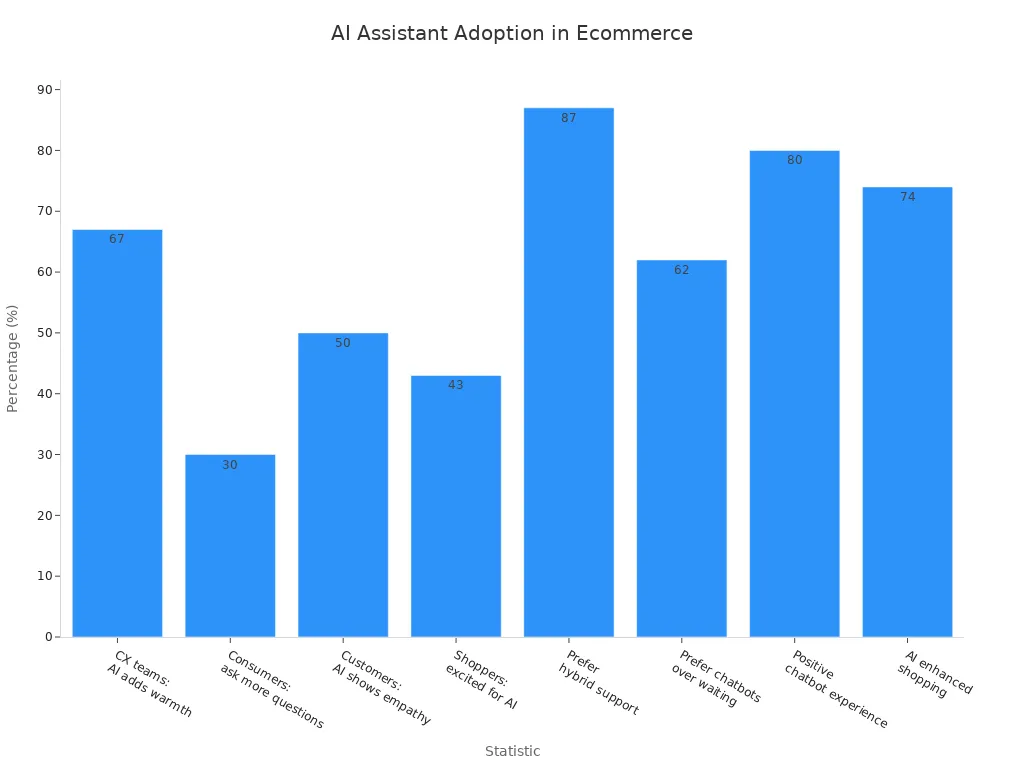
You can build an ai assistant for ecommerce customer service today and see real results quickly. Sobot leads the way with an ai assistant for ecommerce that combines chatbot, live chat, ai agent, call center, voicebot, and ticketing system features. The latest statistics show high adoption and satisfaction:
| Statistic | Value |
|---|---|
| 80% of customers report positive AI chatbot experiences | 80% |
| 74% of shoppers felt AI enhanced their shopping experience | 74% |
| 62% of customers prefer engaging with chatbots over waiting for human agents | 62% |
To get the most from your ai assistant for ecommerce, focus on seamless integration, align the chatbot with your brand, and use real-time inventory data. You will boost satisfaction and cut costs when you deploy an ai assistant for ecommerce that handles high-frequency scenarios and gives instant, accurate answers.
What Is an AI Assistant for Ecommerce?
AI Assistant Definition
You can think of an ecommerce ai assistant as a smart tool that helps you manage the customer shopping journey. AI plays a key role in ecommerce by analyzing data and automating tasks. You see it in product suggestions, inventory management, and personalized purchasing. These assistants use technologies like chatbots and recommendation agents to make shopping easier.
Tip: AI assistants use natural language processing to understand your questions and provide helpful answers.
Here is a table showing the main technologies and functionalities that power an ecommerce ai assistant:
| Technology/Functionality | Description |
|---|---|
| Natural Language Processing | Understands casual questions and improves product recommendations. |
| Machine Learning | Learns from your interactions to improve selling capabilities. |
| Advanced Website Search | Finds products based on your intent, making shopping faster. |
| Organized Product Data | Keeps product details clear for efficient shopping experiences. |
| Analytics | Tracks customer behavior to help assistants evolve and perform better. |
Role in Ecommerce Customer Service
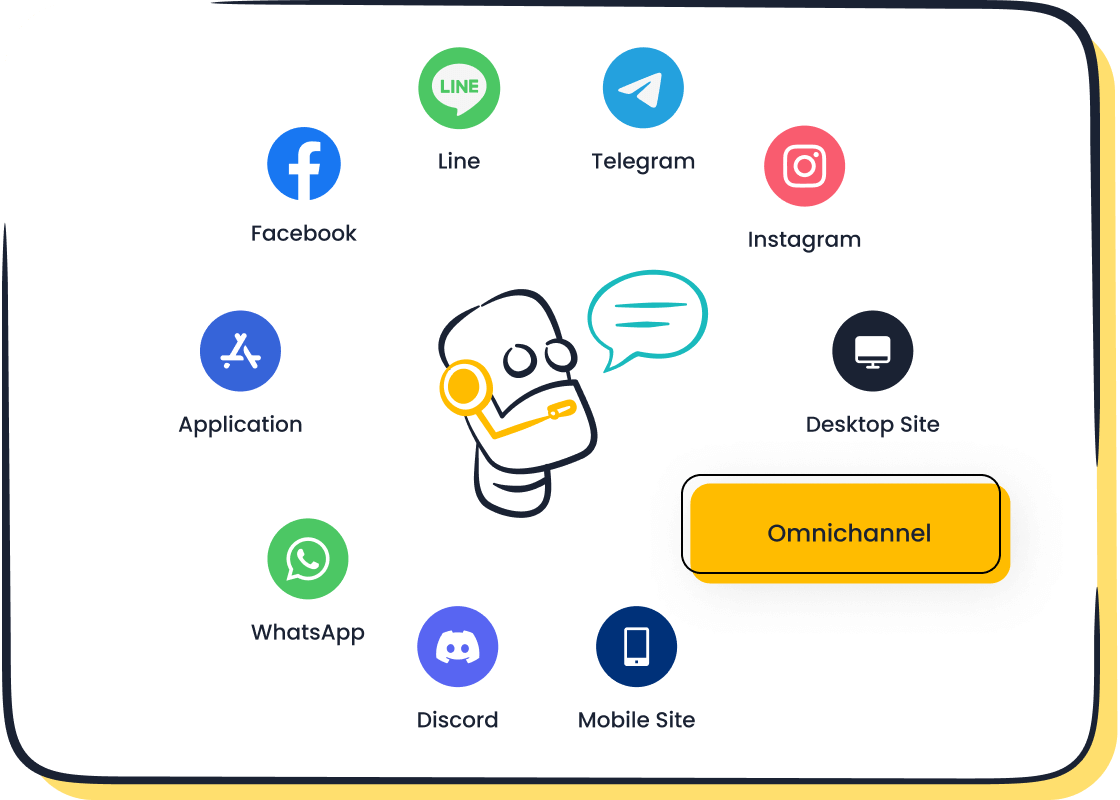
An ecommerce ai assistant supports you throughout your shopping journey. You get 24/7 customer support, so your questions are answered any time. The assistant automates responses to common inquiries, saving you time. It connects with different channels, like chat, email, and social media, to make your journey seamless.
- Uses NLP to understand your queries
- Offers real-time personalization
- Recommends products to reduce returns
Value for Customer Experience
You benefit from faster answers and easier product discovery. AI-driven chatbots give you support around the clock, which many shoppers prefer over waiting for human agents. AI improves search algorithms, helping you find products quickly and complete your shopping journey. Companies using ecommerce ai assistants see higher conversion rates and loyalty. For example, one firm saw a 30-point jump in NPS after adding AI to their customer engagement.
Key Features of an Ecommerce AI Assistant
Natural Language Processing and Multilingual Support
You interact with ecommerce chatbots that use natural language processing to understand your questions. This technology helps the assistant respond in a way that feels natural. Many ecommerce businesses rely on NLP, which holds over 36.8% market share in 2024. You can ask questions in your own language because ai shopping assistants support more than 50 languages. Sobot’s ai-powered chatbots let you connect with customers worldwide, breaking language barriers and improving satisfaction.
- NLP makes conversations smooth and accurate.
- Multilingual support lets you serve global customers.
- You get instant answers, no matter where you shop.
Omnichannel Integration with Sobot Chatbot
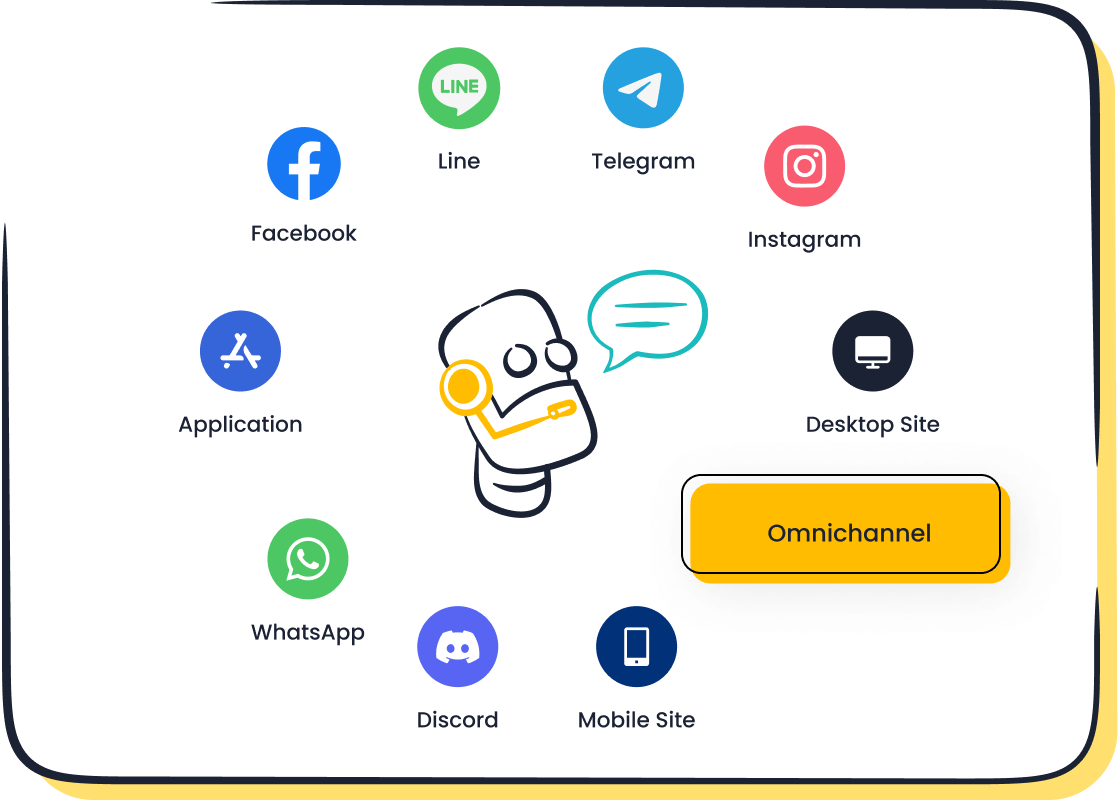
You manage all customer interactions in one place with Sobot’s omnichannel integration. The chatbot centralizes touchpoints into a single dashboard. You resolve up to 70% of inquiries instantly. Human agents focus on complex issues while the ai-enabled shopping assistant automates workflows. This setup boosts engagement and conversion rates. You see higher efficiency and faster response times.
- Centralized dashboard for all channels.
- Immediate resolution for most questions.
- Automated workflows increase conversions.
Personalization and Data Handling
You experience personalization when the assistant uses real-time data to tailor recommendations. Sobot integrates website, email, and CRM data to build complete customer profiles. You get personalized recommendations that match your preferences. A global retailer saw a 12% increase in average order value and a 9% rise in repeat purchases after using these features. Sobot follows best practices for data privacy and compliance.
| Best Practice | Description |
|---|---|
| Data Privacy and Compliance | Sobot follows GDPR and CCPA regulations. |
| Building Complete Customer Profiles | Sobot integrates data from all touchpoints. |
| Real-time Data Integration | Sobot updates interactions instantly. |
| AI-Powered Product Recommendations | Sobot analyzes behavior for personalized recommendations. |
| Dynamic Content Personalization | Sobot adapts website content in real-time. |
| Enhancing Customer Experience with AI | Sobot manages multiple channels for personalized support. |
Automation and Self-Service
You save time with automation and self-service features. The assistant gives instant responses, reducing wait times to zero. You see fewer support tickets, up to 40% less. Human agents handle only complex cases. Many customers prefer self-service options. Sobot’s ai-enabled shopping assistant operates 24/7, so you always get help.
| Evidence Type | Impact on Response Times |
|---|---|
| Instant responses | 0 wait time |
| Reduces support ticket volume | Up to 40% |
| Frees up human agents | Focus on complex issues |
| Improves customer satisfaction | Many customers prefer self-service |
Tip: Sobot’s no-code setup lets you launch your ecommerce chatbots quickly. You do not need technical skills to start.
You benefit from these features by getting faster answers, better recommendations, and a smoother shopping experience. Sobot’s assistant helps you grow your ecommerce business with efficiency and personalization.
How to Build Your AI Ecommerce Assistant
Building your ai ecommerce assistant starts with a clear plan. You need a step-by-step guide to ensure your assistant delivers value for your shopping customers. Sobot’s proven methodology helps you launch custom ai assistants that drive efficiency and satisfaction. You can build your first assistant by following these steps.
Choosing the Right Platform (e.g., Sobot)
You must select a platform that fits your ecommerce needs. Sobot offers a robust solution for shopping businesses. You want a platform that connects with your ecommerce systems, supports workflows across channels, and scales as your business grows. The platform should align with your business goals and provide advanced ai capabilities.
Here is a table to help you evaluate platforms:
| Criteria | Description |
|---|---|
| Integration Capabilities | Ensure the platform can connect with your ecommerce systems and support workflows across channels. |
| AI Capabilities | Evaluate the platform's ability to understand and process natural language effectively. |
| Scalability | Check if the platform can grow with your business needs and handle increased demand. |
| Alignment with Business Goals | The platform should support your specific business objectives and customer engagement strategies. |
Sobot’s ai ecommerce assistant integrates with popular shopping platforms, including Shopify, Magento, and WooCommerce. You can manage all customer interactions in one workspace. Sobot’s omnichannel support lets you connect with customers on WhatsApp, SMS, email, and live chat. You get a scalable solution that grows with your ecommerce business. Learn more about Sobot’s integration capabilities at Sobot AI Solution.
Tip: Choose a platform that offers no-code setup. You can launch your custom ai assistants quickly without technical skills.
Setting Up and Customizing the Assistant
You set up your ai ecommerce assistant by defining your brand’s personality. Sobot lets you customize the assistant to match your shopping brand identity. You can set the tone, prioritize key messages, and add signature phrases. You train the assistant to echo your company’s style, whether professional, casual, or playful. Every conversation stays consistent, reinforcing brand trust.
- Define your brand’s personality within ai tools.
- Set the tone and prioritize key messages.
- Incorporate signature phrases to maintain consistency.
- Train ai-driven solutions to echo your company’s tone.
- Ensure every conversation remains consistent to reinforce brand trust and recognition.
Sobot’s platform gives you easy building blocks. You use a point-and-click interface to design workflows. You can customize greetings, FAQs, and product recommendations. You align the assistant with your shopping goals and customer expectations. Sobot’s chatbot supports multilingual conversations, so you serve global customers with ease.
Note: Custom ai assistants help you stand out in ecommerce. You create a unique shopping experience that builds loyalty.
Training with Quality Data
You train your ai ecommerce assistant with high-quality data. The assistant learns from your shopping interactions and improves over time. You use product catalogs, customer inquiries, and order histories to build a strong knowledge base. Sobot’s platform lets you upload articles, PDFs, Excels, and text snippets.
Quality data boosts performance. Here is a table showing the impact of data quality:
| Data Quality Level | Average F1-Score | Performance Improvement |
|---|---|---|
| Low-quality (accuracy <80%) | 0.52 | N/A |
| Medium-quality (accuracy 80-90%) | 0.71 | N/A |
| High-quality (accuracy 95%+) | 0.89 | 25.4% |
You want to use high-quality data for training. Your ai ecommerce assistant will give accurate answers and improve shopping satisfaction. Sobot’s reporting tools help you monitor data quality and optimize your assistant. You can update the knowledge base regularly to keep information fresh.
Tip: Use real customer questions and shopping scenarios to train your assistant. This ensures relevant and helpful responses.
Integration with Ecommerce Systems
You integrate your ai ecommerce assistant with your shopping systems. Sobot connects with your website, CRM, inventory, and payment gateways. You automate workflows and streamline customer support. Integration lets your assistant access real-time inventory, order status, and customer profiles.
You may face challenges during integration. Here is a step-by-step guide to help you:
- Assess your current ecommerce systems and identify integration points.
- Connect Sobot’s platform to your website, CRM, and shopping cart.
- Map customer data and workflows for seamless communication.
- Test connections to ensure data flows correctly.
- Train your team to use the integrated assistant.
Common challenges include data quality, privacy, legacy systems, and scalability. You must comply with regulations like GDPR and protect customer data. Sobot’s platform offers encrypted backups and GDPR compliance. You can scale your assistant as your ecommerce business grows.
Note: Integration unlocks the full power of custom ai assistants. You deliver a seamless shopping experience across channels.
Testing and Optimization
You test your ai ecommerce assistant to ensure performance and accuracy. Sobot uses ai-powered testing techniques to validate personalized content and edge cases. You run A/B tests to compare different workflows and optimize for conversions. You check functionality across browsers and devices to guarantee a smooth shopping experience.
You follow these methods for testing and optimization:
- AI-powered testing adapts to personalized content and edge cases.
- A/B testing validates different variations quickly.
- Cross-browser and cross-device testing ensures consistent functionality.
- Accessibility compliance addresses inclusivity for all users.
- Multi-path checkout testing reduces cart abandonment.
- Personalized content validation confirms recommendations display correctly.
You monitor performance with Sobot’s reporting tools. You track resolution rates, customer satisfaction, and conversion metrics. You update features and workflows based on feedback. Continuous optimization keeps your ai ecommerce assistant effective and relevant.
Tip: Test your assistant regularly. You catch issues early and improve shopping satisfaction.
You build your ai ecommerce assistant by following this step-by-step guide. You choose the right platform, customize the assistant, train with quality data, integrate with ecommerce systems, and test for performance. Sobot’s methodology helps you launch custom ai assistants that deliver value for your shopping customers. You create a seamless, efficient, and personalized shopping experience that drives business growth.
Learn more about Sobot’s ai ecommerce assistant and implementation at Sobot Chatbot.
Overcoming Challenges in Ecommerce AI
Data Privacy and Compliance
You must protect customer data when you use an ecommerce ai assistant. Privacy laws like CCPA and GDPR set strict rules. These laws give people rights over their data. For example, people can ask to see their data, delete it, or learn how you use it.
- Right to access their data
- Right to erasure
- Right to be informed about data usage
- CCPA Compliance: This law helps California residents know what data you collect, delete their personal data, and opt out of data sales.
- GDPR Compliance: This law requires you to protect personal data and get clear consent before using it.
AI systems must comply with GDPR mandates such as data minimisation, purpose limitation, and ensuring data accuracy to prevent misuse of personal data and safeguard user privacy.
Integration Complexity
You may find it hard to connect your ecommerce ai assistant with your other systems. Many businesses use different tools for inventory, payments, and marketing. You need a platform that supports smooth integration. Sobot’s assistant connects with your website, CRM, and shopping cart. This makes your operations more efficient and keeps your data in one place.
Balancing Automation and Human Touch
You want to use ai automation for simple tasks but keep a human touch for complex issues. You can blend automation with human support. Train your agents in emotional intelligence so they can help customers with empathy. Use ai to give agents insights, but let humans handle sensitive cases. Create an omnichannel experience so customers can reach you on any channel. Always listen to feedback and adjust your balance between automation and human support.
- Blend automation with human support for routine and complex tasks.
- Train agents in emotional intelligence.
- Use ai to enhance, not replace, human empathy.
- Create an omnichannel experience.
- Listen and adapt to customer feedback.
Ensuring Scalability
You need your ecommerce ai assistant to grow with your business. Choose a solution that supports seamless integration and real-time data access. This helps you make quick decisions as your business expands. The right assistant will adapt to your needs and keep your operations running smoothly.
| Feature | Description |
|---|---|
| Seamless Integration | The assistant connects with your systems without disruption. |
| Real-time Data Access | You get instant access to important information. |
| Scalability with Growth | The assistant evolves as your ecommerce business grows. |
Tip: Use cloud environments and customized ai models to keep your assistant flexible and secure.
Best Practices for AI Ecommerce Assistant Success
Continuous Improvement and Feedback
You need to keep your ecommerce ai assistant sharp and effective. Start by focusing on continuous improvement. You can use structured product data with clear titles, details, images, and tags. This helps your assistant understand customer intent during shopping. Begin with specific use cases, such as FAQs or product recommendations, and link them to business metrics. Integrate consent flows and secure data handling to build trust. Test your assistant often. Identify unanswered questions and optimize based on real user behavior. Train your assistant with a rich dataset from diverse customer interactions. This improves its ability to interpret vague queries.
| Practice | Description |
|---|---|
| Data Quality | Structured product data improves customer intent mapping. |
| Focused Use Cases | Start with tasks like FAQs and product recommendations. |
| Privacy Considerations | Secure data handling builds user trust. |
| Ongoing Testing and Iteration | Test and optimize based on real user behavior. |
| Rich Dataset Training | Diverse interactions improve interpretation of vague queries. |
Tip: You can update your assistant regularly to keep it aligned with your ecommerce goals.
Monitoring Customer Satisfaction
You must track how your ai assistant performs in shopping scenarios. Use satisfaction scores to measure customer experience. Ask customers to rate their interactions with the assistant. Monitor email interactions by tracking opened ai-generated emails. Analyze consumer sentiment by checking mentions on social media and review sites. These metrics help you understand what works and what needs improvement.
| Metric | Description |
|---|---|
| AI Assistant Satisfaction Scores | Customers rate their experience with the assistant. |
| Email Interactions | Open rates show engagement and satisfaction. |
| Consumer Sentiment | Social media and reviews reveal public perception. |
Note: You can use these metrics to adjust your assistant and improve shopping satisfaction.
Updating Features for Business Needs
You should update your ecommerce ai assistant as your business changes. Add new features to match your shopping trends and customer preferences. Review your assistant’s performance and make adjustments based on feedback. You can introduce new workflows, update product recommendations, and refine responses. This keeps your assistant relevant and effective in the fast-paced ecommerce world.
Emoji: 🛒 Keep your assistant fresh to meet new shopping demands.
Sobot Success Story: OPPO’s Ecommerce Transformation
OPPO’s Challenges and Needs
You face many challenges when you run a large shopping business like OPPO. During busy shopping seasons, you see a big jump in questions from shoppers. Your team must answer questions about products, orders, and returns. This can lead to long wait times and unhappy customers. You also need to keep your information up to date across all channels. Managing a huge knowledge base takes time and effort. You want a solution that helps you handle repetitive questions and lets your team focus on complex problems.
Sobot Chatbot Implementation
You choose Sobot’s ai assistant to solve these challenges. You do not just add a simple chatbot to your website. You connect the assistant deeply with your CRM and inventory systems. This means the ai can check product stock, order status, and customer history in real time. The assistant handles common shopping questions, so your agents can help with special cases. You set up the system to work across all your channels, including chat, email, and social media.
- The assistant connects with your CRM and inventory for real-time answers.
- The ai handles repetitive shopping questions.
- Your team focuses on complex customer needs.
Results and Customer Experience Impact
You see big improvements after using Sobot’s ai assistant. The chatbot solves 83% of questions without human help. Shoppers give a 94% positive feedback score. You notice a 57% increase in repurchase rates. Your team spends less time on simple tasks and more time helping with special requests. Shoppers get fast, accurate answers during their shopping journey. You build trust and loyalty with better service.
Sobot’s ai assistant helps you turn busy shopping days into smooth experiences for both your team and your customers.
You can build an effective ecommerce assistant by following clear steps. Start by designing your assistant to greet and guide shoppers, connect it with your ecommerce systems, and train it to handle common tasks. Launch your assistant to a small group, track key metrics, and gather feedback from every customer. Use these insights to improve your assistant and boost your business growth. Sobot Chatbot gives you the tools to deliver better service and drive results.
FAQ
How does an ai assistant for ecommerce improve customer satisfaction?
You get instant answers to your questions. The ai assistant for ecommerce operates 24/7. It reduces wait times and helps you find products quickly. You enjoy a smoother shopping experience and higher satisfaction.
Can I set up an ai assistant for ecommerce without coding skills?
You can launch your ai assistant for ecommerce using Sobot’s no-code platform. The point-and-click interface lets you customize workflows and responses. You do not need technical knowledge to start.
What channels does Sobot’s ai assistant for ecommerce support?
You connect with customers across chat, email, SMS, WhatsApp, and social media. Sobot’s ai assistant for ecommerce offers omnichannel support. You manage all interactions in one dashboard.
Is my data safe with an ai assistant for ecommerce?
You stay protected with Sobot’s ai assistant for ecommerce. The platform follows GDPR and CCPA regulations. Your data remains secure with encrypted backups and privacy controls.
How can I optimize my ai assistant for ecommerce?
You monitor performance using Sobot’s reporting tools. You update the knowledge base with real customer questions. You test workflows and gather feedback to improve your ai assistant for ecommerce.
See Also
Enhancing Efficiency With AI Customer Support Solutions
Increasing Customer Satisfaction Through E-commerce Chatbots
Evaluating AI Solutions For Enterprise Call Centers

