The Best Omnichannel CRM Software of 2026

Looking for the best omnichannel CRM to unify your customer communications in 2026? Here are our top picks, followed by a complete breakdown of the leading platforms. A great omnichannel CRM software enhances customer engagement. It creates a seamless customer experience platform. The right CRM is vital for modern business.
Our Top Picks for 2026
- Best Overall: HubSpot Service Hub - Its balance of features and ease of use makes it a top choice for many businesses.
- Best for Small Businesses: Gorgias - Deep e-commerce integration offers unmatched value for small online stores.
- Best for Enterprises: Salesforce Service Cloud - Provides unparalleled customization and scalability for large organizations.
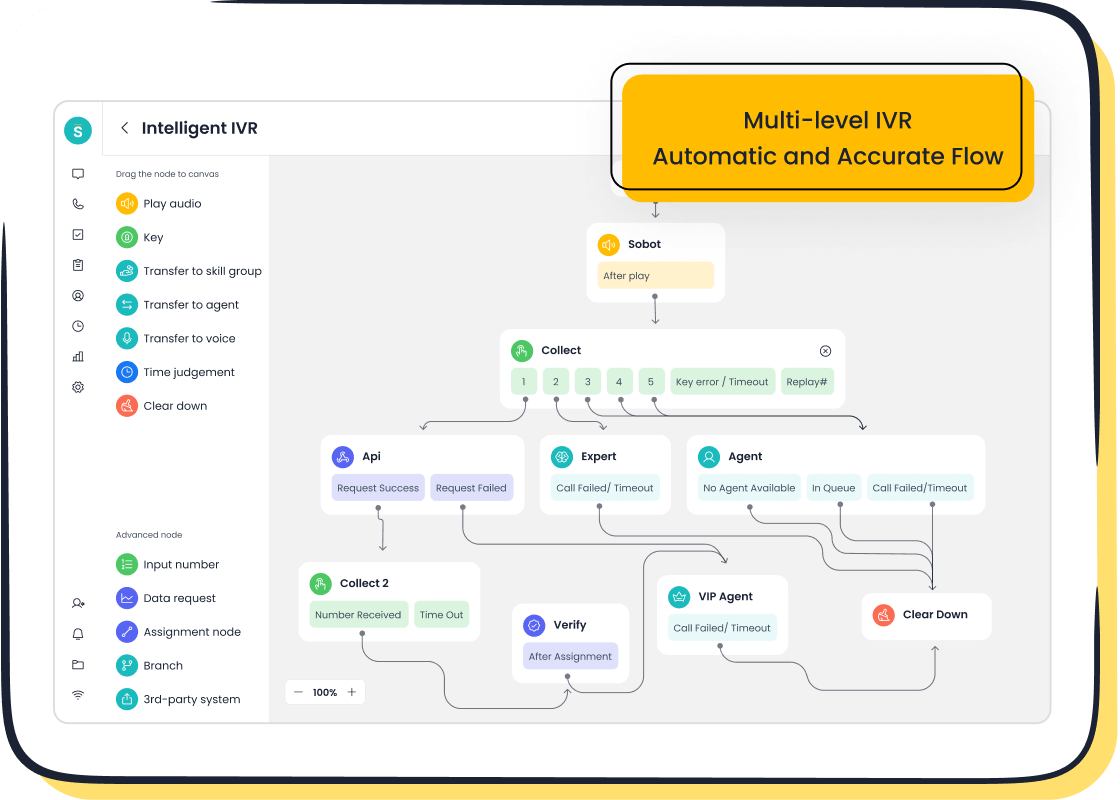
This article reviews the top 10 CRM software platforms. It also gives you a guide to choose the right solution. This will help you meet your specific needs. The guide explores tools like the Sobot call center. It shows how Sobot AI can improve customer interactions. A unified omnichannel CRM helps every customer. Sobot provides a strong omnichannel communication system. This system supports a better customer journey.
What Is an Omnichannel CRM?
An omnichannel CRM is a powerful customer experience platform. It unifies all customer interactions into a single, continuous conversation. This type of CRM collects data from every touchpoint. It gives support teams a complete view of each customer. The system uses this information to create a seamless customer journey. A good omnichannel CRM software provides consistent service across all channels. This builds stronger customer relationships and improves overall engagement.
Omnichannel vs. Multichannel Explained
Many people confuse omnichannel and multichannel strategies. A multichannel CRM uses many channels. An omnichannel CRM connects them. This creates a unified experience for every customer. The main difference is how the CRM handles customer data and the overall customer journey. The right CRM makes the customer feel understood at every step.
| Feature | Multichannel CRM | Omnichannel CRM |
|---|---|---|
| Customer Experience | The customer experience is often disjointed. Each channel operates separately. | A smooth and personalized omnichannel customer experience is the goal. It creates a seamless journey. |
| Data Handling | Data is fragmented. Each channel creates a data silo, limiting a rep's view of the customer. | The CRM unifies customer data. It provides a complete, 360-degree view in real-time. |
| Technology | Technology is less complex. It involves separate platforms with limited integration. | The technology is integrated. It requires a customer experience platform with strong analytics. |
Benefits of a True Omnichannel Customer Experience
A true omnichannel customer experience delivers major benefits. It directly boosts customer engagement and loyalty. Businesses with strong omnichannel strategies see a 9.5% year-over-year increase in annual revenue. This is much higher than the 3.4% for companies with weaker omnichannel engagement. The right CRM provides a consistent and real-time experience. This is what today's customer expects.
Key Advantages of an Omnichannel Approach 📈
- Businesses achieve 91% higher year-over-year customer retention rates compared to those without an omnichannel strategy.
- Nine out of ten consumers want an omnichannel customer experience with seamless service.
- A better omnichannel customer experience leads to higher purchase rates and a more positive brand perception for each customer.
Ultimately, an omnichannel approach transforms how a business interacts with every customer. It makes each interaction part of a single, ongoing conversation. This builds trust and drives long-term growth.
The Top 10 CRM Software Platforms for 2026
Choosing the right CRM is crucial for success. This list covers the top 10 crm software options available. Each platform offers unique features to enhance customer engagement and streamline operations. A modern CRM can transform your business.
1. Salesforce Service Cloud: Best for Enterprises
Salesforce provides a powerful omnichannel crm for large companies. Its intelligent routing sends each customer case to the best agent. The platform integrates voice and chat, creating a unified agent desktop. This robust crm helps manage high volumes of customer interactions efficiently.
2. HubSpot Service Hub: Best for Inbound Integration
HubSpot Service Hub connects marketing, sales, and service teams. This integration creates a single view of every customer. Support agents see a full history, enabling personalized solutions. This unified crm improves collaboration and boosts deal close rates significantly.
3. Zendesk Suite: Best for Customer Service Teams
Zendesk excels with its advanced ticketing system. It centralizes customer queries from all channels into one workspace. The system uses automation and SLA policies to route tickets. This ensures teams meet response time targets and resolve issues quickly.
4. Sobot: Best All-in-One Contact Center Solution
Sobot offers a complete customer experience platform. It integrates all communication channels into a single system. The platform uses a powerful five-AI system to cover every customer touchpoint. This all-in-one omnichannel solution centralizes support for maximum efficiency.
5. Freshworks Customer Service Suite: Best for AI-Powered Support
Freshworks uses AI to boost agent productivity. Its AI agents automate tasks like auto-triaging tickets and drafting responses. This frees up human agents for more complex problems. Companies using its AI see a major drop in first response times.
6. Microsoft Dynamics 365: Best for Microsoft Ecosystems
Microsoft Dynamics 365 integrates seamlessly with other Microsoft products. Teams can access crm records directly within the Teams app. Power BI creates interactive dashboards from crm data. This deep integration improves collaboration and data-driven decision-making.
7. Kustomer: Best for Customer-Centric Timelines
Kustomer organizes all interactions into a single, chronological customer timeline. This omnichannel approach avoids fragmented tickets. Agents see a complete history from every channel. This provides better context for resolving issues.
8. Gladly: Best for Personalized Conversations
Gladly builds conversations around people, not tickets. Its platform gives agents a complete profile and interaction history. AI helps draft responses in the brand's voice. This focus on the individual enables highly personalized omnichannel support.
9. Intercom: Best for Conversational Engagement
Intercom offers tools for proactive support. Businesses can use guided Product Tours to help new users. Targeted messages and chatbots streamline repetitive tasks. This approach helps companies engage customers effectively from day one.
10. Gorgias: Best for E-commerce Stores
Gorgias provides deep integration with Shopify and BigCommerce. Agents can view and edit order details directly inside the crm. They can process refunds or cancel orders with a single click. This saves valuable time for e-commerce support teams.
1. Salesforce Service Cloud
Best For: Large enterprises needing customization
Salesforce Service Cloud is a leading CRM platform for large businesses. It offers deep customization options. Companies can tailor the system to fit complex workflows and specific industry needs. This makes it a powerful tool for organizations that require a highly scalable and adaptable customer service solution.
Key Features
Salesforce provides a robust set of tools to manage the entire customer journey. Its core features support a comprehensive service strategy.
- Unified Case Management: The platform captures and manages customer issues from any channel. It uses intelligent routing to assign cases to the right agent.
- Advanced Automation: Businesses can create rules for case escalation and auto-responses. This automation ensures timely customer support and efficient workflows.
- Knowledge Base: A built-in knowledge management system helps agents and customers find answers quickly.
- Analytics and Reporting: The crm offers customizable dashboards. Teams get real-time analytics to track performance and customer satisfaction.
Pros & Cons
Salesforce offers immense power, but it comes with certain trade-offs.
Pros:
- Unmatched Scalability: The platform grows with your business, from a small team to thousands of agents.
- Extensive Customization: You can adapt nearly every aspect of the crm to your processes.
- Strong Ecosystem: It integrates with thousands of apps on the AppExchange, extending its functionality.
Cons:
- Complex Setup: The extensive options can make initial configuration difficult and time-consuming.
- High Cost: The pricing structure and need for paid add-ons make it one of the more expensive options.
Pricing
Salesforce Service Cloud pricing is tiered. Higher tiers unlock more advanced features like AI and premier support. Many features, including chatbots and a self-service portal, are paid add-ons for the Enterprise plan. This pricing model supports its position as an enterprise-focused omnichannel solution. The platform delivers strong customer engagement through powerful personalization. A complete view of each customer allows for a better experience. This real-time data helps agents guide the customer effectively.
| Tier | Price (per user/month) |
|---|---|
| Enterprise | $175 |
| Unlimited | $350 |
| Agentforce 1 | $550 |
2. HubSpot Service Hub
Best For: SMBs focused on marketing and sales alignment
HubSpot Service Hub is an excellent choice for small and medium-sized businesses. It excels at unifying marketing, sales, and service departments. This alignment creates a single, powerful crm platform. Teams get a complete view of every customer, which helps create a cohesive customer journey from initial contact to post-sale support. The platform is designed to grow with a business, making it a strong contender in the market.
Key Features
HubSpot equips teams with a suite of tools designed for effective customer engagement and support. The platform centralizes communications and data for better service delivery.
- Shared Inbox: Consolidates customer conversations from email, chat, and social media into one universal inbox for team collaboration.
- Knowledge Base: Allows businesses to create a self-service library of help articles, reducing ticket volume and empowering the customer.
- Customer Feedback Surveys: Gathers valuable insights through NPS, CSAT, and CES surveys to measure customer satisfaction.
- Reporting Dashboards: Provides real-time analytics on team performance and the customer experience, helping managers make data-driven decisions.
Pros & Cons
User reviews highlight HubSpot's strengths in usability and integration, but also point to some limitations in customization and cost. This omnichannel crm offers a mix of powerful features and potential challenges.
Pros:
- Efficient Channel Integration: Users praise the simple interface for managing tickets from email, chat, and social media in one place.
- Strong Team Collaboration: The platform's customer support tracking improves agent workflows and teamwork.
- Ease of Use: The daily agent interface is widely seen as intuitive for handling inquiries.
Cons:
- Limited Customization: The tool can be rigid, making it difficult to adapt to specific workflows.
- Complex Setup: Initial configuration and learning the advanced features can be time-consuming.
- High Cost: The pricing is a common concern, especially since licenses are needed for all agents.
Pricing
HubSpot offers several pricing tiers for its Service Hub, with costs increasing for more advanced features like service automation and pipeline management. The platform also provides broader CRM Suite plans that bundle marketing automation, sales outreach, and other hubs.
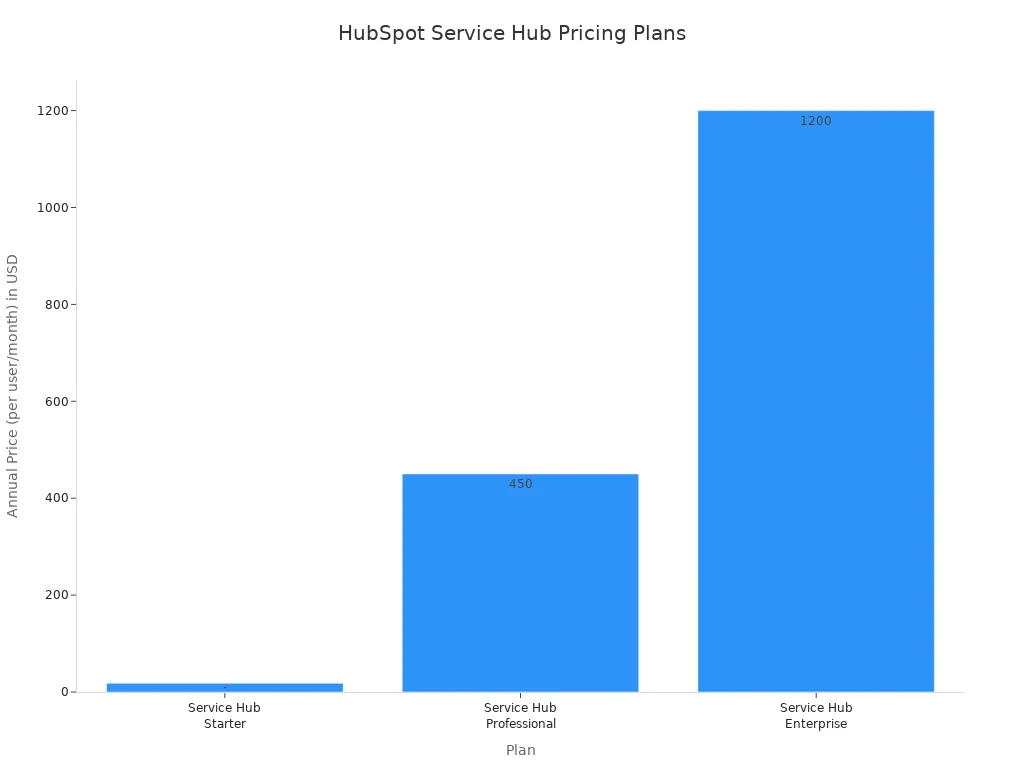
The pricing structure allows businesses to start small and scale up. However, advanced personalization and automation capabilities are reserved for higher-priced tiers.
| Plan | Price (per user/month, billed annually) | Key Features Included |
|---|---|---|
| Starter | $18 | Ticketing, Live Chat, Shared Inbox, Basic Reporting |
| Professional | $450 | Service Automation, Custom Reporting, Surveys |
| Enterprise | $1,200 | Customer Portals, Playbooks, Predictive Scoring |
3. Zendesk Suite
Best For: Businesses prioritizing intuitive support
Zendesk Suite is a top choice for companies that need a user-friendly and powerful support platform. Its design focuses on simplicity. This allows support teams to get started quickly with minimal training. The platform is well-suited for businesses of any size that want to improve customer service without a complex setup.
Key Features
Zendesk provides a comprehensive toolkit for managing customer interactions. The features help teams deliver fast and effective support.
- Advanced Ticketing System: The core of the crm is its ticketing system. It organizes every customer request from any channel into a single queue.
- Integrated Help Center: Businesses can build a smart knowledge base. This allows a customer to find answers on their own, reducing agent workload.
- Messaging and Live Chat: The platform offers real-time messaging across web, mobile, and social apps for immediate customer engagement.
- Automation and Workflows: Teams can use automation to route tickets and handle common questions. This frees up agents for more complex issues.
Pros & Cons
Zendesk offers a strong balance of usability and power. Businesses should consider its benefits and drawbacks.
Pros:
- Intuitive Interface: The platform is known for its clean design, making it easy for agents to learn and use.
- Powerful Reporting: Zendesk provides detailed analytics to track team performance and customer satisfaction.
- Flexible Integrations: It connects with hundreds of third-party apps, extending its capabilities.
Cons:
- Costly for Full Features: Accessing advanced features like deep personalization requires more expensive plans.
- Separate Products: Some advanced functions are sold as add-ons, which can complicate the pricing.
Pricing
Zendesk offers several pricing tiers for its full omnichannel suite. Each plan provides more features and support options. This crm structure allows businesses to scale their customer support operations as they grow. The higher tiers unlock a more complete omnichannel experience for every customer.
| Plan | Price (per agent/month, billed annually) |
|---|---|
| Suite Team | $55 |
| Suite Growth | $89 |
| Suite Professional | $115 |
4. Sobot
Best For: Businesses needing a unified contact center solution
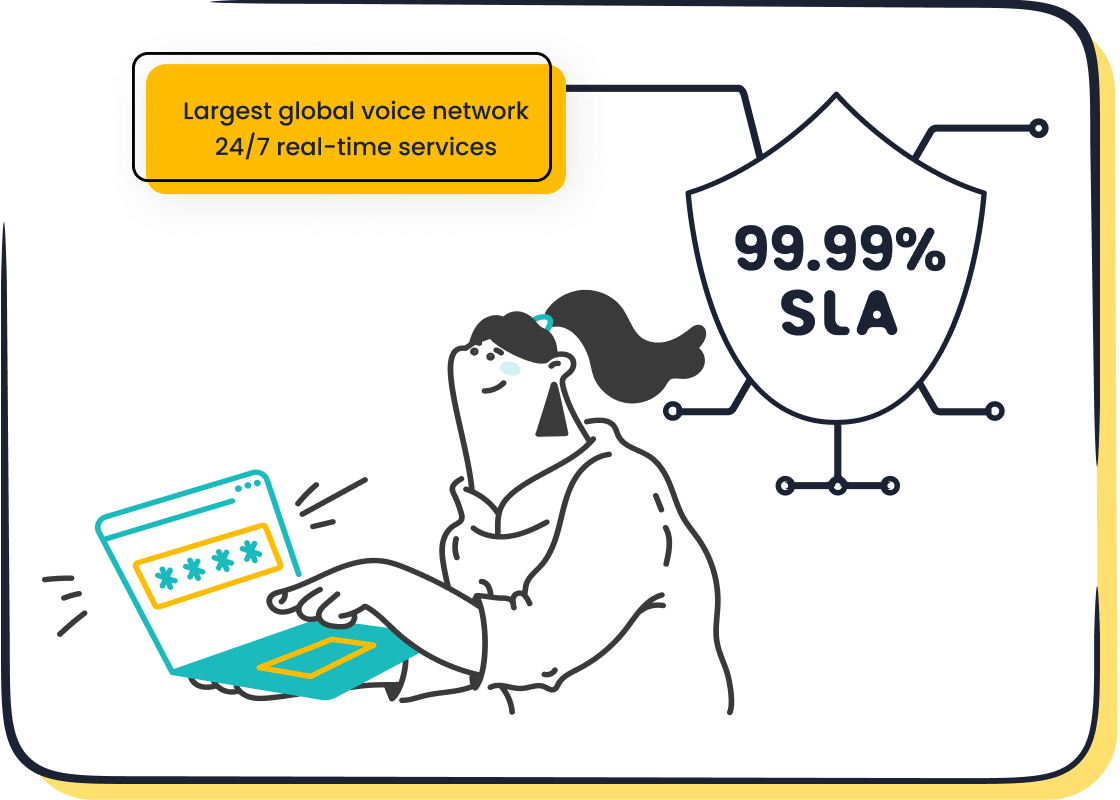
Sobot is an excellent choice for businesses seeking an all-in-one contact center platform. It combines multiple communication tools into a single, unified workspace. This approach simplifies operations for support teams. The platform is built for reliability, offering 99.99% system stability and a global infrastructure. This makes it a strong option for companies that need a dependable omnichannel solution.
Key Features
Sobot provides a complete suite of tools to manage the entire customer journey. The crm integrates key functions for seamless customer service.

- Unified Workspace: The platform combines a Voice Call Center, Live Chat, AI Chatbot, and a Ticketing System. This integration gives agents a complete view of every customer interaction.
- AI-Powered Automation: Sobot uses advanced automation to handle repetitive tasks. Its AI can manage inquiries and route complex issues to the right agent, improving efficiency.
- Official WhatsApp BSP: As an official WhatsApp Business Solution Provider, Sobot enables direct customer engagement on a popular channel.
- Real-time Analytics: The crm offers dashboards to monitor performance. This helps managers make informed decisions to improve the customer experience.
Pros & Cons
Sobot delivers significant value through its integrated system. Its focus on efficiency and reliability is a major advantage.
Pros:
- Proven Results: Companies see measurable success. For example, financial service platform Opay used Sobot to increase its customer satisfaction from 60% to 90% and reduce costs by 20%.
- All-in-One Platform: It eliminates the need for multiple separate tools, creating a truly unified system for all communications.
- High Reliability: The platform guarantees 99.99% uptime, ensuring consistent service for your customer base.
Cons:
- Focused on Contact Center: Businesses looking for a traditional sales-focused crm might need to integrate it with their existing systems.
Pricing
Sobot offers customized pricing based on a business's specific needs. This model ensures companies only pay for the features they require. The pricing structure supports a range of business sizes. It provides strong personalization and automation features. Interested businesses should contact Sobot directly for a detailed quote tailored to their requirements.
5. Freshworks Customer Service Suite
Best For: Teams leveraging AI and chatbots for efficiency
Freshworks Customer Service Suite is a strong choice for businesses that want to use artificial intelligence for greater efficiency. The platform's AI, known as Freddy, helps support teams automate tasks and resolve customer issues faster. This makes it ideal for companies looking to scale their support without dramatically increasing headcount. The crm is designed to improve agent productivity and enhance customer engagement.
Key Features
Freshworks provides a powerful set of tools to create a modern support experience. The features focus on speed, automation, and delivering personalized experiences.
- AI-Powered Chatbots: Freddy AI can handle common customer questions across messaging channels, freeing up human agents for more complex problems.
- Unified Customer Record: The crm consolidates every customer interaction into a single view. This gives agents the context needed for better personalization.
- Omnichannel Routing: The system intelligently routes conversations from email, chat, phone, and social media to the right agent or team.
- Proactive Engagement: Teams can use the platform to send targeted messages to customers, helping to solve problems before they arise.
Pros & Cons
Freshworks offers a compelling mix of AI-driven features and user-friendly design. Businesses should weigh its advantages and potential limitations.
Pros:
- Powerful AI and Automation: The platform excels at using AI to reduce agent workload and improve response times.
- Intuitive User Interface: Agents find the crm easy to learn and navigate, which speeds up adoption.
- Good Value for Price: It provides advanced features at a competitive price point.
Cons:
- Reporting Can Be Limited: Some users find the reporting capabilities less robust than those of enterprise-focused competitors.
- Advanced Customization Requires Higher Tiers: Accessing full ai-driven personalization and workflow customization is reserved for more expensive plans.
Pricing
Freshworks offers a 14-day free trial and a free plan, making it accessible for businesses to get started. The Freshdesk platform, a key part of the suite, is priced at $15 per agent per month for its basic plan. For more advanced omnichannel features, the pricing is tiered. This structure allows a business to scale its customer support capabilities as it grows, adding more real-time tools and personalization options.
- Growth: $18 per agent per month
- Pro: $59 per agent per month
- Pro + AI Copilot: $94 per agent per month
- Enterprise: $95 per agent per month
6. Microsoft Dynamics 365
Best For: Organizations invested in the Microsoft stack
Microsoft Dynamics 365 is the top choice for organizations deeply integrated into the Microsoft ecosystem. This crm leverages native connections with tools like Office 365, Teams, and Power BI. This creates a familiar and powerful environment. Businesses can unify their operations and customer data within a single technology stack. The platform is built for companies that want to maximize their existing Microsoft investments for a cohesive omnichannel strategy.
Key Features
Dynamics 365 offers a suite of features designed to enhance customer engagement and streamline service operations. The system provides a complete toolkit for modern support teams.
- Native Microsoft Integration: Agents can access crm data and collaborate directly within Microsoft Teams. Power BI provides real-time analytics and visualizations.
- AI-Powered Insights: The platform uses AI to analyze customer data. It offers predictive insights to guide agent actions and improve the customer journey.
- Unified Customer Profile: It creates a 360-degree view of each customer. This view combines data from sales, service, and marketing automation activities.
- Intelligent Automation: The system includes tools for case routing and workflow automation. This helps teams resolve issues faster and more consistently.
Pros & Cons
Dynamics 365 provides extensive capabilities but also comes with considerations for complexity and cost.
Pros:
- Seamless Ecosystem Integration: Unmatched connectivity with other Microsoft products improves productivity.
- Highly Scalable: The platform can support the needs of large, global enterprises.
- Advanced Personalization: Deep data integration allows for highly tailored customer interactions.
Cons:
- Complex Implementation: The setup can be challenging and often requires specialized expertise.
- Higher Cost of Ownership: Licensing and implementation can be expensive compared to other solutions.
Pricing
The cost of the Dynamics 365 crm depends on user licenses, features, and implementation needs. User licenses can range from $8 to $150 per month. Implementation for the customer service module typically starts at $25,000. This flexible structure allows businesses to build a tailored omnichannel solution.
A special promotion offers a 40% discount on Dynamics 365 Contact Center and Customer Service Premium. This offer is valid from October 1, 2025, through June 30, 2026, for enterprise agreements.
| Version | Price (user/month, paid yearly) |
|---|---|
| Dynamics 365 Customer Service Professional | $50.00 |
| Dynamics 365 Customer Service Enterprise | $105.00 |
| Dynamics 365 Customer Service Premium | $195.00 |
7. Kustomer
Best For: E-commerce and D2C brands
Kustomer is a top-tier crm designed for e-commerce and direct-to-consumer (D2C) brands. The platform moves away from traditional ticket numbers. Instead, it focuses on a continuous conversation with each customer. This approach helps online businesses build stronger relationships and improve the overall customer journey.
Key Features
Kustomer provides a unique set of tools that give support teams a complete picture of every customer. This helps create a better service experience.
- Customer Timeline: The platform organizes all interactions into a single, chronological timeline. This includes purchases, chats, and emails for a full context.
- E-commerce Integration: It connects directly with platforms like Shopify and Magento. Agents can see order details and take action without leaving the crm.
- AI and Automation: Kustomer uses AI to route conversations and suggest replies. This automation helps teams work faster and more efficiently.
- Real-time Data: The system provides real-time information, which is crucial for effective customer engagement and quick problem-solving.
Pros & Cons
Kustomer's people-centric model offers clear benefits for modern businesses. It also presents a different way of working for support teams.
Pros:
- Unified Customer View: The timeline view gives agents a complete history of the customer journey.
- Deep E-commerce Tools: Direct integration with shopping platforms streamlines support for online stores.
- Strong Personalization: A full view of the customer allows for excellent personalization in every interaction.
Cons:
- Learning Curve: The timeline interface can take time for teams used to traditional ticketing systems.
Pricing
Kustomer offers a straightforward pricing model for its omnichannel platform. The enterprise package is priced at $89 per user per month. This plan is all-inclusive, providing access to premium features, AI capabilities, and support without extra charges. This transparent pricing makes it easier for businesses to budget for a powerful crm solution that supports their growth.
8. Gladly
Best For: Retail and hospitality focusing on high-touch service
Gladly is a customer service platform built for industries like retail and hospitality. These businesses need to provide high-touch, personalized experiences. The platform centers every interaction around the customer, not a case number. This approach helps brands build lasting loyalty with every customer.
Key Features
Gladly offers a unique set of tools designed for people-centric service. The features help agents see a complete customer story.
- Lifelong Conversation Timeline: The system shows every past interaction in a single, real-time view. This includes conversations from any channel.
- Native Channel Support: It brings voice, email, chat, and social messaging into one place. This creates a seamless workflow for agents.
- Proactive Communication: Teams can reach out to a customer with relevant information. This improves customer engagement.
- Intelligent Routing: The platform uses automation to send customers to the best-suited agent based on their needs and history.
Pros & Cons
Gladly's model offers significant benefits for creating strong customer relationships. However, its unique approach may require some adjustment.
Pros:
- Deep Personalization: A complete customer history allows for exceptional personalization.
- Increased Agent Efficiency: Agents have all the context they need in one place, reducing handle times.
- Improved Customer Loyalty: The focus on the individual helps create positive, memorable interactions.
Cons:
- Adjustment Period: Teams used to traditional ticketing systems may need time to adapt to the conversation-based interface.
Pricing
Gladly offers a simple pricing structure for its powerful crm. The platform provides a single plan that includes all features. This all-inclusive model gives businesses access to its full omnichannel capabilities without hidden fees. The price is $150 per user per month. This straightforward approach makes it easy for companies to adopt a crm that supports a high level of customer service.
9. Intercom
Best For: SaaS companies focused on proactive support
Intercom is a leading customer engagement platform for software-as-a-service (SaaS) businesses. It excels at proactive support and real-time engagement. The platform helps companies connect with each customer at key moments in their journey. This approach turns website visitors into loyal users. The crm is built to drive growth through better conversations.
Key Features
Intercom provides a suite of tools designed for modern customer communication. These features support a strong omnichannel strategy.
- Business Messenger: A customizable chat widget for websites and apps. It enables real-time conversations with every customer.
- AI Chatbot (Fin): An advanced AI bot that provides instant answers. It uses company knowledge to resolve up to 50% of common questions.
- Product Tours: Interactive guides that onboard new users. They highlight key features and drive product adoption.
- Shared Inbox: A central hub for managing conversations from all channels. This automation helps teams collaborate and respond faster.
Pros & Cons
Intercom offers powerful tools for customer engagement. Businesses should consider its strengths and potential drawbacks.
Pros:
- Excellent Proactive Engagement: The platform makes it easy to send targeted messages and guide users.
- Powerful AI Capabilities: Fin, the AI chatbot, significantly reduces the support team's workload.
- Strong Personalization: The crm uses customer data to deliver highly relevant interactions.
Cons:
- Complex Pricing: The usage-based pricing model can be difficult to predict and may become expensive.
- Learning Curve: Mastering the advanced segmentation and automation features can take time.
Pricing
Intercom's pricing is based on usage, which includes the number of seats and resolved conversations. This model provides flexibility but can be complex. The platform offers three main plans. The "Essential" plan starts at $39 per seat per month. The "Advanced" and "Expert" plans offer more features for scaling businesses. This structure supports a company's growth, allowing for deeper customer engagement as needs evolve. The omnichannel crm provides a powerful tool for any business focused on real-time engagement.
10. Gorgias
Best For: Shopify and BigCommerce merchants
Gorgias is a customer service platform built specifically for e-commerce stores. It offers deep integration with Shopify and BigCommerce. This makes it the ideal crm for online merchants. The platform helps businesses manage customer support efficiently. It turns service interactions into sales opportunities. This focus makes it a powerful tool for growing e-commerce brands.
Key Features
Gorgias provides a feature set tailored to the needs of online retailers. The tools help agents provide fast and personalized support.
- Deep E-commerce Integration: The crm pulls customer data directly from Shopify or BigCommerce. Agents can view order history, edit orders, and process refunds without leaving the helpdesk.
- Social Media Integration: It manages comments and messages from Facebook and Instagram. This allows teams to handle social engagement and support in one place.
- Automation Rules: The platform uses rules to automate common tasks. It can tag tickets, assign them to agents, or send auto-responses.
- Live Chat and Messaging: It offers a real-time chat widget for websites. This tool helps convert visitors into buyers and supports the customer journey.
Pros & Cons
Gorgias provides significant advantages for e-commerce businesses. Teams should consider its focused approach.
Pros:
- Unmatched E-commerce Tools: The ability to manage orders inside the helpdesk saves agents significant time.
- Revenue Generation Focus: The platform helps identify sales opportunities from support conversations.
- Excellent Automation: Its rule-based system effectively manages high volumes of customer inquiries.
Cons:
- Niche Focus: Businesses outside of e-commerce may find the feature set too specialized.
- Pricing Based on Tickets: The pricing model can become expensive for stores with very high ticket volumes.
Pricing
Gorgias offers several pricing plans based on the number of tickets per month. This structure allows the omnichannel platform to scale with a business's growth. Each plan includes core features, with higher tiers offering more advanced capabilities. This omnichannel crm helps every customer.
| Plan | Price (per month) | Monthly Tickets |
|---|---|---|
| Starter | $10 | 50 |
| Basic | $60 | 300 |
| Pro | $360 | 2,000 |
| Advanced | $900 | 5,000 |
How to Choose the Right Omnichannel CRM Software
Choosing the right omnichannel crm software is a critical decision. It impacts every part of the customer journey. This guide helps you evaluate the top 10 crm software options. It focuses on features, scalability, and budget to ensure you find the perfect fit for your business.
Must-Have Omnichannel Features
A modern crm needs features that create a seamless omnichannel customer experience. By 2026, AI-driven personalization and automation are no longer optional. They are essential for effective customer engagement.
Look for these key capabilities:
- Unified Communication: The platform must support all channels your customer uses. This includes email, social media, live chat, and WhatsApp.
- Advanced Automation: The crm should automate repetitive tasks. This frees up your team to focus on complex customer issues.
- AI-Powered Tools: Future-proof platforms include advanced AI. For example, platforms like Sobot offer AI-powered voicebots for 24/7 support and proactive engagement tools to improve the customer journey.
- Analytics Dashboards: Your crm must provide real-time data. This helps you track performance and understand the customer journey.
Evaluating Scalability and CRM Integration
Your business will grow. Your crm must grow with it. A scalable omnichannel solution adapts to increasing customer interactions and data without losing performance. It should allow you to add new channels and users easily.
Integration is just as important. A great customer experience platform connects with your existing tools. It must offer robust APIs for seamless connections to e-commerce platforms like Shopify, other CRMs like Salesforce, and key communication channels like WhatsApp. This creates a unified system for a true omnichannel customer experience.
Understanding Your Budget and Pricing Models
Pricing for omnichannel crm software varies widely. You need to understand the different models to find one that fits your budget. Common structures include per-user-per-month fees, tiered plans with more features at higher costs, and usage-based pricing. Consider the total cost of ownership. This includes setup fees, training, and any necessary add-ons. A clear budget helps you narrow down options and invest in a crm that provides long-term value for your omnichannel strategy.
The best omnichannel crm software aligns with a company's unique needs. This guide to the top 10 crm software helps businesses find the right crm. A great customer experience platform improves the omnichannel customer experience for every customer. The right omnichannel strategy creates a better omnichannel customer experience.
For most SMBs, HubSpot offers a great balance. Businesses seeking an all-in-one contact center will find exceptional value in Sobot. This customer experience platform enhances omnichannel communication.
This omnichannel approach delivers a superior omnichannel customer experience. A happy customer is a loyal customer. Use this guide to start exploring your options for a better omnichannel customer experience.
FAQ
What is the main goal of an omnichannel CRM?
The main goal is to create a single, unified view of each customer. This software connects all communication channels. It helps a business provide a seamless and consistent customer experience, which builds stronger relationships and improves satisfaction.
Can small businesses benefit from omnichannel CRM software?
Yes, small businesses gain significant benefits. An omnichannel CRM software helps them manage customer conversations efficiently across channels like email and social media. This improves agent productivity and provides a professional customer experience without a large team.
How does an omnichannel CRM improve agent efficiency?
It provides agents with a unified workspace. All customer information and conversation history from every channel appear in one place. This context eliminates the need to switch between systems, allowing agents to resolve issues much faster.
What should a business look for in an omnichannel platform?
A business should look for key features. These include support for all its communication channels, strong automation capabilities, and real-time analytics. The platform must also integrate easily with existing tools to create a truly connected system.
See Also
Your Essential Handbook for Seamless Omnichannel Contact Center Solutions
Discover the Best Complimentary Call Center CRM Platforms for 2024
The Ten Leading Customer Support Software Solutions for This Year
Unveiling the Premier Voice of Customer Platforms for the Current Year
Leading Live Chat Applications to Boost Your E-commerce Business in 2024

