Best Omnichannel Contact Center Solutions for Your Biz

Finding the right omnichannel contact center solutions can feel overwhelming, but it's a critical step for any business focused on delivering a superior customer experience. With the contact center software market projected to grow at a CAGR of 18.8% from 2025 to 2032, driven by omnichannel demand, making the right choice is more important than ever. To simplify your search, here is a quick-reference list of the top providers.
- Talkdesk: Best Omnichannel Software Overall
- Sobot: Best for AI-Powered Unified Workspaces
- Five9: Best for Enterprise AI and Automation
- NICE CXone: Best for Workforce Optimization
- Genesys Cloud CX: A Top Contact Center Software for Scalability
- Zendesk Suite: Best for Integrated Customer Support
- Aircall: A Leading Sobot call center Software for SMBs
- Twilio Flex: Most Customizable Platform
- RingCentral: Best for Unified Communications
- Freshdesk Omnichannel: Best for User-Friendliness
This guide will explore each of these omnichannel contact center solutions in detail. We will examine their key features, pros, cons, and pricing structures. This information will help you select the best platform for your business needs, especially considering the advanced capabilities offered by Sobot AI.
How We Rank Omnichannel Contact Center Solutions
Choosing the right omnichannel contact center software requires a clear evaluation process. We assess providers based on five critical pillars. These criteria ensure a platform delivers a connected customer experience and empowers your support teams.
Omnichannel Channel Support
True omnichannel communication allows customers to connect on their preferred channels. We evaluate how well a platform unifies these interactions. Core omnichannel features must include support for:
- Voice calls
- Live chat and email
- Text messaging
- Social media interactions
A strong platform makes switching between these channels seamless for both the customer and the agent, improving the overall user experience. This level of omnichannel support is fundamental.
AI and Automation Features
Modern customer service software uses AI to boost efficiency. We look for impactful ai-driven automation that improves customer engagement. Key omnichannel features include intelligent call routing, which directs customers to the right agent, and sentiment analysis, which gives agents insights during conversations. These tools help teams resolve issues faster.
CRM and System Integrations
The best contact center software does not work in isolation. It must connect with your existing tools. We prioritize platforms that offer seamless crm integration with systems like Salesforce. This connection gives agents a complete view of the customer, leading to more personalized and effective support.
Scalability and Reliability
Your business needs a platform that grows with you and is always available. We examine the scalability of cloud-based solutions to handle increasing interaction volumes. A key benchmark for reliability is the uptime guarantee. Top providers offer an enterprise-grade reliability of 99.99% uptime.
Analytics and Reporting
Effective customer experience management relies on data. We analyze the reporting capabilities of each platform to see if they provide actionable insights. A robust dashboard should track essential metrics for customer satisfaction and agent performance.
Key metrics include First Contact Resolution (FCR), Average Handle Time (AHT), and Customer Satisfaction (CSAT) scores. These numbers help managers identify trends and improve service quality.
1. Talkdesk: Best Omnichannel Software Overall

Overview
Talkdesk stands out as a leading omnichannel contact center software, recognized for its comprehensive, AI-powered cloud platform. It provides businesses with the tools to manage customer interactions across a wide array of channels. Many consider it the best omnichannel software because it combines robust functionality with user-friendly design, making it a strong contender for companies of any size seeking to elevate their customer experience.
Key Features
This customer service software is packed with advanced tools designed to improve agent efficiency and customer satisfaction. The platform's omnichannel features are extensive.
- AI-Powered Tools: Talkdesk offers AI solutions like Talkdesk Copilot for real-time agent assistance and Talkdesk Autopilot for creating intelligent virtual agents that enable 24/7 self-service.
- Unified Workspace: Agents get a single interface to handle all interactions, complete with deep integrations into CRMs like Salesforce.
- Industry Experience Clouds: Talkdesk provides specialized solutions for industries such as healthcare and financial services, which include pre-built workflows and integrations.
- Intelligent Routing: The system uses omnichannel routing to direct customers to the best-suited agent based on skill, availability, and customer data.
Pros and Cons
Talkdesk delivers significant advantages for support teams. The platform provides excellent omnichannel support, allowing for seamless customer journeys. Its powerful automation capabilities have produced impressive results for clients.
For example, the company Checkr used Talkdesk Autopilot to increase its self-service rate to 85%, freeing up human agents to handle more complex issues.
However, some businesses may find the platform's extensive features come with a higher price tag compared to simpler providers. The sheer number of tools can also present a learning curve for new teams.
Pricing
Talkdesk offers several pricing tiers to fit different business needs. The cost varies based on the features and level of support required. This contact center software provides plans for voice-only, digital-only, and fully blended omnichannel solutions. The CX Cloud Elite plan combines both voice and digital channels, while the Industry Experience Clouds offer specialized, pre-packaged solutions.
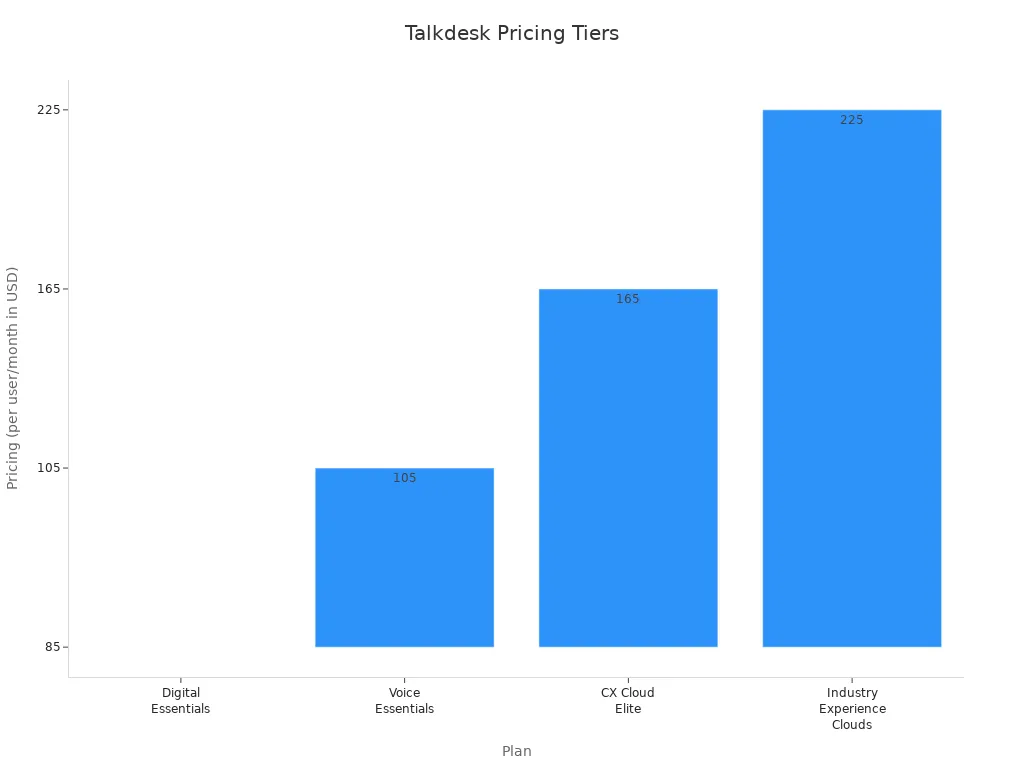
As the best omnichannel software for overall performance, its pricing reflects its comprehensive nature. This customer service software is a significant investment, but it provides a powerful contact center software solution.
2. Sobot: Best for AI-Powered Unified Workspaces
Overview
Sobot is an all-in-one omnichannel contact center software originating from Singapore. Over 10,000 global brands, including Samsung, Philips, and Michael Kors, trust this platform. Sobot's mission is to enhance customer service interactions and boost operational efficiency. This customer service software provides a unified solution for businesses aiming to deliver a superior customer experience.
Key Features
Sobot equips teams with a powerful suite of tools. Its omnichannel features are designed for modern customer engagement.
- Unified Workspace: Agents manage all communications from a single, AI-enhanced interface. This consolidates customer data for a complete view.
- AI-Powered Chatbot: The platform includes a ChatGPT-enabled chatbot. It provides 24/7 self-service support in multiple languages.
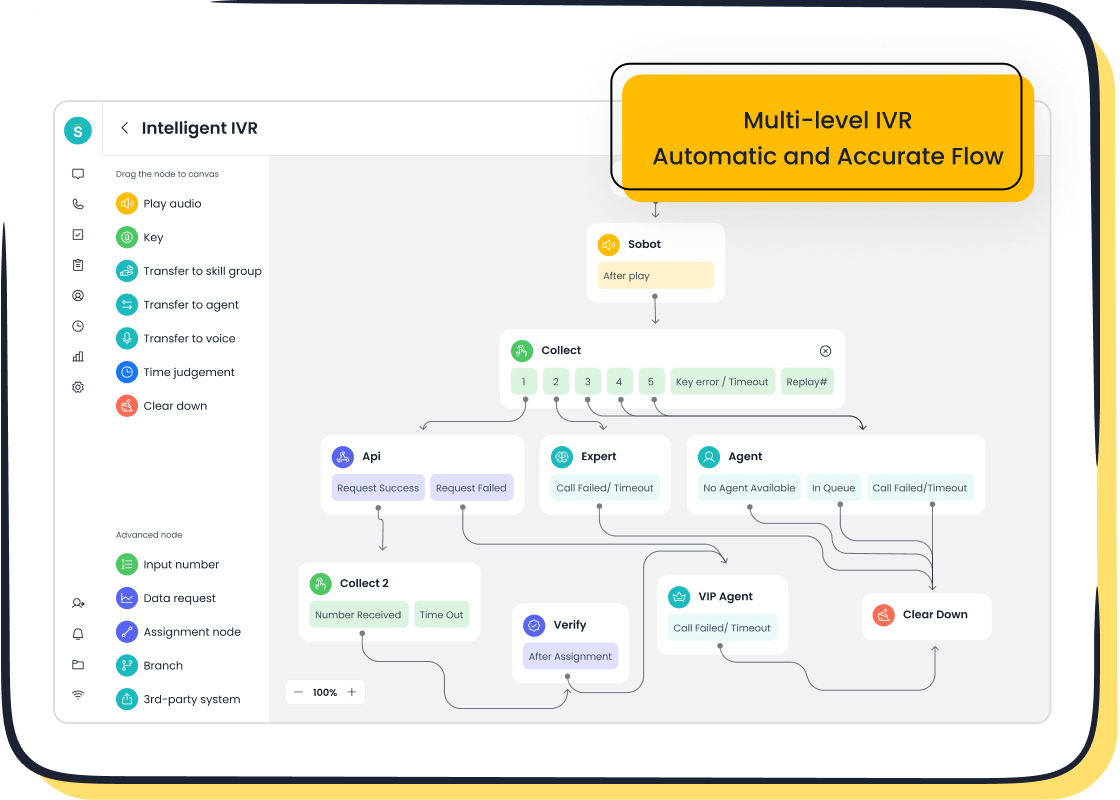
- Voice Call Center: This feature offers an intelligent IVR with a drag-and-drop builder. It also includes smart omnichannel routing to connect customers with the right agent.
- Official WhatsApp BSP: Sobot is an official WhatsApp Business Solution Provider. This allows businesses to manage customer engagement on a massive scale.
- System Stability: The contact center software guarantees 99.99% system stability, making it one of the most reliable providers.
Pros
The platform's strength lies in its powerful ai-driven automation. This technology frees up agents to handle more complex issues. Sobot also offers seamless integration capabilities with other business systems. This customer service software delivers proven results for its clients.
For example, financial service platform Opay used Sobot to improve its customer experience. The company increased its Customer Satisfaction (CSAT) score from 60% to 90%. It also achieved a 20% reduction in overall costs.
These outcomes show how the best omnichannel software can transform omnichannel support. This customer service software helps businesses achieve significant efficiency gains.
Pricing
Sobot provides pricing upon request. Businesses can contact their team for a custom quote tailored to their specific needs. You can find more information on the Sobot website.
3. Five9: Best for Enterprise AI and Automation
Overview
Five9 is a well-known omnichannel contact center software designed for large businesses. It delivers a cloud-based platform focused on using artificial intelligence to improve both agent and customer experiences. This customer service software helps enterprises automate workflows and gain deeper insights from their customer interactions. Many providers offer AI, but Five9 specializes in a comprehensive suite tailored for complex, large-scale operations.
Key Features
Five9's platform is built around a powerful set of AI and automation tools. This customer service software gives enterprises the ability to streamline their support processes. Key features include:
- AI Agents: Voice and digital AI agents handle routine tasks. They use GenAI and NLP for personalized self-service.
- AI Agent Assist: This tool provides agents with real-time guidance and automated assistance during calls.
- AI Summaries: The system uses GenAI to create custom summaries of call transcripts. This feature automates a significant part of an agent's after-call work.
- Workflow Automation: Businesses can build rules to automate repetitive tasks across different applications, which eliminates manual processes.
- GenAI Studio: A central hub allows companies to build and test custom GenAI prompts, tailoring the AI to their specific data and needs.
Pros and Cons
The primary advantage of Five9 is its deep focus on enterprise-grade AI. The platform's automation tools can significantly reduce manual work and improve efficiency. Its AI Insights feature helps businesses analyze conversations to find actionable data.
The main drawback is its complexity and cost. The advanced features and pricing structure are designed for large enterprises. Smaller businesses might find the platform too robust or expensive for their needs. This makes it the best omnichannel software for companies with large, dedicated support teams.
This contact center software is a powerful choice for the right organization.
Pricing
Five9 offers several pricing plans, with costs starting at $149 per user per month for its Core package. The pricing structure is tiered to accommodate different levels of enterprise needs. This customer service software provides packages that build upon each other with more advanced features. The plans are designed for businesses that require a scalable and powerful contact center software solution.
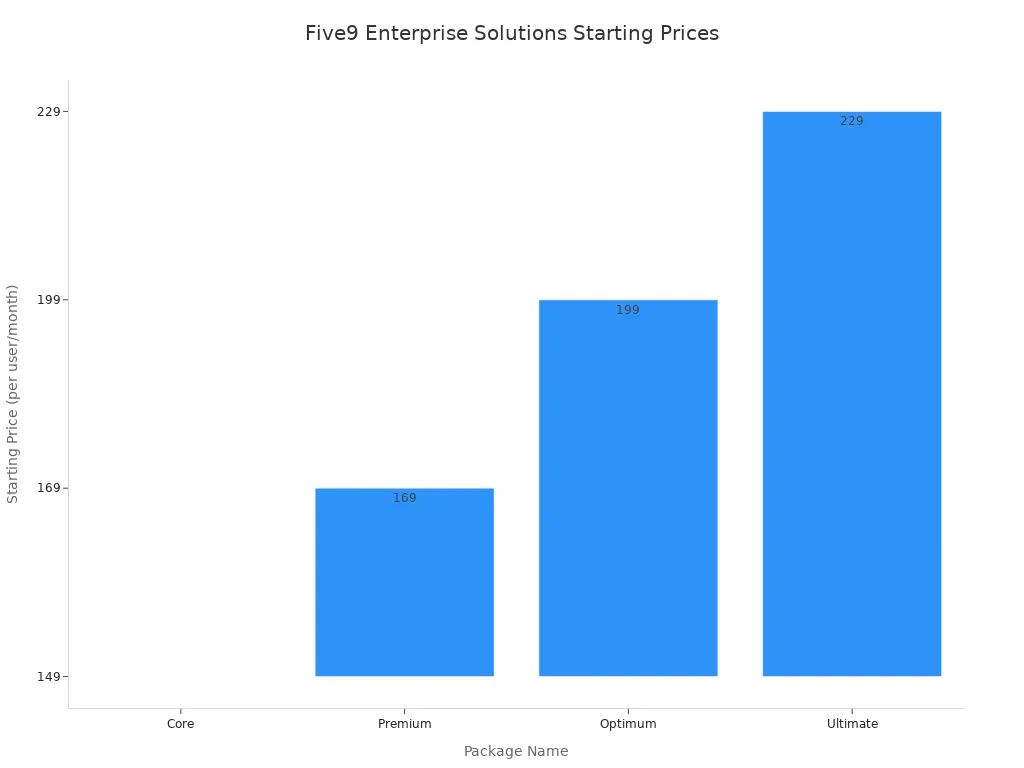
The Ultimate plan includes advanced features like interaction analytics and automated quality management. Businesses should contact Five9 directly for a detailed quote on the Optimum and Ultimate plans.
4. NICE CXone: Best for Workforce Optimization
Overview
NICE CXone is a cloud-based omnichannel contact center software known for its strong workforce optimization (WFO) tools. This customer service software helps businesses manage their support teams more effectively. It provides a unified platform that combines customer analytics, omnichannel routing, and workforce engagement. Many providers offer WFO, but NICE CXone specializes in a deeply integrated suite that helps managers improve agent performance and productivity.
Key Features
The platform's features focus on enhancing team management and service quality. This customer service software gives leaders powerful tools to guide their agents.
- Performance Analytics: The system offers actionable insights into any trend or key performance indicator (KPI).
- Omnichannel Quality Monitoring: Managers can review voice, email, and chat interactions from a single interface.
- Adaptive Goal Setting: It uses an advanced rules engine to set scientific goals and identify issues with personalized action plans.
- Schedule Optimization: The platform suggests adjustments to agent schedules to improve staffing levels and productivity with a single click.
Pros and Cons
NICE CXone excels at workforce optimization, making it the best omnichannel software for businesses focused on agent management. The platform's ability to create employee personas helps personalize performance management. It also includes eLearning and gamification modules to encourage agent development.
However, the extensive feature set can be complex. The platform is powerful, but smaller teams might find it has more tools than they need. The pricing structure is also geared toward businesses that require a comprehensive contact center software solution.
Pricing
NICE CXone offers a range of pricing plans. The cost depends on the features a business requires. This customer service software has options for digital-only, voice-only, and full omnichannel needs.
| Plan Name | Price per Agent per Month |
|---|---|
| CXone Mpower Omnichannel Suite | $110 |
| CXone Mpower Essential Suite | $135 |
| CXone Mpower Core Suite | $169 |
| CXone Mpower Complete Suite | $209 |
| CXone Mpower Ultimate Suite | $249 |
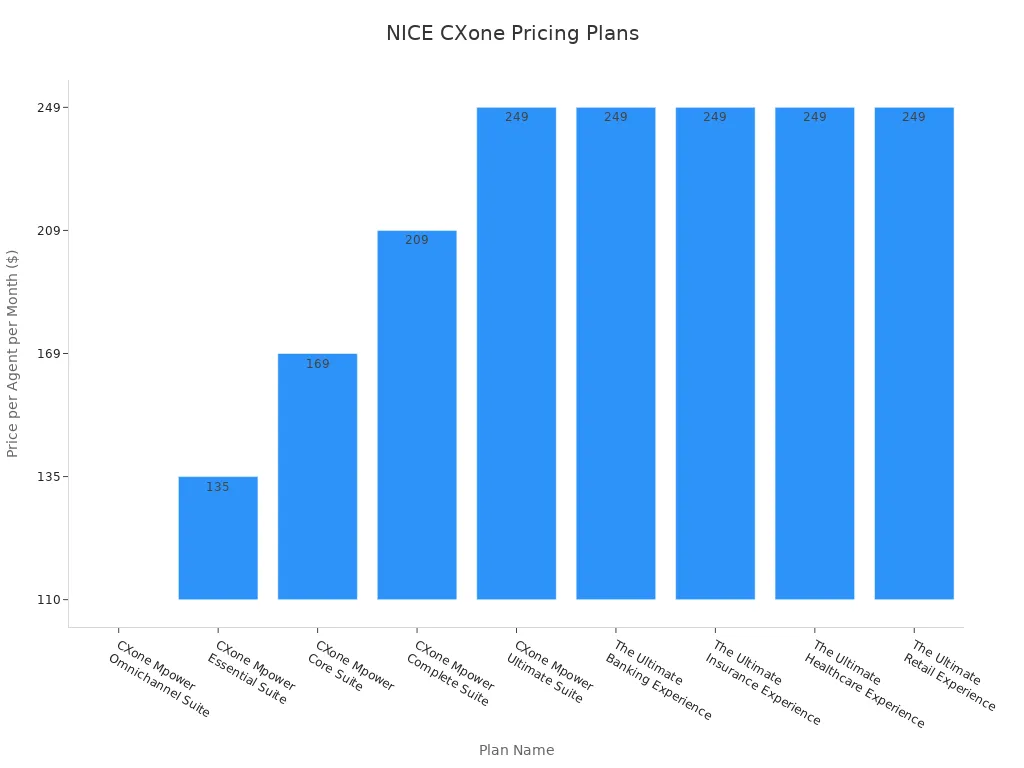
Advanced plans and industry-specific solutions are also available, with pricing that reflects their specialized capabilities.
5. Genesys Cloud CX: A Top Contact Center Software for Scalability
Overview
Genesys Cloud CX is a popular omnichannel contact center software built for growth. It operates as a Software as a Service (SaaS) solution on Amazon Web Services (AWS). This customer service software uses a cloud-native, microservices architecture. This design allows businesses to easily expand their contact center capacity. The platform can handle sudden increases in customer interactions. This elastic scalability helps prevent downtime and maintains a consistent customer experience, making it a top choice for growing companies.
Key Features
This customer service software provides a robust set of tools for modern support teams.
- Microservices Architecture: The platform divides its functions into independent services. This allows it to scale specific features, like sending a million faxes, without affecting other operations.
- AI-Powered Experience: Genesys includes predictive engagement, agent assistance, and speech analytics to improve interactions.
- Unified Communications: It combines chat, email, phone, and social media messaging into one unified agent desktop.
- Workforce Engagement Management (WEM): The system offers tools for quality management, resource forecasting, and agent scheduling.
Pros and Cons
Genesys Cloud CX is one of the best omnichannel software options for scalability. Its architecture is its biggest strength. The system uses Elastic Load Balancers and Auto Scaling Groups to automatically add or remove server resources based on demand. This ensures high performance even during unexpected traffic spikes.
The main drawback is its complexity. The platform is powerful, but its extensive features can be overwhelming for small businesses or teams without dedicated IT support. Other providers may offer simpler solutions for companies with more basic needs.
Pricing
Genesys Cloud CX offers five main pricing plans. This contact center software bills its plans annually per named user. The pricing structure of this customer service software is designed to scale with your business needs.
- Genesys Cloud CX 1: $75 per month
- Genesys Cloud CX 2: $110 per month (Digital + Voice)
- Genesys Cloud CX 3: $150 per month (Digital + WEM + Voice)
More specialized plans for digital-only or workforce engagement are also available. This contact center software may have additional usage-based fees.
6. Zendesk Suite: Best for Integrated Customer Support

Overview
Zendesk Suite is a popular customer service software known for its powerful integrated support capabilities. The platform excels at unifying customer interactions from many channels into a single, manageable workspace. This omnichannel contact center software is built around a robust ticketing system. It helps businesses streamline their support operations and provide consistent omnichannel support. Zendesk is a strong choice for companies that want to connect all their customer conversations in one place.
Key Features
Zendesk provides a comprehensive set of tools designed for integrated customer service. This customer service software makes managing conversations easy.
- Unified Agent Workspace: It centralizes all customer queries from email, chat, phone, and social media. Agents see every conversation as a continuous thread.
- Intelligent Ticket Routing: The system prioritizes tickets based on urgency and Service Level Agreement (SLA) deadlines. It then matches tickets to the best agent.
- Skill-Based Assignment: Zendesk routes complex issues to agents with specific skills, like language or technical knowledge. This ensures customers get the right help quickly.
- System Integrations: The platform offers seamless crm integration with many external tools. This allows for better data synchronization and workflow automation.
Pros and Cons
The main strength of Zendesk is its ticketing system. It creates a truly unified experience for support agents. This makes it one of the best omnichannel software options for teams that handle high volumes of tickets. The platform's crm integration capabilities also allow businesses to build a complete view of their customers.
On the other hand, the pricing structure can be a consideration for smaller businesses. The extensive features of this contact center software might also be more than what a very small team needs.
Pricing
Zendesk offers several plans billed per agent, per month. Businesses can save about 20% by choosing an annual plan. This contact center software provides options for teams of different sizes.
| Plan | Price (Billed Annually) | Price (Billed Monthly) |
|---|---|---|
| Suite Team | $55/agent/month | $69/agent/month |
| Suite Growth | $89/agent/month | $115/agent/month |
| Suite Professional | $115/agent/month | $149/agent/month |
| Suite Enterprise | $169/agent/month | $219/agent/month |
The Suite Professional plan starts at $115 per agent per month when billed annually. The Enterprise plan offers the most features for larger teams.
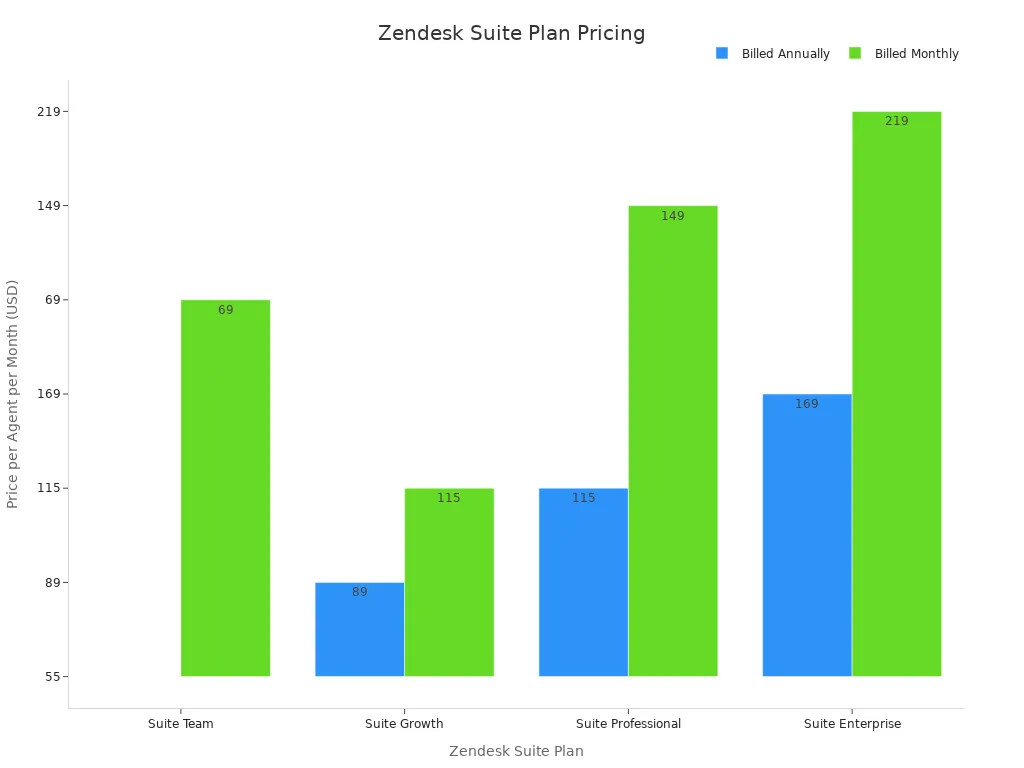
This pricing makes the customer service software accessible for growing businesses that need a scalable solution.
7. Aircall: A Leading Call Center Software for SMBs
Overview
Aircall is a cloud-based call center software designed specifically for small and medium-sized businesses (SMBs). It focuses on providing a powerful yet easy-to-use voice solution. This customer service software integrates smoothly with popular business tools like CRMs and helpdesks. Aircall helps sales and support teams improve their productivity and manage phone conversations more effectively. Its simplicity makes it a popular choice for companies that prioritize voice communication.
Key Features
Aircall provides essential tools to enhance phone-based support and sales operations. This customer service software offers several key functionalities.
- Power Dialer: Agents can create and work through call lists automatically, which saves time and increases outbound call volume.
- Call Analytics: The platform includes a dashboard that tracks important metrics like call volume, wait times, and missed calls.
- Integrations Marketplace: Aircall connects with over 100 popular business applications, including Salesforce, HubSpot, and Zendesk.
- Call Coaching: Managers can listen to live calls and provide real-time feedback to agents directly within the app.
Pros and Cons
Aircall's main advantage is its user-friendly interface and quick setup. The extensive integration marketplace allows businesses to connect it to their existing workflows easily. This makes it a strong contact center software for teams that live inside their CRM.
However, Aircall is primarily a voice-centric solution. Businesses looking for the
best omnichannel softwarewith deeply integrated digital channels might find it limited. While it integrates with other tools, it is not a nativeomnichannel contact center software. Additionally, its plans have a three-user minimum, which could be a drawback for very small startups.
Pricing
Aircall offers several pricing tiers for its customer service software. The cost is billed per user, with discounts available for annual payment. This contact center software requires a minimum of three licenses for its Essentials and Professional plans.
| Plan | Monthly (Per User) | Annual (Per User) |
|---|---|---|
| Essentials | $40 | $30 |
| Professional | $70 | $50 |
| Custom | Contact sales | Contact sales |
The Professional plan adds features like a Power Dialer and advanced analytics. A Custom plan is available for teams that need more than 25 licenses.
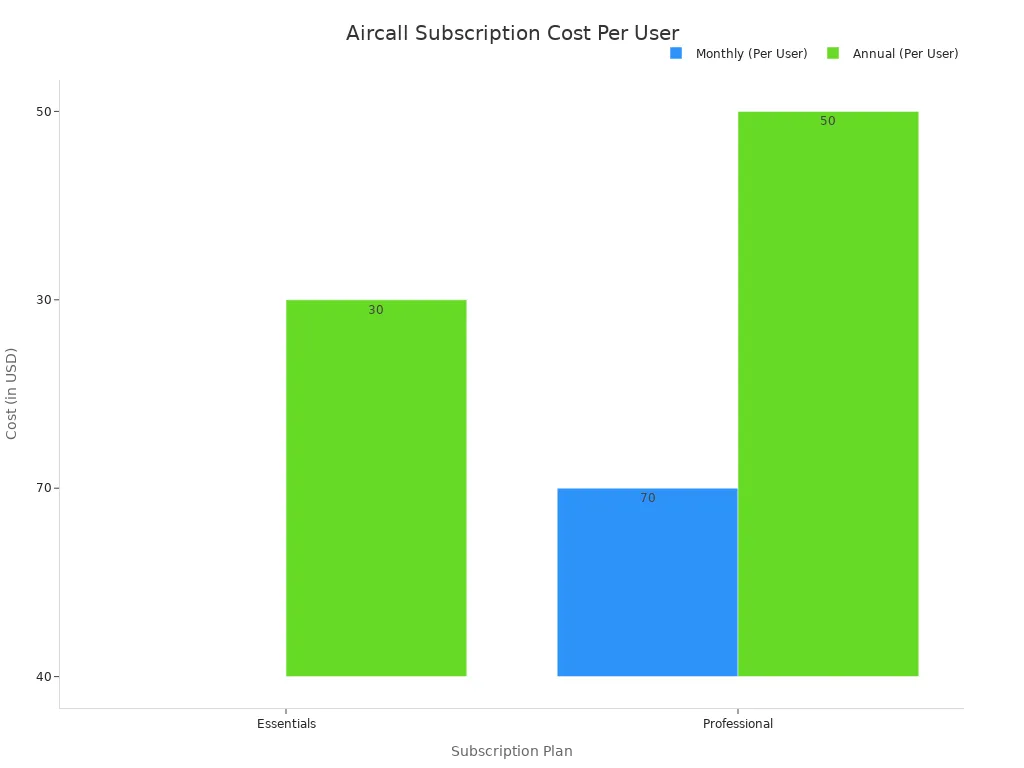
These options provide flexibility for growing businesses that need a scalable voice platform.
8. Twilio Flex: Most Customizable Platform
Overview
Twilio Flex is a programmable omnichannel contact center software platform. It gives businesses complete control to build a solution that fits their exact needs. Unlike out-of-the-box products, this customer service software provides a set of APIs and building blocks. Developers use these tools to create a unique contact center experience. This approach makes it a top choice for companies with specific technical requirements and available development resources.
Key Features
Twilio Flex offers a foundation for building a custom solution. This customer service software provides core components that developers can modify.
- API-First Platform: Businesses can programmatically manage channels, routing logic, and agent interfaces.
- Unified Agent UI: It includes a customizable user interface that brings all channels into one view for agents.
- Native Channel Support: The platform supports voice, SMS, WhatsApp, web chat, and email.
- Developer Tools: It provides comprehensive documentation and SDKs to accelerate the development process.
Pros and Cons
The greatest strength of Twilio Flex is its limitless customizability. Businesses can build any workflow or integration they can imagine. This makes it the best omnichannel software for companies with unique operational needs.
However, this flexibility is also its main challenge. The platform requires significant developer expertise to set up and maintain. Companies without a dedicated IT team may find it too complex. It is not a plug-and-play call center software. This makes the customer service software a powerful but demanding choice.
Pricing
Twilio Flex offers two main pricing models for its contact center software. Businesses can choose the plan that best fits their staffing model.
| Per Hour Model | Per Month Model |
|---|---|
| $1 per active user hour | $150 per named user |
| Ideal for temporary and seasonal staff | Ideal for long-term budgeting |
It is important to note that these prices only cover the software license. All communication usage, such as voice calls and SMS messages, is billed separately on a pay-as-you-go basis. This adds to the overall cost of the contact center software.
9. RingCentral: Best for Unified Communications
Overview
RingCentral is a well-known name in business communications. It offers an omnichannel contact center software that combines its contact center solution, RingCX, with its powerful unified communications platform. This customer service software is designed for businesses that want to manage all internal and external communications from a single provider. It brings phone, video, and messaging together, simplifying workflows for support and sales teams.
Key Features
This customer service software provides a wide range of features that connect different communication streams. It supports over 20 digital channels alongside traditional voice.
- Unified Messaging: The platform combines various message types like fax, email, voicemail, and SMS into one interface.
- Omnichannel Routing: It includes tools like Automatic Call Distribution (ACD) and Interactive Voice Response (IVR) to direct customers efficiently.
- Call Management: Agents get access to features like click-to-dial, call recording, and call logging directly within the app.
- Workforce Engagement: The system offers tools for quality assurance and call monitoring to help manage team performance.
Pros and Cons
RingCentral's main strength is its all-in-one approach. It provides a single solution for both internal team collaboration and external customer support. This makes it a strong call center software for companies looking to simplify their technology stack.
However, its focus is on unified communications. Businesses that need a highly specialized contact center might find it less robust than dedicated providers. While it is a good platform, it may not be the best omnichannel software for companies with very complex customer service needs.
This contact center software is a solid choice for businesses that value a single, integrated system.
Pricing
RingCentral offers separate pricing for its contact center and conversation intelligence products. This customer service software provides entry-level plans to get started.
| Category | Plan | Annual Pricing (per agent/user) |
|---|---|---|
| Contact Center | Standard | $65 |
| Conversation Intelligence | Standard | $60 |
The entry-level plan for the contact center software, RingCX, starts at $65 per agent per month. For a detailed quote on more advanced packages, businesses need to contact the RingCentral sales team.
10. Freshdesk Omnichannel: Best for User-Friendliness
Overview
Freshdesk Omnichannel is a customer service software designed with simplicity and ease of use in mind. It helps businesses of all sizes manage customer conversations across multiple channels from one central place. The platform focuses on creating a straightforward user experience for both support agents and customers, making it a popular choice for teams that value efficiency and a short learning curve.
Key Features
This customer service software provides a suite of intuitive tools to streamline support operations. Its design prioritizes clarity and function.
- Unified Inbox: This feature gathers all customer messages from email, chat, phone, and social media into a single, continuous thread. Agents see the full context without switching tabs.
- Freddy AI: Freshdesk's AI offers two key functions. AI Agents are bots that handle simple, repetitive questions. The AI Copilot assists human agents by suggesting replies and summarizing long conversations.
- Advanced Ticketing: The system automatically routes incoming tickets to the right agent or team based on skill or current workload.
- Self-Service Options: Businesses can build a knowledge base where customers find answers on their own, which helps reduce the number of incoming tickets.
Pros and Cons
Freshdesk's main advantage is its exceptional user-friendliness. The clean interface and unified inbox create a positive user experience, allowing agents to get started quickly. Many consider it the best omnichannel software for teams that need a simple yet powerful solution.
The primary drawback is its pricing model for advanced features. While the core platform is effective, key tools like the Freddy AI Copilot and phone support (Freshcaller) are paid add-ons. This can significantly increase the total cost of the contact center software.
Pricing
Freshdesk offers several plans for its omnichannel contact center software. The prices are per agent per month, with discounts for annual billing.
| Plan | Annual Price | Monthly Price |
|---|---|---|
| Growth | $29/agent/month | $35/agent/month |
| Pro | $69/agent/month | $83/agent/month |
| Enterprise | $109/agent/month | $125/agent/month |
It is important to budget for add-ons. For example, the Freddy AI Copilot costs an additional $29 per agent per month. This pricing structure makes the customer service software flexible, but the total investment for this contact center software can grow with more features.
How to Choose the Right Omnichannel Contact Center Software
Selecting the right omnichannel contact center software is a strategic decision. A careful evaluation ensures the chosen platform aligns with a company's goals for customer experience management. Following a clear, four-step process helps businesses make an informed choice.
Step 1: Assess Your Business Needs
The first step is to identify specific challenges within the current system. Businesses often face common pain points that indicate a need for better omnichannel support.
Key issues include the inability to connect online and offline customer data, channel conflicts between teams, and inefficient inventory management. When these problems arise, it is time to consider new omnichannel strategies.
Understanding these gaps helps define the requirements for new omnichannel contact center solutions.
Step 2: Map Your Customer Journey
Next, businesses should visualize the customer journey from their customer's perspective. This involves mapping every interaction a customer has with the brand. Effective mapping helps identify strengths and weaknesses in the current customer experience. By analyzing customer actions, mindsets, and emotions at each touchpoint, a company can optimize the user experience and improve customer engagement. This process reveals where the best omnichannel software can have the most impact.
Step 3: Compare Features and Integrations
With a clear understanding of needs and the customer journey, a business can compare different platforms. It is important to look beyond basic functions. A detailed comparison of omnichannel features and omnichannel capabilities is essential. Key areas to evaluate include the quality of the AI tools, the depth of the analytics, and the ease of crm integration. This ensures the new contact center software will enhance, not disrupt, existing workflows.
Step 4: Request Demos and Trials
The final step is to see the software in action. Businesses should shortlist their top two or three providers and request personalized demonstrations. A hands-on trial allows teams to test the platform's user experience and confirm it meets their specific needs. This practical step is crucial for validating a platform's promises and ensuring it will boost customer engagement and team productivity.
Choosing the ideal omnichannel contact center solutions depends on a business's unique needs, budget, and desired customer experience. While Talkdesk offers a great overall package, businesses focused on leveraging AI within a single workspace will find Sobot's platform and its proven results incredibly compelling.
Remember, brands with strong omnichannel engagement retain 89% of their customers, a sharp contrast to the 33% retention for those with weak strategies.
Companies should use this guide to shortlist their top omnichannel contact center solutions and schedule demos. A great first step is to explore how Sobot can elevate your support operations.
FAQ
What is an omnichannel contact center?
An omnichannel contact center unifies all customer communication channels. It creates a single, seamless conversation for the customer. Agents see the full interaction history across voice, email, chat, and social media. This provides a consistent and connected customer experience.
Why is omnichannel support important for a business?
Omnichannel support is crucial for customer retention. It allows customers to use their preferred channels without repeating information. This improves customer satisfaction and loyalty. A strong omnichannel strategy helps businesses stand out from competitors and build lasting customer relationships.
How does an omnichannel contact center differ from a multichannel one?
A multichannel contact center offers many communication channels. However, these channels do not connect with each other. An omnichannel contact center integrates all channels. This creates one continuous customer journey, providing a superior and more efficient user experience.
Can small businesses use omnichannel contact center software?
Yes, many providers offer scalable solutions for small businesses. Platforms like Sobot or Aircall provide affordable plans. These solutions help small teams manage customer interactions efficiently across multiple channels, allowing them to compete with larger companies.
See Also
Your Comprehensive Guide to Omnichannel Call Center Software Solutions
Implementing Omnichannel Contact Centers: A 10-Step Action Plan
Best Contact Center Solutions: An In-Depth Review for 2024
Cloud Contact Center Services: Top Reviews and Ratings for 2024
Revolutionize Your Enterprise: Top 10 AI Tools for Contact Centers

