The Most Important Customer Service Skills for Career Advancement

Imagine being the go-to person in your team for solving customer issues. It’s not just about doing your job well—it’s about setting yourself up for career growth. Mastering customer service skills can open doors to leadership roles and new opportunities. In fact, 80% of employees say delivering good customer service boosts engagement, while 73% believe clear communication is key to their success.
But here’s the twist: customer expectations are changing fast. By 2025, AI will handle more inquiries, and proactive service will become the norm. Self-service tools like apps and forums are also gaining popularity. So, what are the best customer service skills you need to thrive? Think active listening, clear communication, and the ability to adapt. Tools like Sobot’s advanced solutions can help you stay ahead by combining technology with these essential skills.
The Role of Customer Service in Career Growth

What Is Customer Service and Why It Matters
Customer service is more than just answering questions or resolving complaints. It’s about creating positive experiences that make customers feel valued. When you deliver excellent service, you’re not just helping customers—you’re building trust and loyalty. Metrics like Net Promoter Score (NPS) and Customer Satisfaction (CSAT) highlight how well a company meets customer needs. For example, NPS measures how likely customers are to recommend a service, while CSAT tracks overall satisfaction as a percentage. These benchmarks show how impactful great service can be, not just for businesses but also for your career.
Think of customer service as a skill set that opens doors. Companies value employees who can communicate effectively, solve problems, and adapt to challenges. By mastering these customer service skills, you position yourself as an asset to any team, paving the way for career growth.
The Link Between Customer Satisfaction and Professional Success
Did you know that happy customers can directly impact your career? When you excel in customer service, you’re not just helping the company—you’re also building your reputation. Positive customer experiences often lead to word-of-mouth recommendations, which account for 13% of consumer sales. This kind of impact doesn’t go unnoticed by employers.
Take Southwest Airlines as an example. They focus on employee satisfaction, offering benefits like profit-sharing and professional development. Their belief? Happy employees create happy customers. This approach fosters a supportive environment where career advancement thrives. Similarly, when you prioritize customer satisfaction, you’re not just meeting expectations—you’re exceeding them, which can lead to promotions and new opportunities.
| Evidence Type | Description | Impact on Professional Success |
|---|---|---|
| Customer Loyalty | Strong emotional connections make customers less price-sensitive. | Increases revenue and retention. |
| Cost Reduction | Satisfied customers reduce service costs. | Enhances profitability. |
| Word of Mouth | Positive experiences drive recommendations, boosting sales by 13%. | Improves brand awareness and career growth. |
How Sobot's Omnichannel Solutions Enhance Customer Service Efficiency
To stand out in customer service, you need tools that make your job easier. That’s where Sobot’s omnichannel solutions come in. These tools unify customer interactions across platforms like email, social media, and live chat. Imagine having all customer data in one place—no more switching between systems. This streamlined approach boosts efficiency and helps you focus on what really matters: solving problems and delighting customers.
For instance, Samsung used Sobot’s solutions to improve their customer service operations. The results? A 30% increase in agent efficiency and a 97% customer satisfaction rate. With features like AI-driven chatbots and a unified workspace, Sobot empowers you to handle inquiries faster and more effectively. By leveraging these tools, you not only enhance customer satisfaction but also demonstrate your ability to adapt to modern technologies—an essential skill for career growth.
Essential Soft Skills for Customer Service Professionals
Communication and Active Listening for Better Customer Interactions
Strong customer service skills start with communication. You need to express ideas clearly and understand what customers are saying. Active listening takes this a step further—it’s about truly hearing the customer, not just waiting for your turn to speak. When you focus on their words, observe non-verbal cues, and validate their feelings, you create exceptional customer service experiences.
Here’s how you can improve:
- Pay attention to the customer’s tone and body language.
- Avoid interruptions and distractions during conversations.
- Repeat back what you’ve heard to confirm understanding.
- Ask open-ended questions to encourage detailed responses.
- Follow up on issues to show you care about resolution.
For example, imagine a customer calling about a delayed delivery. Instead of jumping to solutions, you listen carefully, acknowledge their frustration, and confirm the details. This approach builds trust and ensures you address their concerns effectively.

Sobot’s Voice/Call Center can help you master these techniques. Its unified workspace lets you track call data and customer history, making it easier to personalize conversations. Features like AI-powered Voicebot ensure you stay focused on the customer while automating repetitive tasks.
Empathy and Emotional Intelligence in Building Customer Trust
Empathy is the ability to understand and share someone else’s feelings. Combine it with emotional intelligence, and you have a powerful tool for earning customer trust. When you show empathy, you make customers feel valued. Emotional intelligence helps you manage your own emotions while responding to theirs.
Research shows that emotional intelligence enhances empathy, making it easier to connect with customers. For instance, a Swedish brand rebuilt trust by tracking a lost package, issuing a refund, and offering a discount code. This thoughtful approach turned a negative experience into a positive one.
You can apply this in your role by:
- Acknowledging the customer’s emotions, especially during complaints.
- Offering solutions that consider their unique situation.
- Staying calm and composed, even in challenging interactions.
Sobot’s Omnichannel Solution supports this by providing a unified workspace where you can access customer data and tailor responses. With tools like AI-driven chatbots, you can handle emotional moments effectively while maintaining a human touch.
Problem-Solving and Adaptability in Dynamic Environments
Customer service often involves solving unexpected problems. Whether it’s a technical issue or a policy change, your ability to adapt and find solutions sets you apart. Problem-solving isn’t just about fixing things—it’s about thinking creatively and staying resourceful under pressure.
Take renewable energy entrepreneurs as an example. They solve complex technical challenges and adapt to regulatory changes to stay compliant. Similarly, in customer service, you might face fluctuating demands or new technologies. Your adaptability ensures you can handle these shifts without compromising service quality.
Here’s how you can sharpen these skills:
- Break down problems into smaller, manageable parts.
- Brainstorm multiple solutions before choosing the best one.
- Stay flexible and open to new approaches.
Sobot’s Cloud Call Center makes this easier. Its intelligent IVR and smart call routing streamline workflows, allowing you to focus on resolving issues quickly. With features like real-time monitoring and AI-powered Voicebot, you can adapt to dynamic environments and deliver exceptional customer service.
Patience and Positivity as Cornerstones of Customer Service
Patience and positivity are two of the most important qualities of customer service. They’re not just nice-to-have traits—they’re essential for creating meaningful connections with customers. When you approach every interaction with a calm and optimistic mindset, you set the stage for better communication and problem solving. Customers feel heard, valued, and respected, which leads to higher satisfaction and loyalty.
Think about it: Have you ever called customer support while frustrated, only to have your mood shift because the agent stayed calm and positive? That’s the power of these traits. Patience allows you to listen without rushing, while positivity reassures the customer that their issue can be resolved. Together, they create a people-first attitude that’s at the heart of excellent customer service.
Why Patience Matters
Patience is more than just waiting—it’s about staying composed and focused, even when customers are upset or confused. For example, if a customer struggles to explain their issue, your patience gives them the time and space to articulate their concerns. This approach not only helps you understand the problem but also builds trust.
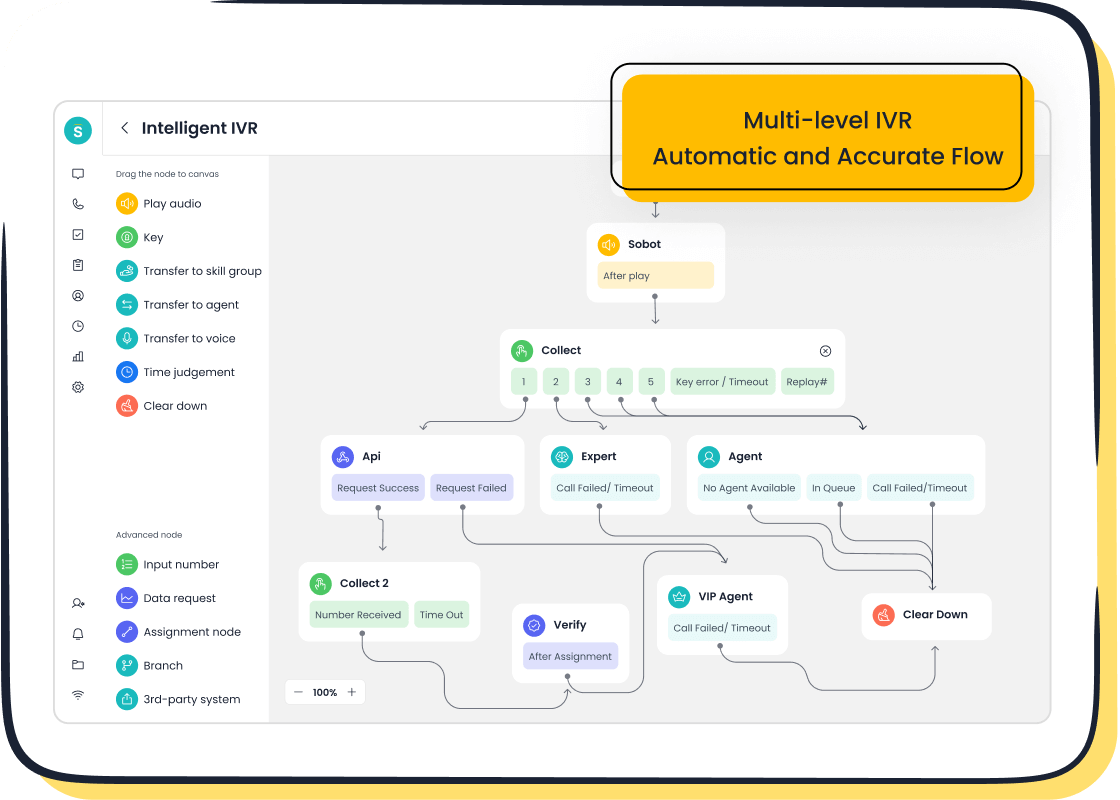
Sobot’s Voice/Call Center can make this easier. Its intelligent IVR and unified workspace streamline call management, so you can focus on listening instead of juggling multiple systems. Features like real-time monitoring also help you stay on top of customer needs without feeling overwhelmed.
The Role of Positivity in Customer Service
Positivity is contagious. When you maintain an upbeat attitude, it can turn even the most challenging interactions into opportunities to build rapport. A positive tone reassures customers that their concerns are valid and solvable. It also helps you stay motivated, especially during high-pressure situations.
Here’s a quick tip: Use encouraging language like “Let’s find a solution together” or “I’m here to help.” These phrases show customers that you’re on their side. Tools like Sobot’s Omnichannel Solution can support this approach by giving you access to customer data in one place. With a clear view of their history, you can personalize your responses and offer solutions that truly resonate.
The Data Behind Patience and Positivity
The impact of patience and positivity isn’t just anecdotal—it’s backed by data. Take a look at the table below to see how these traits drive better outcomes:
| Evidence Description | Outcome |
|---|---|
| Prioritizing patient satisfaction and engagement aligns services with patient needs. | Drives loyalty and revenue, indicating a direct link between positive attitudes and outcomes. |
| Personalization and empathy enhance the patient experience. | Patients feel valued, leading to improved satisfaction and loyalty. |
| Positive customer experience is crucial for health outcomes. | Fosters better patient relationships and enhances overall satisfaction. |
| Positive experiences lead to higher patient engagement. | Results in better adherence to treatment plans and more effective communication with providers. |
While this data focuses on healthcare, the principles apply to any industry. A people-first attitude, combined with patience and positivity, creates a ripple effect. Customers feel valued, satisfaction improves, and loyalty grows.
How to Cultivate These Traits
You can develop patience and positivity with practice. Start by taking a deep breath before responding to difficult customers. Remind yourself that their frustration isn’t personal—it’s about the situation. Focus on finding solutions rather than dwelling on the problem.
Sobot’s AI-powered tools, like its Voicebot, can help you stay calm by automating repetitive tasks. This frees up your mental energy for more meaningful interactions. With features like smart call routing and real-time analytics, you can handle even the busiest days with confidence and a smile.
By mastering these skills, you’ll not only improve your customer service performance but also position yourself for career growth. Employers value professionals who can stay composed and positive under pressure. These traits show that you’re adaptable, resourceful, and ready to take on leadership roles.
Must-Have Hard Skills for Customer Service in 2025
Mastering CRM Tools and Data Analysis for Customer Insights
In 2025, knowing how to use CRM tools and analyze data will be a game-changer for your career. These skills help you understand customer behavior, identify trends, and improve service quality. Imagine being able to predict what your customers need before they even ask. That’s the power of data-driven insights.
For example, a hospital group used CRM analytics to track patient feedback. This reduced wait times by 15% and boosted satisfaction scores. Similarly, a financial services company identified at-risk clients using CRM tools, cutting churn by 10%. These examples show how mastering CRM tools can directly impact customer satisfaction and business outcomes.
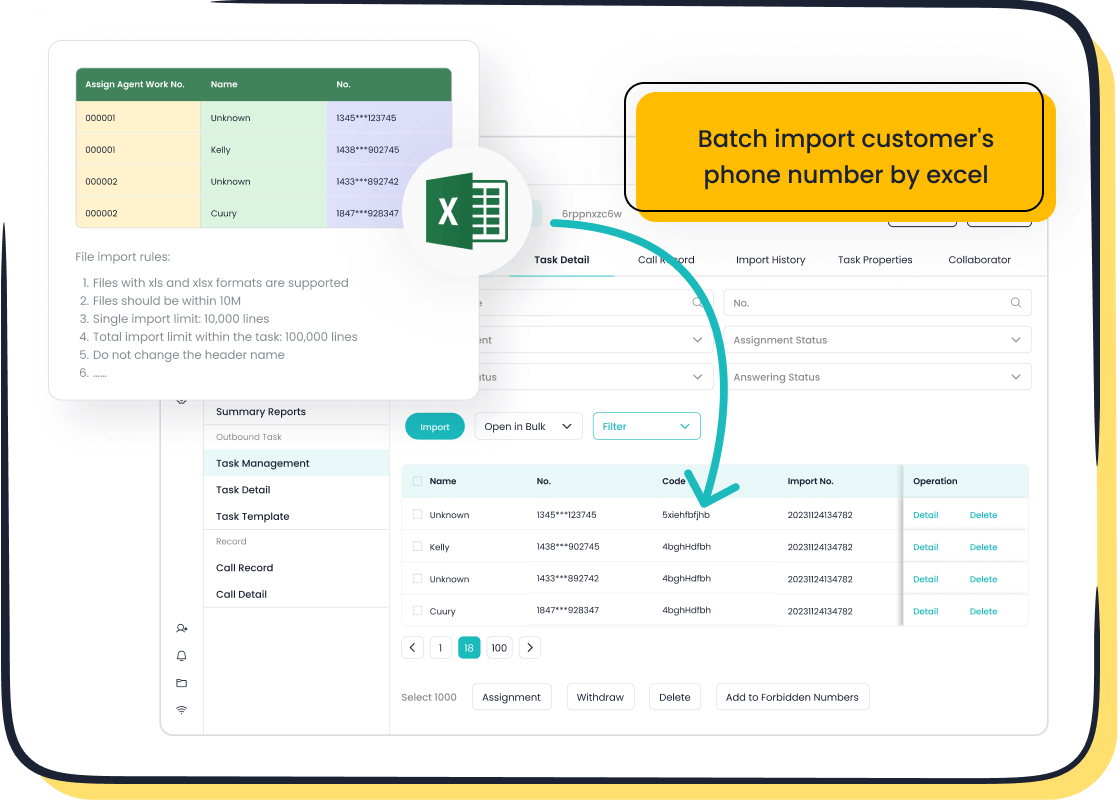
Sobot’s Omnichannel Solution makes this easier for you. It consolidates customer data from multiple channels into one workspace, enabling hyper-personalisation. With tools like AI-driven analytics, you can tailor your interactions and deliver exceptional service.
| Industry | Problem | Solution | Outcome |
|---|---|---|---|
| Hospital Group | Patient satisfaction issues | Used CRM analytics to track patient feedback | Improved service delivery, cutting wait times by 15% and increasing satisfaction scores. |
| Financial Services | Customer retention | Identified at-risk clients using CRM analytics | Reduced churn by 10% through tailored advice. |
Multichannel Support Expertise for Seamless Customer Experiences
Customers today expect support on their terms—whether it’s through email, social media, or live chat. Your ability to provide seamless service across multiple channels will set you apart. When you offer assistance on their preferred platforms, customers feel valued and assured of your brand’s availability.
Multichannel expertise also allows you to create hyper-personalisation. By leveraging data from various channels, you can tailor interactions to meet specific needs. For instance, brands that remember customer preferences and handle inquiries smoothly foster trust and loyalty. Sobot’s Omnichannel Solution supports this by unifying data from all channels, giving you a clear view of the customer journey. This ensures quicker, more personalized service that makes customers feel seen and understood.
Technical Troubleshooting and Product Knowledge
In customer service, technical troubleshooting and product knowledge are non-negotiable. Customers expect you to know your company’s products inside and out. Whether it’s resolving a software glitch or explaining a feature, your expertise builds trust and confidence.
Advanced troubleshooting isn’t just about fixing problems—it’s about proactive support. For example, companies that use predictive analytics reduce issues before they arise. Sobot’s Cloud Call Center equips you with tools like AI-powered Voicebot and real-time monitoring. These features help you stay ahead of problems, ensuring smooth customer interactions.
To excel, focus on continuous learning. Dive deep into your company’s offerings and stay updated on new technologies. This not only enhances your skills but also positions you as a valuable asset in your team.
Leveraging Sobot's Voice/Call Center for Enhanced Call Management
Managing calls efficiently can feel overwhelming, especially when you're juggling multiple tasks. That’s where Sobot’s Voice/Call Center steps in to make your life easier. It’s designed to streamline call management, helping you deliver faster and more effective customer service. Whether you're handling inbound queries or outbound campaigns, this tool ensures you stay on top of every interaction.
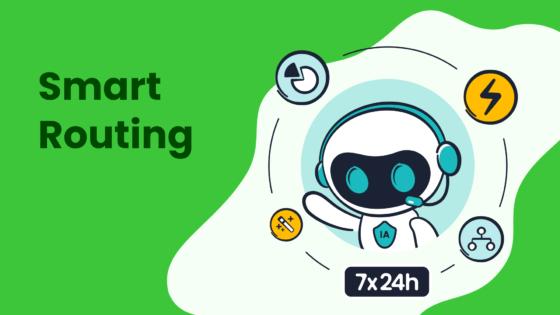
One of the standout features is its AI-powered Voicebot, which automates repetitive tasks like answering FAQs. This frees up your time to focus on more complex customer needs. The intelligent IVR system takes it a step further by routing calls to the right agent or department, reducing wait times and improving the overall experience. Plus, with real-time monitoring and analytics, you can track performance and make data-driven decisions to enhance your service.
Here’s how Sobot’s Voice/Call Center impacts key operational metrics:
| Metric | Improvement Description |
|---|---|
| Average Handle Time (AHT) | AI-based analytics solutions help reduce AHT by consolidating customer data sources. |
| First-Call Resolution (FCR) | Well-run call centers maintain high CSAT scores, indicating effective issue resolution. |
| Customer Satisfaction Scores | CSAT scores around 85% reflect strong performance in resolving customer issues. |
| Operational Cost Reduction | AI implementations lead to cost reductions of 20% to 30% by automating tasks. |
| Average Cost per Call | Decreased by 15% in centers using AI-driven automation. |
| Average Wait Time | Lowered by 20% through AI-driven call routing systems. |
Imagine this: A customer calls with a billing issue. Instead of waiting on hold, they’re quickly routed to the right agent, who already has their account details on hand. The problem gets resolved in one call, leaving the customer satisfied and you feeling accomplished. That’s the power of Sobot’s Voice/Call Center.
By leveraging these tools, you not only improve customer satisfaction but also demonstrate your ability to adapt to advanced technologies. This positions you as a valuable team member, ready to take on bigger challenges and grow your career. So, why not let Sobot’s Voice/Call Center help you shine? 😊
The Importance of Hybrid Skills in Customer Service
Combining Emotional Intelligence with Technical Proficiency
You’ve probably heard that emotional intelligence is key to connecting with customers. But pairing it with technical proficiency takes your customer service game to the next level. Imagine this: a customer calls with a technical issue, frustrated and unsure how to proceed. Your ability to empathize with their feelings while confidently troubleshooting the problem creates a seamless experience.
Some companies have mastered this balance. For example:
- Amazon: When a customer’s Christmas gift went missing, Amazon didn’t just replace it—they did so proactively and free of charge. This thoughtful gesture showed emotional intelligence paired with operational efficiency.
- Sainsbury’s: A young customer suggested renaming tiger bread to giraffe bread. Instead of dismissing the idea, the company embraced it, demonstrating responsiveness and technical adaptability.

You can develop this hybrid skill by practicing active listening, staying calm under pressure, and continuously learning about your company’s products. Tools like Sobot’s Voice/Call Center can help. Its AI-powered Voicebot handles repetitive tasks, freeing you to focus on interpersonal interactions and conflict resolution.
Using AI and Automation While Maintaining a Human Touch
AI and automation are transforming customer service, but keeping the human touch is essential. You don’t want customers to feel like they’re talking to a robot. Instead, you want technology to enhance your ability to connect with them.
Take a look at how AI compares to human service:
| Function | AI Customer Service | Human Customer Service |
|---|---|---|
| Availability | 24/7 instant response | Limited to business hours |
| Speed | Answers common queries in seconds | Depends on hold time |
| Task type | Repetitive, rule-based tasks | Complex, emotion-rich issues |
| Empathy & judgment | Limited emotional intelligence | Strong empathy and critical thinking |
| Relationships | Limited | Builds trust and loyalty |
Chewy sets a great example. They send flowers or cards to customers grieving the loss of a pet, showing empathy while leveraging automation for efficiency. You can follow this approach by using tools like Sobot’s Omnichannel Solution. It combines AI-driven chatbots with a unified workspace, ensuring smooth transitions between automated and human interactions.
Cross-Functional Collaboration for Holistic Customer Support
Customer service isn’t a solo act. It’s a team effort that requires collaboration across departments. When you work with marketing, sales, and product teams, you gain insights that help you deliver better support.
Here’s how cross-functional teamwork improves customer service:
- It enhances communication among team members.
- It defines roles and responsibilities, boosting accountability.
- It streamlines processes, reducing inefficiencies.
Centralized data plays a big role here. When everyone has access to unified customer insights, miscommunication disappears. For example, Sobot’s Omnichannel Solution provides a single platform for managing customer interactions. This ensures all teams stay aligned, making conflict resolution smoother and improving interpersonal dynamics.
To foster collaboration, start by creating success plans with clear milestones. Standardize processes using playbooks to reduce confusion. With these strategies, you’ll build a support system that benefits both customers and your career.
How to Develop and Strengthen Customer Service Skills

Leveraging Technology and Online Learning Platforms
Technology has revolutionized how you can develop customer service skills. Online learning platforms now offer tailored experiences that fit your learning style. Whether you prefer watching videos, completing interactive modules, or following step-by-step guides, these platforms have something for everyone. They even allow you to track your progress in real time, helping you stay motivated and focused on your goals.
For example, imagine you’re learning how to handle difficult customer interactions. An online course might include role-playing videos, quizzes, and downloadable resources. These tools make it easier to practice and retain what you’ve learned. Plus, with customizable learning paths, you can focus on areas where you need the most improvement.
Sobot’s solutions, like its Omnichannel platform, also play a role here. By integrating AI-driven analytics, you can identify gaps in your performance and address them through targeted training. This approach not only enhances your skills but also ensures you’re delivering exceptional customer experiences every time.
"Today’s consumers do not buy just products or services - more and more, their purchase decisions revolve around buying into an idea and an experience." – McKinsey & Company
Seeking Feedback and Mentorship for Continuous Improvement
Feedback is one of the most powerful tools for growth. It gives you a clear picture of what you’re doing well and where you can improve. Seeking feedback from customers, colleagues, and supervisors helps you refine your approach and build stronger customer relationships.
Start by asking customers for their opinions after interactions. Did they feel heard? Was their issue resolved quickly? According to research, 77% of customers are likely to recommend a company to a friend if they have a positive experience. This shows how valuable feedback can be—not just for improving your skills but also for enhancing the overall customer experience.
Mentorship is another game-changer. A mentor can guide you through challenges, share their expertise, and help you navigate your career path. For instance, they might teach you how to handle high-pressure situations or provide tips on using tools like Sobot’s Voice/Call Center to streamline your workflow. By combining feedback and mentorship, you’ll continuously improve and stay ahead in your field.
Practicing Real-World Scenarios and Role-Playing
Practice makes perfect, especially in customer service. Role-playing and simulations allow you to experience real-world scenarios in a risk-free environment. These exercises help you develop critical skills like empathy, decision-making, and problem-solving.
Here’s a quick look at how different scenarios can sharpen your abilities:
| Scenario Type | Skills Developed |
|---|---|
| Relationship Repair | Empathetic communication and strategies to regain customer confidence. |
| Compensation Assessment | Determining appropriate compensation based on the severity of the problem. |
| Empowerment and Decision-Making | Practicing independent decision-making within defined parameters. |
| Policy Application and Exception Handling | Applying company policies and handling exceptions or escalations. |
| High Emotional Intensity | Practicing de-escalation techniques in response to unreasonable demands and emotional outbursts. |
| Bridging Technical Knowledge Gap | Equipping teams to resolve technical issues while maintaining a positive customer experience. |
For example, let’s say you’re practicing how to handle a frustrated customer. In a simulation, you might work on de-escalation techniques, such as staying calm, acknowledging their emotions, and offering a solution. These exercises not only build your confidence but also prepare you for real-life challenges.
Sobot’s tools, like its AI-powered Voicebot, can enhance these training sessions. By automating repetitive tasks, you can focus on mastering complex scenarios. Plus, features like real-time monitoring provide instant feedback, helping you fine-tune your approach.
💡 Tip: Engage deeply in simulations. They let you experience the consequences of your actions without real-world risks. Positive feedback during these exercises boosts your confidence and prepares you for actual customer interactions.
Embracing Certifications and Continuous Learning Opportunities
Certifications and continuous learning aren’t just buzzwords—they’re your ticket to staying ahead in customer service. In a world where customer expectations keep evolving, these tools help you sharpen your skills and prove your expertise. Think of them as a way to show employers that you’re serious about your career and ready to tackle new challenges.
Why Certifications Matter
Certifications validate your knowledge and make you stand out. They show that you’ve mastered specific skills, whether it’s handling difficult customers or using advanced tools like Sobot’s Voice/Call Center. Employers love this because it reduces their training time and boosts team efficiency. Plus, certifications often come with industry recognition, giving you an edge over other candidates.
For example, imagine you’re applying for a leadership role. A certification in conflict resolution or CRM tools could be the deciding factor. It’s not just about having the skills—it’s about proving you have them.
The Power of Continuous Learning
Learning doesn’t stop after you land a job. Continuous learning keeps you adaptable and ready for change. Did you know that 76% of employees are more likely to stay with a company that offers ongoing training? This shows how much people value growth opportunities. And it’s not just about staying in your role—it’s about thriving in it.
Here’s another fact: 87% of companies either have skill gaps now or expect to in the near future. This means there’s a huge demand for professionals who are willing to learn and grow. By embracing continuous learning, you position yourself as someone who can fill those gaps.
How to Get Started
Getting started with certifications and learning opportunities is easier than you think. Here are some steps to guide you:
- Identify Your Goals: What skills do you want to improve? Maybe it’s technical troubleshooting or interpersonal skills.
- Explore Online Platforms: Websites like Coursera and LinkedIn Learning offer courses tailored to customer service.
- Leverage Company Resources: Many companies, including those using Sobot’s solutions, provide in-house training programs.
- Stay Updated: Follow industry blogs and attend webinars to keep up with trends.
Sobot’s tools can also support your learning journey. For instance, its Omnichannel Solution provides analytics that highlight areas for improvement. This helps you focus your efforts where they matter most.
💡 Tip: Certifications in customer service aren’t just about technical skills. They also enhance your interpersonal skills, making you better at building trust and resolving conflicts.
The Long-Term Benefits
Investing in certifications and continuous learning pays off in the long run. You’ll not only improve your performance but also open doors to promotions and leadership roles. Employers value team members who are proactive about their growth. And when you combine certifications with strong interpersonal skills, you become an indispensable asset to any organization.
So, why wait? Start exploring certifications and learning opportunities today. Whether it’s mastering a new tool or improving your communication style, every step you take brings you closer to career success.
Overcoming Challenges in Skill Development
Addressing Skill Gaps Through Training Programs
Skill gaps can feel like roadblocks, but they’re actually opportunities to grow. The key is identifying what you need to learn and finding the right training programs to fill those gaps. Companies often use structured approaches like Individual Development Plans (IDPs) to help employees focus on their goals. These plans personalize training based on your strengths and areas for improvement, making it easier to tackle challenges head-on.
You can also take charge of your learning by exploring e-learning platforms. Many organizations encourage self-directed learning because it fosters continuous improvement. For example, Sobot’s solutions, like its Omnichannel platform, provide analytics that highlight areas where you can improve. This data helps you align your training with your professional goals.
If you’re wondering how businesses manage skill development while staying productive, here’s what works:
- Short-term and long-term skill demands are identified to align training with business goals.
- Learning and Development (L&D) departments structure training and evaluate performance.
- Self-directed learning is encouraged through access to online platforms.
By addressing skill gaps, you not only enhance your abilities but also contribute to customer loyalty by delivering better service.
Balancing Skill Development with Work Responsibilities
Balancing skill development with your daily tasks can feel overwhelming, but it’s doable with the right strategies. Start by setting clear priorities. Focus on skills that will have the biggest impact on your role. For example, if you’re in customer service, mastering tools like Sobot’s Voice/Call Center can streamline your workflow and free up time for learning.
Here’s how successful professionals balance work and learning:
- Break your goals into manageable chunks.
- Use downtime for quick learning sessions, like watching tutorials or reading articles.
- Collaborate with your manager to create a schedule that accommodates both work and training.
Companies often support this balance by creating structured programs. For instance, L&D departments provide resources and performance evaluations to ensure employees stay on track. Individual Development Plans (IDPs) also help you focus on specific goals without losing sight of your responsibilities.
Remember, skill development isn’t just about learning—it’s about applying what you learn to improve your performance.
Staying Motivated and Resilient in the Face of Setbacks
Setbacks are inevitable, but they don’t have to derail your progress. Staying motivated starts with resilience. When challenges arise, view them as learning opportunities rather than failures. This mindset helps you grow stronger and more adaptable.
Resilience isn’t something you’re born with—it’s a skill you can develop. Here’s how:
- Practice emotional regulation to stay calm under pressure.
- Stay optimistic by focusing on solutions instead of problems.
- Lean on social support, like mentors or colleagues, for guidance.
- Take care of yourself through regular breaks and self-care routines.
For example, if you struggle with a new tool, analyze what went wrong and extract lessons from the experience. Sobot’s AI-powered Voicebot can simplify tasks, giving you more time to focus on overcoming challenges.
Failures aren’t the end—they’re stepping stones to success. By building resilience, you’ll navigate obstacles effectively and emerge stronger.
Mastering customer service skills isn’t just about excelling in your current role—it’s about building meaningful relationships that fuel long-term career success. Strong service skills improve customer loyalty, enhance brand reputation, and even boost employee satisfaction. A single positive interaction can turn a buyer into a lifelong advocate, proving how trust and exceptional service foster lasting relationships.
Sobot’s tools, like the Voice/Call Center, simplify your workflow, letting you focus on what matters most: creating connections and solving problems. Take charge of your growth today. Invest in these skills to future-proof your career in an ever-evolving industry.
| Metric | Impact on Business Success |
|---|---|
| Customer Retention | Higher retention leads to increased revenue. |
| Brand Reputation | Strong service skills enhance brand reputation. |
| Customer Loyalty | Loyal customers are likely to return and recommend. |
| Employee Satisfaction | Well-trained employees improve customer satisfaction. |
💡 Tip: Building strong relationships with customers and colleagues is the key to unlocking new opportunities and advancing your career.
FAQ
What are the most important customer service skills for career growth?
The most important skills include communication, empathy, problem-solving, and adaptability. These help you connect with customers, resolve issues, and build trust. For example, using tools like Sobot’s Voice/Call Center can enhance your adaptability by streamlining workflows and improving customer interactions.
How can I improve my customer service skills quickly?
Start by practicing active listening and empathy during interactions. Use tools like Sobot’s Omnichannel Solution to analyze customer feedback and identify areas for improvement. Online courses and role-playing exercises also help you refine your approach and build confidence.
Why is emotional intelligence crucial in customer service?
Emotional intelligence helps you understand and manage emotions—both yours and the customer’s. This builds trust and improves satisfaction. For instance, staying calm during a heated call can turn a negative experience into a positive one, showcasing your professionalism.
How does technology enhance customer service skills?
Technology simplifies tasks, allowing you to focus on meaningful interactions. Sobot’s AI-powered tools, like its Voicebot, automate repetitive processes and provide real-time insights. This boosts efficiency and helps you deliver personalized service, a key factor in career advancement.
Can certifications boost my customer service career?
Absolutely! Certifications validate your expertise and make you stand out. Employers value professionals with proven skills. For example, mastering Sobot’s solutions or earning a CRM certification can demonstrate your commitment to excellence and open doors to leadership roles.
See Also
Transforming Customer Support With AI Service Agents
Essential Strategies for Effective Call Center Quality Management
Ten Strategies to Enhance Live Chat Customer Experience

