Omnichannel Support The Upsides and Downsides

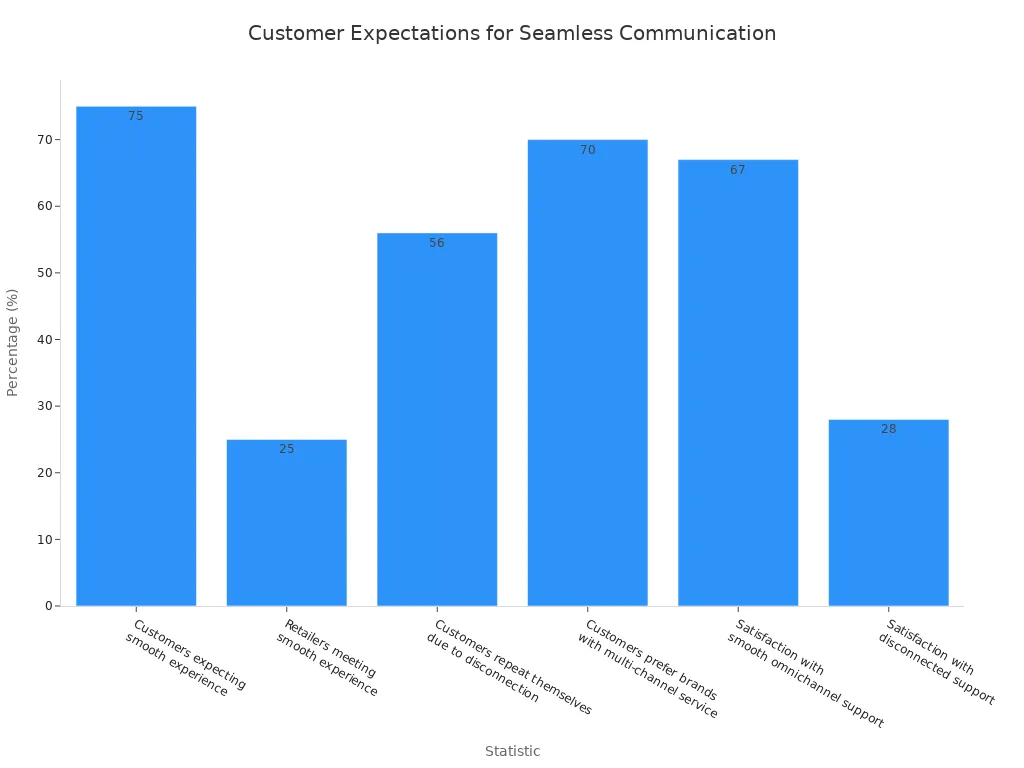
An omnichannel approach promises a revolutionary customer experience, yet a significant gap remains between customer expectations and business reality. While 75% of customers expect a smooth experience across all channels, most businesses struggle to deliver.
This guide weighs the pros and cons of an omnichannel strategy. Choosing the best customer service platform software for omnichannel support, such as Sobot, is a critical decision in this complex but rewarding journey.
The Upsides: Why Businesses Adopt Omnichannel

Businesses adopt an omnichannel strategy to gain significant competitive advantages. The core benefits of omnichannel support revolve around creating a unified and intelligent ecosystem. This system enhances the customer journey, empowers support agents, and provides deep strategic insights. The financial service platform Opay provides a powerful real-world example. By implementing Sobot's omnichannel solution, Opay transformed its operations, achieving remarkable growth in satisfaction and efficiency. Let's explore these benefits in detail.
Enhancing the Customer Experience
A superior customer experience is the primary driver for adopting an omnichannel approach. Modern customers expect to move between channels without friction. They want brands to remember their history and preferences. An omnichannel platform makes this possible by creating a unified customer profile.
This single profile gives your team a complete view of every customer. It combines data from all touchpoints, including past purchases, browsing history, and previous support conversations. This allows for a truly personalized experience.
A unified customer profile enables businesses to deliver personalized recommendations tailored to individual needs. This streamlined support, where representatives have full context, improves customer satisfaction and strengthens brand loyalty by making customers feel understood and valued.
This level of personalization directly leads to a better customer experience. Customers no longer need to repeat themselves when switching from a chatbot to a live agent or from email to a phone call. This consistency builds trust and makes every interaction feel easier and more human. The result is a seamless customer journey that boosts satisfaction. Opay saw this firsthand, as its customer satisfaction rate soared from 60% to 90% after unifying its channels with Sobot.
Boosting Agent Efficiency
An omnichannel platform provides immense benefits for your support team. It consolidates all communication channels and customer data into a single, unified workspace. This eliminates the need for agents to constantly switch between different applications to find information.
This integrated environment has several key advantages:
- Reduces Cognitive Load: Agents can see chat transcripts, past tickets, and order history in one place. This reduces mental strain and allows them to focus on solving the customer's problem.
- Lowers Average Handle Time (AHT): With all information readily available, agents resolve issues much faster. Reports show that integrated solutions can reduce first-resolution times by 31%.
- Improves First-Contact Resolution (FCR): When agents have full context, they are more likely to solve an issue on the first try. Some companies have seen FCR rates increase by over 80% after adopting an AI-driven omnichannel platform.
Opay's partnership with Sobot highlights these efficiency gains. The implementation of an intelligent IVR system allowed 60% of their customers to resolve issues through self-service. This freed up agents to handle more complex inquiries, contributing to an impressive 20% reduction in overall operational costs.
Improving Data and Strategic Insights
Fragmented data from separate channels offers an incomplete picture of your business. An omnichannel strategy breaks down these data silos. It integrates information from sales, marketing, and support to provide a holistic view of the entire customer journey. This unified data is a goldmine for strategic planning.
With omnichannel analytics, you can track how customers move across different touchpoints. This helps you understand which channels are most effective and identify friction points that cause frustration. For example, you can analyze how an interaction on social media leads to a website visit and, eventually, a purchase.
Key metrics you can track with an integrated platform include:
| Business Objective | Primary KPI | Why It Matters |
|---|---|---|
| Increase Customer Loyalty | Customer Lifetime Value (CLV) | Measures the long-term value of a unified customer experience. |
| Improve Customer Experience | Net Promoter Score (NPS) | Directly gauges satisfaction with the cross-channel journey. |
| Optimize Marketing Spend | Cross-Channel ROAS | Reveals the true ROI by accounting for how channels influence each other. |
By leveraging these insights, Opay was able to refine its outreach and engagement strategies. This data-driven approach was a key factor in their 17% increase in conversion rates, turning customer interactions into measurable business growth.
Increasing Customer Retention
Ultimately, the goal of a great customer experience is to build lasting relationships. The cumulative benefits of an omnichannel strategy directly contribute to higher customer loyalty and retention. When customers feel understood and valued, they are more likely to stay with your brand.
The data is clear:
- Companies with strong omnichannel engagement retain 89% of their customers, compared to just 33% for companies with weak strategies.
- Omnichannel shoppers have a 30% higher customer lifetime value (CLV) than single-channel shoppers.
A seamless and positive experience at every touchpoint builds a powerful emotional connection. This connection is difficult for competitors to break. The exceptional 90% customer satisfaction rate achieved by Opay is a testament to this principle. A happy customer is a loyal customer, and an effective omnichannel platform is the key to making that happen. This focus on the long-term relationship is one of the most compelling benefits of investing in a unified support system.
Omnichannel: Weighing the Advantages and Disadvantages
An omnichannel strategy offers powerful benefits, but it's not a simple switch. The path to a unified customer experience is filled with significant operational and financial hurdles. Before committing, businesses must carefully weigh the advantages and disadvantages. While the upsides are compelling, the downsides—cost, complexity, and organizational change—demand serious consideration. This section explores the key disadvantages of omnichannel adoption to provide a balanced perspective.
Key Disadvantages: Cost and Complexity
The most significant disadvantages of an omnichannel strategy are its high initial cost and operational complexity. Implementing a true omnichannel system is a major investment. It requires new technology, system integrations, and extensive employee training. These costs can be a major barrier for many businesses, especially small to medium-sized enterprises.
The complexity extends beyond just the financial investment. Managing a seamless experience across multiple channels is a difficult task. It requires a sophisticated platform capable of unifying data and workflows in real time. Without the right tools, teams can quickly become overwhelmed, leading to a disjointed customer experience—the very problem omnichannel is meant to solve. These challenges make it crucial to evaluate the potential return on investment before diving in. Understanding the full scope of these disadvantages is the first step in weighing the advantages and disadvantages of this approach.
The Challenge of System Integration
One of the biggest technical challenges in an omnichannel rollout is system integration. Many companies rely on legacy systems for critical operations. These older platforms, like enterprise resource planning (ERP) or point-of-sale (POS) systems, were not designed to communicate with modern, cloud-based tools. This creates significant integration challenges.
Integrating these outdated systems is often a slow and expensive process. Key difficulties include:
- Lack of Modern APIs: Legacy systems often lack the modern APIs (Application Programming Interfaces) needed for easy data exchange. This forces developers to build custom middleware, which adds time and cost to the project.
- Data Synchronization Issues: Ensuring data is consistent across old and new systems in real time is a major hurdle. Delays or errors in synchronization can lead to inaccurate customer profiles and poor service.
- High IT Costs: The custom development and specialized expertise required to connect legacy systems can significantly inflate the budget. In fact, 78% of retailers report that legacy systems are a major obstacle to their omnichannel initiatives.
These integration challenges can delay deployment and increase project risk. Overcoming them requires careful planning and significant technical resources. This is a critical factor when considering the advantages and disadvantages of an omnichannel transformation.
Risk of Vendor Lock-In
Choosing an omnichannel platform is a long-term commitment, which introduces the risk of vendor lock-in. This happens when a business becomes so dependent on a single provider's technology that switching to another becomes prohibitively expensive or complex. This dependency can have serious long-term financial and operational implications.
Once locked in, a business loses its bargaining power. The provider may increase licensing fees or change service terms, knowing that the cost of migrating to a new system is too high. This was seen when some VMware clients faced price hikes of up to 10 times after becoming deeply integrated. The risks and implications are significant:
| Risk & Implication | Description |
|---|---|
| Loss of Pricing Leverage | Providers can raise prices for licensing or usage fees because switching is difficult, leaving the business with little negotiation power. |
| Escalating Switching Costs | Moving to a new vendor may require rebuilding systems, migrating massive amounts of data, and retraining entire teams, all with little immediate ROI. |
| Reduced Agility | Businesses are stuck within the vendor's ecosystem, limiting their ability to adopt new, best-in-class tools and hindering innovation. |
| Data Compliance Risks | If a vendor does not support specific data residency rules (like GDPR), the business may struggle to remain compliant. |
To avoid these disadvantages, businesses should seek flexible solutions. Platforms like Sobot, which offer robust integration capabilities with systems like Salesforce, provide a more composable approach. This allows companies to connect various tools without being tied to a single, monolithic suite. Building modular systems with open APIs and planning an exit strategy from the start are crucial steps to mitigate the risks of vendor lock-in.
The Need for Organizational Change
Implementing an omnichannel strategy is not just a technological upgrade; it's a fundamental shift in company culture. This is one of the most overlooked disadvantages of omnichannel adoption. Success requires breaking down departmental silos and fostering a new level of collaboration. Marketing, sales, and support teams can no longer operate independently. They must work together from a unified customer profile to deliver a consistent experience.
This transition presents several human-centered challenges:
- Employee Resistance: People are often comfortable with familiar tools and processes. Introducing new workflows can lead to resistance, fear of the unknown, and concerns about job security.
- Lack of Buy-In: If leadership does not effectively communicate the vision and benefits, employees may not see the value in changing how they work. This can result in low morale and poor adoption of new tools.
- Skill Gaps: Teams need new skills to manage an omnichannel environment. This requires significant investment in training and development.
To manage these challenges, a structured approach to change management is essential. The ADKAR model offers a useful framework:
- Awareness: Explain why the change is necessary.
- Desire: Motivate employees by showing them what's in it for them.
- Knowledge: Provide comprehensive training on new tools and processes.
- Ability: Offer hands-on support to ensure teams can apply their new skills.
- Reinforcement: Use feedback and recognition to sustain the change.
Ultimately, a successful omnichannel strategy depends on people. Overcoming these organizational challenges is just as important as solving the technical ones. Acknowledging these disadvantages of omnichannel helps set realistic expectations for the journey ahead. Carefully weighing the advantages and disadvantages ensures a business is fully prepared for the transformation.
Choosing the Best Customer Service Platform Software for Omnichannel Support
Selecting the right technology is the most critical step in an omnichannel strategy. The best customer service platform software for omnichannel support will unify your operations, empower your team, and prevent the disadvantages of cost and complexity from derailing your goals. Making the wrong choice can lead to a fragmented system, but the right platform provides a solid foundation for success. The best customer service platform software for omnichannel support is one that grows with you.
Core Features of a Top Platform
A top-tier omnichannel platform centers around a unified workspace. This single dashboard eliminates the need for agents to switch between screens to handle different interactions. Key features to look for include:
- A Unified Inbox: Consolidates conversations from all your multiple channels into one view.
- Complete Customer Timeline: Shows a full history of every interaction across multiple channels.
- Deep Data Integration: Connects seamlessly with CRMs like Salesforce to provide a 360-degree view of the customer.
This integration allows agents to see everything from past chats to order history in one place, enabling faster and more personalized service across multiple channels.
Evaluating Scalability and Stability
Your chosen platform must be both reliable and flexible. System downtime can destroy customer trust, so look for a provider that guarantees high uptime. The industry standard for reliability is 99.99% uptime, ensuring your service is always available. Scalability is equally important. The best customer service platform software for omnichannel support should easily handle seasonal demand spikes without a drop in performance. It must be able to grow with your business, supporting more agents and multiple channels as your needs evolve.
The Role of AI and Automation
AI and automation are essential for an efficient omnichannel strategy. AI-powered chatbots can handle routine tasks 24/7, freeing up human agents for more complex issues. These bots can:
- Answer frequently asked questions (FAQs)
- Track order status
- Schedule appointments
Furthermore, AI-driven sentiment analysis can detect a customer's emotional tone. This allows the system to automatically prioritize urgent or negative interactions, routing them to the right agent before a problem escalates.
How Sobot Delivers a Unified Solution
Sobot provides a comprehensive solution that embodies the features of the best customer service platform software for omnichannel support. It offers a truly unified platform designed to manage multiple channels seamlessly. With Sobot, you get an all-in-one contact center that includes:
- A Unified Workspace that brings Live Chat, email, and social media into one screen.
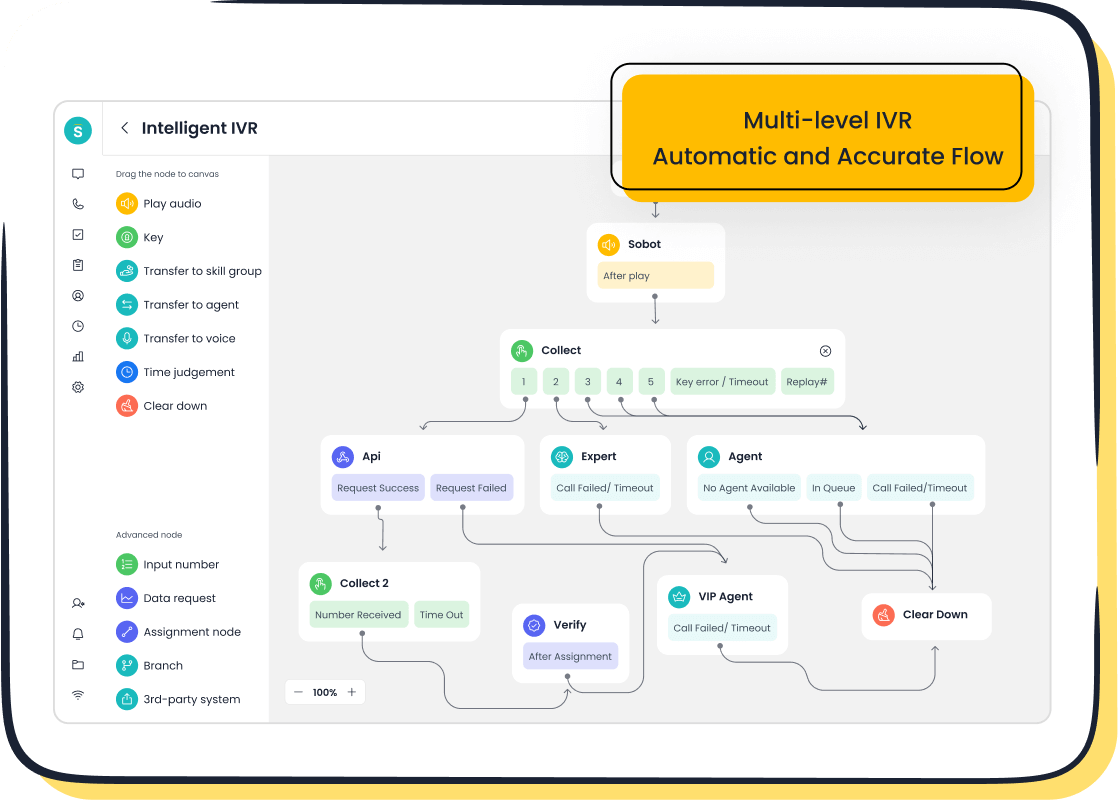
- An integrated Voice/Call Center with intelligent IVR and a powerful Voicebot.
- AI-powered Chatbots to automate support and improve efficiency.
By combining these tools, Sobot makes it easy to manage multiple channels and deliver a consistent omnichannel experience. It is the best customer service platform software for omnichannel support for businesses looking to enhance satisfaction and streamline operations.
Key Considerations for Omnichannel Strategy

A successful omnichannel strategy requires careful planning. It is more than just buying new software. You must understand your current state, set clear goals, and execute a thoughtful plan. This preparation is key to realizing the benefits of a unified omnichannel approach.
Auditing Your Current Channels
First, you must audit your existing customer touchpoints. This helps you find gaps and friction points in the current experience. A thorough audit involves mapping the journey your customer takes across all channels. You can use several tools for this analysis.
- Customer Journey Maps show every interaction within your business.
- Heatmaps and Session Recordings reveal how users engage with your website.
- Funnel Reports identify where people drop off in the buying process.
This audit provides a clear picture of where your omnichannel approach can make the biggest impact.
Evaluating Technical Resources
Next, evaluate your company's technical resources. An omnichannel system needs to connect with your existing technology. You must assess if your current IT infrastructure can support this integration. Consider your team's skills and the capabilities of your legacy systems. This evaluation helps you understand the technical challenges ahead. It ensures you can build a stable and scalable omnichannel platform.
Defining Clear Success Metrics
You cannot improve what you do not measure. Defining clear success metrics is essential for your omnichannel strategy. These key performance indicators (KPIs) will show if your efforts are working. They help you track progress and justify the investment. Important metrics to track include:
- Customer Satisfaction Score (CSAT)
- Net Promoter Score (NPS)
- Customer Conversion Rate
- Customer Retention Rate
These metrics connect your omnichannel efforts to real business outcomes.
Planning a Phased Rollout
Finally, plan a phased rollout. A big-bang launch is risky and can overwhelm your teams. A gradual omnichannel approach is much safer. Start by choosing one or two high-impact channels to integrate first.
A successful rollout follows clear stages: assess and plan, set up the technology, prepare your team, and then launch. Mastering one integration before expanding ensures a smoother transition. This careful process reduces risk and builds momentum for your full omnichannel transformation.
The journey to omnichannel support presents a clear trade-off. It promises a unified customer experience and greater efficiency. However, the high costs and complexity of an omnichannel strategy are significant hurdles. The right path depends on your company’s resources and goals. A successful omnichannel implementation requires careful planning.
Before you begin, conduct a thorough internal audit. Consider a scalable, all-in-one platform like Sobot to simplify your omnichannel transition. A phased rollout is a wise first step toward a full omnichannel transformation for any customer-focused business.
FAQ
What is the main difference between omnichannel and multichannel?
A multichannel approach offers customers many ways to connect. An omnichannel strategy integrates these channels. This creates one seamless conversation. The customer's history follows them from chat to email to phone, providing a truly unified experience that a simple multichannel setup lacks.
How does omnichannel support improve customer service?
Omnichannel support gives agents a complete view of the customer's journey. Agents see all past interactions in one place. This context helps them solve problems faster and provide more personalized help. It reduces customer frustration and builds stronger brand loyalty.
Is an omnichannel strategy only for customer support?
No, it extends beyond support. A true omnichannel strategy connects all business functions. This includes sales and omnichannel marketing efforts. It ensures a consistent brand message and customer experience at every single touchpoint, from the first ad to post-purchase support.
Can small businesses implement an omnichannel strategy?
Yes, small businesses can adopt an omnichannel strategy. Modern platforms like Sobot offer scalable, all-in-one solutions. A phased rollout is a smart approach. Businesses can start by integrating two or three key channels first and expand over time.
See Also
Mastering Omnichannel Call Center Software: A Comprehensive Implementation Guide
Implementing Omnichannel Contact Centers: Your 10-Step Blueprint for Success
Unlock Business Growth with Always-On Live Chat Support Strategies
Best Contact Center Solutions of 2024: An Expert Review
Elevate SaaS Customer Support Using Smart Live Chat Strategies

