Find Your Ecommerce Chatbot Platform

You need the right chatbot to improve your ecommerce sales and customer support. This table helps you compare the top options.
| Platform Name | Best For | Key Integration | Pricing |
|---|---|---|---|
| Sobot | All-in-One Contact Journey | WhatsApp, Shopify | $ |
| Tidio | All-in-One CX for SMBs | Shopify, WordPress | $ |
| Intercom | Conversational Relationships | Salesforce, Slack | $$ |
| Drift | Revenue Acceleration | Marketo, HubSpot | $$ |
| Zendesk | Complete Customer Service | Salesforce, Jira | $ |
| Gorgias | Ecommerce Helpdesk | Shopify, Magento | $ |
| LiveChat | Customer Service & Sales | HubSpot, Mailchimp | $ |
| Chatfuel | No-Code Social Media Bot | Facebook, Instagram | $ |
| ManyChat | Chat Marketing Automation | Instagram, SMS | $ |
| HubSpot | Integrated Service Software | HubSpot CRM | $ |
Modern ecommerce chatbots are powerful AI tools. They use conversational AI for better customer engagement. These high-converting AI chatbots drive sales through smart automation. A good AI chatbot enhances the customer experience for every customer. The right chatbot platform for ecommerce delivers excellent customer support and engagement. This AI automation helps your customer. AI chatbots are essential.
Top 10 Ecommerce Chatbots for 2026
Choosing the right platform is a big decision. You need a tool that aligns with your goals, budget, and technical setup. This section explores the top 10 ecommerce chatbots to help you find the perfect fit for your business.
1. Sobot
Sobot offers an all-in-one contact journey platform. You can manage the entire customer lifecycle from a single place. It unifies sales, marketing, and support activities. This approach helps you create a seamless experience for every shopper. The platform provides a powerful AI chatbot that requires no coding to set up. You can design and deploy automated workflows using a simple point-and-click interface.
Key Highlight: Sobot is an official WhatsApp Business Solution Provider (BSP). This allows you to engage customers directly on one of the world's most popular messaging apps, building trust and driving conversations.
2. Tidio
Tidio provides an excellent all-in-one customer experience platform for small and medium-sized businesses. You can use its AI agent, Lyro, to automate customer service and answer common questions instantly. This frees up your team to handle more complex issues. Tidio combines live chat and helpdesk features into one environment, making it a great starting point for businesses looking to improve support efficiency.
3. Intercom
Intercom is a conversational relationship platform built for scaling support. It uses an advanced AI agent named Fin to resolve customer questions across multiple channels. When a query is too complex for the chatbot, it smoothly escalates the conversation to a human agent. If you need a comprehensive customer service stack with powerful automation and reporting, Intercom is a strong choice.
4. Drift
Drift positions itself as a revenue acceleration platform. Its primary focus is on engaging website visitors to qualify leads and build a sales pipeline. Drift is ideal for sales-led organizations that want to start conversations with high-intent buyers. While it can be used for ecommerce, its strengths lie more in B2B sales and lead generation than in post-purchase customer support.
5. Zendesk
Zendesk is a complete customer service solution known for its powerful ticketing system. It helps you support customers across any channel. You can build a knowledge base, offer personalized experiences, and manage conversations throughout the buyer's journey. Zendesk is designed for companies of all sizes that need a robust and scalable platform for their customer support operations.
6. Gorgias
Gorgias is a helpdesk built specifically for ecommerce stores. It integrates deeply with platforms like Shopify, BigCommerce, and Magento. This allows the chatbot to perform actions like checking order status or changing a shipping address.
| Aspect | Zendesk | Gorgias |
|---|---|---|
| Target Audience | Broad, any company needing customer service. | Specifically online merchants on platforms like Shopify. |
| Primary Goal | A complete customer service software suite. | An ecommerce helpdesk to drive sales via support. |
Gorgias gives your support team a complete view of the customer, pulling in data directly from your ecommerce platform.
7. LiveChat
LiveChat helps you grow sales and support customers effectively. It is a versatile tool that integrates with many popular marketing and sales platforms, like HubSpot and Mailchimp. You can use it to proactively engage website visitors, answer questions in real-time, and guide them toward a purchase. Its user-friendly interface makes it easy for your team to get started.
8. Chatfuel
Chatfuel is a no-code bot builder for social media. It is a great option if your business relies heavily on Instagram, Facebook Messenger, or WhatsApp for sales. You can use its drag-and-drop builder to create automated conversations quickly. These ai chatbots can handle everything from answering product questions to recovering abandoned carts, making it a favorite among social-first brands.
9. ManyChat
ManyChat focuses on chat marketing automation across social channels and SMS. It helps you engage your audience, capture leads, and run automated campaigns. Like Chatfuel, it is best for businesses whose growth depends on social media DMs and messaging-based conversions. Its visual flow builder makes it easy to design interactive experiences that drive sales. ManyChat is one of the best ai chatbots for social commerce.
10. HubSpot Service Hub
HubSpot Service Hub is an integrated service software that works seamlessly with the HubSpot CRM. You can use its chatbot builder to qualify leads, book meetings, and provide basic customer support. Because it is part of the HubSpot ecosystem, all conversations are automatically logged in your CRM. This gives your entire team a unified view of every customer interaction.
| Platform | Best For | AI Capabilities | CRM Integration |
|---|---|---|---|
| Chatfuel | Social-first ecommerce | Basic AI intent detection | Yes, via integrations |
| ManyChat | Social media campaigns | Primarily flow-based | Limited, via Zapier |
| HubSpot | HubSpot CRM users | Lacks advanced AI/NLP | Full native integration |
These ai chatbots offer different strengths. Your choice depends on whether you prioritize social media engagement, deep CRM integration, or advanced support features.
The Rise of AI Chatbots in Ecommerce
The world of ecommerce is changing fast. AI chatbots are no longer simple tools; they are essential partners for growth. This technology has evolved significantly, creating new ways for you to connect with your customer base and drive sales. Understanding this shift helps you see the true power of a modern chatbot.
From Rule-Based to Conversational AI
Early chatbots followed strict rules. They could only answer specific, pre-programmed questions. If a customer asked something unexpected, the chatbot would fail. Today, the best AI chatbots use conversational AI. This advanced AI allows them to understand context, learn from customer interactions, and provide human-like responses. This evolution means your chatbot can handle complex queries, making customer interactions smoother and more effective. The right AI makes automation feel personal.
Impact on Customer Experience
A powerful AI directly improves the customer experience. It provides instant, 24/7 support and personalized recommendations that build loyalty. This level of service boosts customer engagement and satisfaction.
Major brands show how this works. Their use of AI has led to impressive results in customer loyalty and sales.
- Sephora uses an AI tool that lets you virtually try on makeup. This personalized engagement led to a 20% increase in online sales.
- H&M uses an AI chatbot to help customers with product suggestions. This improved the shopping experience and contributed to a 14% increase in sales.
This kind of AI-driven engagement makes shopping easier and more enjoyable for every customer.
Key Benefits for Online Stores
For your ecommerce store, implementing AI chatbots offers clear, measurable advantages. This technology drives revenue and delivers a strong return on investment. The right automation strategy can transform your business operations. The benefits go beyond just answering questions; they impact your bottom line.
| Benefit | Quantified Impact | Source/Context |
|---|---|---|
| Increased Sales | 67% increase in sales | Intercom's 2019 self-reported survey of business leaders |
| Significant ROI | 57% of businesses report significant ROI with minimal investments | General business sentiment on chatbot usage |
| Increased Order Value | 20% increase in median order value | Tidio's own study for online stores after 7 days of use |
These numbers show that a smart chatbot is a powerful tool for growth.
Sobot: The All-in-One Contact Journey Platform
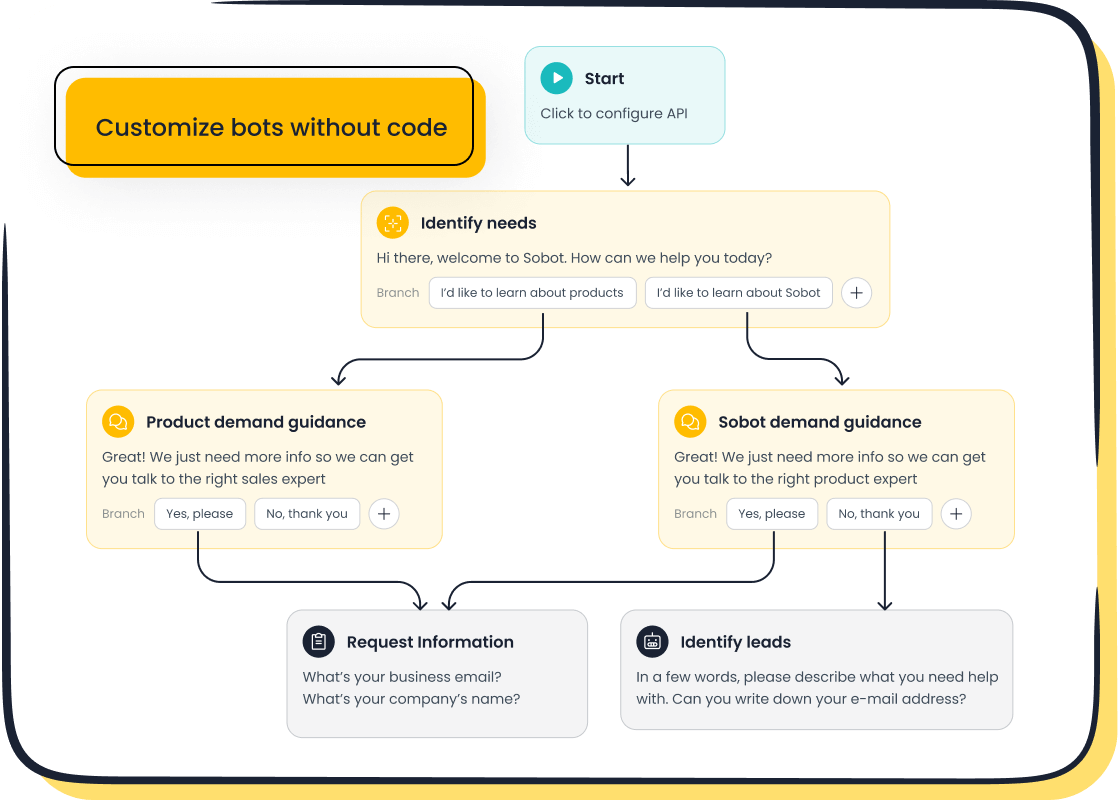
Sobot helps you manage all customer interactions from a single platform. It unifies sales, marketing, and customer support to create a smooth path for every customer. This all-in-one approach lets you Embark on Your Contact Journey with a powerful and cohesive toolset. The platform's advanced AI chatbot is designed for ecommerce, helping you boost sales and improve customer satisfaction.
Key Features
Sobot's platform gives you the tools to manage the entire customer lifecycle. The AI chatbot uses a no-code, point-and-click setup, so you can build automation workflows easily. This seamless integration helps you connect with your favorite systems. Key features include:
- Omnichannel AI: You can connect with your customer on every touchpoint, from your website to social media.
- Scenario-based AI: The AI is built for ecommerce and retail, offering personalized recommendations.
- Multi-faceted AI: You get an AI Agent, Copilot for your team, and AI Insight for analytics.
- Generative AI: The chatbot is powered by advanced AI from leading large language models.
- Secure AI: Your data and your customer's data remain private and compliant.
This powerful AI automation helps you deliver a personalized shopping experience and handle customer interactions efficiently.
Pricing
You can get started with the Sobot Omnichannel Suite for around $39.00 per agent per month. This pricing makes its advanced AI features accessible for many ecommerce businesses. You should contact their sales team for a custom quote based on your specific needs for products and services.
Pros
Sobot delivers measurable results for your ecommerce business. The platform's automation can boost your team's productivity by 70% and cut service costs by up to 50%. The AI chatbot helps you automate order tracking and answer common questions 24/7. This frees up your team for more complex customer support tasks.
Luxury brand Michael Kors used Sobot to transform its customer engagement. The brand achieved a 95% customer satisfaction rate and saw a 20% increase in conversion.
This success shows how a strong chatbot and an integrated platform can improve both sales and service. The focus on personalization and efficient automation makes Sobot a great choice for growing your online store.
Tidio: All-in-One CX Platform for SMBs
Tidio offers an all-in-one customer experience platform built for small and medium-sized ecommerce businesses. You can use it to combine live chat, AI automation, and multichannel support into a single, user-friendly dashboard. The platform helps your team manage every customer interaction efficiently.
Key Features
Tidio provides a strong set of tools to improve your support. Its AI chatbot, Lyro, can resolve up to 70% of common customer questions on its own. This frees up your team for more important tasks. Key features include:
- AI Agents and Chatbots: You get access to Lyro, an AI chatbot that provides instant answers.
- Multichannel Support: You can manage conversations from your website, email, and social media in one place.
- Help Desk Automation: The platform helps you create automated workflows and use canned responses.
- Simple Integrations: Tidio connects easily with Shopify, WordPress, and other popular tools.
Pricing
Tidio offers flexible plans, including a free tier for new businesses. The pricing scales as your needs grow.
| Plan Name | Cost (billed annually) | Key Features |
|---|---|---|
| Free | $0/month | 50 conversations/month, basic chatbot flows |
| Starter | $29/month | 100 conversations/month, live visitors list |
| Growth | $59/month | 250 conversations/month, advanced analytics |
| Plus | Starts at $749/month | Custom limits, premium support, multilingual AI |

Pros
Tidio is excellent for small ecommerce teams. You can set up the chatbot quickly to provide 24/7 customer support without hiring more agents. This AI automation helps you reduce first response times and manage conversations about your products effectively. The platform's unified inbox makes it easy for your team to track every customer issue from start to finish.
Cons
While the free plan is a great start, the conversation limits on lower-tier plans can be restrictive for a growing business. You also need to upgrade to a paid plan to remove the Tidio branding from your chat widget. The most advanced AI chatbot features are reserved for higher-priced plans.
Intercom: The Conversational Relationship Platform
Intercom helps you build better relationships with your customers. It is a conversational relationship platform designed for scaling support and engagement. You can manage all customer interactions from one place. This creates a more personal experience for every customer. The platform uses powerful AI to automate support and guide users through your products.
Key Features
Intercom provides a robust set of tools for your ecommerce business. The Fin AI chatbot uses conversational ai to understand and resolve common customer questions instantly. This frees up your team for more complex issues. Key features include:
- Omnichannel Inbox: You can manage messages from your website, app, email, and social media in one shared inbox.
- Fin AI Chatbot: This advanced AI chatbot provides instant answers using your help articles and past chats.
- Workflow Automation: You can automate tasks like routing conversations and sending follow-up messages without any code.
- Help Center: You can build a smart knowledge base where your customer base can find answers on their own.
Pricing
Intercom's pricing is based on seats and features. The Fin AI agent has an additional cost of $0.99 per resolution.
| Plan | Annual Price | Best For |
|---|---|---|
| Essential | $29/seat/month | Startups, basic FAQ pages |
| Advanced | $85/seat/month | Scale-ups, international teams |
| Expert | $132/seat/month | Enterprises, complex setups |
Note: Features like multilingual support and advanced workflows require the "Advanced" plan. Using channels like WhatsApp or SMS will also add extra per-message fees to your bill.
Pros
Intercom's main strength is its powerful AI. The Fin AI chatbot can handle a high volume of customer interactions, providing accurate answers and escalating to a human agent when needed. This improves your support efficiency. The platform's workflow automation helps you route conversations to the right team member, ensuring every customer gets a fast response. This level of automation is great for a growing ecommerce store.
Cons
The platform's pricing can be a significant investment. The per-seat cost, combined with the per-resolution fee for the AI chatbot, can add up quickly. Many essential features for a scaling ecommerce business, such as multilingual support, are only available on higher-priced plans. This makes the entry-level plan feel limited for businesses with a global customer base.
Drift: The Revenue Acceleration Platform
Drift presents itself as a revenue acceleration platform. Its main goal is to help your sales team connect with high-value buyers. You can use its tools to turn website traffic into a qualified sales pipeline. This platform is a powerful revenue-driving solution for businesses focused on lead generation.
Key Features
Drift's features help you speed up your sales cycles. The platform uses AI to identify your best leads and connect them with your team instantly. This automation ensures you never miss an opportunity with a potential customer. Key features include:
- AI Chat Agents: This AI chatbot provides instant answers to customer questions. It qualifies leads and even books meetings for your sales team.
- High-Intent Buyer Identification: The platform recognizes which website visitors are most likely to buy. It gathers data to help you personalize the customer engagement.
- Intelligent Routing: The chatbot directs qualified buyers to the right sales workflows. This gives your team clear steps and context for every conversation.
- ROI Reporting: You can track conversations and measure which interactions lead to the most revenue.
Pricing
Drift's pricing is designed for businesses ready to invest in growth. The plans are structured to scale with your needs.
| Plan | Price | Who it's for |
|---|---|---|
| Premium | $2,500/month (billed annually) | Small businesses |
| Advanced | Custom pricing | Growing businesses |
| Enterprise | Custom pricing | Large businesses |
Pros
Drift excels at starting conversations that lead to a sale. The AI chatbot is great at identifying your most valuable customer prospects in real time. This allows your team to focus its efforts where they matter most. The platform's automation helps you personalize the experience for each customer, which can improve your conversion rate. This makes it a strong choice for a B2B ecommerce model or for selling high-value products.
Cons
The biggest drawback is the cost. Drift is a significant investment, making it less accessible for smaller ecommerce stores. Its primary focus is on lead generation and sales, not post-purchase customer support. If your main goal is to help a customer with order tracking or returns, this chatbot might not be the best fit for your needs. The advanced AI features are geared more toward B2B funnels than typical ecommerce support.
Zendesk: The Complete Customer Service Solution
Zendesk offers a complete customer service solution for businesses of all sizes. You can use it to manage all your customer interactions from a central hub. The platform is known for its powerful ticketing system, which helps your team track and resolve every customer issue efficiently. This makes it a strong choice if you need a robust system for your customer support operations.
Key Features
Zendesk provides a wide range of features to improve your support processes. Its AI chatbot can handle common questions, and you can build a self-service knowledge base with articles and FAQs. This allows your customer to find answers on their own. Key features include:
- Advanced Ticketing System: You can track every customer query as a unique ticket from creation to resolution.
- Multi-channel Support: The platform integrates email, social media, and phone support into one view.
- AI and Automation: You can use AI to create automated workflows that route tickets to the right agent. This is a core part of its customer service automation.
- Analytics and Reporting: The platform gives you performance dashboards to measure customer satisfaction and team productivity.
Pricing
Zendesk offers several plans for its support suite. The pricing is based on the features you need and the number of agents on your team.
| Plan Name | Price (per agent/month, billed annually) | Best For |
|---|---|---|
| Suite Team | $55 | Foundational support features |
| Suite Growth | $89 | Growing businesses needing more automation |
| Suite Professional | $115 | Companies needing advanced analytics and AI |
Pros
Zendesk's main advantage is its powerful and scalable infrastructure. The AI-powered chatbot and ticketing system help you manage a high volume of customer interactions effectively. The platform's analytics tools give you deep insights into your support performance. This helps you understand your customer better and improve your service. The AI chatbot is a key tool for any ecommerce business.
Cons
While powerful, Zendesk can be complex. Its broad feature set might feel overwhelming if you only need a simple chatbot for your ecommerce store. The platform is a general customer support tool, so it lacks the deep ecommerce-specific integrations you might find in other solutions. The most advanced AI features and the best chatbot capabilities are reserved for the more expensive plans.
Gorgias: The Ecommerce Helpdesk
Gorgias is a helpdesk built specifically for ecommerce businesses. You can use it to turn your customer support into a revenue driver. The platform integrates deeply with Shopify, BigCommerce, and Magento. This connection allows your team to solve problems and drive sales from one central place.
Key Features
Gorgias gives your team the tools to provide excellent customer support. Its AI chatbot can automate answers to common questions. This frees up your agents for more complex tasks. The platform's features are designed for ecommerce efficiency.
- Deep Shopify Integration: You can view customer data and order history directly within a support ticket. Your team can even edit orders, process refunds, and cancel orders without leaving the chatbot interface.
- Unified Omnichannel Helpdesk: You can manage conversations from email, live chat, and social media in a single feed. This gives you a complete view of every customer interaction.
- AI and Automation: The platform uses an AI agent and rules to handle repetitive tasks. This AI provides fast, personalized responses using pre-written templates.
Pricing
Gorgias offers several plans that scale with your business needs. The pricing is based on the number of tickets you handle each month.
| Plan | Monthly Price (billed annually) | Included Tickets |
|---|---|---|
| Starter | $50 | 300 |
| Basic | $250 | 2,000 |
| Pro | $750 | 6,000 |
Pros
Gorgias helps your team work more efficiently. The deep integration with your ecommerce platform reduces the need to switch between tabs. Fashion retailer Princess Polly saw a 40% increase in team efficiency using this chatbot. The brand also reduced its first response time by 95%. This shows how a specialized AI chatbot can improve your customer service. The AI helps your team provide faster, more accurate support for every customer.
Cons
The platform's pricing is based on ticket volume. This can become expensive if your business experiences a sudden surge in customer inquiries. The most powerful AI features and automations are better suited for businesses that already have a significant volume of support requests. A smaller ecommerce store might not use all the advanced features.
LiveChat: Customer Service & Sales Growth
LiveChat helps you improve customer service and grow your sales. You can use this platform to connect with your website visitors in real time. It provides a powerful chatbot and live support tools designed for ecommerce businesses. This helps you turn every customer conversation into a growth opportunity.
Key Features
LiveChat gives you a complete toolkit for engagement. The platform uses AI to suggest faster responses and route chats to the right team. This makes your customer support more efficient. Key features include:
- Smart Visitor Tracking: You can see what pages a customer is viewing. This allows you to start a proactive chat with high-intent shoppers.
- Customizable Chat Widgets: You can change the look of your chat window to match your brand. This creates a seamless experience for every customer.
- AI-Powered Automation: The AI chatbot can handle common questions 24/7. It also provides AI suggestions to your agents for quicker, more consistent replies.
- Ecommerce Integrations: The platform connects with Shopify and other ecommerce tools. Your team can see order history and cart contents directly in the chat.
Pricing
LiveChat offers plans that scale with your team size. The pricing is based on the number of agents you have.
| Plan | Price (per agent/month, billed annually) | Best For |
|---|---|---|
| Starter | $20 | Small teams and startups |
| Team | $41 | Full-time support teams |
| Business | $59 | Larger customer service departments |
| Enterprise | Custom | Corporations with advanced needs |
Pros
LiveChat excels at turning your customer support into a sales engine. The platform's proactive chat features help you engage visitors on key pages, which can improve your conversion rate. Your agents can handle multiple chats at once, increasing team efficiency. The AI chatbot provides instant answers, freeing up your team for high-value sales conversations. This focus on real-time engagement helps you build better relationships with each customer.
Cons
The per-agent pricing model can become expensive as your team grows. While the platform offers a powerful chatbot, some of the most advanced AI and automation features are only available on the higher-priced plans. If you need a simple chatbot for a very small ecommerce store, the entry-level plans might have more features than you need.
Chatfuel: The No-Code Social Media Bot
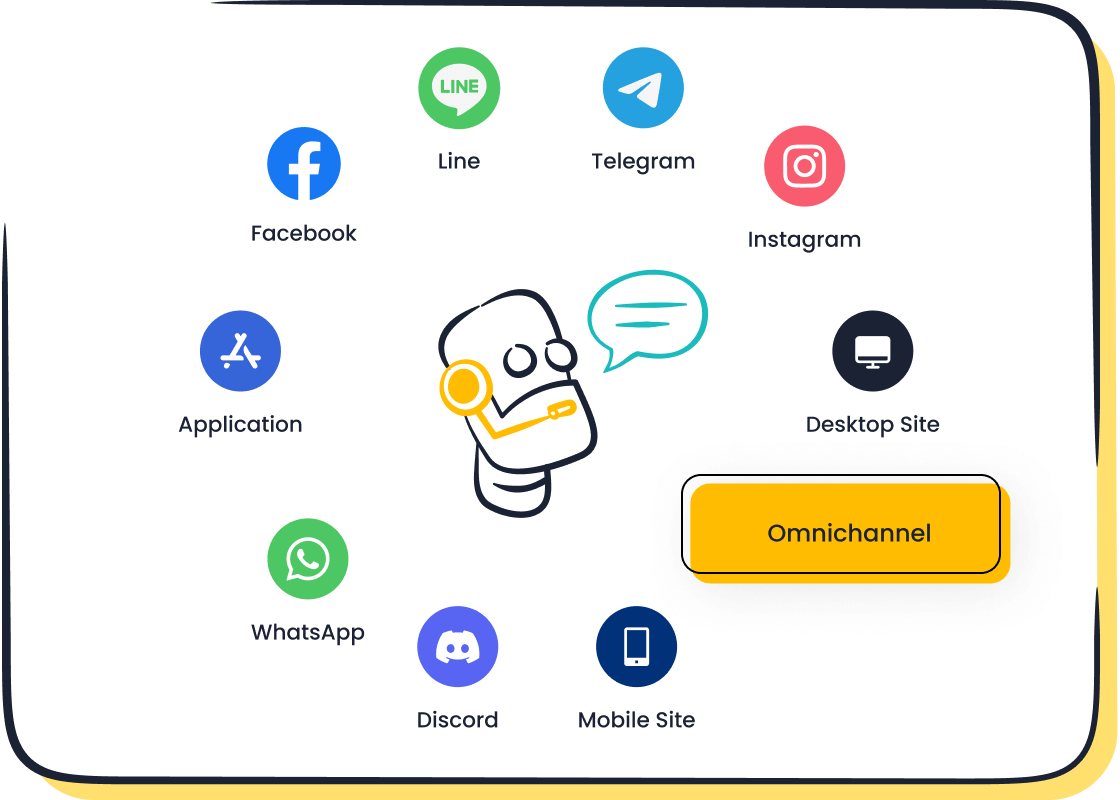
Chatfuel helps you build a powerful chatbot for social media without writing any code. You can use it to automate conversations on platforms like Instagram, Facebook, and WhatsApp. This makes it a great choice if your ecommerce business relies heavily on social channels to connect with your customer base. The platform is designed to turn your social media followers into loyal buyers.
Key Features
You get a complete set of tools to create an effective social media chatbot. The platform's features help you automate marketing and support for your ecommerce store. The AI makes your chatbot smarter over time.
- Drag-and-Drop Builder: You can design complex chatbot flows using a simple visual interface.
- Fuely AI: This feature uses pre-trained AI agents to handle common customer support questions and knows when to hand a conversation over to a human.
- Keyword Grouping: The AI groups similar customer phrases, like "shipping time" and "delivery date," to provide accurate automated answers.
- Shopify Integration: You can connect your store to answer product questions and recover abandoned carts directly within the chat.
Pricing
Chatfuel offers different plans based on your needs. The pricing scales with the number of conversations you have.
| Plan | Monthly Price | Key Feature |
|---|---|---|
| Trial | $0 | 50 conversations |
| Business | Starts at $59 | More conversations & AI features |
| Enterprise | Custom | Unlimited conversations & premium support |
Pros
Chatfuel makes it easy to launch an AI chatbot quickly. You can use over 60 pre-built templates to get started. The platform's AI helps you generate leads and improve the customer experience on social media. This automation allows you to provide 24/7 support, answering a customer question instantly.
Tip: Use the Meta Partnership to sync your Facebook product catalog. This lets your chatbot make personalized recommendations to each customer.
Cons
The platform's main strength is also its limitation. It focuses almost entirely on social media channels. If you need a robust chatbot for your website or a solution that integrates deeply with a helpdesk system, you might find it lacking. The most advanced AI capabilities are reserved for higher-tier plans.
ManyChat: Chat Marketing Automation
ManyChat helps you build powerful chat marketing automation. You can use it to connect with your customer base across social media, SMS, and email. The platform is designed for ecommerce businesses that want to drive sales through direct messaging. Its visual tools make it easy to create an interactive chatbot experience.
Key Features
ManyChat gives you a suite of tools to boost customer engagement. The platform's AI helps you automate conversations and guide users toward a purchase. You can design complex chatbot flows without any coding.
- Visual Flow Builder: You can use a drag-and-drop interface to create your chatbot automation sequences.
- Multi-Channel Support: You can deploy your chatbot on Facebook Messenger, Instagram, WhatsApp, and SMS from one platform.
- AI-Powered Responses: The AI lets you set up specific keywords to trigger automated replies, helping you answer a customer question instantly.
- Ecommerce Integration: You can connect your Shopify store to send order updates and product recommendations.
Pricing
ManyChat offers a free plan to get you started. The paid plans scale based on the number of contacts you have.
| Plan | Monthly Price | Best For |
|---|---|---|
| Free | $0 | Up to 1,000 contacts |
| Pro | Starts at $15 | Growing businesses needing more features |
| Premium | Custom | Large businesses with advanced needs |
Pros
ManyChat is excellent for creating automated conversations on social media. You can use its chatbot to generate leads, segment your audience, and run drip campaigns. This direct interaction with each customer helps improve your conversion rate. The platform's AI is great for handling common inquiries, which frees up your team. This focus on marketing automation makes it a strong tool for social-first ecommerce brands.
Cons
The platform's AI capabilities are not as advanced as some others. The AI chatbot relies on specific keyword triggers and lacks deeper intent recognition. This means you must be very thorough when setting it up. Its primary strength is social media marketing, so it may not be the best choice if you need a comprehensive chatbot for your website's customer service.
HubSpot Service Hub: Integrated Service Software
HubSpot Service Hub provides integrated service software that works perfectly with the HubSpot CRM. You can use this platform to connect all your customer support data in one place. This creates a single source of truth for every customer interaction. If your ecommerce business already uses HubSpot, this tool offers a seamless way to manage customer support.
Key Features
HubSpot gives you a complete set of tools to manage your service operations. The platform helps you organize and track every customer issue. Its chatbot builder lets you create a simple AI chatbot to handle basic questions. Key features include:
- Shared Inbox: You get a unified inbox for all your team's emails, chats, and messenger communications.
- Ticketing System: This feature converts customer inquiries into tickets, helping your team organize and track open questions.
- Knowledge Base: You can build a self-service portal with articles and FAQs, allowing your customer to find answers independently.
- Automation Workflows: The platform's AI helps you automate repetitive tasks like sending follow-up emails or updating customer records.
- Customer Feedback: You can collect visitor feedback using tools like Net Promoter Score (NPS) surveys.
Pricing
HubSpot offers different plans for its Service Hub. The pricing scales with the features you need.
| Plan | Starting Price (per month, billed annually) | Best For |
|---|---|---|
| Starter | $15 | Basic customer support tools |
| Professional | $450 | Growing teams needing automation |
| Enterprise | $1,500 | Large businesses with complex needs |
Pros
The biggest advantage of this platform is its native integration with the HubSpot CRM. Every conversation from the chatbot is automatically logged. This gives your entire team a complete view of each customer. The AI automation helps you create workflows that improve efficiency. This makes it a strong choice for an ecommerce business that wants to keep all its data in one ecosystem.
Cons
While the platform includes a chatbot builder, its AI capabilities are not as advanced as some specialized tools. The AI chatbot is best for basic lead qualification and simple questions. If you need a sophisticated AI chatbot for complex customer support, you might find it limited. The cost can also be high if you are not already invested in the HubSpot ecosystem.
How to Choose Your Chatbot Platform for Ecommerce
Selecting the right chatbot platform for ecommerce can feel like a huge task. You need a tool that fits your budget, integrates with your software, and helps you achieve your goals. This practical framework will guide you through the decision-making process. You can find the perfect chatbot for your business by asking the right questions.
Define Your Primary Goal: Sales vs. Support
First, you must define what you want your chatbot to accomplish. Is your main goal to increase sales or to improve customer support? While some platforms do both, your primary objective will shape your choice.
A sales-focused chatbot and a support-focused chatbot have different features.
-
Sales Chatbots work to drive revenue. They engage potential buyers before and during a purchase.
- They help with product discovery and checkout.
- They perform lead qualification and recommend products.
- They recover abandoned carts to boost conversion.
- They use a proactive and persuasive tone to guide a customer toward a purchase.
-
Customer Support Chatbots focus on post-purchase care. They help you resolve customer issues and improve the experience after a sale.
- They handle order tracking, returns, and FAQs.
- They troubleshoot common problems.
- They use a reassuring and solution-focused tone.
Action Step: Ask yourself, "What is the biggest challenge in my ecommerce business right now?" If your answer is "not enough leads," you need a sales chatbot. If it is "too many support tickets," you need a customer support chatbot. Your answer will help you find the right chatbot platform for ecommerce.
Evaluate Integration with Your Tech Stack
Your new chatbot must work with the tools you already use. Seamless integration connects your online store platform, like Shopify or WooCommerce, with your customer support software. This automation syncs customer data and order history directly into your chatbot conversations. Your team will not need to switch between different systems to help a customer.
Look for a platform with strong integration capabilities. Here are the key connections to check for:
- Ecommerce Platforms: Your chatbot needs to connect with Shopify, Magento, or WooCommerce. This allows the AI to automate order status updates and check inventory.
- CRM Systems: Integration with HubSpot or Salesforce syncs customer data. This enables better personalization and marketing follow-ups.
- Helpdesk Software: A connection to Zendesk or Freshdesk lets your chatbot escalate complex issues into support tickets for your team.
- Email & Social Channels: Look for integrations with Mailchimp, Klaviyo, Facebook Messenger, and Instagram. This helps you engage your customer base where they are most active.
Technical Tip: Platforms use APIs and Webhooks to connect systems. An API allows your chatbot to pull product details from your store. A webhook lets your shipping carrier send a real-time delivery update to your chatbot. The best platforms offer pre-built apps for one-click integrations.
Assess AI and Automation Capabilities
The "brain" of your chatbot is its AI. Modern AI chatbots go far beyond simple, rule-based answers. You need a platform with advanced AI to provide a truly helpful experience. The right AI and automation features can transform your customer interactions.
When evaluating chatbot capabilities, look for these essential AI features:
- Conversational AI: The chatbot should understand natural language. It needs to handle questions for both pre-purchase (e.g., "Do these shoes run small?") and post-purchase (e.g., "Where is my order?") journeys.
- Product Discovery: The best AI chatbots help shoppers find items with descriptive queries like "show me red summer dresses." They also offer personalized recommendations based on a customer's browsing history.
- Context Awareness: A smart chatbot remembers the conversation's context. It should not ask the same questions repeatedly. It also captures data to build a customer profile for future personalization.
- Analytics and Reporting: Your platform must provide tools to measure performance. You need to track engagement rates, conversion metrics, and common customer questions to see how your chatbot is impacting sales.
A powerful chatbot platform for ecommerce uses AI to make every interaction smoother and more effective.
Consider Budget and Scalability Needs
Finally, you must consider your budget and future growth. Chatbot pricing models vary widely. Some charge per agent, some per conversation, and others per number of contacts. Choose a plan that fits your current budget but also offers a clear path to scale.
To assess if a chatbot can grow with your business, track these key performance metrics:
- Escalation Rate: A low rate shows the AI chatbot is handling most inquiries on its own.
- First Contact Resolution: This measures how many issues the chatbot resolves in the first interaction.
- User Satisfaction: Use post-chat surveys to measure how happy customers are with the AI.
As your ecommerce business grows, your needs will evolve. Plan for a future where your chatbot might need more advanced features.
Future-Proofing Your Choice: Think about what you might need in two years. Will you expand globally and need multilingual support? Will you want your chatbot to process payments directly in the chat? Choosing a platform that is already developing these advanced AI features ensures you will not have to switch providers later. This foresight helps you select a long-term chatbot platform for ecommerce.
Finding the best AI chatbots for your ecommerce business is a personal journey. The right chatbot platform for ecommerce depends on your unique goals for sales and customer support. You must evaluate each chatbot based on its AI capabilities and integrations. Your budget also plays a key role. A powerful AI chatbot helps every customer. The best AI chatbot improves the customer experience.
Your Next Step: Shortlist 2-3 AI chatbots that fit your needs. Explore a comprehensive AI solution like Sobot. Start a free trial to see which chatbot truly improves your sales and customer support for each customer. This hands-on test helps you find the perfect AI for your ecommerce customer.
FAQ
What is the main difference between a sales and a support chatbot?
A sales chatbot helps you sell more products. It suggests items and guides shoppers to checkout. A support chatbot helps customers after a purchase. It answers questions about order status and returns. Your primary business goal determines which type you need.
How much does a chatbot platform for ecommerce cost?
Pricing varies widely. Some platforms charge per agent, while others charge per conversation. You can find free plans with limits. Paid plans for a good chatbot platform for ecommerce often start around $20-$50 per month and increase with more advanced features and higher usage.
Do I need coding skills to build a chatbot?
No, you do not need coding skills for most modern platforms. Many solutions, like Sobot, offer a no-code, point-and-click interface. You can use a visual builder to design and launch your chatbot automation workflows quickly and easily.
How does an AI chatbot improve team productivity?
An AI chatbot automates repetitive tasks. It answers common questions 24/7, which frees up your team. Your agents can then focus on complex customer issues. This automation can boost team productivity by up to 70% and improve your overall customer service.
See Also
Best Live Chat Platforms for E-commerce Success This Year
Elevate Your E-commerce Sales with Live Chat Software Solutions
Effortlessly Build an Engaging Chatbot for Your Business Website
Simple Steps to Implement Effective Chatbot Examples on Your Site

