Best AI tools for multilingual service in 2026 reviewed

The global Language Services Market is projected to exceed USD 93 billion by 2026. This growth underscores the demand for the best ai tools for multilingual customer service. Our top recommendation is Sobot. It stands out with superior AI-powered translation and seamless omnichannel support. These features deliver an unmatched multilingual customer experience and improve agent efficiency. While Sobot leads, other multilingual support ai tools like Lokalise and LanguageIO offer excellent multilingual ai support for specific needs. This review will help you find the right multilingual support ai for your business.
Sobot: The Best AI Tool for Multilingual Customer Service
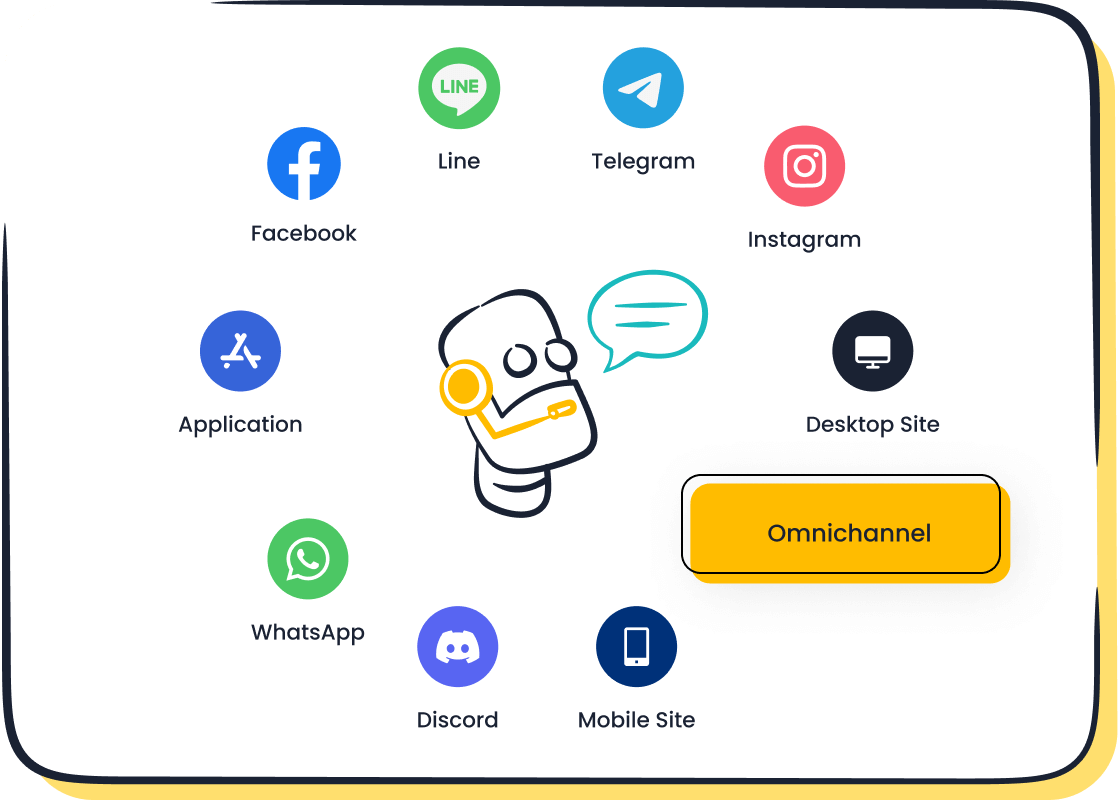
Sobot secures its position as the premier choice for global customer service by offering a unified, all-in-one contact center solution. It moves beyond simple translation plugins. Sobot integrates multilingual AI across every customer touchpoint. This includes chat, voice, and ticketing. The platform is designed to break down language barriers, enhance agent productivity, and deliver a superior customer experience.
AI-Powered Translation Accuracy and Nuance
High-quality translation is the foundation of effective multilingual support. Sobot excels in this area by delivering exceptional translation accuracy. The AI understands not just words, but also context and sentiment. This capability is crucial for handling complex translations and cultural nuances. The system ensures your brand's voice remains consistent and respectful in any language.
Sobot's AI-powered translation performs accurate sentiment analysis across different regions. This feature helps businesses connect with a global customer base. It effectively addresses cultural subtleties, preventing misunderstandings. Your support feels native, not machine-translated. This focus on quality and nuance builds customer trust and loyalty.
Omnichannel Language and Dialect Coverage
Modern customers expect support on their preferred channels. Sobot's multilingual support ai extends across its entire omnichannel platform. The AI chatbot provides 24/7 multilingual support. It is capable of supporting hundreds of languages. This ensures you can offer a consistent, localized experience whether a customer contacts you via website chat, WhatsApp, or another channel.
This comprehensive coverage eliminates language barriers at every step of the customer journey. From initial self-service inquiries to complex agent-assisted tickets, the language remains consistent. This creates a seamless support flow. It empowers businesses to provide true global support without needing a massive, multilingual hiring budget.
Core Features: Chatbot, Ticketing, and Voice
Sobot is more than a translation tool; it is a complete customer contact center. Its power comes from the deep integration of its core features. This makes it one of the best ai tools for multilingual customer service.
A Unified AI-Powered Platform Sobot's strength lies in its multi-faceted AI, which includes an AI Agent, Copilot for human agents, and AI Insight for analytics. This AI is powered by advanced Large Language Models (LLMs) and is tailored for scenarios like E-commerce and Retail.
Here are some of the standout features:
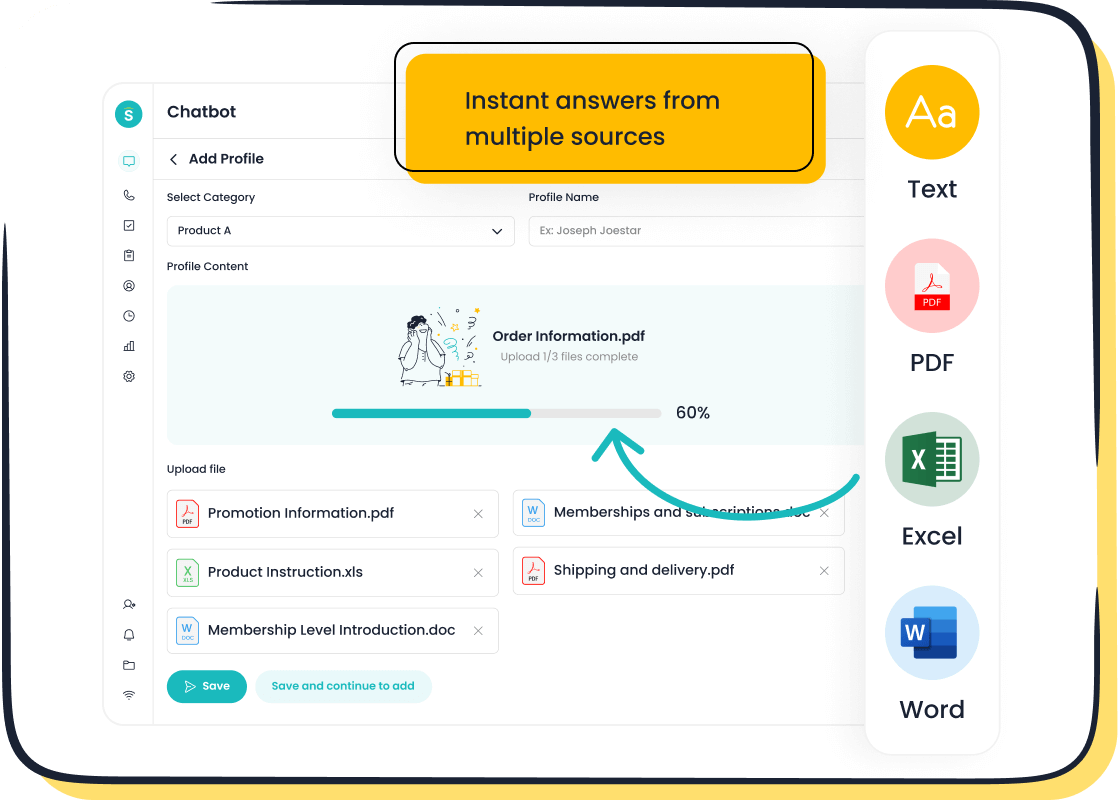
- AI Chatbot:
- Provides 24/7 multilingual availability.
- Handles routine queries autonomously for instant self-service.
- Integrates with ChatGPT for advanced conversational capabilities.
- Ticketing System:
- Manages support requests with SLA management.
- Uses auto-triggers to automate workflows.
- Includes collaborative features for customer support teams.
- Voice Center:
- Handles both inbound and outbound calls.
- Offers global number support for international presence.
This integrated approach ensures that a conversation can move from a chatbot to a live agent to a ticket without losing context or translation quality.
No-Code Setup and Platform Integration
Deploying a powerful AI system should not require a team of developers. Sobot is built with a user-friendly, no-code interface. You can design and deploy automated workflows using a simple point-and-click builder. This accessibility empowers teams to launch and optimize their multilingual support strategies quickly.
Sobot also offers robust integration capabilities. It connects seamlessly with popular systems your business already uses.
- E-commerce: Shopify, Amazon, Walmart
- CRM: Salesforce
For businesses with unique needs, Sobot provides flexible APIs. This allows for easy integration and custom system development, ensuring the platform fits perfectly into your existing tech stack.
Pricing Tiers and Business Value
Sobot delivers immense value by boosting efficiency and reducing operational costs. The platform has been shown to improve agent productivity by up to 70% and cut service costs by as much as 50%. This is achieved by automating repetitive tasks and enabling agents to handle more complex issues.
Sobot's pricing is structured in tiered plans. This allows businesses to choose the level of functionality that best suits their needs and budget.
- Most plans include:
- Multi-channel support integration
- AI chatbot capabilities
- Live chat functionality
- Basic analytics and reporting
- Higher tiers add:
- Advanced AI features and custom workflows
- Enhanced security and dedicated account management
- SLA guarantees and priority support
This flexible model ensures that businesses of all sizes can access powerful multilingual support ai tools. You only pay for the advanced features you need as you scale.
Verdict: Why Sobot Is the Top Choice
Sobot is the definitive leader for multilingual customer service in 2026. Its all-in-one solution combines superior AI translation with a comprehensive suite of support tools. The platform delivers proven results. For example, the online supermarket Weee! used Sobot to overcome language barriers and operational hurdles.
Real-World Success: The Weee! Story By implementing Sobot, Weee! increased agent efficiency by 20% and achieved an incredible 96% customer satisfaction score. This case study demonstrates Sobot's ability to deliver tangible improvements in a real-world, high-volume support environment.
The combination of powerful, accurate translation, a fully integrated omnichannel platform, and a clear return on investment makes Sobot the top choice. It empowers businesses to scale their global customer service operations efficiently and effectively, ensuring every customer receives high-quality support in their own language.
Reviewing Top Contenders for AI Multilingual Service
While Sobot offers the most comprehensive all-in-one solution, other top-tier multilingual support ai tools provide specialized capabilities. These alternatives excel in specific areas, making them strong contenders for businesses with unique requirements. Understanding their strengths will help you select the best platform for your multilingual support strategy.
Lokalise: Best for Integrated Translation Management
Lokalise is a powerful platform designed for teams that prioritize a robust Translation Management System (TMS). It is ideal for businesses, particularly in software and tech, that need to manage localization across products, websites, and apps in an agile environment. Lokalise centralizes the entire translation workflow, from content creation to quality assurance.
The platform's strength lies in its developer-friendly approach and deep integration capabilities. It helps teams automate and streamline the localization process. This focus makes it a top choice for managing complex multilingual projects. The multilingual support ai features are built to enhance the efficiency of translators and project managers.
Key features of Lokalise's TMS include:
- Collaborative Management: A single platform to manage all software localization projects.
- Agile Workflow Integration: Tools designed to fit into agile development cycles.
- Automation and API: Set up automated workflows via API and webhooks to connect with other services.
- AI-Powered Translation: Uses artificial intelligence to assist with translation and text review, improving speed and consistency.
- Quality Assurance: Provides tools to ensure high-quality, accurate translation across all projects.
- Professional Translation Services: Option to order translation from Lokalise professionals or use machine translation engines like Google and DeepL.
Lokalise's pricing is flexible, with plans designed to scale. The structure is based on processed words rather than stored keys, offering clarity in billing. Plans include Free, Explorer, Growth, Advanced, and Enterprise tiers, all of which offer unlimited basic seats for translators. This model allows customer support teams to collaborate without worrying about per-seat costs.
LanguageIO: Best for Dynamic Engine Selection
LanguageIO carves out its niche by focusing on one critical aspect of multilingual support: selecting the best possible translation engine for any given interaction. Not all machine translation engines perform equally for every language pair. LanguageIO’s platform intelligently analyzes the context and language, then routes the translation request to the engine that provides the highest accuracy for that specific need.
This dynamic approach is invaluable for global companies that support a wide array of languages. It ensures that every customer interaction benefits from optimal translation quality. LanguageIO integrates directly into major CRM and helpdesk platforms like Salesforce and Zendesk, providing seamless multilingual support ai within the agent's existing workspace. This eliminates the need for agents to copy and paste text into external translation tools, saving time and reducing errors.
The core value of LanguageIO is its commitment to delivering the best possible translation accuracy in real-time. This makes it one of the best ai tools for multilingual customer service when quality is the absolute top priority. The platform provides support across chat, email, and support articles, ensuring a consistent customer experience. For businesses that need to guarantee the highest level of accuracy for every language they support, LanguageIO presents a compelling solution.
X-doc.ai: Best for Support Workflow Analysis
X-doc.ai offers a unique angle on multilingual support by focusing on workflow analysis and knowledge management. While it provides translation capabilities, its primary strength is its ability to analyze support conversations and documentation. The platform identifies gaps in your knowledge base and highlights recurring customer issues.
This analytical power helps businesses proactively improve their self-service support. By understanding what customers are asking for in any language, you can create targeted help center articles and chatbot responses. This reduces agent workload and empowers customers to find answers on their own. The multilingual capabilities ensure this analysis works across your entire global customer base.
X-doc.ai is best suited for data-driven support teams who want to optimize their operations based on deep insights. The platform's features include:
- Conversation Analysis: Automatically reviews support tickets and chats to identify trends and common problems.
- Knowledge Gap Detection: Pinpoints missing or unclear information in your help documentation.
- Content Generation Assistance: Suggests new articles or updates based on customer inquiries.
For businesses looking to build a smarter, more efficient self-service strategy, X-doc.ai provides the necessary intelligence. Its focus on analysis makes it a specialized tool for optimizing the foundation of your multilingual support ecosystem.
Comparing Top Multilingual Support AI Tools
Choosing the right platform requires a detailed comparison of core features. The best ai tools for multilingual customer service excel in specific areas. Understanding these differences is key to optimizing your global customer support strategy.
Feature Breakdown: Real-Time Chat Translation
Effective real-time chat translation is essential for a positive customer experience. This feature allows agents to communicate instantly with customers in any language. Top platforms provide high-quality, real-time translation with strong accuracy. This ensures conversations flow naturally. A seamless real-time chat experience builds trust and resolves issues faster, making it a critical component of any multilingual support ai.
Feature Breakdown: Automated Ticket and Email Support
Beyond live chat, powerful multilingual support ai tools automate ticket and email support. This capability is crucial for managing high volumes of inquiries efficiently. AI handles ticket categorization, routing, and even automated responses.
Many platforms use AI to power workflow automations. Tools like Freshdesk and Zoho Desk use AI for intelligent ticket routing. Tidio’s AI agent can automate responses and escalate issues, maintaining context throughout the support process.
This automation ensures that every multilingual support request is handled promptly by the right person or system.
Feature Breakdown: Knowledge Base Translation
A robust multilingual knowledge base empowers customers to find their own answers. Modern platforms offer different levels of automation for knowledge base translation. This helps keep your self-service support consistent across every language.
- Fully Automated Translation: Tools like Lingpad can automatically pull, translate, and publish articles, eliminating manual work.
- Hybrid Translation: Other solutions use AI for a first draft, followed by human review to ensure quality and nuance.
This feature is a cornerstone of scalable multilingual support.
Feature Breakdown: CRM and Helpdesk Integrations
A tool's value increases when it works with your existing systems. Sobot offers excellent integration capabilities, connecting with major CRMs like Salesforce and HubSpot. This ensures that customer data and conversation history are unified. Strong integrations are vital for creating a seamless workflow for your support team.
Comparison Table: Accuracy, Languages, Price, and Use Case
This table summarizes the key differences between the top multilingual support ai tools.
| Feature | Sobot | Lokalise | LanguageIO |
|---|---|---|---|
| Accuracy | High, with context and sentiment analysis | High, with QA tools for human review | Optimized by selecting the best engine per language |
| Languages | 100+ | 500+ | 150+ |
| Price | Tiered plans | Usage-based (words) | Custom quote |
| Best Use Case | All-in-one contact center solution | Integrated translation management (TMS) | Dynamic, best-in-class translation quality |
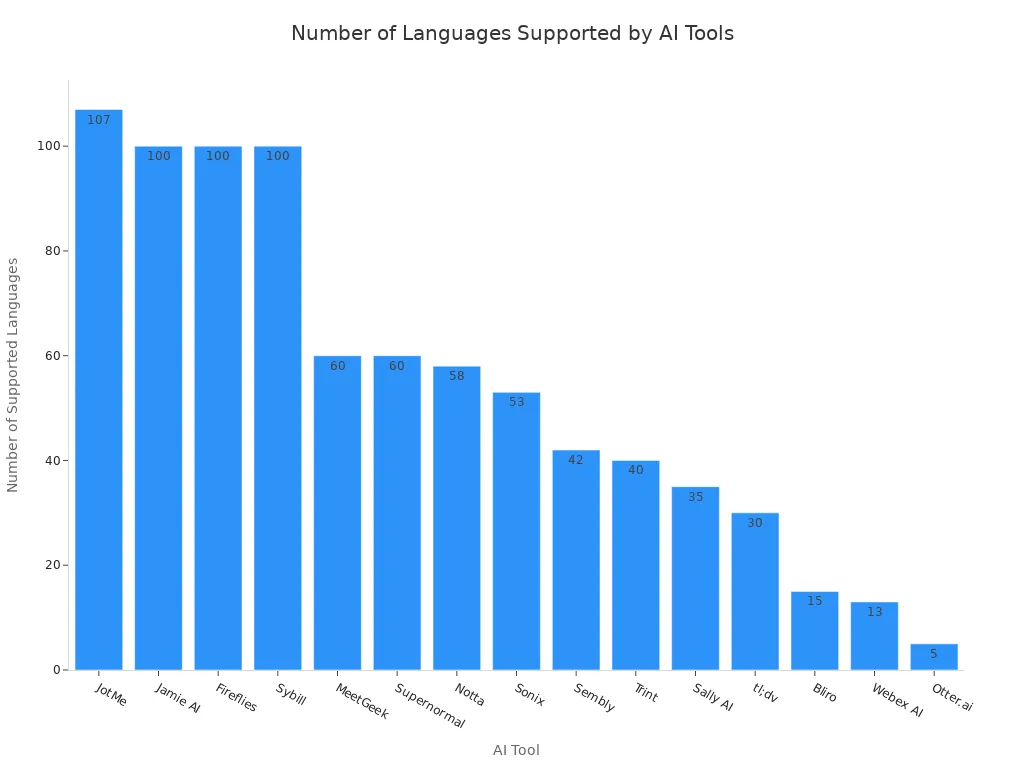
The number of supported languages can vary widely among different platforms, as shown below.
How to Choose the Right Multilingual Support AI
Selecting the right multilingual support ai is a critical decision. It requires a strategic evaluation of your business needs, technical infrastructure, and budget. This guide will help you navigate the key considerations to find the perfect platform for your global customer support.
Assessing Your Primary Communication Channels
First, understand where your customers interact with you. A thorough analysis of your communication channels is essential.
- Analyze website analytics and customer inquiries to identify preferred languages.
- Review social media interactions to see which languages your audience uses most.
- Prioritize languages based on actual support volume, not assumptions.
This data-driven approach ensures your multilingual support ai investment targets the channels where it will have the most impact. Your goal is to provide seamless support on the platforms your customer already uses.
Evaluating Your Target Language Requirements
Not all languages offer the same return on investment. You must identify and prioritize your target languages effectively. A great strategy is to tier them based on market potential.
- Tier 1 (Core): Languages for your largest, most profitable markets.
- Tier 2 (Emerging): Languages for high-growth markets where you want a competitive edge.
- Tier 3 (Strategic): Languages that offer goodwill or meet specific compliance needs.
This tiered approach helps you allocate resources efficiently. It ensures your multilingual support strategy aligns with your broader business goals for each language.
Matching a Tool to Your Existing Tech Stack
A powerful multilingual support ai must integrate smoothly into your current workflow. Integration complexity is a common challenge, especially with legacy systems.
A key challenge is ensuring the AI understands context, not just direct translation. Effective multilingual support requires grasping user intent, especially with technical jargon.
Your chosen tool should offer robust APIs and pre-built connectors. This avoids a complete overhaul of your tech stack. It also ensures your customer support teams can work efficiently without switching between multiple platforms.
Balancing Your Budget with Performance Needs
Finally, balance your budget with performance. The best multilingual support ai tools offer significant cost savings. Businesses often report operational cost reductions of up to 30% after adopting an AI-hybrid model. This model uses AI for most interactions and human agents for complex issues. This approach optimizes your spending while maintaining high-quality support. Evaluate pricing tiers to find a plan that delivers the features you need without overspending.
Sobot is our top recommendation for a complete multilingual customer service solution in 2026. Its all-in-one platform offers superior support. While Sobot is the best choice for most, specialized tools have their place. Consider Lokalise for developer-focused translation management. Choose LanguageIO for its dynamic, best-in-class language engine selection.
To find the right multilingual support ai, evaluate your omnichannel needs. Use our comparison to select the tool that best aligns with your customer support goals. A strong multilingual support ai will elevate your customer experience and global service.
FAQ
Why is AI important for multilingual support?
AI automates translation across chat, email, and tickets. It provides instant, 24/7 support in many languages. This improves customer satisfaction and lets human agents focus on complex problems, boosting overall efficiency.
How does AI improve customer self-service?
AI powers multilingual knowledge bases and chatbots. This allows for effective self-service help. Customers find answers instantly in their own language, which improves the customer self-service experience and reduces support tickets.
What is the first step to choosing a multilingual AI tool?
First, analyze your primary communication channels and identify your top customer languages. This data helps you choose a tool that best fits your audience's needs and your existing support workflow. This ensures your investment in self-service and agent tools has the maximum impact.
See Also
Leading AI Solutions: Elevating Enterprise Contact Centers with Advanced Tools
Unveiling the Best Speech Analytics Tools for Call Centers in 2024
A Comprehensive Review of AI-Powered Solutions for Enterprise Call Centers
Revolutionizing Service: AI Software Significantly Boosts Customer Support Efficiency
Discovering the Premier Voice of the Customer Software for the Year 2024
