Top AI Tools for Insurance Service Teams


Insurance teams face a major challenge. They must manage many customer interactions while providing fast support. Today, 88% of insurance customers want personalized services. The solution is adopting AI. In fact, 76% of insurance companies now use AI in some way. AI-driven solutions and automation help streamline processes for claims and support. This automation boosts efficiency. The best ai tools for insurance customer service, like those from sobot, are vital for improving the customer experience. Using AI in insurance customer service transforms how insurance firms handle claims processing and daily support. This is the future of AI in insurance.
AI Chatbots for Improved Customer Service

AI chatbots and virtual assistants are transforming the insurance sector. They provide instant, automated support to policyholders. This technology is key for improved customer service. These AI tools use advanced programming to simulate human conversation. They offer a powerful solution for handling routine inquiries and boosting team efficiency.
Understanding NLP-Powered Interaction
Natural Language Processing (NLP) is the engine behind modern AI chatbots. This technology gives computers the ability to understand human language. NLP allows an AI to analyze text or voice interactions. It identifies the user's intent, even with slang or industry acronyms. Through machine learning, the AI learns from each conversation. This continuous learning makes its responses more accurate over time. This process enables chatbots to handle complex insurance questions with precision.
Automating Routine Inquiries 24/7
A major benefit of AI is automation. Chatbots excel at handling high volumes of routine customer inquiries. This frees up your team. Customers get instant answers to common questions about policy details, coverage, and premium payments. This automation is essential for supporting 24/7 customer service. Data shows 64% of users see 24/7 availability as the top benefit of insurance chatbots. This constant support improves the overall customer experience.
Boosting Agent Productivity and Focus
AI chatbots directly increase agent productivity. The automation of simple tasks allows human agents to focus on complex claims or sensitive customer interactions. An AI can handle initial data collection and answer basic questions. This support reduces agent workload and wait times. When a conversation requires a human, the AI intelligently routes the query to the right agent. This ensures a smooth transition and a better customer experience. This efficiency helps insurance teams operate at a higher level.
Example Tools: Sobot, Zendesk AI, and IBM Watson Assistant
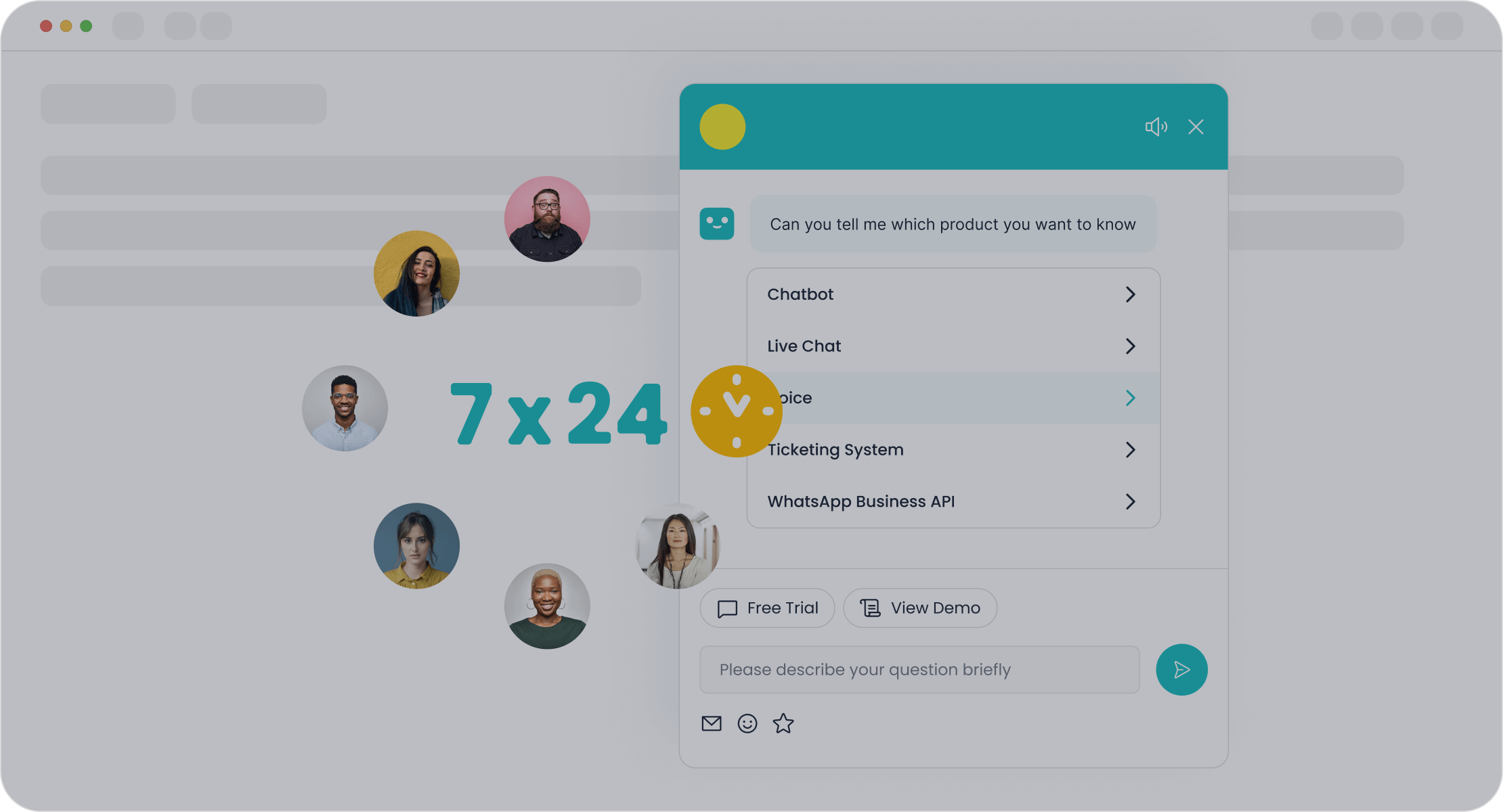
When looking for the best ai tools for insurance customer service, Sobot's AI Chatbot stands out. It offers a no-code setup, multilingual support, and omnichannel capabilities for seamless interactions on platforms like WhatsApp. Sobot's AI solution is designed to improve agent productivity by 70% and cut service costs by up to 50%.
Financial service platform Opay used Sobot's solution to automate interactions and enhance its support. The results were remarkable:
- Customer satisfaction increased from 60% to 90%.
- Overall operational costs were reduced by 20%.
While other tools like Zendesk AI and IBM Watson Assistant also offer strong AI in insurance customer service, Sobot’s proven results and comprehensive features make it a top choice for virtual insurance agents and support teams.
Claims Processing Automation Platforms

Claims processing automation platforms use AI to make the entire claims lifecycle faster and more accurate. These tools help insurance companies manage claims from the first report to the final payment. This automation is key for efficient claims processing.
The Role of AI in Insurance Claims
AI plays a vital role in modern claims processing. The technology rapidly scans large volumes of documents and analyzes claims data. This provides useful insights and helps teams support claimants better. AI also significantly reduces fraud. It identifies patterns that suggest fraudulent claims and flags suspicious cases for investigators. This AI function helps prevent losses. The entire claims processing workflow benefits from AI. For example, AI agents can handle over 99% of First Notice of Loss (FNOL) requests directly. This automation leads to faster claims processing and a better customer experience.
Automating Data Extraction and Validation
Automating claims processing starts with accurate data. AI uses technologies like Optical Character Recognition (OCR) and Natural Language Processing (NLP) to read documents. It converts information from police reports and medical records into structured data. This AI processing is highly accurate. In fact, automated systems can reduce the claim error rate from around 20% in manual processing to just 2%. This level of precision in claims processing ensures data is correct from the start. This is a core part of efficient claims processing. The AI in insurance helps teams avoid costly mistakes and delays.
Speeding Up Damage Assessment and Payouts
AI dramatically speeds up damage assessment for property and auto insurance claims. Policyholders can upload photos of damage. AI then uses computer vision to analyze the images instantly. The AI can identify the type and severity of the damage. This quick assessment allows for faster claims processing. For simple claims, AI can even trigger automated payouts. This automation can reduce the timeline for property claims by 50-60%. Faster processing of claims improves customer satisfaction.
Example Tools: Tractable, Claimatic, and CCC Intelligent Solutions
Several platforms offer powerful AI for claims processing.
- Tractable uses AI to assess damage to vehicles and properties from photos.
- Claimatic is an intelligent decisioning engine that automates claims triage and assignment.
- CCC Intelligent Solutions provides AI and IoT technologies for the insurance and automotive industries to streamline claims processing.
Predictive Analytics for Proactive Support
Predictive analytics gives insurance teams the power of foresight. This technology uses AI to analyze data and anticipate customer needs. It allows for proactive support that strengthens customer relationships. This approach is one of the best ai tools for insurance customer service. It helps companies move from reacting to problems to preventing them.
Using Machine Learning to Analyze Data
Machine learning models are the core of predictive analytics. These AI systems analyze huge amounts of information to understand customers. An AI can build a complete 360-degree view of each policyholder. It combines data from many sources to do this.
- Demographic data like age and location
- Claims history and payment records
- Customer behaviors and interactions with support
- Lifestyle details and buying habits
This deep analysis provides insights into customer behavior. The AI helps insurance companies make smarter, data-driven decisions. This use of AI in insurance improves service and enables true personalization.
Proactively Reducing Customer Churn
Retaining customers is crucial for any insurance business. Predictive AI helps identify policyholders who might be at risk of leaving. The AI looks for specific warning signs. These can include missed payments, frequent calls to support, or negative social media posts.
AI-powered insights into customer behavior give insurers the information they need to predict which customers are at risk of churning. By identifying the factors contributing to dissatisfaction, insurers can take proactive steps to improve retention.
For example, an AI can flag a customer who has looked at contract termination options. The support team can then reach out with a personalized incentive or a better policy option. This proactive approach helps the insurance company keep valuable customers.
Personalizing Policies with AI in Insurance Customer Service
Personalization is the future of the insurance industry. AI uses customer data to create personalized policy recommendations. An AI can analyze a person's lifestyle and financial priorities. It then suggests unique insurance solutions. For instance, an AI might recommend a specific life insurance policy to a customer starting a family. This level of personalization makes customers feel understood.
This AI-driven strategy delivers impressive results. Companies using AI see:
- Customer satisfaction improve by 15–20%.
- Revenue increase by 5–8%.
AI also anticipates life events. It can proactively suggest policy updates for a new home or car. This ensures customers always have the right coverage. These personalized services and personalized policy recommendations are key to building loyalty. The AI offers personalized policy recommendations that fit individual needs, strengthening the insurer-customer relationship. The AI provides personalized policy recommendations to ensure optimal coverage.
The Best AI Tools for Insurance Customer Service: RPA
Robotic Process Automation (RPA) is one of the best ai tools for insurance customer service teams. This technology uses software "bots" to automate high-volume, rule-based tasks. These bots mimic human actions to handle repetitive digital work. This form of automation is perfect for the insurance industry's back-office operations.
Defining Robotic Process Automation (RPA)
Robotic Process Automation is a type of software that automates digital tasks. It allows users to program a bot to perform jobs that humans usually do on a computer. The AI bots follow specific rules and can work across different applications and systems. This technology is designed to execute mundane, repetitive manual tasks with high speed and accuracy. The main goal of this AI is to save organizations time and money. It frees employees from monotonous work, making it a key part of any efficiency strategy.
How RPA Reduces Administrative Burden
RPA significantly reduces the administrative workload for insurance teams. The AI bots handle many back-office tasks that are essential but time-consuming. This automation helps teams manage:
- Policy Administration: Automating data entry, renewals, and documentation.
- Data Management: Extracting and validating information from forms and reports.
- Regulatory Compliance: Generating reports and sending required notifications.
By taking over these duties, RPA minimizes the chance of human error. This improves data accuracy and ensures compliance. This frees up the human support team to focus on complex customer issues and relationship-building activities.
Increasing Operational Efficiency with Automation
Implementing RPA leads to major gains in operational efficiency. The use of AI in insurance customer service through automation streamlines workflows and accelerates processes. For example, some insurance companies have used this technology to reduce claim workforce hours by 65–70%. This level of efficiency allows teams to handle more work without adding staff. The speed of automation also improves the customer experience by providing faster support and resolutions. For teams looking to adopt this technology, several key providers lead the market.
Top RPA Platforms:
- UiPath
- Automation Anywhere
- Blue Prism
These platforms provide the tools needed to build and deploy bots for a wide range of insurance tasks.
The future of AI in insurance is here. Insurance teams can achieve improved customer service by adopting key technologies. This article covered four essential tools:
- AI chatbots like Sobot for 24/7 support.
- Platforms for claims processing automation.
- Predictive AI for proactive service.
- RPA for back-office efficiency.
Integrating these AI solutions is crucial for any insurance company. This strategy boosts efficiency, lowers costs, and delivers a superior customer experience. The best ai tools for insurance customer service help manage claims and support policyholders. Companies should explore how AI in insurance customer service can fit their strategy. Starting with a versatile AI chatbot is an excellent first step.
FAQ
What is the main benefit of using AI in insurance?
The primary benefit is increased efficiency. Automation handles repetitive tasks. This allows insurance teams to focus on complex customer needs. It also leads to faster service and higher satisfaction.
How do AI chatbots improve customer interactions?
Chatbots provide instant, 24/7 answers to common questions. They guide customers through simple processes. This reduces wait times and ensures all customer interactions receive a prompt response.
Can AI help with more than just customer service?
Yes. The technology streamlines the entire insurance workflow. It automates claims processing, validates data, and handles back-office administrative tasks. This improves accuracy and speed across the business.
Is it difficult to start using AI tools?
No, many modern ai tools offer no-code platforms. Solutions like Sobot allow teams to build and deploy chatbots without any programming knowledge. This makes adoption simple and fast.
See Also
Leading AI Solutions for Enterprise Contact Centers: A Top 10 List
AI Customer Service Software: Enhancing Operational Efficiency and Performance
A Comprehensive Guide to Artificial Intelligence Software for Call Centers
An In-Depth Review of AI Solutions for Enterprise Call Centers
Best Speech Analytics Tools for Call Centers in 2024: A Top 10

