How AI Copilots Elevate Patient Support


AI copilots elevate patient support within the healthcare system. They empower healthcare professionals with AI-driven insights and automate administrative tasks. This is critical, as physicians can spend nearly 8% of their time on paperwork. An AI copilot frees providers to focus on direct patient interaction. This shift enables more accurate diagnoses, personalized treatment plans, and improved patient safety. Finding the best AI tools for customer support in healthcare, such as solutions from Sobot, is essential for quality patient support. The growth of AI in healthcare is undeniable.
Projected Growth of AI in the Healthcare Market | Source | CAGR (2025-2034) | Projected Market Size | |---|---|---| | Biospace | 38.64% | USD 701.79 billion by 2034 | | Grand View Research | 38.81% | USD 505.59 billion by 2033 |
Empowering Providers with AI-Driven Insights

AI copilots act as collaborative assistants in healthcare. They work alongside professionals to improve patient care. These AI-based tools do not replace doctors or nurses. Instead, they support clinical decision-making by providing relevant information. This technology helps automate routine tasks and offers real-time suggestions. The result is a more efficient healthcare system where providers can focus on the patient.
Synthesizing Data for Accurate Diagnoses
Effective patient care depends on accurate data. AI tools are excellent at gathering and making sense of information from many sources. This includes electronic health records (EHRs), lab results, and medical imaging. The technology cleans and filters this data to ensure it is complete for analysis. This process supports better clinical decision-making.
AI-powered clinical decision support systems can identify patterns that humans might miss. These tools help providers make a faster, more precise decision.
For example, instead of a doctor reviewing hundreds of lab values, an AI can summarize the findings. It might report: "Kidney function declining 15% over 3 weeks, likely medication-related. Consider dose adjustment."
This level of analysis enhances clinical decision support and improves the quality of a diagnostic decision. It is a key part of strong clinical decision-making. The tools provide critical clinical decision support for every patient.
Personalizing Patient Treatment Recommendations
AI also helps create personalized care plans for each patient. The technology analyzes a patient's unique data. This includes genetic markers, medical history, and lifestyle factors. By integrating this personalized patient information, clinical decision support systems can predict how a patient might respond to different therapies. This supports a more informed treatment decision.
This approach moves healthcare away from trial-and-error methods. For instance, AI models can use genomic data to recommend the most effective cancer therapies for a specific tumor profile. This use of point-of-care tools leads to better outcomes. It allows for a proactive decision that is tailored to the individual patient. These advanced clinical decision support systems are vital for modern healthcare, enabling a higher standard of care through better clinical decision-making. The goal of this clinical decision support is to make a better final decision for the patient's care.
Streamlining Workflows for More Patient-Facing Time
Administrative tasks consume a large part of a healthcare professional's day. Physicians can spend nearly 60% of their time on non-patient-facing duties like paperwork and managing their inbox. This administrative burden reduces valuable time for direct patient care. Streamlining healthcare workflows with AI automation is a powerful solution. It enhances operational efficiency and allows providers to focus on what matters most: the patient.
Automating Administrative Burdens with Sobot
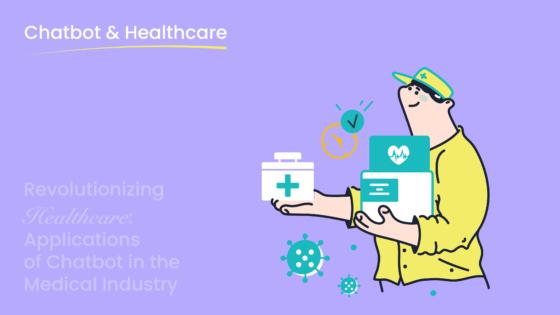
AI-powered tools can significantly reduce the time spent on repetitive tasks. Workflow automation can save a healthcare professional 3-5 hours per week. Tools like the Sobot Chatbot are central to this shift. The chatbot handles initial patient intake, manages appointment scheduling, and answers routine questions 24/7. This automation frees nurses and administrative staff to focus on more complex patient needs. Sobot’s AI solutions, including its ticketing system and voicebot, further streamline healthcare workflows. These tools work together to create a unified support system. This reduces the cognitive load on staff by bringing all patient information into a single workspace, improving both support and care.
Optimizing Care Team Communication
Effective communication is vital in healthcare. AI tools improve how care teams collaborate. These systems create secure, real-time communication channels.
- AI can automatically route lab results to the correct physician.
- It summarizes team meetings and highlights action items for follow-up.
- This ensures everyone is aligned without needing to be in the same room.
This technology also enhances security by detecting threats like phishing in real-time. By unifying communication, AI helps create seamless healthcare workflows and better team coordination.
Choosing the Best AI Tools for Customer Support in Healthcare
Selecting the right AI is crucial for any healthcare organization. The best AI tools for customer support in healthcare must prioritize security and compliance. When evaluating options, look for solutions that offer robust data protection and are fully HIPAA compliant. It is essential to confirm the vendor will sign a Business Associate Agreement (BAA). The best AI tools for customer support in healthcare should also integrate smoothly with existing systems like EHRs. Ultimately, the best AI tools for customer support in healthcare are those that align with clinical priorities and improve patient care. Choosing the best AI tools for customer support in healthcare ensures that the technology supports your goals for safety and operational efficiency.
Enhancing the Patient Experience with AI Copilots
AI copilots directly improve the patient experience by making healthcare safer and more interactive. These tools work in the background to protect patients and empower them with knowledge. This creates a more collaborative and trustworthy healthcare environment. The focus shifts to proactive care and better communication.
Delivering Proactive Safety Alerts
A key role for AI in healthcare is improving patient safety. AI systems can monitor patient data around the clock. They analyze information from medical records and scientific articles to find potential risks. For example, an AI can identify a dangerous drug interaction before a prescription is finalized, supporting a safer treatment decision. This proactive safety net is a vital form of support. Studies show that AI copilots can reduce diagnostic errors by 16% and treatment errors by 13%. When an AI flags a critical safety risk, it helps a provider make a better final decision, directly preventing harm and enhancing patient care. This is a crucial decision for patient safety.
Improving Patient Engagement and Education
AI also boosts patient engagement. When AI tools automate routine tasks, healthcare professionals have more time for meaningful conversations with each patient. This extra time is essential for educating a patient about their condition and involving them in the care plan decision. Better engagement builds trust and improves health outcomes. A strong AI support system is the foundation for this success.
For instance, the life sciences leader Agilent used Sobot's AI solution to manage customer inquiries. This move increased their service efficiency sixfold and resulted in a 95% customer satisfaction score.
By handling simple questions, the AI allowed staff to focus on complex needs. This principle applies directly to healthcare. More time for patient education and shared decision-making leads to higher satisfaction and better care. This improved patient engagement helps everyone make a confident health decision. The final care decision becomes a collaborative effort.
AI copilots are transforming healthcare. Tools from brands like Sobot augment professionals; they do not replace them. This technology handles complex data and administrative work. This support frees providers to deliver more focused, efficient, and empathetic patient care. A strong healthcare system uses every tool to improve care.
The ultimate goal of this AI integration in healthcare is clear. It leads to better health outcomes for every patient. This evolution in healthcare makes quality care more accessible.
The future of healthcare depends on this smart collaboration between humans and their AI copilot.
FAQ
Do AI copilots replace healthcare professionals?
No. These tools support healthcare workers. They automate tasks and provide data insights. This helps professionals focus more on direct patient care. The goal is to enhance, not replace, human expertise in healthcare.
How do AI tools keep patient data safe?
Reputable AI tools use strong security measures. They follow healthcare laws like HIPAA. Data is encrypted to protect patient privacy. Choosing secure tools is essential for any healthcare organization.
What is the main benefit of AI for a patient?
AI improves the quality of patient care. It helps create personalized treatment plans. It also gives providers more time for each patient. This leads to better communication and a stronger healthcare experience.
How does AI help with clinical decision support?
AI tools analyze complex data quickly. They identify patterns humans might miss. This provides doctors with valuable insights. This form of clinical decision support helps them make more accurate and timely choices for patient treatment.
See Also
Transforming Customer Support: The AI Agent Revolution
Boosting Efficiency: AI Software for Superior Customer Service
Understanding Medical Call Center Services and Their Key Benefits
Enhancing Call Center Performance Through Effective Monitoring Strategies
A Comprehensive Review of AI Solutions for Enterprise Call Centers

