The Truth About AI Outbound Calling Bots

AI technology is changing outbound sales. Many sales teams see AI as a powerful tool. It is not a replacement for a human agent. Instead, AI acts as a force multiplier. Companies worry about brand damage and seek real efficiency gains. The goal is to build trust with customers. This new technology can boost productivity by up to 40%. Successful AI cold calling balances automation with a human touch. The best AI outbound calling bot improves outreach. A platform like the Sobot call center uses AI calling to support sales teams. Sobot AI helps with cold outreach tasks, letting the human team focus on building relationships. This approach to AI calling makes a big difference.
The Upside: How AI Boosts Sales Efficiency
AI technology offers a clear path to increased efficiency for outbound sales teams. It transforms cold outreach by introducing speed, consistency, and intelligence into the process. This automation allows sales professionals to focus their energy on high-value interactions that drive revenue.
Achieve Unmatched Scale and Consistency
An AI phone caller provides unmatched scalability. Human agents can only make a limited number of calls per day. In contrast, an AI can sift through thousands of leads and handle a massive volume of calls daily. One medical center saw a 7.8x boost in agent productivity by using AI for initial outreach. This ai-driven scale ensures every lead receives a timely and consistent touchpoint, which is crucial for scaling cold outreach efforts. This level of outreach is simply not possible with human teams alone.
Drive Significant Cost Reduction
Greater efficiency naturally leads to lower operational costs. By automating the top of the sales funnel, companies reduce the cost per call and the expense of lead qualification. This smart use of AI technology directly impacts the bottom line. Studies show that businesses using AI for outbound sales can increase their sales ROI by 10% to 20%. This improvement in efficiency makes AI cold calling a financially sound strategy.
Achieve Scale With Task Automation
AI excels at handling repetitive and time-consuming tasks, which is the key to automation. This allows sales teams to achieve scale without burning out. An AI can manage the entire front end of the sales process.
Key tasks for AI automation include:
- Lead Qualification: The AI asks initial questions to determine a prospect's budget, authority, and needs, performing initial qualification.
- Appointment Setting: AI sales agents can access calendars, offer available times, and schedule meetings, reducing administrative work.
This automation in ai calling frees up human agents to concentrate on closing deals and building customer relationships.
Leverage Instant Data Capture and Analysis
Modern AI cold calling platforms provide real-time data feedback. Every interaction during an ai calling campaign generates valuable data. This information flows directly into a company's CRM system. This seamless integration ensures that when a human agent takes over, they have a complete history of the prospect's engagement. This data-driven approach to ai cold calling helps teams refine their outreach strategies and improve sales performance over time.
The Risks of AI-Powered Calling You Can't Ignore
While AI offers powerful benefits, sales leaders must also understand its limitations. Ignoring the risks can lead to frustrated customers, brand damage, and legal trouble. A smart strategy acknowledges these challenges and plans for them.
The 'Robot' Problem: Lacking Human Empathy
An AI bot cannot replicate genuine human emotion. This creates the "robot" problem. Studies show that about 20% of consumers report a negative experience with AI chatbots. The interaction can feel cold and impersonal, which hurts the sales process. Building trust is essential in sales, and a machine that lacks empathy can easily break that trust before a human agent ever gets involved.
Brand and Reputation Risk From Poor Interactions
A poorly programmed AI can seriously damage a company's reputation. For example, Air Canada was held legally responsible after its AI chatbot gave a customer incorrect information. When an AI makes a mistake, it reflects poorly on the entire brand. These negative interactions erode human trust and can lead to customer churn. A single bad experience with an AI can undo the hard work of your sales and marketing teams.
Navigating Legal and Ethical Minefields
Automated outreach is governed by strict laws. This technology requires careful legal navigation. In the United States and Europe, regulations control how companies can use ai calling for cold outreach.
Key Regulations to Know:
- TCPA (Telephone Consumer Protection Act): This U.S. law requires clear written consent before making marketing calls with an autodialer to cell phones.
- GDPR (General Data Protection Regulation): In Europe, this rule demands that companies get strict, clear consent before collecting or using personal data for marketing.
Breaking these rules can result in massive fines, making compliance a top priority for any ai calling campaign.
Handling Complex Customer Objections
AI is not ready for complex conversations. An ai cold calling bot works well for simple questions but fails with nuanced objections. Research shows 60% of consumers feel a human understands their needs better than a bot. An AI cannot handle unexpected questions, emotional responses, or detailed product comparisons. This lack of flexibility can stop customer engagement in its tracks. True personalization and problem-solving still require a human touch.
The Winning Strategy: Combining AI and Humans

The most effective approach to outbound sales is not a battle of AI versus humans. It is a partnership. A hybrid strategy combines the strengths of both, using technology to handle scale and data while empowering human agents to build relationships and close deals. This balanced model boosts efficiency without losing the essential human touch.
Use AI Cold Calling for Top-of-Funnel Tasks
The best place for AI in the sales process is at the very beginning. Top-of-funnel activities are often repetitive, time-consuming, and require massive volume to produce results. This is where AI cold calling shines. AI sales agents can handle thousands of initial outreach calls, freeing up your human team for more strategic work.
Key top-of-funnel tasks perfect for AI automation include:
- Initial Outreach: Making the first contact with a long list of leads.
- Lead Qualification: Asking basic questions to see if a prospect is a good fit.
- Appointment Scheduling: Syncing with calendars to book meetings with qualified leads.
By assigning these jobs to an AI, sales teams see huge gains. For example, the company Lumexa Imaging generated $4 million in revenue just from automated AI follow-ups. Another firm, Exact Sciences, used AI to reduce its test scheduling time by 60%. This level of efficiency in cold outreach is impossible to achieve with a human-only team. The AI handles the heavy lifting, so human reps start their work with warm, interested prospects.
Let Humans Close and Build Relationships
While AI handles the initial qualification, human agents must take over for high-value interactions. Building trust and navigating complex emotions are tasks that still require a human. Sales psychology shows that buying decisions are a mix of logic and emotion. A human can build rapport through active listening and empathy, creating the psychological safety a customer needs to share their real concerns.
This human-driven trust is critical for long-term success. Companies that excel at personalization see major benefits.
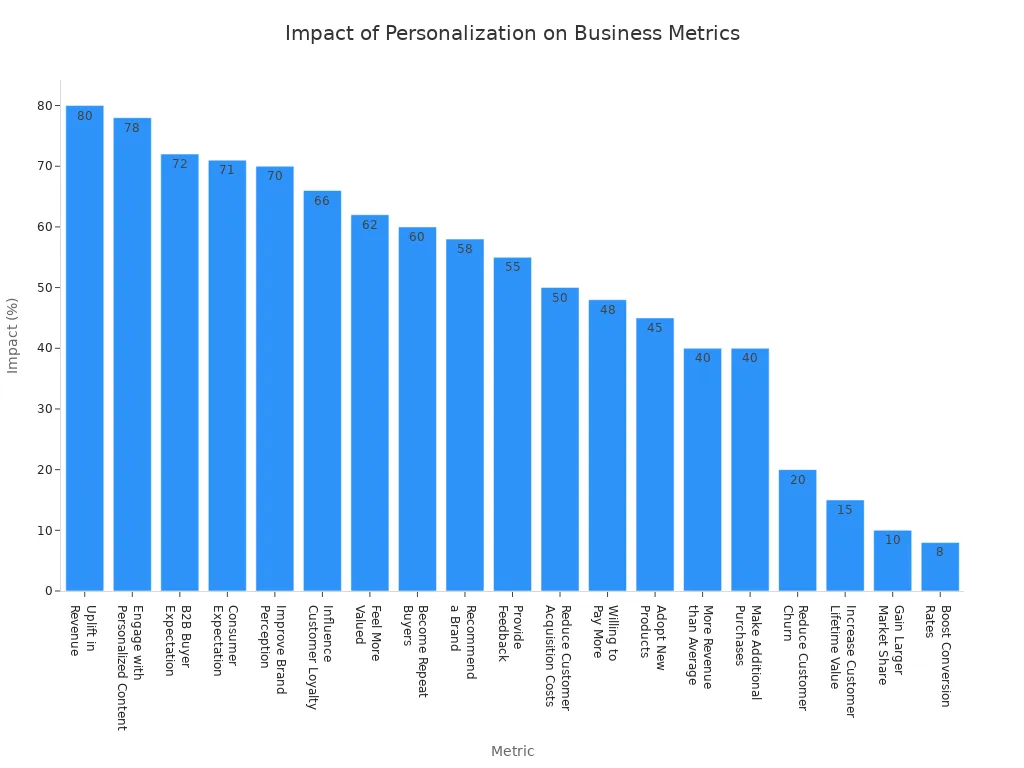 Data shows that a simple 5% increase in customer retention can boost profits by 25% to 95%. This is the power of human connection. Your best closers should spend their time building these valuable relationships, not making hundreds of cold calls. The AI brings the lead to the table; the human convinces them to stay.
Empower Your Team With AI-Generated Insights
A hybrid strategy does more than just divide tasks. It creates a powerful feedback loop where AI makes your human team smarter. Modern AI calling platforms analyze 100% of calls, extracting valuable data that was previously impossible to gather at scale. This technology provides sales managers with actionable insights to coach their teams effectively.
AI can automatically transcribe and analyze every conversation. It tracks keywords, measures customer sentiment, and even scores interactions against a company's sales methodology.
Actionable insights from AI analysis include:
- Identifying top customer pain points and objections.
- Pinpointing where deals are stalling in the sales cycle.
- Detecting upsell and cross-sell opportunities.
- Revealing which features receive the most complaints.
This information allows managers to provide personalized coaching and helps reps refine their approach. It transforms sales from a guessing game into a data-driven science, improving team performance and engagement.
How Sobot's Voice for Sales Bridges the Gap
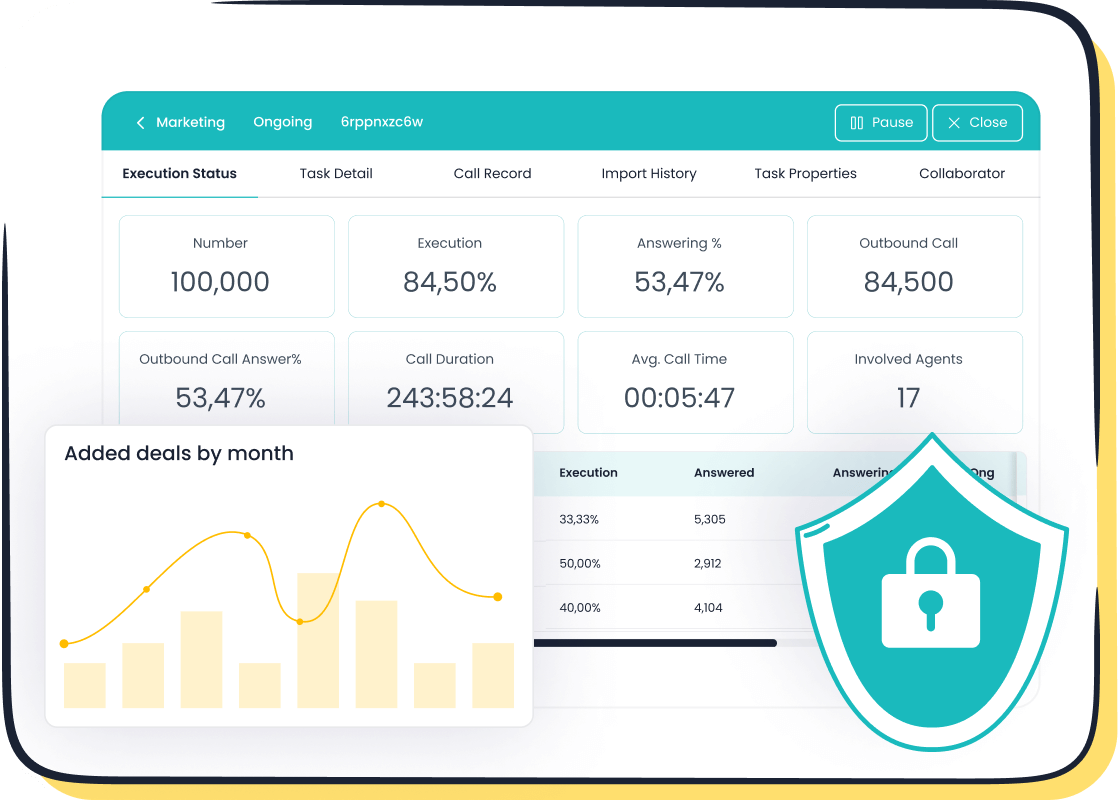
Putting this hybrid strategy into practice requires the right platform. Sobot's Voice for Sales is a powerful example of a tool designed to bridge the gap between AI efficiency and human expertise. It serves as the best ai outbound calling bot by empowering teams to combine automation with meaningful conversations.
The platform handles the repetitive work of ai cold calling with features like automated bulk dialing. Its AI Voicebot can manage initial outreach and qualification, only transferring calls to a human agent once a prospect shows genuine interest. This ensures that your sales team's time is spent on conversations that matter.
At the same time, Sobot provides the AI-driven insights needed to empower human agents. Real-time call monitoring, keyword spotting, and deep analytics give managers the tools to coach their teams effectively. The platform integrates seamlessly with CRMs like Salesforce and HubSpot, ensuring data flows smoothly and agents have all the context they need.
This combination delivers measurable results. The financial service platform Opay used Sobot's solution to create a hybrid workflow. The outcome was a 17% increase in conversion rates and a jump in customer satisfaction from 60% to 90%. This success story shows that the right technology makes the winning strategy of combining AI and human talent a reality.
Best Practices for AI Implementation
Adopting AI technology for outbound sales requires a thoughtful plan. A successful rollout focuses on clear goals, the right tools, and smart processes. These best practices ensure that AI enhances, rather than hinders, your sales efforts.
Start With a Clearly Defined Use Case
Before implementing any AI, teams must define a specific goal. A clear use case prevents wasted resources and sets a benchmark for success. The AI should solve a real problem in your cold outreach process.
Common use cases for ai cold calling include:
- Lead Qualification: The AI asks initial questions to filter high-potential prospects.
- Appointment Setting: An AI can access calendars to schedule meetings automatically.
- Lead Nurturing: The AI follows up with leads through personalized interactions to maintain engagement.
Starting with a focused objective for your outreach makes it easier to measure the impact of the AI.
How to Choose the Best AI Outbound Calling Bot
Choosing the right technology is critical. The best ai outbound calling bot is one that matches your team’s specific needs. Businesses should look for a platform that offers scalability and seamless integration with existing tools. For example, Sobot's Voice for Sales is a strong choice for teams looking to scale their outbound sales. It integrates with CRMs like Salesforce and HubSpot in under 30 minutes. This ensures data flows smoothly between the AI and your sales records. Its global number coverage also helps improve connection rates, a key feature for expanding businesses. The best ai outbound calling bot provides the features your sales team needs to succeed.
Develop and Refine Your Call Scripts
An AI is only as good as the script it follows. Training an ai caller requires continuous refinement. Teams should use A/B testing to compare different script variations and see what drives the most engagement. Modern ai calling platforms provide data on customer sentiment and keyword mentions. This information helps identify which parts of the script create positive reactions and which cause friction. This process of testing and iteration improves personalization and makes the ai calling more effective over time. The best ai outbound calling bot allows for easy script updates.
Establish Clear AI-to-Human Handoffs
A poor handoff can ruin a promising lead. The transition from an ai phone caller to a human must be seamless. The most important rule is to preserve context. When ai sales agents transfer a call, the human representative must see the full conversation history. This prevents the customer from having to repeat information. It is also wise to set up automatic triggers. For instance, if a prospect uses words like "human" or asks a complex question, the AI should immediately route the call to a person. This ensures a smooth experience and keeps the conversation moving forward.
The truth about AI outbound calling bots is clear. They are specialized tools, not silver bullets. This technology augments sales teams; it does not replace them. The winning strategy is a hybrid model. AI handles repetitive outreach, freeing the human team for what they do best. A human agent builds relationships, navigates complex talks, and closes deals. Embracing this human-centric AI approach is the key to creating a future-proof sales operation where human talent and machine intelligence work together.
FAQ
What is the main job of an AI outbound calling bot?
An AI outbound calling bot handles high-volume, top-of-funnel tasks. It makes initial contact with leads, asks basic qualifying questions, and schedules appointments. This process prepares warm leads for human sales agents, boosting overall efficiency.
How does AI calling improve sales team performance? 📈
AI calling automates repetitive outreach. This automation frees human agents from making hundreds of cold calls. Instead, they can focus their time on building relationships with qualified prospects, handling complex negotiations, and closing more deals.
Can an AI handle complex customer questions?
No, AI struggles with complex or emotional customer objections. It works best for simple, scripted questions. A clear handoff process is essential to route nuanced conversations to a human agent who can provide the necessary empathy and expertise.
What makes a hybrid AI and human model successful?
A successful hybrid model combines the strengths of both. The AI provides unmatched scale and data for lead qualification. Human agents then use this information to build trust, manage detailed conversations, and secure customer relationships effectively.
See Also
Evaluating Advanced AI Solutions for Enterprise Call Center Operations
Your Comprehensive Guide to Artificial Intelligence Software for Call Centers
Discovering the Top 10 AI Tools for Enterprise Contact Center Success
The Best Automated Voice Calling Software: A 2024 Comprehensive Review
Comparing the Leading Interactive Voice Response Software Solutions Available Today

