Benefits of Enterprise Relationship Management


Enterprise relationship management (ERM) serves as a strategic framework for nurturing connections with customers, partners, and stakeholders. It empowers businesses to build trust and foster loyalty by understanding the unique needs of each relationship.
ERM plays a pivotal role in modern businesses by enhancing both customer experience and operational efficiency. It strengthens risk awareness, enabling you to identify potential challenges early. It also promotes accountability and streamlines processes, reducing service disruptions. These improvements not only boost customer satisfaction but also create a proactive culture within your organization. Companies like Sobot exemplify how ERM tools can unify interactions and optimize operations, ensuring seamless communication across all channels.
Key Benefits of Enterprise Relationship Management (ERM)
Improved Relationship Insights
Leveraging data analytics to understand customer and partner needs.
Enterprise relationship management allows you to leverage data to gain a deeper understanding of your customers and partners. By analyzing data from various touchpoints, you can uncover patterns that reveal preferences, behaviors, and needs. For example, CRM systems integrated with ERM tools can track interactions across channels, providing a unified view of each relationship. This insight helps you anticipate needs and deliver solutions proactively, enhancing the overall experience.
Identifying trends and opportunities for personalized engagement.
ERM tools enable you to identify trends that drive personalized campaigns. By analyzing historical data, you can spot opportunities to tailor your offerings. For instance, tracking seasonal purchasing trends allows you to create targeted promotions. This approach not only boosts engagement but also strengthens loyalty. Companies that prioritize personalization often see higher retention rates and improved customer satisfaction.
Enhanced Collaboration Across Teams
Breaking down silos between departments like sales, marketing, and customer support.
Enterprise relationship management fosters collaboration by connecting teams through shared tools and data. When sales, marketing, and customer support work together, they can align their efforts to provide a seamless experience. For example, Sobot's unified workspace integrates data from multiple channels, ensuring all teams have access to the same information. This eliminates silos and promotes a cohesive strategy.
Encouraging knowledge sharing to improve customer experience.
ERM encourages teams to share insights and best practices. When departments collaborate, they can address challenges more effectively. For instance, marketing teams can share campaign performance data with sales teams to refine lead generation strategies. This knowledge-sharing culture ensures that every interaction adds value, improving the overall customer experience.
Better Decision-Making
Using real-time data to make informed business decisions.
Enterprise relationship management equips you with real-time data, enabling you to make decisions based on current trends. Companies like Intuit and Raytheon have successfully used ERM tools to enhance decision-making. Intuit leverages ongoing risk assessments and key performance indicators (KPIs) to guide its strategies. Raytheon integrates annual risk assessments into its ERM program to ensure ethical practices and compliance.
Aligning strategies with customer and stakeholder expectations.
ERM tools help you align your strategies with the expectations of your customers and stakeholders. By analyzing feedback and performance metrics, you can adjust your approach to meet their needs. This alignment fosters trust and strengthens relationships, driving long-term success for your enterprise.
Increased Customer Retention and Loyalty
Building trust through consistent and meaningful interactions.
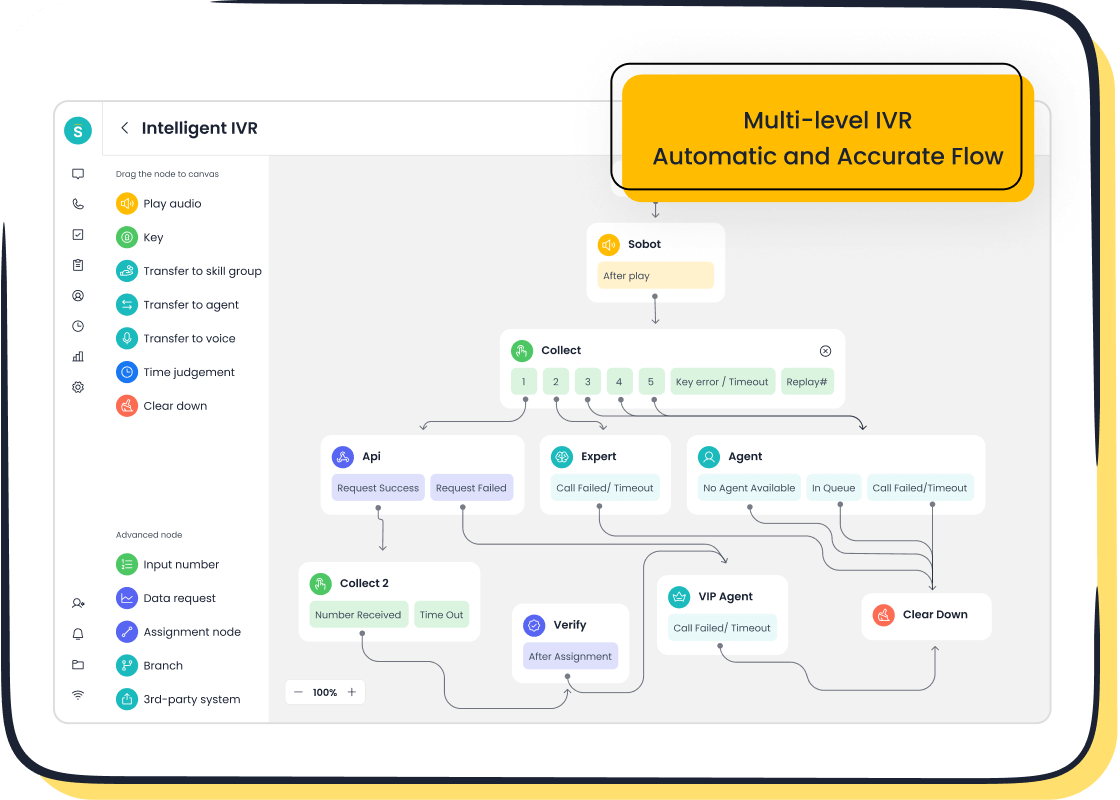
Consistency in your interactions builds trust, which is the foundation of increased loyalty. Enterprise relationship management (ERM) ensures that every touchpoint with your customers feels seamless and personalized. For example, using a CRM integrated with ERM tools allows you to track customer preferences and past interactions. This data helps you tailor your communication, making each interaction meaningful. Companies that prioritize consistent engagement often see higher retention rates. Sobot’s Voice/Call Center, with features like intelligent IVR and smart call routing, ensures that your customers always connect with the right agent, fostering trust and satisfaction.
Proactively addressing customer concerns to improve satisfaction.
Addressing concerns before they escalate improves relationships and boosts customer satisfaction. ERM tools enable you to monitor feedback and identify potential issues early. For instance, real-time data from Sobot’s unified workspace allows your team to resolve problems quickly. Proactive solutions demonstrate your commitment to your customers, which strengthens loyalty. According to a study by PwC, 73% of customers say a good experience is key to their loyalty. By leveraging ERM, you can anticipate needs and exceed expectations.
Streamlined Operations
Automating repetitive tasks to save time and resources.
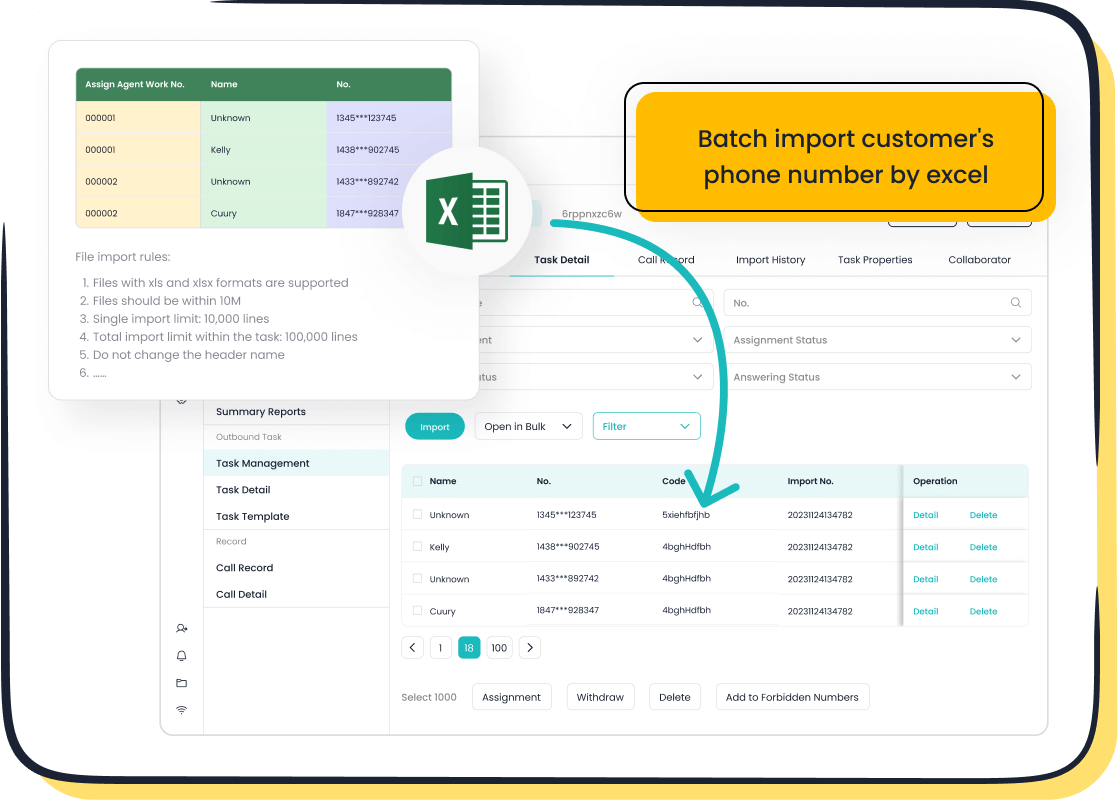
Automation is a game-changer for operational efficiency. ERM tools help you automate repetitive tasks like data entry, appointment scheduling, or follow-ups. This saves time and allows your team to focus on strategic activities. Sobot’s Cloud Call Center, for instance, offers bulk outbound task automation, reducing manual effort. Automation also minimizes errors, ensuring smoother workflows. Businesses that adopt automation report up to a 30% increase in productivity, according to McKinsey.
Centralizing relationship management tools for efficiency.
Centralizing tools simplifies processes and improves visibility. ERM platforms consolidate data from various sources, giving you a unified view of your enterprise relationships. This centralization reduces the need for switching between systems, saving time and resources. Sobot’s omnichannel solutions unify customer interactions across platforms, ensuring consistency and efficiency. Additionally, ERM increases risk transparency, helping you identify and mitigate potential risks early. This approach fosters continuous improvement and enhances overall performance.
Applications of Enterprise Relationship Management in Business Functions
ERM in Sales
Tracking customer interactions to identify sales opportunities.
Enterprise relationship management helps you track customer interactions across multiple channels. This tracking allows you to identify patterns and uncover sales opportunities. For example, a CRM integrated with ERM tools can provide a detailed history of customer behavior. You can use this data to predict future needs and offer tailored solutions. Businesses that use ERM often see an increase in conversion rates because they can engage customers at the right time with the right offers.
Enhancing lead management and follow-up processes.
ERM tools streamline lead management by organizing and prioritizing potential customers. You can automate follow-up reminders and track the progress of each lead. Sobot’s Cloud Call Center, for instance, offers features like bulk outbound task automation. This feature ensures timely follow-ups, improving the chances of closing deals. According to Salesforce, businesses that excel in lead management see a 20% increase in sales productivity.
ERM in Marketing
Personalizing campaigns based on customer data.
Enterprise relationship management enables you to create personalized marketing campaigns. By analyzing customer data, you can segment your audience and tailor your messaging. For instance, tracking purchase history allows you to recommend products that match customer preferences. Personalization not only boosts engagement but also increases customer loyalty. A study by Epsilon found that 80% of customers are more likely to buy from brands offering personalized experiences.
Measuring campaign effectiveness to refine strategies.
ERM tools provide insights into the performance of your marketing campaigns. You can track metrics like click-through rates and conversions to evaluate success. Sobot’s omnichannel solutions unify data from various platforms, giving you a comprehensive view of campaign performance. This data helps you refine your strategies for better results. Continuous improvement ensures your marketing efforts align with customer expectations.
ERM in Customer Support
Providing a unified view of customer history for better service.

Enterprise relationship management centralizes customer data, giving your support team a unified view of each interaction. This view helps agents resolve issues more effectively. Sobot’s Voice/Call Center integrates customer history into a single workspace, ensuring agents have all the information they need. This approach reduces response times and enhances the overall support experience.
Resolving issues faster with collaborative tools like Sobot's Voice/Call Center.
ERM tools promote collaboration among support teams, enabling faster issue resolution. Sobot’s Voice/Call Center offers features like intelligent IVR and smart call routing. These tools ensure customers connect with the right agent quickly. Real-time monitoring and analysis further enhance efficiency. Faster resolutions lead to higher customer satisfaction, which strengthens your enterprise’s reputation.
ERM in Partner Management
Strengthening relationships with vendors and partners
Enterprise relationship management (ERM) helps you build stronger connections with vendors and partners. By centralizing communication and data, you can ensure that every interaction is meaningful and productive. For example, using tools like Sobot’s omnichannel solutions, you can track partner interactions across multiple platforms. This unified approach allows you to address concerns quickly and maintain transparency.
Strong partnerships often lead to better collaboration and mutual growth. When you invest in understanding your partners’ needs, you create a foundation of trust. This trust encourages long-term cooperation, which can improve supply chain efficiency or enhance service delivery. According to a study by Deloitte, businesses with strong vendor relationships experience up to 23% faster project completion rates. ERM tools make it easier to nurture these relationships, ensuring that both parties benefit from the partnership.
Ensuring alignment on shared goals and objectives
ERM tools help you align your goals with those of your partners. By sharing data and insights, you can identify common objectives and work toward them together. For instance, Sobot’s Cloud Call Center offers real-time data analysis, enabling you to monitor performance and adjust strategies as needed. This ensures that both you and your partners stay on the same page.
Aligned goals lead to better outcomes, such as increased revenues and improved customer satisfaction. When you and your partners share a clear vision, you can avoid misunderstandings and focus on achieving results. A report by McKinsey highlights that companies with aligned partnerships see a 15% boost in operational efficiency. ERM tools provide the structure needed to maintain this alignment, ensuring that your partnerships remain productive and goal-oriented.
Best Practices for Implementing Enterprise Relationship Management
Leverage the Right Technology
Choose ERM software that integrates with existing systems, such as Sobot's Voice/Call Center.
Selecting the right ERM software is crucial for a seamless implementation. You should prioritize tools that integrate effortlessly with your existing systems. For instance, Sobot's Voice/Call Center offers smooth integration with CRM platforms, ensuring all customer data is centralized. This integration eliminates the need for manual data transfers, saving time and reducing errors. Additionally, intuitive interfaces encourage user adoption, making it easier for your team to adapt to the new system. A thorough evaluation of your business requirements and a clear roadmap can help you choose technology that aligns with your strategic goals.
Ensure scalability to meet future business needs.
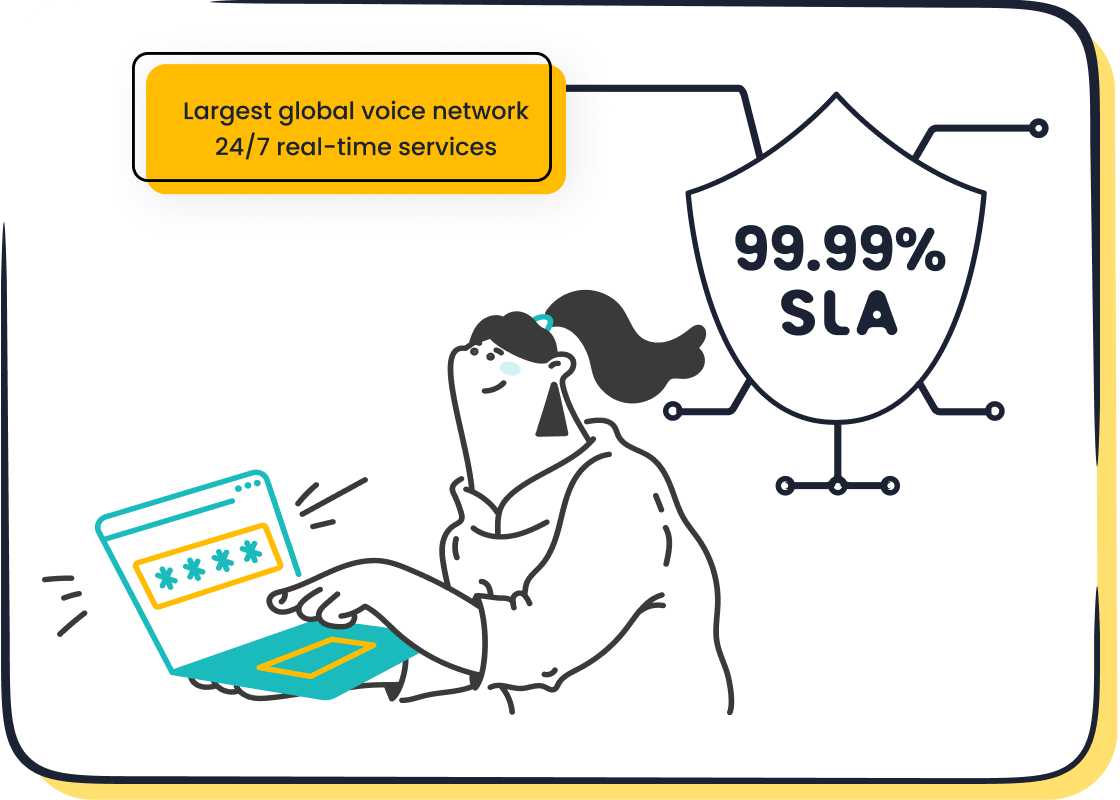
Your ERM solution should grow with your enterprise. Scalability ensures the system can handle increased data and user demands as your business expands. Sobot's Cloud Call Center, for example, offers a stable and scalable platform with a 99.99% uptime. This reliability supports long-term growth without disruptions. By considering future needs during the selection process, you can avoid costly upgrades or replacements later.
Foster Interdepartmental Collaboration
Encourage open communication between teams.
Effective ERM implementation requires collaboration across departments. Open communication ensures everyone understands the strategic approach and works toward shared goals. Tools like Sobot's unified workspace promote transparency by providing a single platform for all teams. This shared access to data fosters teamwork and improves the overall experience for customers and stakeholders.
Align goals and metrics across departments.
Aligning departmental goals ensures consistency in your business strategy. When teams work toward common objectives, they can deliver a cohesive experience. For example, marketing and sales teams can use shared metrics to track campaign success and lead conversions. This alignment not only improves efficiency but also strengthens relationships with customers and partners.
Focus on Data-Driven Strategies
Collect and analyze data to inform relationship management efforts.

Data is the backbone of any successful ERM strategy. Collecting and analyzing data helps you understand customer needs and identify potential risks. Sobot's Voice/Call Center provides real-time data analysis, enabling you to make informed decisions. By continuously monitoring performance, you can refine your approach and stay ahead of challenges.
Use insights to continuously improve processes.
Insights derived from data analysis can drive continuous improvement. For instance, identifying trends in customer interactions allows you to optimize workflows. Sobot's AI-powered tools help you detect patterns and implement changes quickly. This proactive approach enhances efficiency and ensures your ERM strategy remains effective over time.
Train Employees on ERM Tools and Processes
Provide comprehensive training on ERM software.

Training your employees on ERM tools ensures they can use the software effectively. A well-trained team maximizes the potential of your ERM system, leading to better results. Start by organizing hands-on workshops that cover the software’s features and functionalities. For example, Sobot’s Voice/Call Center offers an intuitive interface, making it easier for employees to learn. Providing access to user guides and video tutorials can also reinforce their understanding.
Regular training sessions help your team stay updated on new features or upgrades. You can also assign mentors within your organization to assist employees who need additional support. When your team feels confident using ERM tools, they can focus on building stronger relationships with customers and partners. This approach not only improves efficiency but also enhances the overall experience for everyone involved.
Promote a culture of relationship-focused thinking.
Encouraging a relationship-focused mindset among your employees strengthens your ERM strategy. Begin by emphasizing the importance of customer and partner relationships during team meetings. Share success stories that highlight how strong relationships drive business growth. For instance, Agilent achieved a sixfold increase in customer service efficiency by leveraging Sobot’s solutions.
Incorporate relationship-building goals into performance evaluations. This motivates employees to prioritize meaningful interactions. You can also foster collaboration by creating cross-departmental teams to address customer needs. When employees understand the value of relationships, they become more proactive in delivering exceptional service. A relationship-focused culture ensures your ERM efforts remain effective and sustainable.
Monitor and Evaluate ERM Performance
Set clear KPIs to measure success.
Defining key performance indicators (KPIs) helps you track the effectiveness of your ERM strategy. Focus on metrics that provide actionable insights. For example:
- Risks identified: A higher number indicates improved risk awareness.
- Risks mitigated: This measures how effectively your team addresses potential issues.
- Risk frequency: Fewer occurrences reflect better ERM performance.
- Risk costs: Tracking financial and reputational impacts helps you assess overall efficiency.
- Time to mitigation: Faster responses signal a mature ERM approach.
Using these KPIs ensures you can evaluate your progress and identify areas for improvement. Tools like Sobot’s real-time data analysis make it easier to monitor these metrics and adjust your strategy as needed.
Regularly review and adjust strategies as needed.
Continuous evaluation keeps your ERM strategy aligned with your business goals. Schedule regular reviews to analyze performance data and gather feedback from your team. For example, if you notice an increase in risk frequency, investigate the root cause and implement corrective measures.
Leverage tools like Sobot’s Cloud Call Center to access real-time insights. These insights help you identify trends and refine your processes. Adjusting your strategy based on data ensures your ERM efforts remain effective. A proactive approach to monitoring and evaluation fosters long-term success and strengthens your enterprise relationships.
How Sobot Enhances Enterprise Relationship Management
Sobot's Voice/Call Center for Customer Support
Features like intelligent IVR and smart call routing for seamless customer interactions.
Sobot's Voice/Call Center transforms how you handle customer support. Its intelligent IVR (Interactive Voice Response) system allows you to customize greetings, create menus, and route calls to the right agents or teams. This ensures that customers connect with the most suitable representative quickly. Smart call routing further enhances this process by automatically directing calls based on predefined workflows. For example, if a customer needs technical support, the system ensures they reach the appropriate department without delays. These features reduce wait times and improve the overall customer experience. Businesses using Sobot's Voice/Call Center often report higher first-contact resolution rates, which directly boosts customer satisfaction.
Real-time monitoring and analysis to improve customer experience.
Sobot equips you with real-time monitoring and analysis tools to optimize your customer interactions. You can track call data, analyze performance metrics, and identify areas for improvement instantly. For instance, if call volumes spike, you can reallocate resources to maintain service quality. This proactive approach ensures that your team stays efficient even during peak times. With a system uptime of 99.99%, Sobot guarantees reliability. These insights help you make data-driven decisions, enhancing both operational efficiency and customer satisfaction.
Sobot's Omnichannel Solutions
Unifying customer interactions across channels for a consistent experience.

Sobot's omnichannel solutions unify all customer interactions into a single platform. Whether your customers reach out via phone, email, live chat, or social media, Sobot ensures a seamless experience. This centralization eliminates the need for agents to switch between systems, saving time and reducing errors. For example, a customer who starts a conversation on live chat can continue it over email without repeating their issue. This consistency builds trust and strengthens relationships. According to a study by Aberdeen, companies with strong omnichannel strategies retain 89% of their customers, compared to 33% for those without.
Leveraging AI-powered tools to enhance efficiency and satisfaction.
Sobot integrates AI-powered tools into its omnichannel solutions to improve efficiency. Features like AI chatbots handle routine inquiries, freeing up your agents to focus on complex issues. These chatbots operate 24/7, ensuring your customers receive support anytime. Additionally, AI analyzes customer data to provide personalized recommendations, enhancing satisfaction. For instance, Sobot's AI-powered Voicebot recognizes customer intent and offers relevant solutions instantly. This technology not only reduces response times but also increases the accuracy of your support efforts.
Success Stories with Sobot
Agilent's sixfold increase in customer service efficiency with Sobot.
Agilent, a leader in life sciences, partnered with Sobot to overcome challenges in managing high volumes of customer inquiries. By implementing Sobot's omnichannel workbench and AI-powered chatbot, Agilent achieved a sixfold increase in service efficiency. The chatbot handled routine questions, allowing human agents to focus on complex tasks. This collaboration also reduced operational costs by 25% and improved customer satisfaction to 95%. Agilent's success demonstrates how Sobot's solutions can transform customer service operations.
Improved customer satisfaction and reduced operational costs.
Sobot's tools consistently deliver measurable results for businesses. For example, Agilent's use of Sobot's intelligent routing system ensured customers reached the right agents, improving resolution rates. The integration of AI and real-time data analysis reduced response times and enhanced service quality. These improvements not only boosted customer satisfaction but also lowered operational costs. Sobot's solutions empower you to achieve similar outcomes, driving both efficiency and loyalty.
The Future of Enterprise Relationship Management
Emerging Trends in ERM
The role of AI and machine learning in relationship management.
Artificial intelligence (AI) and machine learning are transforming how you manage relationships. These technologies analyze vast amounts of data to uncover patterns and predict behaviors. For example, AI-powered tools can identify customer preferences, enabling you to offer personalized solutions. Machine learning enhances this by continuously improving predictions based on new data. Sobot’s AI-powered Voicebot exemplifies this trend by recognizing customer intent and providing instant, relevant responses. This not only improves efficiency but also strengthens trust. As AI evolves, it will play a larger role in automating tasks, reducing errors, and enhancing decision-making.
Increasing focus on customer-centric strategies.
Businesses are shifting toward customer-centric strategies to meet rising expectations. Customers now demand seamless, personalized experiences across all touchpoints. ERM tools help you achieve this by centralizing data and providing actionable insights. For instance, Sobot’s omnichannel solutions unify interactions, ensuring consistency regardless of the communication channel. This approach fosters loyalty and satisfaction. Additionally, sustainability and social responsibility are becoming key factors in customer relationships. Companies that prioritize these values often see stronger connections with their stakeholders, driving long-term growth.
The Impact of ERM on Business Growth
Driving innovation through better relationships.
ERM drives innovation by fostering stronger relationships with customers, partners, and stakeholders. It provides a comprehensive view of opportunities and risks, helping you make informed decisions. For example, trend sensing and risk monitoring tools enable you to adapt quickly to market changes. Sobot’s real-time data analysis tools allow you to identify emerging trends and align your strategies accordingly. This proactive approach encourages risk-taking in a controlled environment, leading to innovative ideas. By embedding ERM into your company culture, you can create a framework that supports continuous improvement and innovation.
Enhancing adaptability in a competitive market.
ERM enhances your adaptability by providing a structured approach to risk assessment and response. This is crucial in today’s fast-paced business environment. For instance, Sobot’s Cloud Call Center offers real-time monitoring, enabling you to adjust operations during unexpected challenges. Agile ERM practices also help you respond to market shifts effectively. By aligning innovation with your organizational strategy, you can maintain a competitive edge. Companies that integrate ERM into their operations often experience improved resilience and operational efficiency, which are essential for sustained growth in competitive markets.
Enterprise Relationship Management (ERM) offers transformative benefits that drive business success. It enhances organizational resilience, fosters collaboration, and improves decision-making. By promoting risk awareness and operational efficiency, ERM prepares you to navigate uncertainties effectively. Companies like Johnson & Johnson and ExxonMobil demonstrate how robust ERM frameworks safeguard assets and ensure continuity.
To maximize ERM's value, adopt best practices and leverage advanced tools like Sobot's Voice/Call Center. Features such as intelligent IVR and real-time monitoring streamline operations and improve customer interactions. These tools not only enhance efficiency but also build stakeholder confidence by showcasing a proactive approach.
ERM's long-term impact includes sustainable growth and strengthened relationships. It fosters a risk-aware culture and aligns strategies with stakeholder expectations. By implementing ERM, you position your business for lasting success in an ever-evolving market.
FAQ
What is Enterprise Relationship Management (ERM)?
ERM is a strategic approach to managing relationships with customers, partners, and stakeholders. It uses tools and data to improve collaboration, decision-making, and customer satisfaction. For example, Sobot's omnichannel solutions unify interactions, ensuring seamless communication and stronger relationships.
How does ERM improve customer retention?
ERM builds trust through consistent, meaningful interactions. Tools like Sobot's Voice/Call Center ensure customers connect with the right agents quickly. This proactive approach addresses concerns early, enhancing satisfaction and loyalty. According to PwC, 73% of customers value good experiences for loyalty.
Can ERM help small businesses?
Yes, ERM benefits businesses of all sizes. Small businesses can use tools like Sobot's Cloud Call Center to automate tasks and centralize data. This saves time and improves efficiency, enabling them to compete effectively in their markets.
What role does AI play in ERM?
AI enhances ERM by analyzing data, predicting trends, and automating tasks. Sobot's AI-powered Voicebot, for instance, recognizes customer intent and provides instant solutions. This reduces response times and improves accuracy, strengthening relationships.
Why should you choose Sobot for ERM solutions?
Sobot offers scalable, reliable tools like the Voice/Call Center with a 99.99% uptime. Its features, such as intelligent IVR and real-time monitoring, streamline operations and improve customer interactions. Trusted by brands like Agilent, Sobot ensures efficiency and satisfaction.
See Also
Essential Aspects of CRM Call Center Solutions
Exploring AI Solutions for Enterprise Call Centers
Ways Live Chat Software Enhances Ecommerce Sales

