What Happens Behind The Call Center Series Cameras


Picture this: You walk into the call center, and someone’s headset is tangled—again. Laughter fills the room as a Sobot AI prompt pops up with a joke about coffee breaks. That’s just a glimpse of what really happens behind the scenes. You see the Sobot call center in action, but there’s so much more when the cameras stop rolling. The energy, the teamwork, and the tech make every day feel different.
Behind the Call Center Series
Daily Routines
When you picture the call center, you might imagine a room full of people talking on headsets all day. The reality feels much more dynamic. Every day starts with a quick orientation. You gather with your team, check the schedule, and review any updates from the night before. This orientation helps everyone get on the same page and sets the tone for the day.
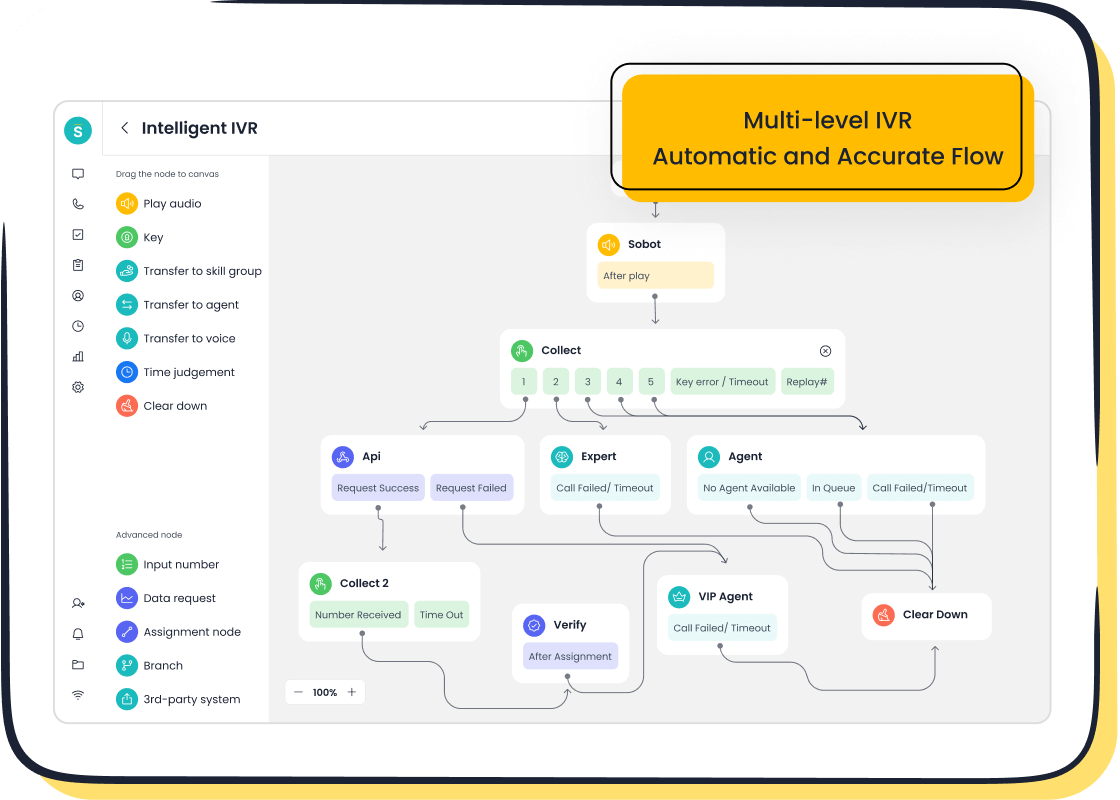
After orientation, you log into your workspace. If you use Sobot’s Voice/Call Center platform, you notice how easy it is to get started. The system greets you with a dashboard showing your tasks, call queue, and customer information. You don’t have to juggle different programs or worry about missing important details. Everything sits in one place, making your job smoother and less stressful. Sobot’s cloud-based system keeps things running with 99.99% uptime, so you rarely face downtime or technical hiccups. Learn more about Sobot’s uptime and features.
Your day includes a mix of answering calls, responding to chats, and sometimes handling emails or social media messages. The Sobot platform brings all these channels together, so you can switch between them without losing track. You might use the AI-powered voicebot to handle simple questions, which frees you up for more complex issues. This technology helps you resolve calls faster and keeps customers happy.
Breaks are important, too. You and your coworkers often share a laugh in the break room, swap stories about funny calls, or talk about the latest episode of the series. These moments help you recharge and build strong team bonds. After your break, you jump back in, ready to help the next customer.
Many people think working in a call center means repeating the same thing all day. In reality, every call feels different. Some customers need help with a simple question. Others have a tricky problem that takes teamwork to solve. You learn something new every day, and the variety keeps things interesting.
Let’s clear up some common myths about call centers. TV shows often get it wrong. Here’s a quick look at what you might see on screen versus what really happens:
| TV Show / Film | Misconception Depicted | Reality / Correction |
|---|---|---|
| The Simpsons (1992) | Call centers are slow, agents drag out calls for money. | Real call centers focus on efficiency and customer satisfaction. Agents aim to resolve calls quickly. |
| The Wolf of Wall Street (2013) | Call centers are high-pressure, aggressive sales rooms. | Real call centers follow strict rules and focus on quality customer service, not aggressive sales tactics. |
| The Pursuit of Happyness (2006) | Agents make illegal cold calls all day. | Cold calls are regulated and less common. Agents respect opt-out lists and privacy laws. |
| The Beekeeper (2023) | Call centers are hubs for scams. | Most call centers follow laws and protect customer data. Scams are not the norm. |
| The Office (2007) | Agents use fake accents to hide their identity. | Accent neutralization is rare and often criticized. Most agents use their real voices. |
You see, the call center world values efficiency, accuracy, and great customer service. You use tools like Sobot’s Voice/Call Center to make your day easier and help customers faster. The technology supports you, so you can focus on what matters—solving problems and making people’s day better.
Team Roles
Every call center runs on teamwork. You play a key part, but you’re never alone. Each person has a role, and together you keep things moving smoothly. Here’s how the main roles break down:
- Customer Service Agents: You answer calls, respond to chats, and help customers solve problems. Sobot’s AI Copilot gives you real-time suggestions, drafts summaries, and helps you find answers quickly. This support lets you focus on the customer, not on searching for information.
- Supervisors: You guide the team, handle escalated issues, and make sure everyone follows best practices. With Sobot’s dashboards, you can see how the team is doing at a glance. You spot trends, coach agents, and keep the workflow running smoothly.
- Administrators: You set up the system, manage user accounts, and monitor performance. Sobot’s AI Insight provides detailed reports and analytics, so you can optimize operations and spot areas for improvement.
- Customers: You might not think of customers as part of the team, but they play a big role. Sobot’s AI Agent learns from the knowledge base to give customers accurate, human-like service, even before they reach a live agent.
Here’s a table showing how Sobot’s Voice/Call Center supports each role:
| Team Role | Support Provided by Sobot’s Voice/Call Center Product |
|---|---|
| Customers | AI Agent learns from knowledge base to deliver accurate, humanized service |
| Human Agents | AI Copilot suggests replies and drafts summaries to improve efficiency |
| Administrators | AI Insight provides detailed dashboards to optimize call center operations |
| All Roles | Omnichannel AI integrates voice calls, chat, social media, email, and SMS for seamless engagement |
You see the difference when you use modern tools. Sobot’s Voice/Call Center makes your job easier and helps the whole team work better together. The platform supports both inbound and outbound calls, so you can handle customer service and telemarketing with the same system. You don’t have to worry about switching platforms or losing track of conversations.
Training plays a big part in your success. You start with a detailed orientation, then move on to hands-on training. You learn how to use the system, handle different types of calls, and work as a team. Sobot’s platform is user-friendly, so you pick it up quickly. The AI Copilot helps you during calls, suggesting responses and even creating tickets automatically. This support means you spend less time on routine tasks and more time helping customers.
Ongoing training keeps you sharp. You practice new skills, learn about updates, and share tips with your teammates. The call center values learning and growth, so you always have a chance to improve.
You might even take part in an interview for a new role or to share your experience with the team. These interviews help everyone learn from each other and build a stronger team.
Sobot’s Voice/Call Center technology changes the way you work. Here’s how it compares to traditional systems:
- You get a stable system with 99.99% uptime, so you rarely face downtime.
- Integration with CRM and management systems is fast and easy, so you spend less time setting things up.
- The all-in-one workspace boosts your efficiency, helping you handle more calls and chats in less time.
- Average handle time drops by 41%, so you help more customers each day.
- First-contact resolution improves by 54%, so customers leave happy the first time they call.
- Intelligent call routing, call recording, and AI-powered voicebots make your workflow smoother.
- The cloud-based model means you can scale up or down as needed, with lower upfront costs and better data security.
- Automation and AI assistance help you stay productive and focused on what matters most.
You see the benefits every day. The call center feels less stressful, and you have more time to connect with customers. Training, teamwork, and the right technology make all the difference.
Filming Process

Scene Setup
When you watch The Call Center Series, you might think the scenes just happen. In reality, the crew puts a lot of effort into every shot. The filmmaking process starts early in the morning. You see lights, cameras, and microphones everywhere. Crew members check the sound and make sure the lighting looks natural. They move desks and chairs to get the best angle. Sometimes, you wait while the director gives instructions or tests the equipment.
You might notice the Sobot Voice/Call Center platform on the screens. The crew wants to show real work, so they capture agents using the actual system. You see dashboards, call queues, and even the AI voicebot in action. The team checks that everything looks good before filming starts. If something goes wrong, like a headset not working, the crew fixes it fast. Everyone works together to make sure the scene feels real and lively.
Real Calls & Reactions
You probably wonder if the calls you hear are real. Many of them are! The show uses real customer calls, but only after getting clear permission from the callers. Privacy matters a lot. Here’s how the team keeps things safe:
- Agents ask for consent at the start of every call.
- All call recordings are encrypted and stored securely.
- The system checks caller identity and logs every interaction.
- Do Not Call lists are always checked before dialing.
- AI tools watch calls in real time to make sure agents follow the rules.
- The team follows strict laws like GDPR and TCPA.
You see real reactions from agents. Sometimes, a call surprises everyone. Other times, you watch as an agent solves a tough problem. The process helps you feel the energy and pressure of real call center life. The crew captures these moments to show what really happens behind the scenes.
Candid Moments in the Call Center

Bloopers & Surprises
You never know what will happen next in a call center. Sometimes, you pick up the phone and hear a customer singing their favorite song instead of stating their issue. Other times, you watch a coworker try to sip coffee while answering a call, only to spill it and laugh along with everyone else. These bloopers make each day unique. You might see someone accidentally mute themselves and start talking to the air, or hear a funny ringtone go off during a serious moment. The crew loves catching these surprises on camera because they show the real side of working in customer service.
Agents often share stories about unexpected calls. One day, you might help a customer who thinks their phone is haunted. Another day, you get a call from someone who just wants to chat about the weather. These moments break up the routine and remind you that every call is different. You learn to expect the unexpected and find joy in the little things.
Handling Pressure
Working in a call center means you face stress almost every day. You deal with high call volumes, strict time limits, and sometimes angry customers. A recent study found that 96% of agents feel stressed at least once a week (source). You might feel pressure to solve problems fast or handle tough conversations. Here are some ways you and your team manage stress:
- You practice breathing exercises during calls to stay calm.
- You join peer support buddy systems for encouragement.
- You use quiet spaces to relax when things get intense.
- You take part in emotional intelligence training, learning to validate customer feelings and regulate your own emotions.
- You receive real-time feedback and coaching, helping you improve and stay positive.
Here’s a look at common stressors you face:
| Stressor | Description |
|---|---|
| High Call Volume | You handle many calls each day, which can lead to burnout. |
| Angry Customers | You deal with frustrated people, which can be emotionally draining. |
| Repetitive Work | Doing the same tasks can get boring and lower your motivation. |
| Heavy Workloads | More tasks mean more fatigue and stress. |
| Strict Time Limits | You must resolve issues quickly, adding pressure. |
| Unclear Expectations | Not knowing your priorities can cause confusion. |
| Lack of Incentives | No rewards can lower morale. |
| Insufficient Training | Not enough training makes your job harder. |
| Isolation | Working alone can make you feel disconnected. |
You use these strategies to build resilience and keep morale high. You support each other, learn new skills, and find ways to make every day better in the call center.
The People of the Call Centre
Crew Stories
You might think the call centre is all about answering phones, but the real magic happens with the people behind the scenes. Every day, you see crew members working together to keep things running. The camera crew, sound team, and directors all play a part. They set up shots, fix lighting, and make sure you look your best during every interview. Sometimes, you share a laugh with the crew when a funny moment happens on set. You learn that teamwork is not just for agents—it’s for everyone in the call centre.
Customer stories from companies like OPPO show how teamwork and technology make a difference in real call centers. Here’s what you can learn from their experience:
- Teams communicate clearly and show strong leadership, making customer service smooth and professional.
- Crew members adapt quickly to new projects and changes, showing flexibility every day.
- The call centre feels like a family, where everyone supports each other and treats customers with respect.
- Managers understand what drives success and help everyone reach their goals.
- When mistakes happen, the team takes responsibility and fixes them fast.
- Feedback is welcome, and everyone works together to improve.
- Even when people work in different places, they keep communication strong and deliver great results.
You see that the call center is more than just a workplace. It’s a place where people care about each other and work together to help customers.
Off-Camera Interactions
When the cameras stop rolling, you get to see the real side of the call centre. You might find yourself chatting with a coworker about a tough call or sharing tips on how to handle tricky situations. These off-camera moments help you build friendships and learn new skills. Sometimes, you join a quick training session or take part in a group interview to share your thoughts.
You notice that the call center thrives on these small interactions. You celebrate birthdays, welcome new team members, and support each other during busy times. The call centre becomes a place where you feel valued and connected. You realize that the best part of the job isn’t just helping customers—it’s being part of a team that cares.
Editing the Call Center Series
From Footage to Episode
You might think editing an episode is just about cutting and pasting scenes together. In reality, the process is much more detailed and creative. Every episode of The Call Center Series goes through a journey before you see it on screen. Here’s how it usually works:
- Receiving and processing raw footage: Each day, editors get all the new video clips, called dailies. They use special software to prepare these clips for editing. Quick work here means the team can fix any problems right away.
- Storage and organization: Editors store and label every clip in cloud-based systems. This keeps everything safe and easy to find. It also lets people work together from different places.
- Building the rough cut: Editors put scenes in order to tell the story. They make a first draft, then show it to the director and producers. The team makes changes until everyone is happy.
- Visual effects: Sometimes, editors add computer graphics or special effects. These get checked and improved as the episode takes shape.
- Color grading: Editors adjust colors so every scene looks just right. This step makes the show look polished and professional.
- Audio mixing: Sound experts add voices, music, and effects. They make sure you can hear everything clearly and that the sound matches the mood.
- Final approval: Producers and other leaders watch the episode and ask for last changes. Only when everyone agrees does the episode move forward.
- Distribution: The finished episode gets sent to streaming services or TV channels. The team also saves copies for the future.
Tip: Good organization during editing saves time and helps avoid mistakes later!
What Makes the Cut
Not every moment filmed ends up in the final episode. Editors look for scenes that feel real, funny, or emotional. They want you to see the best parts of call center life. Here’s what usually makes the cut:
- Real reactions from agents and customers
- Moments that show teamwork or problem-solving
- Funny bloopers or surprises that make you smile
- Scenes that teach you something new about call centers
Editors also use feedback from the crew and even from viewers. They want each episode to feel true to life and keep you interested from start to finish. When you watch The Call Center Series, you see a story shaped by many hands, all working together to bring out the best moments.
You probably never expected to hear stories like a customer closing all the windows in his house instead of on his computer, or someone bringing garlic to the phone after hearing about Dracula. Some callers even ask reps to fix problems in places they do not support, or get confused about which power button to press. These moments show just how unpredictable and human call center life can be.
Producing The Call Center Series brings real challenges and lots of laughs. You see how teamwork, quick thinking, and tools like Sobot’s Voice/Call Center help everyone handle the unexpected. These behind-the-scenes moments shape what you see on screen and remind you that every call is a new adventure.
FAQ
What makes Sobot’s Voice/Call Center different from other call center solutions?
You get an all-in-one workspace, AI-powered tools, and 99.99% uptime. Sobot’s Voice/Call Center lets you handle calls, chats, and emails in one place. You can scale up fast and keep your data secure.
Can I use Sobot’s Voice/Call Center on my phone?
Yes! You can use Sobot’s Voice/Call Center on Android and iOS devices. This means you can answer calls, check messages, and help customers from anywhere.
How does Sobot help reduce stress in a call center?
Sobot’s Voice/Call Center uses AI to handle simple questions and automate tasks. You spend less time on repetitive work and more time helping people. The platform also gives you real-time feedback and support.
Is Sobot’s system safe for customer data?
Absolutely. Sobot’s Voice/Call Center uses encrypted data transfer and secure storage. You can trust that your customer information stays private and protected. Learn more about data security.
Can Sobot’s Voice/Call Center connect with my current CRM?
Yes, you can integrate Sobot’s Voice/Call Center with your existing CRM system. This helps you see all customer details in one place and work more efficiently.
See Also
Understanding The Efficient Operation Of Call Center Automation
Defining The Concept Of A Remote Call Center Setup
Comprehensive Guide To Omnichannel Software For Call Centers

