B2B vs B2C Customer Service What's the Deal?


The main difference in customer service involves focus. B2B customer service builds long-term relationships with businesses. B2C customer service provides fast solutions to individual consumers. This core distinction shapes the entire customer experience. The B2B market's significant growth highlights the need for specialized B2B customer service. Strong customer relationships are vital in the expanding B2B landscape. This difference affects agent skills and technology choices. A versatile platform like the Sobot call center, powered by Sobot AI, helps manage customer service in B2B and B2C environments effectively.
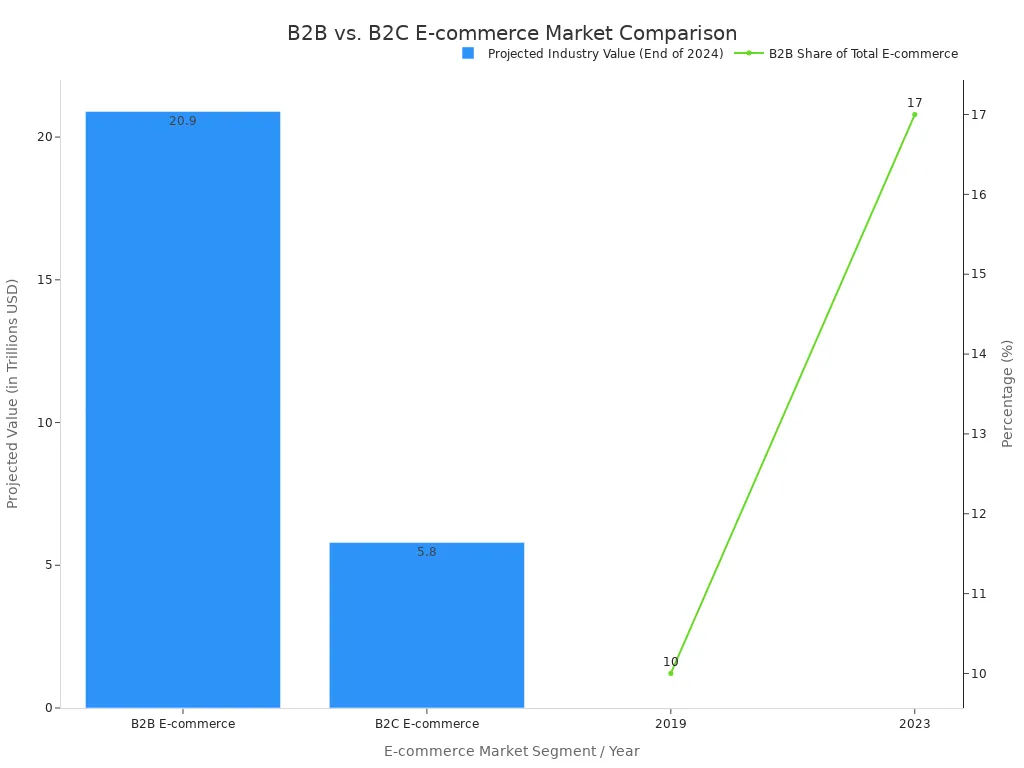
Note: The B2B e-commerce sector is projected to reach $20.9 trillion by the end of 2024, dwarfing the B2C market. This growth makes excellent B2B customer service more critical than ever for business success.
The Core of B2B Customer Service: Relationship vs. Transaction

The fundamental difference between B2B and B2C support lies in its core purpose. B2C customer service focuses on resolving a single issue within one transaction. B2B customer service, however, aims to manage and nurture an ongoing partnership. This distinction shapes every interaction, from the initial contact to long-term support strategies. The goal in business-to-business is not just to solve a problem but to strengthen the overall professional connection.
Relationship Complexity and Duration
B2B customer relationships are built for the long haul. The sales cycle alone can last from a few months to over a year for complex enterprise solutions. Following the sale, B2B contracts often span several years. These agreements are detailed and designed to govern a strategic partnership, building trust over time. This long-term view is a key part of B2B marketing and service.
In contrast, B2C interactions are typically brief. A consumer makes a purchase, and the relationship may end there. B2C contracts, like terms and conditions, are standardized and not negotiated. The focus is on a smooth, quick transaction. B2B relationships involve multiple stakeholders, customized solutions, and continuous collaboration.
Excellent B2B customer service recognizes that each interaction is a building block for a lasting partnership. It moves beyond simple fixes to provide strategic value, ensuring the client succeeds over the entire contract lifecycle.
Customer Value and Financial Impact
The financial stakes in B2B are significantly higher than in B2C. A single B2B client can be worth thousands, or even hundreds of thousands, of dollars over their lifetime. For example, the average customer lifetime value for some B2B software companies can reach $240,000. Even a smaller B2B client, like a software development firm, can have an average lifetime value of nearly $70,000. Losing one B2B client has a much larger financial impact than losing one B2C customer.
This high value justifies a greater investment in proactive B2B customer service. B2C marketing often focuses on acquiring a high volume of lower-value customers. Therefore, B2C service is designed for speed and efficiency to handle that volume. The high value of B2B relationships demands a more personalized and in-depth approach to service.
| Aspect | B2B Customer Service | B2C Customer Service |
|---|---|---|
| Primary Goal | Nurture long-term relationships | Solve immediate, transactional issues |
| Customer Value | High (thousands to millions) | Low (tens to hundreds) |
| Impact of Loss | Significant financial and strategic loss | Minimal financial loss |
| Service Focus | Proactive, consultative, strategic | Reactive, fast, efficient |
The Role of Technical Expertise
The nature of support inquiries also differs greatly between B2B and B2C. A B2C customer might ask about a return policy or order status. A B2B client, however, often has complex technical questions tied to their own business operations. Effective customer service in B2B requires agents with deep product knowledge and technical skills.
These agents act more like consultants than traditional support staff. They must understand the client's unique setup to provide effective solutions. Common issues in B2B support are highly technical and can impact a client's entire operation. These inquiries often involve:
- Service maintenance and system integrations
- Network connectivity problems
- Security configurations and compliance
This level of complexity is rare in the B2C world. A great B2B customer service team improves the overall customer experience by providing expert guidance. This technical skill builds confidence and reinforces the value of the partnership, making excellent B2B customer service a powerful tool for retention.
Divergent Strategies for B2B and B2C Service

The goals of B2B and B2C customer service create very different strategies. B2B service focuses on proactive partnership, while B2C service prioritizes reactive efficiency. This difference changes how companies approach support, measure success, and build customer relationships.
The B2B Approach: Proactive and Collaborative
Excellent B2B customer service is proactive. It does not wait for problems to arise. Instead, it works to prevent them. This approach builds strong, collaborative relationships. Companies can achieve this in several ways:
- Expanding Service Beyond Sales: Support continues long after the initial purchase. Teams offer product walkthroughs and check in with clients to address concerns. This strengthens the partnership.
- Providing Self-Service Resources: Well-organized knowledge bases empower clients. They can find answers on their own, which improves satisfaction and reduces support tickets.
A great example of proactive B2B customer service comes from Agilent, a leader in life sciences. The company needed to manage complex inquiries with both speed and accuracy. By implementing Sobot’s omnichannel workbench and AI chatbot, Agilent transformed its support model. The AI chatbot provided 24/7 answers to routine questions. This allowed human agents to focus on more complex client issues. This collaborative system led to a 6x increase in customer service efficiency and a 95% customer satisfaction score. This shows how a proactive B2B strategy strengthens the customer experience.
The B2C Approach: Reactive and Efficient
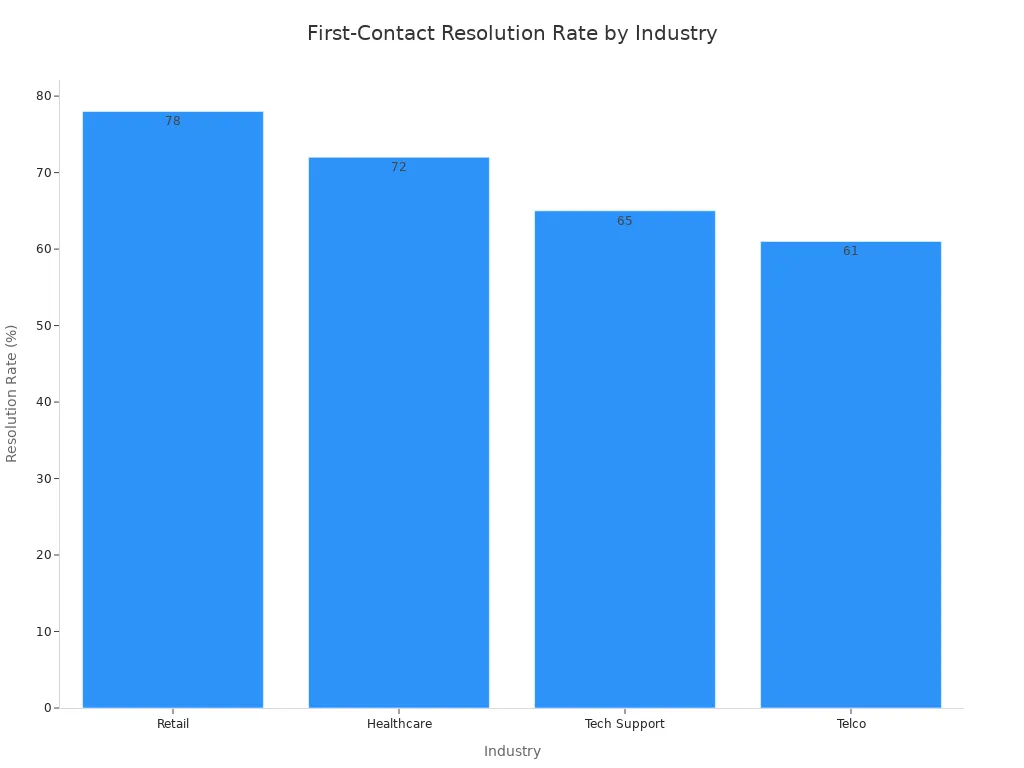
B2C customer service is built for speed. The main goal is to solve a customer's problem on the first try. This is called First-Contact Resolution (FCR). High FCR rates are a key sign of success in the business-to-consumer world. B2C marketing strategies often attract a high volume of customers, so efficiency is critical.
To handle this volume, B2C companies rely heavily on automation.
- AI-Powered Chatbots: These tools handle common questions like order tracking or return requests. They offer instant, 24/7 support.
- Automated Workflows: Systems can automatically route tickets, send updates, and manage returns. This ensures consistent and fast service.
The focus on speed is clear across different B2C industries. Efficient customer service is essential for keeping a large customer base happy.
Key Metrics: Partnership vs. Speed
The different strategies for B2B and B2C lead to different ways of measuring success. B2C marketing and service teams watch metrics that show speed and efficiency. B2B marketing teams look at metrics that show the health of long-term relationships.
B2B Success Metrics: In B2B, success is about partnership growth. Key metrics include:
- Net Promoter Score (NPS): Measures client loyalty and their willingness to recommend your brand.
- Expansion Revenue: Tracks money from upsells and cross-sells to existing clients.
- Customer Lifetime Value (CLV): Shows the total value of a client over the entire partnership.
B2C Success Metrics: In B2C, success is about transactional speed. Key metrics include:
- First-Contact Resolution (FCR): The percentage of issues solved in one interaction.
- Average Handle Time (AHT): The average time an agent spends on a single B2C case.
- Customer Satisfaction (CSAT): Measures happiness with a specific interaction.
Ultimately, customer service in B2B aims to retain and grow high-value accounts. B2B customer service is an investment in the future. In B2C, the goal is to resolve a high volume of issues quickly to maintain brand reputation.
The Right Tools for B2B and B2C Support
Choosing the right technology is essential for success in both B2B and B2C environments. The tools must align with the core strategy, whether it is building partnerships or enabling fast transactions. A flexible platform like Sobot's Omnichannel Solution provides the specific features needed for each model, helping businesses deliver excellent customer service.

The B2B Tech Stack
The B2B tech stack supports long-term relationships and complex problem-solving. Effective B2B customer service requires tools that provide a complete view of the client account. A unified workspace is critical. It allows agents to see all past interactions, contract details, and support tickets in one place. Seamless integration with a CRM system is also vital. This connection gives teams a single source of truth, improving collaboration and enabling proactive support. This level of organization is fundamental to great B2B customer service. The right tools empower agents to act as strategic partners, strengthening B2B relationships.
The B2C Tech Stack
The B2C tech stack is built for speed and volume. B2C marketing strategies attract many customers, so efficiency is key. Tools like AI-powered chatbots are essential. They provide 24/7 self-service for common questions, which is a feature that 64% of users value most. This frees up human agents for more complex issues. B2C companies also need to manage high volumes of interactions from channels like WhatsApp and social media. The goal of the business-to-consumer tech stack is to resolve issues quickly and keep a large customer base satisfied. This approach is central to modern B2C marketing.
Customer Service in B2B vs. B2C Personalization
Personalization means different things for B2B and B2C. In B2C, personalization often involves using a customer's name and purchase history to make an interaction feel human. The focus is on the individual.
In contrast, customer service in B2B focuses on personalizing the entire account experience. This includes custom service level agreements (SLAs), dedicated account managers, and support tailored to specific user roles within the client's company.
This difference highlights the strategic nature of B2B customer service. While B2C personalization enhances a transaction, B2B personalization strengthens a long-term partnership. Excellent B2B customer service uses data to understand the client's business needs deeply. This makes every interaction relevant and valuable for the B2B client.
The main difference between B2B and B2C customer service is its goal. B2C service solves immediate problems quickly. B2B customer service builds long-term strategic relationships. Success in B2C is measured by speed, as fast responses boost conversions. Success in B2B is measured by client retention and growth. This is because keeping a B2B client is more cost-effective than finding a new one. A flexible customer service platform like Sobot helps businesses in both B2B and B2C. It allows B2B and B2C companies to use the right tools for their specific B2B or B2C model. This helps build the loyalty needed for B2B and B2C success. Excellent B2B customer service drives B2B growth. Efficient B2C service supports a large B2C customer base.
FAQ
What is the main goal of B2B customer service?
The primary goal for b2b service is building strong, long-term partnerships. Teams focus on client retention and growth. This approach differs greatly from the transactional nature of b2c support. Excellent b2b service acts as a strategic investment in the client relationship.
How is B2C customer service different from B2B?
B2C customer service prioritizes speed and efficiency. The main objective is to solve a high volume of individual customer issues quickly. Unlike b2b, the focus is on single transactions rather than managing an ongoing business partnership. Fast resolution is key for b2c success.
Why do B2B agents need more technical skills?
B2B clients often have complex technical questions about product integration or system configurations. Agents must act as expert consultants to solve these issues. This level of expertise is less common in b2c support, where questions are typically simpler.
Can one platform work for both B2B and B2C?
Yes, a flexible omnichannel platform can serve both models. For b2b, it offers unified client histories. For b2c, it provides AI chatbots and manages high-volume channels. This allows a company to tailor its support strategy to its specific customer type.
See Also
Elevate Retail Customer Engagement: Maximize Live Chat Performance Now
Enhance SaaS Customer Service: Strategic Live Chat Implementation for Success
Achieving Live Chat Excellence: A Comprehensive Guide for Retail Businesses
Discover the Leading 10 Customer Service Software Solutions for 2024
Genesis Call Center Versus Genesys: A Comparative Analysis for Optimal Choice

