B2B Ecommerce Self-Service A Step-by-Step Guide

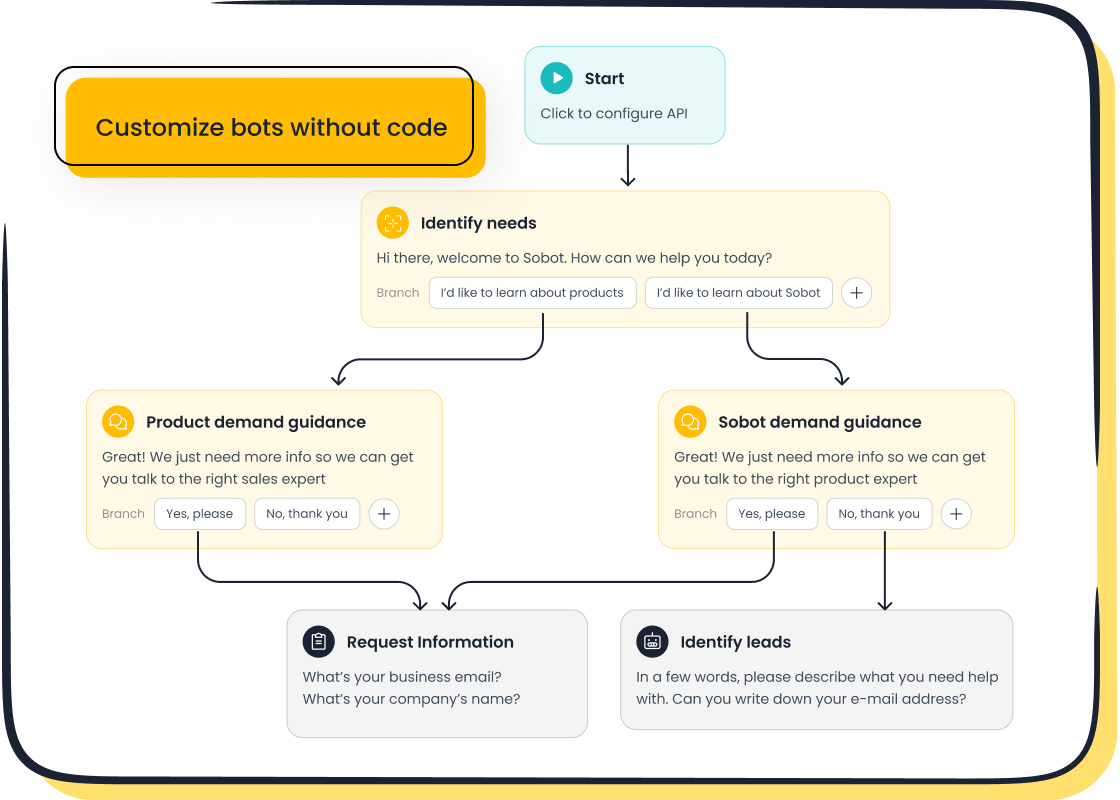
You want to implement a B2B ecommerce solution to boost efficiency. A B2B ecommerce self-service portal is a digital solution that empowers your business-to-business customer. This approach is critical, as 75% of B2B buyers now prefer a self-guided ecommerce experience. This guide is your roadmap for a successful B2B ecommerce implementation. Choosing from ecommerce management solutions that support self-service B2B portals is a key part of the process. This powerful ecommerce solution, supported by tools like Sobot, helps your B2B customer navigate their journey on your portal, streamlining your entire B2B ecommerce operation from start to finish.
Step 1: Define Your B2B Ecommerce Strategy
A solid strategy is the foundation of your b2b ecommerce success. Before you build your website or choose a platform, you must first define what you want to achieve and who you are serving. This initial step ensures your b2b online business aligns with both your company's objectives and your customer needs.
Identify Target Users and Their Needs
First, you need to understand your b2b buyers. Their purchasing process is complex. They often need to get approval from multiple people and do not follow a simple path to a decision. Your ecommerce website must address these unique needs.
To do this, create detailed user personas. Think about roles like a procurement manager, a CEO, or a sales analyst. Each has different goals and needs. For example:
- Shawna, the CEO, focuses on strategic growth and operational efficiency.
- Mark, the Small Business Owner, needs to streamline processes and reduce costs.
- Amanda, the Sales Analyst, requires data to improve sales performance.
Understanding these roles helps you tailor your b2b ecommerce website to solve their specific problems and meet their needs.
Set Clear Business Goals and KPIs
Next, you must set clear goals for your b2b ecommerce portal. What do you want to accomplish? Many b2b companies aim to save costs, improve the customer experience, and increase loyalty.
To measure your progress, you need Key Performance Indicators (KPIs). These metrics track your performance over time. Focus on KPIs that match your goals, such as:
- Operational Efficiency: Track the touchless-order rate and cost-per-order.
- Revenue Growth: Monitor average order value (AOV) and the visitor-to-order conversion rate.
- Customer Experience: Measure the repeat-purchase rate and customer satisfaction (CSAT).
These KPIs will show if your ecommerce strategy is working.
Analyze Competitors and Market Trends
Finally, look at your competitors and the market. Many b2b brands are moving their sales online. You need to keep up with current trends to stay competitive. AI-powered tools are a major trend.
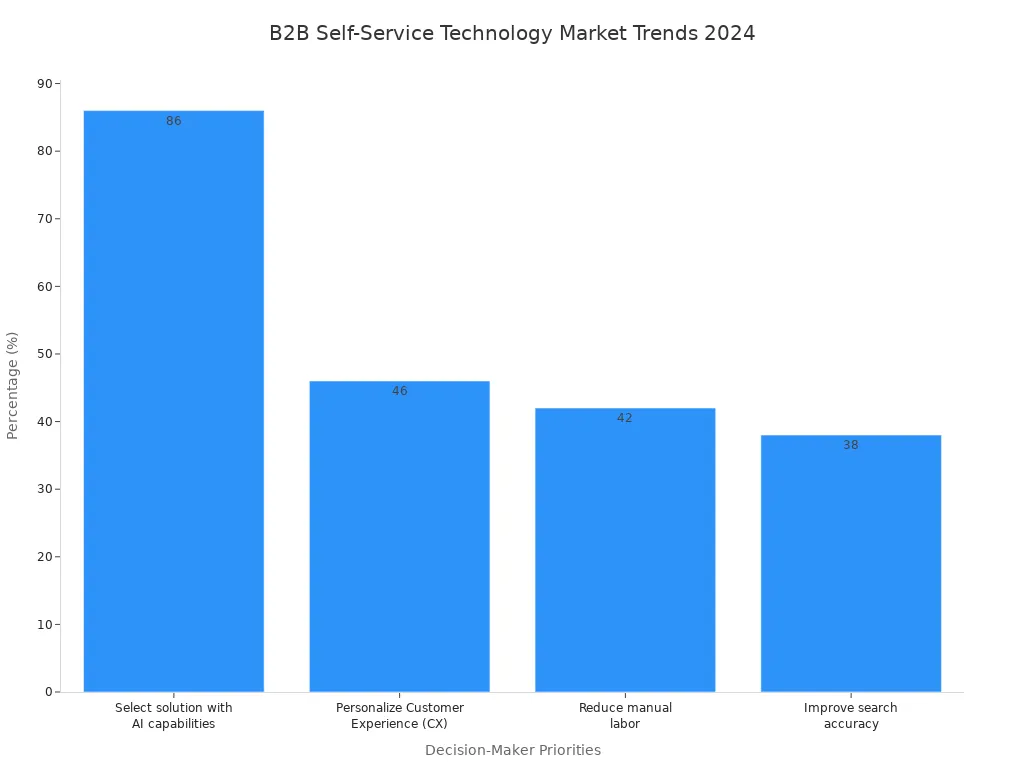
Customers now prefer to research and buy on their own. This makes self-service portals essential.
There’s a significant trend towards self-serve portals at present. Yet, some merchants express concerns about potential knowledge gaps for customers if they go down this route. There’s a real shortage of ‘communities’ to plug these gaps in the B2B sector. — Pete Youell, SQLI Group CTO
Your ecommerce strategy should embrace these trends to meet modern b2b buyer expectations.
Step 2: Choose the Right Technology Platform
Selecting the right technology is the most critical decision in your b2b ecommerce web development journey. Your platform serves as the foundation for your entire digital operation. You need to choose from ecommerce management solutions that support self-service b2b portals designed for complex business needs. The right solution will empower your customers and streamline your processes. This step ensures your b2b ecommerce portal has the power to deliver on your strategy.
Evaluate Ecommerce Management Solutions that Support Self-Service B2B Portals
Your first task is to evaluate ecommerce management solutions that support self-service b2b portals. Unlike B2C, a b2b platform must handle unique requirements. Look for a platform with flexible tools for customer-specific catalogs, complex pricing rules, and corporate account management. Your b2b ecommerce web development should focus on a platform that meets these specific needs.
Leading b2b ecommerce platforms offer different strengths:
- Adobe (Magento Commerce): Offers deep customization for complex b2b workflows.
- BigCommerce: Provides strong built-in b2b features and API flexibility.
- Salesforce Commerce Cloud: Excels with its powerful CRM integration and AI capabilities.
Your choice depends on your specific business needs and technical resources. A thorough evaluation of ecommerce management solutions that support self-service b2b portals is essential.
Prioritize Key System Integrations (ERP, CRM)
A standalone ecommerce portal creates data silos. To build an efficient b2b ecommerce website, you must prioritize integration with your core business systems. Seamless integration creates a single source of truth for your data.
Integrating your Enterprise Resource Planning (ERP) system with your ecommerce platform automates order processing and provides real-time inventory data. This prevents overselling and improves fulfillment efficiency. Likewise, Customer Relationship Management (CRM) integration gives your sales and support teams a complete view of every customer interaction, enabling personalized service.
This connectivity is vital for a successful b2b ecommerce website. The right platform will support this deep integration.
Assess Scalability, Customization, and Security
Your b2b ecommerce platform must be prepared for the future. Your b2b ecommerce web development plan should address three key areas:
- Scalability: Your ecommerce website needs to handle growth in traffic, orders, and product catalogs. Choose a platform that can scale with your business without performance issues.
- Customization: Your b2b processes might require unique website features. Assess whether a platform allows for the level of b2b ecommerce web development and customization your business needs.
- Security: Protecting sensitive business data is non-negotiable. Ensure your chosen platform provides robust security features, including SSL certificates, multi-factor authentication (MFA), and PCI compliance to build a secure ecommerce portal.
These factors ensure your investment in ecommerce management solutions that support self-service b2b portals is sustainable and secure. Your platform must support your long-term growth and evolving customer needs.
Step 3: Design the Self-Service User Experience (UX)

A powerful platform is only half the battle. Your next step is to focus on your b2b ecommerce website design. A great user experience (UX) turns a functional ecommerce website into a valuable tool that your b2b customers will use repeatedly. Your b2b ecommerce web development must prioritize a design that meets your users' specific needs. This focus on b2b web design ensures your portal is not just used, but preferred.
Map the B2B Buyer's Journey
You must first understand how your b2b customers make purchasing decisions. The b2b customer journey is often complex and involves multiple stakeholders. Mapping this journey helps you visualize their actions, thoughts, and feelings at each stage. For example, the product insights company Hotjar involved cross-functional teams to map their user path, identifying pain points and "aha moments" to better meet customer needs.
Your b2b sales cycle might be simple or complex. Consider the differences:
| Company Model | Sales Cycle | Key Characteristics |
|---|---|---|
| Simple SaaS | Quick, mostly digital | Relies on digital touchpoints like blogs and case studies with minimal sales rep involvement. |
| Complex Product | Longer, highly considered | Breaks the journey into many sub-stages, each requiring different touchpoints to address buyer needs. |
Understanding your specific journey is the foundation of effective b2b ecommerce website design.
Design an Intuitive and Easy-to-Use Interface
Your b2b ecommerce website must be easy to navigate. An intuitive interface guides users down a clear path, reducing frustration and helping them achieve their goals efficiently. Your b2b ecommerce web development should incorporate features that cater to b2b buyer needs.
Pro Tip: A successful b2b web design proactively prevents errors. Use confirmation dialogs for important actions like placing an order or deleting an item. This simple step builds user confidence in your ecommerce platform.
Your b2b website development should focus on:
- Clear Navigation: Use logical categories and well-structured menus so users can find what they need.
- Personalized Dashboards: Allow users to see their order history, manage accounts, and access custom pricing.
- Optimized Search: Design robust search functionality with alternate part numbers and manufacturer info.
This level of b2b web design makes your ecommerce website a truly self-service tool.
Ensure a Responsive, Mobile-First Design
Today’s b2b buyers work from everywhere. Your ecommerce website must provide a seamless experience on desktops, tablets, and mobile phones. A responsive, mobile-first approach is no longer optional in b2b ecommerce web development. This ensures your website is accessible and functional, regardless of the device. This approach to b2b ecommerce website design meets modern user expectations and future-proofs your investment in b2b website development.
Step 4: Implement Core B2B Self-Service Features
With your design in place, you can now implement the core features that make your b2b ecommerce portal a true self-service asset. These features address the unique needs of b2b buyers. They transform your ecommerce website from a simple catalog into an indispensable business tool. A successful b2b ecommerce portal empowers your customer with control and convenience.
Customer-Specific Catalogs and Pricing
Your b2b customers expect a personalized experience. You must provide them with customer-specific catalogs and pricing. This feature ensures buyers only see the products relevant to them at their negotiated rates. This level of personalization is a cornerstone of modern b2b ecommerce. Many leading companies use this strategy for their ecommerce portal.
| Company | Implementation of Customer-Specific Catalogs & Pricing |
|---|---|
| Avery Dennison | Digitized negotiated pricing and contract terms directly into their ecommerce storefront for various customer segments. |
| Grainger | Personalizes online catalogs and prices based on customer segments, utilizing a mix of value-based and negotiated pricing. |
This approach simplifies the buying process for your b2b customer and reinforces your business relationships.
Advanced Search and Quick Order
B2B buyers are professionals who value efficiency. Your ecommerce website must have advanced search capabilities. Site searchers are 80% more likely to convert, so your portal needs a powerful search function. This includes searching by part number, SKU, or description. You should also offer a quick order form. This allows users to add items to their cart by entering SKUs, saving valuable time. This feature is critical for repeat purchases on your b2b ecommerce portal.
Self-Service Account and Order Management
Empower your users by giving them full control over their accounts. A self-service portal allows customers to view order history, track shipments, and manage invoices without contacting your team. This reduces your administrative workload and improves the customer experience.
Pro Tip: Enhance your self-service portal with an AI-powered solution. An intelligent chatbot provides 24/7 support for routine questions about order status, product details, and invoices. This integration is a key part of a modern ecommerce solution.
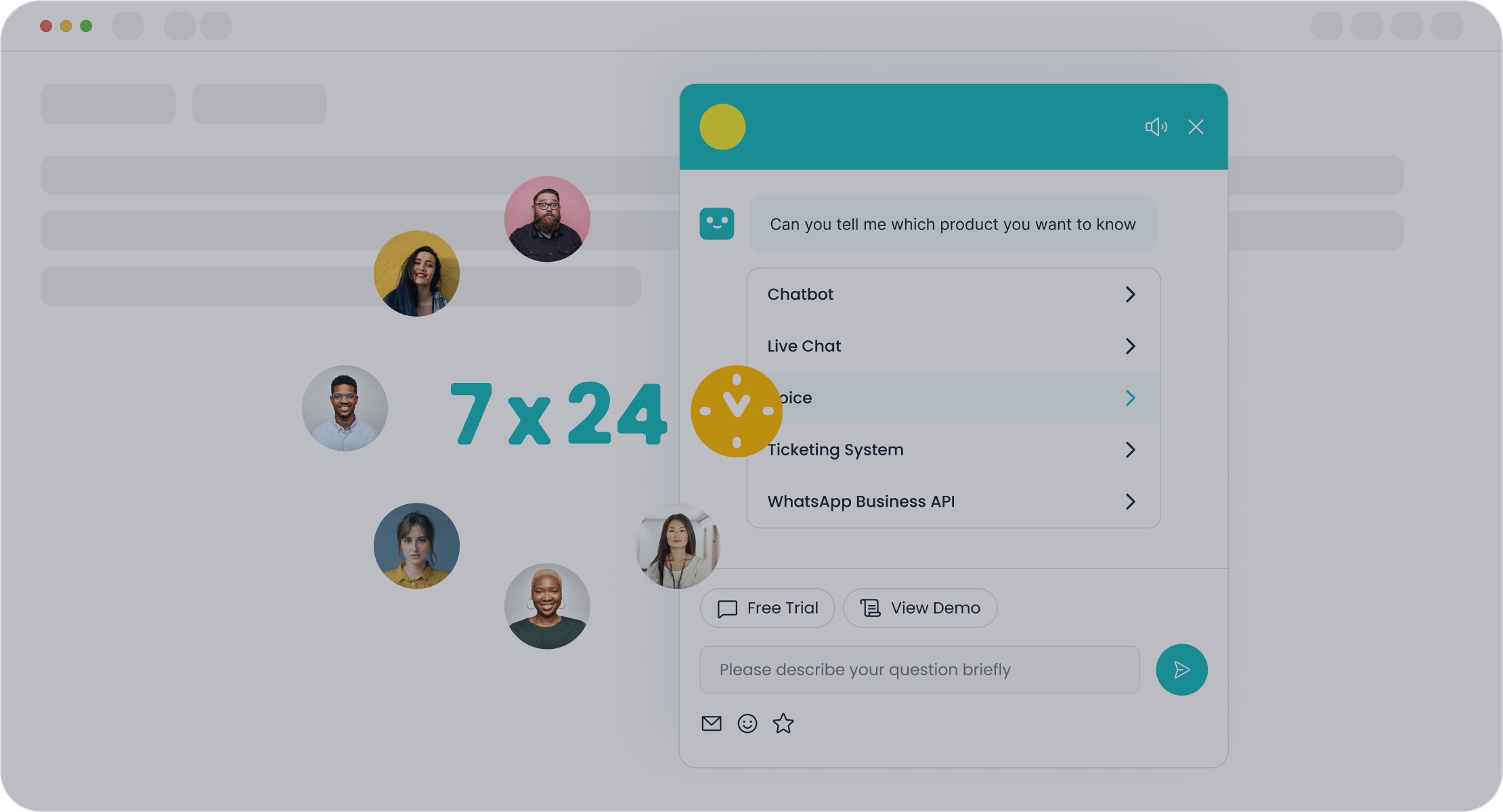
For example, leading smart device brand OPPO used Sobot's AI Chatbot to improve its service efficiency. This integration resulted in an 83% chatbot resolution rate and a 57% increase in their repurchase rate. This shows the powerful ROI of adding AI to your ecommerce portal. A comprehensive solution from Sobot can unify your chatbot, live chat, and ticketing system, creating a seamless support experience on your website. This makes your b2b ecommerce website a one-stop shop for both purchasing and support.
Step 5: Plan Your B2B Ecommerce Implementation and Launch
You have a strategy, a platform, and a design. Now you must execute your plan. A structured implementation and launch process minimizes risks and sets your b2b ecommerce website up for success. This phase turns your vision into a functional reality for your b2b customers. Proper planning ensures a smooth transition for your team and your clients.
Follow an Agile Development Plan
Adopt an agile approach for your b2b ecommerce web development. This method breaks the large project into smaller, manageable cycles. It allows your team to build, test, and refine features incrementally. This iterative process makes your b2b ecommerce implementation more flexible and responsive to feedback. An agile plan for your ecommerce platform delivers value faster.
The benefits of agile development for your b2b ecommerce website include:
- Faster Time-to-Market: You can launch core features quickly and add enhancements later.
- Increased Collaboration: It fosters clear communication between developers and business stakeholders.
- Better Quality Control: Continuous testing throughout the b2b ecommerce web development process catches issues early.
- Greater Flexibility: You can easily adapt the ecommerce platform to changing market needs or user feedback.
Conduct Thorough User Acceptance Testing
Before your website goes live, you must conduct User Acceptance Testing (UAT). This is the final verification step. Real end-users test the b2b ecommerce platform to ensure it meets their needs and business requirements. This is not just about finding bugs; it is about confirming the website works in real-world scenarios.
Pro Tip: Involve your actual b2b customers or internal power-users in the UAT process. Their feedback is invaluable for validating workflows, from account registration and ordering to checking shipment status. This ensures your platform is truly user-friendly.
This testing phase confirms that your system integration is working correctly and that the user experience is intuitive. Your b2b ecommerce web development is not complete without this critical validation.
Plan a Phased Go-Live Strategy
Avoid a "big bang" launch. A phased go-live strategy is a safer and more effective approach for a complex b2b ecommerce implementation. You can roll out the new ecommerce website to a small group of trusted customers first. This allows you to gather feedback, fix any unexpected issues, and refine your onboarding process. For example, industrial supplier Grainger drove adoption of its new platform by combining a strategic rollout with role-specific training and sales team incentives. This careful integration helped them successfully transition their b2b customers to the new ecommerce website. This method reduces risk and builds momentum for a full launch of your platform.
Step 6: Drive Adoption and Measure Success
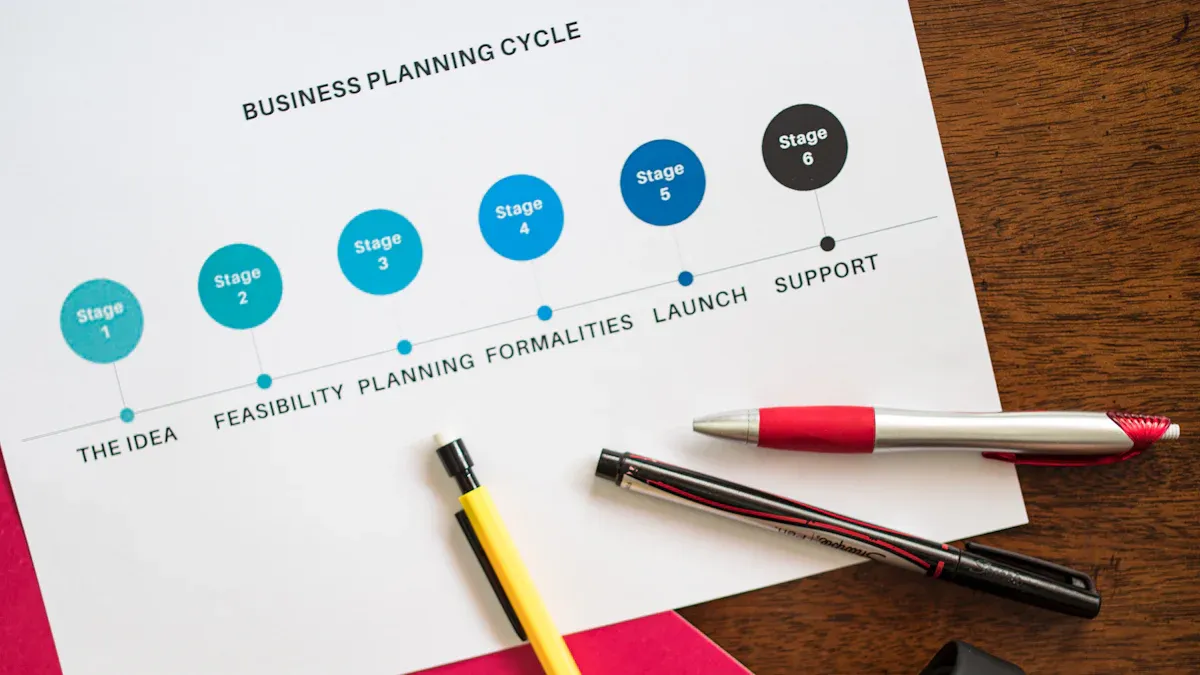
Launching your b2b ecommerce website is a major milestone, but the work doesn't stop there. Now, you must focus on encouraging users to adopt the new platform and continuously measuring its performance. This final step ensures your investment delivers long-term value and evolves with your customers' needs.
Create a User Onboarding Plan
A smooth onboarding process is critical for user adoption. Your goal is to help your b2b customers feel confident using the new ecommerce portal from their very first visit. A strong plan empowers them to learn independently.
Your onboarding process should include:
- A Welcome Message: Greet new users and introduce them to the platform.
- Self-Help Resources: Provide a library of video tutorials, detailed documentation, and FAQs.
- Guided Support: Offer interactive walkthroughs for key tasks like placing an order or managing account details.
By making your website easy to learn, you encourage repeat use and reduce the burden on your support team.
Monitor KPIs and Analyze User Behavior
To understand if your b2b ecommerce strategy is working, you must track your Key Performance Indicators (KPIs). Tools like Google Analytics can show you what is happening on your website, such as traffic sources and conversion rates. For deeper insights, platforms like Contentsquare help you understand why users behave a certain way by visualizing their journey.
By analyzing user behavior, you can identify friction points in the purchasing process. For example, you might discover that many users abandon their carts at a specific step. This data allows you to make targeted improvements to your ecommerce website and enhance the overall customer experience.
Gather Feedback for Continuous Optimization
Your b2b customers are your best source of information for improving your ecommerce platform. Actively collecting their feedback shows that you value their partnership and helps you refine the user experience. This process drives innovation and boosts customer satisfaction.
You can gather feedback through several methods:
- Surveys: Use Net Promoter Score (NPS) or Customer Effort Score (CES) surveys to gauge loyalty and ease of use.
- Feedback Forms: Place simple forms on your website to collect contextual comments.
- Direct Outreach: Speak with key accounts to get in-depth insights.
This continuous loop of feedback and improvement will ensure your b2b ecommerce portal remains a powerful tool that supports business growth.
You now have the six steps for a successful B2B ecommerce implementation. This guide covered strategy, platform choice, design, features, launch, and optimization. A well-planned B2B ecommerce portal is a strategic investment. It drives customer loyalty and revenue growth for your business-to-business operations. With 90% of B2B buyers willing to switch for a better ecommerce experience, a superior portal is essential. This ecommerce solution makes your B2B customer relationships stronger. Your new ecommerce portal is more than a sales channel; it is a competitive advantage.
Ready to build a powerful B2B ecommerce portal? Contact us by exploring an integrated ecommerce solution like Sobot to begin your digital transformation and empower your B2B customer.
FAQ
What is the main benefit of a B2B ecommerce self-service portal?
You empower your business customers to manage their own accounts. This portal allows them to place orders, track shipments, and view invoices 24/7. It improves customer satisfaction and reduces your administrative workload, making your B2B ecommerce operation more efficient.
What are the essential features for a B2B ecommerce website?
Your B2B ecommerce portal needs specific features. You should include customer-specific catalogs and pricing. Also, provide advanced search and quick order forms. Finally, offer self-service account management to give your customers full control over their purchasing process.
How does an AI chatbot improve a B2B ecommerce portal?
An AI chatbot enhances your B2B ecommerce portal by providing instant support. It answers routine questions about orders, products, and invoices anytime. This improves the user experience, increases efficiency, and allows your support team to focus on complex issues.
See Also
Mastering Shopify Live Chat: A 10-Step Setup Guide
Elevate SaaS Customer Service Through Effective Live Chat Strategies
Unlocking Sales Growth: The Power of Ecommerce Live Chat Software
Shopify Live Chat Success: Authentic Experiences from Real Users

