How to Build a Good Customer Service Experience


How much revenue are you losing to bad customer service? Businesses can lose up to 3% of their revenue from poor experiences. Building a great experience is a deliberate, step-by-step process, not a single secret. A strong strategy is essential. This guide offers practical steps to boost customer satisfaction and loyalty. You will see how an automated good customer service experience solution from Sobot, powered by Sobot AI and the Sobot call center, helps you succeed, knowing 86% of buyers will pay more for better service.
Define Your Customer Service Strategy

A solid plan is the foundation of every good customer service experience. You cannot leave customer interactions to chance. A clear strategy guides your team, aligns your efforts, and ensures every customer feels valued. This process begins with a deep understanding of your customers and your business.
Understand Customer Needs and Expectations
First, you must learn what your customers truly want. You can discover their needs and expectations through several methods.
- Customer need surveys
- In-person or telephone interviews
- Focus groups
- User needs assessments
Tip: Collect feedback continuously. Use small surveys within your app or website at different points in the customer journey. This gives you real-time insights instead of relying only on occasional, large-scale research.
Map the End-to-End Customer Journey
Next, you should map every interaction a customer has with your brand. This map shows you the complete customer journey from their perspective. Key touchpoints often include:
- Marketing emails and social media ads
- Your website landing pages and online chatbots
- Phone calls with your support team
- The checkout process and email confirmations
Visualizing this path helps you identify potential pain points and opportunities to create a better experience.
Set Clear Service Standards and Metrics
Your team needs clear goals to deliver consistent service. You should define Key Performance Indicators (KPIs) to measure success. Important metrics include:
- First Contact Resolution (FCR): This measures how often you solve an issue in the first interaction. A good FCR rate is between 70% and 79%.
- Average Handle Time (AHT): This tracks the average time an agent spends on an interaction, including talk, hold, and after-call work.
- Customer Satisfaction (CSAT): This score directly asks customers how happy they are with their experience.
These metrics help you track performance and find areas for improvement in your service strategy.
Build a Customer-Centric Company Culture
Finally, a good customer service experience depends on your entire company. You must build a culture that puts the customer first. Companies like Amazon and Ikea excel at this. You can start by defining and communicating a clear customer experience mission. This mission should guide how you hire, train, and reward your employees. When your whole team focuses on the customer, you create a powerful and positive brand reputation.
Empower Your Team for a Great Experience

A great strategy is only effective with the right team to execute it. Your customer service team is the face of your company. You must empower this team with the right training, skills, and technology to succeed. A well-supported team delivers a consistently good customer service experience.
Provide Comprehensive Product Training
Your team needs deep product knowledge to help customers effectively. You can build a strong training program for your customer service team.
- Use real-life examples and customer stories to make training relatable.
- Break down complex information into short, focused modules.
- Make learning interactive with quizzes, role-playing, and demonstrations.
A well-trained team feels confident. This confidence translates directly into better customer interactions and faster resolutions. Your team becomes a true resource for your customers.
Develop Essential Customer Communication Skills
Technical knowledge is not enough. Your team also needs strong communication skills. You should train your team to practice:
- Patience: Handling frustrated customers calmly.
- Attentiveness: Listening carefully to understand the real issue.
- Empathy: Connecting with customers on a human level.
These skills help your team navigate difficult conversations and build positive relationships. A skilled team can turn a negative situation into a good customer service experience.
Choose an Automated Good Customer Service Experience Solution
The right technology makes your team more efficient. An automated good customer service experience solution handles repetitive tasks. This frees up your team to focus on complex customer issues. When choosing a solution, look for key features like AI-powered chatbots, seamless integrations with your existing tools, and multichannel support. The right customer service automation technology helps your right team perform at its best. An automated good customer service experience solution is a powerful partner for your customer service team. This customer service automation is key. The right team with the right tools creates an amazing automated good customer service experience solution.
Foster Agent Autonomy and Trust
You should trust your team to make decisions. Giving agents autonomy empowers them to solve problems without needing approval for every step. This ownership leads to faster resolutions and a better good customer service experience. Empowered agents are more engaged and motivated. This approach improves key metrics like customer satisfaction and first contact resolution. When you trust your team, they take pride in their work, which builds stronger customer loyalty. This is where customer service automation and an automated good customer service experience solution can support your team.
Implement Customer Service Automation
Empowering your team is a great start. Now, you can supercharge their efforts. You need to implement customer service automation. This step uses technology to handle simple tasks, so your team can focus on complex problems. The right customer service automation creates a faster, more efficient, and more consistent good customer service experience.
An all-in-one contact center solution like Sobot helps you unify channels and automate workflows. This integration is key to modern support. It connects every part of your customer service strategy into one powerful system.
Unify Channels with an Omnichannel Platform
Your customers contact you through many channels. They might use email, social media, live chat, or phone calls. A multichannel approach offers these options, but they often work in isolation. This creates a broken experience. An omnichannel platform is different. It connects every channel. This provides a seamless and consistent good customer service experience.
The difference between these two approaches is significant.
| Feature | Omnichannel Support | Multichannel Support |
|---|---|---|
| Customer Experience | Seamless and consistent. Customers never repeat themselves. | Fragmented. Customers often repeat information on new channels. |
| Channel Integration | All channels are connected and share data in real-time. | Channels are separate and do not share information. |
| Data Sharing | Extensive data sharing gives agents a full customer history. | Minimal data sharing provides a limited view of the customer. |
| Focus | Customer-centric. The goal is a unified customer journey. | Channel-centric. The focus is on offering many contact options. |
Adopting an omnichannel platform powered by AI offers huge benefits for your business. This technology helps you build a better support system.
- Improved Agent Productivity: Agents see all past conversations in one place. This full visibility allows them to solve issues much faster. The integration of data means less time switching between tools.
- Consistent Brand Experience: You can use standardized templates and a central knowledge base. This ensures your service quality and messaging are the same on every channel.
- Better Data and Insights: An integrated system captures real-time insights from every interaction. This data helps you personalize support and improve your overall strategy.
Sobot’s Omnichannel Solution provides a unified workspace for your agents. It brings together customer data from all your channels, including voice, email, and social media. This integration gives your team the context they need to provide a truly personal and efficient good customer service experience.
Deploy 24/7 Automated Customer Service with Chatbots
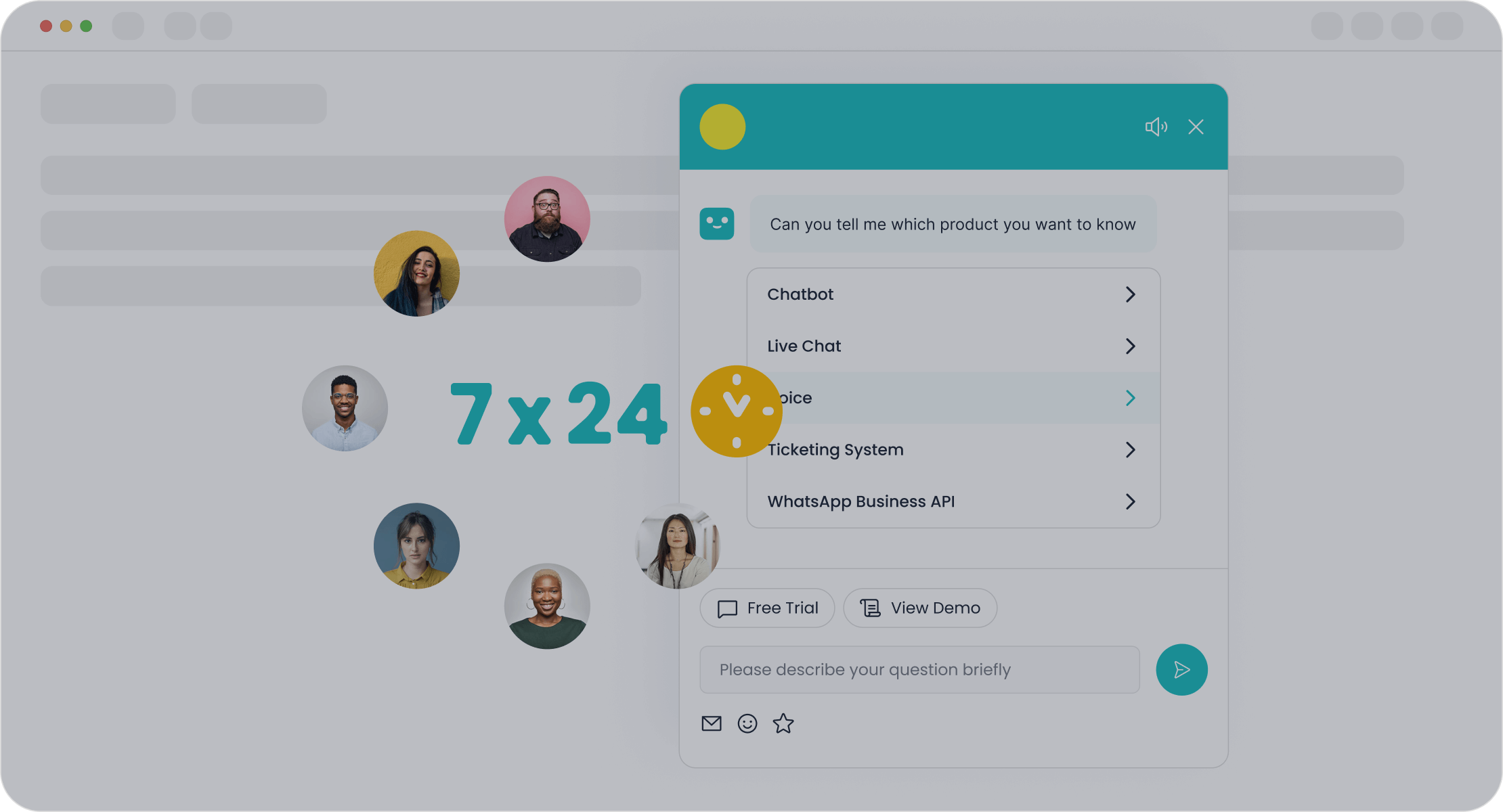
Customers expect answers instantly, day or night. Providing 24/7 human support is expensive. This is where automated customer service shines. Chatbots with AI can answer common questions anytime, without needing a human agent. This technology is no longer a novelty; it is a core part of modern customer service automation.
Statistics show how powerful AI chatbots have become. Over 80% of customer interactions are expected to be resolved by chatbots soon. Businesses that use them see real results.
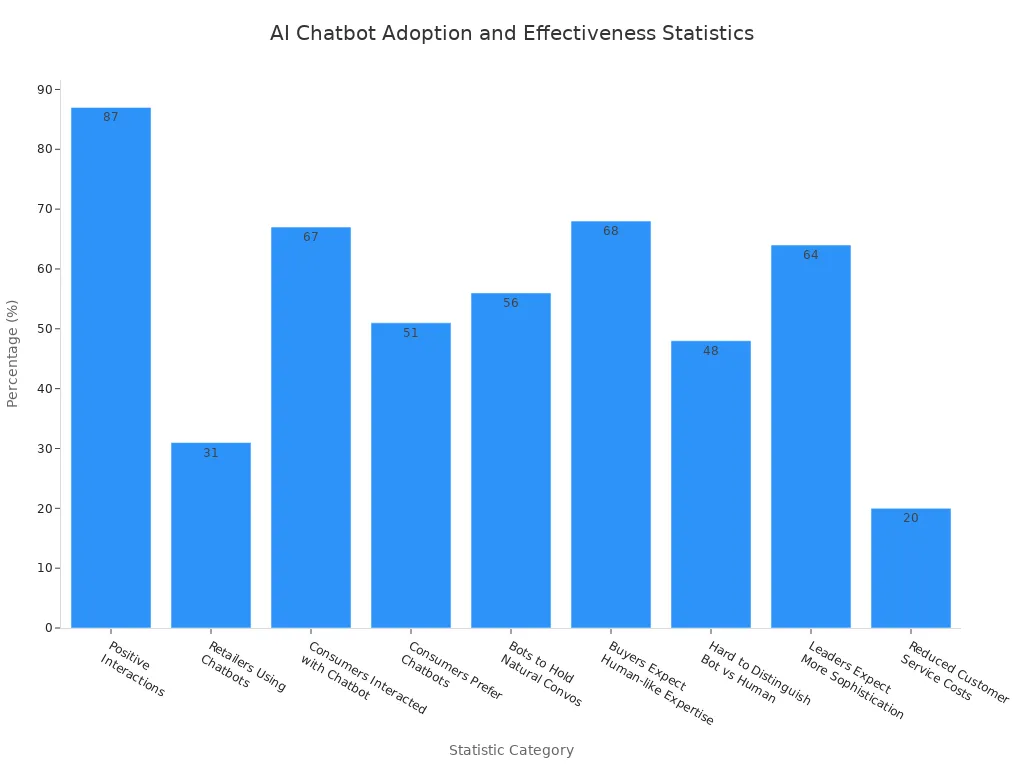
The Sobot AI Chatbot is designed to deliver these benefits. It offers powerful features for any business:
- 24/7 Availability: The chatbot works around the clock to provide instant automated customer service. This means your customers get help whenever they need it.
- No-Code Interface: You can design and deploy complex automated workflows without writing a single line of code. Its point-and-click interface makes the implementation simple.
- Improved Productivity: The Sobot AI Chatbot can improve your team's productivity by 70%. It handles routine queries, freeing up your agents for more challenging tasks. This human-machine cooperation is a game-changer.
Real-World Success: Leading smart device company OPPO used Sobot to transform its customer service. During peak shopping seasons, their inquiry volume surged. By implementing Sobot’s chatbot, OPPO achieved an 83% chatbot resolution rate. This successful implementation of customer service automation led to a 94% positive feedback rate from customers. You can read more about their story here.
This example shows the real impact of effective customer service automation. The right AI technology can dramatically improve efficiency and customer satisfaction.
Create a Self-Service Knowledge Base
Many customers prefer to find answers on their own. In fact, studies show that 81% of customers try to solve their issues through self-service before contacting a support agent. A comprehensive knowledge base is one of the most effective customer self-service options you can offer. It empowers customers and reduces the number of support tickets.
Creating a useful knowledge base requires a thoughtful approach. Here are some best practices:
- Understand Customer Needs: Analyze your support tickets and chatbot logs. Identify the most frequently asked questions. This tells you what content to create first.
- Organize Content Logically: Structure your knowledge base with clear categories and subcategories. An intuitive layout and a powerful search bar help users find information quickly.
- Write Clear and Concise Articles: Use simple language and avoid jargon. Break down complex topics into easy-to-follow steps with headings, lists, and images.
- Use a Feedback Loop: Include a simple "Was this article helpful?" button at the end of each page. This feedback helps you identify which articles need improvement.
A knowledge base is also a critical tool for your internal team and your AI. Sobot uses your knowledge base to power its AI chatbot, ensuring the automated customer service it provides is accurate and helpful. The AI can also help you identify gaps in your content, making the maintenance process much more efficient.
Optimize Your Ticketing System
Even with great self-service, customers will still need to contact you. A ticketing system is essential for effective customer inquiry management. It turns every customer request—whether from email, a web form, or social media—into a ticket. This creates an organized workflow for your support team.
An effective ticketing system is more than just a shared inbox. It should have features that boost efficiency and improve your customer inquiry management.
- Workflow Automation: Automatically route tickets to the right agent or department based on rules you set. This ensures the person with the right expertise handles the request.
- Ticket Categories and Tags: Organize tickets by type, priority, or status. This helps your team prioritize their work and gives you valuable data on common issues.
- Integration with Other Tools: Your ticketing system should connect with your CRM and other business software. This multi-channel support integration provides agents with complete customer context.
- Reporting and Analytics: Track key metrics like response times and resolution rates. These reports show you where your team is excelling and where you can improve.
Sobot’s Ticketing System is a core part of its customer service automation suite. It automates workflows, manages service level agreements (SLAs), and provides deep analytics. By automating repetitive tasks, the system can increase agent productivity by up to 25%. This allows your team to provide a faster and more effective good customer service experience. The right technology and a smart implementation plan make all the difference.
Personalize and Continuously Improve
A good customer service experience does not end after one interaction. You must constantly adapt and refine your approach. This means personalizing interactions and using feedback to make improvements. This ongoing process turns happy customers into loyal advocates for your brand.
Use Customer Data for Personalized Interactions
You can use customer data to create a more personal connection. Personalization shows customers you value them as individuals. In fact, 65% of customers feel it is important that agents have access to their full history. You can start by using data to ensure customers never have to repeat information.
Here are a few ways to personalize your service:
- Segment your audience: Group customers based on their behaviors and preferences. This allows you to send them more relevant messages.
- Use real-time data: Equip your agents with tools that show recent customer actions. This context helps them provide more helpful support.
- Offer loyalty rewards: Recognize your best customers with special offers. This simple act can greatly improve their good customer service experience.
Important: Always respect customer privacy. Be transparent about how you use data and make it easy for customers to opt out.
Actively Collect and Analyze Feedback
You cannot improve what you do not measure. You must actively collect feedback to understand what your customers think. There are many effective channels you can use to gather these valuable insights.
- Social Media Listening: Customers often share their honest opinions on social media. Monitoring these channels gives you real-time, candid feedback.
- Email and SMS Surveys: Send short surveys after a purchase or support interaction. SMS surveys are especially effective, with a 98% open rate.
- In-App Feedback: Collect feedback while users are actively engaged with your product. This provides immediate insights into their experience.
Implement a Net Promoter Score (NPS) Program
The Net Promoter Score (NPS) is a simple metric that measures customer loyalty. You ask customers one question: "On a scale of 0-10, how likely are you to recommend our company to a friend?"
Based on their answers, customers fall into three groups:
| Category | Score Range | Significance |
|---|---|---|
| Promoters | 9-10 | Loyal fans who will refer others. |
| Passives | 7-8 | Satisfied but not enthusiastic. |
| Detractors | 0-6 | Unhappy customers who may share negative feedback. |
You calculate your NPS by subtracting the percentage of Detractors from the percentage of Promoters. A score above 50 is considered excellent and shows you are creating a great good customer service experience.
Turn Insights into Actionable Improvements
Collecting data is only the first step. The real value comes from turning those insights into action. You need a structured process to analyze feedback and make meaningful changes. For example, a mid-sized telecom provider facing high churn used customer insights to improve their processes, which boosted customer satisfaction. A good customer service experience relies on this cycle of listening and improving. By consistently acting on feedback, you show customers that their voice matters and build a stronger, more customer-centric business. This commitment is key to a lasting good customer service experience.
Building a superior customer service experience is an ongoing journey, not a one-time project. Your long-term success depends on a commitment to continuous evolution. You can create lasting customer loyalty by focusing on these key pillars:
- Defining a clear service strategy.
- Empowering your team with the right skills.
- Implementing automation with solutions like Sobot.
- Using feedback to constantly improve.
Take the first step toward proactive, AI-driven support today. Embark on Your Contact Journey.
FAQ
What is a good customer service experience?
A good customer service experience makes your customers feel heard, valued, and supported. You provide fast, helpful, and personal support across all channels. This positive interaction builds trust and loyalty, turning happy customers into brand advocates. A great strategy creates this experience consistently.
Why is customer service automation important?
Automation handles simple, repetitive tasks for you. This frees up your team to solve complex customer problems. Tools like chatbots offer 24/7 support, which improves efficiency and customer satisfaction. It is a key part of building a modern, good customer service experience.
How can I start improving my customer service?
You can start by understanding your customers' needs. Map their journey to find pain points. Then, set clear service goals for your team. Collecting and acting on customer feedback is also a great first step toward a better good customer service experience.
What is an omnichannel platform?
An omnichannel platform connects all your customer communication channels. It creates a single, unified view of the customer. This allows you to provide a seamless and consistent good customer service experience, no matter how a customer contacts you.
See Also
Elevate Customer Happiness: Ten Strategies for Superior Live Chat Experiences
Achieving Excellence: Top Practices for Call Center Quality Management Success
Transforming Support: How AI Agents Are Revolutionizing Customer Service Interactions
Selecting the Right Software: Ten Tips for Social Media Customer Service
Become a Pro: Mastering Live Chat for Exceptional Customer Support

