Aligning Customer Care Objectives with Company Goals in 2025


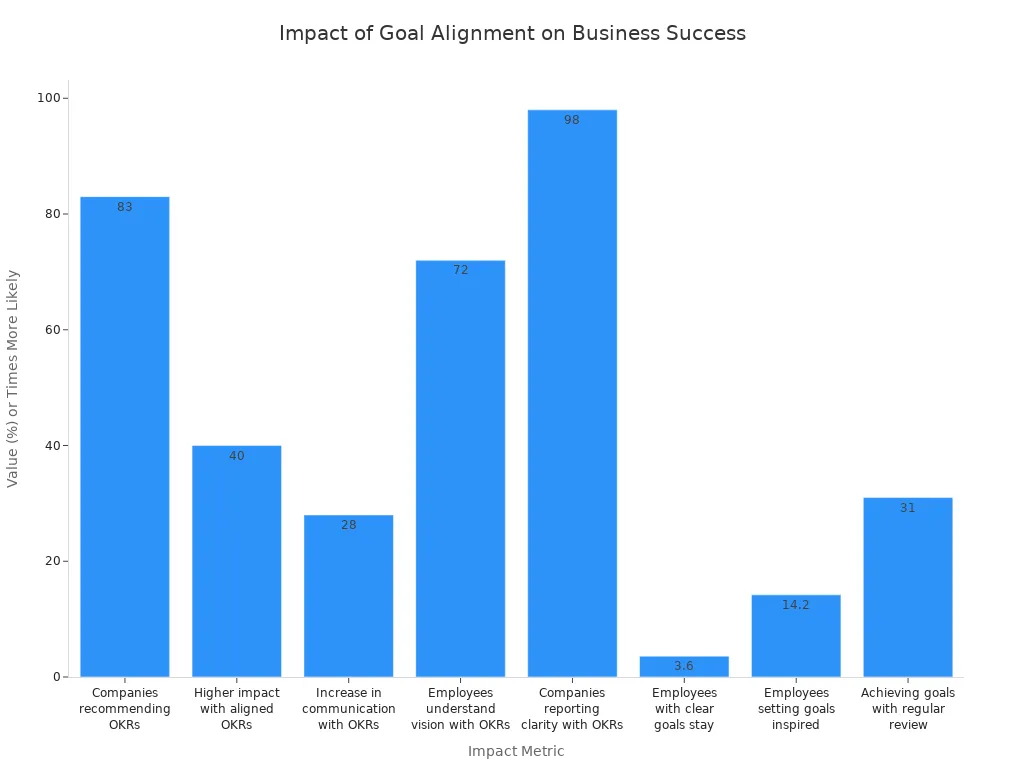
When you align customer care objectives with your business goals, you set your company up for real success in 2025. If you miss this alignment, you risk inefficiency, lost opportunities, and unhappy customers. Take a look at the numbers—companies using clear goals see a 40% higher impact and 98% report better clarity.
Customer experience shapes your brand and keeps people coming back. Sobot AI and the Sobot call center help you deliver seamless support and build trust every day.
Strategic Value of Alignment
Business Impact
When you align your customer care objectives with your business goals, you set your company up for real growth. Alignment means everyone in your company works toward the same organizational goals. This focus helps you use your resources better and move faster when the market changes. For example, a semiconductor manufacturer improved its customer service to meet higher demand and win back market share in Asia. They linked service upgrades directly to their business objectives, which made a big difference in their results.
You can see the same pattern in other industries. A motion picture company changed its customer service system to reduce unresolved tickets and boost satisfaction scores. This shift helped them stop losing market share. When you align your customer care goals with your business objectives, you get better efficiency, faster decision-making, and a stronger position in the market.
Companies like Amazon and Apple show how goal alignment with customer needs leads to higher satisfaction and loyalty. They use customer research and set clear goals that match what their customers want.
Sobot’s mission fits right into this idea. Sobot focuses on innovation, customer-centricity, and efficiency. The platform uses AI-powered chatbots and a user-friendly interface to help you respond faster and handle routine questions automatically. This lets your team focus on more complex tasks and supports your organizational strategy for growth.
Customer Experience
Alignment between customer care and business goals does more than improve operations. It also boosts the customer experience. When you track metrics like Customer Satisfaction (CSAT) and Net Promoter Score (NPS), you can see how well your goals match what your customers expect. Hilton Hotels, for example, uses these metrics to find areas to improve, make guests happier, and build loyalty. This approach leads to more repeat business and higher revenue.
You can use the same strategy. Set clear goals for your customer care team and connect them to your organizational goals. This way, every interaction supports your business objectives and helps you stand out from the competition. Sobot’s solutions make this easier by giving you tools to automate responses, track performance, and personalize service across channels. When you align your goals, you create a better experience for every customer and drive real business impact.
Setting Customer Care Objectives
Setting the right customer care objectives is like giving your team a map. You want everyone to know where they are going and how to get there. When you connect these objectives to your business goals, you help your company move forward with purpose. Let’s break down how you can set clear team goals that actually make a difference.
SMART Goals
You might have heard about SMART goals before. This framework helps you create objectives that are easy to understand and track. SMART stands for Specific, Measurable, Achievable, Relevant, and Time-bound. When you use this method, you make sure your customer care objectives are not just words on paper—they become real targets your team can hit.
Here’s how you can use SMART goals for customer care:
- Specific: Pick a clear customer issue to solve. For example, you might want to lower call transfer rates or cut down on wait times. Avoid vague goals like “make customers happier.”
- Measurable: Choose numbers you can track. You could look at average resolution time or first-call resolution rate. This way, you know if you’re making progress.
- Achievable: Set goals your team can reach. If you ask for the impossible, people get frustrated. Make sure your targets fit your resources.
- Relevant: Connect your goals to your business goals. If your company wants to improve customer retention, focus on objectives that help keep customers coming back.
- Time-bound: Give your team a deadline. For example, try to reduce wait times by 50% in six weeks. Deadlines keep everyone moving.
Tip: Use KPIs like Customer Satisfaction Score (CSAT) or Net Promoter Score (NPS) to measure your progress. These numbers show if your customer goals are working.
You can also try other frameworks if SMART doesn’t fit your style. Some teams use OKRs (Objectives and Key Results), MASTER, WOOP, or EOS Rocks. The best choice depends on your company culture and what your team needs. Here are some best practices to keep in mind:
- Pick a framework that matches your team’s way of working.
- Break big goals into smaller, measurable steps.
- Share your goals with everyone. Make sure the whole team understands what matters.
- Track your progress where everyone can see it.
- Stay flexible. If your business goals change, update your customer care objectives too.
“Simply HAVING a widely shared goal that the whole team knows and understands is what matters. Don’t overthink it. DO overshare it.” – Kerrie Luginbill, Chief Strategy Officer, OTM
When you set customer care objectives this way, you help your team stay focused and motivated. You also make it easier to achieve goals that matter for your business.
Linking to Company Vision
Now, let’s talk about how you connect your customer care objectives to your company’s big picture. Every company has a vision—a reason for doing what they do. When you link your customer goals to this vision, you make sure every action supports your business goals.
Start by asking yourself: What are our business goals? Maybe you want to grow sales, improve customer loyalty, or become a leader in your industry. Once you define business goals, you can set customer care objectives that help you get there.
For example, if your company wants to boost customer retention, your customer care objectives might focus on faster response times or better self-service options. If you want to stand out for excellent service, you might set goals around high CSAT scores or quick problem resolution.
Sobot takes this approach to heart. The company’s mission is all about innovation, customer-centricity, and efficiency. Sobot uses AI-powered chatbots and a unified workspace to help you reach your customer goals. With Sobot, you can automate routine questions, track performance, and give your team more time for complex issues.
Here’s a look at how Sobot’s customer-centric goal setting delivers results:
| Aspect | Description / Result |
|---|---|
| Approach | Uses generative AI chatbots and a knowledge base to boost service and productivity. |
| Collaboration | Chatbots handle routine queries; agents focus on positive customer experiences. |
| Efficiency Increase | 6X improvement in operational efficiency. |
| Cost Reduction | 25% decrease in overall costs. |
| Customer Satisfaction | 30% improvement in customer satisfaction scores. |
| Self-Service Boost | 45% increase in customer self-service usage. |
| Automation | 70% of customer interactions automated. |
| Average Handling Time | 40% reduction in average handling time. |
| 24/7 Service Access | 50% improvement in round-the-clock service. |
| Sales Growth | 20% increase in sales from this approach. |
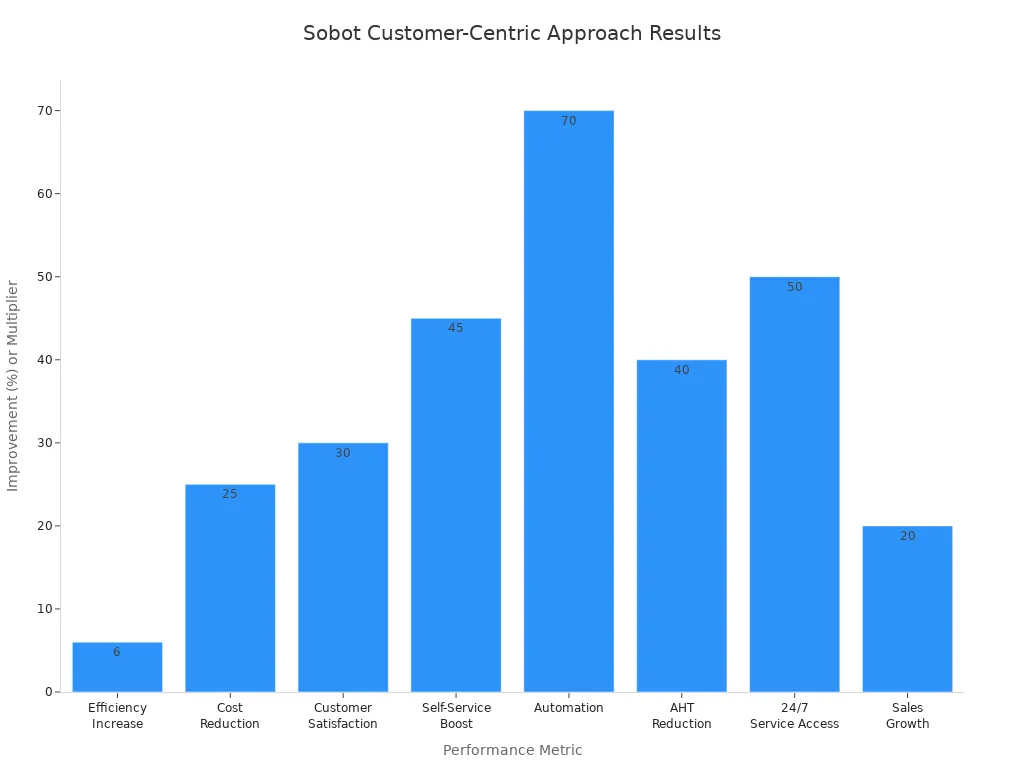
You can see how linking customer care objectives to business goals pays off. Sobot’s tools help you set clear team goals, automate tasks, and track your progress. This makes it easier to achieve goals that matter for your company and your customers.
Note: When you align your customer goals with your company vision, you give your team a sense of purpose. Everyone knows why their work matters.
To sum up, setting customer care objectives is not just about picking numbers. It’s about making sure every goal supports your business goals and helps your team deliver great customer experiences. Use frameworks like SMART, share your goals, and keep them connected to your company’s vision. With the right approach, you can achieve goals that drive real results for your business and your customers.
Mapping the Customer Journey
Understanding your customer journey is like having a map for your business. When you know every step your customer takes, you can make sure your customer goals match what really matters. Mapping the journey helps you see where customers get stuck, what makes them happy, and how you can improve their experience.
Key Touchpoints
You interact with your customer at many points. Each touchpoint shapes how they feel about your brand. If you want to align your customer goals with company goals, you need to know these moments well.
- Customer support channels: Live chat, AI bots, email, phone, and social media let you talk to your customer directly. Using an omnichannel platform like Sobot brings all these together for a smooth experience.
- Customer onboarding: The first days matter most. Quick help and clear guides keep your customer from leaving early.
- Customer success programs: After a sale, you can keep your customer happy by checking in and solving problems fast.
- Self-service resources: Knowledge bases and AI tools let your customer find answers on their own, which saves time for everyone.
- Loyalty programs: Rewards and discounts encourage your customer to come back and share good reviews.
Tip: Mapping all these touchpoints helps you spot gaps, fix pain points, and make sure your customer goals support your business goals.
Journey Optimization
When you optimize the customer journey, you make every step easier and more enjoyable. You remove obstacles, personalize messages, and create a seamless path from start to finish. This approach can boost customer satisfaction by up to 20% and increase sales by 25% or more (source).
Sobot’s omnichannel solution helps you do this by unifying all customer interactions in one place. You get real-time data, AI-powered chatbots, and smooth handoffs between bots and humans. Companies using Sobot have seen:
| Result Achieved | Description |
|---|---|
| 25% increase in sales | Sales revenue grew after using Sobot’s omnichannel solution. |
| 30% reduction in customer complaints | Fewer issues thanks to better service quality. |
| Up to 80% of inquiries resolved autonomously | AI agents handle most questions, saving time and effort. |
| 25% increase in customer satisfaction | Real-time data and personalization make customers happier. |
| 15% increase in customer retention | More customers stay loyal due to better experiences. |
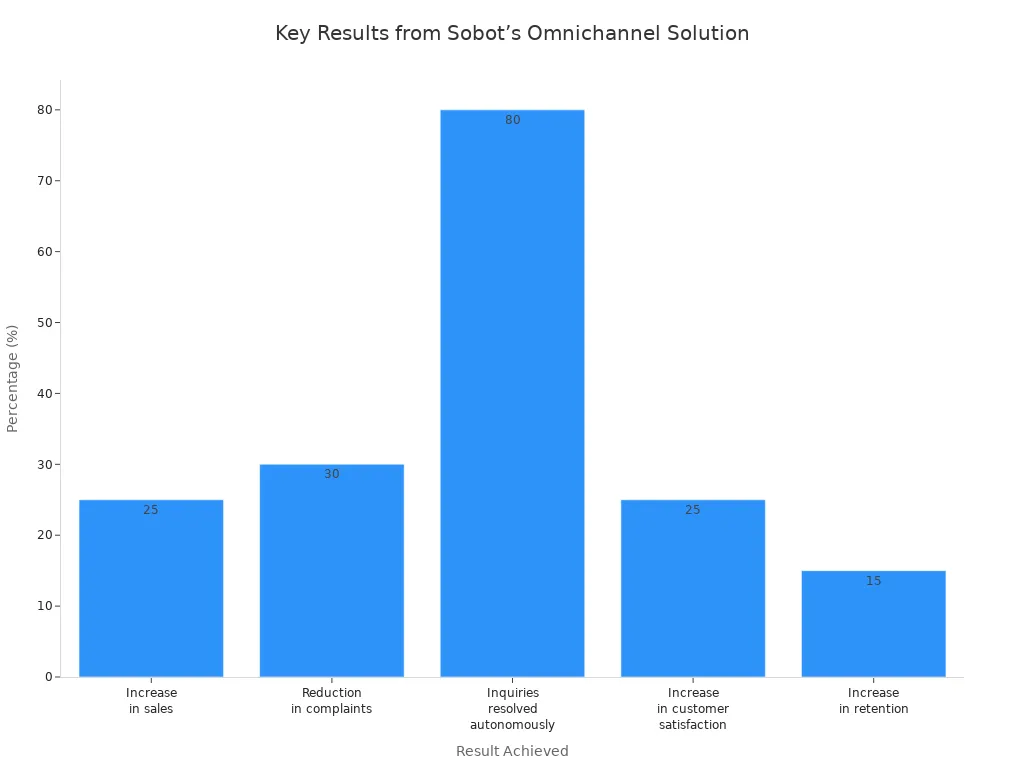
When you map and optimize the journey, you make sure your customer goals drive real business results. You also build trust and loyalty that lasts.
Integrating Metrics to Align Goals
You can’t improve what you don’t measure. That’s why integrating the right metrics is key if you want to align your customer care team’s goals with your company’s business objectives. When you use the right performance indicators and data-driven insights, you make sure everyone is moving in the same direction. Let’s break down how you can use metrics to drive real alignment and boost results in 2025.
Performance Indicators
Think of performance indicators as your team’s scoreboard. These numbers show you if you’re winning or if you need to change your game plan. The best KPIs help you connect your daily work to your company’s big-picture goals. You want to pick indicators that matter for both your customers and your business.
Start by looking at your company’s value proposition and what you want to achieve. Maybe you want happier customers, faster service, or more sales. Once you know your business objectives, you can set KPIs that help you get there. For example, if your goal is to keep customers coming back, you might track Customer Satisfaction (CSAT) and Net Promoter Score (NPS). If you want to save time and money, you might focus on Average Handle Time (AHT) or First Contact Resolution (FCR).
Here’s a table that shows some of the most effective KPIs for customer care and how they align with business success:
| KPI Name | Description | Business Alignment Impact |
|---|---|---|
| Customer Satisfaction (CSAT) | Measures how happy customers are with the support experience. | Directly reflects customer loyalty and retention, key business outcomes. |
| First Contact Resolution (FCR) | Percentage of queries resolved in the first interaction without callbacks or transfers. | Improves operational efficiency and customer experience, reducing costs and increasing satisfaction. |
| Average Handle Time (AHT) | Average time taken to handle and complete a customer inquiry including talk and wrap-up time. | Balances efficiency with quality, impacting cost control and customer wait times. |
| Resolution Time | Time taken to close a support ticket. | Faster resolution enhances customer satisfaction and operational throughput. |
| Repeat Contact Rate | Frequency of customers needing to contact again for the same issue. | Indicates effectiveness of issue resolution, impacting customer retention and operational costs. |
| Net Promoter Score (NPS) | Measures likelihood of customers recommending the company. | Links customer satisfaction to business growth through referrals and brand reputation. |
| Customer Lifetime Value (CLV) | Total revenue expected from a customer over their relationship with the company. | Aligns customer service efforts with long-term business profitability. |
| Customer Effort Score (CES) | Measures how much effort customers expend to get their issues resolved. | Lower effort correlates with higher satisfaction and loyalty, supporting business retention goals. |
You don’t have to use every KPI at once. Pick the ones that fit your company’s current needs. For example, if you want to reduce repeat calls, focus on Repeat Contact Rate and FCR. If you want to grow your brand, keep an eye on NPS and CSAT.
Tip: Use tools like the Business Model Canvas to clarify your value proposition and customer relationships before you set your KPIs. This helps you make sure your metrics support your business objectives.
Sobot Voice/Call Center makes it easy to track customer goals and measure what matters. The platform gives you access to over 300 statistical reports and thousands of indicators. You can monitor everything from call volume to agent performance in real time. This helps you see where your team shines and where you need to improve. With Sobot, you can align goals across your team and make sure everyone is working toward the same outcomes.

Data-Driven Insights
Numbers alone don’t tell the whole story. You need to turn your data into insights that help you make better decisions. Data-driven insights give you a clear picture of what’s working and what needs to change. They help you move from guessing to knowing.
When you use analytics, you get a factual basis for every decision. You can see which customer care strategies support your business objectives and which ones need a tweak. For example, if your data shows that customers wait too long on hold, you can set a goal to reduce Average Handle Time. If you notice that customers keep calling about the same issue, you can improve your knowledge base or train your team to solve problems faster.
Here’s how data-driven insights help you align goals with your company’s direction:
- You define specific business objectives and set measurable targets for your team.
- Insights reveal what your customers like and what frustrates them, so you can personalize your service.
- Sharing reports and dashboards with your team keeps everyone on the same page.
- Continuous monitoring lets you adjust your strategy as your business grows or changes.
- AI-powered tools speed up insight generation and prevent information silos, so everyone benefits from the latest data.
Sobot Voice/Call Center stands out with its advanced analytics and monitoring features. You get process monitoring, quality inspection, and data statistics all in one place. The platform brings together data from phone, email, chat, and social media, so you get a complete view of your customer interactions. With AI-driven insights, you can spot trends, manage team workload, and improve service quality. This makes it easier to align your customer care strategy with your business objectives.
Note: Sobot’s analytics help you see what matters most. You can track customer goals, measure team performance, and make changes fast. This keeps your customer care team in sync with your company’s direction.
Let’s look at a real-world example. Imagine your team uses Sobot’s analytics to discover that most customer complaints happen during peak hours. You can use this insight to schedule more agents during busy times or improve your self-service options. Over time, you’ll see fewer complaints and higher satisfaction scores. That’s the power of goal alignment backed by data.
You don’t have to rely on gut feelings anymore. With the right metrics and insights, you can align your goals with your company’s vision and drive real results. Sobot gives you the tools to make this happen, so you can focus on what matters—happy customers and a growing business.
Align Team Goals Across Departments

Collaboration
You know how hard it can be when teams work in silos. People miss out on sharing ideas, and customers feel the gap. To create real organizational alignment, you need to break down those walls and align team goals with your company’s vision. Start with shared goals that everyone understands. When leadership sets clear organizational goals, every department knows how their work fits into the bigger picture.
Here are some ways you can boost team collaboration and engagement:
- Set common goals that connect individual efforts to the company’s mission.
- Hold regular cross-functional meetings or standups. These help teams share updates and solve problems together.
- Celebrate wins as a group, not just as individuals or departments. This builds trust and encourages everyone to support each other.
- Invest in team-building activities. When people know each other, they share information more easily and resolve issues faster.
- Make sure leaders act as champions for alignment. They should encourage collaboration and spot misalignments early.
Sobot’s unified workspace makes this even easier. You can bring together sales, marketing, and support teams in one place. Everyone sees the same customer data and works toward the same organizational goals. This kind of alignment leads to faster decisions and a better customer experience.
Communication
Great collaboration needs strong communication. You want everyone to know the vision and how their work supports organizational goals. Start by sharing a clear message about what matters most. Use SMART goals that flow from top-level strategy down to each person’s daily work.
Try these practices to keep everyone aligned:
- Use shared tools like Sobot’s workspace to keep conversations and updates in one spot.
- Recognize and reward teamwork. This boosts employee engagement and shows that working together matters.
- Track progress with dashboards and regular check-ins. This keeps everyone accountable and focused on organizational goals.
- Make sure leaders model good communication. When leaders talk openly and resolve conflicts quickly, teams follow their lead.
When you align communication and collaboration, you connect individual efforts to the company’s big picture. This creates a culture where everyone supports each other and works toward shared success.
Leveraging Technology for Alignment
AI and Automation
You see technology changing the way you handle customer care every day. AI and automation help you align your customer goals with your company’s big picture. Here’s how these tools make a difference:
- AI takes care of routine customer questions, so your team can focus on tough problems.
- Chatbots use natural language to talk with customers, making each interaction feel personal.
- AI can even sense how a customer feels and respond in a caring way.
- Smart systems give customers quick answers, which means less waiting and more satisfaction.
- AI works all day and night, so your customer always gets help when they need it.
- Automation cuts costs and helps your business grow without losing quality.
- AI studies customer behavior and gives them what they want, building loyalty.
- Your team can learn new skills and work with AI to solve complex customer issues.
Industry experts say that by 2025, 95% of customer interactions will use AI. This means you need to keep up with new tools to stay ahead (source).
Omnichannel Solutions
You want your customer to have a smooth experience, no matter how they reach out. Sobot’s omnichannel solution brings all your customer conversations—phone, chat, email, and social media—into one place. This helps you give fast, personal support every time.
- Sobot’s platform lets you answer customer questions quickly, which keeps them happy and loyal.
- Automation handles simple tasks, so your team can spend more time helping customers with bigger needs.
- Real-time feedback helps your agents do their best work and keeps your customer care on track.
- The system learns from every customer interaction, so you can keep improving your service.
- Sobot’s tools even help you spot customer emotions, so you can respond with empathy.
Let’s look at OPPO. They used Sobot’s AI chatbots and saw a 15% drop in customer churn. Customer satisfaction jumped by 20%. Engagement went up by 20% too. These results show how the right technology can help you meet your customer care goals and grow your business.
Tip: Keep training your team and updating your tools. This way, you always give your customer the best support possible.
Continuous Review and Adaptation
You can’t set your customer care objectives and forget about them. The world changes fast, and so do your customers. If you want to stay ahead, you need to review and adjust your goals all the time. This helps you keep your team focused and your business growing.
Feedback Loops
Feedback loops help you listen, learn, and act. When you use feedback from your customer, you spot problems early and find new ways to improve. Here’s how you can build strong feedback loops:
- Set clear goals for what you want to learn from your customer.
- Collect feedback from many places—calls, chats, emails, and surveys.
- Look for patterns in what your customer says. Find common issues or things they love.
- Make changes based on what you learn. Fix problems and try new ideas.
- Tell your customer what you changed because of their feedback.
Companies that close the loop with their customer build trust and loyalty. When you show that you listen and act, your customer feels valued.
Sobot makes this process simple. With Sobot’s analytics and reporting tools, you can track feedback from every channel in one place. You see what your customer wants and how your team performs. This helps you make smart changes fast and keeps employee engagement high.
Market Changes
Markets never stand still. New technology, changing customer habits, and even new rules can shake things up. You need to adapt your customer care objectives to keep up. Here are some ways you can respond:
- Watch for new trends, like more people shopping on their phones. Did you know that 58% of shoppers now use mobile devices? (source)
- Use digital tools like Sobot’s omnichannel platform to reach your customer wherever they are.
- Stay flexible. If your customer starts asking for faster service, adjust your team’s goals.
- Train your team to handle new tools and customer needs.
- Keep talking with your team about what’s changing and how you can win together.
Tip: Regular check-ins and open talks help your team stay ready for anything. Celebrate wins and learn from mistakes to boost employee engagement.
When you review your goals often and use the right tools, you keep your customer care objectives in line with what your customer and your business need. Sobot’s analytics help you spot trends, measure progress, and make changes that matter. This way, you turn change into a chance to grow.
Staying aligned with your customer care objectives and company goals helps your business grow stronger.
- Teams with strong alignment see up to double the profits and 21% higher productivity.
- Managers who connect goals and give feedback keep everyone motivated and on track.
When you use data-driven tools like Sobot, you spot trends, adapt fast, and keep customers happy.
| Benefit | How It Helps Your Business |
|---|---|
| Unrivaled Adaptability | Respond quickly to market and customer needs |
| Better Communication | Teams work together and share insights |
Keep reviewing your goals, use smart solutions, and you’ll set your business up for long-term success. 🚀
FAQ
What are customer care objectives, and why do they matter?
Customer care objectives are clear targets for your support team. They help you focus on what matters most—like faster replies or happier customers. When you link these objectives to your company goals, you boost efficiency and keep your business growing.
How do I align customer care objectives with company goals?
Start by understanding your company goals. Then, set customer care objectives that support those goals. For example, if you want more loyal customers, focus on quick responses and helpful service. Sobot’s unified workspace makes this process simple and effective.
Can technology help me reach my customer care objectives?
Absolutely! Tools like Sobot’s omnichannel solution and Voice/Call Center let you track progress, automate tasks, and connect with customers on every channel. Companies using Sobot have seen up to a 25% increase in customer satisfaction and a 30% boost in productivity.
How often should I review my customer care objectives?
You should check your customer care objectives regularly—at least every quarter. Markets change fast. Sobot’s analytics and reporting tools help you spot trends and adjust your goals quickly, so you always stay on track with your company goals.
What’s a real example of aligning customer care objectives with company goals?
OPPO used Sobot’s AI chatbots to handle more customer questions and improve service. They saw a 20% jump in customer satisfaction and a 15% drop in churn. This shows how linking customer care objectives to company goals drives real results. Read more
See Also
Discover The Leading Cloud Contact Centers For 2025
Effective Strategies For Managing Call Center Quality
Best Ten Voice Of Customer Tools To Use In 2024

