AI or Human for Multilingual Customer Support?

Answering the "AI vs. human customer service" question is complex. You need the right strategy to support customers in multiple languages effectively. For most businesses, a hybrid model combining AI and human agents is the best approach for multilingual customer support. AI offers speed for simple tasks, while a human provides empathy for complex issues. This article helps you find the right balance of AI and human support for your specific customer service needs and customer journey.
💡 Did You Know? Over 67% of consumers worldwide have used a chatbot for customer support in the past year. This shows a growing acceptance of AI in service interactions. Many companies, like those using Sobot, leverage AI to improve their customer experience. This trend highlights the importance of integrating AI into your customer support strategy.
When to Use AI for Customer Support Translation

You can use AI translation to enhance your customer support strategy in several key areas. AI excels where speed, volume, and cost-efficiency are your top priorities. Integrating AI for specific tasks allows your team to provide better service and lets your business grow smarter.
For Speed and 24/7 Availability
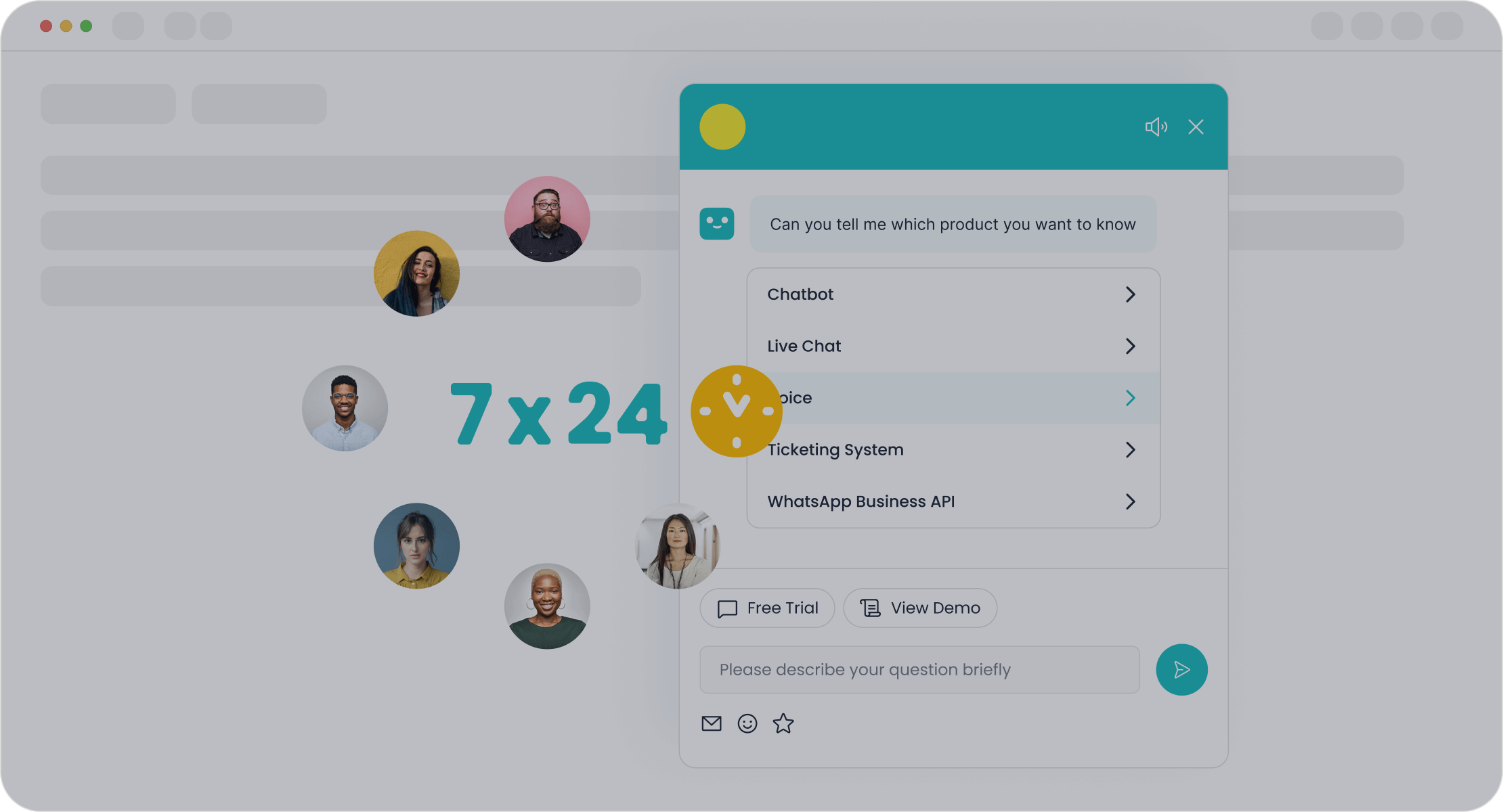
Modern customers expect fast answers at any time of day. AI makes this possible. According to Zendesk data, nearly half of all customers believe 24/7 support is a core part of good customer service. AI customer service tools provide instant, real-time responses around the clock. This means a customer in a different time zone gets help immediately, without waiting for your human team to start their day.
💡 Pro Tip: Businesses that use AI for 24/7 support can see customer satisfaction scores increase by up to 30%. An AI tool like the Sobot Chatbot offers this continuous service, using AI translation to communicate with any customer in their native language. This level of speed and availability builds customer loyalty.
For High-Volume, Repetitive Tasks
Your support team likely spends a lot of time on the same questions. AI translation is perfect for automating these high-volume, repetitive tasks. This frees up your human agents for more complex problems. AI can handle:
- Answering frequently asked questions (FAQs)
- Checking order status or shipping updates
- Processing simple returns and refunds
- Greeting a customer and verifying their identity
By automating these routine jobs, AI translation boosts your team's overall efficiency. This allows your customer support agents to focus their skills where they matter most, improving the quality of your service.
For Cost-Effective Scalability
Expanding your business globally presents a major challenge: providing customer support in new languages. Hiring a large, multilingual team is expensive. AI offers a cost-effective solution. AI translation allows you to offer support in many languages without a proportional increase in staff.
An AI-powered system can automate 80-90% of repetitive customer interactions. For example, the Sobot Chatbot helps businesses improve productivity by 70% and save up to 50% on agent costs. This powerful efficiency allows you to scale your operations, enter new markets, and provide excellent customer service with a controlled budget. The AI handles the initial translation and support, making global growth much more manageable.
When to Use Human Agents for Customer Support
While AI offers incredible efficiency, it cannot replace the value of human connection. Your customer support strategy needs human agents for situations that demand empathy, judgment, and a deep understanding of context. A human provides a level of service that builds lasting trust with your customer base.
For Complex and High-Stakes Issues
You should use human agents when a customer faces a complex or high-stakes problem. AI translation is great for simple questions, but it lacks the critical thinking needed for sensitive issues. A human can provide the high-quality service and accuracy required in these moments. Human translation ensures nothing is lost when the customer is already frustrated. Your human agents are essential for:
- Helping a customer who is upset about a delayed delivery.
- Troubleshooting a technical problem that requires dynamic conversation.
- Calming an angry customer with skilled conflict resolution.
In these cases, a human offers the empathy and judgment that an AI simply cannot. This ensures a better outcome for your customer and protects your brand's reputation.
For Cultural Localization and Nuance
AI translation often fails to capture cultural nuance, which can damage your brand. A literal word-for-word translation can lead to confusing or even offensive messages. For example, KFC’s "Finger-Lickin’ Good" slogan was once translated into Chinese as "Eat Your Fingers Off." This kind of mistake shows why human translation is vital for true localization.
AI translation struggles because it lacks emotional intelligence and cultural training. It cannot understand idioms or local expressions. High-quality human translation provides the cultural sensitivity needed for effective localization. This ensures your message resonates positively with your target audience. The accuracy of human translation protects your brand and shows your customer you care.
For Building Customer Relationships
Building a real relationship with a customer requires a human touch. Human agents create emotional connections that foster loyalty and trust. While AI can be helpful, a human makes a customer feel truly heard and valued. This is a key part of excellent customer service.
Human agents use powerful skills to connect with your customer:
- Active Listening: They pay close attention to understand a customer's true needs and concerns.
- Personalization: They tailor the conversation to make each customer feel important and unique.
This level of personalized service and quality interaction is something AI translation cannot replicate. Investing in human translation and human agents for relationship-building is an investment in long-term customer loyalty.
How to Support Customers in Multiple Languages with a Hybrid Model

The best strategy does not force a choice between AI and human support. Instead, you can build a powerful hybrid model that uses the strengths of both. This approach helps you support customers in multiple languages with great efficiency and quality. A practical guide can help you create a system where AI and human agents work together seamlessly.
Map Support Needs by Complexity
First, you need to understand your customer's journey. Mapping their experience helps you decide where AI translation can help and where human translation is necessary. You can create a customer journey map to see every interaction from their perspective.
This process involves a few key steps:
- Create Personas: Develop fictional profiles of your typical customer groups.
- Map Stages: Break the journey into phases like awareness, purchase, and loyalty.
- Identify Touchpoints: Pinpoint every action, emotion, and interaction point for your customer.
- Find Opportunities: Analyze the map to see where you can improve the customer experience.
Once you map the journey, you can categorize support queries. This helps you assign the right resource to each task. AI customer service is perfect for instant, high-volume, and repetitive questions. A human is better for issues that need empathy and critical thinking.
| Function | AI Customer Service | Human Customer Service |
|---|---|---|
| Availability | 24/7 instant response | Limited to business hours |
| Task type | Repetitive, rule-based tasks | Complex, nuanced, emotion-rich issues |
| Empathy & judgment | Limited emotional intelligence | Strong empathy and critical thinking |
| Ideal role | First-line triage, data capture, agent assist | Escalations, personalized customer care |
Use AI for tasks like password resets, checking account balances, or routing a customer to the right department. Reserve your human agents for high-stakes problems. This includes helping with credit card fraud, advanced technical support, or calming a frustrated customer. This division of labor ensures a high quality of service.
Define Clear Escalation Paths
A successful hybrid model needs a smooth handover from AI to a human. You must define clear escalation paths so a customer never feels stuck. The goal is to make the transition seamless and preserve all the important information.
Your system should proactively offer a human agent when it detects customer frustration, like repeated questions or negative words. When the transfer happens, the AI should provide clear reassurance. It can tell the customer that a human is on the way and understands their issue.
💡 Key to a Smooth Handoff: The secret is context. When an AI escalates a chat, it must package the entire conversation history. This includes customer data and chat timestamps. The information is sent to the human agent's screen. The agent can review everything before they even say hello. This means the customer never has to repeat themselves. This process makes the human translation and support much more effective.
This seamless integration is critical for a good customer experience. It ensures that the human agent has all the context needed to provide high-quality human translation and resolve the issue quickly. This level of ai-human collaboration turns a potentially frustrating moment into a positive service interaction.
Equip Human Agents with AI Tools
AI is not just for talking to your customer. It is also a powerful tool for your human agents. Equipping your team with AI-driven tools makes them faster, smarter, and more effective. This is the core of true ai-human collaboration.
AI tools can assist your human agents in many ways:
- Suggesting Responses: AI can analyze a customer's question and suggest the best answer.
- Sentiment Analysis: The system can detect a customer's emotion, flagging frustrated users for priority attention.
- Automating Tasks: AI handles data entry and repetitive tasks, freeing up the human agent to focus on the customer.
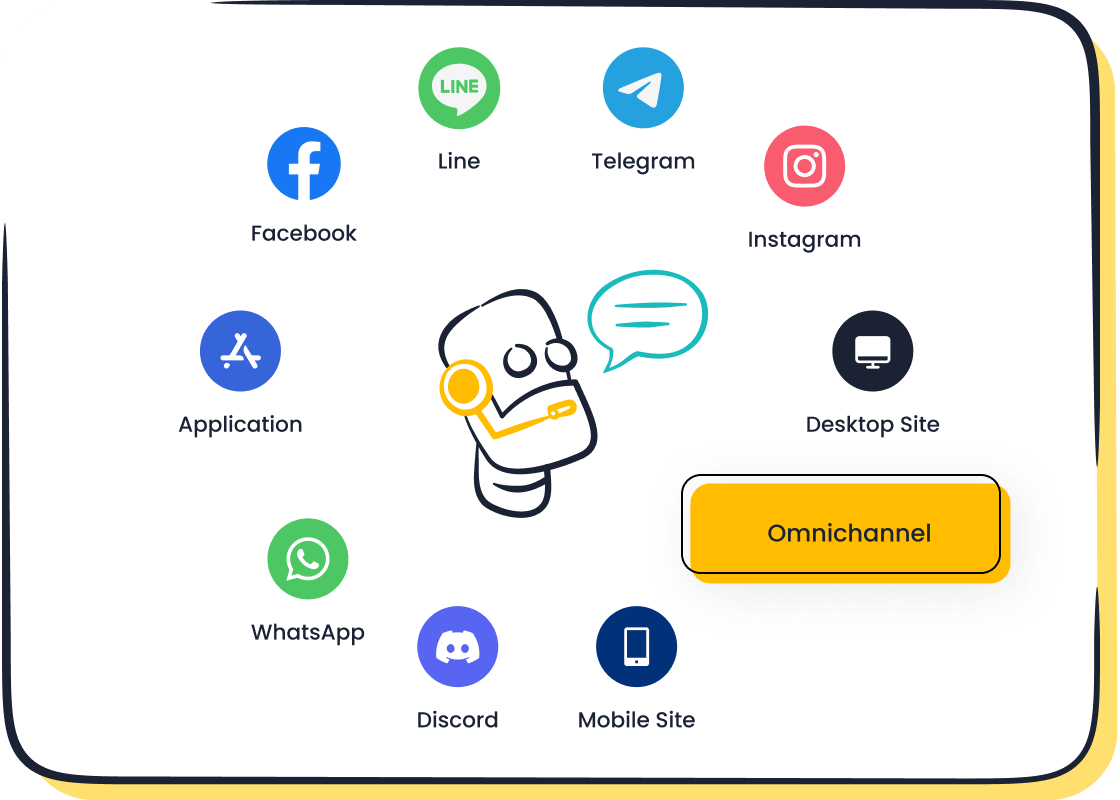
Solutions like the Sobot Omnichannel Solution provide a unified workspace where these tools come together. It integrates live chat, a voice call center, and a ticketing system into one platform. This allows your human agents to manage all conversations from a single screen, with AI assistance built-in. The AI can provide instant translation, allowing an agent who speaks one language to confidently support customers in multiple languages. This improves both efficiency and the quality of the human translation.
Implementing this model is easier than you think. For example, the Sobot Chatbot uses a no-code, point-and-click interface. You can design and deploy automated workflows without any coding experience.
Success in Action: How Weee! Boosted Performance with a Hybrid Model America's largest online Asian supermarket, Weee!, used Sobot to blend IVR automation with skilled human agents. By implementing a flexible system that provided better routing and multilingual support, they achieved incredible results. Agent efficiency increased by 20%, and their customer satisfaction score reached 96%. This case study shows how the right hybrid strategy helps you support customers in multiple languages while improving your bottom line. You can read more about their story here.
By giving your human agents the right AI tools, you empower them to provide faster, more accurate service. This investment in technology enhances the value of your human translation and support, leading to happier agents and a more loyal customer base.
Measuring the Success of Your Translation Strategy
After you build your hybrid model, you need to measure its success. Tracking the right metrics helps you understand what works. It shows you how your AI and human agents improve the customer experience. This data allows you to refine your translation strategy for better results.
Key Metrics for AI Performance
You should track specific metrics to evaluate your AI performance. These numbers show how effective your AI translation is. The containment rate is a key metric. It measures how many customer inquiries the AI resolves without any human help. A higher rate means your AI is working well. You can also measure the deflection rate. This shows how many issues the AI deflects from your human team.
💡 What to Track for AI Success:
- Containment Rate: The percentage of queries your AI fully resolves.
- Error Rate: The number of incorrect answers the AI provides.
- Customer Satisfaction (CSAT): A score showing how happy a customer is with the AI interaction.
Monitoring these metrics helps you improve the accuracy and effectiveness of your AI translation. It ensures the AI provides a positive experience for every customer.
Key Metrics for Human Agent Performance
You also need to measure your human team's performance. This helps you see the value of human translation. First Call Resolution (FCR) is a vital metric. It tracks how often a human agent solves a customer issue on the first try. A high FCR means your team is efficient and effective.
You should also assess the translation quality and accuracy of your multilingual support. This ensures your human agents communicate clearly and handle complex customer issues with care. Good human translation builds trust with your customer. Tracking these metrics helps you identify training opportunities for your human agents.
Evaluating Overall Customer Experience and ROI
Finally, you must look at the big picture. Evaluate the overall customer experience and your return on investment (ROI). You can use surveys to ask a customer directly about their satisfaction. You can also analyze 100% of conversations with AI tools to predict satisfaction without bothering the customer.
To measure ROI, look at business outcomes.
- Do you see higher conversion rates in new language markets?
- Are customer retention rates improving?
- Is your cost to acquire a new customer going down?
Answering these questions shows the financial impact of your translation strategy. It proves that your investment in AI and human support is creating a better journey for every customer.
The ai vs human customer service debate presents a false choice. Your goal is strategic integration for a better customer experience. This approach combines the best of both worlds to serve your customer effectively.
You use AI for speed and efficiency. You leverage a human for the quality and nuance your customer deserves.
A well-executed hybrid model helps you support customers in multiple languages. A solution like Sobot improves your service, translation quality, and the overall customer experience. This ensures every customer receives high-quality service with great speed. Your customer will appreciate this focus on their needs, and your customer will reward you with their loyalty. This is how you serve your customer.
FAQ
What is a hybrid support model?
A hybrid model combines AI and human agents. You use AI for simple, repetitive tasks like answering common questions. Your human agents handle complex issues that need empathy and critical thinking. This approach balances efficiency with quality service.
How does an AI chatbot handle different languages?
AI chatbots use machine translation to understand and respond in many languages. A system like the Sobot Chatbot can instantly talk with a global customer in their preferred language. This provides 24/7 support without needing a multilingual team.
Can I set up an AI chatbot without coding?
Yes, you can. Modern AI tools offer simple interfaces. For example, the Sobot Chatbot uses a no-code, point-and-click builder. You can design and launch automated workflows easily, with no technical experience required for setup.
When should I escalate a chat to a human agent?
You should escalate a chat when the AI cannot solve the problem or detects frustration. Set rules to automatically transfer the conversation. This ensures a human agent can resolve sensitive or complex issues, providing a better experience.
See Also
Transforming Customer Support: The AI Agent Revolution in Service
Optimizing Customer Interactions: Mastering Live Chat for Superior Support
Evaluating Leading Voice of Customer Software Solutions for Businesses
Unlocking Peak Performance: AI Customer Service Software Enhances Efficiency
Comprehensive Review of AI-Powered Enterprise Call Center Solutions

