How AI Voice Agents Power Automated AI Calling

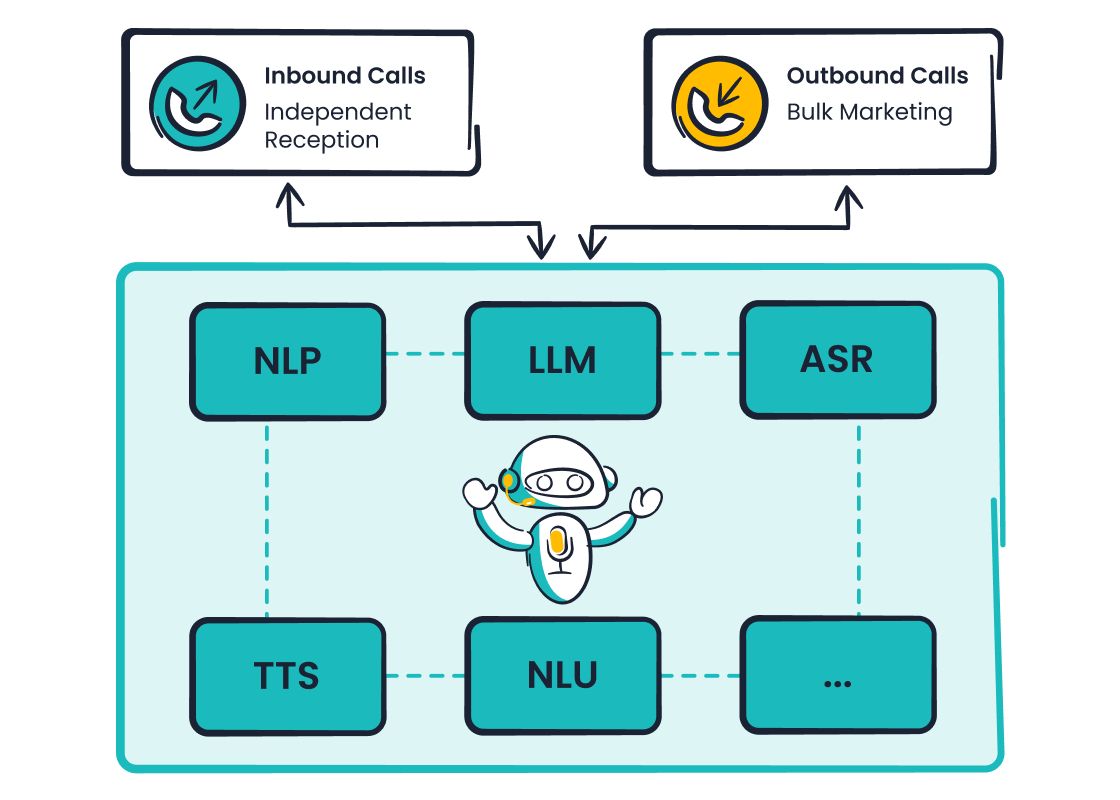
An AI voice agent is intelligent software using conversational AI to manage customer phone calls in real-time, just like a human agent. Its core function is powering AI callings through automation. This helps automate customer service conversations without human intervention. The AI voice market is growing fast, projected to expand from USD 14.29 Billion in 2025 to USD 41.39 Billion by 2030.
Note: This growth shows why these AI voice agents are becoming essential for modern customer service.
Solutions from providers like Sobot use powerful AI to deliver this service. The Sobot AI platform and Sobot call center solutions use this AI voice technology. A skilled AI voice agent provides 24/7 support for any customer with a human-like voice quality. This advanced AI makes every voice interaction with a customer and an agent feel personal and efficient. The quality of the AI voice is key.
How an AI Voice Agent Works
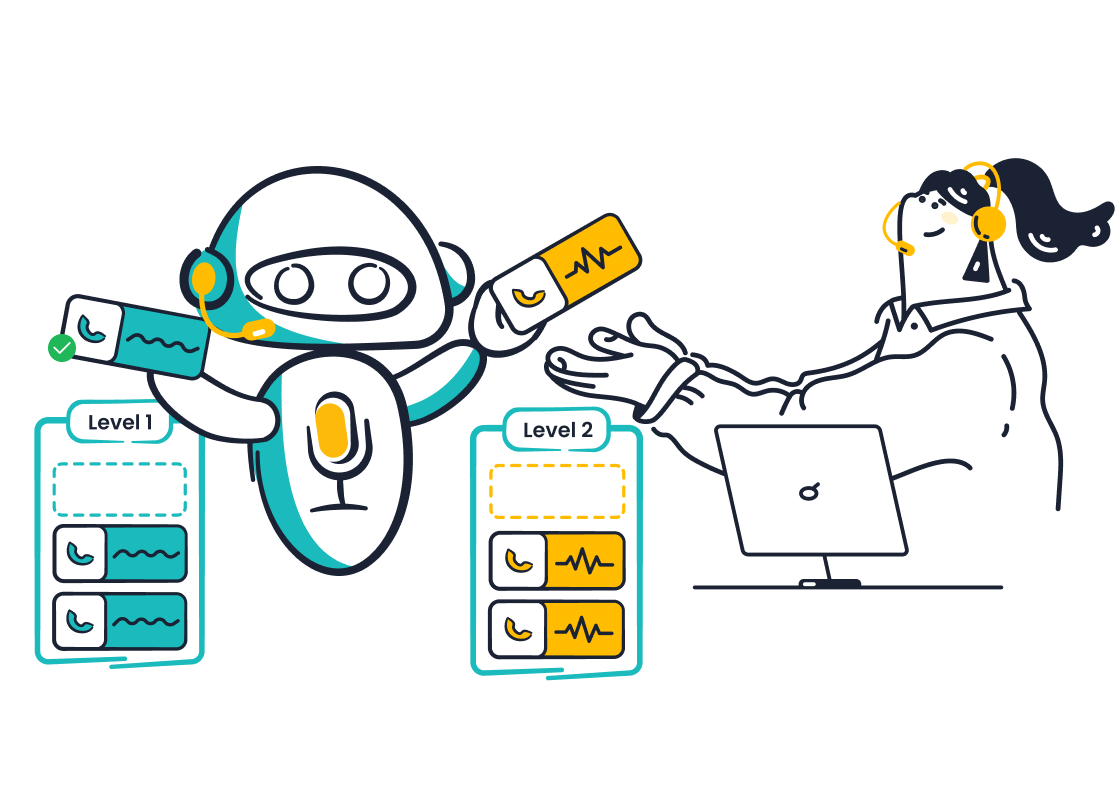
An AI voice agent transforms customer service by creating intelligent, two-way conversations. Unlike traditional Interactive Voice Response (IVR) systems that rely on rigid "Press 1 for sales" menus, modern AI voice agents engage in dynamic dialogue. They understand what a customer says and why they are calling. This allows for a more natural and efficient interaction.
The key difference is a shift from a fixed, rule-based system to a flexible, conversational one. An AI voice agent doesn't just follow a script; it understands and responds.
| Feature | Traditional IVR | AI Voice Agents |
|---|---|---|
| Interaction Style | Rigid menu trees, button presses | Natural language, human-like conversations |
| Core Technology | Pre-recorded audio, basic commands | Speech-to-Text (STT), Natural Language Understanding (NLU), Text-to-Speech (TTS) |
| Flexibility | Limited to predefined options | Dynamic dialogue flow, adapts to user requests |
| Customer Experience | Often frustrating, leads to menu fatigue | Intuitive, fluid, and improves satisfaction |
The magic behind this technology happens in four key stages.
Speech-to-Text (ASR)
The first step is for the AI to listen and understand the spoken word. This is handled by Automatic Speech Recognition (ASR), a technology that converts human voice into machine-readable text. The process is incredibly fast and accurate.
- Capture Speech: The system captures the caller's voice through a microphone or phone line.
- Signal Processing: It then processes the sound to identify key features like pitch, tone, and frequency.
- Pattern Recognition: The ASR system uses an acoustic model to compare these sound patterns against a vast database of known words and phonetic units.
- Contextual Interpretation: Finally, a language model refines the transcription by analyzing the context of the words, ensuring the output is an accurate representation of what the user said.
Advanced speech recognition engines, like those used in Sobot's Voicebot, are trained on millions of hours of audio data, enabling them to understand different accents, dialects, and speaking styles with high precision.
Natural Language Understanding (NLU)
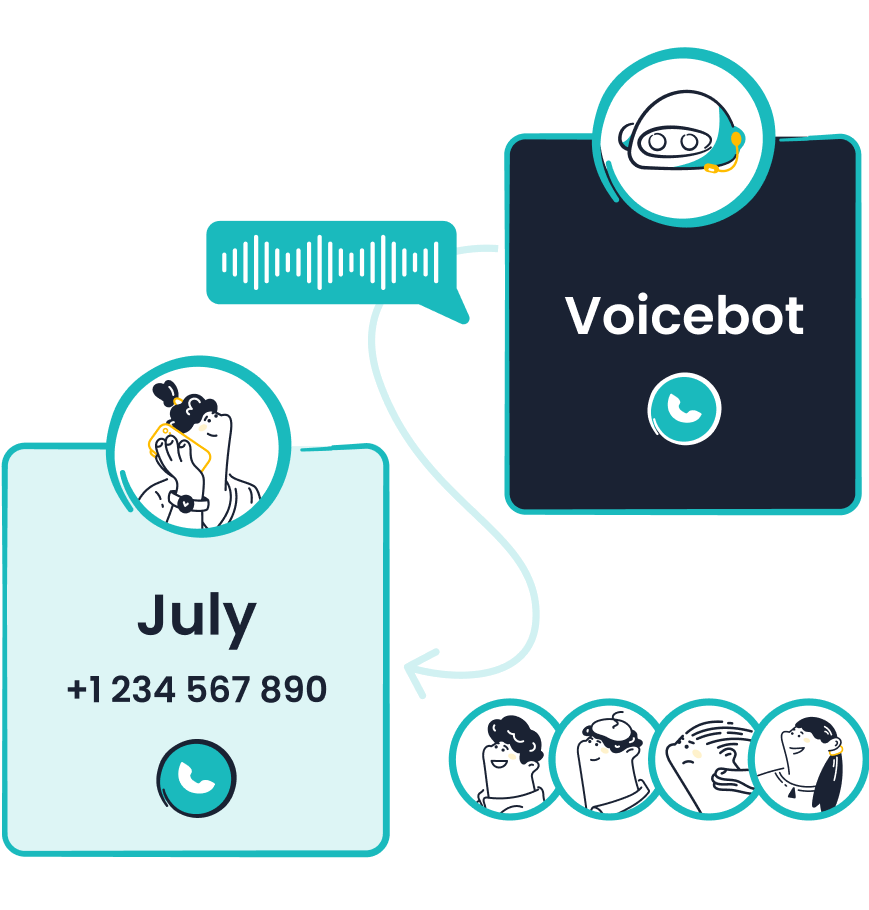
Once the customer's speech is converted to text, the AI needs to comprehend its meaning. This is where Natural Language Understanding (NLU), a core component of natural language processing, comes in. NLU goes beyond just recognizing words; it deciphers the user's intent.
- Intent Recognition: The system determines the primary goal of the caller. For example, it understands that "I need to change my flight" and "Can I book a new flight?" are both requests related to booking management.
- Entity Extraction: It identifies and pulls out key pieces of information, or "entities," from the conversation. These can be names, dates, locations, or account numbers.
Modern solutions like Sobot's Voicebot leverage advanced natural language processing and Large Language Models (LLMs) to achieve a deeper level of understanding. This allows the AI voice system to handle open-ended questions and complex requests, creating a truly helpful conversational experience.
Dialogue Management and Integrations
After understanding the user's request, the Dialogue Management system decides what to do next. It acts as the brain of the AI voice agent, managing the flow of the conversation. This system maintains context, remembers previous parts of the discussion, and determines the most logical response or action.
The dialogue manager uses a set of rules and policies to guide the conversation toward a successful resolution. For example, if a customer asks to check an order status, the agent knows it needs to ask for an order number. This is not a rigid script but a flexible logic that adapts to the user's input.
To be truly effective, voice bots integrate with other business systems. An agent can connect to:
- CRM (Customer Relationship Management) systems to pull up customer history.
- ERP (Enterprise Resource Planning) systems to check inventory or order details.
- Ticketing systems to create or update support cases.
This integration allows the AI to provide personalized and accurate information without needing to transfer the call to a human agent.
Text-to-Speech (TTS)
The final step is for the AI to respond. The Text-to-Speech (TTS) engine converts the system's text-based response into a natural, human-like voice. This process involves:
- Text Normalization: The system converts text, numbers, and abbreviations into full, spoken words.
- Phonetic Conversion: It then breaks down these words into phonemes, the basic units of sound.
- Speech Synthesis: Finally, the AI voice engine generates the audio, using advanced neural networks to produce a voice with realistic intonation, pitch, and rhythm.
Modern TTS technology can even convey different tones and emotions. This allows voice bots to sound empathetic, helpful, and engaging, making the interaction feel less robotic and more human. The quality of the AI voice is crucial for building customer trust and ensuring a positive experience.
Key Capabilities of Automated AI Calling
Modern AI callings go far beyond simple automated messages. They offer a suite of advanced capabilities that transform the customer experience. An advanced ai voice system can understand, adapt, and solve problems in real time. This makes every voice interaction more efficient and personal.
Handling Open-Ended Questions
A key strength of a modern ai voice agent is its ability to handle open-ended questions. Unlike old systems that required specific commands, today's AI can understand natural language. A customer can describe their issue in their own words.
The AI uses generative AI to create accurate, conversational responses. It analyzes the customer's words to understand their meaning, context, and even emotion. This allows the AI to manage follow-up questions without losing track of the conversation.
For example, a customer might say, "I'm having trouble with my recent order, the one with the blue shirt." The AI understands this is a support query and identifies the specific order without needing an order number first.
This capability comes from several core functions:
- Natural Language Understanding: The AI interprets the caller's intent. It learns from every call to improve its accuracy over time.
- AI-Driven Response Generation: The system selects the most relevant response from company data. This keeps the dialogue natural and helpful.
- Continuous Learning: The AI voice agent gets smarter with each interaction. It adapts to new questions and refines its tone, becoming more effective.
Maintaining Call Context
A great conversation requires memory. An AI voice agent excels at maintaining context throughout a multi-turn conversation. It remembers what was said earlier in the call. This prevents the customer from having to repeat information.
The AI uses several techniques to keep track of the dialogue:
- Sending Conversation History: The system can review the entire conversation history for each new response. This ensures its answers are always relevant to what has already been discussed.
- Modifying Context: To work faster, the agent can summarize parts of the conversation. It sends only the most important details to its brain, which reduces delays.
- Function Calling: The AI uses "function calling" to interact with backend systems. It can fetch information, transfer a call, or follow a specific workflow. This helps the voice agent move the conversation forward logically.
These techniques ensure a smooth and intelligent dialogue. The customer feels heard because the AI remembers the details of their unique situation.
Integrating with Business Systems
An AI voice agent does not work in isolation. It connects directly with a company's existing business systems. This integration is crucial for providing personalized and effective service. API integration allows the AI to access and update customer data in real time.
This connection enables several powerful actions:
- Connecting to Customer Databases: The AI gets real-time access to customer profiles and past interactions. This allows for highly tailored responses.
- Integrating with CRM Systems: The agent can retrieve a customer's history for a more informed conversation. It also automates data entry by logging call details directly into the CRM.
- Syncing with Service Systems: The AI can create, track, and update support tickets automatically. This streamlines routine service tasks like scheduling or checking a status.
This deep integration means the AI has all the information it needs at its fingertips. It can check an order status, update an address, or book an appointment without human help.
Seamless Handoffs to Human Agents
Sometimes, a human touch is necessary. A sophisticated AI knows when to escalate a call to a human agent. This process is designed to be completely seamless, so the customer experience is never disrupted. The goal is to transfer the call at the right moment with all the necessary context.
Triggers for a handoff include:
- Signs of Frustration: The AI can detect a raised voice or words that signal confusion.
- Complex Queries: The system recognizes questions that are beyond its capabilities.
- Direct Requests: A customer can always ask to speak to a person directly.
- Sensitive Cases: Situations requiring empathy, like reporting a death, are immediately routed to a human.
When a handoff is triggered, the AI follows a clear protocol. It summarizes the conversation and provides all relevant details to the human agent. This "warm transfer" means the customer does not have to start over. The human agent can pick up the conversation right where the AI left off, creating a unified and efficient support experience for all ai callings.
The Business Impact of AI Callings
Adopting AI callings creates significant value for customers, businesses, and support agents. This technology transforms the traditional contact center by introducing speed, efficiency, and intelligence. The impact is clear across the entire customer service ecosystem.
For Customers: Faster Resolutions
Customers receive faster help with an AI voice agent. AI provides 24/7 availability, so customers can get support anytime without waiting for business hours. This constant service access drastically reduces wait times. An AI can instantly handle common requests like order updates or account questions. For example, Weee!, America's largest online Asian supermarket, used Sobot's voice product to achieve a 50% reduction in resolution time. This shows how a smart AI voice system improves the customer experience by solving problems quickly and efficiently. The AI understands a customer's needs and provides immediate answers, leading to higher satisfaction.
For Business: Reduced Costs and Higher Efficiency
Businesses see major financial benefits from AI automation. An AI voice agent handles a high volume of calls at a fraction of the cost of a human agent. This technology can reduce cost-per-contact by 80%, a key value of Sobot's Voicebot. This efficiency comes from automating routine tasks. The AI handles simple inquiries, which lowers staffing expenses. This call center automation allows businesses to scale their customer service operations without hiring more people. The AI works around the clock, boosting productivity and ensuring a consistent service level.
For Agents: Focus on Complex Issues
AI empowers human agents to perform more meaningful work. The AI voice system manages repetitive questions, such as password resets or billing inquiries. This automation frees the human agent to concentrate on complex issues that require critical thinking and empathy. Instead of answering the same questions all day, agents can solve unique customer problems and build stronger relationships. This shift in focus makes their jobs more engaging and satisfying. The AI acts as a helpful partner, handling the simple tasks so the human team can deliver high-value customer service.
Real-World Success with an AI Customer Service Solution
Theory highlights the potential of AI, but real-world examples show its true impact. The story of Weee!, America's largest online Asian supermarket, demonstrates how a smart AI voice solution transforms customer service.
The Challenge: Inflexible IVR and Language Barriers
Weee! faced significant customer service challenges. The company struggled with an inflexible interactive voice response (IVR) system. This old system could not adapt to the diverse needs of each customer. Callers were often stuck in rigid menus, leading to frustration. The company also served a diverse customer base, creating language barriers that the existing voice service could not handle. This made it difficult to provide a consistently positive customer experience. A better voice solution was necessary to manage a high volume of calls and improve service quality.
The Solution: Sobot's Integrated Voice Product
Weee! implemented Sobot's integrated voice product to solve these problems. This solution replaced the outdated interactive voice response system with a flexible, intelligent AI. The new system could understand customer intent and route calls efficiently. A key part of the solution was its multilingual support. This feature, a known benefit of modern AI, helps remove language barriers and serve a global customer base. The AI voice platform provided a unified workspace for agents. This integration streamlined workflows and gave agents the tools they needed to deliver excellent service.
The Results: Improved Efficiency and Satisfaction
The implementation of Sobot's AI technology delivered impressive results. The new AI voice system improved agent efficiency by 20%. It also reduced the time needed to solve a customer issue by 50%. These gains in efficiency are common for businesses that adopt AI to handle routine tasks.
Most importantly, the changes had a massive positive effect on the customer experience. Weee! achieved a customer satisfaction score of 96%.
This success shows how a powerful AI can directly improve customer service outcomes. By automating simple requests and providing smarter tools, the AI platform allowed Weee! to deliver faster, more effective service.
An AI voice agent is a transformative technology. It combines speech recognition, language understanding, and text-to-speech for intelligent automation. This AI enables smart voice conversations. Solutions like Sobot's Voicebot move beyond old IVR systems. They deliver real business value through call center automation. This helps automate customer service.
AI voice agents improve efficiency and the overall customer experience. This powerful AI service boosts customer satisfaction.
The right AI voice agent enhances every customer interaction. This AI technology provides a superior voice service. Many businesses now use AI voice agents and voice bots. It is time to explore how this automation can revolutionize your customer service. Embark on Your Contact Journey and discover the power of a modern AI voice agent.
FAQ
What is an AI voice agent?
An AI voice agent is smart software that manages phone calls. It uses conversational AI to talk with customers in real time. This technology automates conversations, providing support and completing tasks without needing a human. It powers modern AI callings for businesses.
How is an AI voice agent different from IVR?
A traditional IVR uses rigid "press-button" menus. An AI voice agent has natural, two-way conversations. It understands what a caller says and means. This allows the AI voice agent to solve complex problems instead of just routing calls.
Can an AI voice agent handle different languages?
Yes, a modern AI voice agent supports multiple languages and dialects. Solutions like Sobot's Voicebot offer multilingual capabilities. This allows businesses to provide consistent, personalized support to a global customer base, breaking down language barriers and improving the customer experience.
What happens if the AI cannot solve a problem?
A smart AI voice agent knows its limits. It can detect when a caller is frustrated or has a very complex issue. The system then seamlessly transfers the call to a human agent, providing them with the full conversation context.
See Also
Leading Automated Voice Communication Software Solutions Evaluated for 2024
Comprehensive Handbook for Artificial Intelligence Software in Call Centers
An In-depth Look at AI-Powered Enterprise Call Center Solutions
Discovering the Best Ten AI Tools for Enterprise Contact Centers
Understanding the Efficient Functioning of Call Center Automation Systems