AI Sales Assistants Pros & Cons for Global Teams

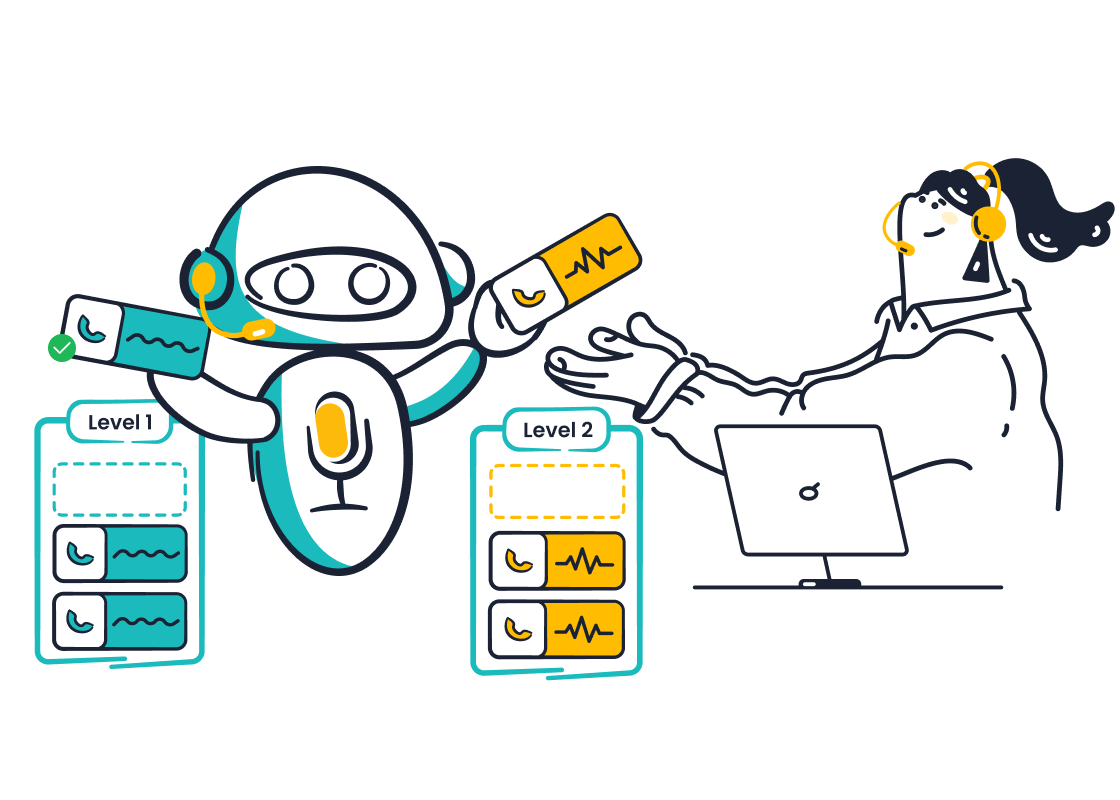
Global sales teams see huge potential in AI sales assistants. The AI for sales and marketing market will hit $240.59 billion by 2030. This growth reflects a major shift in sales automation.
By 2025, an estimated 85% of companies will use an AI assistant. An AI sales assistant delivers powerful sales automation. This AI assistant helps sales teams.
However, AI sales assistants carry risks. The Sobot Sobot AI Sobot call center offers an AI sales assistant and AI sales assistants with multilingual support for global teams. This AI assistant uses AI for sales automation. This analysis weighs the pros and cons of AI sales assistants, AI sales assistants, AI sales assistants, AI sales assistants, AI sales assistants, and AI sales assistants for global sales. This AI assistant is a key AI tool for sales automation. The AI sales assistant helps sales automation via AI.
Key Advantages of AI Sales Assistants for Global Teams

AI sales assistants offer transformative benefits for companies operating across borders. These AI-powered tools streamline the sales process and boost sales performance. They provide a strategic advantage in a competitive global marketplace. The right AI sales assistant turns global challenges into growth opportunities through powerful sales automation and sales intelligence. Let's explore the key advantages.
24/7 Global Coverage and Lead Engagement
Global companies face a constant challenge: time zones. A lead in Tokyo might be ready to engage when the sales team in New York is asleep. This gap results in missed opportunities and slow response times. AI sales assistants solve this problem directly. They operate 24/7, ensuring no lead goes unanswered, regardless of the time or location. This continuous availability is crucial for sales engagement.
An AI assistant can instantly interact with website visitors, qualify leads through conversation, and schedule meetings. This immediate engagement is vital. It captures prospects at their peak interest. This automation of initial outreach ensures a seamless handoff to a human representative. The sales team then starts their day with a pipeline of qualified, engaged leads. This process enhances the entire sales process.
For example, one SaaS company used AI to manage inbound leads. The AI sales assistant intelligently qualified prospects. This led to a 3X increase in their sales pipeline growth. This shows how AI sales assistants drive powerful sales engagement and performance.
This level of automated outreach & follow-ups ensures consistent engagement. The AI assistant handles the first touchpoint. It gathers important data. This frees human teams to focus on building relationships and closing deals. The result is a more effective sales outreach strategy and better sales performance. The automation handles the volume, while people provide the high-touch personalization needed for complex sales.
Enhanced Scalability and Operational Efficiency
Scaling a global sales team is expensive and complex. Hiring, training, and managing representatives in multiple countries requires significant resources. AI sales assistants offer a cost-effective way to scale operations. A single AI platform can handle thousands of conversations simultaneously. This provides immense leverage. It allows companies to expand their sales outreach without a proportional increase in headcount. This automation drives increased efficiency.
AI sales assistants excel at handling repetitive administrative tasks. They automate data entry, log activities in a CRM, and send follow-up emails. This automation frees up valuable time for sales representatives. Instead of getting bogged down in admin work, they can focus on what they do best: selling. This shift in focus directly improves the sales process and overall sales performance. The AI assistant becomes a force multiplier for the team.
The impact of AI on sales team efficiency is measurable. AI sales tools provide significant boosts across key metrics.
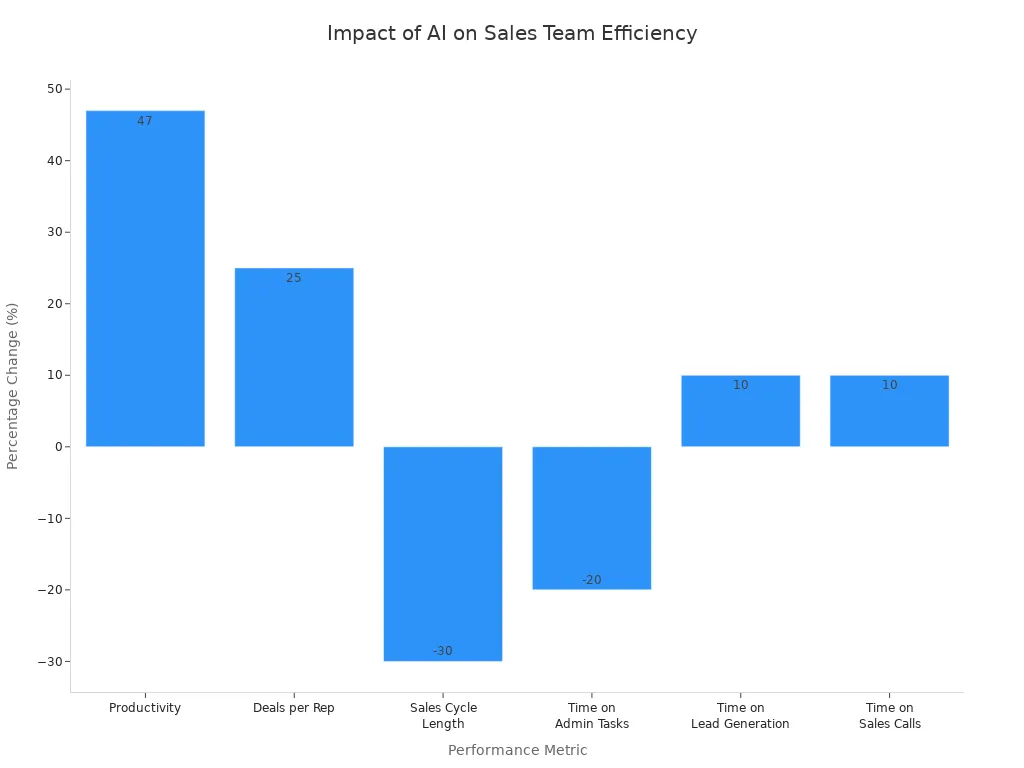
This data shows a clear picture. AI sales automation helps teams close more deals faster. The reduction in administrative tasks and sales cycle length translates directly into higher revenue and better performance. This intelligence-driven automation is a key benefit of modern sales automation platforms. The AI assistant helps teams achieve more with less effort.
Data-Driven Consistency Across Markets
Maintaining a consistent brand message and sales process across different countries is a major hurdle. Cultural differences and dispersed teams can lead to fragmented communication. AI sales assistants provide a powerful solution. They operate from a centralized knowledge base. This ensures every prospect receives consistent, accurate, and on-brand information. This consistency builds trust and strengthens the brand's global identity.
AI sales tools foster better team collaboration. They provide real-time data and insights that can be shared across the entire organization. This ensures every team member has access to the same valuable intelligence. This creates a more cohesive approach to sales engagement.
- AI-driven insights help refine messaging strategies for better sales outreach.
- AI ensures all teams use the same data for objection handling and follow-ups.
- AI-powered training simulations prepare reps for real-world scenarios with consistent messaging.
This data-driven approach makes every conversation more impactful. For instance, Microsoft’s ‘Daily Recommender’ system uses AI to deliver instant, data-driven suggestions to its sales teams. This single tool led to a 40% increase in sales productivity. It shows how centralized intelligence drives superior performance. AI sales assistants use data to guide every interaction. This leads to better personalization and engagement. The insights generated by the AI assistant improve the entire sales process. This sales intelligence is critical for global success.
AI Sales Assistants with Multilingual Support for Global Teams
Communication is the heart of sales. In global markets, speaking the customer's native language is not just a courtesy; it is a competitive advantage. It builds immediate rapport and trust. However, building a fully multilingual sales team is a significant challenge. AI sales assistants with multilingual support for global teams bridge this gap effectively. These advanced AI sales assistants can communicate fluently in dozens of languages.
This capability allows companies to provide a localized experience at scale. An AI sales assistant can handle initial outreach and support in Spanish, Mandarin, or Arabic. This ensures non-English speaking prospects feel understood and supported from the very first interaction. This level of personalization dramatically improves sales engagement. The AI assistant acts as a local representative in every market. AI sales assistants with multilingual support for global teams are essential for true global reach.
The results of this approach are clear.
AI-powered lead nurturing in non-English languages shows superior performance. Some languages achieve over a 10% lead-to-lease conversion rate. This is significantly higher than the industry average of around 5%. Companies using multilingual AI sales assistants have seen a 35% increase in trial-to-paid conversion rates.
This data proves that native-language communication drives sales. AI sales assistants with multilingual support for global teams deliver this advantage. They automate outreach, provide instant responses, and create a personalized journey for every prospect. This powerful automation and personalization make AI sales assistants with multilingual support for global teams a critical tool for any company serious about international growth. The intelligence behind these systems ensures the right message is delivered in the right language, boosting performance and driving sales.
Critical Challenges of Global AI Sales Assistant Implementation
While the advantages are compelling, adopting an AI sales assistant for global operations is not a simple plug-and-play solution. Companies must navigate significant hurdles that can undermine the success of their sales automation strategy. These challenges range from cultural missteps to complex technical and legal requirements. Acknowledging these risks is the first step toward building a resilient and effective global sales framework powered by AI.
Lack of Cultural and Regional Nuance
Effective sales is built on communication and trust. However, what builds trust in one culture can create friction in another. A standard AI sales assistant often fails to grasp these critical differences. Conversational AI systems can struggle with local idioms, humor, and context-dependent language. This leads to misunderstandings that can damage brand reputation and stop a sales conversation before it starts. A study from the University of California, Berkeley, found that commercial AI systems perform differently across various English dialects, highlighting how easily an AI can fail to connect with diverse audiences.
Communication styles vary dramatically between high-context and low-context cultures. An AI sales assistant trained on direct, low-context data may seem rude or aggressive in a high-context market like Japan, where subtlety and relationship-building are key. Conversely, an AI assistant using indirect language may appear evasive to a customer in Germany or the United States. This cultural misalignment is a major barrier to effective sales engagement and personalization.
| Feature | High-Context Communication | Low-Context Communication |
|---|---|---|
| Meaning Interpretation | Shaped by relationships, shared history, and non-verbal cues. | Direct, explicit, and relies on the words themselves. |
| Message Conveyance | Often implicit, with much left unsaid. | Explicit, with clear and straightforward intent. |
| Values | Long-term relationships, trust, and indirect communication. | Efficiency, transparency, and direct exchanges. |
| Impact on Business | Fosters strong partnerships but can slow processes. | Enables faster decisions but can feel transactional. |
Furthermore, the data used to train AI sales assistants can contain hidden biases. The AI might provide better assistance to users with sophisticated vocabularies, unintentionally neglecting prospects with language barriers. This unequal service quality undermines the goal of global outreach and can cause certain customer segments to be ignored. Without careful tuning, an AI assistant lacks the cultural sensitivity needed for successful international sales.
Integration and Data Privacy Complexities
Deploying AI sales assistants on a global scale introduces significant technical and legal challenges. One of the first hurdles is integration. An AI sales assistant must seamlessly connect with a company's existing technology stack, including CRM, email, and marketing automation platforms. Poor integration creates data silos, disrupts workflows, and ultimately reduces the efficiency gains the automation was meant to provide.
An even greater challenge is navigating the complex web of international data privacy laws. Regulations like Europe's GDPR, Brazil's LGPD, and California's CCPA each have unique requirements for how customer data is collected, stored, and used.
💡 Key Takeaway: Compliance in one country does not guarantee compliance in another. Global companies must adapt their AI and data handling practices for every market they operate in.
This legal patchwork creates several obstacles for companies using AI sales assistants for their sales outreach and engagement:
- Varying Consent Rules: Each law has different standards for obtaining user consent before collecting data.
- Cross-Border Data Flows: Transferring customer data between countries is heavily regulated and requires specific legal safeguards.
- Accountability for AI Decisions: Companies must be able to explain decisions made by their AI, a difficult task with complex algorithms.
The table below shows just how different these regulations can be, affecting every stage of the sales process from prospecting to closing. An AI assistant must be designed with the flexibility to adhere to all of them.
| Regulation | Key Features | Compliance Requirements | Enforcement Mechanisms |
|---|---|---|---|
| GDPR | Applies to all EU states and organizations handling EU data. | Consent, Data Protection Officers (DPOs), data mapping. | Fines up to €20 million or 4% global turnover. |
| LGPD | Covers Brazil and impacts global firms with Brazilian users. | Consent, DPOs, data subject rights, impact reports. | National Data Protection Authority (ANPD), daily fines. |
| CCPA | California-focused, but with growing US state adoption. | Opt-out rights, privacy policies, data access/deletion. | Attorney General, civil penalties, private lawsuits. |
High Initial Cost and Training Overhead
While AI sales assistants promise long-term ROI, the initial investment can be substantial. The total cost of ownership goes far beyond the software subscription fee. Companies must budget for several hidden and ongoing expenses that are critical for successful implementation. These costs often fall into three main categories.
- Infrastructure Costs: This includes expenses for hosting, third-party API integrations, data storage, and monitoring tools. For an enterprise-grade deployment, these costs can quickly add up to thousands of dollars per month.
- Integration Costs: Connecting the AI assistant to core business systems like a CRM is a major expense, often ranging from $2,000 to over $20,000 for complex, multi-system workflows. Security and compliance measures add another layer of cost.
- Human Resources: This is one of the largest investments, representing 30-50% of the total. It covers the initial training for the sales team, ongoing supervision of the AI, and specialized roles for prompt engineering and system maintenance.
Beyond the financial cost, there is a significant time investment. An AI sales assistant is not effective out of the box. It requires extensive training on a company's product information, sales processes, and brand voice. The sales team also needs training to learn how to work alongside their new digital assistant, adapt their workflows, and interpret the data insights it provides. This training overhead is an ongoing process, as both the AI and the team must continuously learn and adapt.
Risk of Over-Automation and Impersonalization
The drive for efficiency can lead companies to over-automate their sales process, creating a cold and impersonal experience for customers. While AI is excellent for handling repetitive tasks, relying on it too heavily for customer engagement can backfire. Research shows that despite the efficiencies of AI, 60% of customers still prefer real interactions over automated ones. This highlights a critical need for balance. An AI sales assistant cannot replicate the empathy, rapport, and complex problem-solving of a human sales professional.
As Carly Bauer from Heinz Marketing states, “The key to successful modern marketing lies in striking the right balance between leveraging AI and maintaining a personal, human-centric approach.”
When a sales journey becomes too automated, prospects can feel like just another number in a machine. This lack of personalization can kill a deal, especially in high-value B2B sales where relationships are paramount. The goal of AI should be to augment the sales team, not replace it. The best approach is to use automation for initial outreach and qualification, freeing up human reps to focus on high-value activities. This includes discovery calls, product demos, and negotiations, where building a personal connection is essential for success. A seamless handoff from the AI assistant to a human agent, with all context preserved, ensures the customer receives the best of both worlds: the immediate response of automation and the thoughtful engagement of a person. This balanced strategy uses AI to generate powerful insights and handle scale, while empowering the sales team to deliver superior personalization.
How Sobot Empowers Global Sales Teams with AI
Navigating the complexities of global sales requires a partner that turns challenges into opportunities. Sobot's AI solutions empower teams to overcome the hurdles of international expansion. The platform provides the tools needed for effective sales outreach and engagement. It helps businesses achieve higher conversions and close more deals by balancing automation with human expertise.
Unifying Customer Contact with an Omnichannel Platform
Global sales teams often struggle with fragmented customer data. Sobot solves this by unifying all customer interactions into a single, centralized system. This omnichannel approach brings together live chat, email, social media, and voice channels.
- Agents get a complete view of the customer's history.
- This eliminates repetitive questions and improves response times.
- Better personalization leads to stronger customer engagement.
This unified platform ensures every AI sales assistant has the context needed for meaningful outreach. It provides the data foundation for superior sales performance and helps teams close more deals.
Driving Efficiency with an Intelligent Voicebot
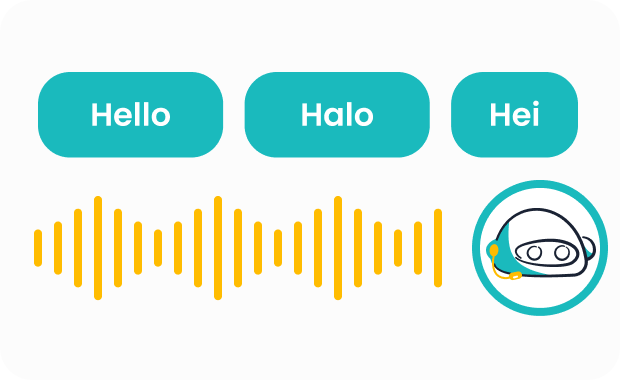
Sobot’s intelligent Voicebot, a powerful AI sales assistant, transforms sales efficiency. This AI assistant automates routine interactions with human-like conversation. It offers multilingual support, ensuring excellent personalization for every prospect. The Voicebot handles initial outreach and qualification 24/7. This frees up human agents to focus on high-value sales activities that close more deals. The AI assistant uses advanced data and insights to improve its performance over time, boosting sales engagement.
Ensuring Compliance and Data Security
Data privacy is a major concern in global sales. Sobot addresses this directly by building its AI platform with robust security. The system is designed to meet international standards like ISO 27001. This commitment ensures that all customer data is handled securely across different regions. Companies can use Sobot's AI sales assistant for their outreach with confidence. This focus on security builds trust and protects both the business and its customers, which is critical for long-term sales success and performance.
Achieving Measurable Business Growth
Ultimately, the goal of any AI sales assistant is to drive results. Sobot delivers measurable growth for its clients.
For example, financial service platform Opay used Sobot's omnichannel AI solution to manage its global customer engagement. The results were impressive. Opay saw its customer satisfaction jump to 90% and cut operational costs by over 20%.
This success story shows how the right AI assistant delivers real value. By improving data insights, personalization, and sales performance, Sobot helps companies achieve significant conversion growth and better business outcomes. The AI provides the insights and automation needed for top-tier performance.
A Strategic Framework for Global Implementation
Successful global deployment of an AI sales assistant requires a deliberate strategy. This framework helps companies mitigate risks and maximize the benefits of sales automation. It turns potential challenges into a competitive advantage for sales outreach and engagement.
Define Global vs. Local Automation Needs
A global sales automation strategy must be flexible. Companies should first identify which sales tasks are universal and which require local adaptation. Core data entry is a good candidate for standard automation. However, initial outreach scripts need cultural customization. This careful planning prevents the impersonalization that hurts sales engagement. A smart automation plan respects local nuances. This data-driven approach to automation ensures the AI assistant supports each market's unique sales process. This initial data analysis is key for effective outreach automation.
Prioritize Cross-Cultural AI and Team Training
An AI is only as good as its training data. To avoid cultural missteps, the AI assistant needs training on diverse communication styles. Equally important is training the sales team to collaborate with their new AI assistant. Effective training programs are essential for this AI-powered sales automation.
Key training modules include:
- Creating multilingual content for global sales teams.
- Using AI to generate realistic sales role-play scenarios for practice.
- Adapting AI-driven content for different learning needs and better engagement.
This focus on AI and human training ensures the automation enhances, rather than hinders, the sales outreach and data collection process.
Vet Tools for International Data Compliance
Global sales operations involve complex data privacy laws. Companies must vet any AI sales assistant for its compliance capabilities. This protects the business and its customers. Before choosing a vendor, ask critical questions about their data handling and security.
- Do you have industry certifications like ISO 27001?
- Where is our customer data stored and how is it segregated?
- Is our data used to train third-party AI models?
Thorough vetting ensures the chosen sales automation platform meets international data standards, a vital step for secure global outreach and data management. This protects your sales data.
Start with a Pilot Program in Diverse Markets
A pilot program is the best way to test an AI assistant. It allows companies to measure performance before a full rollout. Define clear success metrics like sales engagement rates and task completion rates. It is wise to test the AI automation in a few diverse markets. For example, launching a pilot in countries like Nigeria, Mexico, and Indonesia can test the AI's cultural and linguistic adaptability. This approach provides valuable data on the assistant's effectiveness in real-world sales outreach scenarios. This data will guide the full implementation of the automation.
An AI sales assistant delivers powerful sales automation. This automation provides 24/7 sales outreach and consistent sales data. However, this AI sales automation faces risks. These include cultural gaps in sales outreach and complex data privacy rules. The success of AI sales automation for global sales is not automatic. It depends on a smart strategy for sales outreach. This AI assistant needs good data.
- AI enhances sales interactions with data-driven sales outreach.
- Human empathy remains vital; the AI assistant should complement human-led sales.
Ultimately, the best AI sales automation balances AI efficiency with the human touch for effective sales outreach. This data-driven approach ensures superior sales performance.
FAQ
Will AI replace human sales teams?
No, AI does not replace human sales teams. The AI sales assistant handles repetitive outreach tasks. This allows sales professionals to focus on building relationships and closing complex deals. The AI provides insights to improve sales performance, making the team more effective.
How does an AI sales assistant handle different languages?
An AI sales assistant uses advanced AI technology for multilingual communication. It supports various languages for global sales outreach. This capability ensures better sales engagement and personalization. The AI delivers consistent messaging for all sales outreach, providing valuable insights on performance across regions.
What is the main benefit of AI for sales outreach?
The primary benefit of AI for sales outreach is efficiency. AI provides 24/7 automated outreach & follow-ups. This ensures no lead is missed. The AI qualifies leads, giving sales teams more time for high-value sales engagement and improving sales outcomes with better insights.
Can AI truly understand sales conversations?
Yes, modern AI can understand sales conversations. The AI uses natural language processing to interpret customer intent during sales outreach. This AI technology provides real-time insights to guide the sales process. This automation helps improve the quality of every sales interaction and outreach effort.
See Also
Exploring the Advantages and Disadvantages of Remote Call Center Operations
How AI Customer Service Agents Are Transforming Support Experiences
A Comprehensive Guide for Effective Management of Live Chat Agents
Elevating SaaS Customer Support Through Strategic Live Chat Implementation
Demystifying the Financial Implications of Outsourcing Live Chat Services

