How AI Transforms Customer Relationship Management Systems

Artificial intelligence is reshaping how you manage customer relationships. By integrating AI into customer relationship management (CRM) systems, businesses can automate tasks, gain deeper insights, and deliver personalized experiences. For instance, 65% of companies now use CRM systems with generative AI, and these businesses are 83% more likely to exceed sales goals. AI-powered CRM tools also improve customer service, with companies reporting a 34% higher satisfaction rate compared to those without AI integration.
Brands like Sobot exemplify this transformation. Sobot's AI-driven solutions, such as its Chatbot, streamline customer interactions and enhance operational efficiency. Whether you're looking to automate repetitive tasks or create tailored customer journeys, AI in CRM offers unmatched opportunities to elevate your business.
The Benefits of AI in CRM Systems
Enhanced Customer Insights
Real-time data analysis for actionable decision-making
AI in CRM systems empowers you to make smarter decisions by analyzing customer data in real time. Artificial intelligence identifies patterns and trends that might otherwise go unnoticed. For example, predictive analytics uses historical data to forecast future customer behaviors. This allows you to anticipate needs, identify potential churn, and refine your strategies. AI-powered CRM platforms also optimize sales processes by suggesting the best approaches to engage high-potential leads. These data-driven insights not only improve decision-making but also enhance your ability to adapt to changing customer demands.
Understanding customer preferences and behaviors
AI technologies help you understand what your customers truly want. By analyzing customer data, AI reveals preferences and behaviors that guide your marketing and sales efforts. Companies like Netflix and Amazon have mastered this approach. Netflix uses AI to recommend content based on viewing habits, with 80% of watched content coming from these suggestions. Similarly, Amazon analyzes browsing and purchase histories to deliver personalized product recommendations, boosting customer satisfaction and retention. These examples show how AI-driven CRM systems can transform customer engagement and create personalized interactions.
Automation of Repetitive Tasks
Streamlining data entry and reducing manual errors
AI-powered CRM systems automate repetitive tasks like data entry, lead scoring, and follow-up emails. This reduces manual errors and ensures your CRM records remain accurate and up-to-date. Automation tools also cleanse and update customer data, saving you time and effort. By eliminating these tedious processes, AI in CRM benefits your team by allowing them to focus on more meaningful work.
Freeing up resources for strategic activities

When AI handles routine tasks, your employees can dedicate their time to strategic activities that drive growth. For instance, automation ensures timely task distribution and progress tracking, minimizing delays and optimizing workflows. This streamlined approach enhances productivity and allows your team to focus on building stronger customer relationships. Sobot's AI Chatbot exemplifies this by autonomously resolving common queries, freeing up agents to address complex issues. This balance between automation and human expertise improves efficiency and customer experiences.
Improved Personalization
Delivering tailored recommendations and offers
AI-driven personalization enables you to deliver unique experiences to your customers. By analyzing past purchases and browsing history, AI suggests tailored product recommendations and exclusive offers. Starbucks, for example, uses AI to analyze loyalty program data and send personalized offers, increasing customer engagement by 20%. These personalized interactions foster loyalty and encourage repeat business.
Creating unique customer journeys with AI tools
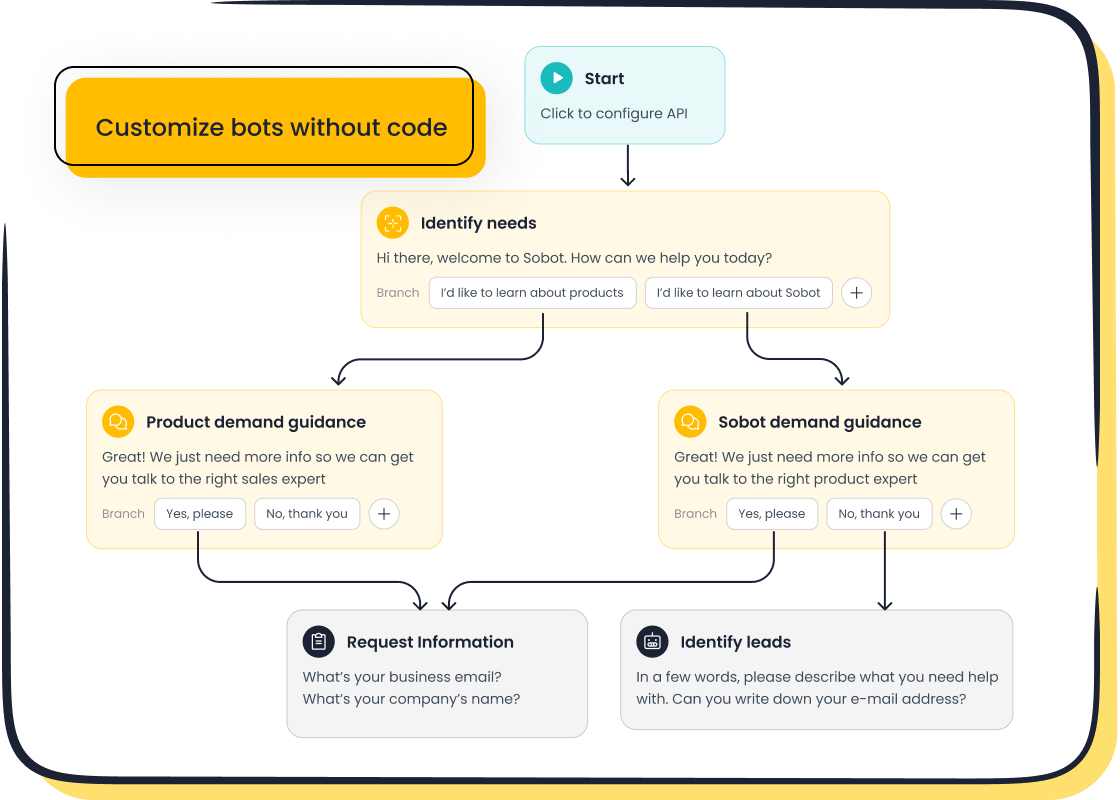
AI-powered CRM platforms help you design customer journeys that feel personal and relevant. Tools like Sobot's AI Chatbot use customer data to provide real-time assistance and proactive messaging. This creates a seamless experience across channels, ensuring every interaction feels tailored to the individual. Personalized customer experiences not only improve satisfaction but also strengthen long-term relationships.
Increased Efficiency in Customer Support
Faster response times with AI-driven tools like Sobot's Chatbot
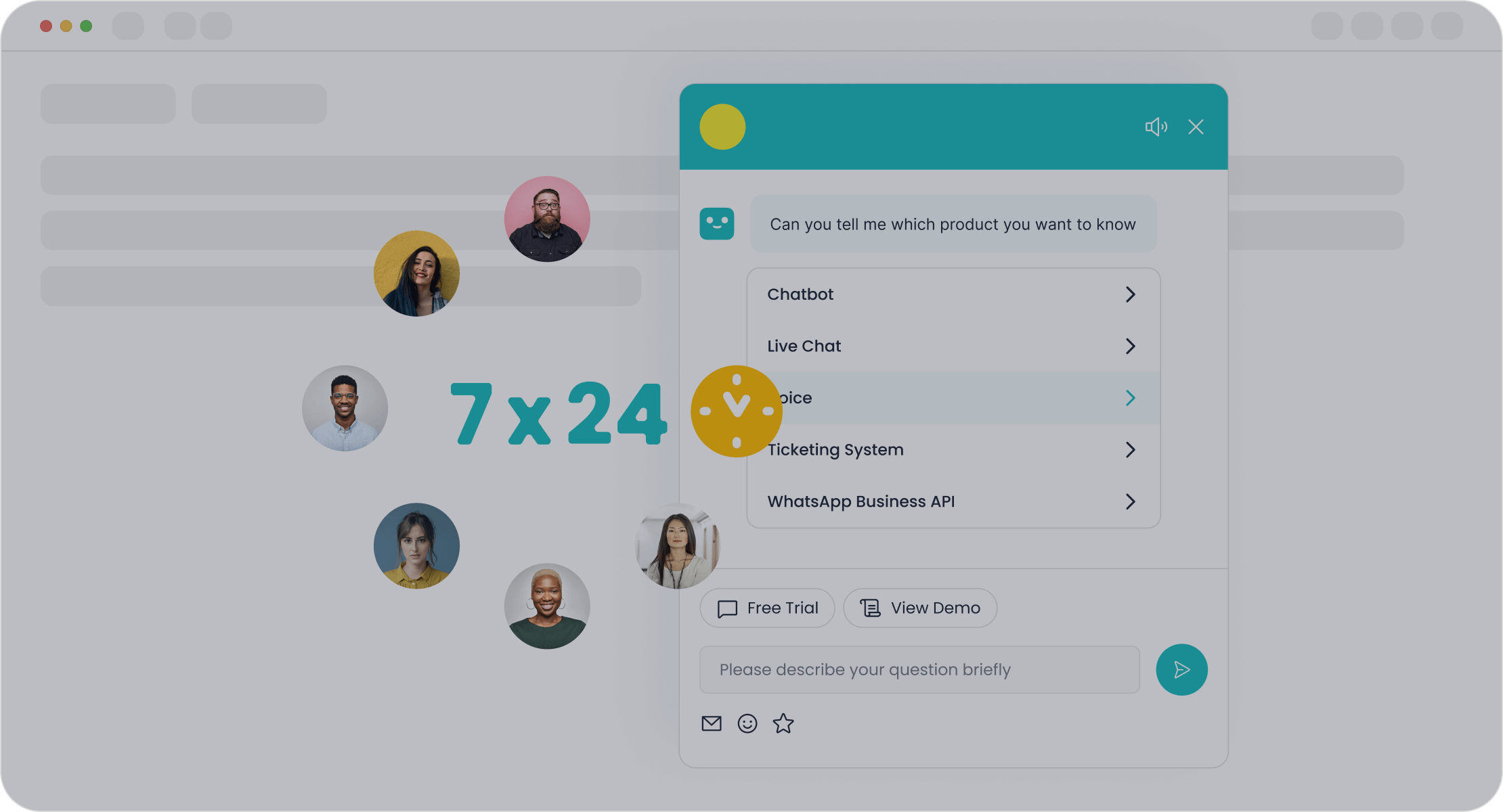
AI has revolutionized customer support by significantly reducing response times. Tools like Sobot's AI Chatbot operate 24/7, ensuring customers receive immediate assistance without waiting for human agents. This constant availability enhances customer satisfaction and builds trust. For instance, Sobot's Chatbot autonomously resolves common queries, improving productivity by 70% and cutting operational costs by up to 50%.
AI in CRM systems also streamlines communication across multiple channels. Whether customers reach out via email, live chat, or messaging apps like WhatsApp, AI-driven CRM platforms unify these interactions into a single interface. This integration eliminates delays caused by switching between platforms, allowing your team to respond faster and more efficiently. Faster response times not only improve the customer experience but also boost metrics like First Contact Resolution (FCR) and Customer Satisfaction Score (CSAT).
Proactive issue resolution through predictive analytics
AI-driven CRM systems excel at identifying potential issues before they escalate. Predictive analytics, a core feature of AI in CRM, analyzes historical data to forecast customer needs and behaviors. For example, it can detect patterns indicating dissatisfaction, such as repeated complaints or long response times. By addressing these concerns proactively, you can prevent customer churn and improve loyalty.
Sobot's AI-powered tools take this a step further by integrating predictive analytics into customer support workflows. For instance, the system can prioritize tickets based on urgency, ensuring critical issues are resolved promptly. This proactive approach enhances efficiency and reduces escalation rates. Key metrics like Average Resolution Time and Customer Effort Score (CES) also improve, reflecting the effectiveness of AI-driven CRM solutions.
| Metric | Description |
|---|---|
| Average Handle Time (AHT) | Measures the average duration taken to resolve a customer’s query, indicating efficiency. |
| First Contact Resolution (FCR) | Indicates how often customer issues are resolved on the first interaction, reflecting effectiveness. |
| Customer Satisfaction Score (CSAT) | Gauges customer satisfaction with the service provided, essential for assessing service quality. |
| Net Promoter Score (NPS) | Measures customer loyalty and likelihood to recommend the service, indicating overall satisfaction. |
| Customer Churn Rate | Reveals the percentage of customers who stop using the service, highlighting retention issues. |
| Ticket Volume | Counts the number of support tickets received, useful for benchmarking performance. |
| Average Resolution Time | Tracks the average time taken to resolve support tickets, indicating efficiency. |
| Escalation Rate | Measures the percentage of tickets requiring higher-level support, indicating complexity of issues. |
| Customer Effort Score (CES) | Assesses how much effort customers must exert to resolve their issues, reflecting service efficiency. |
By leveraging AI-driven CRM tools like Sobot's Chatbot and predictive analytics, you can transform your customer support into a proactive, efficient, and customer-centric operation.
Key Applications of AI in CRM Systems
Predictive Analytics
Anticipating customer needs and behaviors
Predictive analytics in AI-powered CRM systems helps you stay ahead by forecasting customer needs. By analyzing historical customer data, AI identifies patterns that reveal future behaviors. For example:
- Retain customers by detecting those likely to churn and offering targeted solutions.
- Forecast sales accurately using past trends to set realistic goals.
- Optimize marketing campaigns by identifying the best times and channels for engagement.
- Score leads effectively, focusing on those most likely to convert.
- Suggest products based on purchase history, boosting sales.
- Segment customers into groups for personalized campaigns.
These applications of AI in CRM systems allow you to predict customer behavior and refine your strategies, ensuring you meet customer expectations while driving business growth.
Identifying sales opportunities and risks
AI-driven CRM tools enhance your ability to identify sales opportunities and mitigate risks. Improved lead scoring can increase conversion rates by 30%. Early detection of churn risks helps you retain customers, which costs five times less than acquiring new ones. Personalized marketing campaigns reduce churn by 20% and foster loyalty. Additionally, AI uncovers trends in customer habits, enabling data-backed decisions for marketing and sales strategies. This approach optimizes your efforts, improves ROI, and strengthens customer relationships.
AI-Powered Chatbots
Providing 24/7 customer support with Sobot's Chatbot
AI-powered chatbots revolutionize customer service by offering instant, round-the-clock support. Sobot's AI Chatbot, for instance, autonomously handles common queries, reducing wait times and improving satisfaction. It operates across multiple channels like WhatsApp and SMS, ensuring seamless communication. By leveraging natural language processing (NLP), the chatbot delivers accurate, context-aware responses. This constant availability enhances customer experience and builds trust in your brand.
Handling common queries and escalating complex issues
AI-powered chatbots excel at managing high volumes of inquiries. They handle routine questions, such as order status or product details, freeing your team to focus on complex issues. Sobot's Chatbot also categorizes and routes tickets based on urgency, ensuring critical problems receive immediate attention. This balance between automation and human expertise improves efficiency and customer satisfaction.
Workflow Automation
Automating lead scoring and follow-ups
AI in CRM automates repetitive tasks like lead scoring and follow-ups, saving you time and effort. Automated data entry and validation prioritize leads based on predefined criteria, ensuring your sales team focuses on high-value prospects. AI assistants also send consistent follow-ups and personalized messages, enhancing customer interactions and increasing conversion rates.
Streamlining sales and marketing processes
Workflow automation simplifies your sales and marketing efforts. AI automates approvals, notifications, and updates, reducing errors and improving accuracy. For instance, Sobot's solutions streamline processes by integrating customer data across channels, enabling your team to deliver personalized experiences. This efficiency allows you to focus on building relationships and closing deals, driving business success.
Sentiment Analysis
Understanding customer emotions through text and voice
AI-powered sentiment analysis helps you understand how customers feel by analyzing their words and tone. This technology processes text from emails, chats, and social media, as well as voice data from calls, to detect emotions like frustration, satisfaction, or excitement. For example, if a customer uses phrases like "disappointed" or "not working," the system flags the interaction as negative. Similarly, voice analysis can identify stress through changes in pitch or speed.
Sobot’s AI tools excel in this area by integrating sentiment analysis into its CRM systems. These tools provide real-time insights into customer emotions, enabling your team to respond appropriately. For instance, if a customer expresses dissatisfaction during a live chat, Sobot’s system can escalate the issue to a human agent immediately. This proactive approach ensures you address problems before they escalate, improving customer satisfaction and loyalty.
Enhancing customer satisfaction strategies
Sentiment analysis allows you to refine your customer satisfaction strategies by acting on emotional cues. Negative sentiments trigger alerts, prompting your team to resolve issues quickly. Positive feedback, on the other hand, can lead to thank-you emails or invitations for reviews, fostering goodwill.
| Example | Impact |
|---|---|
| Improve customer experience | Personalized and efficient service leads to loyalty and recommendations |
Additionally, monitoring online mentions of your brand helps you detect and address negative sentiments early. This protects your reputation and strengthens customer trust. Sobot’s CRM solutions enhance this process by unifying data from multiple channels, ensuring no feedback goes unnoticed. By leveraging sentiment analysis, you can create a more responsive and customer-centric support system.
Tip: Businesses using sentiment analysis report a 25% increase in customer retention, proving its value in building long-term relationships.
With tools like Sobot’s AI Chatbot, you can transform customer interactions into opportunities for growth and satisfaction.
Challenges and Considerations in AI-Powered CRM
Data Privacy and Security
Ensuring compliance with data protection regulations
Protecting customer data is critical for maintaining trust in AI-powered CRM systems. Regulations like GDPR and CCPA dictate how businesses should collect, store, and use customer data. Compliance ensures you avoid legal issues and build credibility with your customers. Transparency in data collection and usage is equally important. Customers need to know how their data is being used, and obtaining proper consent prevents misuse. For example, AI in CRM systems must process customer data responsibly to avoid breaches or unauthorized sharing. By adhering to these regulations, you can safeguard sensitive information while maintaining customer confidence.
Safeguarding sensitive customer information
AI systems handle vast amounts of customer data, making them prime targets for cyber-attacks. To protect this data, you should implement encryption, secure backups, and access controls. These measures prevent tampering and ensure confidentiality. Communicating your security practices through clear privacy policies also builds trust. For instance, Sobot integrates robust security features into its AI-driven CRM tools, ensuring compliance with global standards like GDPR. This approach not only protects customer data but also enhances your brand's reputation.
Implementation Complexity
Integrating AI with existing CRM systems
AI integration can be technically challenging, especially when merging it with existing CRM platforms. Businesses often face obstacles like high costs, data quality issues, and the need for specialized expertise. Poor data quality can compromise AI insights, leading to ineffective results. To overcome these challenges, you should invest in data cleansing and ensure your CRM system is AI-ready. Sobot's solutions simplify this process by offering seamless integration and user-friendly tools, reducing the complexity of adopting AI in CRM.
Training staff to use AI tools effectively
Introducing AI into your CRM system requires training your team to use these tools efficiently. Employees need to understand how to interpret AI-driven insights and leverage them for data-driven decisions. Without proper training, the full potential of AI in CRM remains untapped. Providing hands-on workshops and ongoing support ensures your team adapts quickly. For example, Sobot offers intuitive interfaces and training resources, enabling businesses to maximize the benefits of AI integration.
Ethical Concerns
Avoiding bias in AI algorithms
AI algorithms can unintentionally perpetuate biases present in historical data. This can lead to discriminatory practices, such as unfair pricing or exclusionary marketing. To address this, you should regularly review algorithms, diversify datasets, and ensure fairness in predictive modeling. For example, AI in CRM systems should treat all customer groups equitably, avoiding any form of bias. By taking these steps, you can create ethical and inclusive AI-driven CRM solutions.
Maintaining transparency in AI-driven decisions
Transparency is essential for building trust in AI-powered CRM systems. Customers and stakeholders need to understand how AI makes decisions, especially when it impacts them directly. Lack of transparency can lead to mistrust and skepticism. For instance, opaque AI models make it difficult to determine responsibility for incorrect decisions. Sobot's AI tools prioritize transparency by providing clear explanations for AI-driven actions, ensuring accountability and fostering trust in your CRM system.
Future Trends in AI-Driven CRM Systems
Advanced Predictive Capabilities
Anticipating customer needs with greater accuracy
AI in CRM systems is evolving to predict customer needs with remarkable precision. Advanced predictive analytics now enables you to forecast behaviors and preferences by analyzing historical data. For example, AI can identify customers likely to churn and recommend retention strategies. It also helps optimize supply chains by estimating demand patterns, ensuring you meet customer expectations without overstocking. These capabilities allow you to make data-driven decisions that enhance efficiency and customer satisfaction.
Leveraging AI for dynamic pricing strategies
Dynamic pricing, powered by AI, is transforming how businesses set prices. AI analyzes market trends, competitor pricing, and customer behavior in real time to recommend optimal pricing strategies. For instance, e-commerce platforms use AI to adjust prices during peak shopping seasons, maximizing revenue while staying competitive. This innovation ensures you remain agile in a fast-changing market, offering value to your customers while boosting profitability.
Hyper-Personalization
Using AI to create highly customized experiences
Hyper-personalization is the future of AI in CRM. By leveraging AI, you can deliver experiences tailored to individual preferences. Nearly 60% of business leaders believe personalization is key to acquiring new customers. Personalized interactions also drive repeat purchases, with 56% of consumers becoming loyal buyers. For example, Sobot’s AI Chatbot uses customer data to provide real-time assistance and proactive messaging, creating unique customer journeys that foster loyalty and engagement.
| Benefit | Description |
|---|---|
| Higher conversion rates | Personalization attracts new customers effectively. |
| Increased customer satisfaction and retention | Tailored experiences encourage repeat purchases. |
| More customer referrals | Satisfied customers recommend your brand to others. |
| Increased revenue | Hyper-personalization boosts revenue by 10-15%. |
Integrating AI with IoT for real-time personalization
The integration of AI with IoT devices is revolutionizing real-time personalization. IoT collects data from connected devices, offering insights into customer preferences. AI then uses this data to tailor services and recommendations. For example, AI chatbots integrated with IoT provide contextual assistance based on past interactions. This ensures you deliver relevant solutions, enhancing customer satisfaction and loyalty.
Voice and Conversational AI
Enhancing customer interactions through voice assistants
Voice assistants are redefining customer interactions. AI-powered systems like Alexa and Google Assistant now offer seamless voice-based support. These tools understand natural language, enabling you to provide instant, hands-free assistance. Future advancements will include emotional awareness, allowing AI to respond empathetically to customer emotions. This innovation strengthens relationships and improves the overall customer experience.
Expanding the use of natural language processing (NLP)
Natural language processing (NLP) is expanding the capabilities of conversational AI. Multilingual support is becoming essential, especially in global industries like finance and healthcare. AI-driven CRM systems now break language barriers, ensuring you can serve diverse customer bases effectively. For example, Sobot’s AI Chatbot uses NLP to deliver accurate, context-aware responses across multiple languages, enhancing accessibility and engagement.
AI-Driven Customer Success Platforms
Proactively managing customer satisfaction and retention
AI-driven customer success platforms revolutionize how you manage customer satisfaction and retention. These platforms use advanced tools like predictive analytics, sentiment analysis, and automation to enhance customer experiences. For example, predictive analytics forecasts customer behaviors, enabling you to anticipate needs and address concerns before they escalate. This proactive approach ensures you maintain strong relationships with your customers.
Key features of these platforms include:
| Feature | Description |
|---|---|
| Predictive Analytics | Forecasts future customer behaviors and purchase likelihood, enabling proactive strategy adjustments. |
| Automation | Automates routine tasks like data entry and lead qualification, improving efficiency. |
| Personalized Customer Experiences | Delivers tailored messages and recommendations to enhance customer engagement and loyalty. |
| Churn Prediction | Identifies at-risk customers to enhance retention strategies. |
| Sentiment Analysis | Interprets emotional tones in customer interactions to improve communication and service. |
Sobot’s AI-powered tools, such as its Chatbot, exemplify these capabilities. By integrating predictive analytics and omnichannel support, Sobot enables you to deliver personalized experiences and reduce churn. Businesses using these platforms report measurable improvements in customer retention, with some achieving up to an 18% reduction in churn rates.
Tip: Proactive engagement with at-risk customers can significantly boost loyalty and retention rates.
Leveraging AI to predict churn and recommend solutions
AI in next-gen CRM systems excels at predicting churn and recommending solutions. By analyzing historical data, AI identifies patterns that signal dissatisfaction or disengagement. For instance, it flags customers with declining engagement or repeated complaints. This insight allows you to intervene early, addressing issues before customers leave.
Here’s how AI helps you retain customers:
- It analyzes customer interaction history to predict churn risk.
- It segments at-risk customers for targeted retention strategies.
- It enables proactive outreach, such as personalized offers or follow-ups.
Sobot’s AI tools enhance these efforts by integrating churn prediction into customer success workflows. For example, the system prioritizes high-risk accounts, ensuring your team focuses on retaining valuable customers. This approach not only improves retention but also strengthens long-term relationships.
Companies leveraging AI for churn prediction often see significant results. Many report up to an 18% reduction in churn rates and higher customer satisfaction scores. These outcomes highlight the future of AI in CRM, where data-driven strategies ensure you stay ahead in customer retention.
Sobot's Role in AI-Powered CRM Transformation
Sobot's AI Chatbot
Automating customer interactions with 24/7 availability

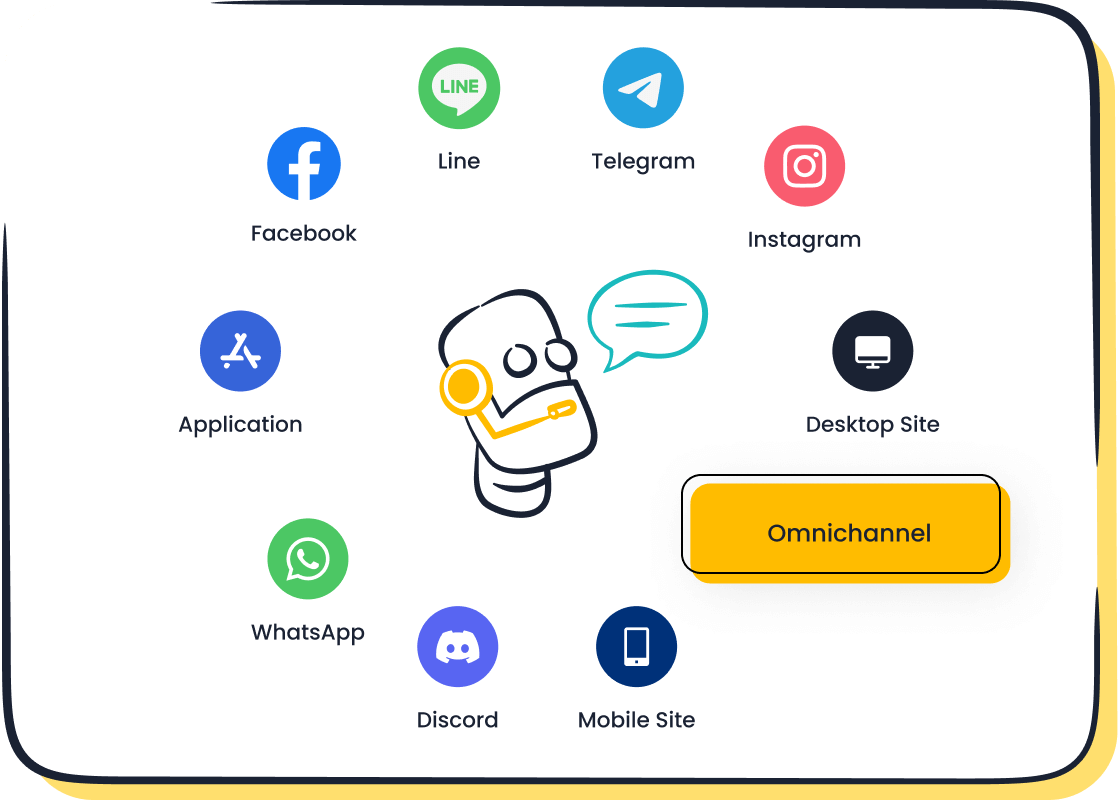
Sobot's AI Chatbot revolutionizes customer relationship management (CRM) by providing round-the-clock support. It ensures your customers receive instant assistance, no matter the time or channel. This chatbot operates across platforms like WhatsApp and SMS, offering seamless omnichannel interactions. Its multilingual capabilities allow you to engage with a global audience effortlessly. Additionally, the chatbot integrates an intelligent knowledge base, enabling it to provide accurate and context-aware responses. With no-code implementation, you can set it up quickly without technical expertise. These features make Sobot's AI Chatbot a powerful tool for automating customer interactions and enhancing customer engagement.
Boosting efficiency and reducing costs for businesses
Sobot's AI Chatbot significantly improves efficiency by handling repetitive queries autonomously. This reduces the workload on your team, allowing them to focus on complex issues. Businesses using this chatbot report a 70% boost in productivity and up to 50% cost savings on additional agent expenses. Advanced analytics and reporting features provide actionable insights into customer data, helping you refine your strategies. By leveraging artificial intelligence, Sobot's chatbot not only cuts costs but also enhances operational efficiency, making it an essential component of AI-powered CRM systems.
Real-World Success Stories
OPPO's improved customer service with Sobot's solutions
OPPO, a global leader in smart devices, partnered with Sobot to transform its customer service. By integrating Sobot's chatbot and ticketing system, OPPO achieved remarkable results. The chatbot resolved 83% of queries autonomously, while the ticketing system streamlined complex issue handling. This human-machine collaboration improved service efficiency and reduced maintenance efforts by 90%. OPPO also enhanced its knowledge base with AI, ensuring accurate and timely responses. These improvements led to a 94% positive feedback rate and a 57% increase in repurchase rates, showcasing the impact of AI integration in CRM.
Achieving higher resolution rates and customer satisfaction
Sobot's solutions have delivered impressive outcomes for various businesses. For instance:
- AIGC achieved 95% customer satisfaction.
- A Southeast Asian company saw 22.2% of inquiries resolved through self-service.
- Another business reported an 85% problem resolution rate and 96% positive feedback.
These examples highlight how AI-driven CRM tools like Sobot's enhance customer satisfaction and streamline operations.
Comprehensive Contact Center Solutions
Integrating AI across voice, chat, and ticketing systems
Sobot's comprehensive contact center solutions integrate AI across multiple channels, including voice, chat, and ticketing systems. This integration ensures a unified approach to managing customer interactions. AI automates repetitive tasks, such as ticket categorization and routing, improving team coordination. It also analyzes customer data to deliver personalized experiences, enhancing customer engagement. For example, AI-powered chatbots provide instant support, while ticketing systems prioritize urgent issues. These features make Sobot's solutions a cornerstone of modern CRM.
Enhancing customer engagement and operational efficiency
By leveraging AI, Sobot's contact center solutions improve both customer engagement and operational efficiency. Automation reduces response times, while advanced analytics offer insights into customer behavior. This allows you to tailor your services and build stronger relationships. Businesses using Sobot's solutions report increased productivity, reduced costs, and higher customer satisfaction. These benefits demonstrate the transformative potential of AI in CRM systems.
AI is revolutionizing how you manage customer relationships. It enables you to automate tasks, gain insights, and deliver personalized customer experiences. Businesses using AI-powered CRM systems report higher customer retention and satisfaction rates. For example, predictive analytics helps you anticipate needs, while tools like Sobot's AI Chatbot streamline interactions and improve efficiency. These advancements not only enhance customer experiences but also drive operational success.
Adopting AI-driven CRM systems ensures you stay competitive in a rapidly evolving market. As AI technology advances, leveraging its capabilities will become essential for building stronger relationships and boosting customer retention.
FAQ
What is the main advantage of using AI in CRM systems?
AI in CRM systems automates repetitive tasks, provides real-time insights, and enhances personalization. For example, Sobot's AI Chatbot improves productivity by 70% and reduces costs by up to 50%. These benefits allow you to focus on building stronger customer relationships while improving efficiency.
How does Sobot's AI Chatbot improve customer satisfaction?
Sobot's AI Chatbot operates 24/7, resolving common queries instantly. It uses natural language processing (NLP) to deliver accurate responses across multiple channels like WhatsApp and SMS. This constant availability ensures faster resolutions, leading to higher customer satisfaction rates.
Can AI-powered CRM systems help reduce customer churn?
Yes, AI-powered CRM systems use predictive analytics to identify at-risk customers. For instance, Sobot's tools analyze customer behavior and flag potential churn risks. This allows you to take proactive measures, such as offering personalized solutions, to retain customers effectively.
Is it difficult to integrate AI into existing CRM systems?
Integrating AI into existing CRM systems can be seamless with the right tools. Sobot's solutions offer user-friendly interfaces and no-code implementation, making the process straightforward. This ensures you can quickly adopt AI without disrupting your current workflows.
How does AI enhance customer support efficiency?
AI enhances customer support by automating ticket routing, prioritizing urgent issues, and providing instant responses. Sobot's AI Chatbot autonomously resolves 83% of queries, freeing agents to handle complex problems. This balance improves resolution rates and operational efficiency.
See Also
Transforming Customer Support With AI Service Agents
Enhancing Operational Efficiency With AI Customer Support Tools
Evaluating AI Solutions for Enterprise Call Centers
A Guide to Implementing Omnichannel Contact Center Strategies

