AI and Humans The Perfect Tech Partnership

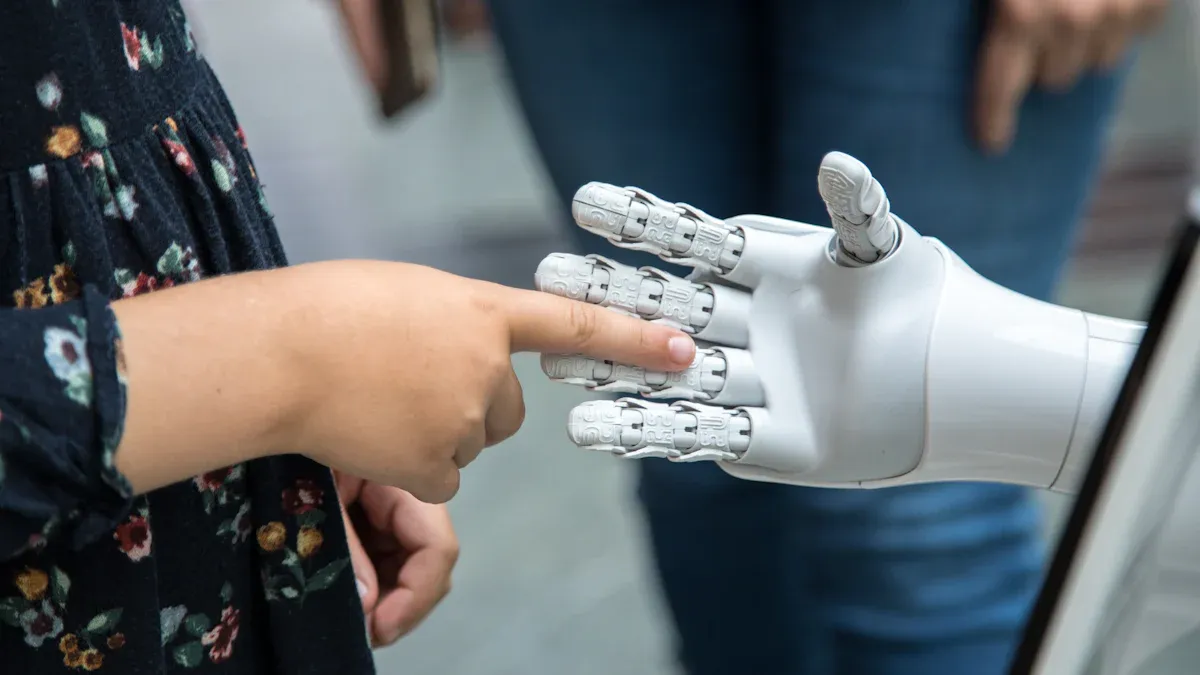
The debate over AI versus human agents misses the point for modern customer service. A strategic partnership is a better model. This approach uses call center technology to support human talent. It creates superior customer service experiences. What if a business could combine the 24/7 efficiency of AI with the empathy of its best human agents? Many customers still prefer human service.
A study showed 75% of consumers want a real human for a better customer experience.
This article provides a blueprint. It shows how to integrate AI and human agents with solutions like the Sobot AI-powered Sobot call center. This partnership between AI and human agents boosts efficiency and customer satisfaction for every customer.
Defining the AI Partnership in Customer Service
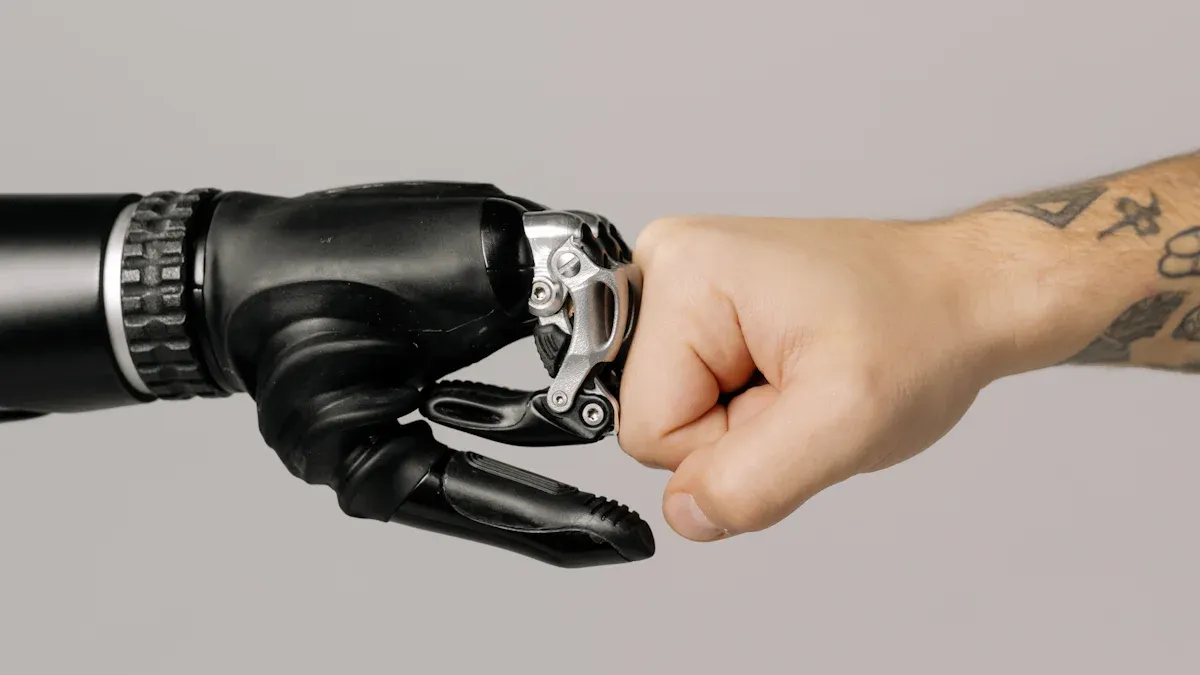
A successful AI partnership redefines roles in customer service. It does not focus on replacing people. Instead, it creates an environment where technology and human talent work together. This collaboration builds a stronger, more responsive service operation.
Moving Beyond the Replacement Myth
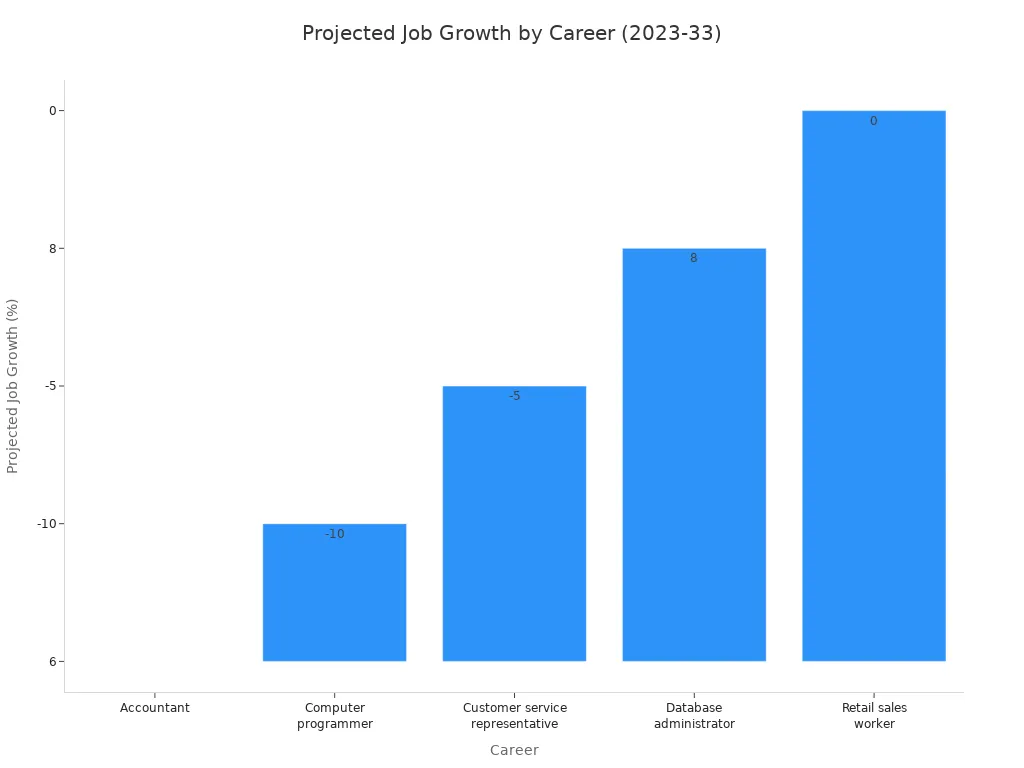
Many business leaders believe AI will completely replace human jobs. The reality is more nuanced. AI is more likely to automate specific tasks rather than entire roles. This technology handles repetitive work. It frees up the human workforce for creative and strategic problem-solving. While some roles like customer service representatives may see a decline, other areas show growth. This demonstrates a complex shift, not a simple replacement.
The Hybrid Model: How It Works
The hybrid model finds the optimal balance between AI and human interaction. In this system, AI customer service tools like chatbots handle initial customer contacts and routine questions. This first line of defense provides 24/7 service. It resolves a high percentage of issues instantly. When a customer has a complex problem, the AI seamlessly transfers the conversation to the best-equipped human agent. This ensures the customer always gets the right level of support. This model boosts efficiency and lets human agents focus on building relationships.
Core Principles of a Successful Partnership
Building a great AI and human team requires a clear plan. Success depends on a few core principles.
- Clarify Roles: Define what AI handles and what human agents manage.
- Build Trust: Create trust in the AI through transparency and reliability.
- Design Workflows: Create systems where AI manages routine tasks, freeing agents for complex issues requiring empathy.
- Invest in People: Train agents to collaborate with AI and encourage a culture of continuous learning.
Enhancing the Customer Journey
This partnership directly improves the customer experience. AI-powered chatbots greet every customer. They gather information and provide quick answers. This service reduces wait times. For complex issues, the AI routes the customer to a human agent with full context. This smooth handoff avoids frustration. The human agent can then provide deep understanding and empathy. This process builds meaningful connections. It leads to higher customer satisfaction and a better overall service experience. Good call center technology makes this entire journey seamless for the customer.
The Role of AI in Modern Customer Service
A successful partnership requires a clear understanding of each partner's strengths. In customer service, AI and humans have distinct and complementary roles. AI provides the speed and scale modern operations need, while the human team delivers the nuance and empathy that builds lasting customer loyalty. This division of labor creates a powerful and efficient service model.
AI for Speed, Data, and Scalability
The primary AI strengths are speed and the ability to manage huge volumes of data. AI tools dramatically improve service efficiency. This technology allows a business to scale its support without a linear increase in staff.
- AI can reduce customer issue resolution times by up to 50%.
- It helps teams resolve issues 44% faster.
- AI integration can decrease first response times by 37%.
This speed ensures every customer receives an immediate response. AI also provides valuable data-driven insights that help refine the entire service experience.
Humans for Empathy and Complex Problems
While AI handles volume, human strengths lie in understanding and connection. Human agents are essential for solving complex or emotionally charged problems. A human can interpret nuance and show genuine empathy, which an AI cannot replicate. This ability to understand a frustrated customer's situation is vital for turning a negative experience into a positive one.
AI for Repetitive Tasks and Self-Service
AI excels at managing routine and repetitive tasks. This frees up human agents for more valuable work. Chatbots and other AI tools can provide 24/7 self-service options for common customer questions.
AI can automate tasks such as:
- Order tracking and status updates
- Billing inquiries
- Account setup assistance
- Basic product troubleshooting
This automation gives customers fast answers and reduces the workload on the human team.
Humans for High-Value, Emotional Interactions
The most important interactions often require a human touch. Human agents build trust and create meaningful connections. When a customer has a sensitive issue or a high-stakes problem, speaking with an empathetic person makes all the difference. This emotional connection is the foundation of great customer service and a positive brand experience. Effective call center technology ensures the customer reaches the right human agent seamlessly.
Building Your Workflow with AI Call Center Technology
Creating a successful AI-human partnership requires a well-designed workflow. The right call center technology provides the foundation for this collaboration. Sobot's Omnichannel Solution is a powerful starting point. It creates a Unified Workspace where all customer conversations from voice, chat, and email come together. This single view allows for a smooth flow of information between AI and human agents, setting the stage for a truly integrated customer service operation.
Step 1: Assigning Tasks to AI
The first step is to decide which tasks AI will handle. A clear strategy ensures the AI adds maximum value. Businesses should define the AI's role and objectives before implementation. This helps identify the key customer queries that automation can resolve.
Best practices for assigning tasks to AI include:
- Define Clear Objectives: Determine what the AI should achieve. Goals could include improving response times or increasing self-service rates.
- Build a Knowledge Base: Create a central source of information. This allows the AI to provide consistent and accurate answers.
- Leverage Modern AI: Use advanced AI and Large Language Models (LLMs). This helps chatbots understand complex questions and maintain context.
- Focus on User Experience: Design a smooth conversation flow. The AI should have quick response times and clear options to connect with a human.
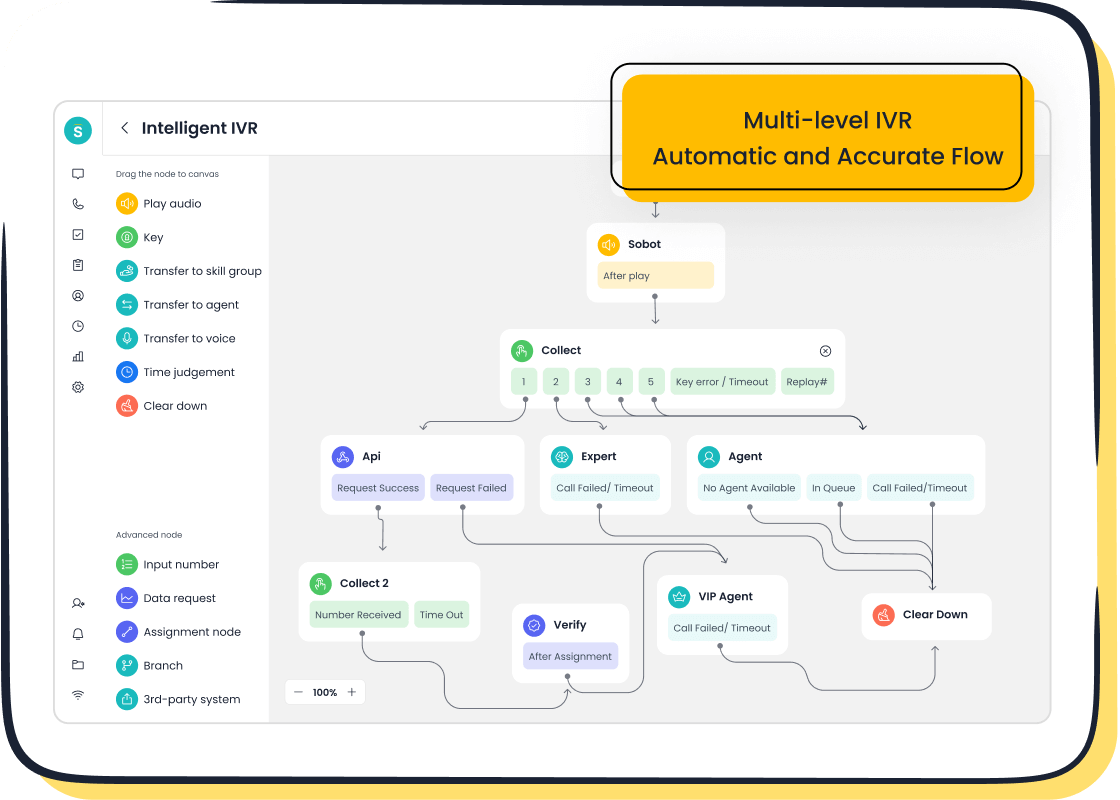
Sobot’s AI-powered Voicebot and drag-n-drop IVR are perfect for this role. The Voicebot uses intent recognition to understand a customer's needs from their first words. The smart call routing feature then directs the call to the right place instantly. This technology automates routine queries and call routing, freeing up human agents for more complex work.
Step 2: Empowering Agents with Sobot
With AI managing routine tasks, human agents can focus on high-value interactions. The right technology empowers them to perform at their best. Sobot’s Omnichannel Solution centralizes all support channels into one dashboard. This unification leads to faster responses and better team coordination.
Sobot provides agents with several tools to resolve issues faster:
- AI Agent Tools: The AI gathers context and predicts customer needs. This reduces repetitive work for the human agent.
- Instant Knowledge Base Access: Agents can search the entire knowledge base using natural language. The AI also suggests relevant articles based on the customer's query.
- AI Copilot: This tool offers real-time guidance during calls and chats. It generates response suggestions and helps adjust the message tone for a positive experience.
- Automated Summaries: The AI automatically creates concise summaries of interactions. This reduces after-call work and allows agents to help the next customer sooner.
These tools give agents the information they need exactly when they need it. This support system boosts agent confidence and performance.
Step 3: Creating a Seamless Handoff
A smooth handoff from AI to a human is critical for a positive customer experience. The customer should never have to repeat information. The AI must transfer the full context of the conversation to the human agent. This process requires careful design and integration. The goal is to make the transition invisible to the customer.
A seamless handoff builds trust and shows the customer their time is valued. It combines the efficiency of AI with the empathy of a human expert.
Leading brands use this strategy to great effect. For example, the smart device innovator OPPO partnered with Sobot to improve its service efficiency. By using Sobot's chatbots to handle initial queries, OPPO achieved an 83% chatbot resolution rate. When an issue required human expertise, the system seamlessly escalated the case to a human agent with all the necessary information. This human-machine cooperation boosted both efficiency and customer satisfaction. You can read more about their success here.
Training Your Team for Collaboration
Technology alone is not enough. The human team must be prepared to work alongside AI. Training is essential for building a successful partnership. Agents need to develop new skills to thrive in an AI-augmented environment.
Key skills for modern agents include:
- Technological Competence: Agents must be comfortable using AI tools and CRM systems to manage interactions.
- Communication Proficiency: Clear verbal and written skills are vital for building trust. Active listening helps agents understand a customer's underlying needs.
- Problem-Solving Abilities: Agents need analytical thinking to find the root cause of problems. Emotional intelligence and empathy are crucial for navigating complex interactions.
Effective training programs should cover AI fundamentals and practical applications. Agents should learn how to collaborate with AI, knowing when to rely on automation and when to intervene. By investing in soft skills like empathy and critical thinking, businesses can ensure their human agents deliver exceptional service that AI cannot replicate. This focus on continuous learning prepares the team for the future of customer service.
The Business Impact of the Perfect Tech Partnership
Integrating AI and human talent creates significant business advantages. This partnership goes beyond improving workflows. It directly impacts productivity, costs, and the quality of customer service. The result is a stronger, more efficient operation that builds better customer relationships.
Boosting Agent Productivity and Satisfaction
A human-AI partnership makes agents more effective and happier in their roles. AI automates repetitive work, which is a major cause of burnout. This allows the human team to focus on more engaging and meaningful tasks. This collaboration boosts overall team efficiency.
- Human-AI teams experience 73% greater productivity per worker.
- They engage in 71% less direct text editing.
- They increase their focus on important content creation tasks by 23%.
When agents are free from tedious tasks, their job satisfaction improves. This leads to lower turnover and a more consistent, high-quality service for every customer.
Reducing Operational Costs and Wait Times
AI automation delivers major cost savings and improves the customer experience. AI-powered chatbots handle common questions 24/7. This service reduces the need for a large human team to cover all hours. It also cuts down on how long a customer has to wait for help.
| Metric | Impact of AI Automation |
|---|---|
| Shorter resolution times | 25% |
| Reduction in Average Handling Time (AHT) | 25% |
Smart AI systems direct each customer to the right solution quickly. This process eliminates long hold times and frustration. The business saves money while providing faster service.
Elevating Your Service Quality
The ultimate goal of customer service is to solve problems effectively. An AI-human team dramatically improves first-contact resolution (FCR). AI chatbots resolve simple issues instantly. For complex problems, the AI gathers information and seamlessly passes the customer to a prepared human agent. This teamwork leads to better outcomes and higher customer satisfaction.
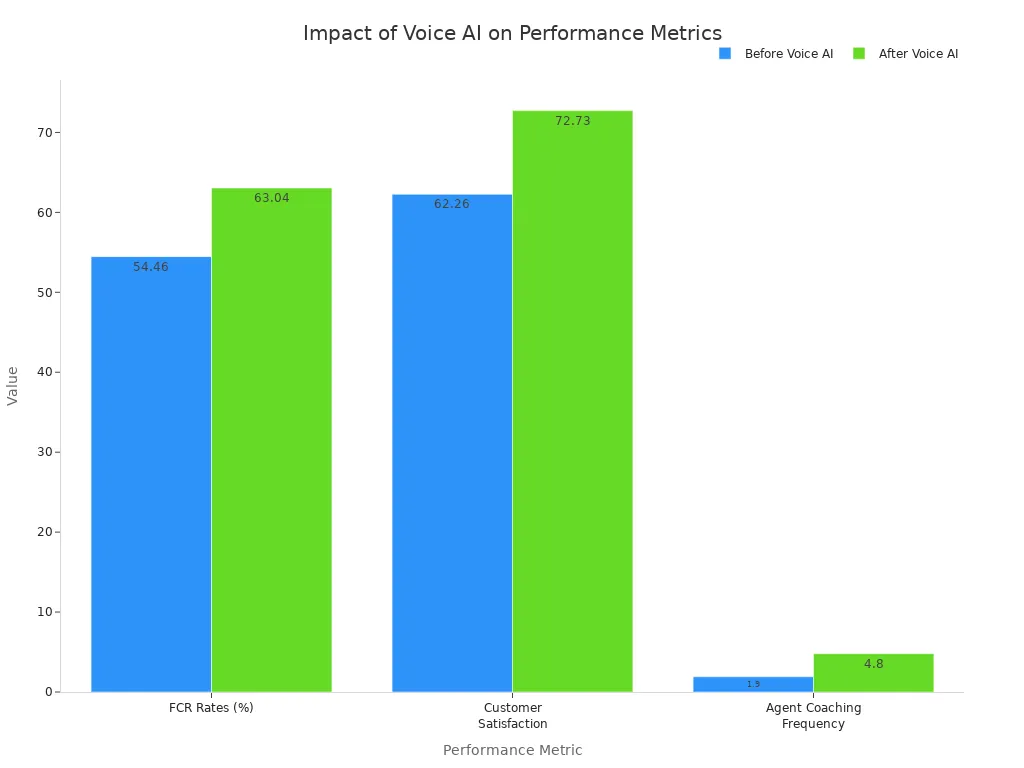
This hybrid model ensures that every customer receives the right level of support. The combination of AI speed and human expertise elevates the quality of the entire service operation.
Gaining Deeper Insights with Combined Data
The partnership between AI and human agents generates a wealth of information. Businesses can analyze this combined data to understand customer needs better. Machine learning algorithms can identify trends and predict future customer behavior. These data-driven insights help companies spot service gaps before they become major problems. This proactive approach allows a business to continuously improve its service and prepare its human team for future challenges.
The future of customer service is not a choice between AI and humans. It is about integrating them into one powerful system with solutions like Sobot. This partnership enhances efficiency, lowers costs, and creates happier, more productive agents. It also leads to more satisfied customers. In fact, customers who rate their experience a 10/10 are six times more likely to repurchase. Businesses gain a decisive competitive advantage. It is time to Embark on Your Contact Journey and build a hybrid model today.
FAQ
How does a business start building an AI-human partnership?
A business can start by identifying repetitive customer queries. It can then implement AI call center technology like Sobot's Voicebot to automate these tasks. This first step frees up human agents for more complex issues and establishes a foundation for collaboration.
What is the main benefit of a hybrid customer service model?
The main benefit is combining AI's efficiency with human empathy. This model provides fast, 24/7 support for simple issues. It also ensures customers receive thoughtful, expert help for complex problems, which boosts overall satisfaction and creates a better customer experience.
Can AI call center technology integrate with existing systems?
Yes, modern AI call center technology offers simple integration. Solutions like Sobot connect seamlessly with existing CRM and business systems. This creates a unified workspace for agents and ensures a smooth flow of information across all platforms, improving efficiency.
Will AI replace our entire customer service team?
No, AI is a partner, not a replacement. It automates routine tasks, allowing human agents to focus on high-value interactions that require empathy and complex problem-solving. This partnership enhances agent skills and improves job satisfaction rather than eliminating roles.
See Also
Leading AI Solutions for Enterprise Contact Centers: A Comprehensive Overview
Comparing Leading Voice of Customer Software for Enhanced Business Insights
Unlocking Efficiency: The Power of AI in Customer Service Software
A Comparative Look at the Best Interactive Voice Response Software
Understanding Call Center Voice Analytics Technology: A Deep Dive