AI in Customer Service A Strategic Guide


You need a strong ai customer service strategy. Modern customers demand instant, 24/7 support. An ai-powered customer service approach helps you meet these high expectations and enhance the entire customer experience. Using artificial intelligence in customer service is not just about automation. It transforms the customer service experience. An effective ai strategy helps your ai-powered customer service deliver superior support. This focus on customer experience is why the ai customer service market is growing rapidly.
| Metric | Value |
|---|---|
| Market Size in 2025 | US$582.227 million |
| Market Size in 2030 | US$1,634.989 million |
| Growth Rate (CAGR) | 22.94% |
Platforms like Sobot provide the AI features of customer service platform needed for this transformation, offering excellent support to improve the customer experience. Your ai-powered customer service can provide better support for a better customer experience.
Why AI in Customer Service is a Game-Changer
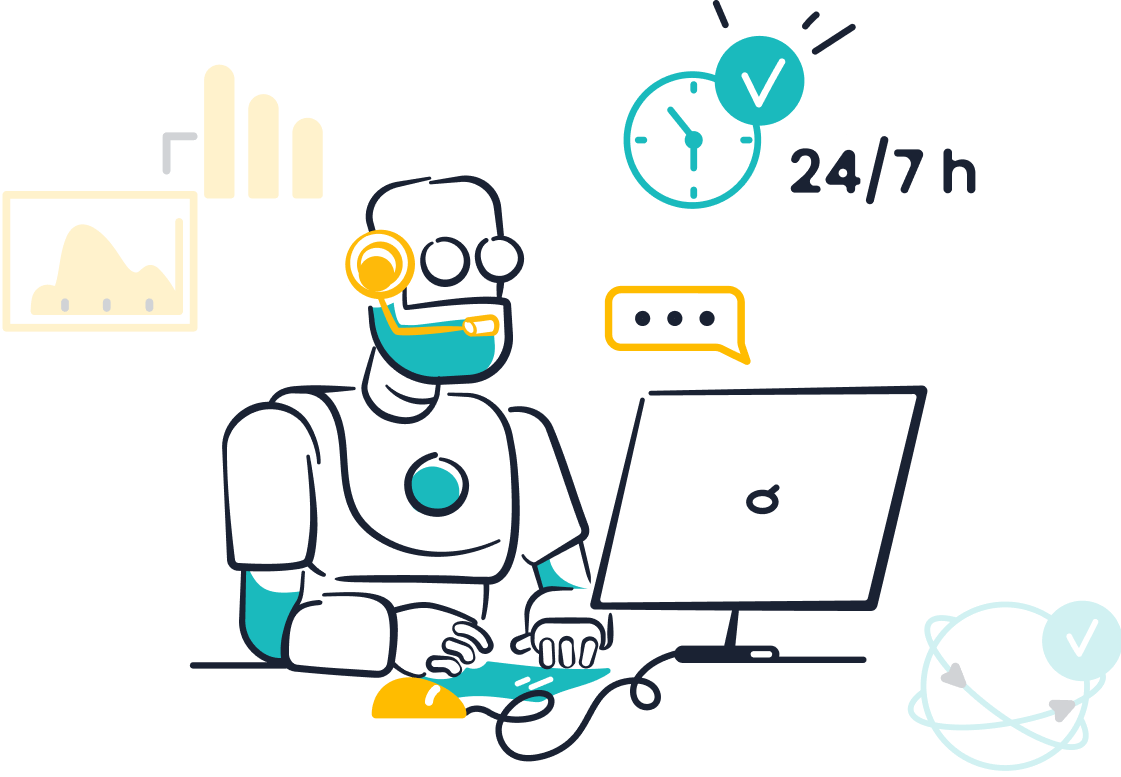
Integrating AI in customer service is more than a trend; it is a strategic move that redefines your entire support operation. An ai-powered customer service approach allows you to meet and exceed modern customer expectations. You can transform your support from a cost center into a powerful value driver. This shift improves efficiency and dramatically enhances the customer experience.
Achieve 24/7 Availability and Instant Response
Your customers expect support anytime, anywhere. An ai-powered customer service platform makes this possible. You provide instant, 24/7 support without increasing your team's workload. This constant availability builds trust and improves customer satisfaction. AI chatbots respond three times faster than human agents, ensuring customers get immediate help. This immediate support reinforces a positive perception of your brand and boosts customer satisfaction rates.
Drive Significant Cost Savings and ROI
You can achieve a significant return on investment with ai-powered customer service. Solutions like Sobot help you save up to 50% on agent costs by handling routine queries around the clock. Many businesses see a positive ROI in under six months. This ai-driven automation allows you to reallocate your budget to other strategic areas while still delivering a superior customer experience.
Boost Agent Productivity and Satisfaction
AI empowers your human agents instead of replacing them. By automating repetitive tasks, your ai-powered customer service frees up agents to focus on complex, high-value issues. This shift boosts customer service productivity by up to 70%. When agents work on more engaging tasks, their job satisfaction increases. This focus on meaningful work improves both agent retention and the quality of customer support they provide, which elevates overall customer satisfaction.
A marketing executive once said: “The day we deployed AI agents for campaign reporting was the first time I left the office before 6 PM in two years.”
Leverage Data for Proactive Personalization
AI customer service uses data to create personalized interactions. You can use data-driven insights to understand customer behavior and anticipate their needs. This allows for proactive customer engagement. For example, you can identify why customers abandon shopping carts and guide them toward a successful purchase. This level of personalization significantly improves the customer experience and boosts customer satisfaction rates. Leading brands like OPPO have used ai-driven customer support to increase their repurchase rate by 57%, proving that a great customer experience drives loyalty and revenue. Your ai-powered customer service can deliver these real-time insights for better support.
Core AI Technologies and Their Applications
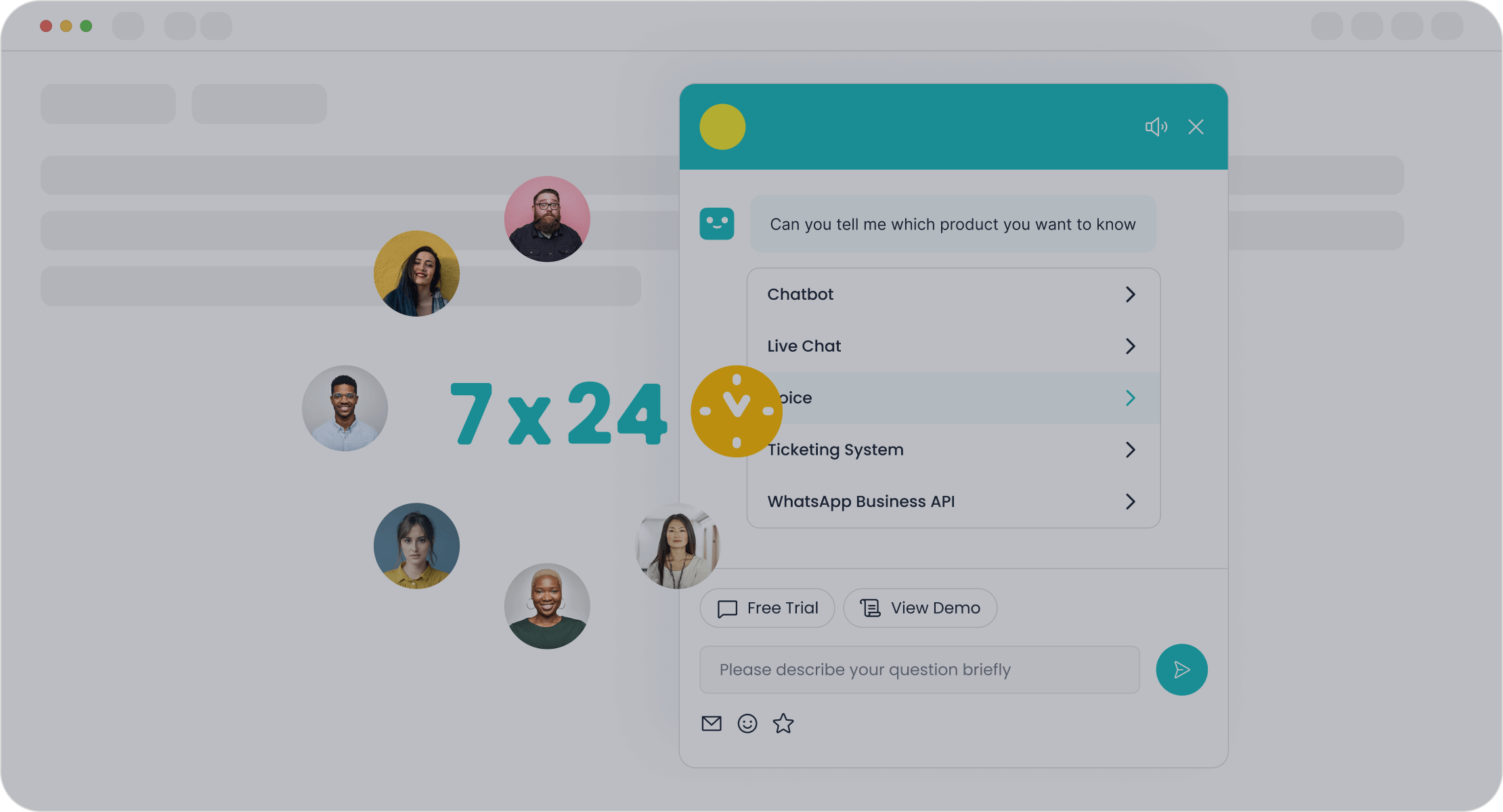
Understanding the core technologies of ai-powered customer service helps you build a powerful strategy. Artificial intelligence is more than just automation; it is a suite of tools that enhances every interaction. The right ai features of a customer service platform can transform your support operations and elevate the customer experience.
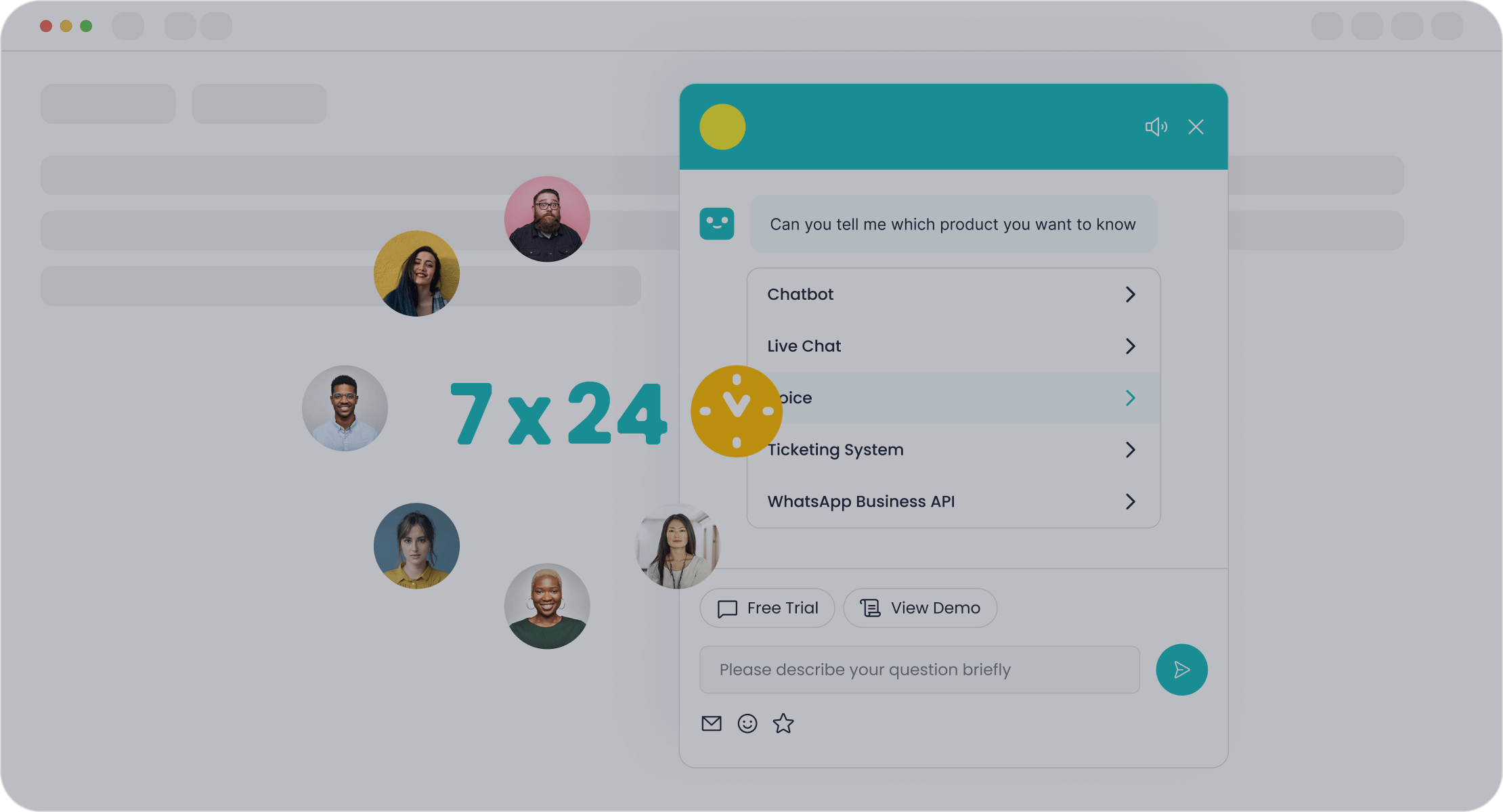
Sobot's AI Chatbot: Your First Line of Support
You can provide instant help with ai-powered chatbots. Sobot’s AI Chatbot acts as your first line of support, available 24/7 to answer common questions. These ai-enabled chatbots give customers immediate responses, improving the customer experience from the very first touchpoint. Using ai chatbots frees up your human agents for more complex problems. This initial layer of ai-powered customer service ensures no customer has to wait for basic support.
NLP and Sentiment Analysis for Deeper Insights
You need to understand what your customers are truly saying. Natural Language Processing (NLP) is a key part of ai in customer service that allows systems to interpret human language. This technology helps your ai-powered customer service categorize support tickets automatically by analyzing the text for urgency and topic.
For example, NLP can identify keywords like "urgent" or "system down" to prioritize a ticket. It also analyzes customer sentiment, helping you gauge the emotional tone of a conversation for a better customer experience.
This insight ensures critical issues get faster support.
Key AI Features of a Customer Service Platform
A complete ai-powered customer service solution goes beyond ai chatbots. The best ai features of a customer service platform integrate multiple tools into one system. A unified platform like Sobot combines ai-enabled chatbots, a smart ticketing system, live chat, and a voice call center. These ai features of a customer service platform work together to create a seamless customer experience. The ai features of a customer service platform provide a single view of the customer. You get powerful ai features of a customer service platform that deliver consistent support across all channels.
Agent Augmentation: AI as a Co-Pilot
AI tools for customer support empower your human agents. Instead of replacing them, AI acts as a co-pilot, providing real-time ai assistance. During a live chat or call, ai tools for customer support can suggest answers, pull relevant information from a knowledge base, and summarize long conversations. This ai-powered customer support helps agents resolve issues faster and more accurately. AI tools for customer support improve agent confidence and performance. Ultimately, these ai tools for customer support lead to a superior customer experience. Your agents have the support they need, and your customers get better service. This is the future of ai in customer service. The best ai tools for customer support make your team stronger.
A Step-by-Step Guide to AI Implementation
Implementing AI into your customer support is a journey, not a single event. A thoughtful, phased approach ensures you build a powerful system that delivers real value. You can transform your customer support from a reactive team into a proactive engine for growth. This guide provides a clear roadmap for a successful ai integration.
Step 1: Define Your Goals and KPIs
Your journey begins with a clear destination. You must first define what success looks like for your ai customer service strategy. Setting specific, measurable goals ensures your efforts align with your broader business objectives. Your customer support strategy should focus on targeted use cases where AI can make the biggest impact.
To measure your progress, you need to establish Key Performance Indicators (KPIs). These metrics will help you track the effectiveness of your ai-powered customer service. Key KPIs include:
- Call and chat containment rates: This shows how many issues your ai-powered chatbots resolve without needing a human agent.
- Average handle time: This measures the time it takes to solve a customer issue, showing how AI tools for customer support improve agent efficiency.
- Customer satisfaction score (CSAT): This directly measures customer happiness and is a crucial indicator of a positive customer experience.
- Human agent satisfaction: Happy agents provide better support. Tracking their satisfaction helps you build a stronger team.
Defining these goals upfront provides a clear benchmark for success and guides your entire customer support strategy.
Step 2: Assess Your Data and Tech Readiness
Before you build, you must check your foundation. Your existing technology and data are the bedrock of your ai-powered customer service. You need to assess your readiness to ensure a smooth implementation. This means evaluating your current infrastructure.
Your technical assessment should cover these key areas:
- Scalable Computing Resources: AI systems need power. You must ensure you can handle the computational demands, especially as you grow.
- Resilient Data Storage: AI learns from data. You need a robust system to store and manage your customer interaction data securely.
- Robust Networking Infrastructure: Fast and reliable networks are critical for moving data efficiently and providing real-time support.
- Comprehensive Security Framework: You must protect your customer data. Your framework should include data encryption and strict access controls to build trust.
A thorough readiness assessment helps you identify potential bottlenecks and plan necessary upgrades. This proactive step ensures your technology can support a world-class ai-powered customer service platform.
Step 3: Select the Right Customer Support Tools
Choosing the right tools is critical for your success. The market offers many options, so you need to focus on what matters most for your business. The best customer support tools are easy to use, integrate with your existing systems, and can scale as your company grows.
When comparing customer support tools, look for these essential features:
- Ease of Use: Your team should be able to adopt the new tool quickly without extensive training.
- Integration Capabilities: The tool must connect seamlessly with your CRM and other business software.
- Omnichannel Support: Your platform should provide a consistent customer experience across chat, email, voice, and social media.
- Security and Compliance: Ensure the tool meets data protection standards like GDPR to keep customer information safe.
- Reporting and Analytics: You need strong analytics to measure performance and make data-driven decisions.
Tip: An all-in-one platform simplifies your technology stack. Solutions like Sobot offer an integrated suite with an AI Chatbot, Ticketing System, and Voice Call Center. This unified approach streamlines workflows and makes your ai integration much simpler.
Step 4: Implement in Phases with a Pilot Program
You should not try to do everything at once. A phased implementation, often called the "Crawl-Walk-Run" method, minimizes risk and helps you build momentum. You start with a pilot program focused on a specific, high-impact area.
- Crawl: Begin by deploying ai-powered chatbots to handle simple, frequent questions. This provides quick wins and allows you to gather valuable data.
- Walk: Use the data from your pilot to refine and expand your AI's capabilities. You can build more complex workflows and improve the accuracy of your ai-powered chatbots.
- Run: Fully integrate the AI across your operations. At this stage, you have a mature system that continuously learns and improves.
Leading brands like OPPO used this approach to great success. By implementing Sobot's ai-powered chatbots, they achieved an 83% chatbot resolution rate. This real-world example shows how a phased rollout can lead to outstanding results and a better customer experience.
Step 5: Integrate a Human-in-the-Loop Escalation Path
AI is powerful, but it cannot solve every problem. A crucial part of your ai customer service strategy is creating a seamless path for escalation to a human agent. This "human-in-the-loop" approach ensures customers always get the support they need, which is vital for customer satisfaction.
You should set clear triggers for when an issue should be escalated. Common triggers include:
- Multiple failed chatbot attempts to answer a question.
- A customer expressing frustration or using words like "upset."
- Complex technical, legal, or sensitive issues.
- Requests from high-value or VIP customers.
When a transfer happens, the process must be smooth. The human agent should receive the full chat history and customer context. This avoids forcing the customer to repeat themselves and creates a unified, positive customer experience. Effective AI tools for customer support make this handoff seamless.
Step 6: Measure Performance and Iterate
Your AI implementation is never truly "done." You must continuously measure performance and iterate to improve your system. This commitment to ongoing optimization is what separates a good ai-powered customer service from a great one. Your AI in your customer support strategy must be dynamic.
Track the KPIs you defined in the first step. Key metrics to monitor post-launch include:
- Containment Rate: Are your ai-powered chatbots resolving more issues over time?
- User Satisfaction (CSAT): Is customer satisfaction improving?
- Goal Fulfillment Rate: Are customers achieving their goals when interacting with your AI?
- Cost Per Interaction: Are you seeing the efficiency gains you planned for?
Use this data to identify areas for improvement. For example, OPPO used insights from their system to optimize their knowledge base, resulting in a 90% reduction in maintenance efforts. This shows how data-driven iteration can lead to significant operational gains and higher customer satisfaction. The right AI tools for customer support provide the analytics you need to make these improvements. This iterative process is a cornerstone of a successful AI in your customer support strategy.
Overcoming Challenges in AI Customer Support
You can unlock incredible value with ai-powered customer service. However, you must also navigate potential challenges. A smart strategy helps you anticipate and solve these issues, ensuring your AI implementation enhances the customer experience and builds trust.
Handling Complex and Nuanced Queries
Your ai-powered chatbots excel at handling common questions, but they cannot solve every problem. You need a plan for complex issues. A hybrid support model is the best solution. This approach uses ai-powered customer service to manage initial queries and smoothly transfers sensitive or complex cases to human agents. This ensures customers always receive the right level of support. This blend of automation and human expertise improves the customer experience and can lead to a 22% higher customer satisfaction rate. Your ai customer support becomes a powerful, flexible system.
Ensuring Data Privacy and Security
You must protect your customer's data. Building trust is essential for a positive customer experience. Many companies lack specific security policies for AI, which creates risk. You should choose a platform that prioritizes security.
Security Tip: Always use tools with strong privacy controls. Solutions like Sobot AI are designed with GDPR compliance and data encryption to keep information safe. You should also control your privacy settings and never share sensitive information with public AI systems.
This focus on security protects your customers and your business, improving customer satisfaction. Your ai-powered customer service must be secure.
Building a High-Quality Knowledge Base
The brain behind your ai-powered chatbots is the knowledge base. A high-quality, well-organized knowledge base is crucial for providing accurate answers. Your ai-powered chatbots are only as smart as the information you give them. You must continuously update this resource as your products and services evolve. This is not a "set it and forget it" task. Regular updates ensure your ai-powered chatbots remain a reliable source of support, which directly boosts customer satisfaction. A strong knowledge base is the foundation of effective ai-powered customer support and a great customer experience.
Gaining Customer Trust and Adoption
Your customers need to trust your ai-powered chatbots. You can build this trust through clear communication. Always inform customers when they are interacting with an AI. You should also highlight how your ai-powered chatbots improve the customer experience by providing instant support. When customers understand the benefits, they are more likely to use the tool. This transparency is key to driving adoption and improving customer satisfaction. Your ai customer service strategy must include a plan for building this trust. This ensures your investment in ai-powered customer service delivers real value.
The Future of AI Customer Service
The world of ai in customer service is evolving quickly. You are moving toward a future where support is more predictive, personal, and powerful. This next wave of artificial intelligence will transform your ai-powered customer service operations. It will create an even better customer experience and drive higher customer satisfaction.
Hyper-Personalization at an Unprecedented Scale
You can soon offer ai personalized customer service on a massive scale. Future ai-powered customer service systems will go beyond using a customer's name. They will analyze live behavior and sentiment to adapt the support experience in real time. Imagine your ai-powered customer service changing its tone and messaging based on a customer's immediate needs. This deep level of personalization creates a truly unique customer experience and boosts customer satisfaction.
Generative AI for Dynamic Conversations
Your automated conversations are becoming more human. Generative AI allows your ai-powered customer service to move past scripted replies. It creates dynamic, unique interactions for better customer engagement. Unlike older chatbots, these systems understand context and learn from every conversation.
This technology provides instant, 24/7 support with answers that improve over time. This leads to a superior customer experience and greater customer satisfaction.
The Rise of Advanced Voice and Visual AI
Your ai customer service is gaining a voice. Advanced voice AI can manage phone calls, answer questions, and even automate appointment bookings without complex menus. This technology provides seamless ai assistance over the phone. It makes the support process faster and more natural for your customers. This evolution in ai customer service improves the customer experience by offering more intuitive support channels.
The Deepening Synergy of AI and Human Agents
The future of customer support is a partnership between humans and AI. Your ai-powered customer service will act as a real-time copilot for your agents. It will provide instant access to information and suggest answers during live chats. This powerful support frees up your agents to handle the most complex issues. This synergy boosts agent productivity and ensures every customer receives excellent support, which is key for customer satisfaction.
Your ai customer service strategy is vital for modern business. You can enhance both efficiency and the human touch in your support. Your ai-powered customer service improves the customer experience and boosts customer satisfaction. With the right plan and tools like Sobot, you transform your support operations. Your ai-powered customer service turns from a cost center into a value driver, improving the customer experience and customer satisfaction. Your ai-powered customer service delivers a better customer experience and higher customer satisfaction. Now is the time to embrace your ai-powered customer service. Embark on your contact journey and build a better customer experience for greater customer satisfaction and superior support.
FAQ
What is the main purpose of an AI chatbot?
You use an AI chatbot to automate customer interactions. It solves common questions on its own and helps your human agents. This improves your team's productivity and makes your support more efficient.
How does AI help cut customer service costs?
AI operates 24/7 to answer customer questions. This reduces the need for a larger support team. For example, Sobot's AI can help you save up to 50% on agent costs by handling routine queries around the clock.
Do I need coding skills to set up an AI chatbot?
No, you do not need to code. Modern platforms like Sobot offer a point-and-click interface. You can use simple building blocks to design and launch your chatbot workflows easily.
Can AI handle customers in different languages?
Yes, it can. Many AI platforms, including Sobot's AI Chatbot, are multilingual. You can interact with your customers in their preferred language, which helps you provide a better global customer experience.
See Also
Artificial Intelligence Agents Are Transforming Customer Support Experiences
Essential Guide to Quality Management Systems for Call Centers
Implementing Top Quality Management Practices in Your Call Center
Leveraging AI Software to Significantly Enhance Customer Service Efficiency
Discovering the Ten Leading Customer Service Software Solutions for 2024

