AI Ecommerce Chatbot vs Human Agent

Ecommerce owners face a key question: AI ecommerce chatbot or human agent? The winning strategy is a hybrid approach that creates a superior customer experience. This model blends the best of both worlds for optimal customer support.
A hybrid AI + Human model earns an impressive 4.5/5 customer satisfaction score, outperforming AI-only systems.
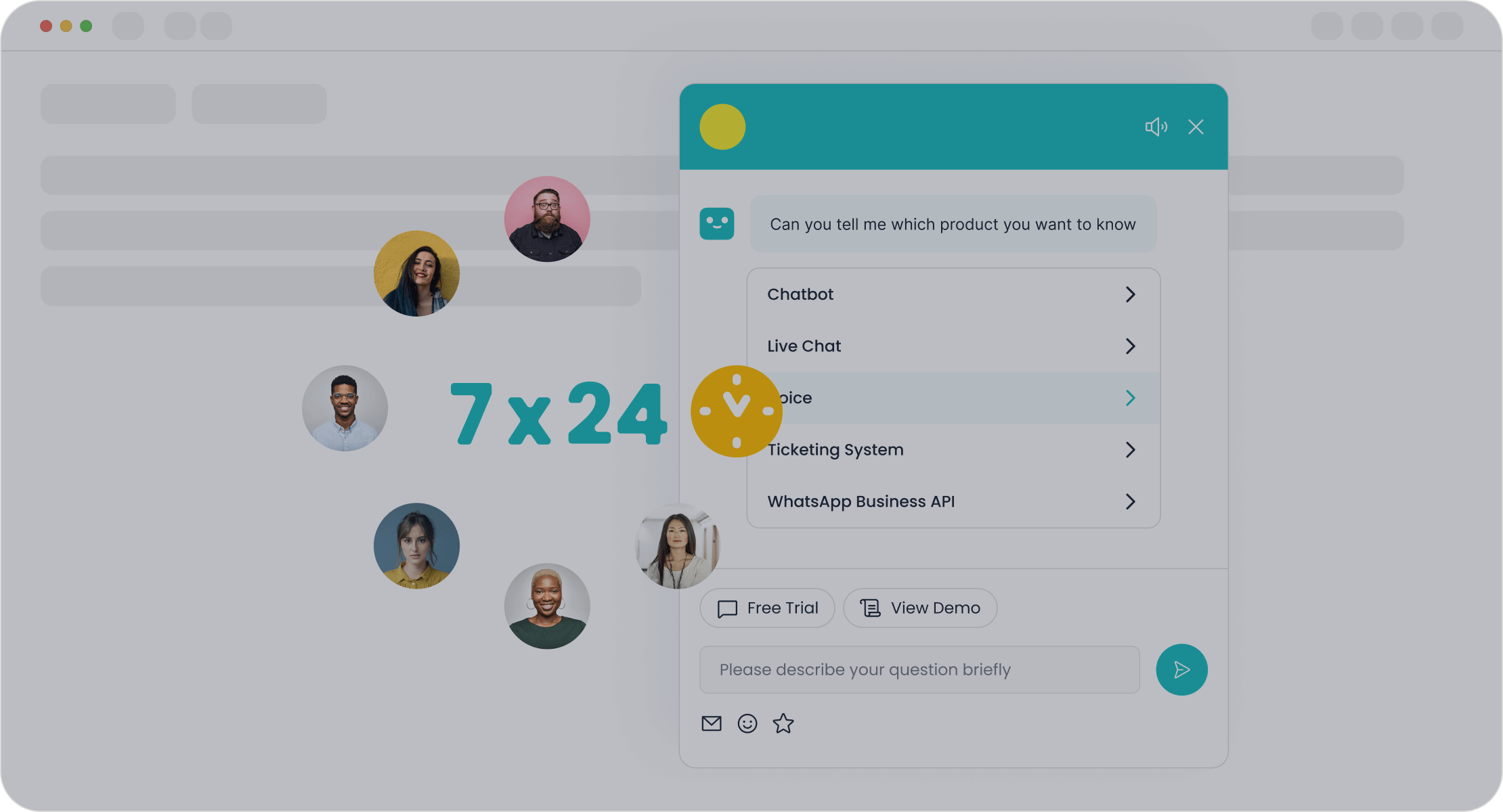
AI chatbots provide 24/7 efficiency and service. This instant support is what 94% of customers choose when given the option. Meanwhile, AI customer service agents offer empathetic support for complex issues. This guide is your map to building an integrated system with a solution like Sobot, optimizing AI in customer service for every customer.
The Pros and Cons: AI Chatbot vs. Human Agent

Deciding between an AI ecommerce chatbot and a human agent involves weighing their unique strengths and weaknesses. Understanding these pros and cons is the first step toward building an effective customer support strategy. This section breaks down the key differences to help you see why a blended approach is the clear winner for modern ecommerce.
Speed and Availability: The AI Advantage
Modern customers expect instant answers. This is where AI in customer service truly shines. The primary advantages of AI are speed and constant availability.
- AI chatbots process simple requests in seconds.
- Human agents have slower initial response times.
- AI provides 24/7 instant support without needing breaks or sleep.
This round-the-clock service is a massive benefit. Your business can answer questions and solve problems even when your human team is offline. This immediate availability directly impacts customer satisfaction.
Research shows that 82% of consumers prefer using a chatbot over waiting for a human agent's response.
Ultimately, the superior speed and 24/7 availability of artificial intelligence chatbots make them the ideal first point of contact for any customer inquiry.
Cost-Effectiveness: Where AI Delivers ROI
Running a customer service department involves significant costs, from salaries to training. AI chatbots offer a powerful way to manage these expenses and deliver a strong return on investment. Automating routine inquiries reduces the need for a large support team.
Solutions like the Sobot Chatbot are designed to deliver measurable financial benefits. Businesses using Sobot can see savings of up to 50% on additional agent costs and an improvement in team productivity by 70%. These figures show how AI directly impacts your bottom line. The industry-wide savings are projected to be massive, with conversational AI expected to save businesses over $80 billion annually.
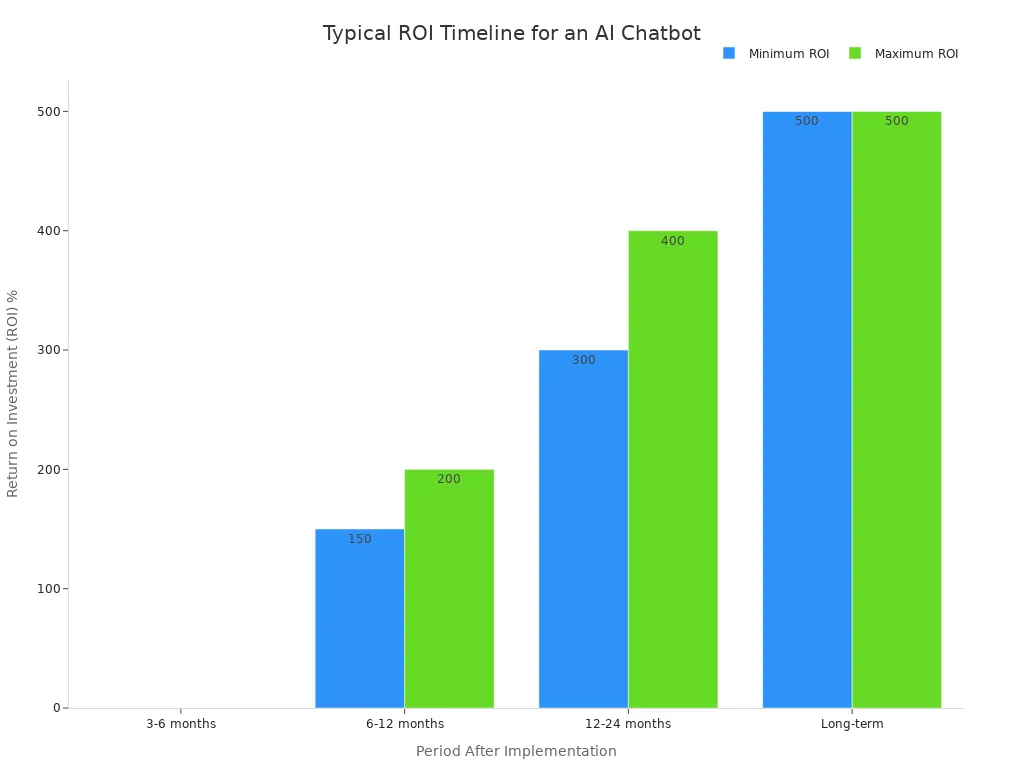
The ROI timeline for AI is often faster than you might think. While complex implementations can take 12-24 months to pay for themselves, many businesses see returns much sooner.
| Period | ROI |
|---|---|
| 3-6 months | Initial cost recovery |
| 6-12 months | 150-200% ROI |
| 12-24 months | 300-400% ROI |
| Long-term | 500%+ ROI |
This rapid value generation is a key reason why more ecommerce brands are adopting AI.
Complex Problem-Solving: The Human Touch
While chatbots excel at handling high volumes of simple questions, they have limitations. These disadvantages of AI become clear when a customer has a complex or unique problem. This is where your human agents become invaluable.
Some of the disadvantages and risks of AI in customer service include:
- Struggling with products that have multiple configurations.
- Confusing similar product names or model numbers.
- Forcing a frustrated customer to repeat information.
- Creating barriers for customers who need specialized technical support.
These are the moments when a chatbot should escalate the conversation to a person. The goal isn't to replace humans but to empower them. By automating the simple stuff, AI frees up your expert ai customer service agents to apply critical thinking and creative solutions to the toughest customer challenges.
Empathy and Relationships: A Human Strength
A machine cannot replicate genuine human empathy. Building a real relationship with a customer requires understanding, patience, and emotional intelligence. These are human strengths. While chatbots are efficient, their automated responses can feel cold and impersonal, which is one of the major disadvantages of AI.
Empathetic support from a human agent can transform a negative experience into a positive one. This builds trust and loyalty, which directly impacts:
- Higher customer satisfaction scores.
- Reduced customer churn.
- Increased Customer Lifetime Value (CLV).
This is the core of the hybrid model's success. AI handles the volume, allowing your human team to provide high-value, empathetic support where it matters most. A perfect example is OPPO, a leading smart device brand. By implementing Sobot's solutions, OPPO achieved an 83% chatbot resolution rate. This incredible efficiency freed their human agents to focus on more critical tasks, boosting their positive feedback rate to 94% and increasing customer satisfaction.
Scalability and Data: The Strengths of AI Chatbots
As your business grows, so does your volume of customer inquiries. Hiring and training new agents to meet this demand is slow and expensive. This is another area highlighting the advantages of AI. AI chatbots scale instantly.
| Feature | AI Chatbots | Human Support Teams |
|---|---|---|
| Scalability | Handle thousands of interactions at once; expands instantly with traffic. | Requires hiring, training, and scheduling; scaling is slow and costly. |
| Response Time | Instant responses, even during peak traffic surges. | Wait times increase during high volume, leading to customer frustration. |
| Workload | Manages multiple conversations simultaneously without burnout. | High workloads can lead to agent burnout and higher turnover. |
Beyond scalability, artificial intelligence also provides a powerful data collection engine. Chatbots gather valuable information from every interaction, including:
- Customer intent and purchasing patterns.
- Feedback from micro-surveys.
- Common questions and pain points.
- Information from browsing history and previous chats.
This data is a goldmine. You can use these insights to improve your products, refine your marketing, and optimize your customer service processes. This continuous loop of interaction, data collection, and optimization is one of the most powerful advantages of using AI in customer service.
When to Use an AI Ecommerce Chatbot
Knowing when to deploy an AI ecommerce chatbot is key to maximizing its benefits. These tools are not just for answering questions; they are powerful engines for efficiency and customer engagement. Using an AI chatbot for the right tasks provides the instant, self-service options that modern customers expect. This enhances the overall customer experience and frees up your human team for more valuable work.
Answering FAQs 24/7
Your customers have questions at all hours. An AI chatbot provides instant answers to frequently asked questions (FAQs) about shipping, returns, and product details. This 24/7 availability is a major advantage. Instead of waiting for an email response, a customer gets the information they need immediately. This improves customer satisfaction and builds trust. Modern AI in customer service can handle a high volume of these common queries.
Gartner predicts that by 2029, advanced AI will be able to autonomously resolve 80% of common customer service issues without any human help.
Lead Generation and Product Recommendations
Chatbots are excellent tools for proactive engagement. An ai ecommerce chatbot can greet website visitors, ask qualifying questions, and capture lead information like names and emails. They can also act as personal shoppers. By analyzing a customer's browsing behavior, AI chatbots suggest relevant products. This personalized service can significantly increase sales.
- AI-driven personalization often leads to a 20% increase in sales compared to static recommendations.
- Some online retailers have seen a 35% increase in completed purchases after implementing chatbots.
This proactive support turns casual browsers into buyers.
Order Tracking and Status Updates
"Where is my order?" (WISMO) is one of the most common customer service questions. These inquiries can overwhelm a support team. AI chatbots automate this entire process. A customer can simply enter their order number into the chat window to get real-time status updates. This simple function can deflect a huge number of support tickets. Automating order tracking can reduce WISMO-related tickets by as much as 80%, freeing up significant support capacity. This is a clear win for efficiency.
After-Hours and Weekend Support
Your business may close at 5 PM, but your online store never does. AI provides constant 24/7 customer assistance, ensuring no customer is left waiting. This is especially valuable during evenings, weekends, and holidays when human agents are unavailable. A solution like the Sobot Chatbot excels here. It offers multilingual and omnichannel support across platforms like WhatsApp and SMS. Best of all, it requires no coding to set up. This ensures your service is always on, improving customer loyalty and capturing sales you might otherwise miss.
When a Human Agent is Essential
AI in customer service is powerful, but it has its limits. Certain situations require the nuance, empathy, and critical thinking that only a human can provide. Knowing when to escalate a customer to a person is crucial for maintaining high customer satisfaction and building lasting relationships. These are the moments where your expert ai customer service agents become the heroes of your support team.
Handling Escalated or Emotional Customers
When a customer is frustrated or upset, an automated response can make things worse. Human agents can provide the genuine empathy needed to de-escalate a tense situation. Effective ai customer service agents are trained to handle these difficult conversations with care.
A customer may become frustrated by deflective language like "That's not my job" or "I can't help you with that." These phrases make customers feel dismissed and unheard, often triggering an escalation.
To turn a negative experience around, human agents can:
- Use active listening to fully understand the customer's problem.
- Express empathy with statements like, "I can see why this is frustrating."
- Work toward a solution and clearly explain the next steps.
This human touch is essential for customer satisfaction and retention.
Resolving Complex Technical or Billing Issues
Chatbots can handle simple billing questions, but complex issues require human judgment. A customer might have a problem involving custom pricing, unusual order requests, or billing anomalies that an AI cannot understand. While AI can manage basic corrections, about 10-15% of orders have unique issues that need a person to resolve. This intervention is key to providing excellent service and ensuring customer satisfaction.
Supporting High-Value VIP Customers
Your most valuable customers expect a higher level of service. A human agent can provide the personalized support that builds loyalty with this important group. This dedicated support goes beyond standard service. For VIP customers, agents should:
- Know the customer's loyalty status and purchase history.
- Anticipate their specific needs.
- Offer tailored solutions and recommendations.
This focused attention makes your best customers feel valued and understood.
Managing Unique and Unforeseen Problems
Sometimes, a customer has a problem that doesn't fit into any category. These unique and unforeseen issues are where human creativity shines. An agent can think outside the box to find a solution that a machine would never consider. This ability to handle the unexpected is a core strength of human support and a vital part of a complete customer service strategy.
The Hybrid Future of AI in Customer Service
The debate over AI chatbots versus human agents is becoming outdated. The clear winner is a hybrid model that combines the efficiency of automation with the empathy of human experts. This approach creates a powerful, seamless customer journey. The future of AI in customer service lies in this collaboration, where technology empowers people to deliver exceptional support. An all-in-one platform like Sobot makes this hybrid model a reality, ensuring every customer interaction is smooth and effective.
Building a Seamless Handoff with Sobot
A smooth transition from a chatbot to a human agent is critical for customer satisfaction. A clunky handoff forces customers to repeat themselves, causing frustration. A seamless handoff, however, builds trust and shows you value their time. The goal is to make the escalation feel natural and efficient. Sobot makes this possible by integrating its AI Chatbot with a powerful Ticketing System. When a chatbot can't resolve an issue, it seamlessly transfers the conversation, along with the full chat history, to a live agent. This ensures the agent has all the context needed to provide personalized solutions without delay. This smooth transition prevents customer frustration and boosts satisfaction.
Using AI to Empower Human Agents
AI in customer service isn't just for customers; it's also a powerful tool for your support team. AI can assist human agents by providing real-time information and suggesting replies. This makes your ai customer service agents more effective and confident. For example, Sobot’s AI Copilot feature analyzes the ongoing conversation and recommends relevant answers or policy links. This automation reduces the time agents spend searching for information, allowing them to resolve issues faster and more accurately. This support helps new team members get up to speed quickly and ensures consistent service quality across the board, leading to higher first-contact resolution and greater customer satisfaction.
Automating Pre-Chat Data Collection
Efficiency starts before the conversation even begins. Automating pre-chat data collection is a simple way to prepare your human agents for success. By using a short form before a chat starts, you can gather essential information like the customer's name, order number, and reason for contact. This automation allows the system to route the customer to the most qualified agent. The agent receives the case with all the necessary context, enabling them to investigate the issue immediately. This simple step saves valuable time for both the customer and the agent, leading to faster resolutions and a better personalized experience.
Optimizing with AI-Driven Insights
AI chatbots are a goldmine of customer data. Every interaction provides valuable insights into customer needs, common problems, and product feedback. AI-driven analytics can analyze this data to identify trends and opportunities for improvement. For instance, AI can detect frequently asked questions that are not covered in your knowledge base, highlighting gaps in your self-service support. These insights allow you to take specific actions, like updating your FAQ page or creating new help articles. This continuous loop of feedback and optimization helps you proactively address customer pain points, reduce support ticket volume, and enhance the overall service experience.
The debate over an AI ecommerce chatbot versus human agents is outdated. The winning strategy for AI in customer service is a collaborative partnership. This hybrid approach combines the efficiency of AI chatbots with the empathy of human experts, boosting customer satisfaction.
The optimal model uses powerful chatbots like Sobot as the first line of support. This frees your expert AI customer service agents to handle complex issues, fostering long-term customer loyalty and satisfaction.
This integrated system creates a cost-effective and scalable service that drives customer satisfaction. By leveraging AI in customer service, you empower your AI customer service agents and deliver a superior experience. Embark on your contact journey and explore Sobot’s AI solutions to build your own hybrid support team.
FAQ
Why is a hybrid model better than using only AI or only humans?
A hybrid model combines AI's speed with human empathy. This approach provides the best possible service. AI handles simple questions 24/7. This frees human agents to solve complex problems for any customer, improving overall customer satisfaction and creating a better service experience.
What is the main job of an AI ecommerce chatbot?
An AI ecommerce chatbot is the first point of contact for customer service. Its main job is to answer common questions instantly, track orders, and recommend products. This provides immediate support to every customer and improves efficiency for the service team.
When should a customer talk to a human agent?
A customer should talk to a human agent for complex or emotional issues. Humans are essential for handling frustrated customers, resolving difficult billing problems, and managing unique situations. This personal touch is a key part of great customer service.
How does AI help a human customer service agent?
AI acts as a powerful assistant for human agents. It provides customer history and suggests answers in real-time. This support helps the agent solve customer problems faster and more accurately, leading to a more effective and satisfying service interaction for the customer.
See Also
Elevating E-commerce Customer Happiness Through Smart Chatbot Solutions
Driving E-commerce Revenue: The Power of Live Chat Software
Best Live Chat Platforms for E-commerce Success This Year
Simple Steps to Integrate Effective Website Chatbot Examples Seamlessly
Selecting Optimal Chatbot Software: A Comprehensive Guide for Businesses

