AI Support Tools vs Traditional Features Explained

Businesses often question the best path for customer support. Should they use AI automation or traditional customer service? The best strategy is not a choice between the two.
The most effective approach combines ai customer support tools with traditional features. A brand like Sobot perfects this by blending ai-powered customer support with traditional customer support.
AI excels at providing instant support for common questions. This frees human agents to manage complex customer issues that require a personal touch. Understanding each model helps build a superior support experience, moving beyond the limits of only using traditional customer service or traditional customer support. This article is a practical guide to the features of both traditional customer service and advanced AI.
AI vs. Traditional Customer Service: A Feature Breakdown
Understanding the differences between AI and traditional customer service is key to building a better support strategy. A feature-by-feature comparative analysis reveals where each model excels. This breakdown explores the core capabilities of ai customer support tools with traditional features.
24/7 Availability and Instant Response
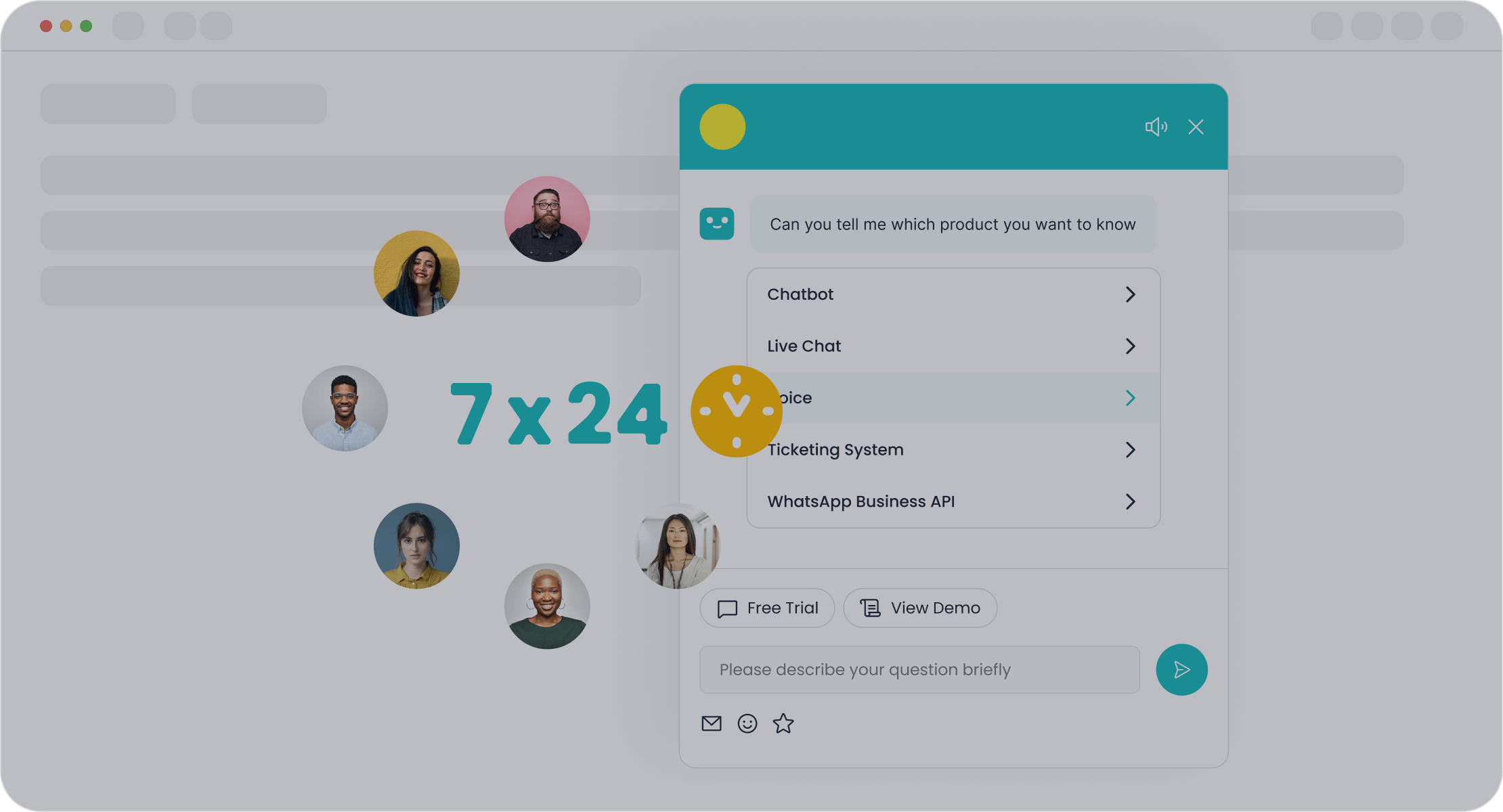
One of the biggest advantages of AI is its ability to offer support around the clock. An ai virtual host never sleeps. It provides immediate assistance to customers regardless of time zones or holidays. This constant availability meets modern customer expectations for instant responses. Traditional customer support teams, in contrast, operate on schedules and shifts. This can lead to delays and customer frustration outside of business hours.
The demand for automated, 24/7 support is a major driver of market growth for AI in customer service. Projections show a significant upward trend.
| Metric | Value |
|---|---|
| Market Size (2024) | USD 13,012.4 million |
| Market Size (2025) | USD 15,784.6 million |
| Projected Market Size (2033) | USD 83,854.9 million |
| CAGR (2025-2033) | 23.2% |
This growth reflects a shift in how businesses approach customer interactions. They recognize the need for a support system that is always on. While traditional customer support provides in-depth help during work hours, AI fills the gaps with continuous service.
Cost Efficiency and Scalability
Cost is a major factor for any business. Traditional customer service requires significant investment in hiring, training, and salaries. Labor expenses often make up 70% of a support budget. AI offers a more cost-effective solution. Implementing ai chatbots can reduce the cost per query from $5-10 for a human agent to just $0.50-1. This represents a massive 70-90% cost reduction on individual interactions.
AI systems are designed to manage a vast number of customer interactions at the same time. This makes them perfect for businesses with changing demand.
AI also provides unmatched scalability. A traditional customer support team can be overwhelmed during peak times like holidays or product launches. Hiring temporary staff is expensive and time-consuming. An ai virtual host, however, can handle a sudden surge in requests without any drop in performance. This automation allows businesses to expand their support capabilities without proportionally increasing human labor. This efficiency helps teams manage high volumes, prevent long wait times, and improve the overall customer experience.
Consistency and Data-Driven Accuracy
Human agents are valuable, but they can be inconsistent. Factors like mood, fatigue, or experience level can affect the quality of their response. AI, on the other hand, delivers perfectly consistent answers every time. An ai virtual host follows its programming and knowledge base without variation. This ensures every customer receives the same on-brand information.
This comparative analysis shows the difference in consistency:
| Feature | AI Chatbots | Human Agents |
|---|---|---|
| Consistency | Always consistent in responses | Potential for inconsistency due to human factors |
| Error Rate | Low error rate for routine queries | Potential for human error, especially under stress |
AI achieves this high accuracy by learning from data. Machine learning algorithms analyze past customer interactions, support tickets, and knowledge base articles. This allows the AI to understand customer intent and provide relevant, correct answers. It can even use predictive analytics to anticipate customer needs before they are expressed. This data-driven approach leads to a higher resolution rate and fewer errors compared to traditional methods alone.
The Role of AI Chatbots in Modern Support
AI chatbots are the frontline of modern ai-powered customer support. They are designed to handle a high volume of common and repetitive questions. This frees up human agents to focus on more complex problems that require critical thinking. The right ai virtual host can handle up to 80% of common queries instantly. These include tasks like checking an order status, answering billing questions, or helping with account recovery.
The effectiveness of ai chatbots is measured by their containment rate, which is the percentage of conversations they resolve without human help. Advanced ai chatbots can achieve very high rates.
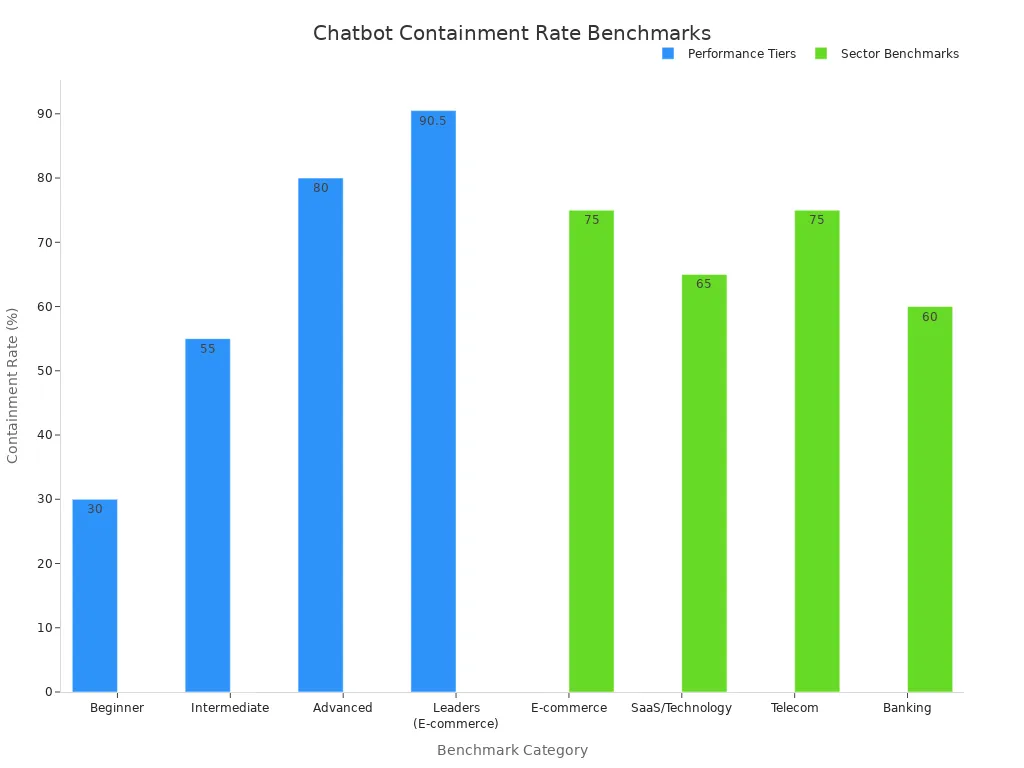
This high rate of issue resolution shows that ai chatbots are not just a simple tool. They are a powerful part of an ai-powered customer support strategy. They improve issue resolution times and ensure customers get fast answers. This makes the entire support process better for everyone.
Handling Complexity and Emotional Nuance
While AI excels at speed and consistency, it cannot replace human empathy. Complex, sensitive, or emotionally charged customer issues require the emotional intelligence that only a human can provide. Traditional customer support agents can understand frustration, show empathy, and build a personal connection with a customer.
Research shows that over 85% of customers are more likely to do business with a company again after a positive emotional connection with a support representative.
This is where traditional customer service is essential. A human agent can navigate nuance, de-escalate a tense situation, and find creative solutions that a machine might miss. An ai virtual host can handle the facts, but a person can handle the feelings. For true customer loyalty, a business needs the problem-solving skills of traditional customer support. This human touch is critical for high-stakes issue resolution and building lasting customer relationships. The best support systems use AI for efficiency but rely on traditional customer support for empathy and complex issue resolution.
The Hybrid Model: The Future of AI-Powered Customer Support
The debate between AI and traditional customer support is becoming obsolete. The future lies in a powerful partnership between them. The hybrid model combines the speed of AI with the empathy of human experts. An all-in-one contact center solution, like the one offered by Sobot, perfects this approach. It creates a single, unified system where technology and people work together for superior issue resolution.
How Sobot Integrates AI and Human Agents
A successful hybrid strategy depends on seamless integration. The goal is to create a shared workflow where AI and human agents are on the same team. Sobot's platform achieves this by giving both access to the same customer data and routing logic. This ensures every interaction contributes to a complete customer profile. Key features of this integration include:
- Context Memory: The system retains all previous interactions, so customers never have to repeat themselves.
- Intelligent Routing: It directs queries to the best resource, whether that is one of the AI chatbots or a specialized human agent.
- Shared Accountability: Both AI and human agents are measured on resolution and customer satisfaction.
This unified approach moves beyond simple AI-driven solutions and creates a truly collaborative support environment.
AI as the First Line of Defense
In the hybrid model, AI acts as an intelligent front door. AI chatbots are the first point of contact, handling common and repetitive questions 24/7. This initial triage frees up human agents from routine tasks. It allows them to dedicate their time to complex problems that require deep expertise. This use of AI improves efficiency and ensures that customers with simple needs get instant answers, which is a core benefit of ai-powered customer support. The primary goal is quick and effective issue resolution for the majority of incoming support requests.
Seamless Escalation to Human Experts
When an issue is too complex for AI, the handoff to a human must be flawless. A seamless escalation process is critical for customer satisfaction. This means the AI must recognize when to transfer a conversation. It also ensures the full context of the chat moves with it.
Best practices for escalation include preserving the entire chat history, using AI to detect customer frustration, and routing the query to the right department. This prevents the customer from starting over.
This smooth transition is a hallmark of effective ai-powered customer support. It combines the efficiency of chatbots with the nuanced understanding of traditional customer support for better issue resolution and satisfaction.
A Real-World Example of Success
The power of the hybrid model is clear in real-world applications. The smart device leader OPPO partnered with Sobot to enhance its ai-powered customer support. By implementing Sobot’s AI chatbots alongside its traditional customer support team, OPPO transformed its service operations.
The results were remarkable. OPPO achieved:
- An 83% chatbot resolution rate for common inquiries.
- A 94% positive feedback rate from customers.
- A 57% increase in its repurchase rate.
This case study (OPPO Customer Story) perfectly illustrates the hybrid model's value. The AI chatbots managed high volumes with great efficiency, leading to faster resolution. This allowed human agents to provide high-quality, empathetic support for more complex issues, boosting overall satisfaction and loyalty. This success is not unique; companies like Telenor also report chatbot resolution rates between 70-80%, proving the model's effectiveness across industries.
Choosing Between AI Customer Support Tools with Traditional Features
Deciding on the right support model requires a careful look at your business goals. The choice is not about replacing humans with machines. It is about creating a smart system where both work together. Understanding when to use automation and when to rely on human skill is the key to building effective ai customer support tools with traditional features. This section helps you assess your needs to find the perfect balance.
When to Prioritize AI Automation
Businesses should prioritize AI automation when facing high volumes of repetitive questions. This is also the right path for companies focused on cost reduction and 24/7 availability. Industries like retail, finance, and manufacturing see great benefits from AI. It helps them manage common inquiries without overwhelming their teams.
AI automation delivers value in several ways:
- It decreases the overall cost of support.
- It improves customer satisfaction with instant, around-the-clock answers.
- It boosts agent efficiency by handling simple, tedious tasks.
A powerful tool like the Sobot Chatbot is designed for this purpose. It can cut support expenses by up to 50% by handling routine queries. This also improves agent productivity by 70%, as agents can focus on more valuable work.
Furthermore, AI is a powerful engine for growth. AI chatbots engage potential leads instantly, which is critical for conversion. This speed prevents leads from going cold. AI-driven solutions also use data to personalize interactions, making marketing efforts more effective. For businesses aiming to increase sales, AI automation can help generate 30% more leads while reducing service costs. This makes ai-powered customer support a strategic investment for both service and sales.
When to Invest in Human-Led Support
A business should invest in human-led support for interactions that are complex, emotional, or high-value. While ai chatbots are great for facts, they cannot replicate human empathy. Traditional customer service shines when a customer is frustrated or needs detailed, personalized advice. These moments are critical for building loyalty and trust.
Human-led traditional customer support is essential for:
- High-stakes purchases: Customers buying luxury items or complex financial products need reassurance from a person.
- Complex services: Explaining an insurance policy or a technical product often requires a nuanced conversation.
- Personalized onboarding: Guiding a new customer through setup is a high-touch activity that builds a strong relationship.
These interactions define the customer experience. A positive emotional connection with a support agent makes customers more likely to return. For this reason, traditional customer support remains the cornerstone of excellent service for any issue that requires a human touch for its resolution. Relying solely on AI for these sensitive scenarios can damage customer relationships. Therefore, a balanced approach that includes traditional customer support is vital for long-term success.
A Checklist for Your Business Needs
Finding the right mix of ai customer support tools with traditional features starts with a self-assessment. Use this checklist to analyze your company's unique situation. Your answers will point you toward the best strategy for your team and your customers.
Your Support Strategy Checklist 📝
- Query Type: Are most of your customer questions simple and repetitive (e.g., "Where is my order?") or complex and unique?
- Support Volume: Does your team face a high volume of tickets that is difficult to manage, especially during peak hours?
- Business Hours: Do you need to offer support outside of traditional business hours to serve a global customer base?
- Budget: Is your primary goal to reduce the operational cost of your support department?
- Customer Expectations: Do your customers value speed and instant resolution above all else, or do they prefer a personal, high-touch experience?
- Team Goals: Do you want to free your traditional customer support agents from repetitive tasks so they can focus on high-value issue resolution?
Answering these questions will clarify whether you need more automation or a deeper investment in your traditional customer support team. Most businesses find they need a combination of both.
Evaluating Your Current Support Volume
Analyzing your current support volume is a critical step. The data you collect will reveal clear opportunities for automation. A good starting point is to measure your ticket volume. Top-performing organizations often see around 0.5 tickets per user each month. You can track this metric daily for operations, weekly for trends, and monthly for strategic planning.
To identify where ai chatbots can help, follow these steps:
- Collect and Categorize Data: Gather all your support tickets from every channel. Tag them by category, such as "Billing," "Password Reset," or "Product Feature."
- Identify High-Frequency Topics: Analyze the tags to find which categories generate the most tickets. Repetitive, simple questions are perfect candidates for ai chatbots. This is the first step toward better issue resolution.
- Analyze Resolution Times: Look at how long it takes your traditional customer support team to resolve these common tickets. AI can provide instant resolution for these, drastically improving your metrics.
- Implement and Monitor: Deploy ai chatbots to handle the identified high-volume queries. Continuously monitor their performance to ensure a high resolution rate and customer satisfaction.
This data-driven approach allows you to strategically apply ai customer support tools with traditional features. You can use AI to manage the bulk of simple inquiries, which allows your traditional customer service agents to become expert problem-solvers for more complex issue resolution. This creates a more efficient and effective ai-powered customer support system for everyone.
The Evolution of Customer Experience with AI

Artificial intelligence is changing how businesses interact with every customer. AI is not just a tool for automation; it is a partner that enhances the entire support journey. This evolution moves beyond traditional customer support models. It creates a smarter, faster, and more personal experience that meets modern customer expectations. AI-powered systems are at the forefront of this change, improving both efficiency and quality.
Empowering Agents with AI Copilots
AI copilots act as powerful assistants for traditional customer support agents. These tools do not replace humans. They empower them. An ai virtual host can suggest responses, find information quickly, and even adjust the message tone to match a customer's mood. This support helps agents work faster and more consistently.
Key functions of an AI copilot include:
- Real-time conversation assistance for better issue resolution.
- Automated ticketing to streamline support workflows.
- Message autocomplete to accelerate response times.
This assistance reduces training time for new agents and boosts morale for the entire team. It allows agents to focus on providing high-quality, empathetic support for complex problems.
Predictive Insights and Personalization
AI can predict what a customer needs before they even ask. By analyzing historical data like purchase history and browsing behavior, ai-driven solutions identify patterns. This allows for proactive support and true personalisation. For example, an ai virtual host can flag a potential issue and offer a resolution before the customer complains. This level of personalised service transforms the customer experience from reactive to proactive. This focus on personalisation helps businesses build stronger relationships and improve customer loyalty.
The Rise of Omnichannel Communication
Customers today expect to connect with businesses on their preferred channels. An omnichannel strategy integrates various platforms like live chat, email, social media, and phone into one seamless experience. This ensures consistent customer communication. An ai virtual host can manage conversations across all these channels. This provides a unified support front.
79% of customers say they prefer live chat purely because of the immediacy it offers compared to other channels.
Integrating popular apps like WhatsApp, which has over two billion users, is also crucial for modern support. This approach ensures every customer receives a fast, high-quality resolution, no matter how they reach out.
Preparing Your Team for an AI Future
Integrating AI requires preparing your traditional customer support team for a new way of working. Training should focus on collaboration, not replacement. Agents need to understand how the ai virtual host functions and when to intervene. A successful transition involves establishing clear goals for the AI, such as faster resolution times. It is also important to use feedback from agents and customers to refine the ai models continuously. This ensures the technology effectively supports the team and improves the quality of issue resolution.
The debate between AI and traditional support is over. The best strategy is a partnership. This model combines AI efficiency with the empathy of traditional customer support. AI handles scale and cost, freeing traditional customer support agents for high-value support. This AI approach boosts customer satisfaction. A hybrid solution, like Sobot's AI support, ensures customer satisfaction and better traditional support. This method of traditional customer support guarantees satisfaction for every customer. The future of support is this smart blend of AI and traditional customer support.
Embark on Your Contact Journey by exploring intelligent contact center solutions.
FAQ
What is the main purpose of an AI chatbot?
An AI chatbot automates customer interactions. It solves common questions on its own. This improves a company's productivity and efficiency. A tool like the Sobot Chatbot can assist agents and handle routine tasks 24/7, freeing up the support team for more complex work.
How do AI chatbots help reduce costs?
AI chatbots operate around the clock without needing extra staff. They manage a high volume of simple queries instantly. This approach can cut support expenses by up to 50%. It allows businesses to scale their support capabilities without a large increase in labor costs.
Does using AI mean I don't need human agents?
No, the best strategy combines AI with human agents. AI handles repetitive questions, which improves agent productivity by up to 70%. This allows human experts to focus on complex, high-value customer issues that require empathy and critical thinking for a successful resolution.
Is it difficult to set up an AI chatbot? ⚙️
Modern AI chatbots are designed for ease of use. For example, the Sobot Chatbot uses a point-and-click interface. This allows businesses to design and launch automated workflows without any coding experience, making the setup process simple and fast.

