Emerging Trends in AI Customer Service Training for 2025

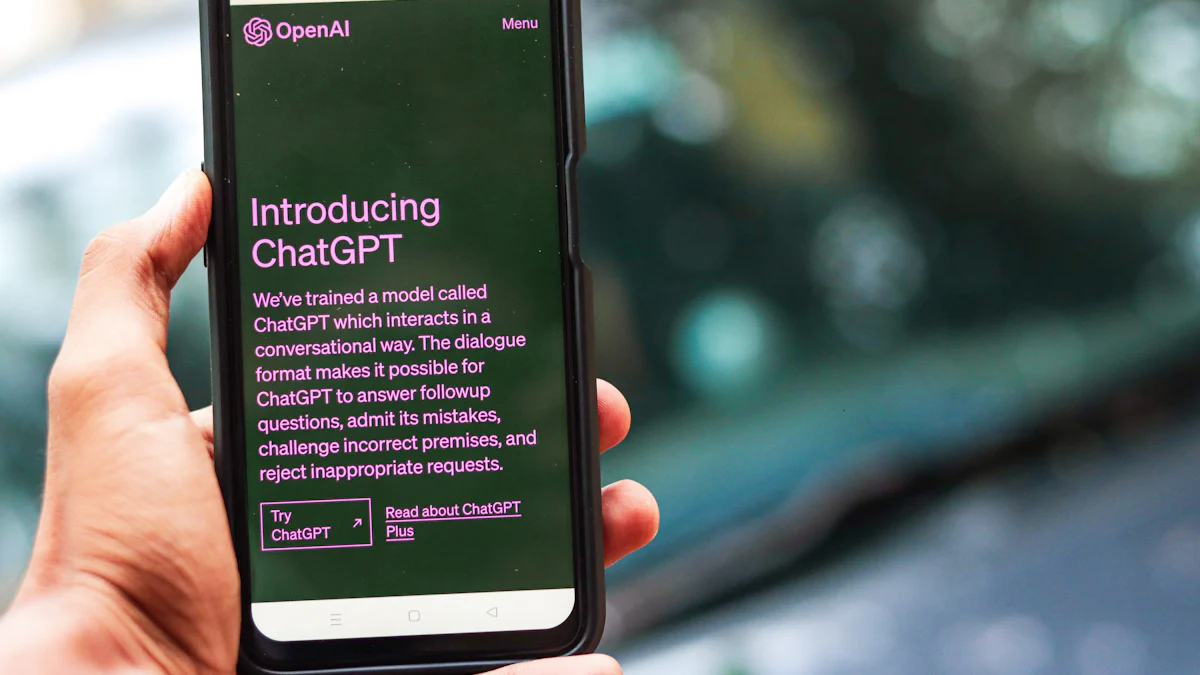
AI is reshaping how you train customer service teams, making learning more dynamic and effective. Personalized and scenario-based training methods now allow employees to adapt quickly to real-world challenges. Generative AI creates real-time, adaptive environments, helping your team stay agile and prepared for evolving customer needs. By 2025, more than half of the global workforce will need to upskill, and AI-driven training ensures your employees remain competitive. Tools like Sobot AI simplify this process, offering innovative solutions to enhance CX. Embracing these emerging innovations not only boosts employee confidence but also positions your business for long-term success.
Did you know? Upskilling employees with AI could add $6.5 trillion to the global GDP by 2030. This highlights the economic potential of adopting AI customer service training.
The trends in AI training are clear—hyper-personalization, emotional intelligence, and omnichannel integration are transforming CX. Staying ahead means leveraging these advancements today.
The Role of AI in Customer Service Training
Why AI is Essential for Modern Customer Service
Meeting the demands of evolving customer expectations.
Customers today expect fast, accurate, and personalized service. AI helps you meet these demands by equipping your team with tools that simulate real-world scenarios. Generative AI creates tailored training exercises, enabling employees to practice handling diverse customer issues. For example, AI chatbots can replicate challenging customer interactions, preparing your team to respond effectively. This approach ensures your employees are ready to deliver exceptional CX, even in high-pressure situations.
AI-driven automation also allows your business to provide 24/7 support. By training employees with AI tools, you can ensure they are equipped to manage customer inquiries across multiple channels. This capability not only enhances customer satisfaction but also positions your business as a leader in CX innovation.
Enhancing training efficiency and scalability with AI tools.
AI makes customer service training more efficient and scalable. Traditional training methods often require significant time and resources. AI tools, however, streamline the process by automating repetitive tasks and providing instant feedback. For instance, AI systems can analyze employee performance in real-time, offering actionable insights to improve skills. This agility ensures your team stays ahead of customer expectations.
Moreover, AI enables you to scale training programs without compromising quality. Whether you’re onboarding new hires or upskilling existing staff, AI tools like Sobot’s training solutions deliver consistent, high-quality instruction. This scalability is crucial for businesses aiming to grow while maintaining excellent CX.
Benefits of AI Customer Service Training
Real-time feedback and performance analytics.
AI provides real-time feedback, allowing employees to adjust their approach during training sessions. For example, AI systems can identify areas where an employee struggles and suggest immediate improvements. This dynamic feedback loop enhances learning outcomes and ensures your team is always improving.
Performance analytics further amplify these benefits. AI tools track key metrics, such as response time and customer satisfaction scores, to evaluate employee progress. By addressing issues as they arise, you can create a more agile and effective training program.
Cost-effective and consistent training delivery.
AI reduces training costs while maintaining consistency. Businesses save up to 65% on training expenses by leveraging AI tools. These tools automate repetitive tasks, such as creating training materials, freeing up resources for more strategic initiatives. Additionally, AI ensures every employee receives the same high-quality instruction, regardless of location or time zone.
For example, AI chatbots can manage multiple training sessions simultaneously, reducing the need for additional trainers. This efficiency not only lowers costs but also allows your team to focus on delivering exceptional CX. With solutions like Sobot, you can implement these benefits seamlessly, ensuring your business stays competitive in the evolving customer service landscape.
Key Customer Service Trends in AI Training for 2025
Hyper-Personalization in Training
Customizing training modules for individual employee needs.
AI-driven personalization is revolutionizing how you train employees. By analyzing individual performance data, AI tailors training modules to address specific skill gaps. For example, if an employee struggles with conflict resolution, AI can recommend targeted exercises to improve this skill. This approach ensures every team member receives the support they need to excel in customer service roles.
AI systems also adapt in real time. They analyze emotional cues, such as frustration or confusion, during training sessions. This allows the system to adjust its tone or provide additional guidance. These advancements make training more effective and engaging for your team.
AI will anticipate customer needs, transforming support from reactive to proactive. This shift enhances personalized service and strengthens CX.
Using customer data to create realistic training scenarios.
AI uses customer data to simulate real-world interactions. By leveraging detailed customer profiles, AI creates scenarios that reflect actual challenges your team may face. For instance, it can generate role-playing exercises based on common customer complaints or inquiries. This prepares employees to handle diverse situations with confidence.
Hyper-personalization also improves CX by aligning training with customer expectations. Employees trained with realistic scenarios are better equipped to deliver seamless, personalized service across all touchpoints.
Generative AI for Training Content
Automating the creation of dynamic role-playing exercises.
Generative AI simplifies the creation of training content. It automates the development of role-playing exercises, saving you time and resources. For example, AI can generate scripts for mock customer interactions, complete with varying tones and complexities. This allows employees to practice handling different customer personalities and issues.
Generative AI also ensures content remains fresh and relevant. By analyzing current customer service trends, it updates training materials to reflect the latest challenges and opportunities in CX.
Developing AI-generated training materials and guides.
Generative AI mimics the work of instructional designers. It synthesizes training materials from multiple sources, creating comprehensive guides in a fraction of the time. For example, it can generate quizzes, content summaries, and eLearning course outlines. These tools make training more efficient and accessible for your team.
Generative AI creates new content, such as text, videos, and synthetic data, based on user input. This capability enhances the quality and variety of training materials.
Emotional Intelligence in AI Customer Service Training
AI tools recognizing and responding to employee emotions.
AI tools now recognize emotional cues in text, voice, and video. Natural Language Processing (NLP) detects sentiments in employee communications, assigning scores to quantify emotional responses. For example, if an employee shows signs of frustration, AI can offer supportive feedback or adjust the training pace. This proactive approach fosters a positive learning environment.
Training employees to handle emotionally sensitive customer interactions.
AI also helps employees develop emotional intelligence. It simulates scenarios involving sensitive customer interactions, such as complaints or emotional distress. By practicing these situations, employees learn to respond with empathy and professionalism. This skill is crucial for delivering exceptional CX and building customer trust.
Omnichannel Integration in Training
Preparing employees for seamless service across platforms.
Omnichannel integration ensures your team delivers consistent customer service across all platforms. Customers today interact with businesses through multiple channels, including chat, email, and social media. AI helps you train employees to handle these interactions seamlessly. For example, AI-powered tools simulate real-world scenarios where customers switch from one channel to another. This prepares your team to manage transitions without losing context.
AI tracks customer interactions across platforms, creating a unified history. This allows employees to access relevant information instantly, ensuring personalized service. For instance, if a customer starts a conversation on social media and continues it via email, AI provides the full context. This reduces response time and enhances CX. By training employees with these tools, you ensure they can meet customer expectations in a fast-paced, digital-first world.
AI tools for consistent training across chat, email, and social media.
AI-driven automation makes training consistent across all communication channels. Tools like Sobot’s AI-powered solutions create tailored modules for each platform. For example, Sobot can design training exercises that teach employees how to respond to chat inquiries with speed or craft professional email replies. These exercises ensure your team masters the nuances of each channel.
AI also enables predictive assistance. It analyzes customer behavior to anticipate needs, such as sending follow-up emails after a chat session. This proactive approach improves CX and builds trust. Additionally, AI ensures effortless transitions between channels. Customers can switch platforms without repeating themselves, and employees can pick up conversations where they left off. Training your team with these tools prepares them to deliver exceptional service, no matter the channel.
Omnichannel integration is no longer optional. It’s a necessity for businesses aiming to stay competitive in 2025.
Practical Applications of AI for Customer Experience

Real-World Use Cases of AI in Training
AI chatbots for interactive employee training sessions.
AI chatbots are transforming how you train employees for customer service roles. These chatbots simulate real-world customer interactions, allowing employees to practice handling inquiries in a risk-free environment. They provide instant feedback, helping employees refine their communication skills and problem-solving abilities. For example, chatbots can mimic challenging scenarios, such as handling irate customers or resolving complex issues, ensuring your team is prepared for any situation.
This approach enhances learning efficiency and boosts employee confidence. AI-driven automation also ensures that training sessions are consistent and scalable, regardless of team size or location. By integrating chatbots into your training programs, you can create a more agile and responsive workforce, ready to deliver exceptional CX.
Virtual reality (VR) simulations powered by AI for immersive learning.
Virtual reality (VR) combined with AI offers a hands-on training experience that traditional methods cannot match. Companies like Walmart have successfully implemented VR training modules, enabling employees to practice customer service scenarios in a simulated environment. This immersive approach allows employees to experience real-world challenges without the pressure of live interactions.
AI enhances these simulations by analyzing employee performance and providing personalized feedback. For instance, it can identify areas where an employee struggles, such as conflict resolution, and suggest targeted exercises. This method not only improves employee skills but also leads to better customer experiences. Employees trained with VR simulations feel more confident and capable, resulting in higher customer satisfaction.
Sobot’s AI Customer Service Training Solutions
Overview of Sobot’s AI-powered training tools.
Sobot offers a suite of AI-powered customer service tools designed to optimize your training programs. These tools streamline processes, enhance employee performance, and improve CX. Key features include:
| Feature | Description |
|---|---|
| Accelerate Resolution Time | Solve requests faster with intelligence built into your workspace. Sobot uses AI to show agents key insights and offer suggestions to fix issues. |
| Lend Agents An Extra Hand | Sobot AI acts as an always-on assistant, suggesting responses, recommending actions, and summarizing events. |
| Optimize Your Businesses | Create, train, and customize an autonomous AI Agent with minimal effort, without requiring heavy IT spending or extensive setup time. |
| Supercharge Knowledge Base | Enhance your knowledge base effortlessly by transforming bullet points into complete articles using machine learning. |
| Customize Cohesive Workflows | Build automatic, no-code workflows with triggers, conditions, and rules to provide personalized customer experiences across channels. |
These features make Sobot an invaluable tool for businesses looking to stay ahead of AI training trends.
How Sobot helps businesses implement emerging trends effectively.
Sobot simplifies the adoption of emerging AI training trends, ensuring your business remains competitive. Its customizable AI agents allow you to create and train systems quickly without requiring extensive IT resources. Intelligent automation enhances customer interactions by reducing repetitive tasks, freeing up your team to focus on more complex issues.
Sobot also excels in contextual information gathering, predicting customer needs and addressing common requests efficiently. This capability ensures your employees are equipped to deliver seamless and personalized customer experiences. By leveraging Sobot’s tools, you can implement AI-driven training solutions that align with the latest trends in CX.
| Feature | Benefit |
|---|---|
| Customizable AI Agents | Businesses can create and train AI agents quickly without extensive IT resources. |
| Intelligent Automation | Enhances customer interactions and reduces repetitive tasks for agents. |
| Contextual Information Gathering | Predicts customer needs and addresses common requests efficiently. |
Sobot’s solutions empower your team to adapt to the evolving demands of customer service, ensuring long-term success.
Strategies for Businesses to Adapt to AI Customer Service Training
Investing in AI Tools and Platforms
Choosing scalable and customizable AI solutions like Sobot.
When selecting AI tools, you should prioritize scalability and customization to meet your business needs. Scalable solutions allow you to expand training programs as your workforce grows, while customizable tools ensure alignment with your unique goals. For example, Sobot offers AI-driven automation that enhances operational efficiency by automating repetitive tasks. It also enables personalized customer experiences by analyzing data to tailor interactions.
Consider these factors when investing in AI solutions:
- Operational efficiency and automation.
- Personalized customer experiences to boost satisfaction.
- Data-driven decision-making for strategic insights.
- Collaboration with AI startups to infuse innovation.
- Ethical considerations like transparency and fairness.
By choosing tools like Sobot, you can streamline processes and stay ahead of AI CX trends.
Allocating resources for AI-driven training programs.
Effective resource allocation is critical for successful AI integration. Start by selecting tools that align with your strategic learning objectives. Conduct a data audit to assess quality and accessibility, and standardize formats for consistency. Implement data governance to maintain integrity and address gaps that could hinder AI performance.
You should also monitor resource utilization to ensure optimal learning conditions. Begin with pilot projects to demonstrate value and empower AI champions within your organization. This approach ensures a smooth transition to AI-driven workforce transformation.
Upskilling Employees for AI Integration
Training employees to work alongside AI tools.
To maximize the benefits of AI, you need to upskill your workforce. Begin by identifying skills gaps and future needs. Develop tailored training programs for employees at different levels of AI knowledge. For instance, Sobot’s AI tools provide real-time feedback, helping employees refine their skills during training sessions.
Leverage internal talent for mentorship and collaboration. Encourage employees to share knowledge and experiences, fostering a supportive learning environment. By equipping your team with the right skills, you prepare them to work effectively alongside AI tools.
Encouraging a culture of continuous learning and adaptation.
A culture of continuous learning ensures your team stays agile in a rapidly evolving landscape. AI-driven coaching tools, like those offered by Sobot, provide real-time feedback and support. Simulation-based learning creates risk-free environments for practicing soft skills, such as emotional intelligence.
Promote lifelong learning by offering personalized experiences that adapt to individual needs. This approach not only enhances employee engagement but also improves customer engagement by ensuring your team delivers exceptional CX.
Ethical AI Practices in Customer Service Training
Ensuring transparency and fairness in AI-driven training.
Transparency and fairness are essential for ethical AI implementation. Be clear about how data is collected, stored, and used. Use diverse datasets to prevent algorithmic bias and conduct regular audits to identify and address any issues. For example, Sobot ensures fairness by using bias detection techniques and maintaining transparency through clear documentation of AI processes.
Explain what data is included and excluded in AI models. This openness builds trust and ensures your AI solutions align with ethical standards. Regularly gather user feedback to refine your systems and maintain fairness.
Addressing privacy concerns with customer and employee data.
AI training relies on data, making privacy a top priority. Protect sensitive information with strong security measures and adhere to regulations like GDPR. Inform users about how their data will be used and obtain consent.
Be aware of risks such as model poisoning and insider threats. Limit employee access to sensitive data and implement safeguards against malicious actions. By addressing these concerns, you ensure ethical and secure AI-driven training programs.
AI is revolutionizing customer service training, offering tools that enhance efficiency, scalability, and personalization. Companies using dedicated AI platforms report higher customer satisfaction and better ticket deflection rates. By adopting trends like hyper-personalization and generative AI, you can create tailored training experiences that resonate with your workforce and improve CX. Emotional intelligence further strengthens customer loyalty and brand reputation by fostering meaningful interactions.
Tools like Sobot unify communication channels, optimize workflows, and provide actionable insights, helping you stay ahead in 2025. With AI for customer experience, you can deliver seamless, personalized service while empowering your team to excel. Embrace these advancements to transform your CX strategy and secure long-term success.
FAQ
What is AI customer service training, and why is it important?
AI customer service training uses artificial intelligence to enhance how employees learn customer service skills. It’s important because it improves efficiency, personalizes learning, and prepares your team for real-world challenges. Tools like Sobot make this process seamless by automating training and providing real-time feedback.
How does Sobot improve AI customer service training?
Sobot offers AI-powered tools that create personalized training modules, simulate real-world scenarios, and provide instant feedback. For example, Sobot’s AI agents analyze employee performance and suggest improvements. These features ensure your team delivers exceptional customer experiences while staying ahead of industry trends.
Can AI training help reduce costs for businesses?
Yes, AI training reduces costs by automating repetitive tasks and delivering consistent instruction. Businesses save up to 65% on training expenses with AI tools. Sobot’s solutions, for instance, streamline processes and eliminate the need for additional trainers, making training more cost-effective.
How does AI training address emotional intelligence in customer service?
AI tools recognize employee emotions through text, voice, or video analysis. They adjust training pace and tone to create a supportive environment. Sobot’s solutions also simulate sensitive customer interactions, helping employees develop empathy and professionalism, which are critical for building trust and loyalty.
Is AI customer service training scalable for growing businesses?
Absolutely. AI tools like Sobot’s are designed for scalability. They allow you to train large teams without compromising quality. Whether onboarding new hires or upskilling existing staff, Sobot ensures consistent, high-quality training across locations, helping your business grow while maintaining excellent customer service standards.
See Also
Enhancing Efficiency With AI-Powered Customer Service Tools
A Comprehensive Overview of AI in Call Centers
Transforming Customer Support With AI Service Agents

