How AI Customer Service Transforms Logistics Operations

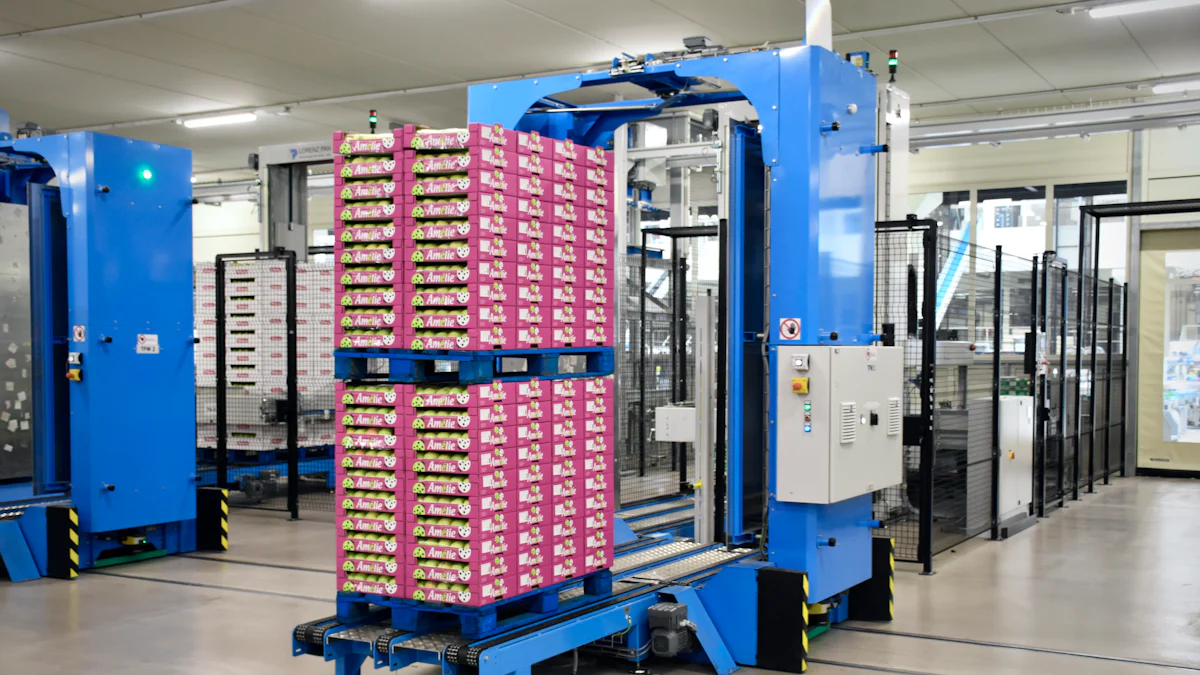
AI is reshaping how you experience customer service in logistics. By automating processes and improving efficiency, it ensures faster and more accurate responses to your needs. For instance, AI-driven systems have reduced fuel usage by up to 10% through optimized route planning, cutting costs and benefiting the environment. Tools like Sobot AI enhance customer interactions by offering real-time tracking and predictive issue resolution. With the global AI market in logistics projected to grow from $12.24 billion in 2023 to $565.82 billion by 2033, adopting AI customer service logistics solutions is no longer optional. Sobot provides scalable AI-powered tools that streamline communication and simplify complex supply chains, helping logistics companies meet your expectations with ease.
The Role of AI in Logistics Customer Service
What is AI Customer Service in Logistics?
Definition and key features of AI customer service logistics.
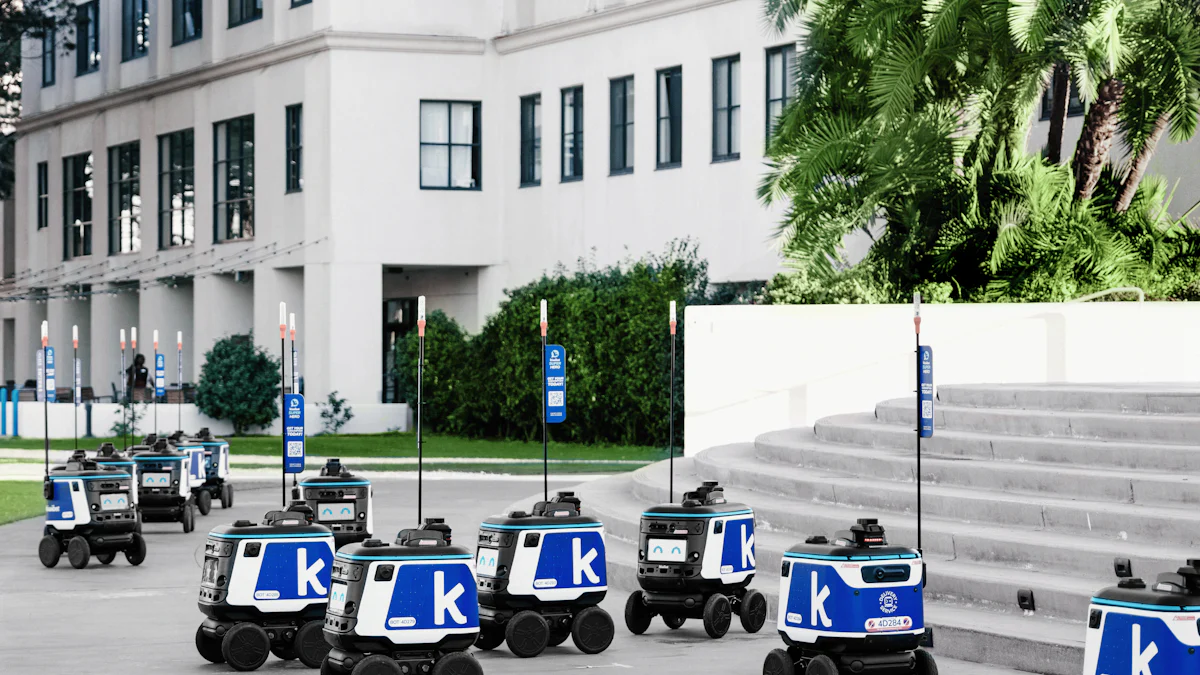
AI customer service in logistics refers to the use of artificial intelligence to enhance how you interact with logistics companies. It automates repetitive tasks, provides real-time updates, and personalizes your experience. Key features include AI-powered chatbots, predictive analytics, and automated feedback systems. These tools streamline communication and ensure faster responses to your inquiries. For example, AI chatbots can handle common questions about shipment tracking or delivery schedules, saving you time and effort.
AI tools like Sobot take this a step further by integrating advanced capabilities such as real-time guidance for agents and proactive issue resolution. This ensures that your concerns are addressed efficiently, improving overall satisfaction. With AI customer service logistics, companies can deliver tailored solutions that meet your specific needs.
How AI integrates into logistics operations to enhance customer interactions.
AI seamlessly integrates into logistics operations by automating processes and providing actionable insights. It uses predictive analytics to anticipate potential issues, such as delays, and informs you proactively. Real-time tracking systems offer accurate shipment updates, ensuring transparency. AI also enhances communication by breaking language barriers with multilingual support, making it easier for you to interact with global logistics providers.
For instance, Sobot’s AI solutions enable logistics companies to connect you with human representatives when needed, ensuring a balance between automation and personalized service. This integration not only improves efficiency but also enhances your overall experience by addressing your concerns promptly.
Why AI is Essential for Logistics Customer Service
Addressing global supply chain complexities with AI.
Global supply chains are intricate, involving multiple stakeholders and regulations. AI simplifies these complexities by analyzing vast amounts of data to uncover trends and correlations. It identifies patterns that humans might miss, helping logistics companies optimize operations and mitigate disruptions. For example, AI can suggest adjustments to production schedules or supplier changes to avoid delays.
AI also automates compliance processes, ensuring accuracy and efficiency. It continuously monitors data for compliance breaches and takes corrective actions in real time. This makes AI indispensable for managing the challenges of modern supply chains, ensuring that your shipments arrive on time and without issues.
Meeting customer demands for speed, transparency, and accuracy.
You expect fast, transparent, and accurate service from logistics providers. AI meets these demands by automating processes and providing real-time updates. For instance, AI-powered route optimization reduces delivery times by analyzing historical data and current conditions. Real-time tracking systems keep you informed about your shipment’s status, enhancing transparency.
AI also anticipates potential issues, such as weather-related delays, and reroutes shipments proactively. This ensures that your deliveries are not only fast but also reliable. Tools like Sobot use AI to provide instant responses to your inquiries, improving service efficiency and ensuring a seamless experience.
Key Benefits of AI in Logistics Customer Service
Multilingual Support for Global Operations
Breaking language barriers with AI-powered tools like Sobot.
AI tools like Sobot make communication seamless in global logistics. They break language barriers by offering multilingual support, enabling customers to interact in their native languages. For example, a Dubai-based logistics company implemented a four-language AI chatbot to assist over 400 customer service agents. This chatbot automates responses to frequently asked questions, allowing customers to receive quick and accurate answers. It also consolidates inquiries from multiple channels into a single dashboard, improving efficiency and ensuring a smooth customer experience. By leveraging AI, logistics companies can cater to diverse audiences and enhance customer satisfaction.
Enhancing communication across diverse customer bases.
AI-powered tools improve communication by tailoring interactions to meet the needs of diverse customer bases. Multilingual AI chatbots ensure that customers from different regions feel understood and valued. This personalized approach fosters trust and loyalty. Additionally, AI systems analyze customer data to identify preferences and deliver relevant information. Logistics companies that adopt these technologies can provide exceptional service, ensuring that every customer feels prioritized.
Real-Time Updates and Proactive Communication
Providing instant shipment tracking and delivery updates.
Real-time updates revolutionize logistics by offering transparency and accuracy. AI systems provide instant shipment tracking, giving customers precise information about their deliveries. For instance, these updates protect cargo from theft and weather damage while enhancing tracking capabilities. The table below highlights key advantages:
| Advantage | Description |
|---|---|
| Cargo Protection | Protects cargo from theft and weather damage during transit. |
| Enhanced Tracking | Provides an accurate picture of shipment locations at all times. |
Real-time tracking also improves supply chain visibility and inventory management, leading to better efficiency and cost savings.
Reducing customer inquiries with automated notifications.
Automated notifications reduce the need for customers to reach out for updates. AI systems proactively communicate potential delays or changes, resolving issues before they escalate. This transparency builds trust and strengthens relationships between logistics companies and their customers. Tools like Sobot ensure that customers stay informed, enhancing their overall experience.
Automation of Repetitive Tasks
Streamlining customer queries with AI chatbots.
AI chatbots handle repetitive tasks like answering common questions, freeing up human agents for more complex responsibilities. For example, Sobot’s AI chatbots can manage inquiries about shipment tracking or delivery schedules, providing instant responses. This automation not only saves time but also reduces errors, ensuring a smoother customer service process. By streamlining these tasks, logistics companies can focus on delivering high-quality service.
Allowing human agents to focus on complex problem-solving.
Automating mundane tasks empowers human agents to tackle strategic challenges. AI takes over responsibilities like data entry and scheduling, enabling employees to concentrate on innovation and decision-making. This shift boosts productivity and enhances problem-solving capabilities. For example, AI systems optimize operations, allowing agents to address customer concerns more effectively. By integrating AI, logistics companies can achieve a balance between automation and personalized service, ensuring customer satisfaction.
Use Cases of AI in Logistics Customer Service
Last-Mile Delivery Optimization
Improving delivery accuracy with AI-driven route planning.
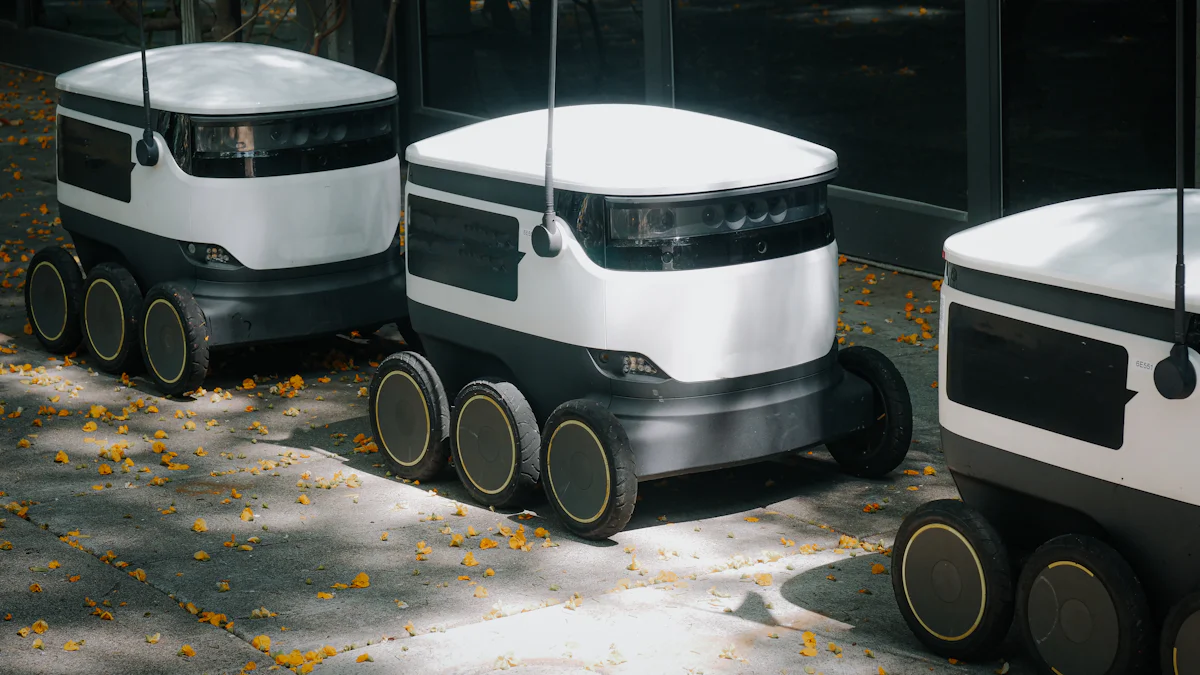
AI revolutionizes last-mile delivery by enhancing accuracy through intelligent route planning. It dynamically adjusts delivery paths based on real-time data, such as traffic conditions or weather disruptions. For example, AI systems can optimize the order of stops for bulk deliveries, considering proximity and urgency. This ensures packages reach their destinations on time, even during unforeseen events.
AI also improves operational precision by analyzing historical data to predict potential delays. Logistics companies benefit from multi-objective optimization, which reduces costs and improves resource utilization. These advancements not only streamline operations but also enhance your overall experience by ensuring timely and accurate deliveries.
Enhancing customer satisfaction with real-time delivery updates.
Real-time updates transform your delivery experience by providing transparency and reliability. AI-powered systems offer accurate shipment tracking, keeping you informed about your package's location and estimated arrival time. Predictive analytics further enhance satisfaction by offering precise delivery windows, reducing uncertainty.
Additionally, AI enables proactive communication. It alerts you to potential delays and provides alternative solutions, such as rerouting shipments. This level of transparency builds trust and ensures a seamless service. Tools like Sobot integrate these capabilities, helping logistics companies deliver exceptional customer service.
Reverse Logistics and Returns Management
Simplifying returns processes with AI-powered systems.
AI simplifies the often complex process of returns management. It automates tasks like recording and tracking returns, reducing manual effort and errors. AI also analyzes customer feedback to identify common issues, allowing logistics companies to address them proactively. For instance, it can detect high return frequencies and alert manufacturers to potential product flaws.
These systems transform returns into a customer-centric operation. By streamlining recall processes and establishing efficient return flows, AI ensures a hassle-free experience for you. This not only boosts satisfaction but also enhances the overall efficiency of reverse logistics.
Reducing costs and improving efficiency in reverse logistics.
AI-driven automation significantly reduces costs in reverse logistics. It optimizes inventory management, ensuring product availability while minimizing labor expenses. Additionally, AI identifies products with high return rates, enabling companies to address underlying issues and prevent future returns.
Route optimization further contributes to cost savings by reducing fuel consumption and delivery times. These efficiencies allow logistics companies to allocate resources more effectively, ultimately improving service quality. Sobot’s AI solutions play a key role in achieving these outcomes, helping businesses streamline their operations and enhance customer satisfaction.
Predictive Customer Support
Anticipating customer needs with AI analytics.
AI analytics empower logistics companies to anticipate your needs and deliver proactive solutions. For example, machine learning systems analyze vast data sources to forecast demand accurately. This ensures that supply chains remain efficient, even during peak periods.
Predictive capabilities also help logistics providers foresee potential issues, such as delays, and address them before they affect you. By rerouting shipments or adjusting schedules, AI ensures a smooth and reliable service. These insights enhance your experience by meeting your expectations proactively.
Resolving issues proactively to enhance customer satisfaction.
AI’s predictive tools resolve issues before they escalate, ensuring a seamless experience for you. For instance, timely notifications about potential delays help manage your expectations and maintain trust. Predictive analytics also provide accurate delivery windows, reducing uncertainty and enhancing satisfaction.
By anticipating market shifts and customer needs, AI enables logistics companies to stay ahead of challenges. This foresight not only improves operational efficiency but also strengthens your trust in their service. Sobot’s AI-powered tools excel in delivering these benefits, ensuring a superior customer experience.
Challenges and Limitations of AI in Logistics Customer Service
Data Privacy and Security Concerns
Ensuring compliance with data protection regulations.
AI systems in logistics rely on vast amounts of data, including sensitive customer information. To protect this data, logistics companies must comply with regulations like GDPR. Transparency in data collection practices is essential to safeguard individual rights. For example, companies can use AI to automate compliance monitoring, ensuring operations align with legal standards. Robust cybersecurity measures, such as encryption and access controls, further enhance data protection. These steps not only reduce risks but also build trust in AI-powered customer service.
Building customer trust in AI systems.
You may hesitate to trust AI systems due to concerns about data misuse or security breaches. Logistics companies can address this by implementing clear data governance policies. Secure storage and disposal protocols ensure your information remains safe. Additionally, proactive risk management and employee training in cybersecurity best practices minimize vulnerabilities. By prioritizing transparency and security, companies can foster confidence in their AI-driven services.
Integration with Existing Systems
Overcoming compatibility issues with legacy systems.
Legacy systems often pose challenges for AI integration. Outdated architectures and fragmented data can hinder seamless implementation. Logistics companies must invest in infrastructure upgrades and data management to overcome these barriers. For instance, cloud-based solutions can bridge the gap between old and new systems. Partnering with AI vendors like Sobot ensures compatibility and smooth integration, enabling companies to enhance customer service without disrupting operations.
Ensuring seamless implementation of AI tools like Sobot.
Strategic planning is key to implementing AI tools effectively. Companies should define clear objectives and prioritize use cases that align with business goals. Training employees to use AI systems ensures a smooth transition. For example, Sobot offers scalable solutions that integrate easily with existing systems, reducing downtime and improving efficiency. By addressing potential obstacles early, logistics companies can maximize the benefits of AI automation.
Balancing Automation and Human Touch
Avoiding over-reliance on AI for customer interactions.
While AI excels at handling repetitive tasks, over-reliance on automation can lead to impersonal service. Customers value human interaction, especially for complex issues. Logistics companies should use AI to complement, not replace, human agents. For example, AI chatbots can handle routine inquiries, allowing agents to focus on problem-solving. This balance ensures you receive efficient yet personalized service.
Maintaining personalized service in a digital age.
AI enables logistics companies to tailor services to your preferences. For instance, AI-powered tracking systems provide real-time updates, reducing uncertainty and enhancing satisfaction. Natural language processing (NLP) tools also improve communication, making interactions feel more personal. By combining AI capabilities with human expertise, companies can deliver exceptional customer experiences while maintaining a personal touch.
Steps for Implementing AI in Logistics Customer Service
Assessing Business Needs and Goals
Identifying areas where AI can add value to customer service.
To implement AI effectively, you must first identify areas where it can enhance customer service. Start by pinpointing operational challenges that AI can address, such as reducing response times or improving shipment tracking. Evaluate specific processes that could benefit from automation, like handling repetitive queries or managing real-time updates. For example, AI chatbots streamline customer interactions by providing instant responses, freeing up human agents for complex tasks.
Consider factors like high initial costs and data privacy concerns. Begin with pilot projects to test AI's impact and ensure compliance with data protection regulations. Collaborate with IT professionals to integrate AI seamlessly into existing systems. By focusing on these areas, you can maximize the value AI brings to your logistics operations.
Setting clear objectives for AI adoption.
Clear objectives ensure a focused approach to AI adoption. Define measurable goals, such as reducing delivery times or increasing customer satisfaction rates. Prioritize use cases that align with your business goals, like improving operational efficiency or enhancing the customer experience.
Engage stakeholders to identify pressing challenges and translate them into actionable objectives. For instance, set key performance indicators (KPIs) like delivery accuracy or response time improvements. These metrics help track progress and ensure your AI initiatives deliver tangible results.
Choosing the Right AI Solutions
Evaluating tools like Sobot for customer service automation.
Selecting the right AI tools is crucial for successful implementation. Evaluate solutions like Sobot, which offers AI-powered chatbots for 24/7 customer support. Look for features like scalability to handle growing customer demands and predictive algorithms to anticipate trends.
Ensure the tool automates information processing and provides real-time insights to enhance logistics operations. For example, Sobot’s AI solutions streamline communication by offering automated feedback and proactive issue resolution. These capabilities improve the reliability of your customer service while maintaining efficiency.
Ensuring scalability and flexibility of AI systems.
Scalability and flexibility are essential for long-term success. Choose modular AI solutions that adapt to changing business needs. For instance, cloud-based platforms allow you to adjust computing resources based on demand, ensuring smooth operations during peak periods.
Regularly review and update your AI systems to stay aligned with market trends. Automated systems can efficiently manage larger transaction volumes, enabling your logistics operations to grow without significant cost increases. This adaptability ensures your AI tools remain effective as your business evolves.
Training and Change Management
Preparing employees for AI integration.
Preparing your team is key to successful AI integration. Invest in training programs to enhance AI literacy, focusing on skills like data analysis and system management. For example, comprehensive workshops can teach employees how to use AI tools like Sobot effectively.
Gradual implementation minimizes disruptions and allows your team to adapt. Emphasize the importance of data quality to ensure AI systems function optimally. By fostering an AI-ready culture, you create an environment that embraces innovation and change.
Addressing resistance to change with proper training.
Resistance to change is common during AI adoption. Engage employees by communicating the benefits of AI, such as improved efficiency and reduced workload. Highlight how tools like Sobot enhance their roles by automating repetitive tasks.
Collaborate with industry experts to ensure smooth integration and address concerns proactively. Modular AI solutions minimize workflow disruptions, making the transition easier. By involving your team in the process, you build trust and encourage acceptance of new technologies.
AI is revolutionizing customer service in logistics by automating tasks and improving efficiency. It enables logistics companies to deliver an enhanced customer experience through real-time updates and predictive analytics. Tools like Sobot simplify operations and help you maximize sales and customer satisfaction. By adopting AI, you can meet customer expectations with a customer-first focus. This transformation ensures your business stays competitive while providing a seamless experience for every customer.
FAQ
What is AI customer service logistics?
AI customer service logistics uses artificial intelligence to improve how you interact with logistics companies. It automates repetitive tasks, provides real-time updates, and personalizes your experience. Tools like Sobot offer AI-powered chatbots and predictive analytics to streamline communication and enhance efficiency.
How does AI improve shipment tracking?
AI provides real-time shipment tracking by analyzing data from GPS and sensors. It keeps you updated on your package's location and estimated delivery time. For example, Sobot’s AI tools send automated notifications, reducing the need for inquiries and ensuring transparency.
Can AI handle multilingual customer support?
Yes, AI excels at multilingual support. It uses natural language processing (NLP) to communicate in multiple languages. Sobot’s AI chatbots, for instance, break language barriers, enabling you to interact in your preferred language. This feature enhances global logistics operations and improves customer satisfaction.
Is AI customer service logistics secure?
AI systems prioritize data security by complying with regulations like GDPR. They use encryption and access controls to protect sensitive information. Sobot ensures your data remains safe with robust cybersecurity measures, fostering trust in AI-powered customer service.
How can logistics companies start using AI?
Logistics companies can begin by identifying areas where AI adds value, such as automating repetitive tasks or improving shipment tracking. Tools like Sobot offer scalable solutions that integrate seamlessly with existing systems, making AI adoption straightforward and effective.
See Also
Transforming Support With Innovative AI Customer Service Agents
Enhancing Efficiency Through AI-Driven Customer Service Solutions
An In-Depth Look At AI Call Center Solutions
Essential Practices For Effective Call Center Quality Management

